I Once Admired the Facilitators — Now I Am One
I Once Admired the Facilitators — Now I Am One
By Uswatun Hasanah
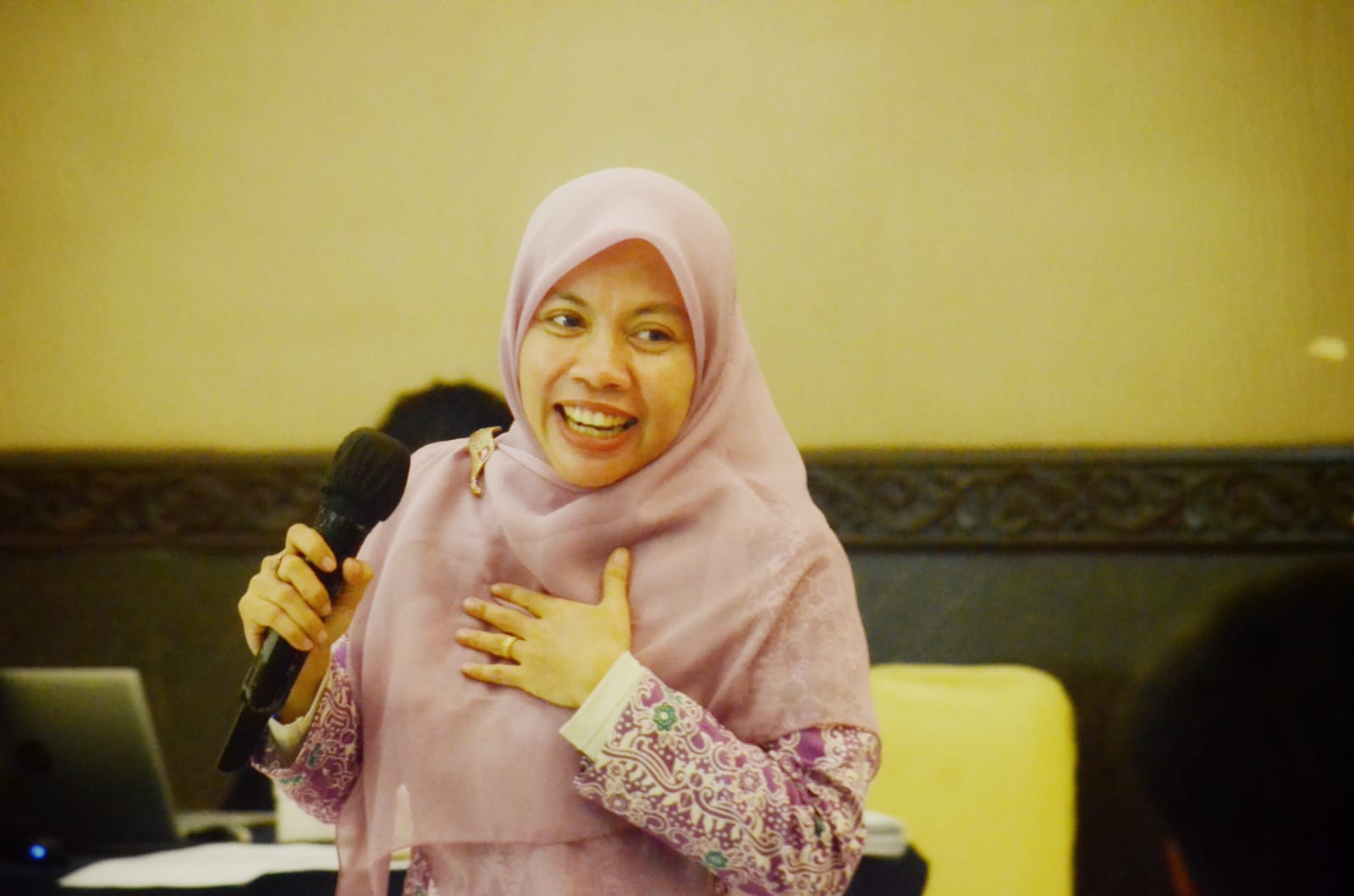
Some people inspire you without knowing it. I still remember sitting in a room in 2017 as a participant in Camp SOAR 1, a program by RELO (Regional English Language Office of the U.S. Embassy) for 20 selected English teachers across Indonesia — watching the facilitators, and thinking “ how did they get there?” And from that moment, I knew I wanted to be one of them. In May 2026, I was no longer the one watching. I was the one standing in front of the room, hoping to be someone’s reason to dream.
That room was the ACCESS English Camp 2026 — a part of the ACCESS Program, a two-year English learning program organized by RELO (Regional English Language Office of the U.S. Embassy) and IIEF in collaboration with selected host institutions across several cities in Indonesia, including Jakarta, Ambon, Balikpapan, Malang, Padang, and Surabaya. Students are selected from different schools and study English twice a week at their respective host institutions. In Jakarta, that host institution is UKRIDA (Universitas Kristen Krida Wacana), guided by ACCESS teachers selected by RELO and IIEF.
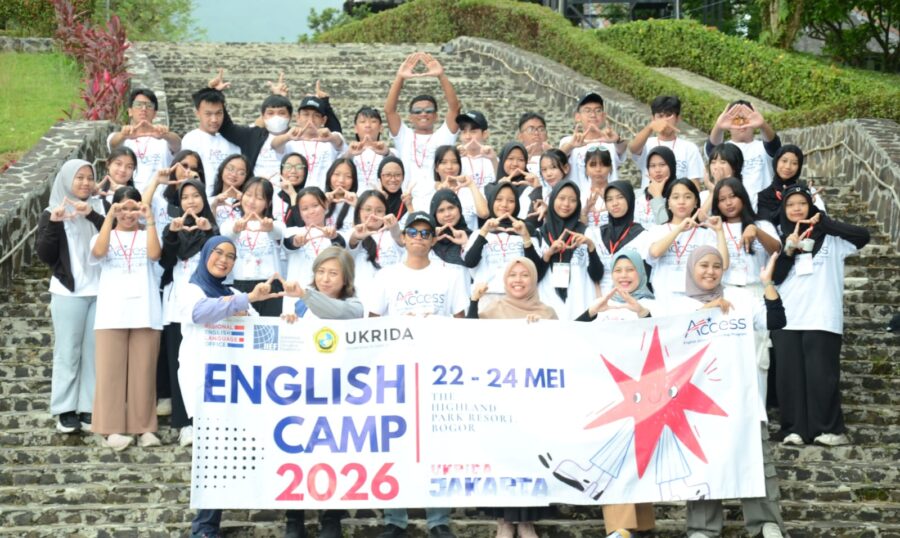
The camp was held from 22–24 May 2026 at Highland Park Bogor, as one of the final programs before students graduate from ACCESS. Over three days, students joined activities designed not only to strengthen their English skills, but also to develop critical thinking, leadership, teamwork, problem-solving, and global awareness. The camp also introduced students to American values and culture as preparation for future opportunities, including studying in the United States.
When I saw the ACCESS Camp facilitator opening, it felt personal immediately. The program was organized by RELO and IIEF — two institutions that had already been part of my story long before this moment. In 2011, I received a U.S. government scholarship under the Indonesian English Language Study Program (IELSP), managed by IIEF, which brought me to Virginia Tech in the United States. Later, I was also a Fulbright FLTA awardee at Ohio University. These experiences made me familiar with the values that U.S. government programs consistently carry — leadership, collaboration, critical thinking, and cultural exchange. So when I saw the facilitator opening, it did not feel like a new opportunity. It felt like coming back to something I already knew and loved.
That was also why I felt confident applying even though I did not fully meet the residency requirement. I am from Serang, Banten , not Jakarta. But I believed I understood the spirit of this program deeply enough to contribute. So I applied anyway.
I still clearly remember the interview. At the end, the interviewers did not ask for a closing statement. But I asked if I could give one anyway. Looking back, it was probably the best decision I made that day.
I told them about Camp SOAR 1, about Virginia Tech, about my Fulbright at Ohio University. I told them I was a public speaker who had stood on local, national, and international stages. And then I said something I genuinely believed: that based on everything I had experienced, I was the best fit for this role.
I was not trying to show off. I just wanted them to understand how much this meant to me, and how ready I was. Sometimes the interview questions alone cannot carry all of that. So, you ask for one more minute, and you say it yourself.
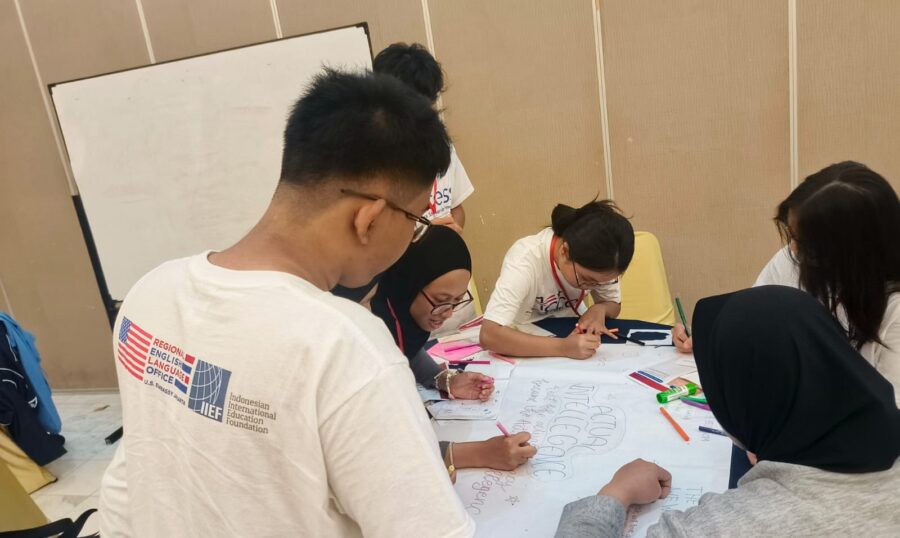
As the facilitator, I was responsible for designing the overall activities. Such as the key sessions, ice breakers, and outdoor games. But honestly, the role taught me something I did not fully expect. Facilitation is not just about having a plan. It is about reading the room, noticing when the energy drops, knowing when to push and when to just let the students talk. There were moments during the camp where the best thing I could do was step back and watch them figure things out themselves. Those were actually my favourite moments.
One of the most memorable parts of the camp was a moment I did not see coming. During the root cause analysis and project pitching activities, students were asked to identify social problems around them. I expected the usual topics — bullying, environmental issues, and sure enough, those came up, including a very passionate discussion about the trash situation in Bantar Gebang. But then several students raised something that made me stop and think. They identified the irresponsible use of artificial intelligence as one of the biggest social problems among young people today.
I was not expecting that. These are teenagers. And they were already thinking critically about AI, not just as a cool technology but as something that could cause real harm if used without responsibility. It was a small moment in the middle of a busy camp, but it stayed with me. It reminded me that sometimes, as educators, we walk into a room thinking we are there to teach. And then the students quietly teach us something instead.
Looking back, becoming an ACCESS English Camp facilitator felt like completing a long circle in my educational journey. Years ago, I sat in a room admiring facilitators who created meaningful experiences for others. In May 2026, I had the chance to be that person for someone else. This experience reminded me that dreams sometimes take years to come true — but they are never meaningless. They quietly shape the choices we make, the skills we build, and the person we become. Until one day, we find ourselves standing in the place we once only imagined from afar.

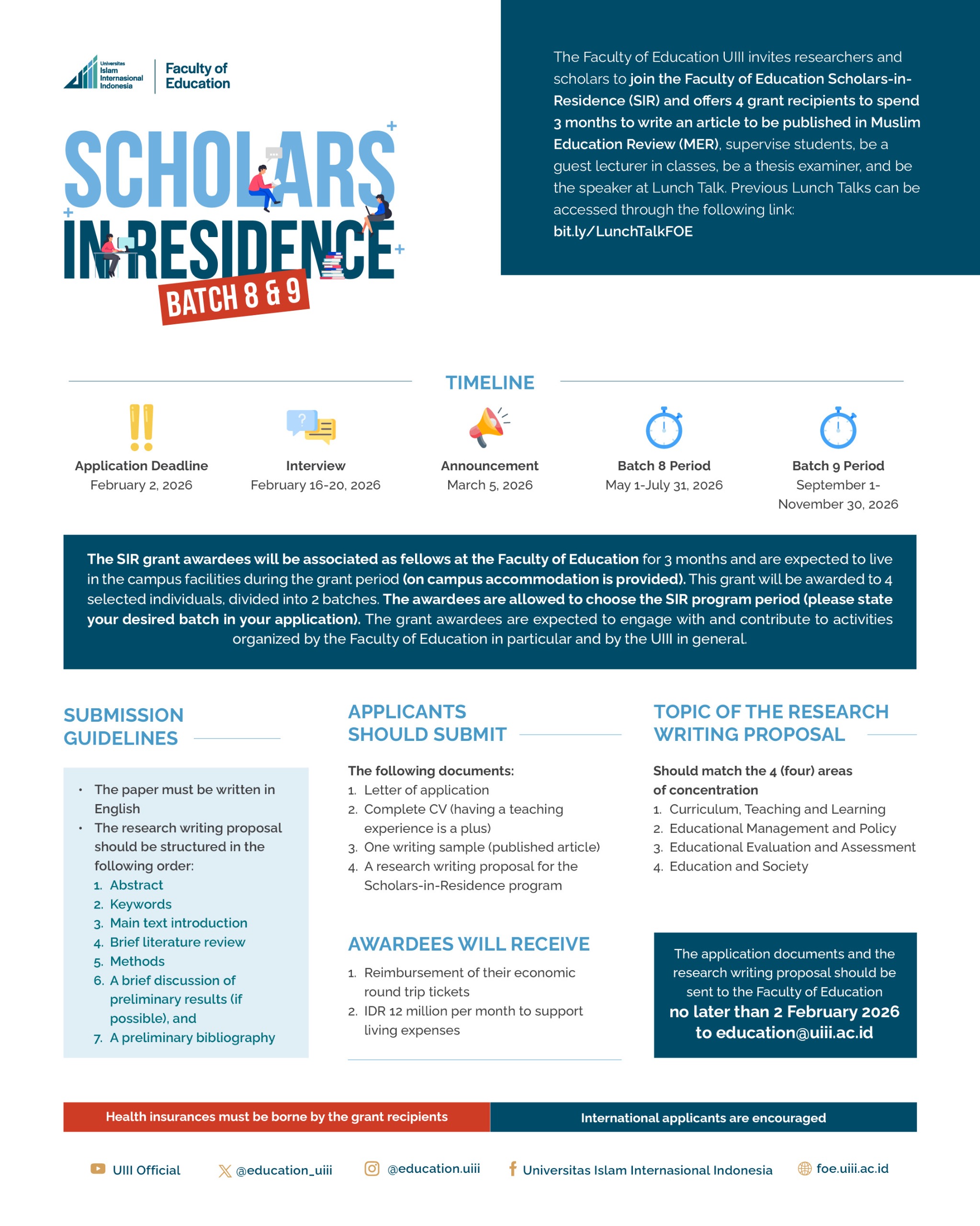
Scholars in Residence 2026 Batch 8 & 9

The Faculty of Education at UIII invites all Ph.D. holders to participate in the Scholar-in-Residence (SIR) 2026, Batch 8 & 9 program, to spend three months as a research fellow.
During the grant period, the awardees are expected to be a guest lecturer in the class, consultant for students, thesis examiner, the speaker at lunch talk and write an article to be published in Muslim Education Review (MER). The topic of the article should match the four areas of concentration at the Faculty of Education:
➡️Curriculum, Teaching, & Learning
➡️Educational Management & Policy
➡️Educational Evaluation and Assessment
➡️Education and Society
Each recipient will receive IDR 12 Million grant per month (excluding tax) and are expected to live in the campus facilities during the grant period (on campus accommodation is provided).
The awardees will start on:
➡️May 1 – July 31, 2026 (Batch 8)
➡️September 1 – November 30, 2026 (Batch 9)
Requirements:
➡️CV
➡️Application Letter
➡️Writing sample (published article)
➡️Research writing proposal (to be published in MER)
?️Deadline: February 2, 2026
?Send your application to: education@uiii.ac.id
Please make sure to read all the details about the program.
Reframing Madrasas in Afghanistan: A Historical Analysis of Islamic Education and Societal Change
 Adel, S., Anogara, B., Salim, M. Rahimi, M, Kayen, H.S. (2026) Reframing Madrasas in Afghanistan: A Historical Analysis of Islamic Education and Societal Change. Jurnal Pendidikan Islam.
Abstract
In global academic and policy discourse, madrasas in Afghanistan are often represented through securitized and reductionist frameworks that conflate Islamic education with extremism, obscuring their historical depth and educational diversity. This article seeks to reframe such narratives by examining the historical development of Afghan madrasas from the pre-modern period to the post-2001 era, situating them within broader trajectories of Islamic education and societal change. Employing a qualitative historical approach through a systematic review of scholarly literature, historical sources, and policy reports, the study analyzes madrasa institutions using an integrated framework that combines the sociology of knowledge, historical institutionalism, and Islamic educational concepts of tarbiyah, taʿlīm, and turāth. The findings show that Afghanistan historically functioned as a significant center of Islamic learning, particularly during the eighteenth and nineteenth centuries, sustained by locally embedded institutions and transnational scholarly networks. While critical junctures, most notably the Soviet invasion of 1979 and subsequent conflicts, reconfigured madrasa functions and politicized religious education, these transformations were contingent on structural disruption, state fragility, and conflict rather than inherent features of madrasa pedagogy. The study concludes that Afghan madrasas are adaptive, context-responsive educational institutions whose continuity and change can only be understood through historically grounded analysis. The findings have broader implications for Islamic education globally, highlighting the importance of historicizing madrasa traditions, resisting securitized interpretations, and recognizing Islamic educational institutions as enduring contributors to moral formation, social resilience, and educational reform in conflict-affected and post-conflict societies.
Learning Beyond the Classroom: Teaching, Empathy, and Confidence
Learning Beyond the Classroom: Teaching, Empathy, and Confidence
By Nida Hanifah

Tuesday, December 16th, 2025, was the day I had the opportunity to directly participate in community engagement at Madrasah Aliyah Negeri in Cilegon. This journey was not simply a change of location, but the beginning of a meaningful learning experience, both for us as students and for the students we would meet. Throughout the journey, my mind was filled with questions and anxieties. How to deliver the lesson to the students there? Would they be able to understand me? considering it had been quite some time since I had interacted directly with high school students. These concerns mingled in my mind, occasionally diverted by the background music playing on the bus.
Upon arrival at MAN 1 Cilegon, we were warmly greeted by the teachers and students. The welcome was sincere and full of enthusiasm. Our presence, consisting of students from diverse backgrounds, both Indonesian and international, seemed to bring a new dimension to the school. My enthusiasm was ignited. I felt impatient to greet, share stories and knowledge with them. I assured myself, "Bismillah, I can make it."
The atmosphere reminded me of my past experiences as a volunteer teacher for Indonesian immigrant children in Malaysia. The smiles, curious gazes, and enthusiasm of the students at MAN 1 Cilegon brought back memories of my former students. They all showed an openness to new teachers, new knowledge, and new experiences. From that, I felt again that my presence as a teacher, even if only once, could be meaningful to them.

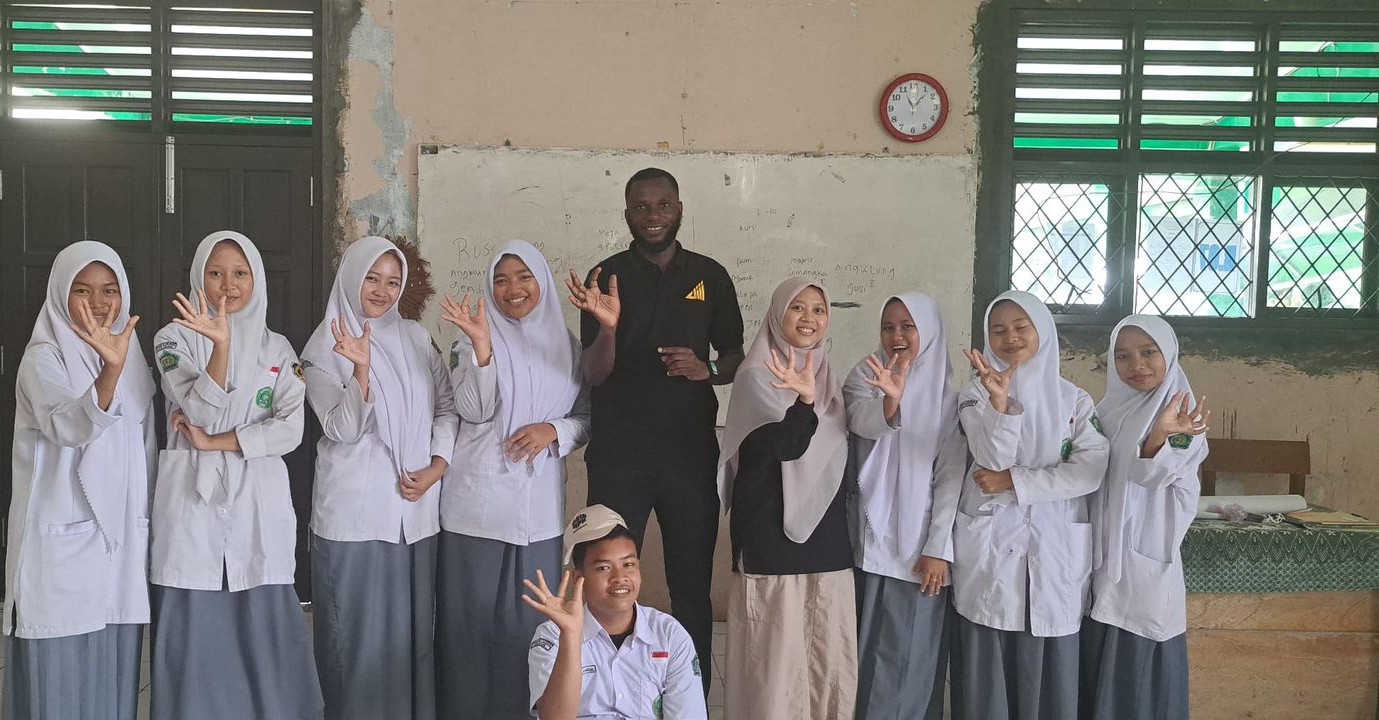
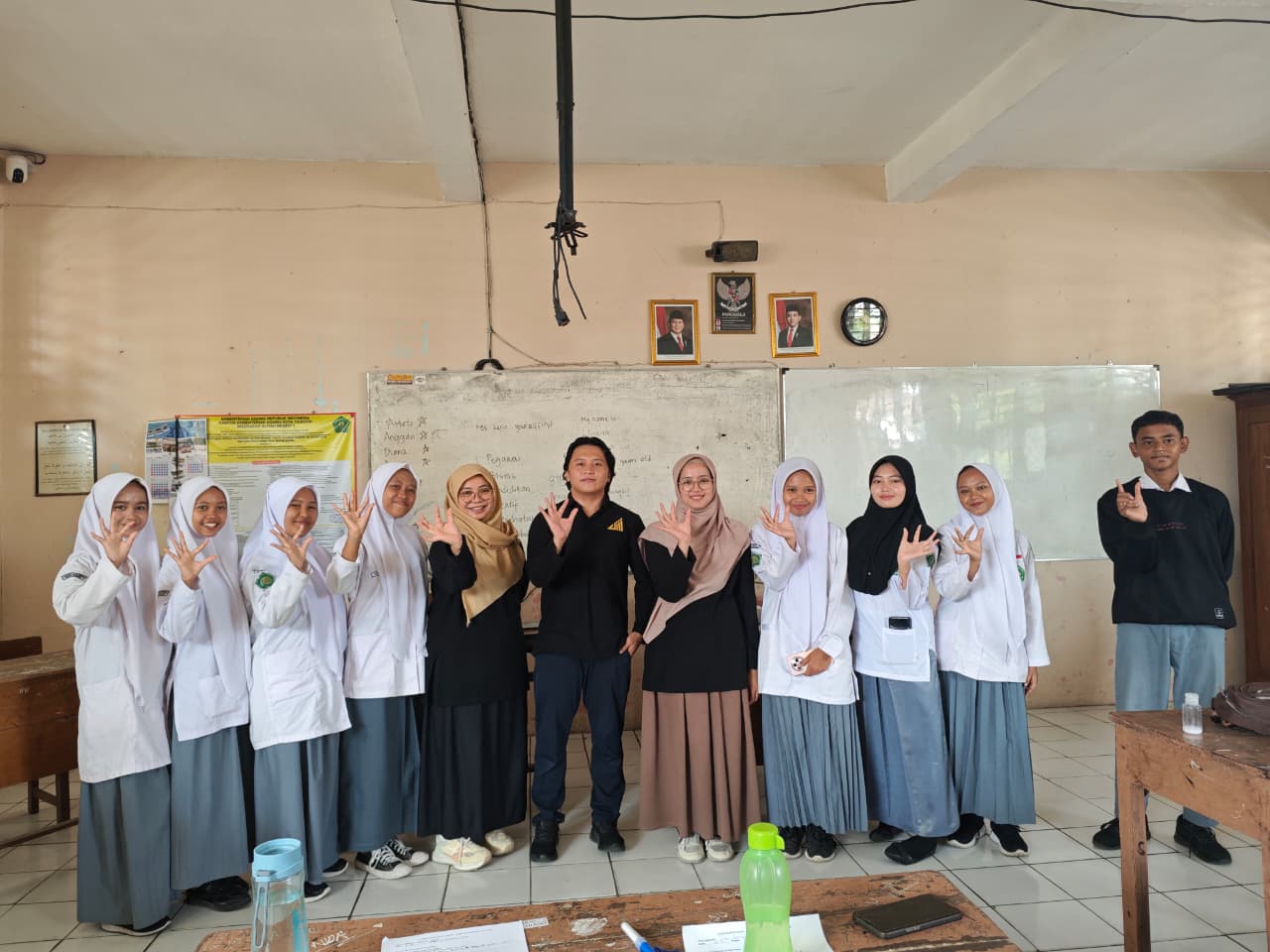
I was placed in one of the 11th grade classes with my teaching partner, Saidou. We began the session by introducing ourselves in English, both teachers and students. Initially, I expected the session to be short. However, in reality, the introduction process took quite long because most of the students had limited English proficiency. From their expressions and body language, I could sense fear, hesitation, and a lack of confidence when it came to answering our questions in English. At that moment, one thing that kept coming to my mind was that they needed encouragement and reassurance that it is okay to make mistakes and not give up. Learning is a journey, and it is never too late to start.
In the classroom, we focused on the importance of mastering English in education and the benefits of knowledge for the future. Considering they were in 11th grade and would graduate in the next one to two years, I felt it was important for them to start thinking about the direction and goals they wanted to achieve in life. Of the nine students in the class, three expressed their desire to continue their education abroad, to places like Egypt, Yemen, and England. This amazed me because at their age, I did not think of studying abroad. I believe these dreams will guide them towards a brighter future.
Throughout the learning process, we often translated explanations into Bahasa to ensure they understood the lesson. Nevertheless, I felt grateful that the hour and a half we had was worth it. Initially, some students seemed less enthusiastic, but this was more due to their limited English comprehension. After the material was explained again in Indonesian, they showed great enthusiasm and actively answered questions.
The game we played at the end of the class was super fun. It was a Snake Words game. From that game, I could see the competitiveness in the quiet children, this proves that we cannot judge people only by their appearance and visible habits. Everyone has a different way of learning and has different ambitions. I told them not to be discouraged even though their names are not the ones often called to receive awards during ceremonies, not the names that are always praised by teachers, not the names that are famous in school. They deserve to have a bright future, it does not mean that those who may seem invisible and unknown cannot prove that they can be successful in the future.
Through this experience, I realized that every student has a different background, way of thinking, and level of confidence. The biggest challenge for me is not only delivering the lesson, but also creating a safe and comfortable learning space, where students feel valued and are not afraid to make mistakes. Reflecting on this activity taught me that meaningful learning is born from empathy, effective communication, and a willingness to listen. Going forward, I hope this community engagement can continue to be implemented on an ongoing basis, so that the relationship between UIII and communities can grow stronger and have a positive impact on both sides.
Rethinking Education: Of the Children, With the Children, and For the Children
Rethinking Education: Of the Children, With the Children, and For the Children
By Ihsan-Isah Imam Zaman

On December 16, 2025, the Faculty of Education from Universitas Islam Internasional Indonesia conducted a community engagement visit to Madrasah Aliyah Negeri in Cilegon. MA Batch 4 and PhD Batch 3 students, along with lecturers and faculty staff, visited the school as part of their commitment to maintaining a beneficial relationship with the local community. During this brief visit, the lecturers and students conducted short learning sessions with the hope of benefiting the local students.
One of the lingering thoughts I had after this experience was the question: how do we really see education and school? Is it merely a process of transferring knowledge and building skills so students can become part of the future labor force? Is a school simply a place where children and youth go to acquire these things? These were some of the lingering thoughts I carried with me.
When looking at the current unemployment crisis prevalent not only in Indonesia but also in neighboring countries, I found myself wondering whether we are preparing our children for future disappointment. I recalled that a few years ago, I was in their position, and I wondered whether, if someone had told me then what I know now, it could have served as a cautionary reflection.
I wished I could have told them that, at this stage of life, what they have is energy and time. They trade that time to acquire knowledge and skills, which they later trade for opportunities and sources of income. But then again, are we not currently facing an unemployment crisis?
They say the best time to plant trees was a hundred years ago, and the next best time is today. In that spirit, I hope that educators and teachers can transform the way they see education. Children and youth need help to comprehend things that still feel incomprehensible to them. At the same time, they also need protection, while ensuring that their agency and autonomy are not infringed upon.
When we see children merely as future members of the labor force, we risk reducing them to mere products. But how do we reconcile the idea that children are our future without robbing them of their present? For us, we may help provide options and present possibilities, but the ultimate decision rests with them. Our responsibility, then, lies in shaping conditions that expand rather than narrow those possibilities, with an emphasis on nurturing and guiding them.
We do not have to worry that they may fail to contribute productively to the sustainability of humankind, as long as we nurture them with values that respect their agency and autonomy. By agency, I mean children’s capacity to have a voice and participate meaningfully in decisions that affect them, while autonomy refers to their growing ability to make age-appropriate choices and take responsibility.
To say the least, it is an undue burden to tell children outright that they are the future without risking their humanity. It is like telling Peter Parker that he must be Spider-Man. We do not have to make children become the heroes who must save a future that we, as adults, have helped shape.

If we teach them the values of humanity, care for the environment, and responsibility toward community, then we need not doubt whether they will destroy the future or help it flourish. From an Islamic perspective, there is a well-known saying that reminds us: “Do not raise your children the way your parents raised you, for your time and their time are different.”
I leave my lingering question unanswered. Perhaps, as a reader, you can answer it for yourself. Or perhaps you may find yourself asking the same question, and we may arrive at similar answers in time. I will end this reflection with this thought: the people we are today are shaped by our past context and environment, so what kind of present context and environment do we want our children to have? In the end, this reflection reminded me that education is not only about preparing children for the future, but also about honoring their dignity and agency in the present.
It Takes Two: Community Engagement as Active Participation for Collaborative Empowerment within and Beyond the Institution
It Takes Two: Community Engagement as Active Participation for Collaborative Empowerment within and Beyond the Institution
By Nanik Yuliyanti

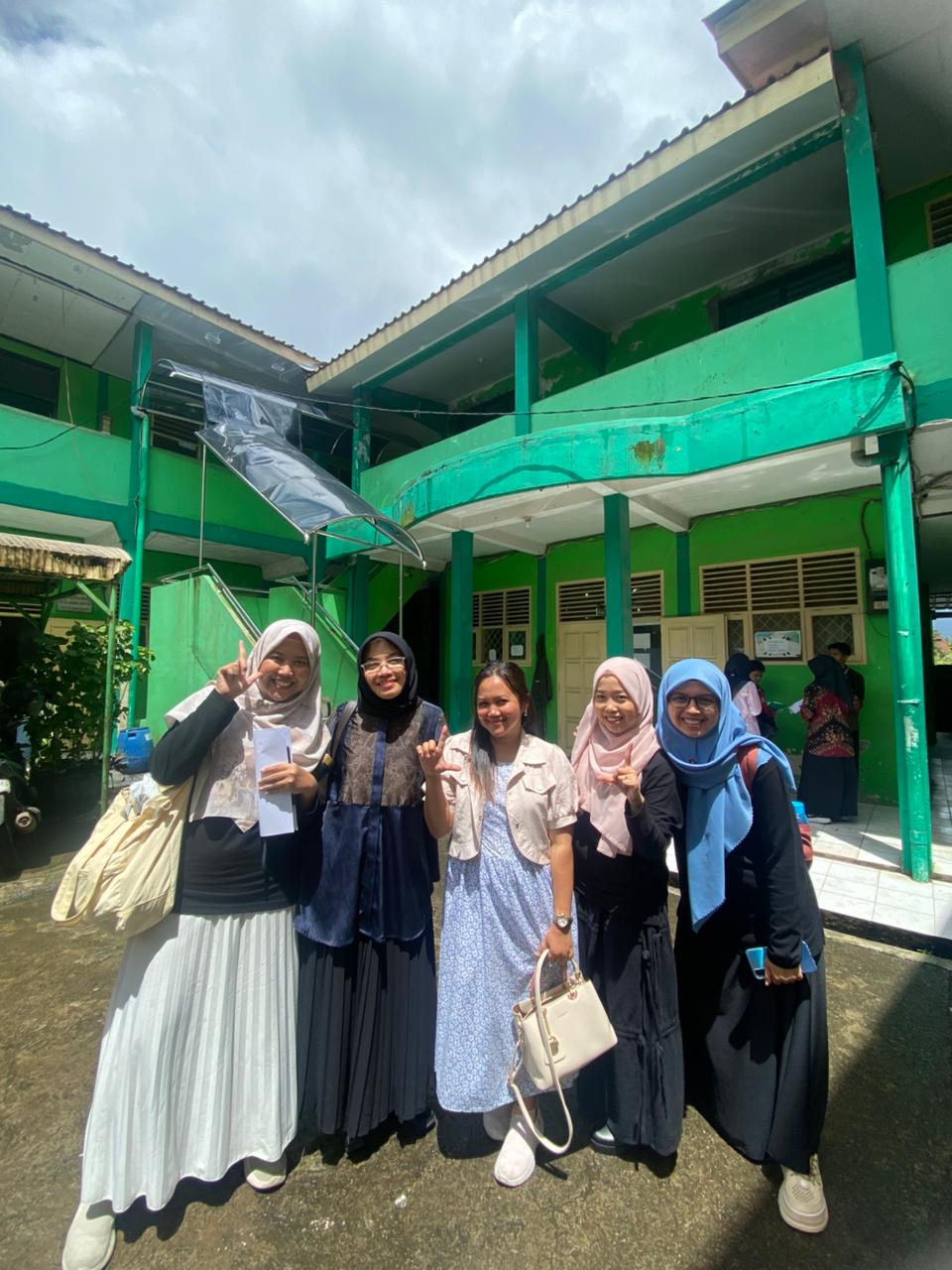
Since joining UIII’s Faculty of Education, this was my second involvement in a community engagement program. My first experience was the “Youth Interfaith Camp held in Serang,” conducted under a Community Engagement Grant from the university. The second program, organized directly by the Faculty, took place in Cilegon and Anyer on Tuesday, 16 December 2025. As community engagement emphasizes collaborative processes in which universities, researchers, or organizations work together with community members, it requires active participation and two-way interaction between the institution and the community. Thankfully, in my personal reflection, our program truly embodied this spirit.
We—consisting of lecturers, MA and PhD students of the 2024/2025 cohort, and other members of the Faculty of Education—arrived at MAN 1 Cilegon at around 8:00 a.m. We were warmly welcomed by the students, teachers, and other school stakeholders. The opening ceremony featured welcoming remarks, a prayer, and a dance performance originally created by the school and officially patented. During the event, a Memorandum of Understanding (MoU) between MAN 1 Cilegon and UIII’s Faculty of Education was signed, marking the beginning of collaborative empowerment between the two institutions.
Following the opening session, the main activities of the community engagement program took place across 23 locations, including classrooms, the hall, and the school laboratory. Lecturers as well as PhD and Master’s students actively engaged with teachers, local community members, and especially the students. As UIII has a diverse body of international students, many of the activities involved international participants, providing valuable global exposure for students and other stakeholders. The school community was highly receptive and open-minded, several teachers expressed their desire to strengthen their English skills as a means of enhancing empowerment and future opportunities.
The school community was highly supportive and responsive throughout the program. During classroom sessions, members of the student organization (OSIS – Organisasi Siswa Intra Sekolah) accompanied us from the beginning to the end of each activity. The sessions featured a wide range of creative and engaging learning experiences, including topics such as gender education in Islam, parenting, designing effective learning processes based on Merrill’s principles, empathy and inclusivity, English instruction, cultural exchange, and many other interactive activities.

However, due to the limited number of international students available, I conducted the session on my own with 23 students and two members of the OSIS. Thankfully, it went smoothly. During the one-and-a-half-hour activity, as part of English instruction learning, we practiced the three key components of a presentation: the opening, the main content, and the conclusion. The students were given nine different topics and worked in groups to select one topic for their presentation. I gave them 30 minutes to prepare, where they were encouraged to draw and write freely based on what they knew about the topic before presenting in front of the class.
Although the students had limited English proficiency and faced challenges in expressing their ideas confidently in English, particularly when presenting in front of their peers, their willingness to participate and step forward was itself a significant achievement deserving appreciation. At the end of the session, I further encourage the students to be more active in their learning and to remain motivated in improving their English skills. I also shared my personal experience of completing fully funded studies at universities in Türkiye and the United States, which appeared to inspire the students and strengthen their motivation to challenge themselves and pursue future opportunities.
After concluding the activities at MAN 1 Cilegon, we proceeded to Anyer Wonderland for lunch, prayer, and some free time before returning to Depok. Although rain fell for most of the day and we could not really explore the site a lot, but the sense of togetherness shared with fellow students and lecturers was deeply meaningful. The approachable and supportive atmosphere created by the lecturers stood out to me personally, reflecting a culture of mutual respect that may not be easily found in other academic settings. While one of the main objectives of this community engagement program was to collaborate with and reach broader communities beyond our own institution, the process of preparing for and participating in these activities also prompted personal reflection. It reinforced my sense of gratitude for belonging to an academic community that values collaboration, humility, and shared purpose. How blessed I am to be part of this Faculty of Education at UIII.
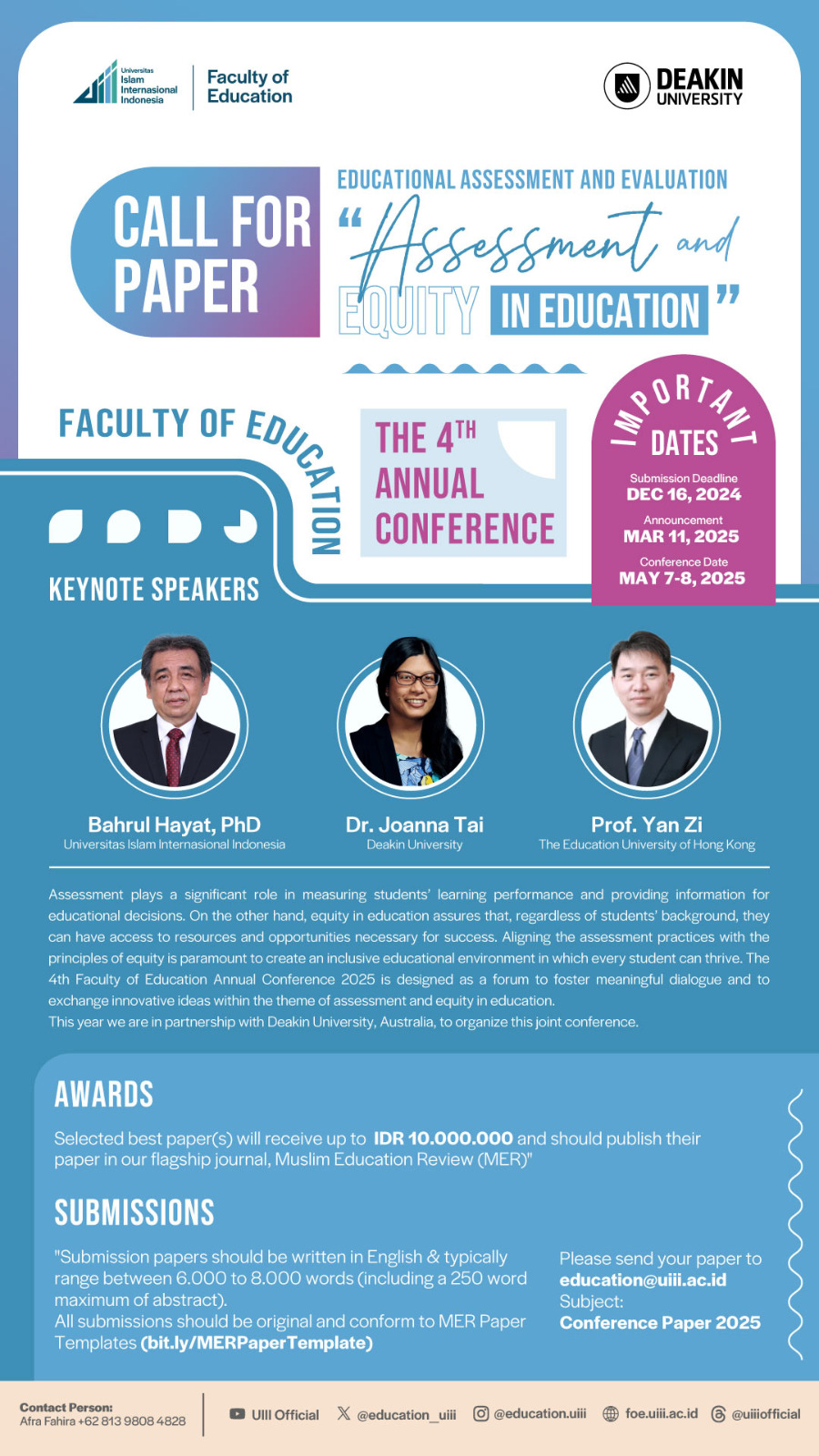
The 4th Annual Conference 2025
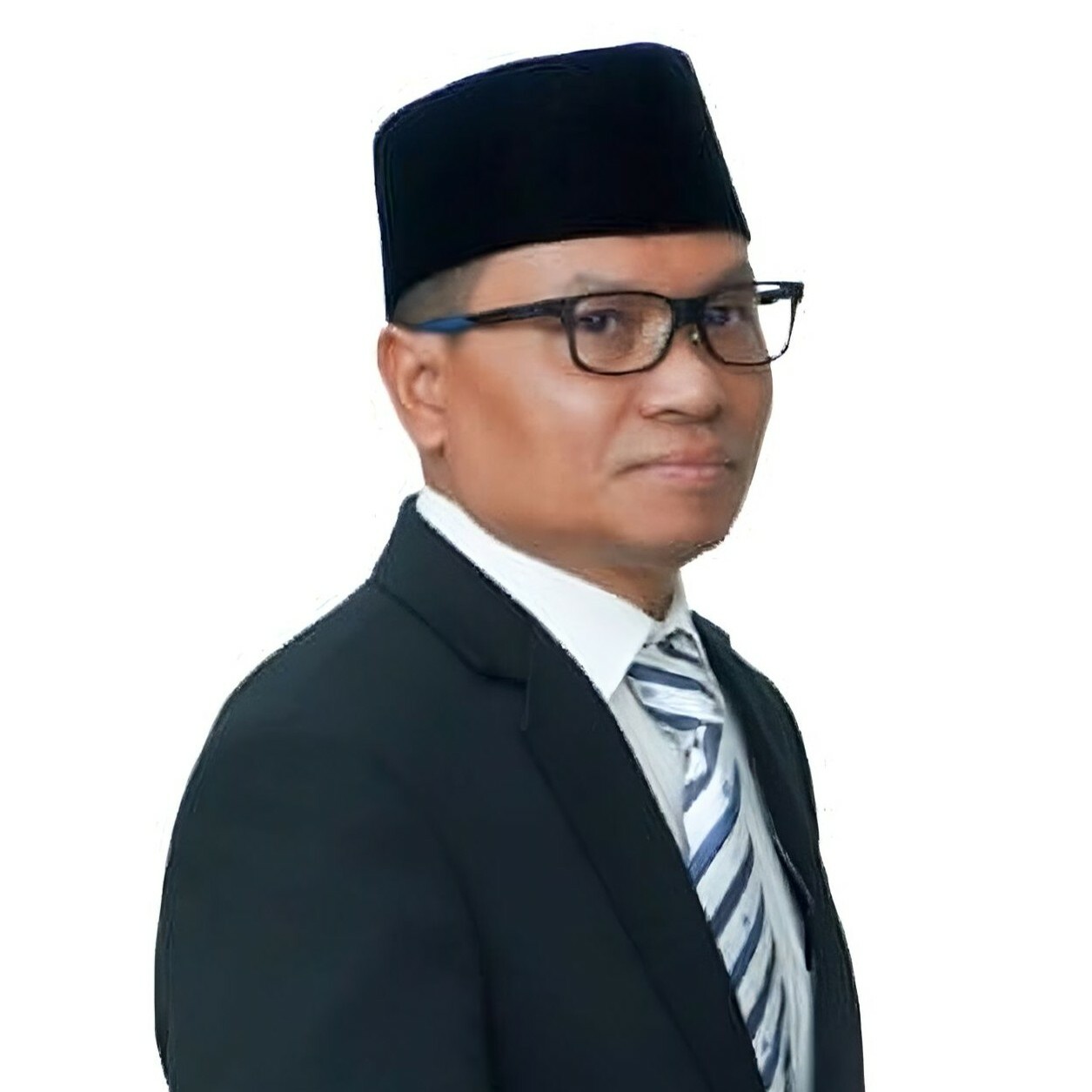
Opening Remarks from the Rector
Ladies and Gentlemen,
Assalamu’alaikum,
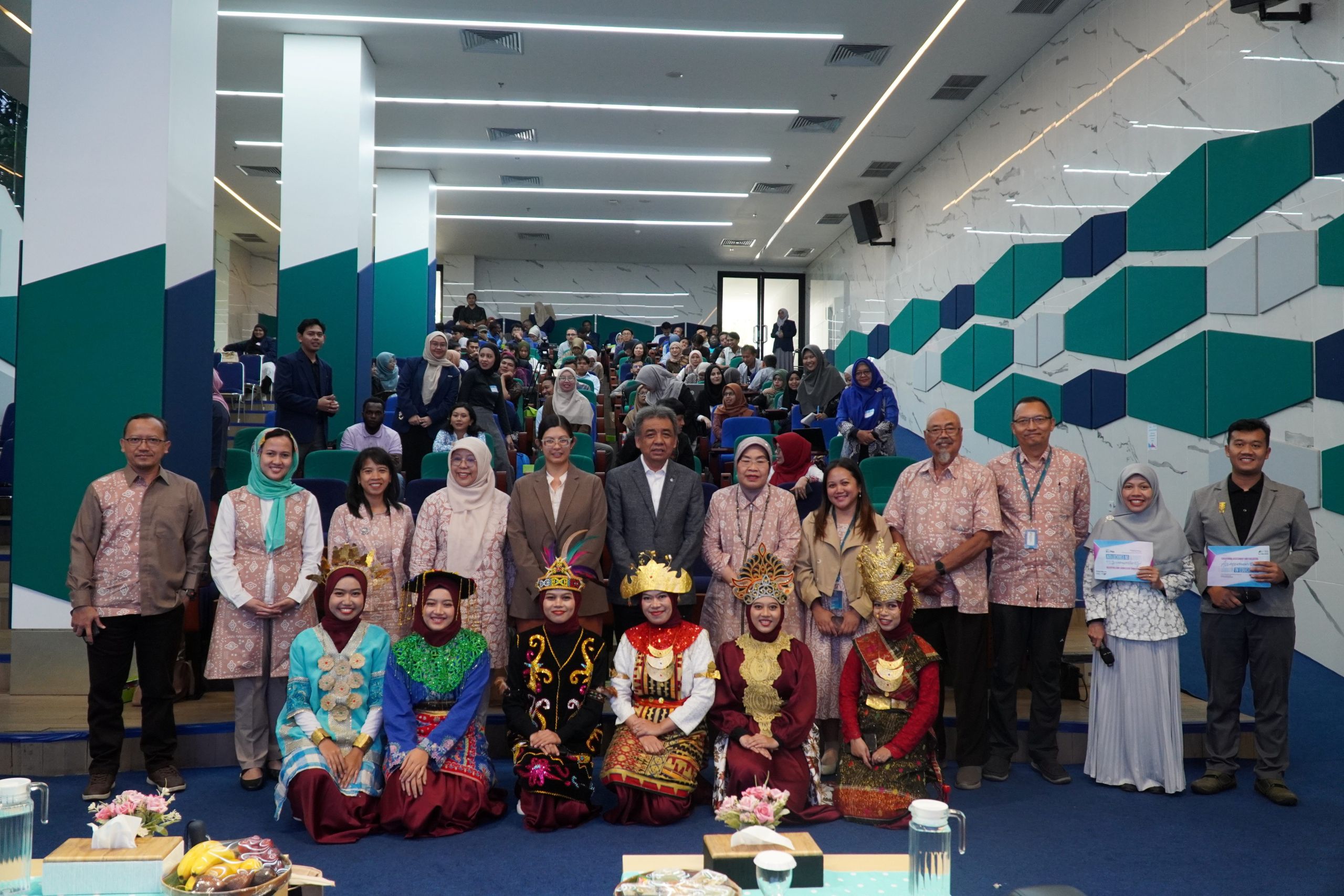
It is a great privilege for me to speak at the fourth annual conference of the Faculty of Education in my capacity as the Rector of UIII. Our university is deeply committed to delivering a holistic education that integrates knowledge with values, ethical principles, and a strong sense of social responsibility.
This year’s conference theme, “Assessment and Equity in Education,” highlights the critical role of fair and effective assessment practices and shines a light on the unique educational challenges faced by Muslim communities in the pursuit of equity. I would like to thank international speakers: Dr. Joanna Tai (Deakin University) and Prof. Yan Zi (The Education University of Hong Kong) for your willingness to share your expertise with all the participants of this conference.
I would like to sincerely thank the Dean, program heads, faculty members, and students for their dedication and hard work in making this event a success. Your contributions play a vital role in shaping our students and nurturing a vibrant academic environment.
As institutions of higher learning, our responsibilities reach far beyond the classroom. We must actively engage with society, build meaningful partnerships, and apply our academic strengths to help solve real-world issues and support national progress.
As we begin this important conference, let us stay focused on our shared mission—to build an educational landscape that empowers future leaders, encourages critical and creative thinking, and upholds the values of cooperation and civic responsibility.
Congratulations to all the participants, organizers, and supporters whose efforts have brought this conference to life. May this gathering be a fruitful space for dialogue, learning, and mutual inspiration as we work together toward a better future for both our university and society at large.
On behalf of UIII, I warmly welcome you to our new and beautiful campus. Please help us spread the word that UIII is a place for all—open, inclusive, and respectful of every background. Together, let’s create a learning environment where diversity thrives and understanding grows.
Thank you.
Wassalamu’alaikum.
Prof. Dr. Jamhari
Rector of UIII
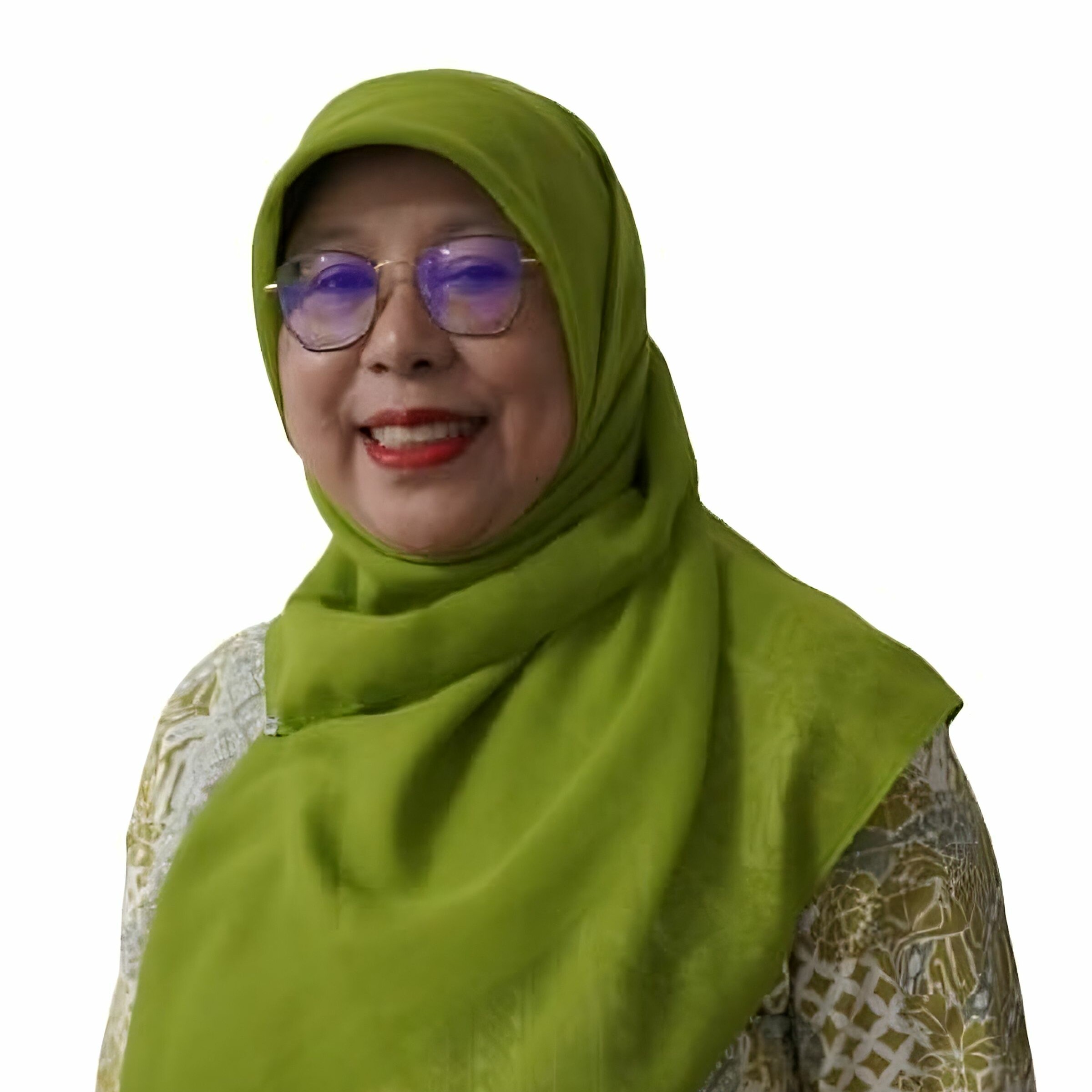
Welcoming Speech from the Dean
Bismillahirrahmaanirrahim
Assalamu’alaikum Warahmatullahi Wabarakatuh.
Welcome to the 4th Faculty of Education Annual Conference 2025. Faculty of Education like other faculties in UIII has started to operate beginning in 2021. We offer MA and PhD Study Programs which have four concentrations: (1) Education and Society; (2) Education Policy, Management, and Leadership; (3) Curriculum, Teaching and Learning, and (4) Educational Assessment and Evaluation. We are currently preparing to open undergraduate (S1) and postgraduate (S2) study programs in Psychology.
Our annual conference uses the four concentrations in our faculty as the themes of our conference. The first annual conference in 2022 was under the theme of Education and Society concentration; the second annual conference in 2023 was under the theme of Education Policy, Management, and Leadership; the third annual conference in 2024 was under the theme of Curriculum, Teaching and Learning. This year, 2025 annual conference is under the Educational Assessment and Evaluation theme. Next year, we may repeat the same cycle of the four concentrations’ theme: Education and Society, which will be organized in May 2026, insha’ Allah.
Our aims of having the annual conference are: (1) to provide a forum where senior and junior scholars can share their latest results of their research; (2) to facilitate networking to allow presenters to know each other better which may lead to future research and publication collaboration; (3) to promote our new campus to a larger audience in order to attract more applicants in our faculty. At least I remember the case of Luqyana, who participated in our second annual conference in 2023 as an MA student at UIN Yogyakarta. The following year, in 2024, she applied for PhD program and now she is currently being one of our PhD students; (4) to attract publication in our journal, Muslim Education Review/MER, which, after three years of regular publication every six months, has been accredited as Sinta 3, while we are also trying to make this journal to be indexed by Scopus. One of the comments from Scopus is that we need to attract writers from various countries. Therefore, I am grateful to A/Prof Joanna Tai, who has written a draft article based on her presentation today to be published at MER.
In addition, we will use this conference (5) to implement one of the key performance indicators of having an international culture and art festival. Our students will perform this at the end of this conference opening ceremony; and last but not least is: (6) to announce the best lecturer in terms of teaching service, the winners of the writing competition, and the best paper submitted to the conference, which we will do this in this late afternoon before our dinner.
Wassalamu’alaikum Warahmatullahi Wabarakatuh.
Prof. Nina Nurmila, PhD
Dean of the Faculty of Education
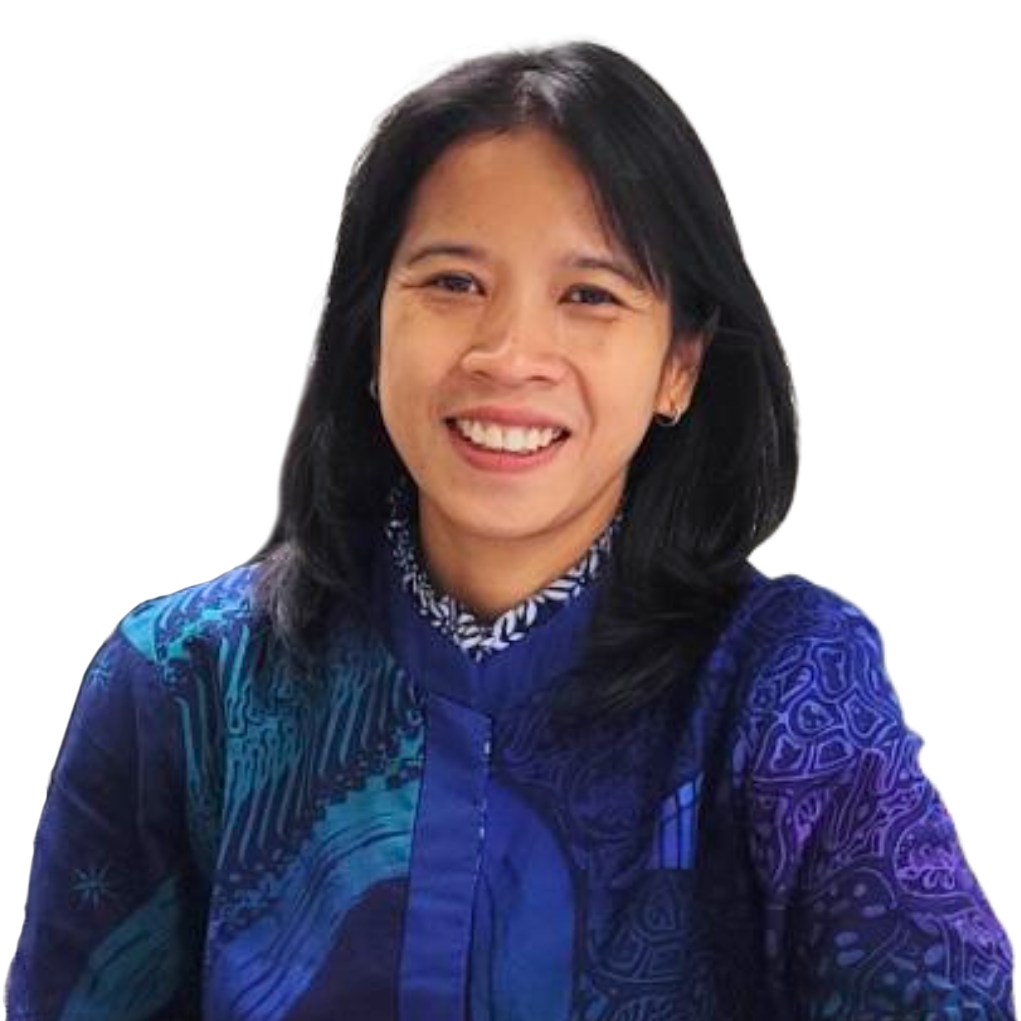
Speech from the Organizing Committee
Assalamu’alaikum Warahmatullahi Wabarakatuh.
Peace be upon us all.
Honourable our rector, distinguished keynote speakers, esteemed scholars, presenters, committees and participants of the conference. We cordially welcome all attendees to the 4th Annual Conference Faculty of Education, Universitas Islam Internasional Indonesia. It is our pleasure to have you with us here today.
Assessment plays a significant role in measuring students’ learning performance and providing information for educational decisions. On the other hand, equity in education assures that, regardless of students’ background, they can have access to resources and opportunities necessary for success. Therefore, we believe the significance of aligning the assessment practices with the principles of equity to create an inclusive educational environment. This reflection was then underlying the theme for the FoE 4th Annual Conference 2025, namely “Assessment and Equity in Education”.
The preparation of this 4th annual conference began in May 2024 by discussing topics of the conference, deciding timeline of the activities, contacting prospective keynote speakers, designing and disseminating the flyer. We are honoured and excited to finally have 3 distinguish speakers from UIN Syarif Hidayatullah, Indonesia, Deakin University, Australia and The Education University, Hongkong. In addition, we are pleased to welcome all paper presenters who come mostly from Indonesia and some other countries like Malaysia and Australia. After a review process by two external reviewers, we have accepted 54 papers that will be presented during these 2 days conference. These papers will then get an opportunity to be published in the Faculty of Education Journal, Muslim Education Review (MER), after being reviewed and revised based on the reviewers’ feedbacks.
We are sincerely hopeful that our 4th annual conference will serve as an exceptional platform for fostering meaningful dialogue and exchanging innovative ideas. We believe that this event will inspire and engage all those who are dedicated to learning and creating. In anticipation of your enthusiastic involvement and productive discussion, we extend our heartfelt appreciation.
Thank you.
Wassalamu’alaikum Warahmatullahi Wabarakatuh.
Dr. Destina Wahyu Winarti
Participants
Title
Abstract
Aizzatin, Uswatul Wadhichatis Tsaniyah
Universitas Negeri Semarang, Indonesia, Universitas Negeri Malang, Indonesia
Building Education Quality through Lesson Study Innovation at the Student Level of Universitas Negeri Semarang (Unnes)
Yenik Wahyuningsih, Ulya Amelia
STAI Publisistik Thawalib Jakarta, Indonesia, Universitas Negeri Jakarta, Indonesia
Building Equality in Education: A Multi-Case Study of School Implementation for Children in Conflict with the Law at LPKA Blitar
Ajeng Satiti Ayuningtyas Okta Ferdiana
Universitas Islam Internasional Indonesia, Indonesia
Coping Strategies of a Female Principal in Maintaining Wellbeing for School Effectiveness: A Case Study at PKBM in Pamulang
Khizer Hayat
Universitas Islam Internasional Indonesia, Indonesia
Role of Head Teachers in Sustaining Academic Continuity amidst Smog in South Punjab
Istifadah, Nilna Maulida
UIN Maulana Malik Ibrahim Malang, Indonesia, Universitas Airlangga, Indonesia
Regional Disparities Concerns: Addressing Educational Strains in Madura Island Through an Integrative Literature Review
Suliyana, Insof Waeji
Universitas Islam Internasional Indonesia, Indonesia
Education as a Catalyst: School-Based Strategies to Prevent Child Marriage in Lombok, Indonesia
Amirah Diniaty, Surya Netti
Universitas Islam Negeri Sultan Syarif Kasim Riau, Indonesia, State Senior High School 1 West Sumatera, Indonesia
Gender, School Choice and Equity: Delving the Emotional Experiences of Female School Principal in Leading Prestigious Co-Educational Islamic Boarding School in West Sumatra- An Autoethnographic Case Study Approach
Rizal Fikri Firmansah
Universitas Islam Negeri Walisongo Semarang, Indonesia
AKMI as a Tool for Promoting Educational Equity in Indonesian Madrasah
Saimroh
Badan Riset dan Inovasi Nasional (BRIN), Indonesia
Evaluation of the Independent Curriculum’s Implementation: Enhancing Educational Quality through Teacher Competence and Institutional Readiness in Madrasah
Fitri Pangestu Noer Anggrainy
Universitas Negeri Yogyakarta, Indoenesia
Implementation of Differentiated Instruction in Product Component to Improve EFL Students Reading Comprehension
Dwi Oktariani
Universitas Islam Internasional Indonesia, Indonesia
Justice Dance Assessment tool: Appreciating and Expressing By Dwi Oktariani
Rifdah Qotrunnada, Arum Etikariena
Universitas Indonesia, Indonesia
How School Principal’s Leader Humility Encourages Teachers to Be More Innovative: The Role of Informal Learning and Psychological Safety as Mediators
Debby Zalina, Insof Waeji
Universitas Islam Internasional Indonesia, Indonesia
Transcending Walls: An Exploration of Opportunities and Challenges in Indonesia’s International Branch Campuses
Bello Ridwan Alaba, Sheu-Tijani Aminu
Universitas Islam Internasional Indonesia, Indonesia
Access to Higher Education in Nigeria: Exploring the Challenges Faced and Pathways Used by six (6) Female Students to Challenge Inequity
Rinduan Zain
Univeristas Islam Negei Sunan Kalijaga Yogyakarta, Indonesia
Decolonizing the Sociology of Islamic Education in Indonesia: Reclaiming Epistemological Sovereignty Amid Global and Local Challenges
Evi Nur
Universitas Pendidikan Indonesia, indonesia
Students’ Computational Thinking Ability Reviewed from David Keirsey’s Personality Type
Fitri Amalia
Universitas Islam Internasional Indonesia, Indonesia
An Evaluation of Self-assessment Practice Scale (SaPS) Using Rasch Model Analysis
Beryl Raditya Fawwaz
Universitas Muhammadiyah Yogyakarta, Indonesia
Investigation of the Role of Child Labor Participation in the Risk of Primary School Dropout in Indonesia
Ajeng Satiti Ayuningdyas Okta Ferdiana
Universitas Islam Internasional Indonesia, Indonesia
Praxis of Wasatiyyat Islam: Exploring Piety and Environmental Ethics in Sustainable Modest Fashion
Santi Dianah
Universitas Islam Internasional Indonesia, Indonesia
A Comparative Study of the Thought of S.M.N Al-Attas and Paulo Freire on Liberation Education and Its Relevance to Palestinian Independence Struggle
Fadiah Mukhsen
Universitas Islam Internasional Indonesia, Indonesia
The Development of Religious Education Courses for Minority Indigenous Faith Students in Indonesia: A Historical Perspective
Saira Mustafa
Universitas Islam Internasional Indonesia, Indonesia
Traditional Islamic Education, Modern Western Schooling and the Urban Muslim Identity: Navigating the Past and the Present
Bello Ridwan Alaba, Debby Zalina, Sairah Millor Mangulamas
Universitas Islam Internasional Indonesia, Indonesia
The High Rate of Out-of-School Students with Disabilities In Indonesia
Fadlilah Novia Rahmah, Debby Zalina
Universitas Islam Internasional Indonesia, Indonesia
Educational Inequity: The Plight of Islamic Religious Teachers in Modern Contexts
Adison Adrianus Sihombing, Maifalinda Fatra
Badan Riset dan Inovasi Nasional (BRIN), Indonesia, Universitas Islam Syarif Hidayatullah Jakarta, Indonesia
John Dewey’s Experience-Based Learning in Ethnomathematics: Bridging Abstract Concepts and Cultural Realities
Khizer Hayat
Universitas Islam Internasional Indonesia, Indonesia
Enhancing Quran and Hadith Studies for Women through AI-Driven Social Media Courses: A Case Study of Al-Huda International Welfare Foundation, Islamabad, Pakistan
Nina Amelia Nurul Khikmah, Nurul Izzah Febilia
Universitas Islam Internasional Indonesia, Indonesia
Gender Equality Policies in Access to Higher Education in Indonesia: An Analysis of Existing Governmental Policies
Luqyana Azmiya Putri
Universitas Islam Internasional Indonesia, Indonesia
The Positive Externalities of Volunteer Based-Community Education: A Case Study of Lentera Muda Kerinci
Aan Arizandy
Universitas Islam Negeri Raden Intan Lampung, Indonesia
Inseminating Students’ Ecological Consciousness and Inclusive (Religious) Understanding through Documentary Films: Critical Digital Pedagogy Approach
Muh Khairul Wajedi Imami. Uslan
Universiti Pendidikan Sultan Idris, Universitas Muhammadiyah Kupang
Validating the Structure of Brief Regulation of Motivation Scale Among Islamic University Students in Indonesia
Queen Salsabila, Nabila Nindya Alifia Putri
Universitas Islam Internasional Indonesia, Indonesia
Rasch Measurement and Different Item Function (DIF) Analysis of the PERMA Well-Being Instrument for Secondary Students in Indonesia
Andre Genta Senjaya
Universtas Tarumanagara
Validation of TMGS in the Context of Suicide Ideation on Emerging Adulthood in Indonesia
Eka Yusmaita
Universitas Islam Internasional Indonesia, Indonesia
Unveiling Research Potentials on Chemical Literacy Assessment: A Systematic Review Using PRISMA Guidelines
Sumarni, Abdul Manaf
Badan Riset dan Inovasi Nasional
Digital Creativity in the Educational Landscape: A Quantitative Analysis on Students in Different School Environments
Muhammad Maulana, Fitri Amalia, Nabila Nindya Alifia Putri, Nafisah
Universitas Islam Internasional Indonesia, Indonesia
Digital Learning for Religious Moderation: Assessing the Impact of MOOCs on Understanding Wasathiyah Islam
Muhamad Maulana, Nur Hermawati
Universitas Islam Internasional Indonesia, Indonesia, SMKF YPIB Bunga Bangsa Cirebon, Indonesia
Evaluating 21st Century Skills in Islamic Higher Education: A Critical Examination of Lecturers’ Perceptions and Challenges
Eddy Yusuf
Universitas Ciputra Surabaya, Indonesia
Preparing AI Super Users Through Generative AI Integration in Education
Mohammad Sofi Anwar
SMP Ar-Risalah Kediri, Indonesia
The Use of the YouTube Channel “Learn with Zakaria” in Arabic Language Instruction on Colors for Junior High School
Uswatun Hasanah
Universitas Islam Internasional Indonesia, Indonesia
From Learning to Earning: Investigating the Role of Social Media in Education and Employment for English Education Graduates of Universitas Islam Negeri (UIN) Banten
Day 1 Event Rundown
May 7, 2025
| Time | Venue | Activities |
| 08.30-09.00 | Theater, Faculty A UIII |
Registration
Screening Faculty of Education Profile Video PIC: Nina Amelia & Nurul Izah |
| 09.00-09.50 | MC: Uswatun Hasanah & M. Sabar Prihatin
Opening Ceremony:
PIC: Tati Lathipatud Durriyah, PhD; Agus Suprapto & Lakhaula Timekeeper: Imron & Trimadona |
|
| 09.50-11.00 | Keynote Speaker 1:
A/Prof. Joanna Tai – Deakin University “International and intercultural perspectives on designing assessment for inclusion: adapting to local contexts” Moderator: Amalul Umam |
|
| 11.00-12.10 | Keynote Speaker 2:
Bahrul Hayat, Ph.D – Universitas Islam Negeri Syarif Hidayatullah Jakarta & Universitas Islam Internasional Indonesia “Multidimensional Equity of Educational Assessment” Moderator: Furqanul Hakim |
|
| 12.10-13.30 | Lunch & Prayer Break | ||
|
13.30-15.00
13.30-15.00
13.30-15.00 |
Lecture Hall, Faculty A UIII (2nd Floor) |
Panel Presentation-1A
Theme: Curriculum, Teaching, and Learning PIC: Tati Lathipatud Durriyah, PhD Moderator: Nanik Yuliyanti Usher & Timekeeper: Zahra Hasana & Zainab Nasiri 1. Aizzatin, Uswatul Wadhichatis Tsaniyah Universitas Negeri Semarang “Building Education Quality through Lesson Study Innovation at the Student Level of Universitas Negeri Semarang (Unnes)” |
| 2. Yenik Wahyuningsih, Ulya Amelia
STAI Publisistik Thawalib Jakarta “Building Equality in Education: A Multi-Case Study of School Implementation for Children in Conflict with the Law at LPKA Blitar” |
||
| 3. Ajeng Satiti Ayuningtyas Okta Ferdiana
Universitas Islam Internasional Indonesia Depok “Coping Strategies of a Female Principal in Maintaining Wellbeing for School Effectiveness: A Case Study at PKBM in Pamulang” |
||
| Teleconference, Faculty A UIII (2nd Floor) |
Panel Presentation-1B
Theme: Educational Leadership and Policy PIC: Dr. Lukman Nul Hakim Moderator: Amalul Umam Usher & Timekeeper: Trimadona & Basira Mujadidi 1. Khizer Hayat Universitas Islam Internasional Indonesia Depok “Role of Head Teachers in Sustaining Academic Continuity amidst Smog in South Punjab” |
|
| 2. Istifadah, Nilna Maulida
UIN Maulana Malik Ibrahim Malang “Regional Disparities Concerns: Addressing Educational Strains in Madura Island Through an Integrative Literature Review” |
||
|
Classroom 16, Faculty A UIII |
Panel Presentation-1C
Theme: Education and Society PIC: Andar Nubowo, PhD Moderator: Luqyana Azmiya Usher & Timekeeper: Aw Fini & Shehu-Tijani Aminu 1. Suliyana, Insof Waeji Universitas Islam Internasional Indonesia Depok “Education as a Catalyst: School-Based Strategies to Prevent Child Marriage in Lombok, Indonesia” |
|
| 2. Amirah Diniaty, Surya Netti
Universitas Islam Negeri Sultan Syarif Kasim Riau “Gender, School Choice and Equity: Delving the Emotional Experiences of Female School Principal in Leading Prestigious Co-Educational Islamic Boarding School in West Sumatra- An Autoethnographic Case Study Approach” |
||
| 3. Rizal Fikri Firmansah
Universitas Islam Negeri Walisongo Semarang “AKMI as a Tool for Promoting Educational Equity in Indonesian Madrasah” |
||
|
Classroom 15, Faculty A UIII (2nd Floor) |
Panel Presentation-1D
Theme: Educational Assessment PIC: Bambang Sumintono, PhD Moderator: Deny Gunawan Usher & Timekeeper: Yulia Fernandita & Elizabeth Morandi 1. Saimroh Badan Riset dan Inovasi Nasional (BRIN) “Evaluation of the Independent Curriculum’s Implementation: Enhancing Educational Quality through Teacher Competence and Institutional Readiness in Madrasah” |
|
| 2. Fitri Pangestu Noer Anggrainy
Universitas Negeri Yogyakarta “Implementation of Differentiated Instruction in Product Component to Improve EFL Students Reading Comprehension” |
||
| 3. Dwi Oktariani
Universitas Islam Internasional Indonesia Depok “Justice Dance Assessment tool: Appreciating and Expressing” |
||
| 15.00-15.45 | Ashar prayer | ||
| 15.45-18.00 |
BI Corner, |
|
Day 2 Event Rundown
May 8, 2025
| Time | Venue | Activities |
| 08.30-09.00 | Theater, Faculty A UIII |
Registration
PIC: Charyna Ayu Rizkyanti, PhD, Nina Amelia & Nurul Izzah |
| 09.00-10.30
|
MC: Aw Fini & Saidou Jallow
Keynote Speaker 3: Prof. Yan Zi, PhD – The Education University of Hong Kong “Assessment Research into Enhancing Learning and Teaching: Synergising Assessment-for-learning and Assessment-as-learning” Moderator: Faradillah Haryani
PIC: Jihan Ariqatur |
|
| 10.30-10.40 | Break (Transition to Rooms) | ||
| 10:40-11:40
|
Classroom 13, Faculty A UIII (2nd Floor) |
Panel Presentation-2A
Theme: Educational Leadership and Policy PIC: Dr. Lukman Nul Hakim Moderator: Nofi Maria Krisnawati Usher & Timekeeper: Erisa Oksanda & Ukhtul Iffah 1. Rifdah Qotrunnada, Arum Etikariena Universitas Indonesia “How School Principal’s Leader Humility Encourages Teachers to Be More Innovative: The Role of Informal Learning and Psychological Safety as Mediators” |
| 2. Debby Zalina, Insof Waeji
Universitas Islam Internasional Indonesia Depok “Transcending Walls: An Exploration of Opportunities and Challenges in Indonesia’s International Branch Campuses” |
||
|
10.40-11.40
10.40-11.40 |
Teleconference,
Teleconference, |
Panel Presentation- 2B
Theme: Educational and Society PIC: Andar Nubowo, PhD Moderator: Muhammat Sabar Usher & Timekeeper: Momodou S. Jallow & Khansa Asiah 1. Bello Ridwan Alaba, Sheu-Tijani Aminu Universitas Islam Internasional Indonesia Depok “Access to Higher Education in Nigeria: Exploring the Challenges Faced and Pathways Used by six (6) Female Students to Challenge Inequity” |
| 2. Rinduan Zain
Universitas Islam Negeri Sunan Kalijaga Yogyakarta “Decolonizing the Sociology of Islamic Education in Indonesia: Reclaiming Epistemological Sovereignty Amid Global and Local Challenges” |
||
| 10.40-11.40 | Classroom 15, Faculty A UIII (2nd Floor) |
Panel Presentation- 2C
Theme: Educational Assessment PIC: Bambang Sumintono, PhD Moderator: Dwi Oktariani Usher & Timekeeper: Fitria Rembulan & Basira Mujadidi 1. Evi Nur Universitas Pendidikan Indonesia “Students’ Computational Thinking Ability Reviewed from David Keirsey’s Personality Type” |
| 2. Fitri Amalia
Universitas Islam Internasional Indonesia Depok “An Evaluation of Self-assessment Practice Scale (SaPS) Using Rasch Model Analysis” |
||
| 11.40-13.00 | Lunch & Prayer Break | ||
| 13.00-15.00
|
Lecture Hall, Faculty A UIII (2nd Floor) |
Panel Presentation-3A
Theme: Education and Society PIC: Tati Lathipatud Durriyah, PhD Moderator: Munaya Nikma Usher & Timekeeper: Alya Chairunnisa & Mukhammad Imron 1. Beryl Raditya Fawwaz Universitas Muhammadiyah Yogyakarta “Investigation of the Role of Child Labor Participation in the Risk of Primary School Dropout in Indonesia” |
| 2. Ajeng Satiti Ayuningdyas Okta Ferdiana
Universitas Islam Internasional Indonesia Depok “Praxis of Wasatiyyat Islam: Exploring Piety and Environmental Ethics in Sustainable Modest Fashion” |
||
| 3. Santi Dianah
Universitas Islam Internasional Indonesia Depok “A Comparative Study of the Thought of S.M.N Al-Attas and Paulo Freire on Liberation Education and Its Relevance to Palestinian Independence Struggle” |
||
| 4. Fadiah Mukhsen
Universitas Islam Internasional Indonesia Depok “The Development of Religious Education Courses for Minority Indigenous Faith Students in Indonesia: A Historical Perspective” |
||
| 13.00-15.00
13.00-15.00 |
Teleconference, Faculty A UIII (2nd Floor)Teleconference, Faculty A UIII (2nd Floor) |
Panel Presentation- 3B
Theme: Educational and Society PIC: Charyna Ayu Rizkyanti, PhD Moderator: R Nadia Hanoum Usher & Timekeeper: Jihan Ariqatur & Zainab Nasiri 1. Saira Mustafa Universitas Islam Internasional Indonesia Depok “Traditional Islamic Education, Modern Western Schooling and the Urban Muslim Identity: Navigating the Past and the Present” |
| 2. Bello Ridwan Alaba, Debby Zalina, Sairah Millor Mangulamas
Universitas Islam Internasional Indonesia Depok “The High Rate of Out-of-School Students with Disabilities In Indonesia” |
||
| 3. Fadlilah Novia Rahmah, Debby Zalina
Universitas Islam Internasional Indonesia Depok “Educational Inequity: The Plight of Islamic Religious Teachers in Modern Contexts” |
||
| 4. Adison Adrianus Sihombing, Maifalinda Fatra
Badan Riset dan Inovasi Nasional (BRIN) “John Dewey’s Experience-Based Learning in Ethnomathematics: Bridging Abstract Concepts and Cultural Realities” |
||
| 13.00-15.00 | Classroom 15, Faculty A UIII (2nd Floor) |
Panel Presentation- 3C
Theme: Education and Society PIC: Andar Nubowo, PhD Moderator: Agustian Ramadana Usher & Timekeeper: Yulia Fernandita & Zahra Salsabila 1. Khizer Hayat Universitas Islam Internasional Indonesia Depok “Enhancing Quran and Hadith Studies for Women through AI-Driven Social Media Courses: A Case Study of Al-Huda International Welfare Foundation, Islamabad, Pakistan” |
| 2. Nina Amelia Nurul Khikmah, Nurul Izzah Febilia
Universitas Islam Internasional Indonesia Depok “Gender Equality Policies in Access to Higher Education in Indonesia: An Analysis of Existing Governmental Policies” |
||
| 3. Luqyana Azmiya Putri
Universitas Islam Internasional Indonesia Depok “The Positive Externalities of Volunteer Based-Community Education: A Case Study of Lentera Muda Kerinci” |
||
| 4. Aan Arizandy
Universitas Islam Negeri Raden Intan Lampung “Inseminating Students’ Ecological Consciousness and Inclusive (Religious) Understanding through Documentary Films: Critical Digital Pedagogy Approach” |
||
|
13.00-15.00 |
Classroom 16, Faculty A UIII (2nd Floor) |
Panel Presentation- 3D
Theme: Educational Assessment PIC: Bambang Sumintono, PhD Moderator: Meli Aulia Utami Usher & Timekeeper: Aw Fini & Samson 1. Muh Khairul Wajedi Imami. Uslan Universiti Pendidikan Sultan Idris, Universitas Muhammadiyah Kupang “Validating The Structure of Brief Regulation of Motivation Scale Among Islamic University Students in Indonesia.” |
| 2. Queen Salsabila, Nabila Nindya Alifia Putri
Universitas Islam Internasional Indonesia Depok “Rasch Measurement and Different Item Function (DIF) Analysis of the PERMA Well-Being Instrument for Secondary Students in Indonesia” |
||
| 3. Andre Genta Senjaya
Universtas Tarumanagara “Validation of TMGS in the Context of Suicide Ideation on Emerging Adulthood in Indonesia” |
||
| 4. Eka Yusmaita
Universitas Islam Internasional Indonesia Depok “Unveiling Research Potentials on Chemical Literacy Assessment: A Systematic Review Using PRISMA Guidelines” |
||
| 15.00-15.10 | Break (Transition to Rooms) | ||
| 15.10-16.10 | Classroom 16, Faculty A UIII(2nd Floor) |
Panel Presentation-4A
Theme: Educational Technology PIC: Prof. Suwarsih Madya, PhD Moderator: Nanik Yuliyanti Usher & Timekeeper: Ihsan-Isah & Saidou Jallow 1. Sumarni, Abdul Manaf Badan Riset dan Inovasi Nasional “Digital Creativity in the Educational Landscape: A Quantitative Analysis on Students in Different School Environments” |
| 2. Muhammad Maulana, Fitri Amalia, Nabila Nindya Alifia Putri, Nafisah
Universitas Islam Internasional Indonesia Depok “Digital Learning for Religious Moderation: Assessing the Impact of MOOCs on Understanding Wasathiyah Islam” |
||
| 15.10-16.10
|
Classroom 15, Faculty A UIII (2nd Floor) |
Panel Presentation-4B
Theme: Educational Technology PIC: Dr. Lukman Nul Hakim Moderator: Novinta Nurulsari Usher & Timekeeper: Hani & Alda Nurul 1. Muhamad Maulana, Nur Hermawati Universitas Islam Internasional Indonesia Depok, SMKF YPIB Bunga Bangsa Cirebon, Indonesia “Evaluating 21st Century Skills in Islamic Higher Education: A Critical Examination of Lecturers’ Perceptions and Challenges” |
| 2. Eddy Yusuf
Universitas Ciputra “Preparing AI Super Users Through Generative AI Integration in Education” |
||
| 15:10-16:10 | Theater, Faculty A UIII |
Panel Presentation-4C
Theme: Educational Technology PIC: Bambang Sumintono, PhD Moderator: Abdou Barrow Usher & Timekeeper: Ukhtul Iffah & M. Dawood Alkozay 1. Mohammad Sofi Anwar SMP Ar-Risalah Kediri “The Use of the YouTube Channel “Learn with Zakaria” in Arabic Language Instruction on Colors for Junior High School” |
| 2. Uswatun Hasanah
Universitas Islam Internasional Indonesia Depok “From Learning to Earning: Investigating the Role of Social Media in Education and Employment for English Education Graduates of Universitas Islam Negeri (UIN) Banten” |
||
| 16.10-16.20 | Theater, Faculty A UIII |
Closing by Conference PIC, Dr. Destina Wahyu Winarti |
Women’s Education in Islamic World: A Bibliometric Review of Scholarly Discourse on Afghan Context between 1980 to 2024
 Samadi, H., Rahimi, M., Moosa, V. (2025) Women’s Education in Islamic World: A Bibliometric Review of Scholarly Discourse on Afghan Context between 1980 to 2024. (2025). International Journal of Emerging Perspectives in Education, 1(2), 39-58. https://doi.org/10.64306/7qby0989
Abstract
This study explores the current state of knowledge on women's education in the Islamic world, with a particular focus on Afghanistan. Using a bibliometric and science mapping approach, the researchers analyzed 708 publications from the SCOPUS database to assess trends, key contributors, and the intellectual structure of research in this field. Data analysis was conducted using Excel and R software. Findings reveal that academic interest in Afghan women’s education only began to rise significantly after 2001. Notable contributors include Sayeed Naqibullah Orfan and Terence M. Kean, whose work often centers on mental health, gender inequality, and leadership. Leading institutions in this field are based in the U.S., particularly Boston and California universities, while Afghan universities like Kandahar and Takhar are emerging players. The U.S., UK, Australia, and Germany have the most citations, primarily focusing on PTSD and mental health issues rather than educational challenges specific to Afghan women. The body of literature is fragmented, with underexplored themes such as patriarchy and gender-based violence. Additionally, the research lacks presence in high-impact journals and excludes non-Scopus literature. The study highlights the need for more nuanced, locally informed research that considers political, cultural, and economic barriers to women’s education in Afghanistan, urging stronger international collaboration.