Revisiting Teacher Training in Indonesia: A Personal Reflection on My Scholarly Contribution
 Revisiting Teacher Training in Indonesia: A Personal Reflection on My Scholarly Contribution
by Arfiyan Ridwan
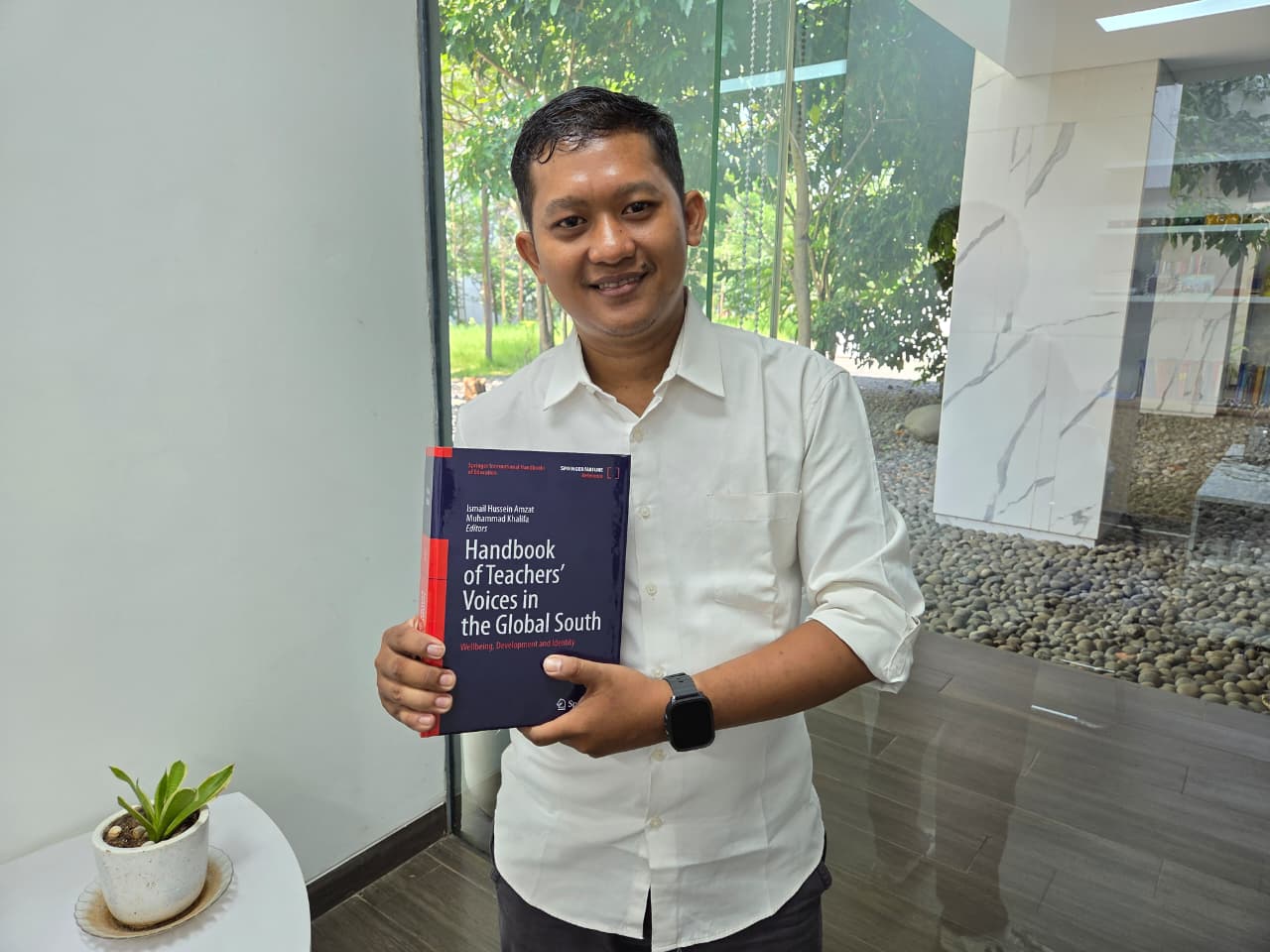
In July 2024, I received an invitation from my lecturers, Dr. Bambang and Dr. Lukman, to co-author a book chapter in the Springer publication Handbook of Teachers' Voices in the Global South. The chapter, titled Navigating the Challenges: The Complex Landscape of Teacher In-Service Training in Indonesia (officially published on April 2026) marked an important moment in my academic journey, as it allowed me to engage in international scholarly writing on the historical development of teacher in-service training in Indonesia. The invitation aligned closely with my research area, which focuses on teacher education and professional development in the Indonesian context. At the time, I was starting to work on my dissertation whose literature review covers how Indonesian in-service teachers have been trained across the historical periods of the country.
My literature review for my dissertation explores the evolution of in-service teacher education in Indonesia, covering the periods of the Dutch colonialization and the Japanese occupation to the early independence, the Old Order, the New Order, and the reform period to nowadays. This literature review writing provides me a strong foundation in writing the chapter. The part in which I contributed to write is in the historical development of teacher in-service training in Indonesia in the period of the New Order with centralization of education before it shifted to decentralization in the next phase of governance in reform period. I see that this period became a significant phase of teacher training in Indonesia as the current programs of in-service teacher training was significantly initiated in this period.
The significant insight I have gained from assessing teacher training development in the particularly the New Order era to the present day is that there has been a long journey of how teachers have been trained with different schemes and needs. After the large-scale training programs for primary and secondary school teachers in 1975 to 1980, the key trainings during the period of the New Order comprise Pemantapan Kerja Guru (PKG) or Strengthening the Work of Teachers, the Sanggar Pemantapan Kerja Guru (SPKG), or Centers for Strengthening Teacher Work, Kelompok Kerja Guru (KKG), or Primary School Working Group KKG, and Musyawarah Guru Mata Pelajaran (MGMP), or Subject Teacher Working Group for secondary school teachers. At this time of year, I see that there has been a great foundation of how teachers are prepared in the level of primary and secondary level of education. The developed programs in the reform era to the present day can be said to be the results of those in the massive teacher development in the New Order period.
However, through examining their historical development, I realize that many recurring issues, including limited coordination, uneven implementation, and questions of effectiveness, have persisted across different programs and periods. This realization suggests that the core challenges are not simply the result of individual program design, but are rooted in broader structural conditions, such as bureaucratic complexity, resource distribution, and the vast geographical context of Indonesia. Despite claims that the in-service teacher trainings in the New Order succeeded to train teachers with significant numbers, the actual implementations might not be satisfying enough. What lesson I take away is that the goal of improving teacher professional development is not merely introducing a new program to replace the old ones. Instead, it requires systemic changes how training is designed based on the needs, carefully planned, and sustained to the next periods.
Another important insight from the book chapter writing is that the extent of the modern teacher professional education program called PPG (Pendidikan profesi Guru) be understood as a part of historical trajectory from the Old Order period, rather than a new program or initiative. Currently, I am researching PPG for my doctoral dissertation research, and this is very relevant to what I analyzed in the book chapter. On this standpoint, I can critically reconsider how far the program of PPG represents genuine reform and resolves the past challenges of teacher in-service training. Specifically, I am researching to what extent the current PPG can accommodate the proper training for English language teachers assigned to teach in elementary schools in which previously, English teachers did not have a tenure teaching position in elementary school. After the issuance of new policy that in 2027 English subject becomes a mandatory subject in elementary school, PPG has been provided to train in-service English teachers in elementary school. Historical perspective is needed to understand PPG for this context, and I am glad to analyze the historical evolution of PPG from the New Order to the present day. While PPG is often positioned as a comprehensive effort to enhance teacher professionalism, the chapter may also reflect a reconfiguration of earlier training models, carrying forward both their strengths and unresolved limitations.
Finally, I would say that this experience to write in the book chapter has reinforced my belief that improving teacher professional development in Indonesia requires not only new program initiatives, but also a deeper engagement with the historical and continuous improvement to create sustainable and context specific needs of the trained teachers.

Get to know more about the Revision of National Education System progress – study visit to the Ministry of Primary and Secondary Education (MoPSE)

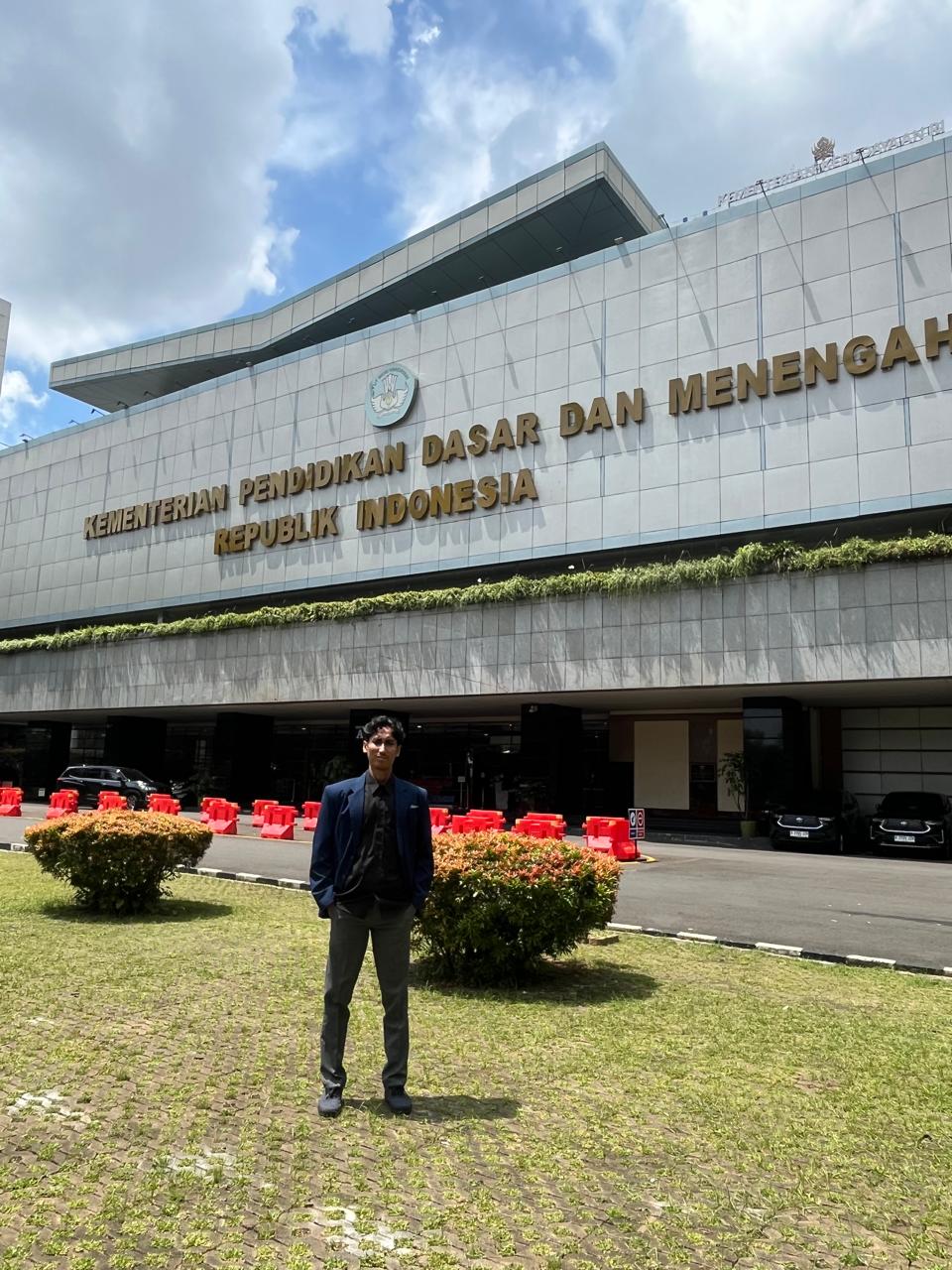
Looking to the education policy in action is very interesting. On Monday, December 22, 2025, we are going to the Ministry of Primary and Secondary Education (MoPSE) to know more about that. All my classmates from the Educational Policy Analysis class are scheduled to have a discussion with the Education Standards, Curriculum, and Assessment Agency (BSKAP), specifically the Centre for Education Standards and Policy (PSKP), which handles Indonesia's national education policy or regarding National Education Standards. The topic of this visit is discussing the Draft Law on the new National Education System (RUU Sisdiknas), which is included in the 2025 Priority National Legislation Program (Prolegnas). The status of the bill is currently in the discussion and refinement stage in parliament. We are guided by our lectures from the Educational Policy Analyst class, Dr. Lukman Nul Hakim and R. Alpha Amirrachman, M.Phil., Ph.D., on this agenda and prior to the visit, we were given some reading materials related to the draft Law (bill) from our lectures to enrich the discussion.
This visit truly excited me and sparked great enthusiasm. This was due to my second visit to MoPSE as a student at Universitas Islam Internasional Indonesia (UIII), but also because the focus of this discussion was directly related to education policy, which is my current field of interest and concentration study. Furthermore, this visit provided an opportunity for us as students to learn more about the evolution of Indonesian Education Law. This discussion provided a glimpse into the perspectives of stakeholders directly involved in the decision-making process. Through this interaction, we gained a deeper understanding of the sequence of policy formation at the national level. This allowed me as a student to understand the lengthy process of drafting a law and the various parties involved in its formation. This provided a collaborative experience for students, bridging theoretical learning in the classroom to the real-world practice.
In this regard, we gathered in the morning to the Jakarta for the Ministry office towards the departure. Upon arrival at MoPSE, we were greeted by the Policy Analysis and Advocacy Working Team from the ministry. We arrived a little earlier than planned, and we didn't waste our time there; we were discussing something else instead. Guided by Pak Alpha, we opened our initially discussion with Mr. Lukman and Ms. Esy about submitting students’ work (e.g articles) to the ministry journals. They informed us that there are two journals that students can submit to: "Jurnal Penelitian Kebijakan Pendidikan" (Journal of Education Policy Research) & "Jurnal Pendidikan dan Kebudayaan" (Journal of Education and Culture). Several explanations were given regarding what students need to consider when submitting their papers to journals, including the journal's twice-yearly publication timeline. I think this is very insightful, apart from the main material discussed that day, we also got information about where we can publish our scientific work.

Afterward, at 10 am, we are going to the main agenda, a discussion with the Head of the Center for Education Standards and Policy, Mr. Irsyad Zamjani, Ph.D. Prior to the discussion, we were briefly introduced before Mr. Irsyad continued with his presentation. He presented material on The Revision of the National Education System Law, starting with explaining the evolution of education policy in Indonesia and the background of why the revision of the Indonesian education law is necessary. He also added about the stages in the Sisdiknas Revision which consists of 5 stages of the legislation process, which begins with Initiation, Preparation, Discussion, Reflection and it ends with Determination. In addition to that, he explained that MoPSE has supported this legislation process and provided us a brief overview of what activities have been carried out by MoPSE during 2025.
There are several key revisions highlighted in this change to the education system. This change is arguably quite massive because it goes beyond policy as a philosophical foundation to include substantive studies. Several aspects can serve as students' takeaways, for example, educational governance and pathways, compulsory education, curriculum and learning, teacher welfare, and educational funding. One of my takeaways from this discussion is the extension of compulsory education from 9 to 13 years. One of the hot topics in education frequently discussed both inside and outside the classroom is how the acknowledgment of early childhood education (ECE) takes place, and this is one of them. The addition of one year of compulsory education to ECE acknowledges that preschool education is as important as other levels of education.
The discussion then continued with a question-and-answer session. Students appeared very enthusiastic in listening to Mr. Irsyad's presentation, as evidenced by the large number of students who raised questions. The questions asked by the students were very diverse; this may reflect our interest in the field of discussion. Some of them concerned indigenous communities, distant learning, educational budgeting, language policy, and concerns on the average length of schooling. Towards the end of the discussion, he added regarding the discussion of the Revision of the National Education System Law, MoPSE did not work alone, but also participated by inviting several related stakeholders and non-governmental organizations in the discussion regarding this legislation process.
Learning Beyond the Classroom: Teaching, Empathy, and Confidence
Learning Beyond the Classroom: Teaching, Empathy, and Confidence
By Nida Hanifah

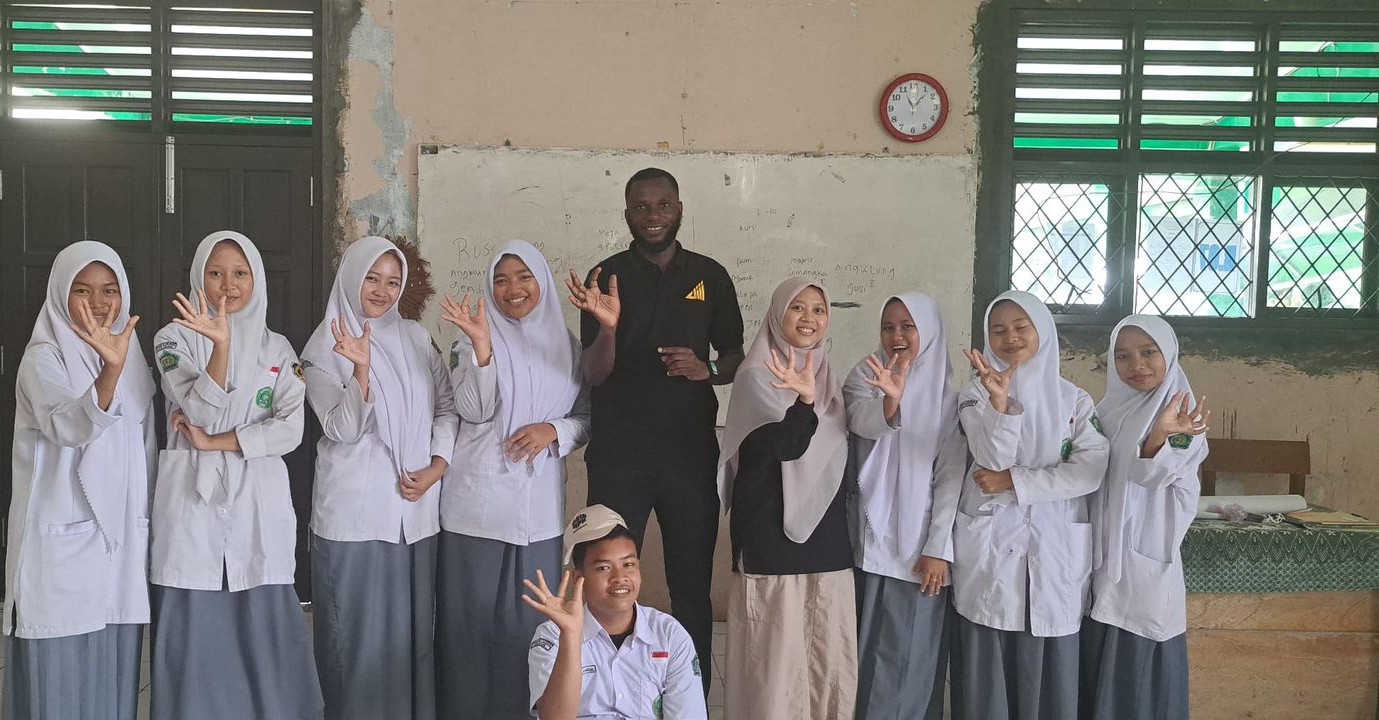
Tuesday, December 16th, 2025, was the day I had the opportunity to directly participate in community engagement at Madrasah Aliyah Negeri in Cilegon. This journey was not simply a change of location, but the beginning of a meaningful learning experience, both for us as students and for the students we would meet. Throughout the journey, my mind was filled with questions and anxieties. How to deliver the lesson to the students there? Would they be able to understand me? considering it had been quite some time since I had interacted directly with high school students. These concerns mingled in my mind, occasionally diverted by the background music playing on the bus.
Upon arrival at MAN 1 Cilegon, we were warmly greeted by the teachers and students. The welcome was sincere and full of enthusiasm. Our presence, consisting of students from diverse backgrounds, both Indonesian and international, seemed to bring a new dimension to the school. My enthusiasm was ignited. I felt impatient to greet, share stories and knowledge with them. I assured myself, "Bismillah, I can make it."
The atmosphere reminded me of my past experiences as a volunteer teacher for Indonesian immigrant children in Malaysia. The smiles, curious gazes, and enthusiasm of the students at MAN 1 Cilegon brought back memories of my former students. They all showed an openness to new teachers, new knowledge, and new experiences. From that, I felt again that my presence as a teacher, even if only once, could be meaningful to them.

I was placed in one of the 11th grade classes with my teaching partner, Saidou. We began the session by introducing ourselves in English, both teachers and students. Initially, I expected the session to be short. However, in reality, the introduction process took quite long because most of the students had limited English proficiency. From their expressions and body language, I could sense fear, hesitation, and a lack of confidence when it came to answering our questions in English. At that moment, one thing that kept coming to my mind was that they needed encouragement and reassurance that it is okay to make mistakes and not give up. Learning is a journey, and it is never too late to start.
In the classroom, we focused on the importance of mastering English in education and the benefits of knowledge for the future. Considering they were in 11th grade and would graduate in the next one to two years, I felt it was important for them to start thinking about the direction and goals they wanted to achieve in life. Of the nine students in the class, three expressed their desire to continue their education abroad, to places like Egypt, Yemen, and England. This amazed me because at their age, I did not think of studying abroad. I believe these dreams will guide them towards a brighter future.
Throughout the learning process, we often translated explanations into Bahasa to ensure they understood the lesson. Nevertheless, I felt grateful that the hour and a half we had was worth it. Initially, some students seemed less enthusiastic, but this was more due to their limited English comprehension. After the material was explained again in Indonesian, they showed great enthusiasm and actively answered questions.
The game we played at the end of the class was super fun. It was a Snake Words game. From that game, I could see the competitiveness in the quiet children, this proves that we cannot judge people only by their appearance and visible habits. Everyone has a different way of learning and has different ambitions. I told them not to be discouraged even though their names are not the ones often called to receive awards during ceremonies, not the names that are always praised by teachers, not the names that are famous in school. They deserve to have a bright future, it does not mean that those who may seem invisible and unknown cannot prove that they can be successful in the future.
Through this experience, I realized that every student has a different background, way of thinking, and level of confidence. The biggest challenge for me is not only delivering the lesson, but also creating a safe and comfortable learning space, where students feel valued and are not afraid to make mistakes. Reflecting on this activity taught me that meaningful learning is born from empathy, effective communication, and a willingness to listen. Going forward, I hope this community engagement can continue to be implemented on an ongoing basis, so that the relationship between UIII and communities can grow stronger and have a positive impact on both sides.

Rethinking Education: Of the Children, With the Children, and For the Children
Rethinking Education: Of the Children, With the Children, and For the Children
By Ihsan-Isah Imam Zaman

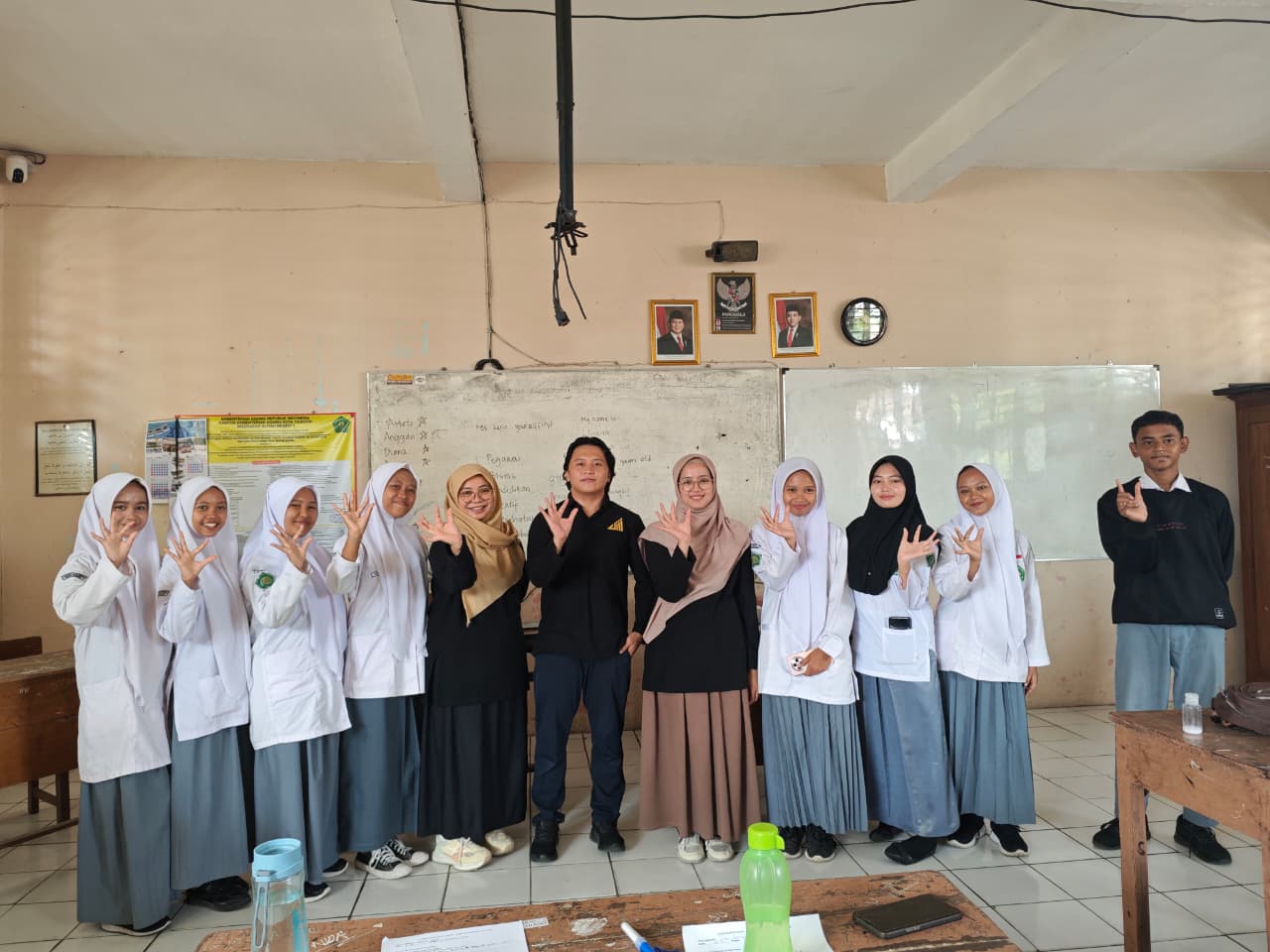
On December 16, 2025, the Faculty of Education from Universitas Islam Internasional Indonesia conducted a community engagement visit to Madrasah Aliyah Negeri in Cilegon. MA Batch 4 and PhD Batch 3 students, along with lecturers and faculty staff, visited the school as part of their commitment to maintaining a beneficial relationship with the local community. During this brief visit, the lecturers and students conducted short learning sessions with the hope of benefiting the local students.
One of the lingering thoughts I had after this experience was the question: how do we really see education and school? Is it merely a process of transferring knowledge and building skills so students can become part of the future labor force? Is a school simply a place where children and youth go to acquire these things? These were some of the lingering thoughts I carried with me.
When looking at the current unemployment crisis prevalent not only in Indonesia but also in neighboring countries, I found myself wondering whether we are preparing our children for future disappointment. I recalled that a few years ago, I was in their position, and I wondered whether, if someone had told me then what I know now, it could have served as a cautionary reflection.
I wished I could have told them that, at this stage of life, what they have is energy and time. They trade that time to acquire knowledge and skills, which they later trade for opportunities and sources of income. But then again, are we not currently facing an unemployment crisis?
They say the best time to plant trees was a hundred years ago, and the next best time is today. In that spirit, I hope that educators and teachers can transform the way they see education. Children and youth need help to comprehend things that still feel incomprehensible to them. At the same time, they also need protection, while ensuring that their agency and autonomy are not infringed upon.
When we see children merely as future members of the labor force, we risk reducing them to mere products. But how do we reconcile the idea that children are our future without robbing them of their present? For us, we may help provide options and present possibilities, but the ultimate decision rests with them. Our responsibility, then, lies in shaping conditions that expand rather than narrow those possibilities, with an emphasis on nurturing and guiding them.
We do not have to worry that they may fail to contribute productively to the sustainability of humankind, as long as we nurture them with values that respect their agency and autonomy. By agency, I mean children’s capacity to have a voice and participate meaningfully in decisions that affect them, while autonomy refers to their growing ability to make age-appropriate choices and take responsibility.
To say the least, it is an undue burden to tell children outright that they are the future without risking their humanity. It is like telling Peter Parker that he must be Spider-Man. We do not have to make children become the heroes who must save a future that we, as adults, have helped shape.

If we teach them the values of humanity, care for the environment, and responsibility toward community, then we need not doubt whether they will destroy the future or help it flourish. From an Islamic perspective, there is a well-known saying that reminds us: “Do not raise your children the way your parents raised you, for your time and their time are different.”
I leave my lingering question unanswered. Perhaps, as a reader, you can answer it for yourself. Or perhaps you may find yourself asking the same question, and we may arrive at similar answers in time. I will end this reflection with this thought: the people we are today are shaped by our past context and environment, so what kind of present context and environment do we want our children to have? In the end, this reflection reminded me that education is not only about preparing children for the future, but also about honoring their dignity and agency in the present.
It Takes Two: Community Engagement as Active Participation for Collaborative Empowerment within and Beyond the Institution
It Takes Two: Community Engagement as Active Participation for Collaborative Empowerment within and Beyond the Institution
By Nanik Yuliyanti

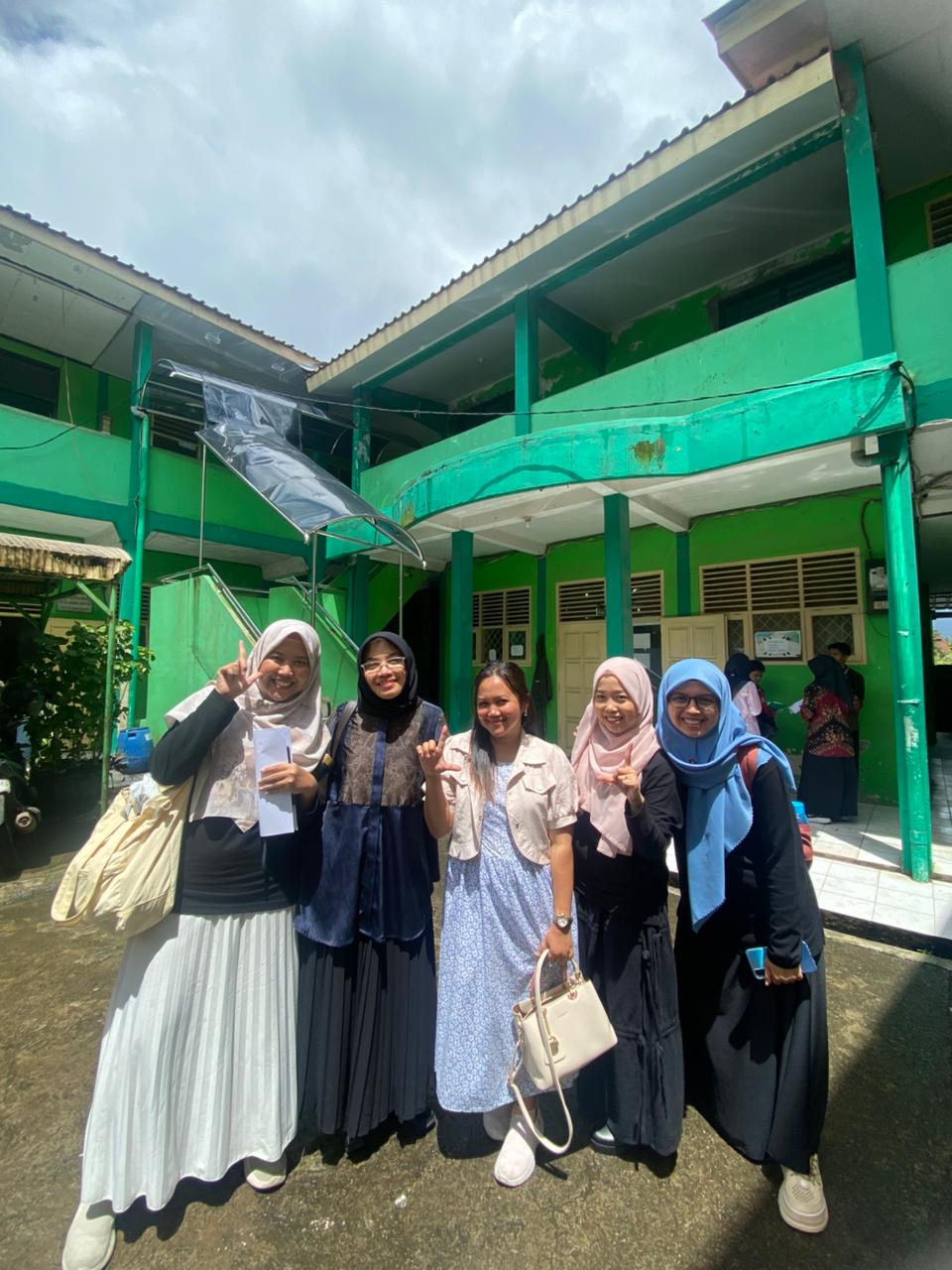
Since joining UIII’s Faculty of Education, this was my second involvement in a community engagement program. My first experience was the “Youth Interfaith Camp held in Serang,” conducted under a Community Engagement Grant from the university. The second program, organized directly by the Faculty, took place in Cilegon and Anyer on Tuesday, 16 December 2025. As community engagement emphasizes collaborative processes in which universities, researchers, or organizations work together with community members, it requires active participation and two-way interaction between the institution and the community. Thankfully, in my personal reflection, our program truly embodied this spirit.
We—consisting of lecturers, MA and PhD students of the 2024/2025 cohort, and other members of the Faculty of Education—arrived at MAN 1 Cilegon at around 8:00 a.m. We were warmly welcomed by the students, teachers, and other school stakeholders. The opening ceremony featured welcoming remarks, a prayer, and a dance performance originally created by the school and officially patented. During the event, a Memorandum of Understanding (MoU) between MAN 1 Cilegon and UIII’s Faculty of Education was signed, marking the beginning of collaborative empowerment between the two institutions.
Following the opening session, the main activities of the community engagement program took place across 23 locations, including classrooms, the hall, and the school laboratory. Lecturers as well as PhD and Master’s students actively engaged with teachers, local community members, and especially the students. As UIII has a diverse body of international students, many of the activities involved international participants, providing valuable global exposure for students and other stakeholders. The school community was highly receptive and open-minded, several teachers expressed their desire to strengthen their English skills as a means of enhancing empowerment and future opportunities.
The school community was highly supportive and responsive throughout the program. During classroom sessions, members of the student organization (OSIS – Organisasi Siswa Intra Sekolah) accompanied us from the beginning to the end of each activity. The sessions featured a wide range of creative and engaging learning experiences, including topics such as gender education in Islam, parenting, designing effective learning processes based on Merrill’s principles, empathy and inclusivity, English instruction, cultural exchange, and many other interactive activities.

However, due to the limited number of international students available, I conducted the session on my own with 23 students and two members of the OSIS. Thankfully, it went smoothly. During the one-and-a-half-hour activity, as part of English instruction learning, we practiced the three key components of a presentation: the opening, the main content, and the conclusion. The students were given nine different topics and worked in groups to select one topic for their presentation. I gave them 30 minutes to prepare, where they were encouraged to draw and write freely based on what they knew about the topic before presenting in front of the class.
Although the students had limited English proficiency and faced challenges in expressing their ideas confidently in English, particularly when presenting in front of their peers, their willingness to participate and step forward was itself a significant achievement deserving appreciation. At the end of the session, I further encourage the students to be more active in their learning and to remain motivated in improving their English skills. I also shared my personal experience of completing fully funded studies at universities in Türkiye and the United States, which appeared to inspire the students and strengthen their motivation to challenge themselves and pursue future opportunities.
After concluding the activities at MAN 1 Cilegon, we proceeded to Anyer Wonderland for lunch, prayer, and some free time before returning to Depok. Although rain fell for most of the day and we could not really explore the site a lot, but the sense of togetherness shared with fellow students and lecturers was deeply meaningful. The approachable and supportive atmosphere created by the lecturers stood out to me personally, reflecting a culture of mutual respect that may not be easily found in other academic settings. While one of the main objectives of this community engagement program was to collaborate with and reach broader communities beyond our own institution, the process of preparing for and participating in these activities also prompted personal reflection. It reinforced my sense of gratitude for belonging to an academic community that values collaboration, humility, and shared purpose. How blessed I am to be part of this Faculty of Education at UIII.
Beyond Tools: Thinking about AI, Education, and our Humanity

Beyond Tools: Thinking about AI, Education, and our Humanity
By Nabila Nindya Alifia Putri
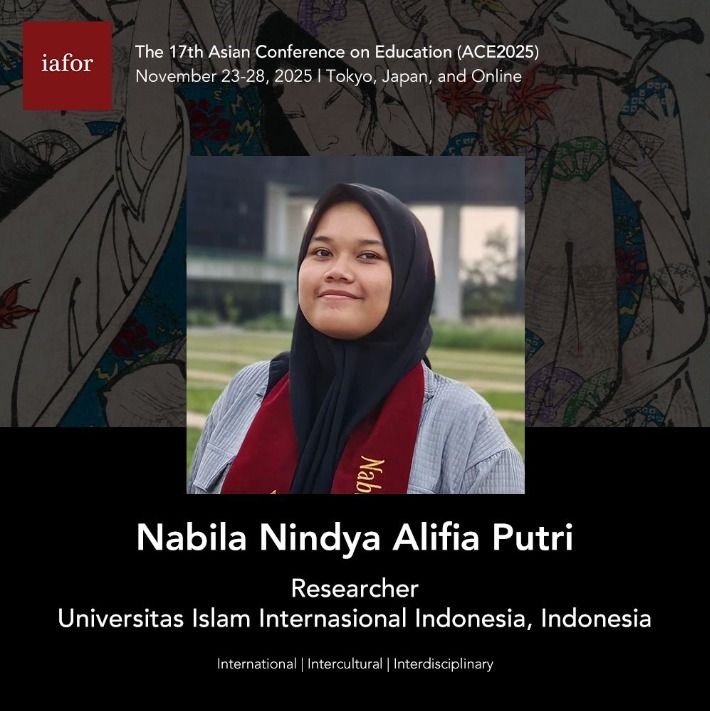
2025 is just around the corner to close its chapter, and on the fourth week of November was truly an unforgottable moment that I will always cherish in my life, at least after I graduated. On the 28th of November, 2025, I got a fruitful opportunity as a panelist at the ACE Online Conference. Academically and personally speaking, the session, “Human–AI Partnership in Teacher Education: Rethinking the Hybrid Teacher of the Future,” challenged me to articulate my research in a broader, global conversation about the future of teaching. The issues explored in the session resonated strongly with the findings of my master’s thesis, which I incorporated into the discussion.
During the panel session, I got asked a question. It was about the ways in which cultural, societal, and contextual aspects influence the way students respond to AI, which led me to reconsider my own research results in a new perspective. My research has demonstrated that there is great cultural focus on academic integrity within the Indonesian schools whereby teachers are expected to adhere to moral standards during the learning process. It also emphasizes the excessive dependence of teachers on community-based and informal learning instead of institutional training and the contextual fact that AI systems do not frequently support local curricula, language standards, and daily learning processes. It taught me that the problems I noticed during my fieldwork are not just technical or practical issues, as there were issues about academic integrity or a lack of infrastructure. Instead they are indicative of deeper questions of what we are as a society, the way we value relationships in the learning process, and how we negotiate change.
As I reflect further upon writing this reflection, these insights feel even more relevant in light of recent ecological disasters across Indonesia, particularly in Sumatra and parts of Java—events that are, in many ways, are consequences of human actions. The process of this happening brought back to me that education is never solely about mastering content or learning to use technology, but it is also about molding conscience, responsibility, and care. This lowkey gave me a silent hope that someday AI would not only be incorporated into the process of learning due to ease or effectiveness. I wish to believe that with the development of AI, we will be able to use AI to teach what really matters as well as our connection with the environment. Perhaps, we can have such simulations one day with the help of AI, or a virtual reality (VR) experience that lets students observe the life cycle of trees, the sensitivity of ecosystems, or the effects of environmental destruction. It is only a hope, which is a possibility in the future, but I was left convinced by this panel that it is a part of our job as educators to make ourselves believe that such possibilities exist.
Speaking in front of a global audience was not only challenging but also empowering. I needed to express myself, answer on the spot, and present the Indonesian context in a positive manner. At one point, the discussion was flowing smoothly that I encountered a sense of connectedness, not just to the panelists, but to the whole audience who cared about the future of education. It made me remember again on why I decided to pursue this field. In general, this experience taught me that insights from local contexts bear a great, yet universal importance. Personally, I also became developed. I learned that:
- I am able to address myself confidently, especially in global contexts,
- my research bears depth and relevance beyond local context.
What I take from this experience is a renewed sense of purpose. It further intensified my desire to investigate the problem of AI literacy, teacher identity, and educational ethics, yet also helped me to remember the larger mission of education itself. The panel session gave me a reality to be more grateful, solid, and hopeful person who has much to do in a world where technology and humanity develop in mutual communion, not only in order to be efficient, but in order to be caring, thoughtful and understanding of our world. And in most respects, this vision is also consistent with what I have studied during my masters study in the Faculty of Education at UIII: a place which has helped me to consistently think of education as a transformative power based on ethics, justice, responsibility to the society, and the environment.
Lastly, let’s take a moment to give our thoughts and prayers of our brothers and sisters affected by disasters in Sumatra, Java, and other places affected by disasters in Indonesia. May we always be given strength and fortitude to get through everything.
Mapping Discourse Visually: Why DNA Deserves a Place in Every Emerging Researcher’s Toolkit

Mapping Discourse Visually:
Why DNA Deserves a Place in Every Emerging Researcher’s Toolkit
By Nurul Izzah Febilia
A question commonly aksed by novice researchers is this: which tool is actually more worth using, DNA, Nvivo, or Quirkos? and why?
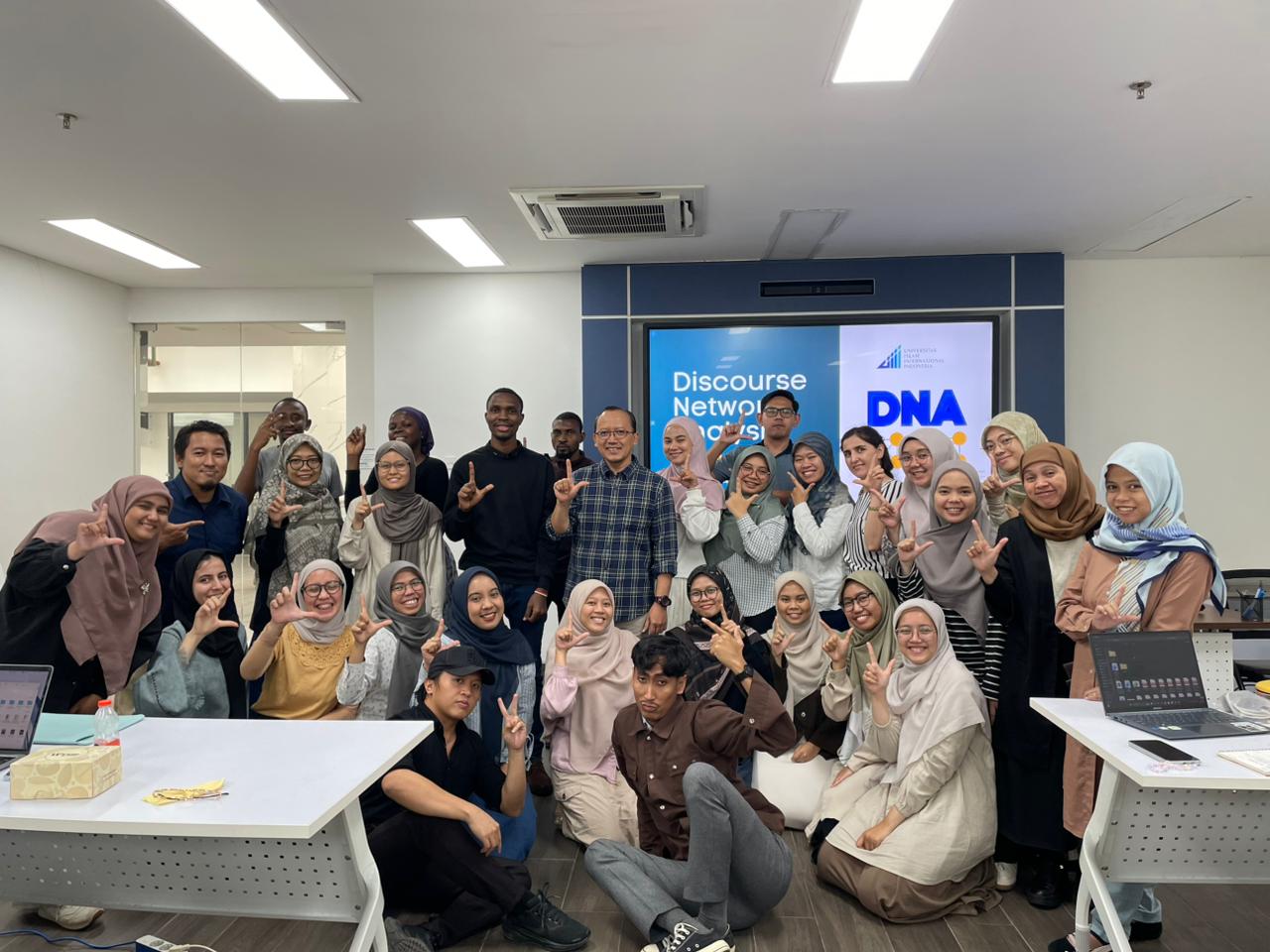
Last Monday, November 24, Estudia held a workshop on Discourse Network Analysis (DNA) for qualitative data analysis by Dr. Lukman Nul Hakim. Participating in the workshop to operate DNA and Visone is a complement to the experience that students really need. In the previous year, students also received a workshop on how to operate Quirkos and Nvivo on other occasions. Initially, I understood that this workshop was an introduction to qualitative data analysis applications. But as the session progressed, it became increasingly apparent that the DNA approach could open up new perspectives on how discourse is analyzed in depth and visualized in a more informative way. Thus, this activity is not only technical training, but also the entrance to a more creative and systematic approach to research.
Before the workshop started, the question I brought up when participating in this workshop was which one would be more worth it and will be used later: Quirkos, Nvivo, or DNA? Discussions about the advantages of each application often arise in the academic environment, considering that each one has its own characteristics and strengths. However, this DNA workshop offers a fresher perspective. In addition to providing an understanding of how a discourse can be mapped, analyzed, and visualized through a network approach, the workshop also affirmed a significant advantage: both DNA and Visone can be used for free. Dr. Lukman clearly said that if you want to use Nvivo or Quirkos optimally, then the investment is to subscribe to the paid version. This comparison is an important point for students who are looking for an effective and affordable tool.
The practice session using DNA software was then continued with Visone, and this part was one of the most interesting. Both software are relatively easy to operate, especially with Dr. Lukman's direction which is smooth and easy to follow. Participants not only learn how to read the network, but also how to construct it and interpret the relationships between nodes. This process is much more challenging and at the same time more satisfying than just reading theories. Even so, there was a slight technical problem for some participants in the form of a truncated software display so that the navigation buttons at the bottom were not visible. This appears on some laptops, possibly due to screen resolution or inappropriate display settings. The temporary solution used is to disable the laptop's taskbar so that the cursor can reach the button. This obstacle is an important note so that participants can anticipate similar situations in the future, especially when working with visual software.
 At the end of the activity, I asked several participants about their impressions after taking part in the workshop. Almost all of them state that this software is relatively easy to operate, especially for new users compared to other qualitative analysis applications. Of course, it has the advantage of not requiring license fees. The biggest challenge remains the coding process, which takes time and practice to get done quickly and accurately. Interestingly, a number of participants who had previously used other software such as Nvivo stated that after participating in this workshop they tended to use DNA for their next research. This collective reflection shows that the workshop is a very valuable scientific complement, as if it is a complement that wraps the learning in the Educational Research Methodology and Statistical Analysis courses with network-based qualitative analysis practices.
In the end, I realized that the opportunity to participate in this workshop for free was a great privilege. This opportunity complements the learning experience because both the campus and the faculty are very supportive of students by continuing to provide learning spaces, support, and facilities that make me feel valued as part of an academic community that is serious about building the capacity of its students. I feel very fortunate to have been part of an environment that encourages students to develop without limits. In this case, gratitude must also be given to Estudia, the faculty, and the entire team who have facilitated activities that are very supportive of students.
Furthermore, as a student at the faculty of education, I see additional benefits of this workshop from a different perspective. It not only provides a technical insights into qualitative analysis, but also demonstrates how complex material can be taught effectively. The way Dr. Lukman teaches is indeed impressive. However, his ability to teach an application in a light, clear, and systematic way became a note-taking for me in increasing the capacity of learning methods as a teacher. I can affirm that one of the reasons why this tool feels so convincing is the way the instructor presents the material. The structured approach, complete with technical guidance such as "if you want results like this, click on these sections", makes the learning process feel logical and easy to follow. A strong pedagogical approach made me not only learn tools, but also learn the learning methods themselves.
Overall, this DNA and Visone workshop provided new understanding, new skills, and greater confidence to face qualitative research, especially in the context of writing a thesis later. This experience is felt not only as technical training, but as an intellectual investment that enriches academic perspectives and research practices within the Faculty of Education, and I look forward to similar activities in the final year of my studies.
Growing through Imperfection and Purpose: Reflections on AICIS+ 2025
 Growing through Imperfection and Purpose: Reflections on AICIS+ 2025
By Nanik Yuliyanti
This year, on its 24-year journey, The Annual International Conference on Islamic Studies (AICIS) that initially focused on traditional religious studies, evolved into AICIS+: the Annual International Conference on Islam, Science, and Society. This shift marked a bold new direction toward larger and deeper impact.
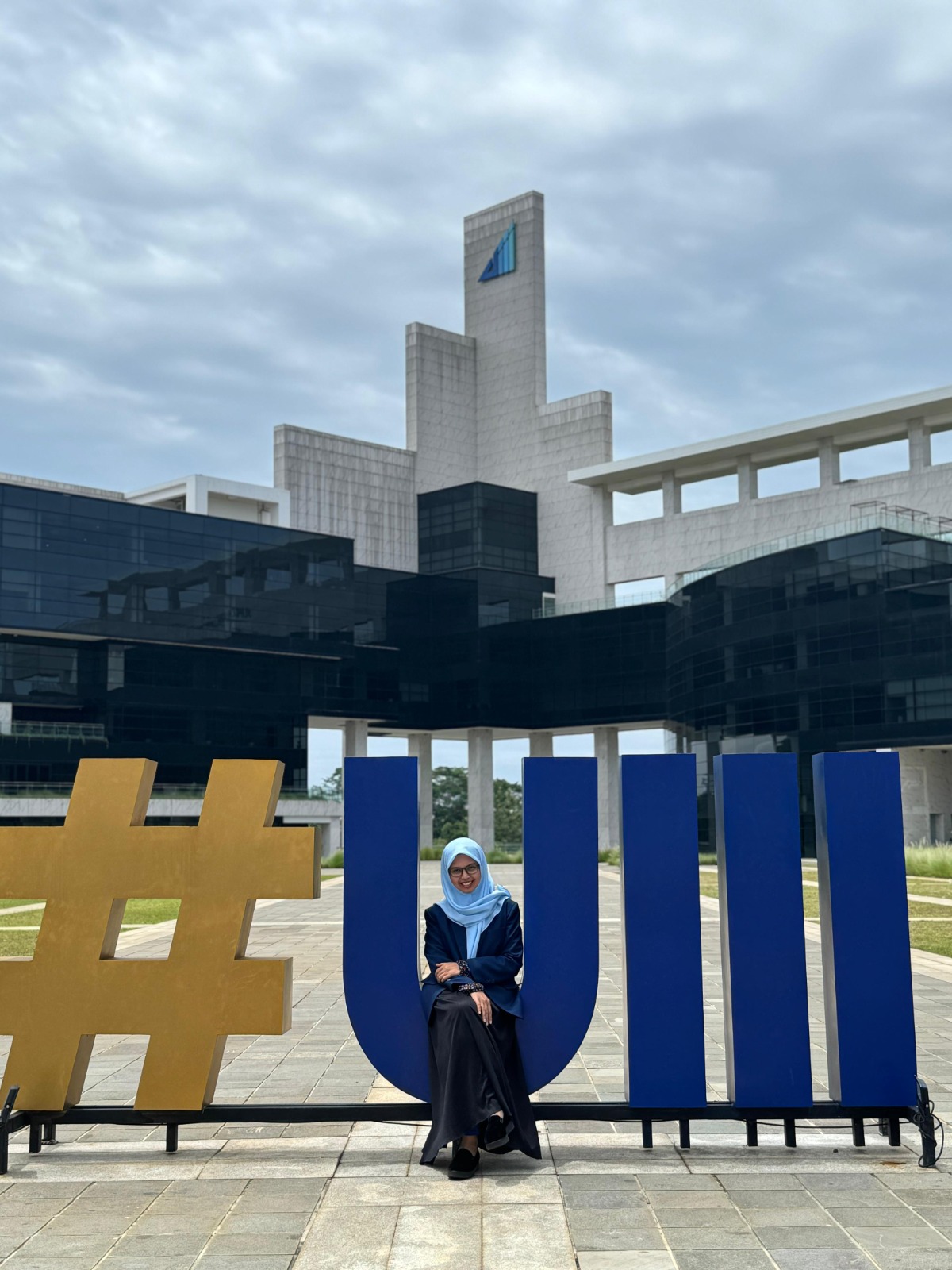
For me, it has been an honor to be part of AICIS+ 2025, an experience that was as humbling as it was inspiring. From the moment the conference opened at Universitas Islam Internasional Indonesia (UIII), I felt the weight of its ambition: to bridge Islamic scholarship with science, society, and sustainability (bridging tradition and innovation to shape a better future). This year’s theme, Islam, Ecotheology, and Technological Transformation: Multidisciplinary Innovations for an Equitable and Sustainable Future, resonated deeply with me, not only as a PhD student at faculty of education UIII that juggling with courses and researches, but also as someone who strives to live a meaningful and impactful life.
This was actually my second year engaging with AICIS. Last year, hosted by UIN Walisongo Semarang, I participated as a presenter from UIII. I shared my paper in a panel session and received sharp and intellectually nourishing feedback from two Indonesian professors who served as discussants. This year, I returned in a different role: as an event volunteer and moderator for three panels: Ecotheology and Environmental Sustainability, Decolonizing Islamic Studies, and Peacebuilding and Humanitarian Crisis. Each panel offered rich perspectives, but also revealed the logistical challenges of organizing a conference of this scale. For example, many assigned discussants were absent, and speakers openly expressed their disappointment, having hoped for expert feedback to refine their works.
AICIS+ 2025 was a first for UIII in many ways. It tested the limits of our infrastructure, our coordination, and our capacity to host hundreds and even thousands of scholars and participants from across Indonesia and abroad. And yet, it also revealed our potential. The Rectorate Building, mosque, library, and faculty halls buzzed with energy and authenticity, drawing admiration from participants and guests alike. The sessions were intellectually vibrant, and the side events, from the Edu Expo to the Halal Festival, added layers of engagement beyond the academic. However, since there were many different activities and events held at the same time, the participants as well as the volunteers and organizers were quite hectic and exhausted. At times, the main venue felt unexpectedly quiet, with only a few participants scattered across the space, perhaps a result of simultaneous sessions spread across multiple venues and buildings.

Still, there were valuable moments that prompted reflection. During the panel of Ecotheology and Environmental Sustainability, as also mentioned by Dedi Mulyadi (Governor of West Java) during his last visit to UIII, this university is proudly branded as a green campus, yet many of its buildings are dominated by glass walls with no operable windows. This architectural choice, while visually striking, raises questions about sustainability and comfort. As someone moderating a panel on ecotheology, I couldn’t help but notice the irony. To this extent, I was struck by another reminder that even in our pursuit of innovation, we must remain critical and grounded. In fact, this was not just a critique, but an invitation: come visit UIII, and witness not only its architectural beauty, but also its ongoing efforts to grow toward meaningful innovation and sustainability.
Another valuable lesson I took from this experience is about the importance of empathy. As an event volunteer and moderator, I had to navigate different personalities, expectations, and frustrations. I saw how participants reacted to difficulty in finding the venues, confusing information and instructions, delays, missing discussants, and logistical hiccups. Some were gracious, others were less so. Had I been a participant and presenter, I might have felt the same. But knowing how tirelessly the organizing team worked behind the scenes, I also understood the complexity and constraints we all faced. Moreover, I believe that behind every complaint, there was a desire to be heard, to be valued. And behind every effort from the organizing team, was a commitment to make this conference meaningful and impactful. And speaking from my own experiences, sometimes, I feel like criticism helps us grow faster and stronger than praise or encouragement. It sharpens our awareness and pushes us to transform and improve. So, though it’s not always easy, I believe we should embrace criticism and move forward with it.
Furthermore, I also learned that growth often comes from knowing our limits, and then gently pushing past them. This year, we saw how far UIII could stretch to accommodate a global conference. We saw what worked, and what didn’t. But more importantly, we saw that there is no fixed limit, only opportunities to learn, reflect, and grow.
Last but not least, AICIS+ also made me reflect on Indonesia’s place in the global imagination and perception. Ask someone abroad about Indonesia, and they might say Bali, Borobudur, Monas, or many tropical beaches and islands. Rarely do they mention Islam, despite Indonesia being the largest Muslim-majority country in the world. UIII was built to change that narrative. It aims to become a center of Islamic scholarship that is globally engaged and locally rooted. Through AICIS+, we take one step closer to that vision. It’s a long journey, but not an impossible one.
This year’s conference was not perfect, but it was purposeful. It reminded me that imperfection is not failure, it is feedback and raw material for growth. And when we approach it with humility and hope, it becomes a blessing. To everyone who made AICIS+ 2025 possible, thank you. Thank you for the memories, the lessons, and the teamwork. May our efforts bring new opportunities, deeper understanding, and meaningful impact.
AICIS+ 2025 Wasn’t a Conference, It Was a Statement! A Reflection on how AICIS+ 2025 redefined the future of Islamic Scholarship in Indonesia
 AICIS+ 2025 Wasn’t a Conference, It Was a Statement! A Reflection on how AICIS+ 2025 redefined the future of Islamic Scholarship in Indonesia
By Rahayu
Stepping into AICIS+ 2025 as a PhD student at the Faculty of Education, I didn’t just come to observe theories. I came to challenge them, question them, and remix them through the lens of learning, culture, and innovation. Education is not merely a subject I study; it is the space where ideas meet reality, where curriculum shapes consciousness, and where the next generation learns to think, dream, and lead. And trust me, this year’s conference didn’t just match that energy, it amplified it!
Carrying the theme “Islam, Ecotheology, and Technological Transformation: Multidisciplinary Innovations for an Equitable and Sustainable Future”, AICIS+ 2025 brought together a remarkable convergence of Islamic scholarship, science, technology, and social inquiry. The Director General of Islamic Education, Amien Suyitno, emphasized with pride, that AICIS+ 2025 has become the most selective conference in its history because the committee received more than 2,400 abstracts from 31 countries, but only 230 abstracts/scholars were accepted. This really wasn’t simply an academic gathering with scholars; it was a living ecosystem of ideas where faith met futurism, tradition met innovation, and global challenges were tackled with intellect, empathy, and vision.
And thankfully, we’re done with the “separate buckets of knowledge” era; Islam, societal issues, and future-oriented thinking were finally sitting at the same table and talking. We’re indeed bridging disciplines now, welcoming global tech voices, and embracing bold. Instead of treating STEM as a side conversation, AICIS+ 2025 truly brought innovation to center stage, from AI ethics and digital knowledge ecosystems to scientific breakthroughs shaping Muslim communities and global society.
With interdisciplinary panels, forward-thinking researchers, and conversations that connect laboratories to lived realities, AICIS+ 2025 signals a new era: one where Islamic scholarship in Indonesia stands confidently alongside global scientific advancement, not as an observer, but as an active, visionary contributor.

A Moderator Saga: Navigating the Rasch Model Panel
I had the exciting opportunity to serve as the moderator for the Science and Technology panel sessions, which brought together lecturers and invited journal editors from diverse research backgrounds. Some speakers delved into highly specialized topics, including the Rasch model measurement, and presented its applications in educational assessment, psychometrics, and data analysis. Very interesting!
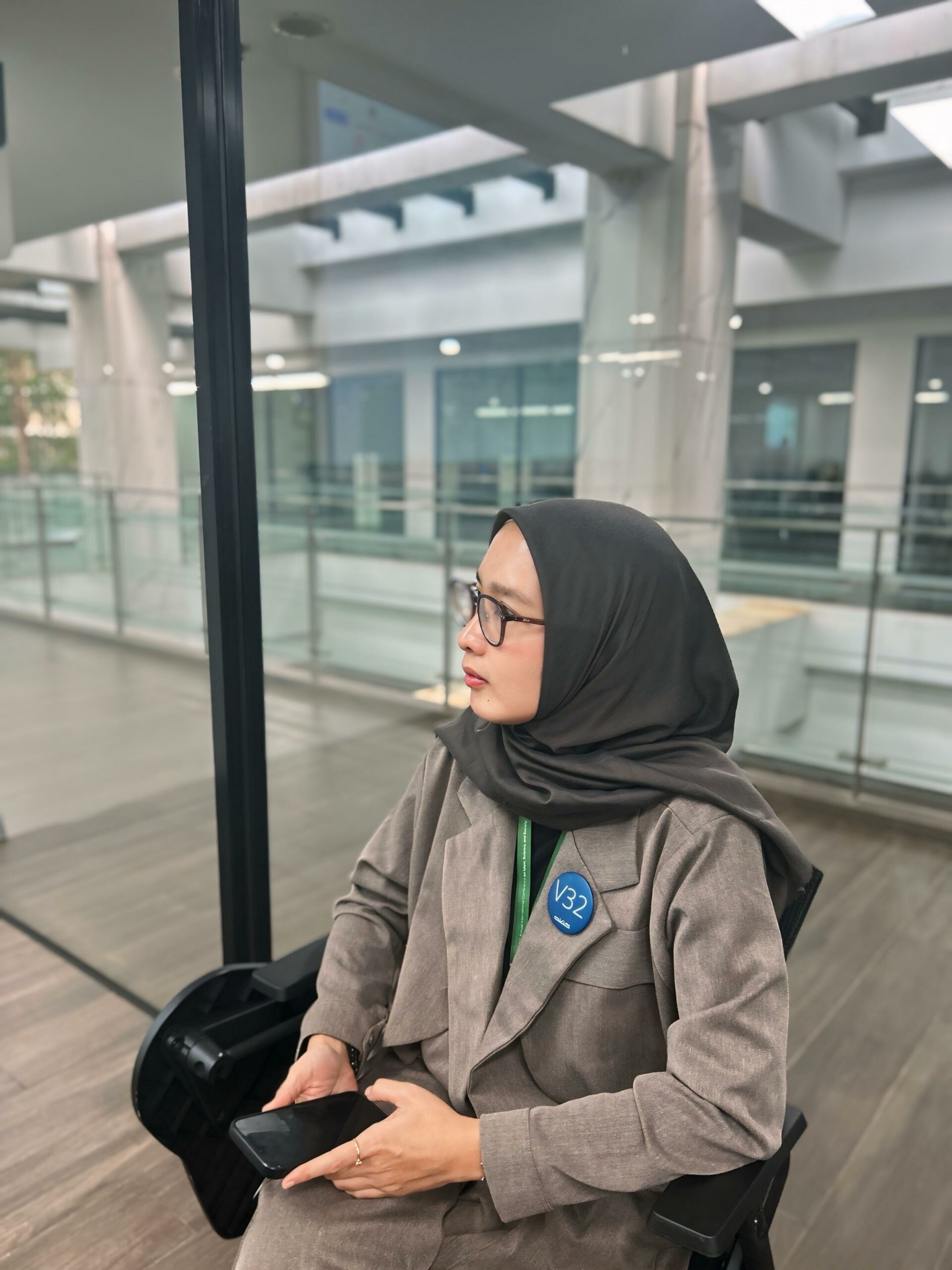
For me personally, the Rasch Model panel I moderated was a standout moment at AICIS+ 2025, it was the only panel dedicated entirely to the Rasch Model during the conference. Again, as a PhD student in the Faculty of Education, I couldn’t believe my luck—this semester, while diving into Educational Assessment and the Rasch Model with our own lecturer in the field, I also accidentally signed up for a moderator of conference that turned out to be pure gold and full of knowledge.
Lesson Learned from AICIS+ 2025
I still remember the very first day of AICIS+ 2025 when the Rector of UIII, Prof. Jamhari, highlighted that this conference was far more than an academic event—it was a center hub of collaboration, dialogue, and intellectual exchange. And this whole experience for me was a powerful reminder that learning doesn’t only happen within the four walls of a classroom, it is beyond that. Observing keynote speakers, participating in panel discussions, and engaging with international top scholars offered a rare chance to see theory and research in action, applied to real-world contexts and global perspectives. I realized that staying curious, being proactive, and learning from others is key because education isn’t just about textbooks and lectures, it’s also about conversations, connections, and the people you meet along the way.
The Journey Was Tough, but I Made It: Thousands of Santri to the National Top 5
 The Journey Was Tough, but I Made It: Thousands of Santri to the National Top 5
By Jihan Ariqatur Rafiah
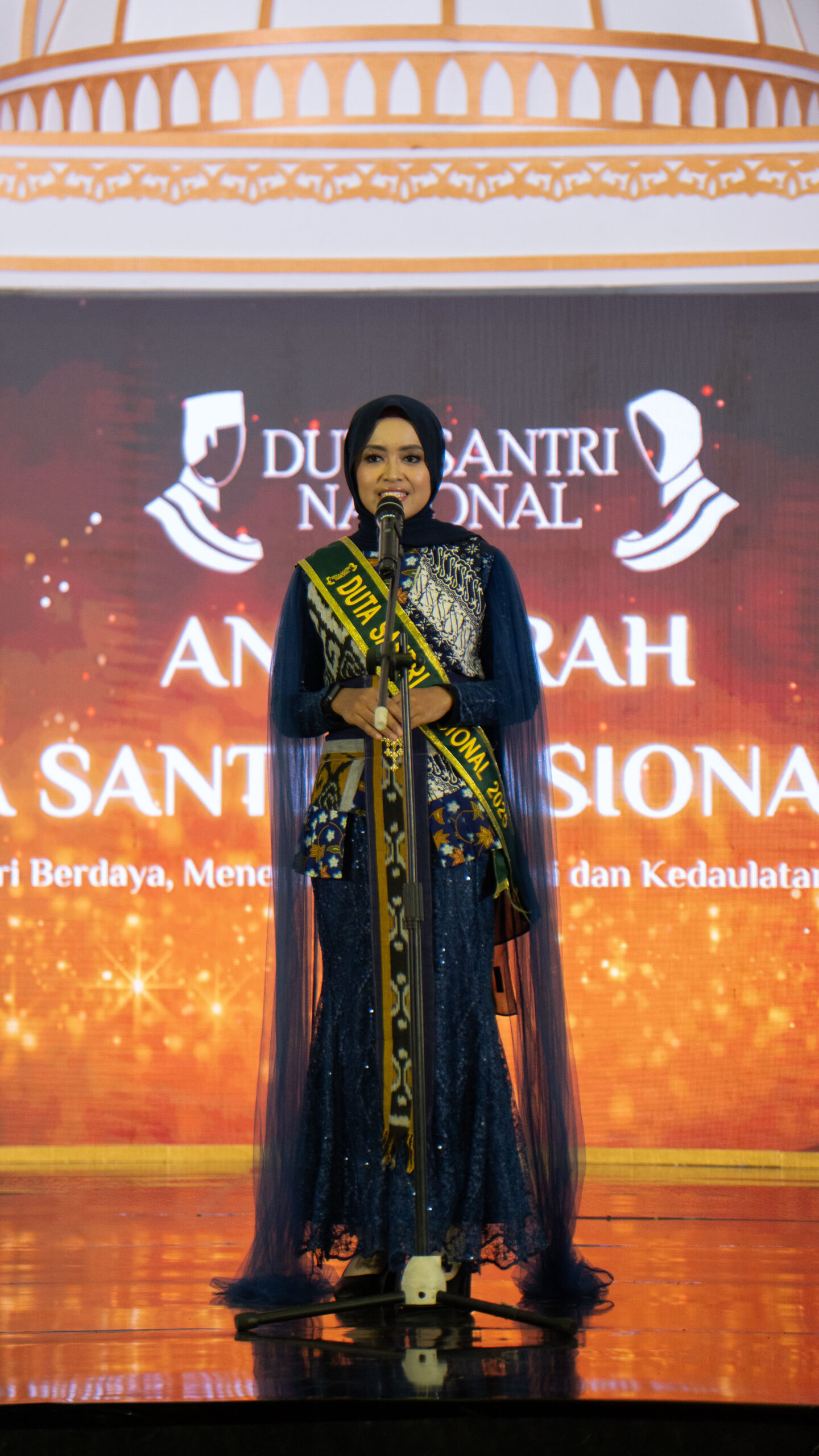
National Santri Ambassadors are a group of young individuals from various Islamic boarding schools and educational institutions across Indonesia who develop and promote pesantren values nationwide. They serve as representatives of santri to spread these values in areas such as religion and education, science and technology, social and community development, politics and law, health and sports, energy and environment, economy and entrepreneurship, culture and tourism, diaspora, and multimedia.
Participating in the National Santri Ambassador (NSA) Competition 2025 was an extraordinary and challenging journey. Honestly, I never imagined I could reach this stage. Out of 5,995 participants nationwide, I managed to enter the top 30 finalists and ultimately became top 5, an achievement that still feels like a dream. I chose to focus on Science and Technology, as I wanted to show that santri can excel not only in religious knowledge but also integrate modern science to benefit the community and the nation.
The long journey began with the document screening stage. At this stage, I had to prepare a complete portfolio, including academic achievements, social activities, pesantren experiences, and various works I had produced, such as scientific articles and science projects. Additionally, I submitted a motivational letter that needed to clearly and honestly explain why I deserved to be a National Santri Ambassador. This stage taught me the importance of presenting oneself sincerely and convincingly, as it reflects one’s ability to communicate potential and achievements.
After passing the document screening, I faced interviews and knowledge tests. The interviews covered topics ranging from religious understanding, national insights, social issues, to the latest developments in science and technology. The knowledge test did not only examine theory but also analytical and problem-solving skills. Another challenge was demonstrating the ability to read the Qur’an with proper tajwid and reading classical Arabic texts (kitab kuning/gundul). For many participants, this was a difficult task as it required focus, precision, and comprehension of classical Arabic. However, my previous pesantren experience became a solid foundation, enabling me to navigate this stage confidently.
 The The next stage was the online bootcamp. Despite being virtual, it was intensive and packed with material on leadership, effective communication, project management, and strategies to influence audiences. This bootcamp became a turning point, helping me realize that being an effective leader is not only about knowledge but also the ability to inspire, listen, and influence ethically. I learned pitching and presentation techniques, including how to craft a compelling story behind a science project to make it understandable to diverse audiences. This was when I started developing the technology project I would present in the finals.
After the bootcamp, I entered the project presentation and pitching stage, a key determinant for entering the top 30. I presented a project that combined modern scientific principles with Islamic values an environmentally friendly technological innovation that could be applied in pesantren or local communities. The biggest challenge was communicating scientific ideas clearly and effectively, so that judges from various backgrounds could understand its vision and impact. This experience taught me that scientific communication must be inclusive, not only for scientists but also for the general public.
Upon reaching the top 30 finalists, I attended a five-day in-person quarantine program. These five days were full of intensive activities that expanded my perspectives. The materials ranged from leadership, religious moderation, and pesantren life, teaching us the importance of personal appearance and visual communication as part of one’s self-presentation. In addition, sessions on public speaking and how to influence taught me how to speak confidently in public, build charisma, and positively influence audiences. These sessions became reflective moments, reminding me that being an ambassador is measured not only by academic ability but also by interpersonal skills and social awareness.
Another significant moment occurred when I reached top 5 finalists and had to answer direct questions from the judges. The question was about bullying in pesantren, a sensitive issue that required careful and empathetic responses. At this point, I was extremely grateful for my studies at the Faculty of Education UIII, especially in the Psychological Education, Human Development, and Well-Being in Education course, where I gained insights into developmental psychology, social dynamics, and strategies to address bullying. This knowledge helped me provide a comprehensive answer, emphasizing the importance of character education, empathy among santri, and a humane approach to creating a healthy and inclusive pesantren environment. It made me realize that classroom learning can be directly applied to real-life challenges.
This NSA experience has taught me many valuable lessons: the importance of thorough preparation, effective communication, leadership skills, cross-cultural collaboration, and how to integrate religious and scientific knowledge for social impact. Each stage, from document screening, interviews, knowledge tests, Qur’an and classical text reading (kitab kuning/gundul), online bootcamp, pitching, to quarantine, has been a profound learning process shaping my character. More than just a competition, it also fostered empathy, the ability to understand others’ conditions and needs, respect differences, and design innovations that truly benefit society. This empathy is not only crucial for santri but also for pesantren stakeholders and any educational institution, so that policies, methods, and learning approaches are better directed, relevant, and responsive to students’ real needs. I carry these lessons into every step of my life: that being a modern santri means competing at the national level, innovating in science, staying true to Islamic values, and caring sincerely for others, with empathy as the foundation of every action.