Education and Society - Study Visit to Bappenas
 Education and Society - Study Visit to Bappenas
by Ihsan-Isah Imam Zaman
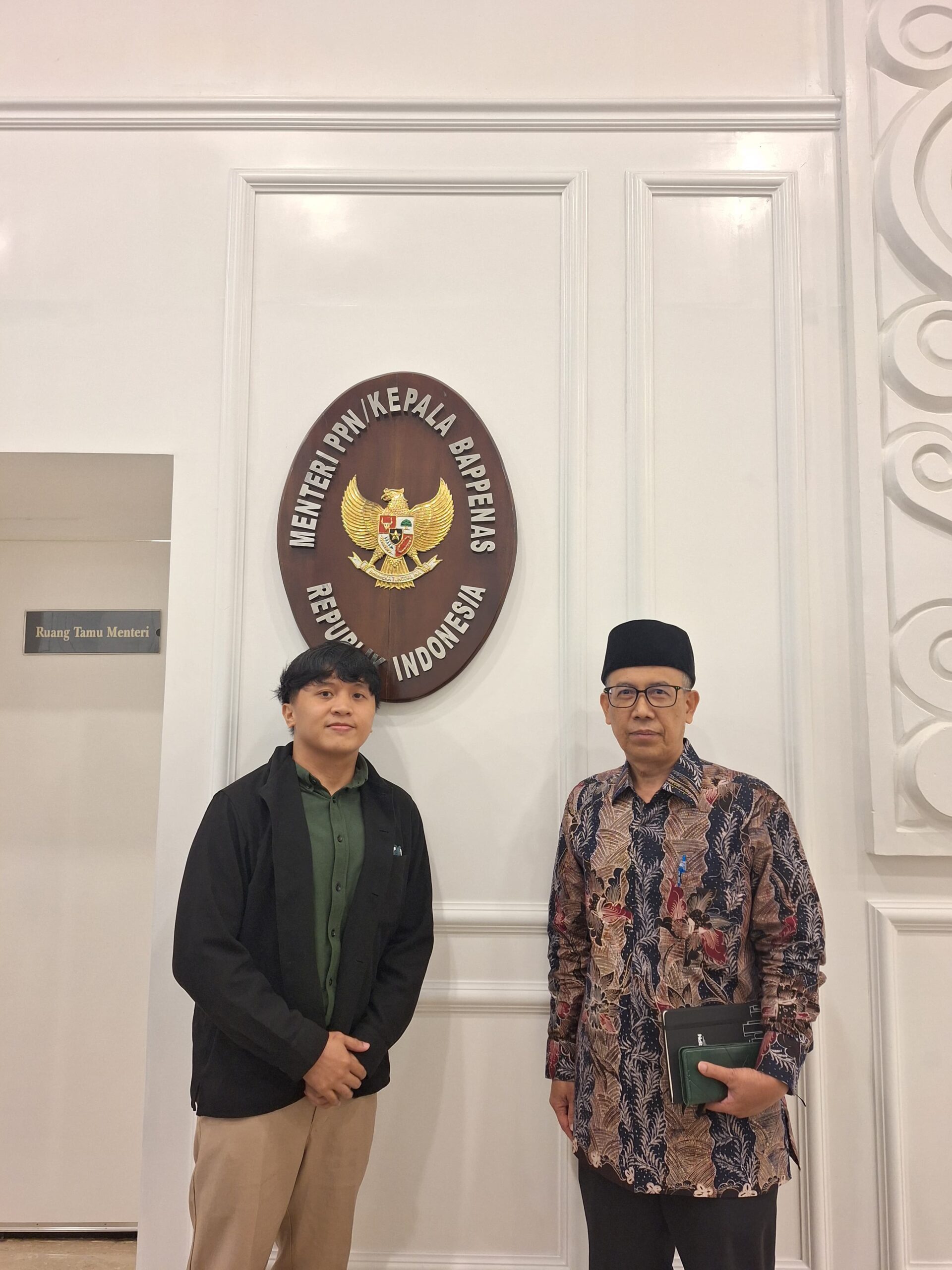
On Tuesday June 17, 2025, the Batch 4 MA students of the Faculty of Education at Universitas Islam Internasional Indonesia (UIII) have successfully conducted their study visit to the Ministry of National Development Planning, also known as Badan Perencanaan Pembangunan Nasional (BAPPENAS). This wonderful opportunity is largely thanks to the strong collaboration between BAPPENAS and UIII in their efforts to improve the quality of higher education and research in Indonesia. This study visit is part of the learning experience of the students that will help them gain an improved understanding of the course Education and Society.
As a Muslim-Filipino who has been fortunate enough to be part of the Faculty of Education in UIII, I am very grateful to have been part of this learning experience. Personally, I have not even been to the equivalent government agency of BAPPENAS in the Philippines. That is why I could not help but try to maximize the experience as much as possible. As an aspiring researcher interested in policymaking, education and research in national level, this study visit has been quite rewarding and beneficial.
The study visit has reminded me of when I was applying to UIII as a postgraduate student. When I was writing my motivation letter, I was trying to bare my passion and dedication to the common good through my writing. Somehow, I find myself consistent in my belief that education has really powerful impact in turning the life of an individual or community for good. Without a single doubt in my mind, I strongly believe in the power, importance and value of teachers and educators in improving the condition of society and empowering individuals.
From my personal encounters in my country, I have seen firsthand how expensive it is to be poor, especially in education. I have observed how some marginalized people seem to have been forgotten by the vast majority. Despite the existing government policies, there seems to be no improvement at all. I used to wonder if it is simply a phenomenon of social apathy or some communities are just bound to experience social exclusion. These reflections may not fully represent what truly drives me to pursue higher studies, but one thing I have realized is that I need to learn more— because passion and intention alone cannot bring about tangible change.
In the faculty of education, it is mandatory for the MA students to take the course Education and Society. In this course, we are learning about the relationship between education and other disciplines that contribute to social development and shape social progress. We learn how politics, culture, society and religion influence education and also how education affects them in return. To be honest, this course has truly helped me develop a more structured way of thinking about the factors that affect education. Prior to starting my postgraduate study, the way I think was often either too one-dimensional or too scattered. Somehow, I knew that there were various factors at play but my grasp of them was still immature.
 Talking more about the study visit, we first went to the gallery of BAPPENAS. Inside the gallery, we have been captivated by the simple but meaningful displays that help us visualize the past, present and future endeavors of BAPPENAS. During that brief tour, we have been introduced to the key events and figures of the ministry. The artistic representation of their works is all interesting but what caught my attention the most was the section about Blue Economy. This concept is relatively new for me and even in the Philippines this is still in emerging stage.
Why did I get hooked on the Blue Economy when I should be focusing on issues and trends in Education? I guess it is because, in some way, this concept speaks to my identity. First of all, I am from a tribe whose name is derived from a term that means ‘The people of the lake’. Then growing up, I keep hearing the stories about my grandparents being fishers. My father used to help my grandfather fish for a living, which helped support his and his siblings’ education. People do not choose the circumstances or reality that they will be born into, but the social contract demands that those who take on political power have a responsibility to craft and implement policies that support people from all walks and conditions of life. In this regard, education plays a crucial and irreplaceable role.
Afterwards, we also had a brief but comprehensive lecture from BAPPENAS about the process of education policymaking, which involved not only rich theoretical discussions but also practical insights. There were a lot of topics covered and my batchmates raised interesting questions that were appreciated by the experts for their critical relevance. I would like to highlight the topic about out of school children because it is quite an important issue in education especially when we talk about the idea of no child left behind or better yet, no one left behind. In our first semester, I used to talk about juvenile delinquency and out of school youth which I previously struggle to find similar topic about in Indonesian context. Thanks to this session, I found out that similar topics are being studied by some of my batchmates and it also align with the current efforts of BAPPENAS. From my perspective, the impact of social exclusion can be felt from as early as childhood. This is why there are more researchers highlighting the importance of early childhood education.

Our batch is truly grateful for the iniative of the Faculty of Education and our lecturer in this course, Dr. Amich Alhumami, Ph.D, who also serves as the Deputy Minister for Human Development and Cultural affairs. Placing this session near the end of the course and semester has helped us connect theoretical insights with practical experience. I have come to understand more clearly that the broader the scope of the research, the more it needs not only a high level of expertise, but also empathy and a strong sense of humanity. The greater the scope, the more people are involved, and the more lives affected by its outcomes.

Asia Leadership Roundtable: Expanding Networks and Advancing Knowledge

Asia Leadership Roundtable: Expanding Networks and Advancing Knowledge
by Bambang Sumintono
During my tenure as a lecturer at the Institute of Educational Leadership, Universiti Malaya, Malaysia, I was invited to attend the Asia Leadership Roundtable (ALR) for the first time in 2015, held in Bangkok, Thailand (https://www.eduhk.hk/apclc/roundtable2015/participant.html). This prestigious conference on educational leadership is by invitation only and primarily gathers academics and scholars based in Asia who have published internationally on topics related to educational leadership. Each year, the conference typically hosts around 60 plus participants, predominantly from Asia, alongside attendees from Australia, Europe, Africa, and North and South America. I was recommended to attend by my boss, Professor Alma Harris, as I was also involved in the 7 System Leadership Study project at the time.
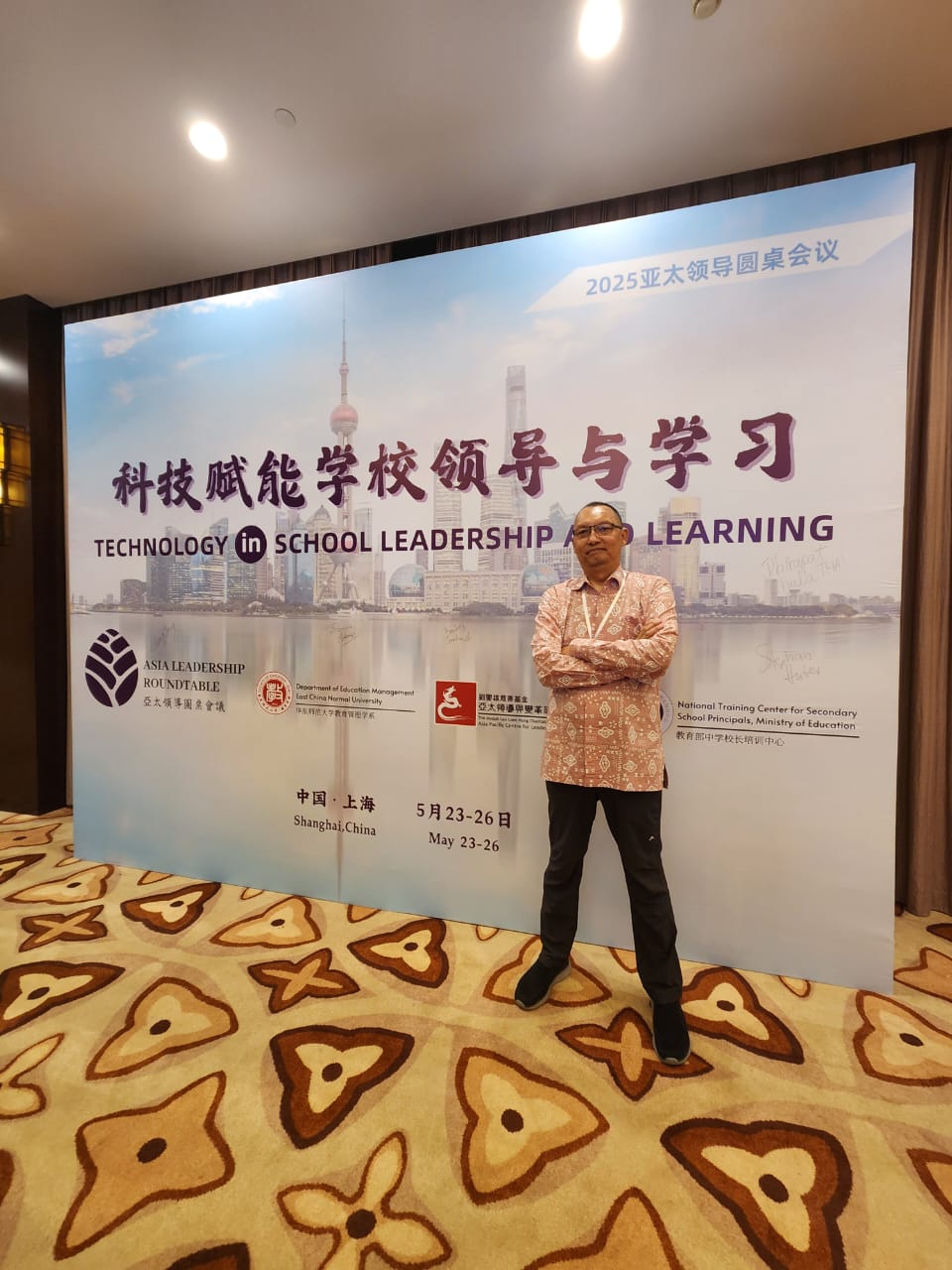
As of 2025, I have participated in seven ALR conferences held in various cities, including Singapore, Taipei (Taiwan), Hangzhou (China), Guilin (China), Bangkok (Thailand), and Shanghai (China). In the most recent two conferences—in Bangkok (2024) and Shanghai (2025)—I was the sole representative from Indonesia, attending on behalf of the Faculty of Education, Universitas Islam Internasional Indonesia. The conference themes evolve annually to reflect the shifting trends and dynamic nature of research in educational leadership. For instance, in 2018, the theme was "The West Wind vs. the East Wind: Understanding Leadership for Teacher Learning" (https://www.eduhk.hk/apclc/roundtable2018/welcome.html), highlighting the contrasting perspectives of Western and Eastern leadership theories. In 2025, reflecting the growing impact of artificial intelligence, the theme was "Technology in School Leadership and Learning" (https://www.eduhk.hk/apclc/roundtable2025/welcome.html).
The Asia Leadership Roundtable is organized annually by the Asia Pacific Centre for Leadership and Change (APCLC), based at The Education University of Hong Kong. Each year, a host country and university take responsibility for organizing the event. In 2025, the Department of Education Management at East China Normal University (ECNU), in collaboration with the National Training Center for Secondary School Principals under China’s Ministry of Education, managed all aspects of the conference—from venue arrangements to program activities.

My involvement in ALR has allowed me to connect with leading scholars in the field of educational leadership, such as Professors Alma Harris, Philip Hallinger, Christopher Chapman, and Clive Dimmock—academics whose work I had previously cited extensively. Initially, it was almost surreal to meet these scholars in person, but our interactions led to fruitful academic exchanges and significantly broadened my international academic network. These connections have resulted in several professional opportunities, including invitations to contribute to journal special issues, co-author book chapters, serve as a peer reviewer, examine PhD proposals and theses, and participate as an editorial board member for leading journals in education (https://link.springer.com/journal/11092/editorial-board). Moreover, my academic expertise has expanded beyond educational leadership and policy to include the Rasch model and educational assessment, as well as topics related to sustainability simulation.
The most recent ALR, held in Shanghai from 23–24 May 2025, focused on the integration of artificial intelligence across various sectors of education. It was evident that the Chinese government has developed a clear and strategic vision for leveraging technology in schools and education systems. I was particularly impressed by the detailed presentations about the National Training Center for Secondary School Principals, based at ECNU in Shanghai. China also maintains a comparable center for primary school principals located at Beijing Normal University, both of which have operated for over three decades. These institutions function similarly to universities, with most of their trainers holding PhDs and regularly publishing in international journals. This stands in stark contrast to the situation in Indonesia, where a comparable institution has been disbanded.

In addition to the ALR, I also had the opportunity to attend a national conference for school principals in Hangzhou on 26 May 2025. This event featured many international scholars who had also participated in ALR—some as keynote speakers, others as panelists offering critique and analysis on the presentations and broader issues in China’s educational landscape.
From Fear to Courage: Reflections on International Conference on Teaching and Learning (ICLT) 2025 Hong Kong and the Aspirations of Indonesian Education in an Era of Disparity
 From Fear to Courage: Reflections on International Conference on Teaching and Learning (ICLT) 2025 Hong Kong and the Aspirations of Indonesian Education in an Era of Disparity
By: Muhamad Maulana
“The flight ticket was non-refundable, and my wallet was nearly empty. I was sitting by myself and wondering, “Perhaps this journey isn’t meant to happen.' But then, came an unexpected kindness, my friends—without hesitation—extended their support, lending me what little they had to keep my dream alive. This is more than just an account of attending the international conference, It is a story that changed the way I think about education, and how I see myself—as Indonesian scholar who strongly believes the power of education.”
As my first international trip beyond Indonesia, and naturally I felt nervous. I arrived with do not have any idea how to navigate foreign systems, and the idea of being alone in an unfamiliar place was challenging. But with each step, I learned to stand by myself, from mastering public transportation to adjusting a new culture, I slowly developed confidence. I realized that independence isn’t about having all the answers—it's about being strong enough to keep moving forward despite uncertainty.
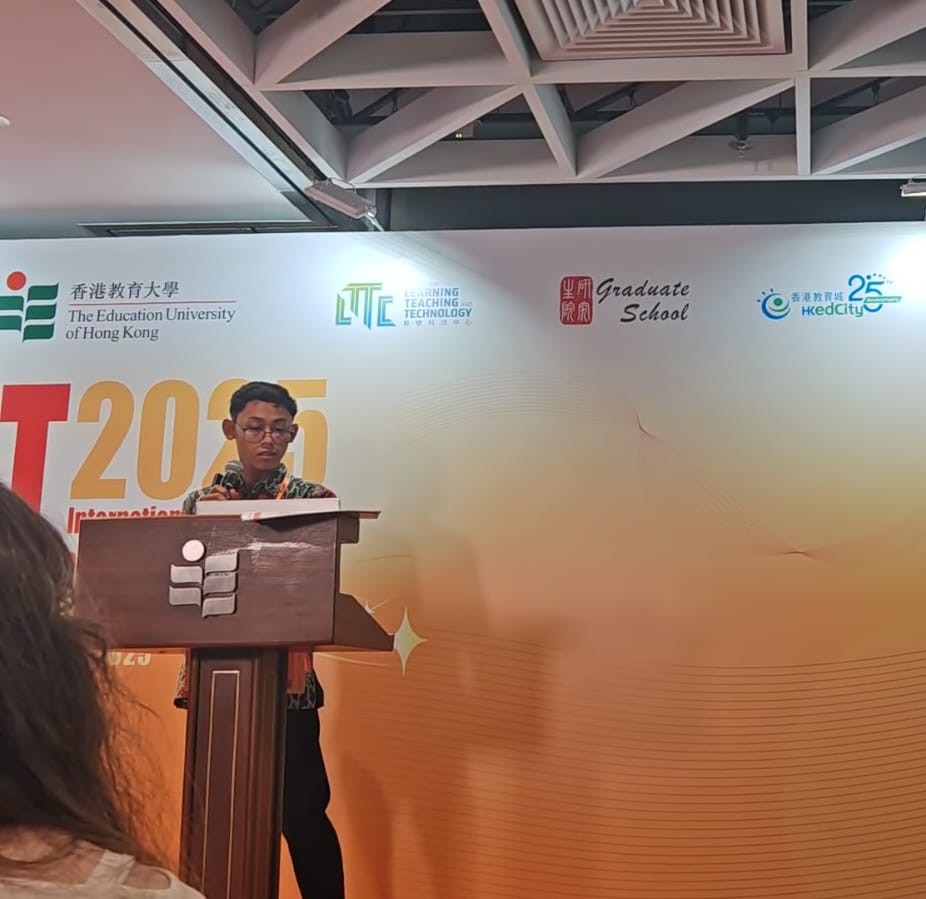
The Conference theme, “Learning and Teaching for Future Readiness,” gave me a significant experience as a master candidate in Education. The International Conference on Teaching and Learning (ICLT) 2025 was vibrant filled with keynote speakers from well-known universities and presenters with diverse, cutting-edge research. One of the keynotes I looked forward to being study by Professor Deng Zongyi from University College London. His lecture titled, “Rethinking 21st-Century Competencies and Curriculum Translation: Insights from Bildung-Centred and Subject-Matter Didaktik,” resonated deeply with me. He reminded us that these competencies cannot be reduced to mere technical proficiencies, but position them as cultural artifact, shaped by historical, philosophical and pedagogical context. As someone currently working on completing a thesis talking about 21st-century competencies, I found his insights was transformative and I should reevaluate my own work.

Another keynote that impressed me most was Professor Hong Ji from the University of Arizona, discussing his material titled “Reconceptualizing Teacher Identity in Changing and Challenging Contexts,” enlightened me to the multifaceted identity of teachers. She spoke about how teacher identity is constantly negotiated, shaped by social expectations, policy demands, and personal values. This talk particularly hit home because I’m currently working on a collaborative research project with peers about professional teacher identity in private Islamic schools (madrasah) in Indonesia, deeply rooted in the religious values and viewing it as a good deed, which we’ll present at the upcoming AIFIS-MSU Conference on Indonesian Studies 2025.

Walking onto the campus of The Education University of Hong Kong for the first time was itself an inspiring moment. The campus felt futuristic—both in design and spirit. What amazed me was the sheer number of student researchers presenting on topics such as artificial intelligence in education, a field that is increasingly shaping global educational conversations. Their work was fresh, forward-thinking, and well-supported by robust facilities. Compared to these presentations, my own research felt incredibly local: a study I had conducted for my Educational Management and Leadership class, with the titled “Empowered or Excluded: Exploring Student-Workers’ Perceptions of Power Dynamics in Educational Leadership.”
 At
At
First, I was worried that my topic might be irrelevant to international audience. My research focused on a very specific and local problem of education in Indonesia: the shortage of qualified teachers in low-middle class society, and how this is often resolved by hiring locals’ members who do not have teaching degrees yet to fill the gap temporarily. In contrast, countries like the U.S. Hong Kong or those in Europe are already addressing more advanced educational concerns—AI policies, curricular sustainability, and or digital equity. But during the discussion, I realized that sharing our local realities is equally important, because global conversations on education must involve voices from all contexts, especially those still grappling with basic structural concerns.
Listening to scholars work from different part of the world, I became even more aware of how far Indonesia need to improve the quality of its education system. But rather than becoming discouraged, though, I felt a growing sense of purpose. Being Indonesian academician, I left Hong Kong not only with new perspectives but with a deeper conviction: education is not only national responsibility, but a personal commitment as well. Indonesian education’s future depends on its young scholars, teachers, and researchers who dare to dream—and act boldly—beyond national borders.
Looking back with profound gratitude, having generous friends gave me courage to go and did not cancel the trip despite fear. What I gained extends far beyond the conference sessions themselves, the lessons I brought home all became part of a story I’ll carry with me as I continue the journey in education. The ICLT 2025 conference did not simply teach me about future readiness in education—it helped me become ready for my own future.
From PhD Research to International Audience: My Learning Journey on Educational Assessment and Rasch Measurement Theory

From PhD Research to International Audience: My Learning Journey on Educational Assessment and Rasch Measurement Theory
By Muhammad Affan Ramadhana
I was driving when the email notification from PROMS 2025 committee arrived. I peeked through my smartwatch but could only see the subject headline: Congratulations – Distinguished Student Scholarship PROMS2025.
Having arrived home, I tried to read the email word-by-word, in case I misread it. Alhamdulillah. My plan to present my research at the conference is saved. I was awarded travel grant to attend and present at the conference. This award is given by Pacific Rim Objective Measurement Society (PROMS) and Singapore University of Social Sciences (SUSS) as the committee of PROMS conference this year. I did not expect much when I submitted the application. I just thought that it is better to fail while trying than to regret never trying.
“The award recognizes outstanding students across Southeast Asia who have demonstrated academic excellence, research potential, and a commitment to advancing the field of measurement and assessment.” (PROMS 2025 website).
My Research Background
I was trained academically in English language education field. I obtained my Bachelor of Education degree in 2011 and my Master of Education in 2014, both from Universitas Negeri Makassar (UNM), South Sulawesi province, Indonesia. Since 2022, I was admitted to the PhD Program at the Faculty of Education, Universitas Islam Internasional Indonesia (UIII). I did my undergraduate thesis on English test analysis using classical test theory. Now, my doctoral research focuses on educational assessment and evaluation, with specific interest in language testing and assessment, rater-mediated assessment, and Rasch measurement theory.
It was in the Educational Assessment class, when I was first introduced to Rasch measurement model by Dr. Bambang Sumintono. As one of prominent figures in Rasch measurement in Indonesia, he clearly explained several traditions in measurement model and present a solid argument on why using raw score in measurement is problematic. Later in the following weeks, I was introduced to multi-rater assessment – a concept that I later used in my dissertation research.
My dissertation specifically explores assessment behavior of Indonesian university lecturers when grading English essays. This research focus emerged from my experience listening to stories of how my colleagues admit inconsistencies when assessing students’ writing. In rater-mediated assessment, inconsistencies and biases can be a threat to validity, reliability, and fairness of the assessment, which can impact the students’ future opportunities.
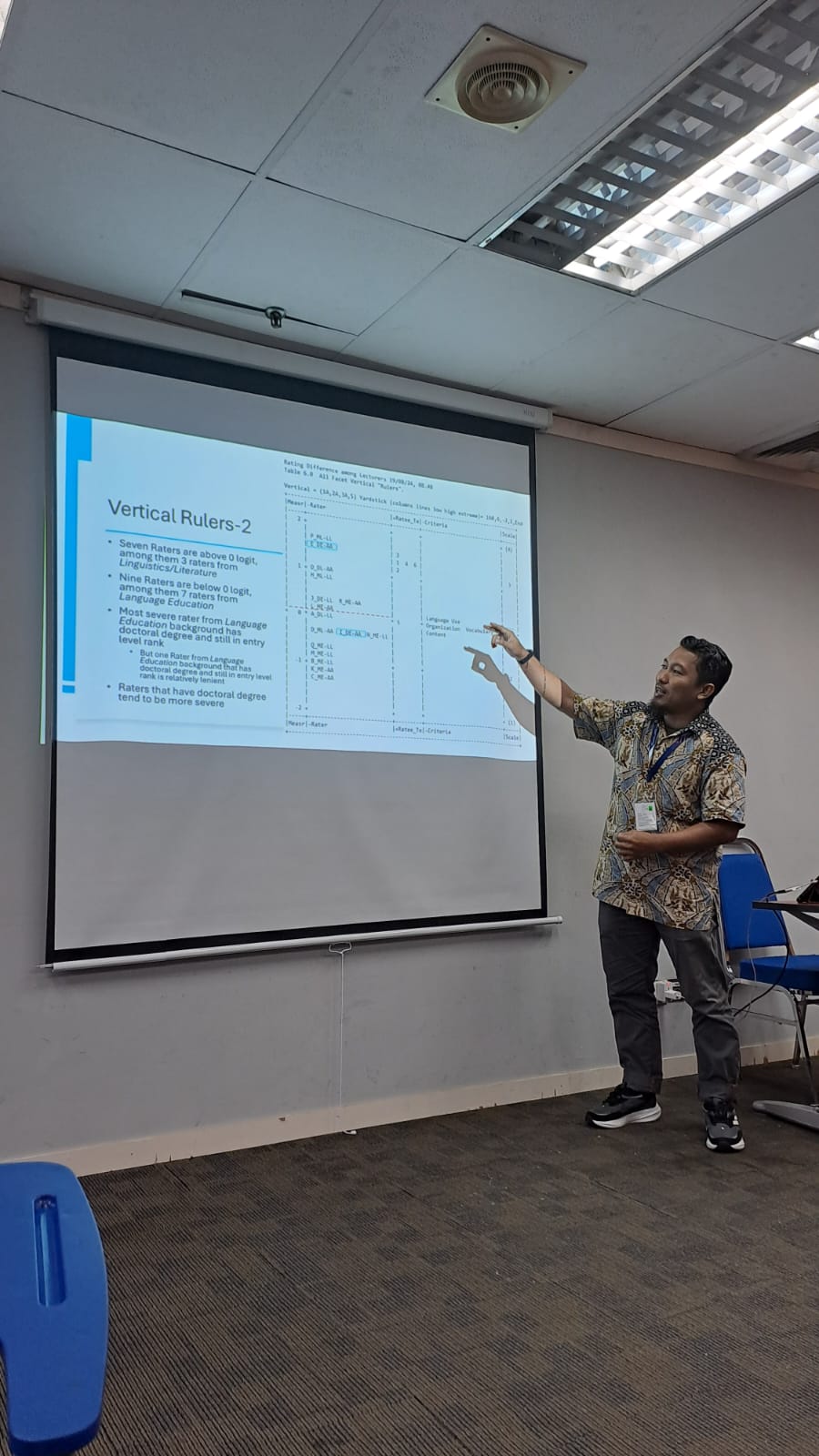
My dissertation research utilizes Many-Facet Rasch Measurement (MFRM) analysis, which is a modern psychometric model built on the idea that observed ratings are influenced by multiple facets, where each contributes to the final measurement. These facets include examinee ability, rater severity, and assessment rubric criteria. MFRM allows estimation of the logit scale for each facet and adjustment for inconsistencies. This model is important for identifying systematic biases or interactions that may be introduced by indirect factors.
From PROMS 2024 to PROMS 2025: My First Steps in the International Arena
Participating in PROMS 2024 provided a very valuable first-time experience for me. PROMS, as a scholarly society that promotes objective measurement and Rasch measurement, provides a forum for researchers from various backgrounds to share their works. In the 2024 conference, I directly witness the presence of leading experts in the field of Rasch measurement, such as Prof. Trevor G Bond (Founder of PROMS), Prof. George Engelhard (President of PROMS), and Prof. Yan Zi (Vice-President of PROMS), among others. These names I previously knew from books and journal articles only.
I was just started to deeply learn about this field when I participated in PROMS 2024 in Kuala Lumpur, Malaysia last year. I actually did not understand most of the theory when I presented my preliminary study. It was just my strategic action to gain insights and measure the worthiness of my plan and preparation for dissertation research. But I did my best. The feedback that I received, both from Rasch experts and from language assessment experts, resulted in substantial refinements to the analytical framework and methodology of my dissertation research. This experience also strengthened my determination to continue exploring this field.
Upon browsing the PROMS 2025 website, I noticed that the committee of this year’s conference opened applications for Distinguished Student Scholarship. I have just finished analyzing data from the first phase of my dissertation research when I saw the opportunity. I immediately prepared my extended abstract, curriculum vitae, and most importantly, recommendation letter from dissertation supervisor. He strongly supported me and believed that participating in PROMS 2025 will provide valuable feedback at the crucial stage of my dissertation research.
In PROMS 2025, I will present the result of first phase of my dissertation research. In the study, I analyzed assessment behavior of 36 university lecturers in Indonesia. They were tasked to assess English essays written by undergraduate students from various Asian countries. The assessment was conducted using standard analytical rubric with five categories (content, organization, vocabulary, language use, and mechanics).
The analysis indicates the presence of at least three groups of raters based on their level of severity/leniency with significant differences across raters. The statistical fit analysis also identified raters who exhibited inconsistent scoring behavior (overfit and misfit). The most interesting finding of this study was the identification of biases between rater background and scoring criteria. The results show different assessment behaviors of lecturers based on their academic qualifications, field of study, professional rank, and gender. This study is expected to offer practical insights for assessment committees to minimize potential biases, especially when designing multi-rater English writing assessment programs
My Future Plans
Receiving this scholarship will provide me with the opportunity to present some of my dissertation findings at the PROMS 2025 conference. The main event will be held on July 22-23, 2025, located in Singapore University of Social Sciences (SUSS) campus. The Distinguished Student Scholarship presentation session is scheduled for the afternoon of Day One. I believe the scholarship will provide me with a platform to gain insights and interact with leading experts and colleagues from across the Pacific region and beyond. I believed the forum will help me expand my professional network into the field of objective measurement.
I am very grateful for this opportunity and the recognition given through the PROMS 2025 Distinguished Student Scholarship. I believe research focused on improving educational practices, no matter how small, can have international relevance. I hope to make the most of this opportunity to learn from experts, share my research findings, and continue to contribute to the development of the field of educational measurement and language assessment, particularly within Rasch measurement theory.
Islam and National Identity: Dr. Andar Nubowo on Indonesia’s Moderate Islamic Framework

Islam and National Identity: Dr. Andar Nubowo on Indonesia’s Moderate Islamic Framework
By Dadi Darmadi
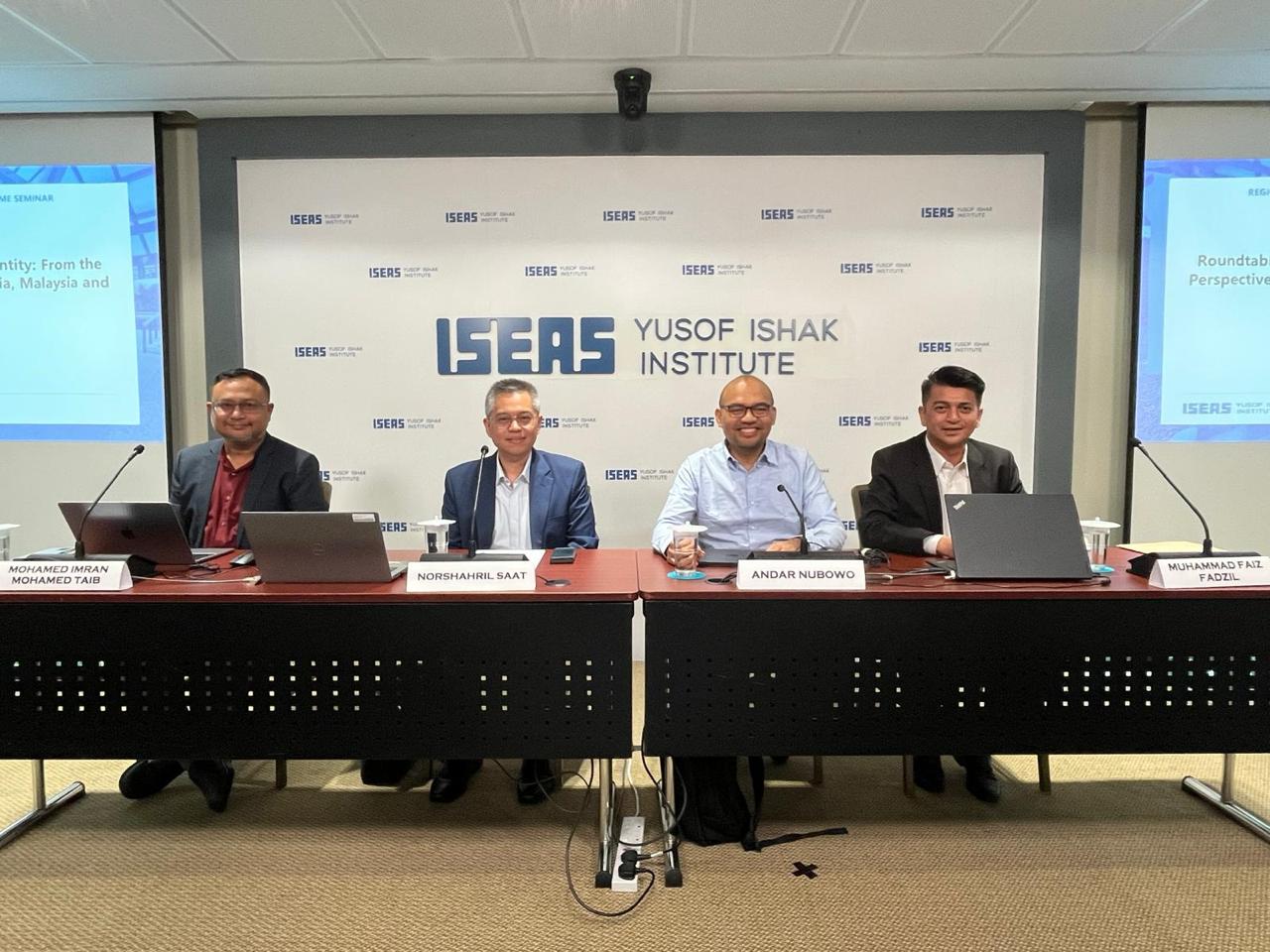
Singapore, 11 February 2025 — The ISEAS – Yusof Ishak Institute hosted a hybrid roundtable seminar titled “Islam and National Identity: From the Perspectives of Contemporary Indonesia, Malaysia and Singapore,” moderated by Dr. Norshahril Saat, Coordinator of the Regional Social and Cultural Studies Programme. The event featured presentations by Dr. Andar Nubowo (Indonesia), Mr. Muhammad Faiz bin Fadzil (Malaysia), and Mr. Mohamed Imran Mohamed Taib (Singapore), drawing 123 participants—researchers, policymakers, students, and diplomats—both online and in person. This article foregrounds Dr. Andar Nubowo’s analysis of Indonesia’s Islamic identity, enriched by his extensive academic and professional background, alongside insights from his counterparts.
Dr. Andar Nubowo, a lecturer at the Faculty of Education, Universitas Islam Internasional Indonesia (UIII), and the newly appointed Executive Director of the Maarif Institute for Culture and Humanity as of May 2024, brought a wealth of expertise to the discussion. Born on 12 May 1980 in Wonosobo, Indonesia, Dr. Andar earned his Master’s degree in Political Science from École des Hautes Études en Sciences Sociales (EHESS) in Paris (2008) and completed his PhD at École Normale Supérieure (ENS) Lyon in December 2023.
Indonesian National Identity
In his presentation, Dr. Andar provided a historical and contemporary analysis of Islam’s integration into Indonesian national identity. He noted that Southeast Asia has traditionally been viewed as peripheral to the Middle East, long considered the center of Islamic learning. However, he argued that the Reformasi movement of 1998 catalyzed a shift, with Indonesian elites seeking to reposition Indonesian Islam as a significant contributor to global Islamic thought, rooted in local traditions. Tracing Islam’s dissemination in the Malay world from the 13th to 15th centuries—aligned with the decline of the Andalusian Islamic empire and the rise of Sufism—Dr. Andar highlighted the late 19th-century establishment of independent Islamic schools by reformists, diverging from Middle Eastern-influenced pesantren.
The 1990s marked a further evolution, as progressive Muslim intellectuals advocated a moderate Islam contextualized within Southeast Asia. This led to the pribumisasi Islam (indigenization) movement in the 2000s and the embrace of wasatiyyat Islam (moderate Islam) as a national identity framework. Dr. Andar pointed to the Universitas Islam Internasional Indonesia, established under former President Joko Widodo, as a key institutional effort to position Indonesia as a hub for Islamic learning. He concluded that embedding wasatiyyat Islam into social, political, and economic policies is essential for its sustained relevance, a theme consistent with his research on moderate Islam’s soft power diplomacy.
Malaysian and Singaporean Perspectives
Mr. Muhammad Faiz bin Fadzil offered a Malaysian perspective, focusing on Prime Minister Anwar Ibrahim’s Madani framework, which integrates six core values—sustainability, prosperity, innovation, respect, trust, and compassion—to address national unity, economic revival, and political reform. He cited data showing Malaysia’s National Integration Index rising from 0.5 in 2023 to 0.6 in 2024, alongside an improved Global Peace Index ranking from 19th to 10th. Emphasizing wasatiyyah (moderation) as a governance principle, he pointed to initiatives like the Madani Lecture Platform and the “Imam Al-Nawawi’s 40 Hadith” module, while noting challenges such as identity politics.
Mr. Mohamed Imran Mohamed Taib addressed Singapore’s context, examining the Muslim religious elite’s “strategic ambivalence” toward secularism. Defining secularism as the separation of religious and state institutions, freedom of belief, and equal treatment across faiths, he observed its lack of a direct Islamic equivalent. In Singapore, traditionalist skepticism—partly influenced by Malaysia’s Islamist critiques—coexists with pragmatic acceptance of secularism’s role in a multi-religious society.
Nationalism and Global Context
The Q&A session explored nationalism versus the global Muslim ummah, perceptions of secularism, and Islam’s varying national expressions. Dr. Andar, drawing on his leadership within Muhammadiyah’s intellectual networks (e.g., Jaringan Intelektual Muda Muhammadiyah), stressed that while Islam is central to Indonesian identity, its political exploitation must be avoided—a view echoed by his peers. His recent work, such as “Covid-19, Fatwas, and Socio-religious Praxis” (Social Sciences and Missions, 2022), reflects his broader engagement with Islam’s societal role, reinforcing his seminar arguments.
Dr. Andar’s contribution, underpinned by his academic credentials—including awards like the “Bourse d’Islamologie” (2023) and “UIII COMPOSE Writing Fellowship” (2022)—and his leadership at the Maarif Institute, highlighted Indonesia’s deliberate crafting of a moderate Islamic identity. Alongside the Malaysian and Singaporean perspectives, his analysis provided a comparative lens on Islam’s intersection with national identity in Southeast Asia.
Credit: ISEAS – Yusof Ishak Institute
Building Collaborative Pathways: Reflection on the SEAMEO CECCEP Policy Brief Experience
 Building Collaborative Pathways: Reflection on the SEAMEO CECCEP Policy Brief Experience
By Farhatul Kamilah
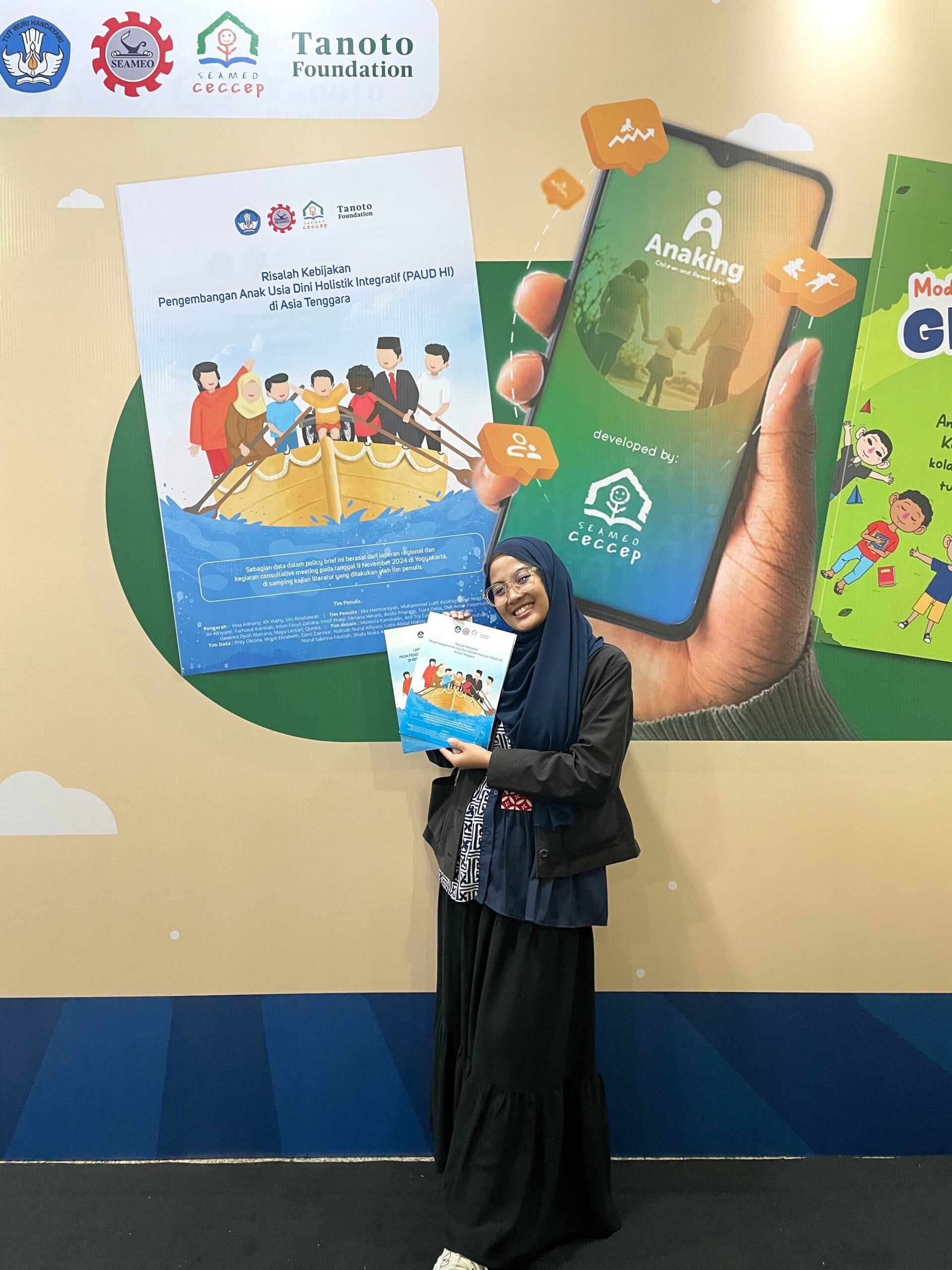
Attending the Peluncuran Risalah Kebijakan Pengembangan Anak Usia Dini Holistik Integratif (PAUD HI), Modul Pengasuhan Gembira dan Aplikasi Anaking [the Launch of the Policy Brief for Integrative Holistic Early Childhood Development (IH ECD), Happy Parenting Module and Anaking Application] was a very valuable experience for our team. This event was organized by the Southeast Asian Ministers of Education Regional Centre for Early Childhood Care and Education and Parenting (SEAMEO CECCEP) on December 19, 2024, at the Ministry of Education and Culture, Jakarta. The event, which was officially opened by Prof. Abdul Mu'ti as the Minister of Primary and Secondary Education (Mendikdasmen), aims to increase awareness of the importance of early childhood education and parenting. As part of the event, there was also a talk show with policy makers and stakeholders who discussed some critical issues and efforts to strengthen IH ECD through policies, parental involvement, and digital innovation.
In this event, my team and I wrote the Policy Brief for Integrative Holistic Early Childhood Development in Southeast Asia. Our policy brief aims to enhance collaboration in early childhood development across Southeast Asia. As I try to reflect on the process of drafting and writing the policy brief, I realized how challenging our journey was. Starting from the initial stages of crafting the draft, collecting data from various Ministries of Education across Southeast Asia and the literature review, finalizing the document, and conducting readability tests. These steps were not easy. There were many different perspectives when drafting this draft. However, because we have the same goal, we can go through all this together, returning to our common goal. This reminds me of our discussions with Prof. Vina Adriany, PhD (the Director of SEAMEO CECCEP) during the drafting process. We analogized our ECD policy brief like a ship in which policymakers, stakeholders, teachers, parents, and children all have one goal and shared vision, which is improving holistic and integrative early childhood development. This ship represents unity and collaboration, where everyone works together to overcome challenges and achieve the same goal. Therefore, the success of this holistic and integrative early childhood development will depend on the collective efforts of all parties, driven by the same goal for a brighter future for children.
Apart from the challenges, our experience in the process of preparing this policy brief was a very valuable learning experience that enriched my personal and academic development. The process taught me teamwork, collaboration, resilience, and real-world policy development. My team and I are very grateful to SEAMEO CECCEP and the Faculty of Education UIII for this opportunity to engage in meaningful work that bridges our academic knowledge with practical implementation. This opportunity allowed us to apply the theory and skills that we had learned in our course, particularly in Educational Policy Analysis and Educational Research Methodology course. These courses equipped us with the knowledge and skills needed in this project, making it a meaningful learning experience.
More than providing academic and professional development, for me, this experience has also strengthened my commitment to contribute to the field of education, especially in early childhood development. By this experience, I am inspired to continue working and developing knowledge in order to provide transformative solutions that can support the growth of children, especially in Indonesia.

Enhancing Research Excellence through Participating in Conference
Enhancing Research Excellence through Participating in Conference
by Muhammat Sabar Prihatin

On Saturday, 26 October 2024, the student body of education faculty UIII, ESTUDIA (Education Student Association), conducted a gathering across batches. The event was so much fun and healthy, I believed. We did several dances such as Maumere, Pinguin, and everybody seemed to be happy and enjoying themselves at that time. One main agenda of this event was sharing academic and non-academic life as graduate students, particularly in the faculty of education, such as how to deal with various assignments as well as how to maintain mental and physical health. In my opinion, the event was very beneficial for all of us, especially new students so that they can navigate crucial things to do, anticipate unexpected events that may happen, exchange inspiring and aspiring stories, as well as most importantly to raise our sense of belonging to the community of UIII students especially from the faculty of education as a whole. This event also indicates the importance of gathering among the students for an exciting journey as both individuals and scholars. Thanks to ESTUDIA.
Two of the interesting questions that we discussed during the gathering in my group were, quoting the sentence from one of my MA friends who said, "It is confusing, between writing and publishing papers a lot during study or later when after graduate only?" Plus, "What field are we expert in actually?" Those questions are very relevant to me who currently study at the doctoral level. In my heart I said “Yaw, how is that?", until these concerns reverberated in my brain, making it difficult for me to sleep at night.
But then, before sleeping, I reflect on myself. As far as my undergraduate study experience up until now, I have written and presented papers several times at international conferences, both offline and online, at home country and abroad, including publishing the papers, mostly in proceedings. Despite this, I still don't feel like I'm an expert in the academic world at all. So what does it mean to write and publish through such conferences so far?
In my opinion, responding to my friend's concerns above, the most important thing as a student is of course being able to complete all assignments, which surely each of them is already in an academic or scientific nuance, such as writing or reviewing articles critically and academically. Aren't our course assignments already designed to guide us to work as scholars? Therefore, to become an expert in a particular scientific field, for me, can be done later after graduation, where one of the ways is by increasing scientific productivity through the publication of academic writings, for example, after having sufficient research proficiency skills according to our own capacity. But then, how can we measure whether our abilities are sufficient to pursue a particular scientific field to become an expert?
This is the role of involving ourselves in academic forums such as conferences, which in my opinion can really help us find various choices of fields of study along with ways to participate. By challenging ourselves to write and present and even publish papers through conferences while we still study in university, it will greatly increase our exposure to the experience of participating in scientific studies, which can also increase the horizon of our ideas regarding the scientific field we want to pursue. Additionally, this can also strengthen us to determine our desired expertise as well as to increase our self-confidence because our involvement in the field is in accordance with its latest developments. Not to mention that this can also help us decide the thesis/dissertation topic we need to write before we graduate. Thus, when we have really graduated, we are better prepared to be actively involved in dialogue on the scientific developments that we are pursuing. Isn't it how we can envision more clearly what scientific field we want to become the expert later in the future?
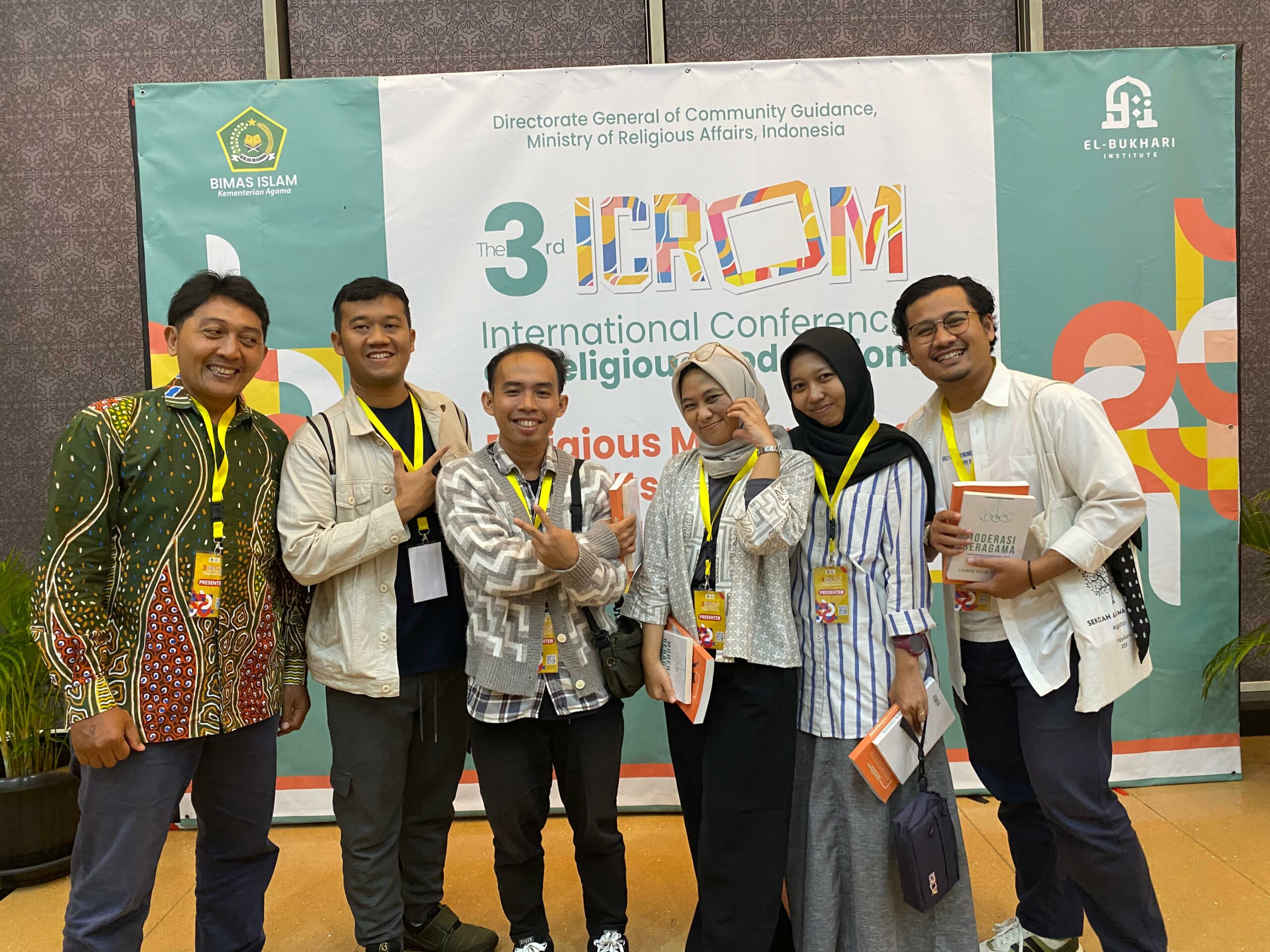
Then, the next question is how can we participate in academic forums such as conferences- which I regard as stages for experts to show their expertises in the scientific field they are in through research-? In my opinion, one of the key factors in developing science to be engaged in academic forums such as conferences is mastery of various research methodologies. That is what, I am quite sure, led me to qualify for being accepted to participate in two fully funded international conferences with my papers that use different research methods, in the last two months. The first is the 3rd International Conference on Religious Moderation (ICROM) conducted by BIMAS Islam, the Ministry of Religious Affairs of Indonesia in Merlynn Park Hotel, Jakarta, November 5-7, 2024. In this conference my paper entitled Youth Engagement in Religious Moderation: Impacts of Peace Journey Board Game on Ethical Perspectives employs a mixed-methods approach, sequential explanatory design. The second is the International Conference on Research, Community Service, and Gender Studies (ICRCSGS) conducted by UIN (Islamic State University) Imam Bonjol Padang, 5-6 Desember 2024. Our deen, Prof. Nina Nurmila is one of the keynote speakers in this conference. My paper is titled Exploring the Impact of International Training Course on Gender Issues and Non-Formal Education (NFE) Methods for Youth in Europe and Asia: A Critical Text Analysis. It is clear that the study adopts a critical text analysis, also can be considered as content analysis. Those articles are still in the process of publication with several options such as proceedings or journals.
I do thank our faculty that provides us with a number of kinds of research methodology to learn from the very first semester until now the third semester. We have learned; research methodology in education, qualitative research methodology, quantitative research methodology, and also mixed-methods research design. These methodologies truly equip us with rich tools that really help enable us to conduct research with more varied approaches.
There are some important things that I can reflect on this matter. Learning various types of research methodology does not mean that I can do any kind of research greatly. Maybe there are people who can. But personally, to be honest, every time I learn about the material, I can't understand everything. Often get confused because there are many new things to learn. The good news is, worth remembering, when writing a paper, we are not to write the research methodology(ies) we employ, rather we justify why and how we adopt it/them in our paper. Afterall, don't let yourself end up dizzy. It's okay to be confused, but that confusion should actually lead us to find the most appropriate strategy for studying those various research methodologies. Is it by studying independently, analyzing other people's papers, or even by directly practicing writing, or perhaps combining some of them. In this way, being confused should lead us to become enlightened. My previous lecture once said, confusion is the first step to understanding science and I can make that sense truly this way.
And for me, “it doesn't matter if we can't understand all the research methodologies we learn”. However, as much as possible “we must be able to understand and even master the methodology we employ in our own research”. Of course, we can learn this in the classes, including when doing assignments. Again, if we strongly want to hone our research skills better, we can consider attending conferences by writing papers using methodology that we really want to learn further.
Another skill I learned as a result of practicing reading and writing for research is the ability to “Just say it” what I want to write. I mean, for example, from the various literature that we find, there are various statements arguing about a certain concept that might also make us confused about which theory we are going to say or to use. So when that happens, we have to be brave enough to say it as what it is, that there are various definitions of a certain concept where A says a, B says b, and C says c. Then we convey which theory or concept that we want to borrow or which one is the most relevant to the context of our own study. This will make our writing remain based on reliable science, that is not just making up as we wish. So there is no need to be confused about the wealth of existing studies, just say what it is according to our findings, then select which theory or concept we want to adopt related to our own research topic.
Last but not least, to further learn about and enhance our research skill particularly on the research methodology is to read the writings of other people who have applied the methodology that we also want to apply. So from there we can apply the ATM (Amati, Tiru, Modifikasi) principle, namely observe, copy and modify. This can help us a lot principally and technically, such as informing us of what important things to write, how to develop or construct the ideas, and how to present the flows of the ideas in the form of scientific writing. We don't have to have a lot of sample papers for ATM, just 2-3 could be enough but we should really be able to follow them. I am sure this way can facilitate us to write scientific papers like experts who master the methodologies they used so that our writing seems to be most likely written by a professional researcher.
I believe, being an expert is not merely about when, rather it is about how we should make it happen. And from my limited subjective experience I reflect here, I can suggest that the more diverse research methodologies we learn, the more possible we can engage in various research, encouraging us to be eagerly involved in scientific talk and dialogue. And for sure, to become the expert one, we should do research a lot in our field, that is how seemingly we are about to know our expertise.

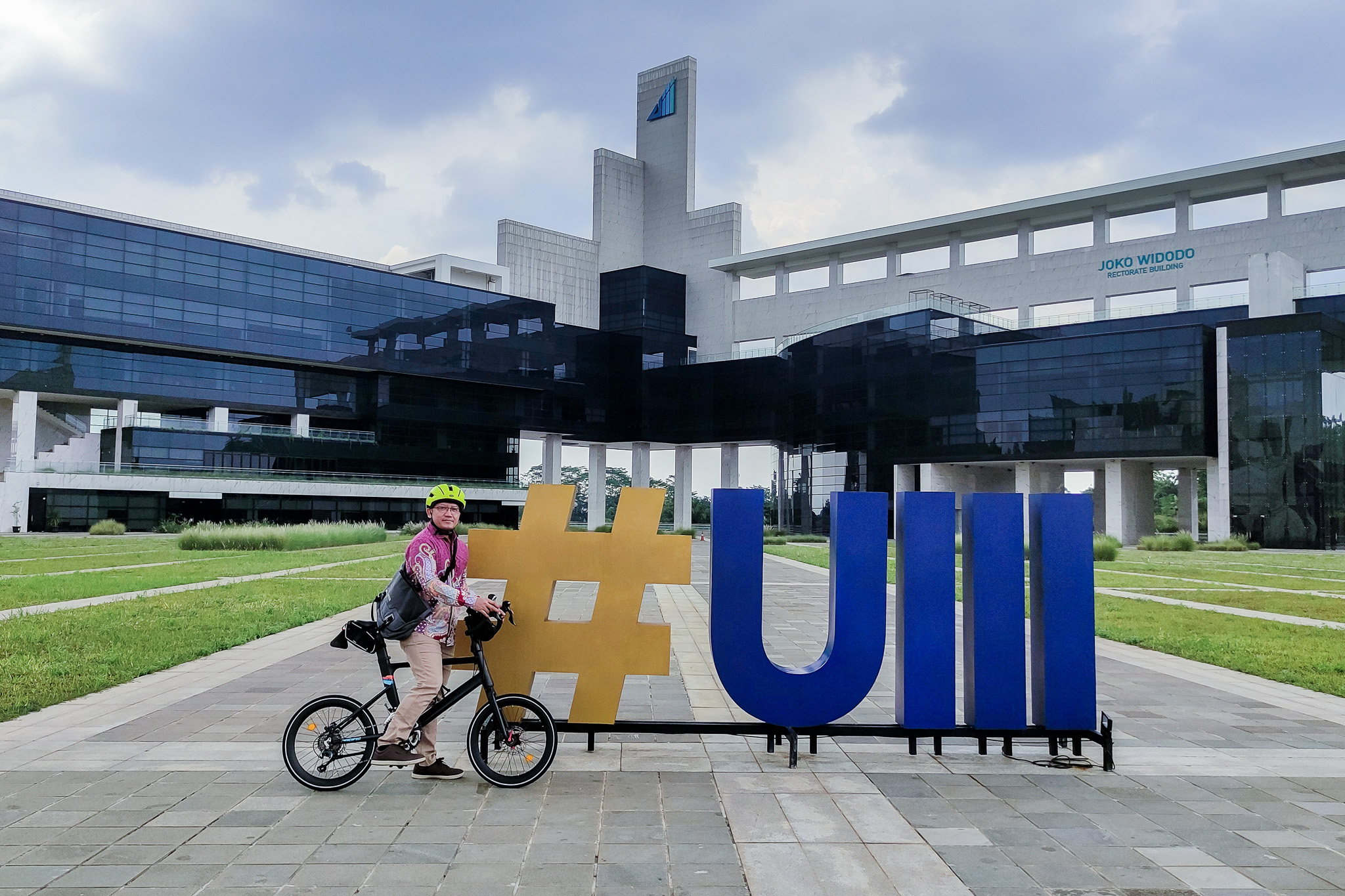
Pedaling to Work, Dr. Lukman’s Message on ‘World Sustainable Transport Day’

Pedaling to Work, Dr. Lukman’s Message on ‘World Sustainable Transport Day’
November 26, 2024
Contributor: Supriyono | Editor: Dadi Darmadi | Photo: Fransiska Aprilya Lowarmodo
Like much of Greater Jakarta area, Depok—a city where UIII is located—is known for its traffic jams, especially during rush hours on weekday’s mornings. The sound of car horns and motorbike engines fills the air as people try to navigate the crowded streets to go to office. But while most are stuck in this daily chaos, Dr. Lukman Nul Hakim has chosen a different way to get to work—one that is quiet, healthy, and better for our planet.
Dr. Lukman, a psychologist and lecturer at UIII Faculty of Education, chooses to ride his bike to UIII campus. This, he said, is not just about avoiding traffic. Cycling, for him, has become a way of life. “Cycling makes me happy. It gives me energy, clears my mind, and helps me feel at peace,” he testified.
His love for cycling is not limited to his commute. One of his most special memories is a bike trip from Depok to Yogyakarta with his wife. Riding a tandem bike, they pedaled over 500 kilometers together in six days. “It was our romantic journey,” he said. “My wife and I wanted to create memories we’d never forget and celebrate our time together.” Dr. Lukman documented their sweet and inspiring journey on his YouTube Channel.
At home, Dr. Lukman is also part of a community which campaign for “Gowes Nuju Kantor” (Pedaling to Work). The story goes back to when he was working at the House of Representatives (DPR RI) in Central Jakarta. He started biking to go to office, and to his surprise, the others joined him. What began as a small group grew into a club called the ‘Parle Cycling Community’, with members from different departments, including parliamentarians. “Change starts with us,” he recalled. “When people see us cycling, they start to wonder if they can do it too. That’s how it all begins.”

Hence, as today (November 26) marks the ‘World Sustainable Transport Day’, Dr. Lukman wants to seize the moment to convey a simple message for all of us: “Try biking, walking, or taking public transport, even if it is just once a week,” he said. “It is a small change that makes a big difference. It is good for your health, your mood, and the planet we live in.”
In this very special moment, Dr. Lukman dreams of a day when people do not see cycling as something special or difficult, but as a normal way to get around. “You don’t need fancy gear or special jerseys. Just hop on your bike and go,” he concluded.
At UIII, sustainability is a part of everyday life. The university supports initiatives that promote green practices, such as encouraging students, lecturers and staff to use bicycles as a sustainable mode of transportation around campus. This aligns with UIII’s broader commitment to sustainability, which includes eco-friendly campus initiatives, green buildings, and efforts to reduce the carbon footprint.
Dr. Lukman’s message aligns closely with UIII’s values for a green campus and sustainability. As an academic institution, UIII encourages its community to take responsibility for the environment and adopt practices that contribute to a more sustainable future.
Unwinding and Uniting: A Memorable Study Excursion to Bandung
Unwinding and Uniting: A Memorable Study Excursion to Bandung
by Nabila Nindya Alifia Putri
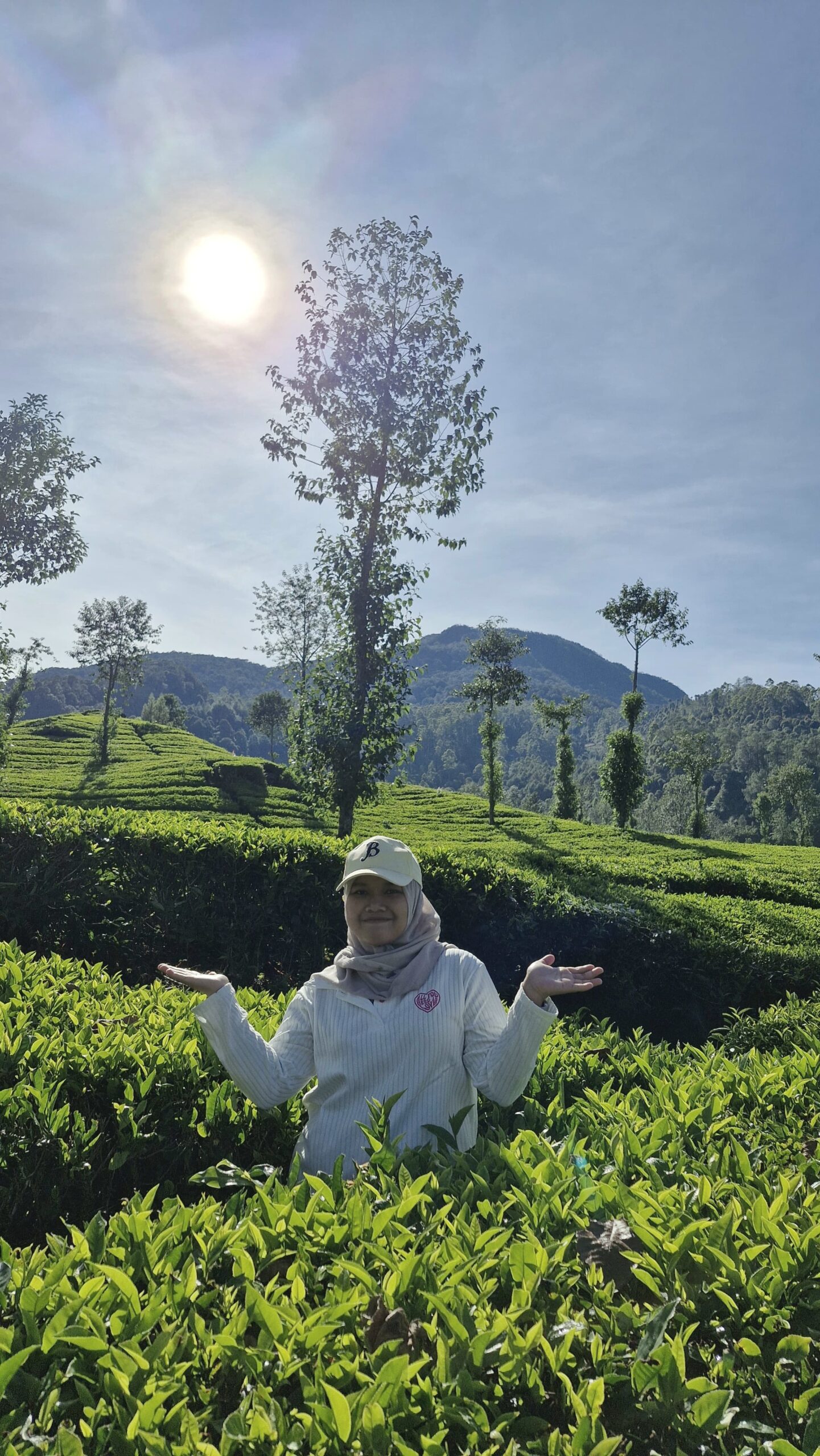
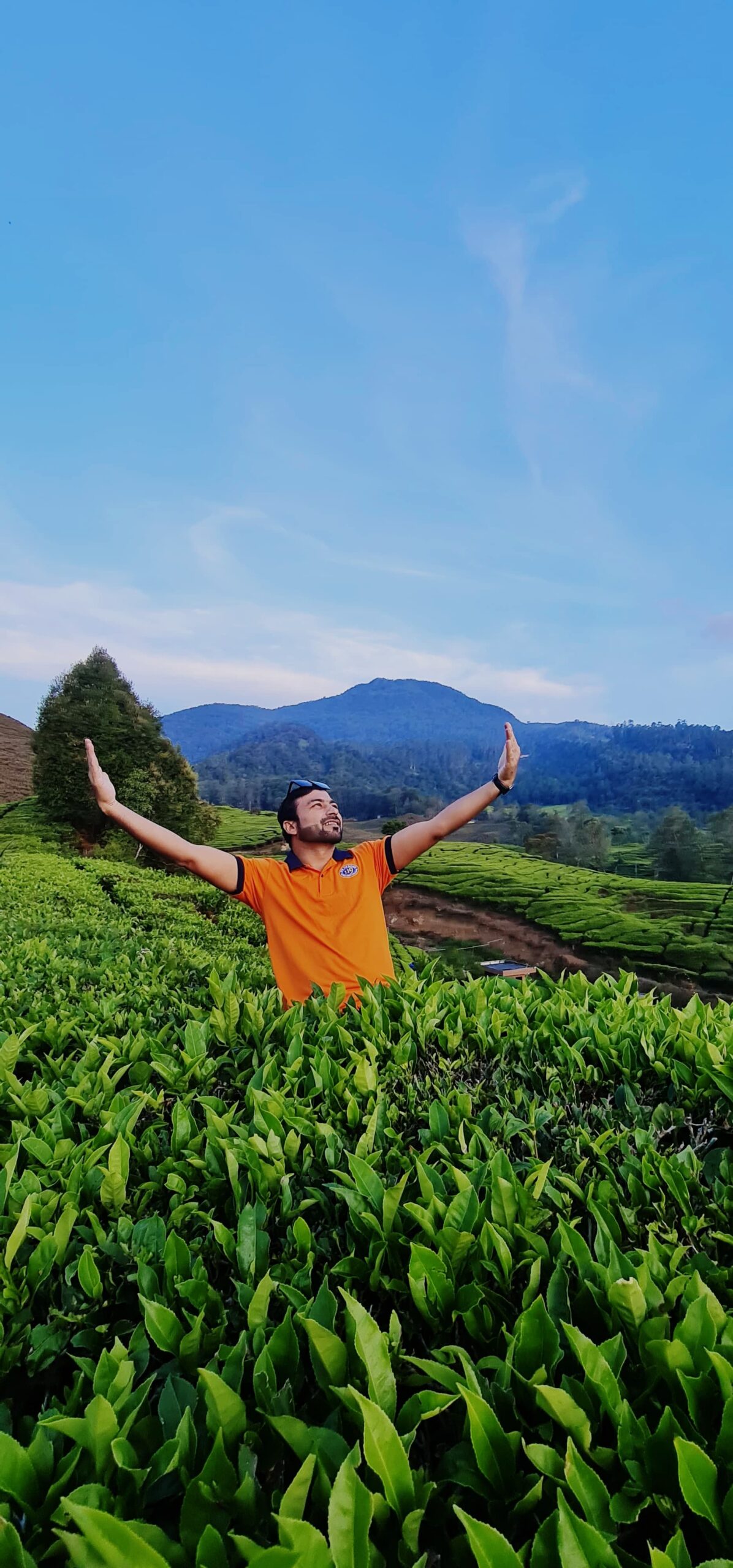
 Strengthens the bonding — that was the first impression I captured during my study excursion trip in Bandung, which was held on October 16-17, 2024.Starting from Depok, the travel time is about 3.5 hours by bus. The atmosphere on the bus was quite fun, where lecturers, academic staff, and students mingled in one bus, plus students who enlivened the whole bus through karaoke songs that were quite entertaining during the trip. The chantingand humming kept going all along the road, along a winding road to a plantation area in Ciwidey. During the trip, I could feel the warmth created from the interaction of students, lecturers, and academic staff. No matter what academic load or workload it is, it all seems to be focused on one goal: forget all our burdens, and enjoy our moments! Our minds seem to be invited to take a break because the scenery on the right and left sides was very magical: a green tea garden with cool nuances.
Moreover, behind the cold night in Ciwidey, there is one warmth that radiates from the participants of this excursion. The old, young, lecturers, staff, all mingled together to enjoy dinner while listening to music accompanied by a burning bonfire. Of course, this unique interaction is very memorable and imprinted on my memory. Through this excursion activity, I saw a lot of interactions and 'golden moments' that I usually had only seen formally; namely in an academic setting, but now everything looks different. This made me realize that all of us (lecturers, students, and staff) are also human beings with the same goal: to have fun while doing our job to serve the community, because that is the true purpose of this education department.
Apart from these moments of togetherness, when talking about community service activities initiated by the department's student association, namely ESTUDIA, there are many things that I can reflect on when I am one of the teams that document these community service activities. First, the thing that I appreciate is that, with this activity, we as students can hone our skills for how to design an event that is short, but can be memorable for the community around us. Because the academic environment of UIII has diverse backgrounds of culture, the community service activities carried out by FoE UIII focus on introducing cultures from various representative countries of students at FoE. Secondly, in this event, all students participated, regardless of what level of study they were at. This shows the synergy built through this activity, and also again: strengthening the bond with each other among students. This is in accordance with the principle of ukhuwah in Islam, namely ukhuwah insaniyah.
Moving on, the study excursion event was closed with a material presentation from Telkom University Bandung. All classes offered by Telkom university provide a lot of insight, especially for the world of education including digital and media, as well as big data class. During my time at Telkom University, I realized that visiting other educational institutions is no less important. We also need to benchmark to other educational institutions in order to continue to improve the quality and quality of our own educational institutions. By exchanging information like this, I think it will be useful in the future, especially the many new insights presented by Telkom University. The end of the campus visit session was closed with a photo with all study excursion participants, as well as lecturers at Telkom university. With the closing of the visit, the activities and trips of this study excursion are over. Overall, I feel happy and satisfied with this excursion activity because we can do 2 things at once at once: unwind and serve the community.
A Journey of Learning beyond Books
A Journey of Learning beyond Books
by Khizer Hayat
 My name is Khizer Hayat, and I come from Pakistan. For me, learning is not confined to books—it can be found in every experience and every moment we live. As Albert Einstein once said, “The only source of knowledge is experience.” From October 16-17, 2024, I had the privilege of participating in a study excursion organized by the Faculty of Education at UIII, Depok, which proved to be a truly transformative journey.
Our adventure began as we departed from the dorms, leaving behind the familiar streets of Depok and Jakarta, and heading toward the serene, nature-rich city of Bandung. As we traveled through the vibrant cities, I felt like I was entering a whole new world, full of excitement and possibilities. As Confucius once said, “Wherever you go, go with all your heart.” This quote perfectly captured my mindset as we embarked on this journey.
Our first day was packed with exhilarating activities, including rafting and off-road adventures that got our adrenaline rushing. Every moment was captured on camera, preserving the memories forever. It reminded me of the quote by Susan Sontag: “I haven’t been everywhere, but it’s on my list.”
The night at Eco Park Hotel was an experience to remember. The cabins were cozy and charming, but what made the evening truly special was the live performance by the music band “9 Outbound Ciwidey.” Their energy filled the air with music, adding magic to the chilly weather. We gathered around a roaring fire, wrapped in our jackets, enjoying a barbecue, and sharing laughs. The warmth of the fire was matched only by the warmth of the company, as students and faculty danced, sang, and bonded over the joy of the night. As Henry David Thoreau said, “Friends… they are the sunshine of life.” This quote beautifully sums up the warmth of the evening.
The following day took us to 13 Junior High School in Bandung, where we participated in a vibrant cultural exchange with students from diverse backgrounds—Pakistan, Bangladesh, Turkey, Afghanistan, Nigeria, Tanzania, the Philippines, Gambia, and Indonesia. The enthusiasm of the junior high students was infectious, and their warm welcome, combined with their traditional dances, was heartwarming. “The beauty of the world lies in the diversity of its people,” as Maya Angelou so eloquently said, and we truly experienced that beauty through this cultural exchange.
Throughout the journey, we were accompanied by the esteemed Dean, Nina Nurmila, PhD, along with professors and staff, who made every moment enjoyable. From the delightful snacks to the delicious meals at the hotel, everything was wonderfully planned. Even the bus rides were filled with non-stop singing, adding to the lively atmosphere. As Ralph Waldo Emerson said, “Life is a journey, not a destination,” and the joy in the journey was palpable.
The highlight of our trip was the visit to Telkom University. We were greeted with an atmosphere of innovation and inspiration. The student presentations were simply remarkable. These young minds were not just students—they were scientists in the making, innovators ready to shape the future. The university’s vision and mission were shared with us, filling us with admiration. As Steve Jobs once said, “Innovation distinguishes between a leader and a follower.” The spirit of innovation was alive at Telkom University.
A memorable moment was the insightful lecture on management by Professor Dr. Djadja of Telkom University. His words about leadership and innovation left a lasting impression on me, inspiring new ideas for my own academic journey. As he said, “True leadership is about managing not just systems, but the hearts and minds of people.” This idea resonated deeply, reminding me that education is not only about gaining knowledge but also about becoming a compassionate leader.
As we made our way back to Depok, the sense of fulfillment was profound. The two-day experience felt like it carried the weight of two months of study. The lessons learned, the memories made, and the friendships formed will remain with me forever.
This study excursion was more than just a trip—it was a journey of discovery, learning, and cultural exchange. It reminded me that education goes beyond textbooks, and sometimes, as Oscar Wilde said, “Experience is the hardest kind of teacher. It gives you the test first and the lesson afterward.” Indeed, the best lessons are the ones we learn outside the classroom.