Empowering Growth Through Study Excursions to Bridge Knowledge, Community, and Professional Development
Empowering Growth Through Study Excursions to Bridge Knowledge, Community, and Professional Development
by Novinta Nurulsari
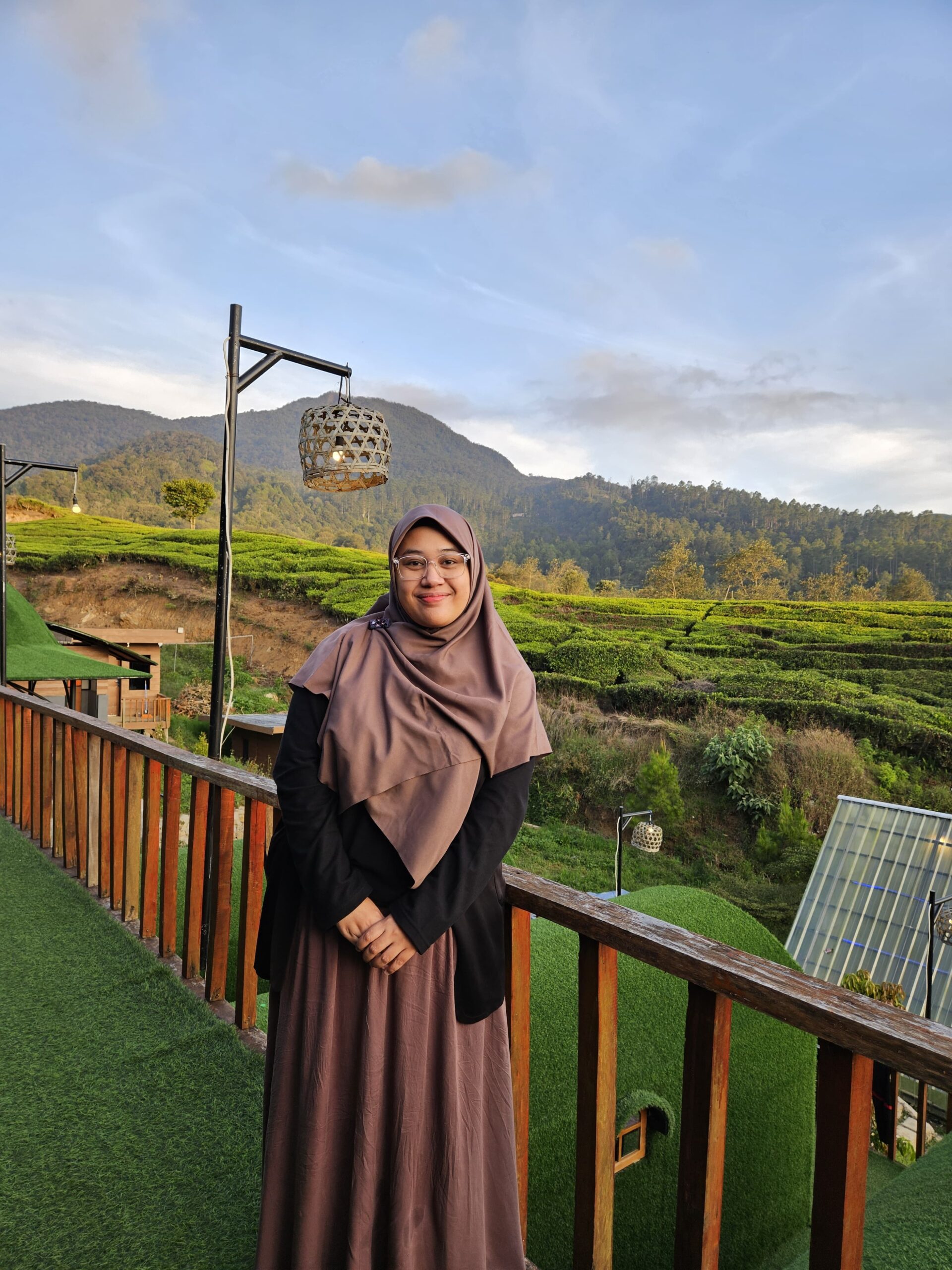
 I am deeply grateful for the opportunity to participate in the study excursion organized by the Faculty of Education at UIII. This program was not only complimentary, but it was also incredibly beneficial for us as students. The agenda was thoughtfully designed to enhance our academic and professional growth, leaving me with lasting impressions and valuable insights.
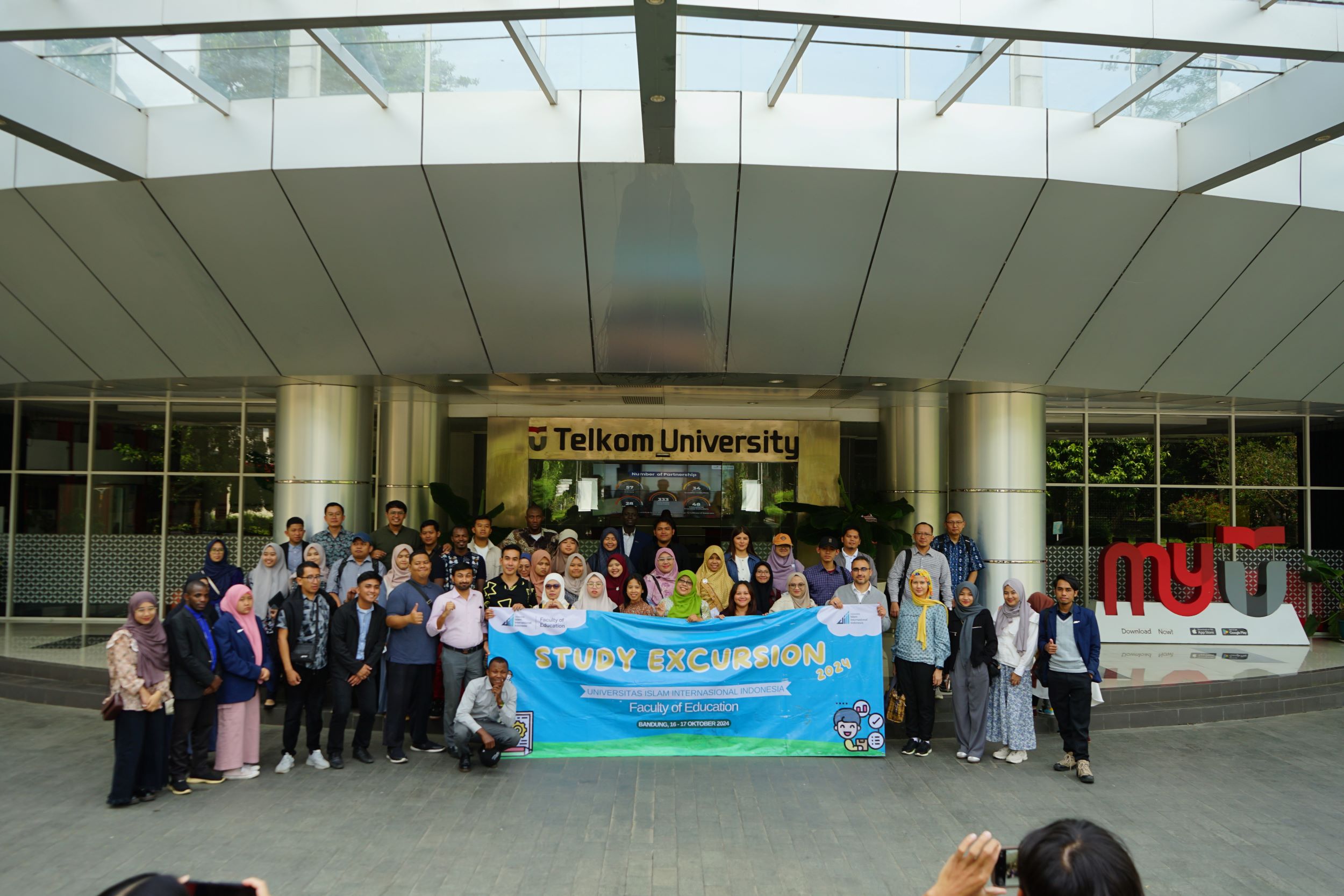
Two key aspects of the study excursion stood out to me. First, the visit to Telkom University was an exceptional experience. I had the chance to attend a short one-meeting course titled Harnessing Big Data for Transformative Education, Administration, and Management, delivered by Dr. Djaja Achmad Sardjana, S.T., M.M. His lecture was insightful and highly relevant, especially regarding the practical application of Python, which piqued my interest. Previously, I had encountered a 2022 article on Design Thinking, a topic closely related to my dissertation, and the article presented fascinating data visualizations created using Python. I tried to explore this tool and ask for some support and guidance, but none of my colleagues had any experience with this tool. I felt so grateful when the Faculty of Education organized this study excursion. I can learn directly from the lecturer and gain a deeper understanding of Big Data and Data-Driven Decision Making, which are crucial in showcasing evidence in our analysis. I also learned about Power BI (Business Intelligence), a tool I had never used before. The entire learning experience was amazing and eye-opening! This exposure to advanced technologies is invaluable for those of us in the educational field. It empowers us to better integrate technology into our work, whether for research or professional development.
The second aspect that impressed me was the community service activity at SMPN 13 Bandung. This activity allowed all the students participating in the excursion to engage directly with the students and school members at that school. It provided us an experience to interact and communicate with the students so we could learn about the characteristics of the students. This interaction, especially with international students from FoE UIII, also benefited the school, where the students could learn new things from us. It also boosted their enthusiasm for continuing their study. The school’s warm reception further added to the significance of this experience, and it was a mutually enriching interaction for both the students and the school.
Moreover, this study excursion significantly strengthened the bonds between students and faculty members beyond the academic and community engagement aspects. This program allowed us to build stronger connections and communication within activites. We also developed our collaboration skills to do every program through teamwork. This make the overall experience even more rewarding.
In conclusion, the study excursion was an invaluable experience, filled with opportunities for academic learning, meaningful engagement with the community, and the deepening of interpersonal relationships. It provided me with the tools and motivation to further my professional and educational journey, and I am deeply appreciative.

Travel and Lessons
Travel and Lessons
by Muhammat Sabar Prihatin
The study excursion conducted by the faculty of education UIII for me is not merely a sightseeing activity but it is about a lesson-reflective story. This trip took place two days, starting from 16-17 October 2024, with the destination of the capital city of west Java, Bandung. Throughout the trip we witnessed the beautiful and natural scenery, particularly when we came to the accommodation area, Ciwiday.
Worship by exploring the earth
Ciwidey is famous for its beautiful places in Banding, which has many hills planted with tea trees. The lush green color on every hillside was successful to spoil the eyes anytime we looked at it. The winding and sometimes up and down roads just made the trip even more thrilling. Plus, the strains of music from the old up to present era, sung by different generations-Dean, lectures, and students added to the excitement of the journey. This made the long trip feel short and fast.
This stage reminded me of the Holy Quran saying that the earth was made flat so that we can explore it easily. So it is true that with our intention to witness this verse, our study tour is not only for a fun trip but also a moment of contemplation to admire the Almighty of Allah SWT over His beautiful creation of this universe.
Taaruf Session (Learning from one another)

Another valuable experience was when we students of UIII did community service. We visited SMPN 13 Bandung to do a cultural exchange activity with the students there. Traditional dances welcomed us warmly, which attracted fellow UIII students, especially foreign students. When a student came with a traditional dance, our friends immediately clapped their hands and recorded the dance.
After that, we UIII students and the students of SMPN 13 Bandung were divided into ten groups according to the number of student countries in the Faculty of Education at the event location, such as Turkey, Mexico, Pakistan, Tanzania, and the Philippines. In the international cultural exchange forum, the students were very enthusiastic about exploring various information from student representatives from the countries they visited. They chatted about the local language of the guest country, traditional songs and dances, and even their typical foods. The exciting discussion ended with the making of a short video with students saying, for example, "Sawadikap, we have a new friend from Thailand, Kap kun khap".
This cultural exchange activity reminded me of the concept of ta'aruf. It is mentioned in one of the verses of the holy Quran which means that Allah SWT created humans in different tribes, states, and languages for us to learn from one another. The cultural exchange experience provides real evidence to students that diversity is real. And the differences that exist between humans are created to get to know each other. If fellow humans know and understand each other well, then this can reduce bad prejudice and the assumption that a certain group is better and more important than others. And if this can be established in harmony, then this state of knowing and understanding each other can also encourage the
establishment of cooperative and compassionate relationships based on wisdom on the basis of humanity. So it is important that students in schools as the younger generation need to be equipped with an understanding and experience of diversity itself, that it does not exist to belittle certain groups and excel others, but as real evidence of sunnatullah - the Will of God Almighty. So of course it is another kind of worship if we can celebrate this diversity as a gift of life.
Public service for knowledge sharing

Last but not least, the community service activities carried out by the lecturers of UIII and Telkom University were another topic of reflection. For me, cooperation between educational institutions is an important factor in building student learning experiences. What I felt at that time was that I got the opportunity to learn to process data on a large scale by utilizing technology that I had never learned at UIII, but I learned a lot from Telkom Uni. It's like this, knowledge that I thought was difficult to learn, turned out to be easy for other people or other places because they have the facilities, there are the experts, and or because the campus specializes in that certain knowledge.
Thus, I realized that there are certain fields of knowledge that are actually relevant to us but it turns out that we can easily learn them at other campuses. The insight I received taught me the importance of learning from many parties. And I think it's the other way around, the lessons delivered by several lecturers of the UIII Faculty of Education at Telkom Uni provide new important and interesting things for students who follow their presentation, namely psychological-based leadership, literacy skills, and spatial thinking skills, which may not be available at Telkom Uni.
This kind of collaborative synergy is what I think is needed and must continue to be carried out by educational institutions in Indonesia to improve the quality of education in general, both from the lecturers, or teachers, and students. The visit and knowledge sharing between UIII and Telkom Uni that we did could be one of the real forms of academic friendship that echoes that knowledge is a blessing for the universe (Rahmatan lil ‘alamin), not belonging to a particular educational institution or field of study only.
Thank you, Faculty of Education UIII, for the valuable lessons during the two-day journey on this study excursion. I am sure that each of us feels the benefits both personally, intellectually, socially, and even spiritually.
An Inspiring Journey at Madania Progressive Indonesian School
 An Inspiring Journey at Madania Progressive Indonesian School
By Khizer Hayat.
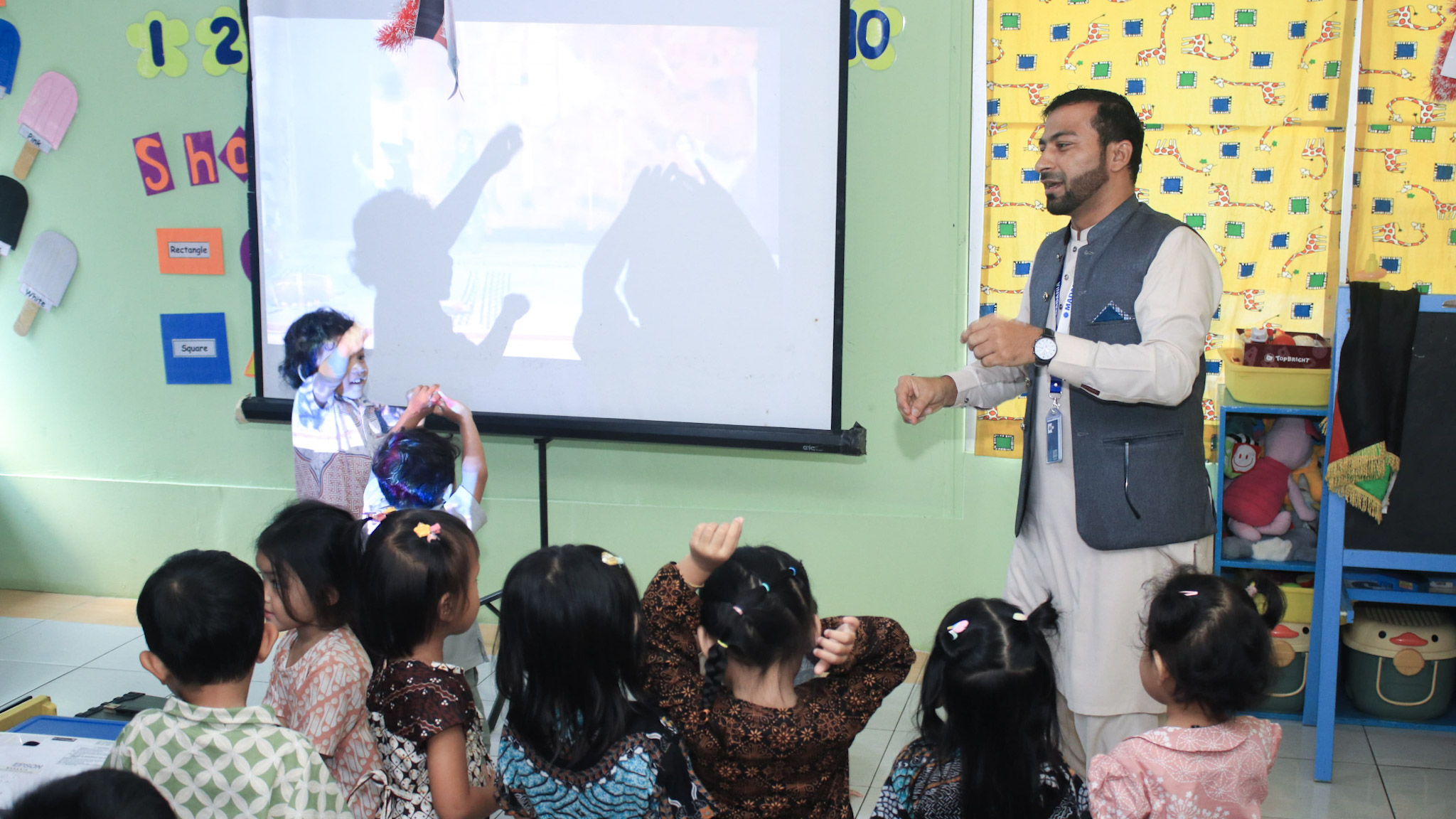
As an intern, I practiced my skills in teaching English there. Madania, a school known for its progressive approach to education, integrates the Indonesian National Curriculum with the International Baccalaureate (IB) and Cambridge IGCSE frameworks, creating an exceptional learning environment from Kindergarten through Senior High School. Teaching English here was an incredibly rewarding experience. I had the unique opportunity to engage with a wide age group of students, adapting my lessons to their varied needs while ensuring their grasp of English communication improved.
One of the highlights of my experience was how I was able to bridge cultures through language. I was not just an English teacher, but also a cultural ambassador, fostering intercultural connections during my time with the students. Participating in school-wide events such as the Indonesian Independence Day, Mawlid Nabi(Prophet Muhammad’s Birthday Celebration), and cultural celebrations provided a platform to engage with parents and the wider school community. These moments allowed me to share my background while appreciating the rich cultural diversity Indonesia offers.
Working with students wasn’t limited to classrooms alone. Madania emphasizes holistic development, blending academics with extracurricular activities like sports and arts, which provide an avenue to engage with students on multiple levels. The school’s focus on inclusivity and promoting a diverse understanding of religion, languages, and cultures resonated deeply with me. I experienced this openness firsthand when the school management and staff generously invited me on visits to significant places in Bogor. Their hospitality was heartwarming, reinforcing the values of unity and respect for diversity that Madania upholds.
My time at Madania wasn't just about teaching—it was about learning. I gained hands-on exposure to various teaching and management practices. I contributed to the evaluation of the curricula, observed the implementation of progressive teaching methods, and participated in policy discussions aimed at strengthening the school’s educational approach. I was impressed by the school’s openness to feedback, where I functioned not only as a teacher but also as a critical observer, offering suggestions on curriculum alignment and educational research.
Madania’s commitment to nurturing future leaders—through modern technology, cultural understanding, and academic excellence—stood out. The school’s holistic approach made it a unique institution within Indonesia. I left with a deeper understanding of how education can be a force for both personal and societal growth.
In conclusion, my internship at Madania was more than an academic endeavor; it was an enriching experience that allowed me to grow as a teacher, observer, and participant in a dynamic and diverse educational setting. It reinforced my belief that schools like Madania are shaping the future leaders of Indonesia—leaders who are not only well-versed in academic excellence but are also rooted in cultural and social understanding. I am proud to have carried the name of UIII and contributed to this incredible institution during my time there.
Khizer Hayat is a master student at the Faculty of Education, UIII.

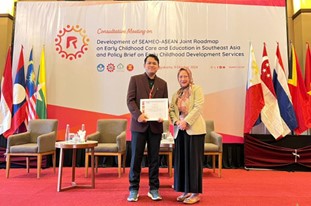
Breaking the Boundaries as an Internship Student: My Journey to Present at a Southeast Asian International Forum
 Breaking the Boundaries as an Internship Student: My Journey to Present at a Southeast Asian International Forum
By Muhammad Lutfi Assidiqi
Attending the Consultative Meeting on Development of SEAMEO-ASEAN Joint Roadmap on Early Childhood Care and Education in Southeast Asia and Policy Brief on Early Childhood Development Services as a presenter, especially to present the draft policy brief that my team and I worked on during our time as interns at SEAMEO CECCEP, was a very valuable and rare experience for an intern. In this meeting, I stood in front of Governing Board (GB) members of Southeast Asian countries as well as representatives of international NGOs such as UNICEF EAPRO, Tanoto Foundation, UNESCO Indonesia, and others. This was not just a presentation, but a pivotal moment in my career where my voice was heard in prestigious forums.
As an intern, I realized that this kind of opportunity is rare. The stereotype of interns as "beginners" who only carry out small tasks, I do not feel at all at SEAMEO CECCEP. Instead of being ignored, my ideas are heard and appreciated, as if I were an integral part of a professional team. This experience encouraged me to continue to explore the material that I had learned from Dr. Lukman in the Education Policy Analysis class. The practice of writing policy briefs based on The Eightfold Path from Bardach that I learned during the lectures proved to be an important provision in completing my job at SEAMEO CECCEP.
I feel very lucky and grateful to the Faculty of Education, UIII, for facilitating the Independent Study Program and matching me with a very supportive internship place. An internship at SEAMEO CECCEP has not only provided me with significant professional experience, but also a space that has supported my personal and academic development. This opportunity has opened my eyes to the importance of an education that connects theory with real practice, and the important of having an environment that supports and rewards every contribution, regardless of status.
By this experience, I reflected on how important and invaluable this kind of opportunity is for a college student. Not only provide real experience in the field of education policy, but also build confidence to contribute in the international level. Of course, with the willingness to keep learning and the desire to keep trying to have a positive impact, as my team and I have done by drafting a policy brief on early childhood development services for the Southeast Asian region.
A Deeper Understanding of Critical Feminist Methodology

A Deeper Understanding of Critical Feminist Methodology
October 14, 2024
Contributor: Supriyono | Editor: Dadi Darmadi | Photo: M. Sufyan As-Tsauri
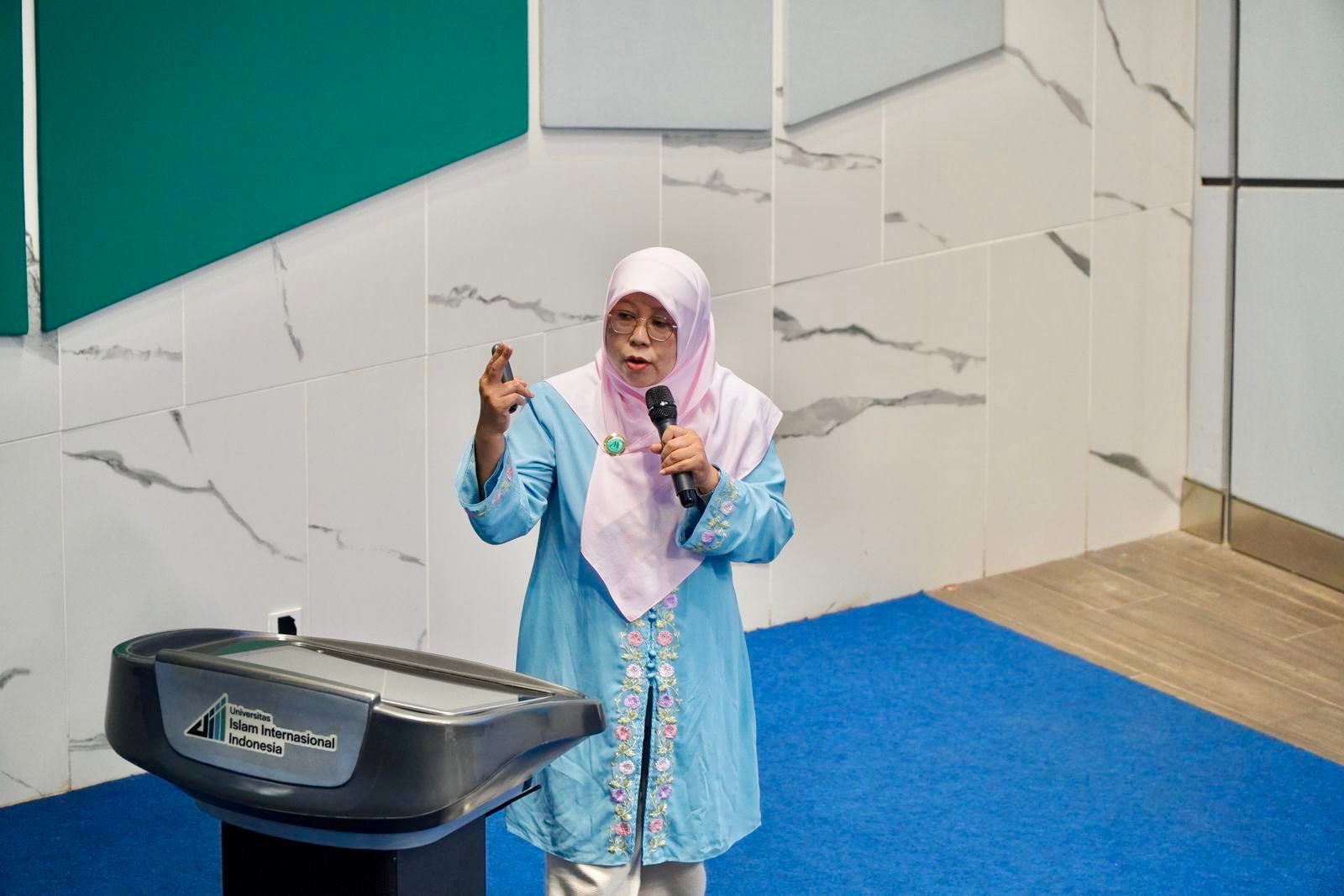
Depok, October 3, 2024 — The UIII Faculty of Education held a thought-provoking public lecture on Thursday, October 3, featuring Prof. Nina Nurmila, Dean of the Faculty of Education. Speaking to a packed audience in Theater Hall Faculty A, Prof. Nurmila explored the intricacies of critical feminist methodology, a vital yet often debated aspect of modern research.
Prof. Nina Nurmila is a distinguished Professor of Gender and Islamic Studies. She earned her MA from Murdoch University in 1997 and a PhD from the University of Melbourne in 2007. Her academic journey includes prestigious roles such as a Fulbright Visiting Researcher at Temple University in Philadelphia in 2000, an Endeavour Postdoctoral Research Fellow at the University of Technology, Sydney, in 2008, and a Fulbright Visiting Professor of Islamic Studies at the University of Redlands, California, from 2008 to 2009.
Prof. Nurmila began by addressing ongoing debates from the 1990s over whether feminist methodology stands as a distinct research paradigm and methodology. She pointed out that opponents have argued against its independence, suggesting that feminist methodologies lack a unique perspective and draw heavily from established paradigms like Marxism and critical theory. Others contend that feminist approaches lack coherence due to the diverse perspectives within feminism itself.
However, Prof. Nurmila presented a compelling case for recognizing feminist methodology as unique, emphasizing its intentional rejection of male-dominated research paradigms. “Feminist researchers prioritize women’s perspectives and their societal positions, presenting a contrast to traditional methodologies focused primarily on male experiences,” she explained. She further noted that feminist research introduces a unique lens for understanding the world, often centered around the impact of patriarchy.
The criteria that define feminist methodology, as presented by Prof. Nurmila, include examining issues through a female prism, in which women are both the focus and interpreters of inquiry. Feminist methodology also encourages “consciousness raising,” a quality described as the advantage that female researchers have in understanding women’s experiences from within an “oppressed group.” She added that this “double vision” enables feminist researchers to empathize deeply and interpret their findings more accurately.
Highlighting her own work, Prof. Nurmila referenced several examples of feminist research, including her publications like “Women, Islam, and Everyday Life” (Routledge, 2009) and an article examining husband-wife dynamics (Al-Jamia’ah: Journal of Islamic Studies, 2013). She reflected on how feminist methodology shapes her qualitative research, occasionally integrating quantitative data while retaining a feminist analytical lens.
In her conclusion, Prof. Nurmila discussed how feminist methodologies transform traditional academic language structures, shifting from objective, passive language to more subjective, active voice. She also emphasized the importance of non-gender-biased language, advocating for inclusive terms such as “human power” rather than “manpower”.
Prof. Nurmila’s lecture left the audience with a deeper understanding of critical feminist methodology and its transformative impact on research. Through her insights, she highlighted the importance of inclusivity and empowerment within academia, calling on future researchers to consider feminist perspectives in fostering societal progress. The event exemplified UIII’s commitment to fostering an environment open to new perspectives in research, welcoming research paradigms, methodologies, and methods that advocate for societal change and scholarly diversity.
source: https://uiii.ac.id/events/read/57698/a-deeper-understanding-of-critical-feminist-methodology
Happy World Mental Health Day from UIII

Happy World Mental Health Day from UIII
October 10, 2024
By A/Prof. Charyna Ayu Rizkyanti, Ph.D*
The recent increase in student suicide cases highlights significant issues within the educational system. These cases may represent the tip of the iceberg of many intricate psychological challenges within the educational setting that have been overlooked and lack effective comprehensive solutions. To be frank, one of the vulnerable populations most likely to experience mental health problems is university students.
In 2023, over three-quarters of college students (76%) experienced moderate to serious psychological distress, with 36% of students diagnosed with anxiety, 31% meeting the criteria for suicidal ideation, and 13% having intentionally injured themselves within the year (American College Health Association, 2023). In Indonesia, it has been reported that mental disorders now often occur in the 18–25-year age group. This phenomenon is closely related to students, including college students, with about 64% of the younger generation experiencing anxiety problems, while 61.5% of them have symptoms of depression (Kemdikbud.go.id, 2023).
Serious mental health issues can affect our relationships, career, and long-term goals, including our studies, such as struggling with academic demands, adjustment issues, and managing various responsibilities. Thus, it is crucial to create a positive, safe, and supportive environment where students do not solely focus on being the best of the best in academic matters, which might lead them to become super competitive and ambitious individuals, and further, narcissistic. On top of that, it is essential to foster students and remind them that each of them is unique with different potential. As a consequence, campuses must rethink their approach (American Psychological Association, 2022). Educational institutions need to provide counseling services on campus that are equipped with counselors and psychologists who are trained to support students in need.
For students and those who have concerns, there are two things we can do at the very least to maintain mental health:
1. First and foremost, you must be able to acknowledge your thoughts and feelings.
We can’t control what’s coming to us, but we can control our response. As part of controlling our response, let’s accept our emotions, because all feelings (all emotions) are valid. Pain is a unique human experience. Don’t deny your feelings just because we don’t want to be called overly sensitive or ‘baper.’ We have the right to own it.
You may then select from a variety of responses that best suit your reaction. You have the option to avoid, modify, adapt, or simply accept the situation. In other words, allow yourself some space. Once you achieve mental clarity, your emotions will become more stable, enabling you to manage the circumstances more effectively.
2. Practice self-care, which means caring for yourself.
It includes anything we do to keep ourselves healthy — physically, mentally, and spiritually. It can be giving yourself a break that doesn’t cost anything, such as taking a walk, getting enough sleep, praying, reflecting, listening to audiobooks, meeting up with friends and family, and having a good laugh. Talking to someone, including a professional, is also part of self-care. Among so many things you can do, remind yourself to always be kind. You can be in pain but still be kind to others.
To conclude, everyone is struggling with their own mental health, including you and me. But we always have a choice to solve our problems. And we know, this too shall pass. Thus, keep embracing our values, be kind, and make space for ourselves.
One day we will say ... 'It was hard, but we made it.'
________________
*) A/Prof. Charyna Ayu Rizkyanti, Ph.D, is a mental health advocate and lecturer at the Faculty of Education, Universitas Islam Internasional Indonesia (UIII)
source: https://uiii.ac.id/perspectives/read/57695/happy-world-mental-health-day-from-uiii
Garuda and Eagle: A Mexican Student’s Reflection on State Symbols at Indonesia’s Parliament
 Garuda and Eagle: A Mexican Student’s Reflection on State Symbols at Indonesia’s Parliament
October 06, 2024
Contributor: Supriyono | Editor: Dadi Darmadi | Photo: Achmad Jatnika
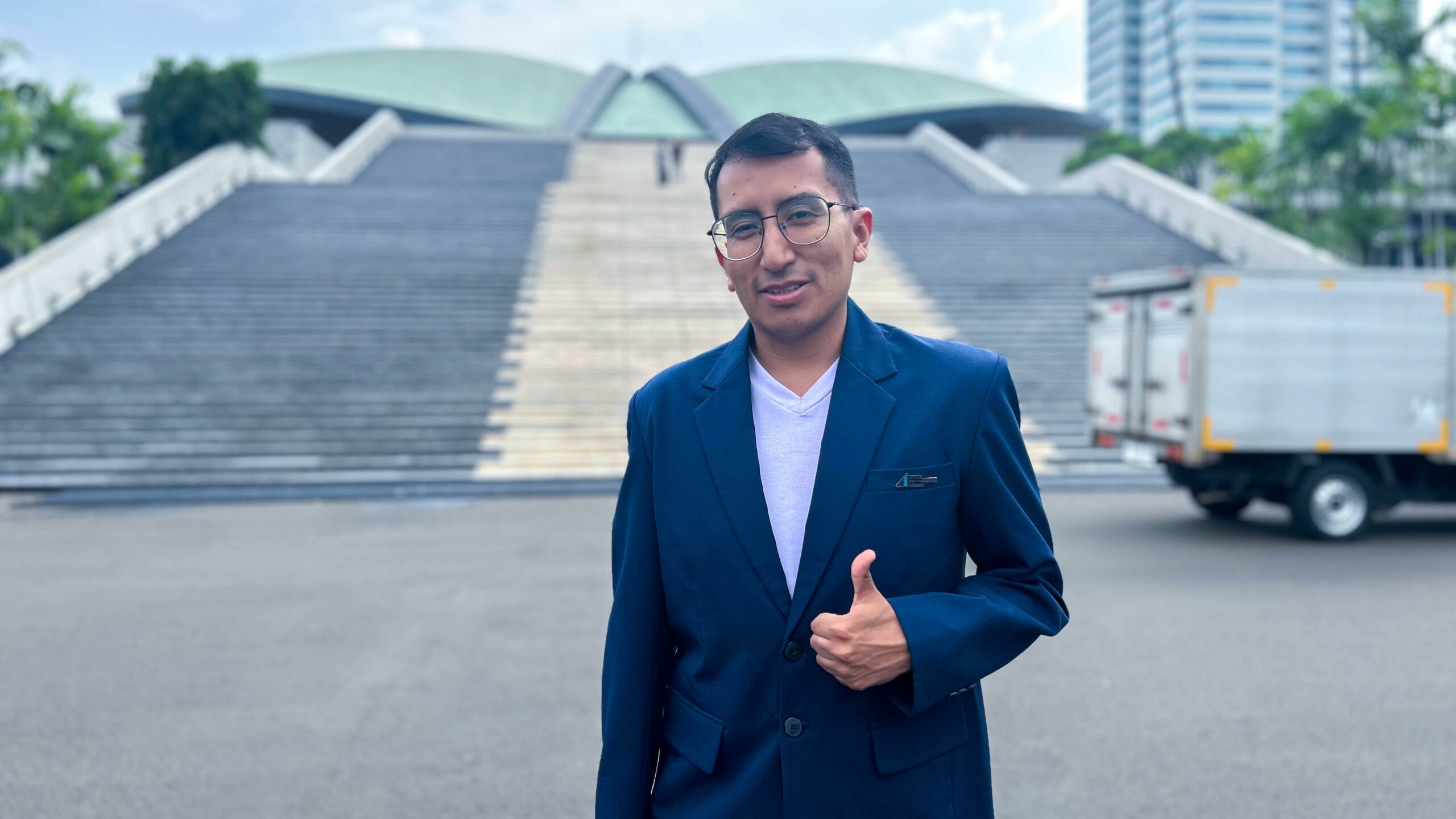
It was a bright morning on September 24, 2024, when 15 students from Universitas Islam Internasional Indonesia (UIII), led by the International Office and Student Affairs, boarded a bus for a special visit to the Indonesian Parliament Office and House of Representatives (DPR-MPR RI) in Central Jakarta. They were attending the OIC International Youth Summit, an event organized by OIC Youth Indonesia.
Among the students was Alberto Emmanuel Conti Morales, a PhD candidate from Mexico studying at UIII’s Faculty of Education. For him, this was not just an opportunity to engage in critical discussions but also a journey through culture and symbols that stirred deep reflections on identity and nationhood.
"The place is very nice, appealing, and interesting. I never thought we would be in such a formal and important setting. I had expected something more informal, so I was pleasantly surprised," he shared, marveling at the grandeur of the building, as they arrived at Gedung Nusantara V of the parliament office.
Having visited the Mexican Parliament ten years prior, Alberto found himself comparing the two structures. "In Mexico, the parliament building is bigger, but this one feels more modern. Perhaps it's because a decade has passed since my last visit. But what really caught my attention was the difference in the atmosphere, the Indonesian parliament seems to reflect a deep sense of national pride."
Alberto was especially captivated by the Indonesian national symbols. As he sat in the parliament, his eyes were drawn to the imposing Garuda emblem, a reminder of Indonesia’s foundational values.
"In Mexico, we have a national seal too, an eagle with a snake. It’s very similar to Indonesia’s Garuda in terms of strength and symbolism. But in Indonesia, the Garuda represents more than just a national identity. It embodies the spirit of Pancasila, the philosophical foundation of the country. I found that deeply fascinating because it highlighted how much meaning Indonesians place on their symbols,” he said.
The summit Alberto visited was an annual summit held by OIC Youth Indonesia, an organization aimed at empowering and uniting young Indonesians under the values of the Organisation of Islamic Cooperation (OIC). It provides a platform for youth engagement on both national and international levels, promoting collaboration, leadership, and dialogue.
As the summit began, the room filled with the voices of youth leaders and speakers, all discussing the role of young people in shaping a post-OIC world. The conversation quickly turned to the importance of religion in civil society—a topic that resonated deeply with Alberto. As someone who hails from a country where religion is increasingly seen as a personal matter, he was struck by the Indonesian emphasis on faith as a core element of national unity and progress.
"The discussion was interesting, especially because of how central religion is to society here in Indonesia. In Mexico, religion is no longer a public matter; it has become something personal, something private. But here, it's clear that religion still plays a significant role in nation-building. It was eye-opening to see how much Indonesians rely on their faith in shaping their civil society," Alberto reflected.
For Alberto, the OIC International Youth Summit was more than just a political event—it was a mirror reflecting the values of a nation, a reminder of the power of symbols and faith in shaping identity. As he left the Indonesian parliament office with his fellow students, he carried with him not only the lessons from the summit but also a deeper appreciation for the cultural richness of his host country, Indonesia.
Filling Cybersecurity Education Gap in Primary and Secondary Schools

Filling Cybersecurity Education Gap in Primary and Secondary Schools
R. Alpha Amirrachman, PhD, Ervan Yudi Widyarto, S. Kom, M. Kom.
A recent tragedy in Palembang, South Sumatra, highlighted the dangers of online interactions, with a young girl lured by four boys via social media and subsequently assaulted. Dr. Amirrachman and Widyarto state that cases like this are no longer uncommon, as studies in Malaysia show that nearly 80% of similar cases involve minors initially connecting with strangers online. Predators often use fake identities to manipulate victims, revealing a concerning trend in digital crime.
These cases demonstrate that cyber threats now extend beyond financial or political domains, affecting individual safety, particularly the youth. However, the authors state that cybersecurity education in Indonesia is still largely exclusive to higher education. Primary and secondary students, despite inherent familiarity and interest in digital technology, aren't equipped with adequate preparedness for online risks. While some vocational schools have introduced computer networking techniques as a subject, comprehensive cybersecurity education remains limited, with only a handful of institutions piloting such programs.
Although many tech companies promote coding and AI curricula, the authors observe that cybersecurity is often neglected. Without this crucial knowledge, students remain vulnerable to cyberbullying and exploitation. Expanding digital literacy shouldn't only be limited to programming, robotics, and such, but first and foremost, safe online practices and cybersecurity awareness to prepare students for real-world digital threats. Dr. Amirrachman and Widyarto believe that the popularity of digital technology among students can be a valuable opportunity to introduce cybersecurity elements in engaging ways, such as competitions that promote safe digital practices. Schools and private sectors, benefiting from students' interests, can collaborate on integrating cybersecurity into their teachings.
Lastly, the authors assert that the rapid pace of technological adoption brings ethical challenges, including misuse of personal data, misinformation, and a lack of accountability. Building an inclusive digital education system requires teaching technical skills alongside character-building—consideration for privacy, collaborative ethics, and a sense of responsibility. Thus, as role models, teachers are essential to guiding students toward a safer, ethical digital future.
________________
R. Alpha Amirrachman, P.hD is a visiting lecturer at the Faculty of Education, UIII.
Adapted from: https://www.thejakartapost.com/opinion/2024/09/17/filling-cybersecurity-education-gap-in-primary-and-secondary-schools.html

Faculty of Education's PhD Students Present Papers on Rasch Analysis Conference: Reflection on PROMS 2024

Faculty of Education's PhD Students Present Papers on Rasch Analysis Conference: Reflection on PROMS 2024
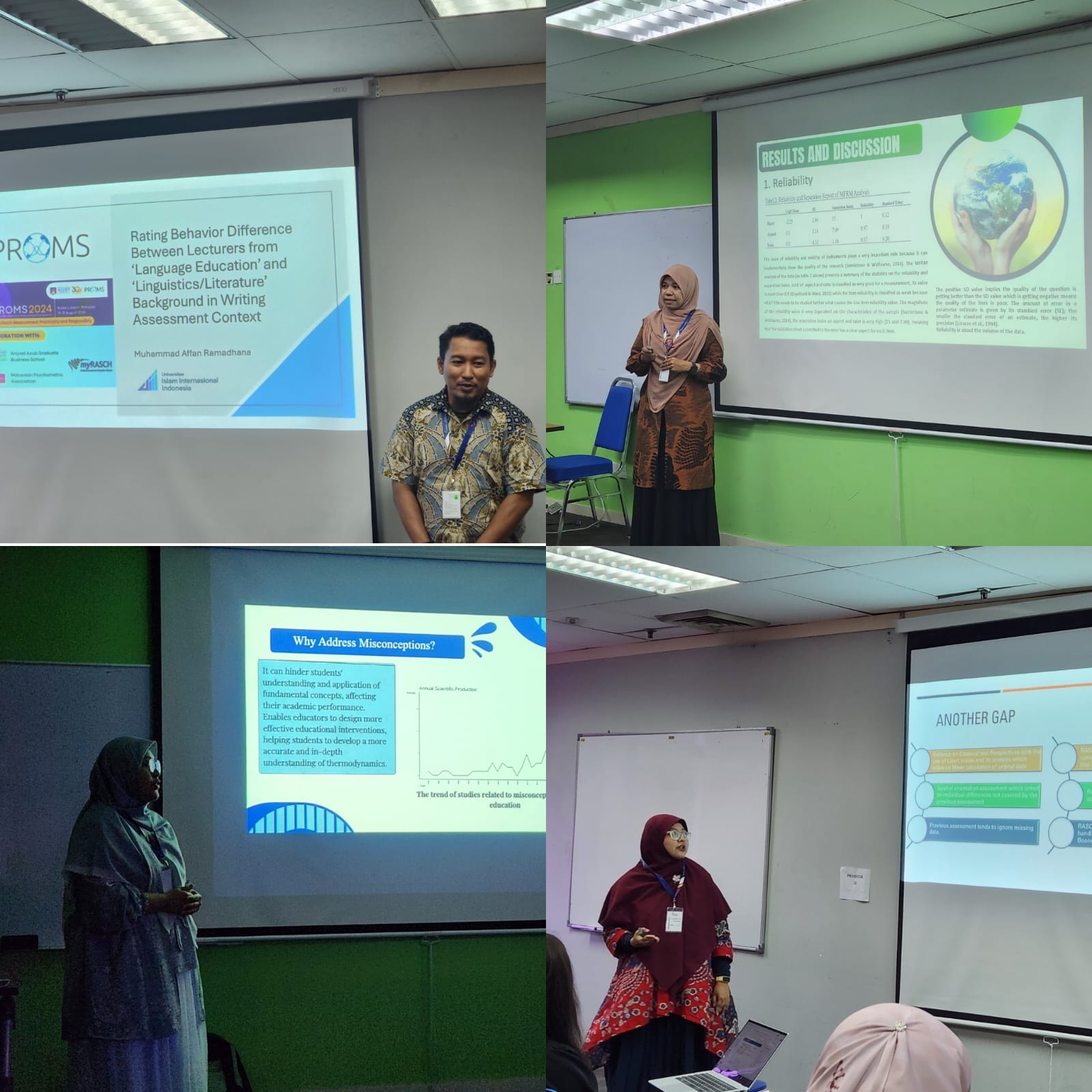
Attending the Pacific Rim Objective Measurement Society (PROMS) 2024 conference on 20-21 August was a very enriching experience for us as a group. The theme of this year's PROMS was Advancing Rasch Measurement Practically and Responsibly which was held at UCMI City Campus, Kuala Lumpur, Malaysia. This was the 19th PROMS event. God willing, next year's PROMS will be held in Singapore. As four people who are deeply immersed in the field of measurement in education, we are very proud to have the opportunity to interact with global experts. Some of the keynote speakers were our role models in learning and whose books we refer to. They were Prof. Trevor G Bond (Founder of PROMS), Prof George Engelhard (University of Georgia), Dr Haniza Yon (Malaysian Psychometrics Association), Harris Shah Abd Hamid, Ph.D. (University College of MAIWP) and our role model lecturer in Educational Assessment from Universitas Islam Internasional Indonesia, Bambang Sumintono, Ph.D. These reflections aim to capture the essence of our collective experience, highlighting the key insights we gained, the challenges we faced, and the implications for our future work.
Diverse Perspectives and Global Collaboration
The opening ceremony on the morning of August 20th set a collaborative and inspiring tone for the conference. Welcoming speeches by Dr. Harris Shah Abd Hamid, Dean of FPPK, and Prof. Dr. George Engelhard, President of PROMS, emphasized the importance of cross-disciplinary and cross-cultural collaboration in advancing educational measurement practices. Throughout the two-day conference, we participated in numerous parallel sessions held in various rooms across the campus. These sessions provided platforms for researchers from different backgrounds to present their work. Each parallel room is chaired by a local committee and attended by at least one Rasch expert who are also PROMS board member, giving input and facilitating rich discussions and exchanges of ideas. We were particularly inspired by the presentations that showcased innovative applications of Rasch modeling in diverse educational contexts, highlighting how these techniques can be adapted to meet the specific needs of learners around the world.
Four delegates from UIII PhD students presented papers with their respective scientific fields but used the Rasch Model as a data analysis technique. All the presented papers are the result coming from the process of joining class in Educational Assessment which was taught by our lecturer at Faculty of Education at Universitas Islam Internasional Indonesia. We challenge ourselves to present in this global conference to learn further and get insight internationally. In the first parallel session, Faradillah Haryani presented a paper entitled: Spatial Orientation Assessment: Investigating Differences Between Residents Of Jogja and Non-Jogja Areas Using Rasch Measurement Model, then in a different parallel class Novinta Nurulsari presented with the title paper Misconception Detection Using Rasch Modeling in Thermodynamics, then still in the same class Eka Yusmaita presented with the title of the paper Chemical Literacy Assessment on Green Chemistry Topic Using Many-Facet Rasch (MFRM) and finally Muhammad Affan Ramadhana presented Rating Behaviour Difference Between Lecturers from ‘Language Education’ and ‘Linguistics/Literature’ Background in an Online EFL Writing Assessment Context.
This conference provided us for networking and building connections with fellow attendees. Informal interactions during breaks and the PROMS Dinner at Rumah Tangsi on the evening of August 20th allowed us to engage in meaningful conversations, discuss potential collaborations, and broaden our professional network. These interactions underscored the collaborative spirit of PROMS and reinforced our commitment to contributing to a global community dedicated to advancing objective measurement in education.
Key Insights and Personal Reflections
One of the most memorable aspects of the conference was the chance to meet some of the world’s leading experts in Rasch measurement theory. Interacting with prominent scholars like Prof. Dr. George Engelhard, Prof. Dr. Trevor Bond, and Prof. Dr. Yan Zi was both inspiring and humbling. Additionally, seeing our own lecturer, Dr. Bambang, among these figures further reinforced the importance of our work. Dr. Bambang himself delivered an insightful keynote on the second day of the conference (21st August 2024), which was followed by, yet another thought-provoking session led by Dr. Harris Shah Abd Hamid later that afternoon.
Novinta said, “I was particularly impressed by the quality of the keynote presentations. Every speaker brought forward innovative ideas and advanced research, but one of the most captivating sessions for me was on the ‘Next Generation of Attitude Measurement.’ The discussions opened my eyes to new possibilities in the field and underscored the importance of evolving our methods to stay relevant in an ever-changing educational landscape. In addition to the keynote speeches, the presentations by other speakers were outstanding. I gained a wealth of new knowledge, with one of the most intriguing topics being unfolding assessment. This concept was new to me and captured my attention due to its potential applications in my own work. Presenting my research at this prestigious event was a particularly valuable experience. Sharing my findings with an international audience and receiving feedback from experts in the field provided me with new perspectives on my research. This experience not only boosted my confidence but also inspired me to continue exploring and refining my work.”
Eka, on the other hand revealed that “This is a very high-quality conference that I have visited, I followed it solemnly. Every presenter who presented, the expert would provide supporting input and even explain the theory of the Rasch Model on the Whiteboard until we were amazed at their delivery. We hope that in the future we can remain part of the Rasch Model community and can continue to attend this conference for the following years.”
Faradillah observed that the Rasch experts in each session provided feedback in a manner that was not only insightful but also encouraging. Even in sessions where the focus was not primarily on Rasch, the experts skillfully demonstrated how the method could be applied to enhance the research, pointing out areas where existing approaches were lacking. This approach showed that the prominent figures in these discussions were open to different paradigms and encouraged deeper exploration rather than dismissing alternative views. Faradillah was particularly pleased with the positive reception of her presentation, even though it was recognized that further work, such as increasing the sample size, was necessary. The findings resonated with the international audience, as they see unique cultural aspects of Indonesian people, measured through Rasch modeling. Additionally, Faradillah gained valuable insights from Professor Trevor Bond, who emphasized that Reliability is number, and Validity is more into number. This point was especially important, as it challenged the common practice of describing reliability and validity solely with numerical descriptions.
Finally, Affan presented his work on how lecturers from language education and lecturers from linguistics/literature background behave differently in their rating severity in the context of writing assessment. His work is based on a preliminary study conducted as preparation for his dissertation research. “I was a bit nervous at the beginning, seeing many people including some Rasch experts in the room. I tried to explain as clearly as I could, but I think I was too fast.” Affan said.
Affan continued, “But it was insightful for me when one of the audience members asked for clarification if the rater participants in my study were prepared with the rubric or not. I said no. Then, he emphasized the possibility of raters who do not understand clearly the meaning of each category in the rubric might cause errors and became the most important factor that causes their rating behavior.” It was later revealed that he is Jeffrey Durant, one of Rasch expert from Toyo Gakuen University Japan, whose works focus on multirater assessment and rater network construction in large-scale multirater assessment. “He said that my study was interesting, and he gave me his contact for further discussion.”
Implications for Future Work
The insights gained from PROMS 2024 will undoubtedly shape our future work. The advanced understanding of Rasch modeling will be directly applicable to our ongoing research projects. For Novinta, this will enhance her efforts in detecting misconceptions in educational settings. Faradillah will be focusing on increasing the sample size to enable Differential Item Functioning (DIF) analysis. Eka plans to expand the study of the Multi-Facet Rasch Model and increase the number of persons to improve item reliability scores. Affan will also leverage these insights to further his research in multirater assessment, especially in preparing rater training and more detailed analysis on rater behavior, by applying Rasch modeling to achieve more robust results. We are now better equipped to refine our methodologies and improve the accuracy and fairness of our assessments.
Conclusion
Overall, PROMS 2024 was a transformative experience for us as a group. The opportunity to engage with leading experts, learn about cutting-edge research, and reflect on our own practices has had a profound impact on our professional development. We leave the conference with a renewed sense of purpose and a commitment to applying the knowledge and insights gained to our future work. We are excited about the potential for future collaborations and look forward to continuing our journey in the field of educational measurement with a deeper understanding and a broader perspective.
Discovering Innovation and Collaboration: An Insight from the 10th SEA-DR (South East Asia Design Research) Conference, Australia
 Discovering Innovation and Collaboration: An Insight from the 10th SEA-DR (South East Asia Design Research) Conference, Australia
by Fakhrur Razi
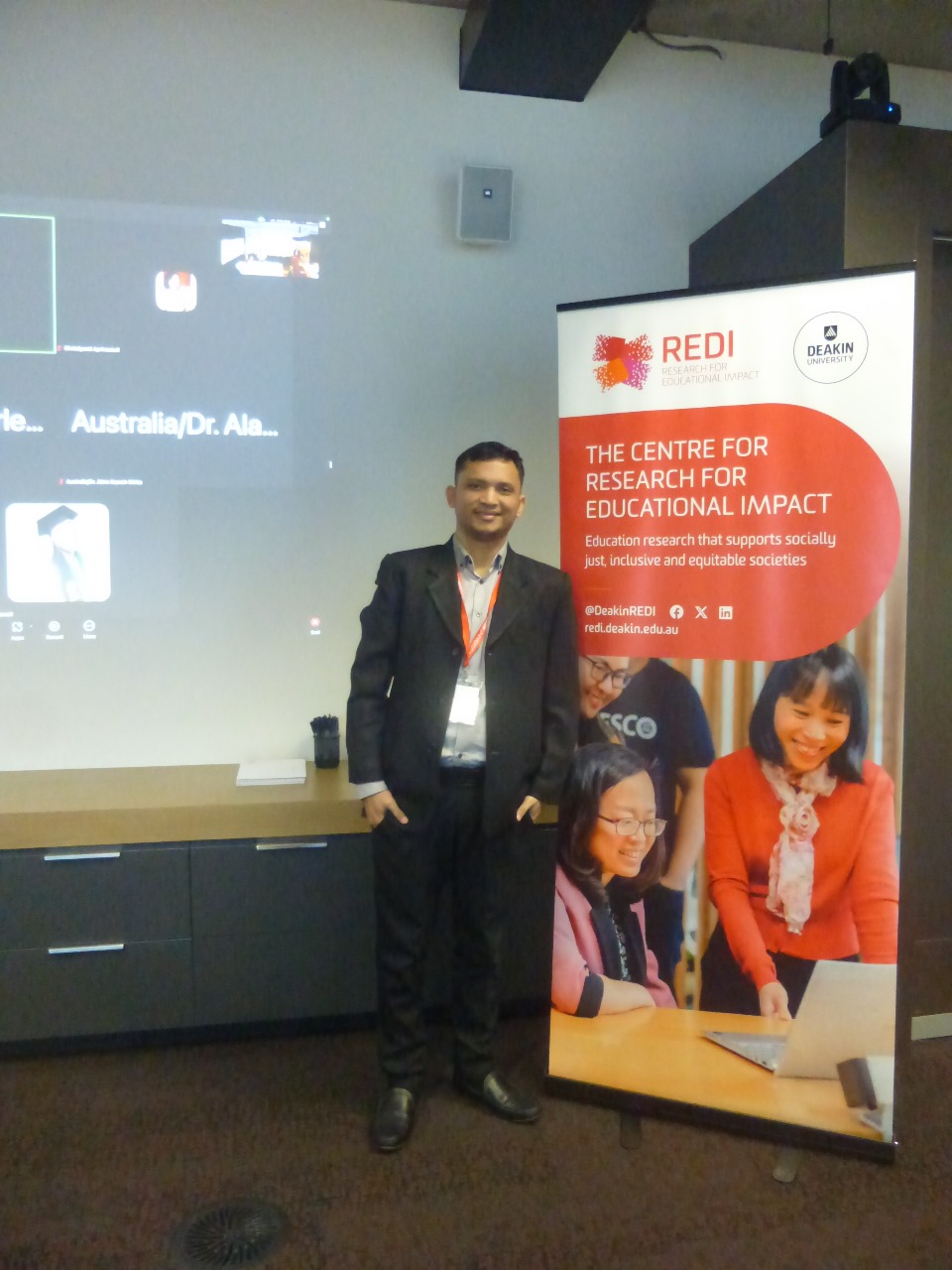
Being one of the paper presenters at the 10th SEA-DR is a big opportunity in my life. Attending this conference has colored my academic journey as a PhD student at FoE UIII. This international conference with the theme "Fostering Common Sense in Learning: Unveiling the Potential of Design Research" was hosted by Deakin University, Melbourne Australia on 15-16 July 2024. This conference aims to enhance collaboration and exchange of ideas between researchers and graduate students in implementing design research. Apart from that, the conference chaired by Assoc. Prof. Wanty Widjaja invited keynote speakers who are experts in the field of design research from various countries such as Prof. Fou-Lai Lin (Taiwan), Prof. Zsolt Lavicza (Austria), Assoc. Prof. Adi Nur Cahyono (Indonesia) and Prof. Maija Akslea (Finland).
Participating in the conference activities for two days deepened my knowledge in the field of design research. On the first day, the keynote speakers presented materials regarding designing learning workshops as co-learning settings, teacher innovation (augmented/virtual reality and 3D printing), and promoting STEM education through design research which in general provided the latest innovations regarding the development of design research in the world and how it influences teaching and learning in the classroom. Two insightful things are that teacher training is crucial in improving classroom learning and educational innovation in the world following the development of advanced technology nowadays. However, When I look back at my country, Indonesia, innovation is still not evenly distributed due to the lack of collaboration between various educational stakeholders. This conference reminded us of the benefits of design research as a powerful method in contributing to the richness of learning in the classroom. This opened my eyes to continue innovation and collaboration in design research that could enhance education quality in Indonesia.
The process of writing a paper presented at this conference was also quite challenging for me. The paper I wrote is a part of the results of the project “Spatial Reasoning and Numeracy Workshop for Early Childhood Educators” chaired by my advisor, Destina Winarti, Ph.D. We realize that Professional Development (PD) for kindergarten teachers in improving learning is still under discussion, particularly in spatial reasoning. The paper entitled "Designing Play-Based Spatial Reasoning Activities: A Professional Development Program for Early Childhood Education Teachers" aims to design professional development that helps teachers in designing play-based activities. After presenting it on the second day, I got critical questions about the continuation of this professional development in the classroom context. This question led to an exchange of ideas among the panels with positive energy. Also, I got networking from various countries, both Asia and Australia, to discuss the extent to which design research can influence classroom learning in our respective countries.
I reflect that innovation and collaboration between researchers and practitioners/teachers in Indonesia still need improvement. However, several reliable international assessments (e.g. PISA and TIMSS) that serve as a reference for the quality of education in a country place Indonesia as still below the average compared to other countries in the world. In fact, education in Indonesia still requires learning innovations that will produce effective learning. Furthermore, the keynote speaker also talked about the importance of working with the community to transfer design research into comprehensive education policies. Through this conference, implementing collaboration between teachers and researchers in design research in a sustainable manner is the key to improving classroom learning. In summary, as a young researcher, I have a strong desire to conduct design research and collaborate with various parties in creating sustainable educational innovations to accelerate the quality of education in Indonesia.