
Beyond ritual compliance: Rethinking religious education in an Islamic boarding school
 Maulana, M., Al Faruqi, M. I. H., & Ganiswari, S. (2026). Beyond ritual compliance: Rethinking religious education in an Islamic boarding school. British Journal of Religious Education, 1–18. https://doi.org/10.1080/01416200.2026.2734383
ABSTRACT
Islamic boarding schools are designed to provide holistic education integrating intellectual, moral and spiritual development, with religious education positioned at the core of daily life to cultivate spiritually conscious students (insan kamil). However, in practice, religious education within the dormitory setting is often perceived by students as routine obligations rather than meaningful formative process. This study explores how students perceive religious education in an Islamic boarding school and how these perceptions shape their motivation and engagement in religious practices. Employing a qualitative reflective–interpretive design, data were collected through participant observation of religious learning and worship activities, in-depth interviews with eight students, and researchers’ reflexive field notes as insider educators. Thematic analysis revealed that religious education is largely experienced as formalistic and compliance-driven. Students’ participation in religious activities is predominantly motivated by extrinsic factors, particularly institutional rules and disciplinary sanctions, rather than intrinsic spiritual awareness. Moreover, religious education is perceived as less legitimate and less consequential than formal academic schooling. These conditions constrain the transformative potential of Islamic education. The study calls for reorientation towards dialogical and reflective pedagogies that prioritise meaning-making and the internalisation of spiritual values, enabling boarding schools to more effectively nurture holistic and spiritually grounded students.
228 New Students from 18 Countries Join UIII for 2026/2027 Academic Year
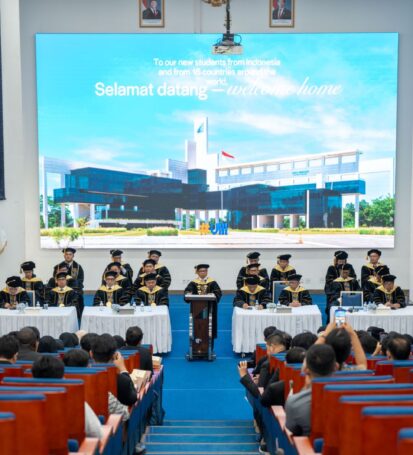 228 New Students from 18 Countries Join UIII for 2026/2027 Academic Year
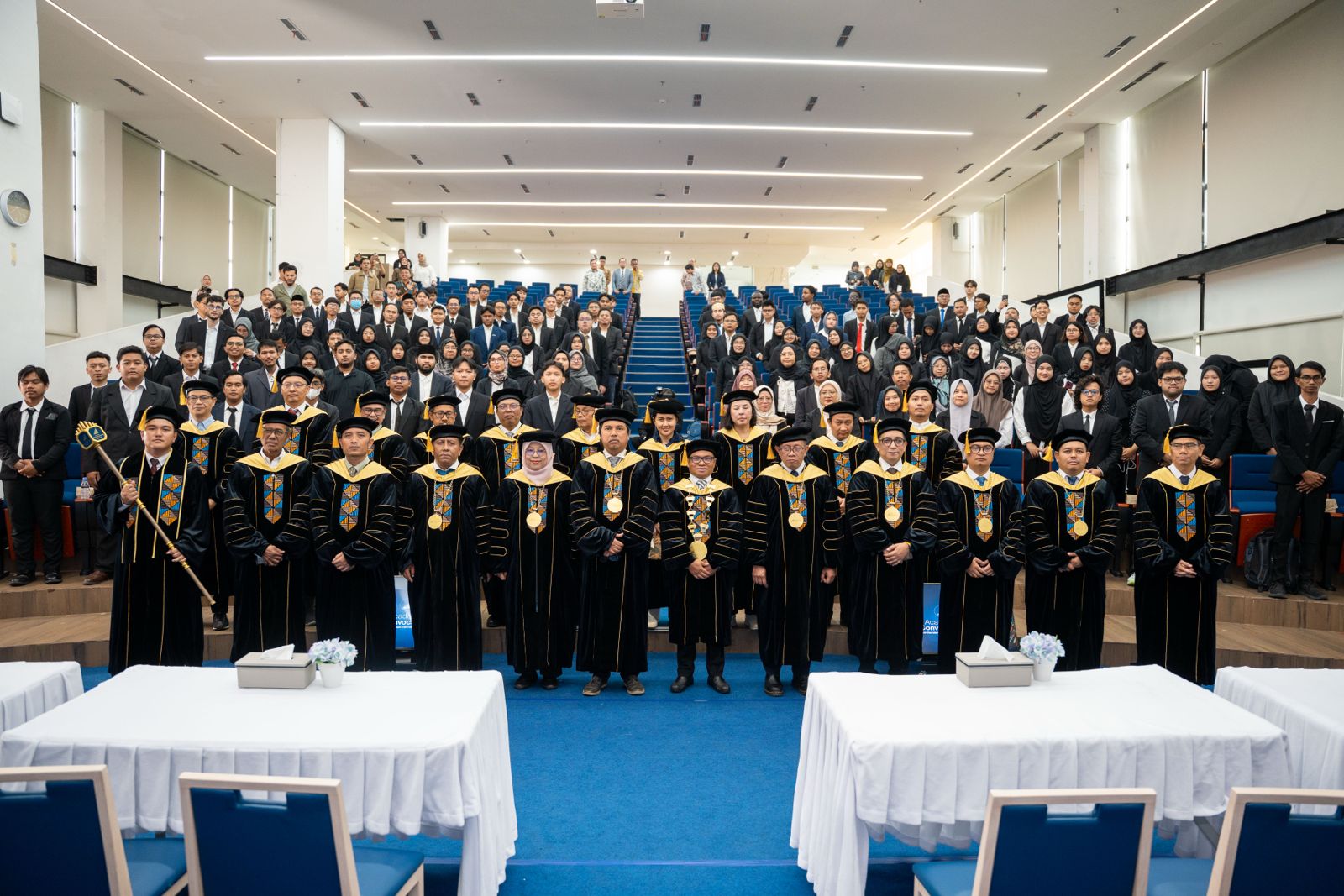 He also urged the incoming class to embody the university’s core principles. “Embrace the values of moderation, peace, and inclusivity. Face global challenges, and build bridges across cultures,” Prof. Jamhari said.
With students from 18 countries now on campus and the launch of its new Faculty of Law, UIII continues to expand its role as a global center for Islamic education. As the 2026/2027 academic year gets underway, the university expressed hope that its new students will treat their time at UIII as both a space for learning and a space for cross-cultural, cross-national dialogue, in keeping with its vision of championing moderation, peace, and inclusivity amid global diversity.
source: https://uiii.ac.id/228-new-students-from-18-countries-join-uiii-for-2026-2027-academic-year/
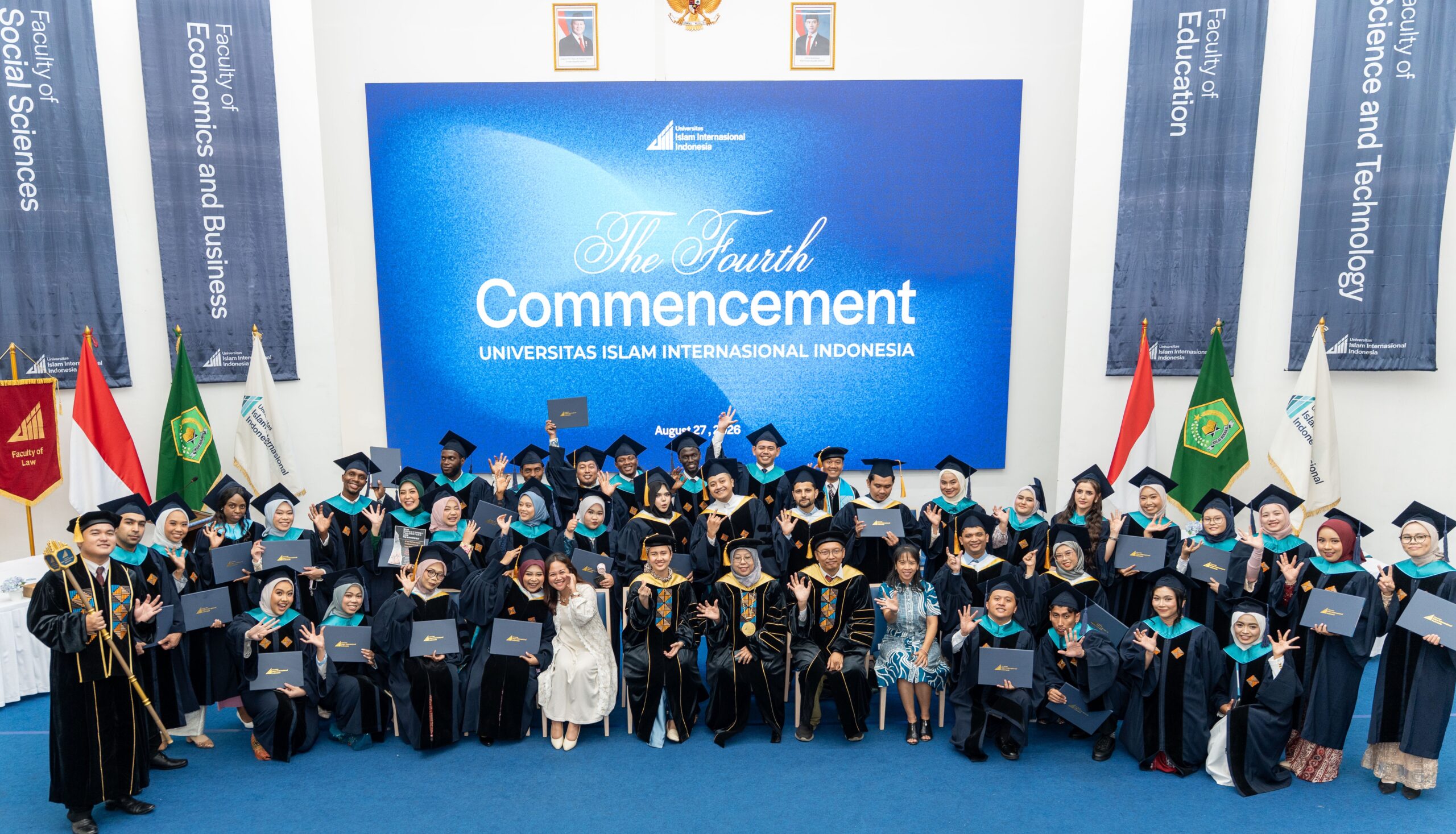
UIII Holds 2026 Commencement, Celebrates First Cohort of Doctoral Graduates
By Dadi Darmadi
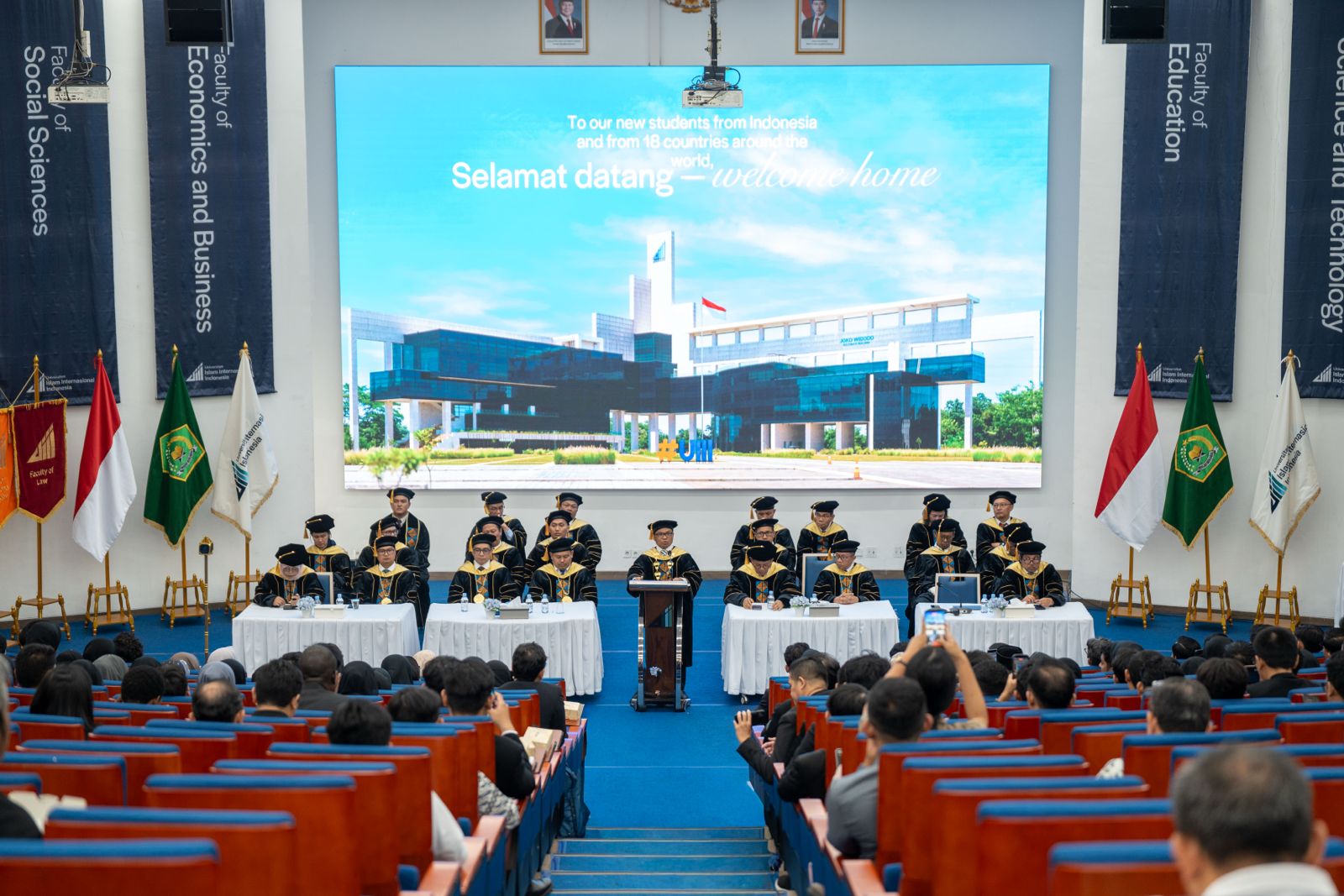
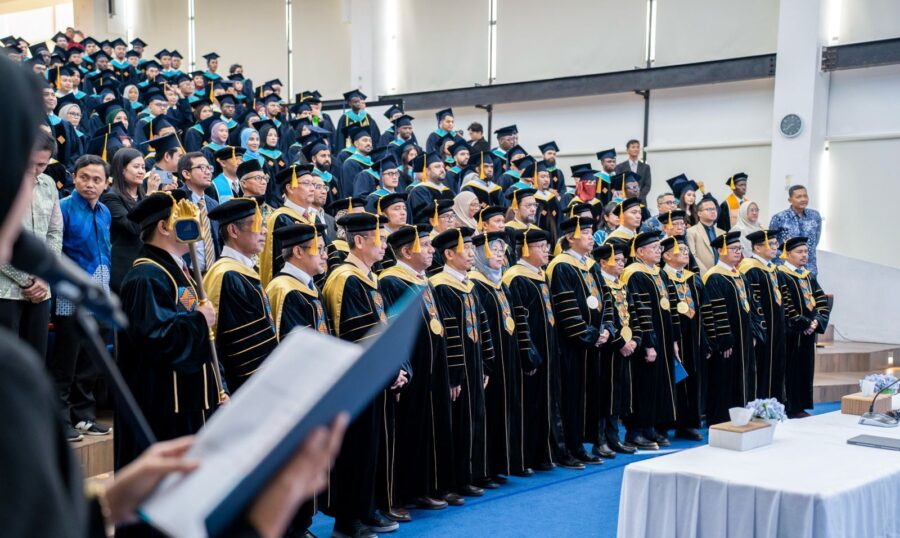
Depok, August 19, 2026 —Universitas Islam Internasional Indonesia (UIII) is holding its 2026 Commencement Ceremony today at the Lecture Hall, Rectorate Building, marking a significant milestone in the university’s development with the graduation of its first cohort of doctoral students.
A total of 204 graduates are being conferred Master’s and Doctoral degrees across UIII’s four faculties: the Faculty of Islamic Studies, Faculty of Social Sciences, Faculty of Economics and Business, and Faculty of Education.
The graduating class comprises 105 Indonesian graduates and 99 international graduates representing 22 countries, reflecting UIII’s distinctive character as an international university dedicated to advanced scholarship and research in an Islamic and global context.
The ceremony is presided over by Prof. Jamhari Makruf, PhD, Rector of UIII, and attended by members of the UIII Board of Trustees, Senate and university leadership, faculty members, staff, families, and distinguished guests.
First Doctoral Graduates Mark Historic Milestone
Among the 204 graduates are 34 doctoral graduates, representing the first graduating cohort of UIII’s doctoral programme.
In his commencement address, Rector Prof. Jamhari Makruf described the occasion as an important milestone in the development of UIII as a young international university.
“You are not simply the first doctoral graduates of UIII. You are helping write the first chapter of UIII’s intellectual history,” Prof. Jamhari said.
He emphasized that the significance of the doctoral graduates extends beyond receiving academic degrees.
“We are no longer only preparing students to receive degrees. We are developing scholars, researchers, professionals, and leaders who are expected to contribute new knowledge and new ideas to the world.”
The first doctoral cohort represents an important step in realizing UIII’s founding vision to become an international centre of excellence in Islamic higher education, scholarship, and research.
 An
An
International Intellectual Community
The 2026 graduating class demonstrates the international character that lies at the heart of UIII’s educational mission.
With graduates from 22 countries, the university brings together students from diverse cultural, national, and intellectual backgrounds. According to Assoc. Prof. Dr. Phil. Syafiq Hasyim, Vice Rector for Academic and Student Affairs, this diversity is not simply a demographic feature of UIII, but an essential part of its educational experience.
“At UIII, internationalization is not simply about bringing people from different countries into the same classroom. It is about learning to see the world through perspectives other than our own,” he said.
Through this international academic environment, UIII seeks to foster intellectual openness, dialogue across differences, academic excellence, and an understanding of Islam that engages constructively with contemporary global challenges.
The Vice Rector also highlighted UIII’s position as an Indonesian contribution to the wider global conversation on Islam, knowledge, society, and humanity.
“This university was established with the confidence that Indonesia’s experience of Islam, pluralism, democracy, education, and intellectual engagement has something meaningful to contribute to the wider world,” Syafiq Hasyim said.
From Students to Members of the UIII Family
Beyond the academic achievement represented by graduation, the ceremony also marks the beginning of a lasting relationship between graduates and the university.
Prof. Jamhari reminded the graduates that “UIII is a family”, emphasizing that graduation does not mean leaving the university community behind.
“You may leave the campus today, but becoming a graduate does not mean you can escape UIII,” he said with a lighthearted note, encouraging graduates to remain connected with the university and with one another.
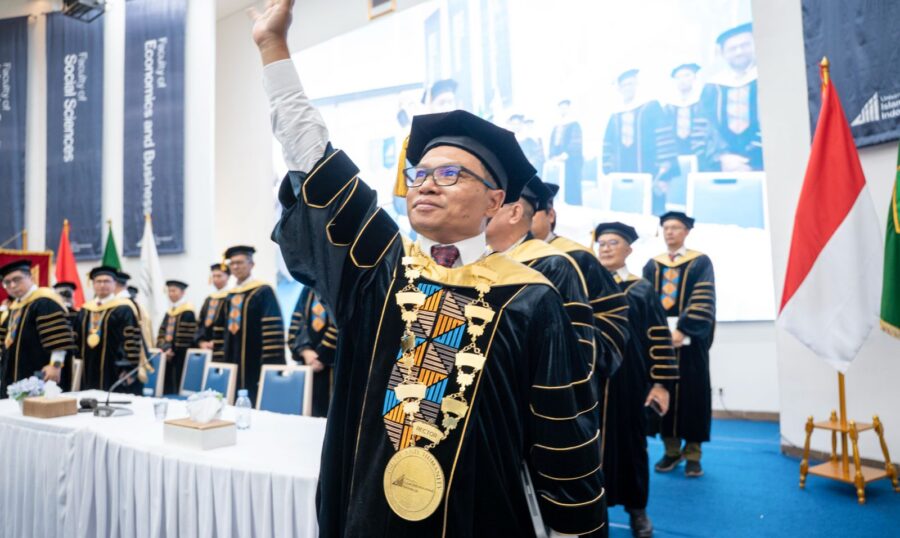
The Rector encouraged alumni to contribute to UIII’s continued development through research, collaboration, professional networks, mentorship, and other forms of engagement. He also invited graduates and the wider UIII community to support the development of the UIII endowment, which is intended to strengthen the university and expand opportunities for future generations of students.
“A family is not only a place from which we receive. It is also a place to which we give,” Prof. Jamhari said.
Knowledge with Responsibility
Addressing the graduating class, the Rector stressed that academic achievement must be accompanied by ethical responsibility.
“A degree is not the destination of education. It is a responsibility,” he said.
He encouraged graduates to enter their professional and intellectual lives with both confidence and humility, particularly in a world facing political polarization, technological disruption, economic inequality, environmental challenges, conflict, and increasing social and cultural divisions.
Prof. Jamhari urged graduates to think critically while maintaining humility, to disagree without losing respect, and to defend their principles without dehumanizing others.
He also encouraged them to remain committed to lifelong learning and to use their knowledge in the service of their communities, their countries, Indonesia, and humanity more broadly.
Carrying UIII Beyond the Campus
The 2026 graduates will now join the growing international community of UIII alumni, taking their academic experiences and connections from Depok to communities and institutions across Indonesia and around the world.
“Wherever you go—from Indonesia to Pakistan, Nigeria, The Gambia, Afghanistan, Tanzania, and the many other countries represented in this graduating class—you will carry a part of UIII with you,” Prof. Jamhari said.
He encouraged graduates to become ambassadors not only of UIII, but also of the values cultivated through their education: intellectual openness, academic integrity, mutual respect, and an Islam that contributes constructively to humanity.
As UIII celebrates its 2026 graduating class, the university also looks ahead to the next chapter of its development—strengthening its academic programmes, expanding international partnerships, producing new scholarships, and building an enduring community of scholars and alumni.
The 2026 Commencement therefore represents both an ending and a beginning: the completion of an important academic journey for 204 graduates and the emergence of a new generation of scholars, professionals, leaders, and members of the growing UIII family.
Congratulations to the UIII Class of 2026!
source: https://uiii.ac.id/uiii-holds-2026-commencement-celebrates-first-cohort-of-doctoral-graduates/
A Reflection on My Journey at UIII
A Reflection on My Journey at UIII
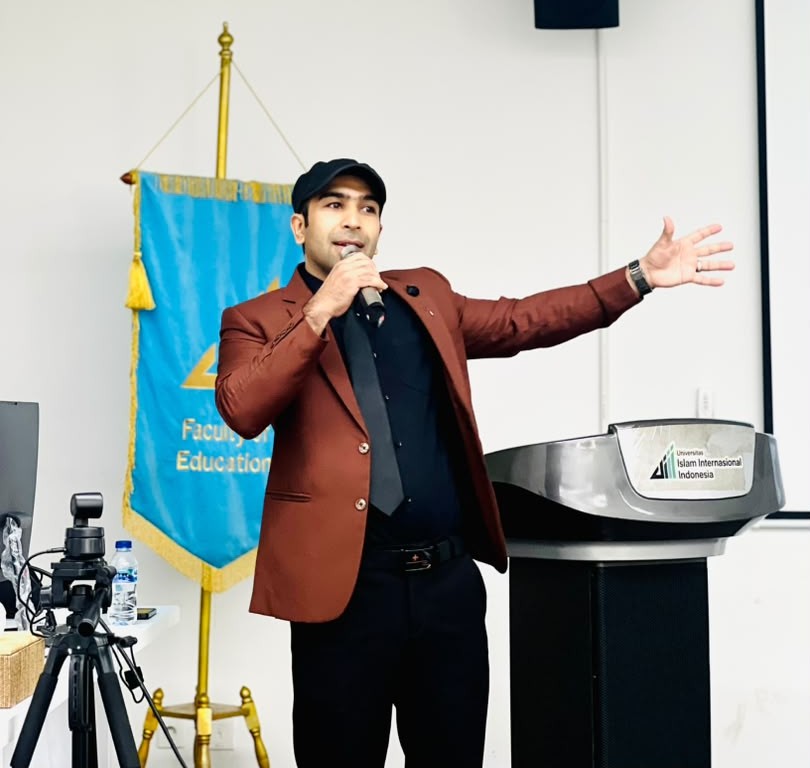
By Mohammad Dawood Alkozay (M.A in Education batch 4 student)
I still remember, as if it happened only yesterday, the day I held my ticket and my visa in my hand, ready to travel to Indonesia. That feeling has not faded from my memory even a little bit, although now, when I look back, I cannot believe that it has already been two years since that day. Time here has passed so fast, faster than I ever expected. Maybe it is because Indonesia does not have four different seasons like my home country, so the days blend into each other without me noticing. Or maybe, and I think this is the real reason, it is because I have been happier here than I thought I would be, and happiness always makes time move quickly without permission.
Since I was young, it had always been my dream to study abroad one day and to know, with my own eyes and ears, what it truly means to live inside an international community, surrounded by people from every corner of the world. I have always held the belief that human beings do not learn only from the pages of a book. We learn, perhaps even more, from experience and from meeting people who are different from us. To me, every person is like a book waiting to be read, because every person carries their own ideas and their own beliefs inside them, and once we open ourselves to interaction with them, a new window opens in our mind that shows us a way of thinking we had never considered before.
Honestly speaking, when I first started this program, I was not very interested in the field of Education itself. My heart and my mind were somewhere else. But slowly, day by day, I began to learn things that I could never have learned if I had not come to Indonesia. Most of what I gained did not come only from my lecturers or from the articles I read, though those were valuable too, but from the interactions I had with different individuals around me. I built friendships here, real friendships, the kind that I believe will remain with me until the end of my life. At the same time, the lessons I received from my professors and from the books they gave me opened new horizons in the way I see the world. They deepened my understanding of education, of how important it is for mankind, and of how much it contributes to shaping individuals who can, in turn, shape a better society.
Beyond the classroom, living in Indonesia taught me lessons of a more practical kind, lessons that no amount of money could ever buy, no matter how much I paid for my studies. Here, I learned the value of things I had always taken for granted back home. Cooking my own food, washing my own clothes, cleaning my own room, going out to buy groceries, all these small and ordinary tasks made me finally understand how much time and effort my mother and my sisters had been saving for me all those years, quietly, without me ever noticing. I did not know the true value of what they did for me until I had to do it all by myself, far away from them. There is a well-known saying in the Persian language, which, translated simply, means that a man cannot become a complete man without traveling. I feel, now, that I have become more complete, and that I have gained a kind of maturity that I believe will help me live a happier and more grounded life once I return to my country.
I truly believe that studying here will open many doors for me in the future, even though I come from a country that has suffered from war for a long time, where finding proper employment is never an easy task. But even if those doors do not open as I hope, I will never regret the decision I made to come and study at UIII. What I have learned here, I would not exchange for millions of dollars. I am deeply thankful to the administration of UIII for giving me this opportunity, and I am equally thankful to my instructors, who I once thought were not doing enough to help me, but whom I later understood were doing exactly what a teacher should do.
I remember, for instance, during my thesis writing I went to my first thesis supervisor, with a question about which theory I should use for my research. Instead of simply telling me the answer, he would point to a book on his shelf and ask me to read it myself. At first, I found this frustrating, even a little strange, and I wondered why he would not simply name the correct theory and save my time. It was only later that I came to understand that what he was doing was, in fact, the right way to teach. By guiding me toward books instead of giving me easy answers, he was showing me the most practical way to learn how to think and work as a proper researcher. I once believed this method was a waste of time, but now I know how much I gained from those very books he recommended. There are many more stories like this one that I wish I could share, but the limits of this reflection do not allow me to write them all here.
As I sit here now, trying to gather all these memories into words, I realize that no reflection, however long, could ever truly capture what these years in Indonesia have given me. UIII was not only a place where I studied for a degree; it was a place where I grew, quietly and slowly, into a person I did not know I could become. I came here as a student searching for knowledge, but I am leaving as someone who has also found friendship, patience, humility, and a deeper love for learning itself. Whatever the future holds for me, whether the doors of opportunity open easily or not, I will always carry this chapter of my life close to my heart. To Indonesia, to UIII, and to everyone who walked a part of this journey with me, I owe a debt of gratitude that words alone cannot repay.
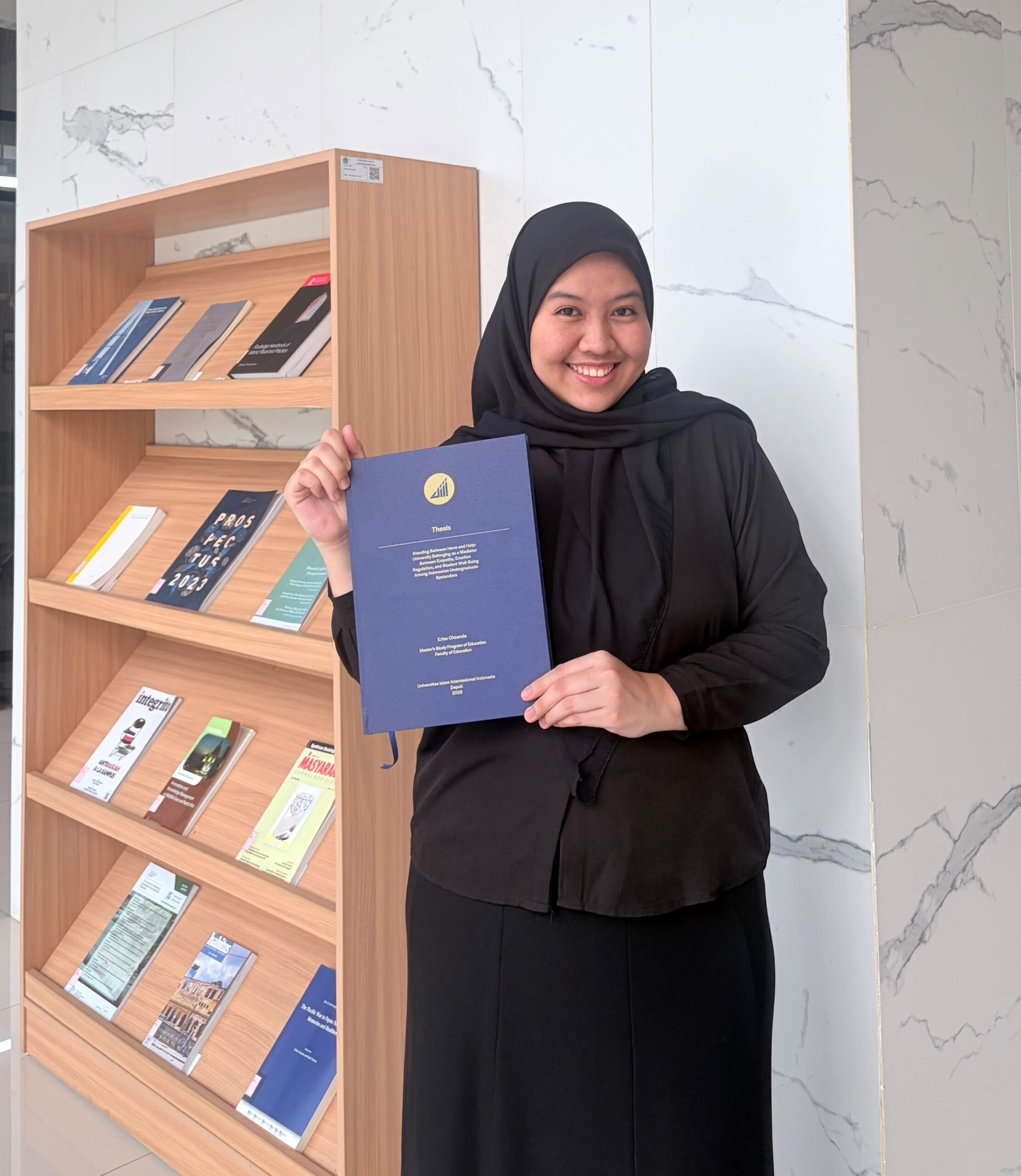
Learning to Look Beyond the Individual: Reflections on the Thesis Journey
Learning to Look Beyond the Individual: Reflections on the Thesis Journey
by Erisa Oksanda
The idea of my thesis research topic came from the discomfort about the issue of bullying in higher education in Indonesia. Bullying in educational settings was always concerning for me and as I read more, I noticed many discussions centered only on victim and perpetrator, while few research discusses bystanders in the dynamic of bullying. The concern about bullying slowly becomes curiosity and leads to research ideas.
Having an interesting idea was only the beginning of my thesis journey. “Bystander” turned out have a broader concept than I expected. I spent some time to define what I wanted to study and considering the time so I can realistically finish my thesis on time. Throughout the process, my conceptual framework also changed several times as I got more insight from the reading material that I found and started to question my understanding. In this journey, I am lucky to have Dr. Charyna as my supervisor who always patiently guided me to untangle my confusion. Beside constructing a suitable framework for my thesis, I also need to find the appropriate instrument to measure my variables within the framework. This phase felt like another roller coaster ride for me. I feel lucky to have had Dr. Bambang as my supervisor, who patiently guided me throughout the process, from finding instruments to reporting my findings.
The results were probably the part of the thesis that surprised me a lot. Some of my findings came out different from what I had expected based on previous literature, particularly previous literature conducted outside the Southeast Asian context. For instance, my finding showed that 80% of the bystanders in my study reported that they had helped a victim of bullying at least once during their time in the university. This was interesting because previous literature I found described bystanders as being reluctant to intervene. Instead of simply seeing my finding as contradictory, I started wondering whether it was telling me something about how we define bystanders and how bystander behavior may be shaped by the Indonesian educational and cultural context.
This was also where I felt my perspective as a researcher started to develop. My undergraduate background in Psychology has taught me to think about individuals, psychological constructs, theories, and measurement. That background was helpful when developing my thesis framework and working with psychological instruments. However, studying Education encouraged me to look beyond the individual. I began to ask how psychological processes occur within educational environments and relationships. In my thesis, empathy and emotion regulation were not simply individual psychological characteristics, they were connected to students’ experiences as members of a university community and to how they responded to bullying around them.
I feel that my thesis journey is not only a process to earn another degree but also a transition between the two fields. In Psychology, I was often interested in understanding why individuals think, feel, or behave in certain ways. Through education, I became increasingly interested in how those processes are shaped by context. The bystander became particularly meaningful to me because a bystander is not simply an individual who possesses certain psychological characteristics. A bystander is also a student, a peer, and a member of an educational community who has to make decisions within a particular social environment.
Looking back, I do not think I could have predicted how this thesis would develop when I first brainstormed the idea. There were many moments of confusion, methodological challenges, unexpected findings, and countless discussions with my supervisors. Yet, those challenges were also what made the process meaningful. My supervisors' guidance helped me move from a broad concern about bullying to a focused research question, from uncertainty about measurement to conducting pilot testing to collecting the primary data, and finally from simply reporting results to asking what those results might mean.
Most importantly, I learned that completing a thesis is not only about producing a final document. It is the process where I am starting to question definitions, reconsider assumptions, and recognize when a result opens a new question rather than providing a final answer. My thesis writing journey has made me realize that I do not want to look at human behavior only as an individual phenomenon. I want to understand people within the contexts in which they learn, interact, belong, and grow. In that sense, this thesis has been not only an academic project, but also an important part of discovering what kind of researcher I want to become.
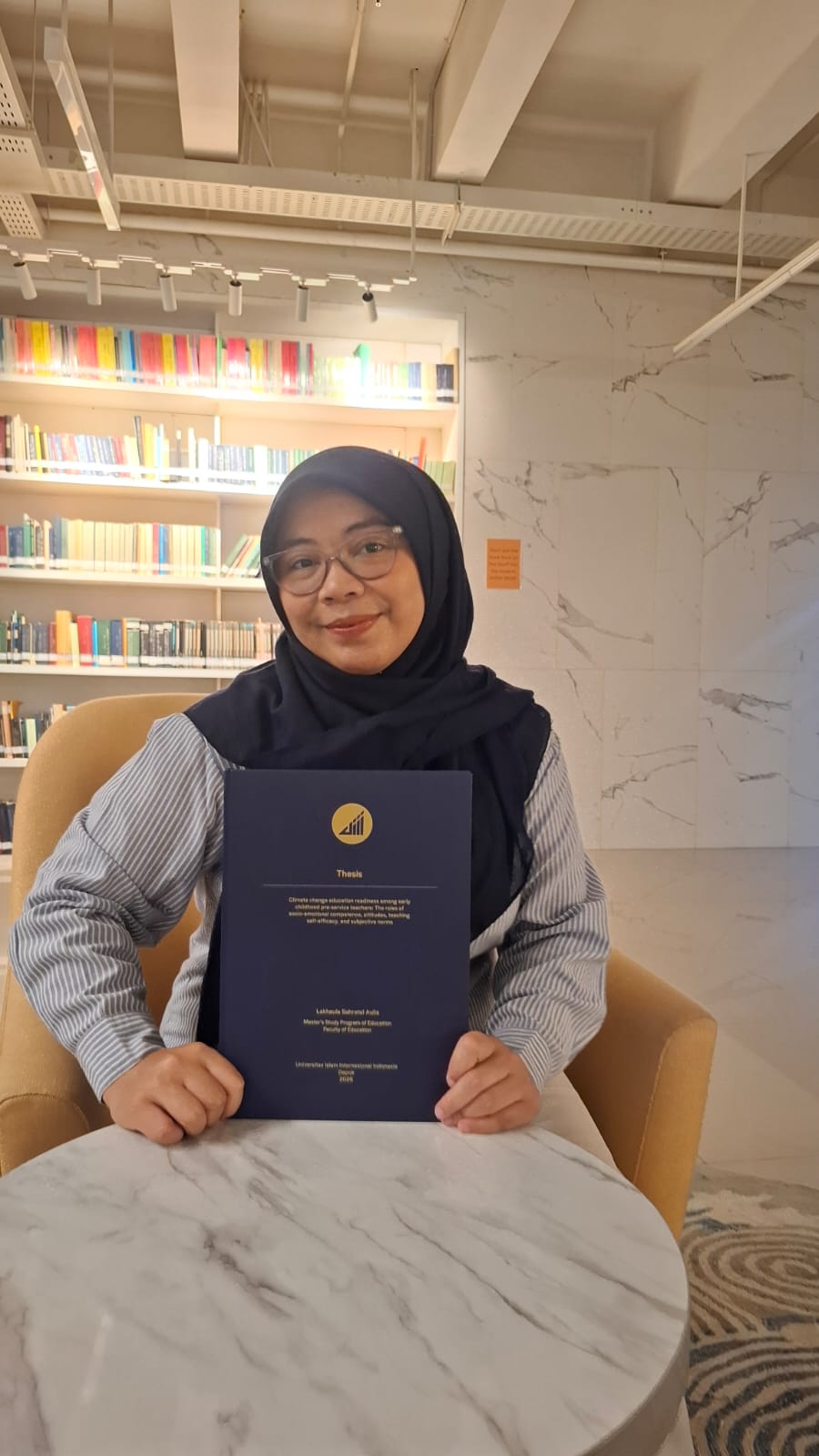
Becoming a Researcher, One Revision at a Time
Becoming a Researcher, One Revision at a Time
By Lakhaula Sahrotul Aulia
My thesis journey began around July 2025, when I started brainstorming what I wanted to study. Since the Indonesian government launched its climate change education guidelines at the end of 2024, I have been interested in exploring climate change education. However, I quickly learned that having an interesting idea was not enough. I needed to understand what had been studied, where the gaps were, and, most importantly, what could actually be investigated and measured.
This was when the literature review became both exciting and overwhelming. As I read, my conceptual and theoretical frameworks developed alongside each other, but my ideas kept changing. I explored misconceptions, reconsidered my variables, questioned how they should be measured, and even considered a mixed-methods approach before deciding to remain with a quantitative design. Conversations with several lecturers helped me see my research from different perspectives, but ultimately, I had to keep questioning my own choices. It took me ten revisions before I finally arrived at my final conceptual framework, each revision was accompanied by extensive literature review.
Looking back, determining my variables and figuring out how to measure them was probably the most challenging part of my thesis journey. A research idea can sound convincing in theory, but quantitative research requires those ideas to become measurable constructs. I often felt alone in this process because everyone was busy developing their own research.
Once my framework was finalized, however, the literature review became much easier to write because I had already read and organized so much. Even before having an official thesis supervisor, I was grateful that UIII lecturers were always open to discussion. That culture of intellectual generosity became an important part of my learning experience.
While many people felt relieved after the proposal seminar, those of us conducting quantitative research were entering another demanding stage: instrument adaptation. Finding a validated instrument was only the beginning. We still needed to translate it, conduct expert judgment, and pilot test it to ensure validity and reliability. I completed my expert judgment during the last week of Ramadan and remain deeply grateful to the experts who generously gave their time and expertise.
My instrument required two rounds of pilot testing. While some of my friends could proceed to their main data collection after one pilot, I had to revise several items and conduct another round. I felt left behind and had to postpone my main data collection by approximately two weeks. But I did it anyway. Throughout this process, A/Prof. Bambang was incredibly responsive whenever I reported my Rasch analysis, helping me move quickly to the next stage.
Then came data collection, which became another unexpected challenge. My study required participants from twelve universities, while I had almost no connections within PGPAUD or PIAUD departments because my own background was in science education. I was genuinely worried that I would not reach my required sample size.
So, I tried everything I could: asking friends for contacts, messaging student associations on Instagram, searching university websites, contacting lecturers through email, and eventually recruiting research assistants. I never expected to have sixteen research assistants across twelve universities. Together, they helped collect data from 521 participants. Considering my limited positionality and connections within the field, this remains one of the achievements I am most proud of.
After data collection, the challenges continued. I had to repeat my analyses several times because of small but consequential mistakes: entering the wrong table code in Winsteps, changing a Likert scale incorrectly, or forgetting to reverse-code an item. Sometimes, I had to start the analysis again from the beginning. It was incredibly frustrating. When I told Dr. Destina how overwhelmed I was, she advised me to step away and return with a fresh mind. So I stopped working for a day to cry, spent a couple of days doing almost nothing, and, admittedly, bothering my friends.
Strangely enough, when I returned, the analysis went much more smoothly. I learned that data analysis requires not only technical competence but also a clear mind. During this stage, Dr. Bambang provided crucial technical support, while Dr. Destina provided the moral support that kept me going. Both were essential to completing my thesis.
The final challenge was writing the discussion. By then, I was honestly tired of my own research. I already knew my results, so returning to the literature felt exhausting. Yet this stage reminded me why all those months of reading had mattered. I had organized my papers by theme, renamed them so they were easier to find, highlighted them, and carefully stored them in Zotero. Suddenly, finding the literature I needed was much easier. My past overthinking self had, in a way, made my future self's work easier.
More broadly, I realized that every course I took at UIII eventually led me to this thesis. What I learned about paradigms, methodology, measurement, analysis, and interpretation became part of how I designed and conducted my own research. The high standards maintained by UIII lecturers challenged me to take research seriously and gradually gave me confidence in my own abilities.
This thesis also helped me secure a job before I even graduated from my master's degree, and for that, I am especially grateful to Dr. Destina for supporting my research idea from the very beginning.
I came to UIII with very limited research skills. I leave having conceptualized, designed, conducted, analyzed, and written my own research. Of course, I did not do it entirely alone. I was supported by lecturers, experts, friends, research assistants, and an academic environment that challenged me to do better. But the research itself became mine: an idea I developed, a study I carried out, and a thesis I wrote.
And perhaps that is what makes this journey meaningful to me. Somewhere between ten conceptual frameworks, two pilot tests, sixteen research assistants, 521 participants, repeated analyses, frustration, tears, and far too much overthinking, I realized that I had become a researcher. A junior one, still, but one nonetheless.
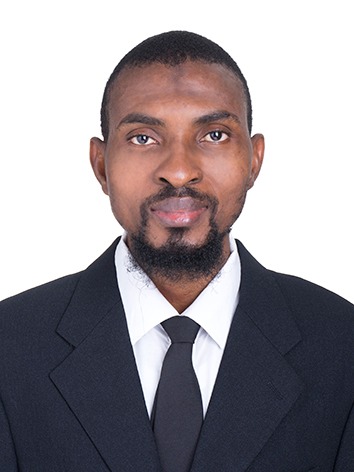
Two Years, One Journey: Reflection on Learning, Sacrifice, and Growth at UIII
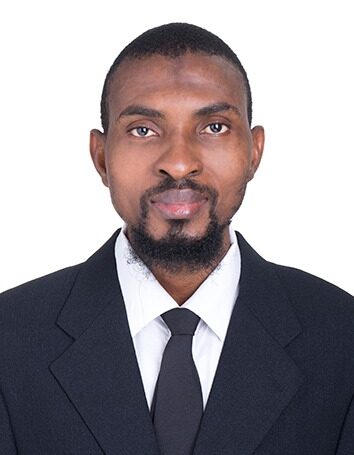 Two Years, One Journey: Reflection on Learning, Sacrifice, and Growth at UIII
by Sheu-Tijani Aminu Opeyemi
Batch 4 MA in Education @ Universitas Islam Internasional Indonesia
The completion of master’s program marks an important milestone in my academic career. From the beginning, when I received the news of my admission to Universitas Islam Internasional Indonesia (UIII) on a scholarship, I felt a mixture of nervousness, curiosity, and joy for the chance to continue my academic pursuit, after having taken a break from formal study for several years. This opportunity was particularly meaningful to me as it came after several earlier, unsuccessful efforts to secure a scholarship. My nervousness stemmed from uncertainty about what to expect, how to meet the expectations of my esteemed host university, how to navigate a new environment where I would learn alongside individuals from diverse contexts and backgrounds as well as the reality of leaving family behind for two years.
Upon arriving at UIII on 31 October 2024, I was eager to start my studies, interact with new colleagues and experience Indonesia’s culturally and religiously diverse environment. One of my first notable experiences was a sightseeing trip to Jakarta planned by my newly met course mates. This experience gradually eased my initial nervousness as I began to feel the geniality, hospitality and embracing nature of the host community particularly the Indonesian people.
Beyond this sightseeing experience, my encounters with amiable lecturers in my programme of study, the administrative staff of the faculty, and the wider university community created a profound and positive impression on me. Unlike my Bachelor experience, which was largely focused on coursework; my study at UIII introduced me to a more research-oriented approach to graduate education. The lecturers devotedly guided us towards becoming academic researchers by focusing our attention on academic writing, educational principles and theories and research methodologies. From the outset, courses in research writing, Wasatiyyah, qualitative and quantitative methods, psychology and philosophy of education broadened my understanding of education and strengthened my foundation for academic inquiry.
By the time I completed my first year, I had become increasingly appreciative of the rare opportunity to learn and grow academically in such an intellectually enriched setting. I was particularly inspired by the grace to learn from highly accomplished academicians many of whom had obtained their doctoral degrees from renowned universities abroad. Their diverse expertise, perspectives, and commitment to inclusive teaching significantly enriched my learning experience. The lectures were thoughtfully structured to accommodate our diverse backgrounds, allowing us to engage in discussions and exchange ideas through the lenses of different cultures and countries of origin. This experience taught me that diversity is not merely a feature of an international university; it is itself a valuable source of learning.
At this stage, even though I did not yet consider myself a scholarly contributor, I could evidently see and appreciate how my research knowledge and skills were developing in a gradual process. I became increasingly hopeful that, with continued learning, practice, and dedication, I would eventually be able to make meaningful contributions to knowledge production. I came to appreciate this development even more as I began considering an appropriate topic for my thesis. Initially the prospect of developing and completing a thesis seemed to be a considerable challenge and a source of pressure. However, the knowledge and skills I acquired through coursework in identifying research gaps, formulating research problems, systematically reviewing the literature, and applying the right research approaches positioned me to undertake the assignment with a greater sense of confidence. Together with the additional concentration courses I undertook alongside the core courses, this training enabled me to transform what initially seemed like a daunting task into a more manageable academic endeavour.
During this period, the university also provided me and some of my colleagues with the opportunity to apply our learning through an internship program in different academic institutions. I provided administrative and academic support to senior staff, which allowed me to connect some of the knowledge gained in the classroom with practical experiences within an educational institution. The experience further broadened my understanding of how academic and administrative responsibilities work together to support the effective functioning of educational institutions.
Beyond this academic experience, my time in Indonesia has also shaped my understanding of how hospitality, dedication, commitment, and institutional responsibility can contribute to organisational and national development. Observing how different units within the university worked together to ensure its smooth functioning gave me a deeper appreciation of cooperation and collective responsibility. The relationships and my daily interactions outside the academic setting offered a worthwhile experience. Personal observations and conversations with the people of Indonesia increased my appreciation of the country and its people. In many aspects I have felt welcomed and relaxed in Indonesia, and this has made it feel more like I have come here to build relationships and create memories in a real way, than just to study for a degree programme only. I am very thankful for the opportunity to experience this part of Indonesia life; I hope my relationship with Indonesia and the people will not stop after my graduation.
The two-year journey has not been easy, however. It was tough to be away from my family, my wife and four children for so long. These experiences have helped me to appreciate the wisdom that comes from the Qur'anic Guidance regarding family and dwellings, “Askinuhunna min haythu sakantum”— “Lodge them where you dwell” (Qur'an 65:6). The experience was a reminder to me how valuable family is and how much of a sacrifice it is to pursue knowledge.
In retrospect, I thank God for His grace and strength to get through to the end. I am equally grateful to UIII, my lecturers, colleagues, and host community for creating an environment where I felt safe, welcomed and supported. I found their kindness transforming what seemed a daunting journey to one of the most important of my academic and personal growth.
A journey of a thousand miles is said to begin with a single step. My experience at UIII was a journey of uncertainty that culminated in gratitude, growth, and a redefined purpose. I am leaving this programme not only with a master’s degree but also sound research skills, intellectual depths, and strong relationships. Most importantly, I take with me my renewed dedication to put what I learned into practice for the benefit of education and society.