Scholars-in-Residence (SIR) Fellows Batch 7, Faculty of Education UIII

Scholars-in-Residence (SIR) Fellows batch 7, Faculty of Education - UIII
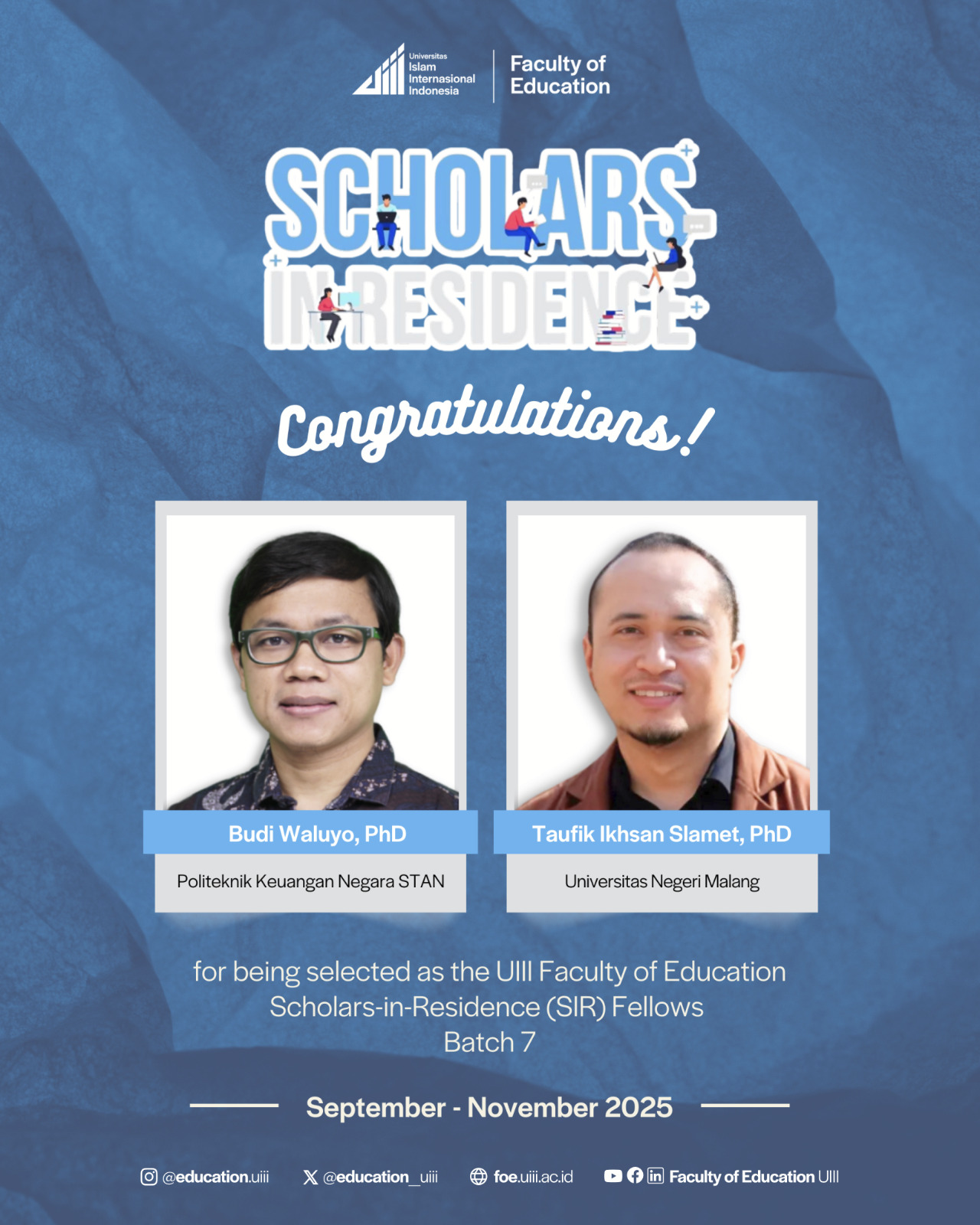
The Faculty of Education is delighted to introduce and announce the result of the Scholars-in-Residence (SIR) Program (Batch 7 for September – November, 2025). Theya are: Budi Waluyo, PhD (from Politeknik Keuangan Negara STAN) and Taufik Ikhsan Slamet, PhD (Universitas Negeri Malang). Both of them will be participated in many academic activities in the faculty, such as a guest lecturer in MA and PhD courses, giving seminar in Lunch Talk series, open for discussion and consultation for MA and PhD students in the faculty, as well as in social activities too. Welcome Pak Budi and Pak Taufik.

Muhammadiyah Bugis-Makassar: Dispersal of Muslim Organizations in and from South Sulawesi
 Halim, W., & Nubowo, A. (2025). Muhammadiyah Bugis-Makassar: Dispersal of Muslim Organizations in and from South Sulawesi, Indonesia . Studia Islamika, 32(2), 313–346. https://doi.org/10.36712/sdi.v32i2.4254
Abstract
This study examines the dispersal of Islamic authority within Muhammadiyah in South Sulawesi and how local cultural values influence Islamic reformism. It highlights the emergence of new organizations such as Darul Istiqamah, Hidayatullah, and Wahdah Islamiyah, founded by Muhammadiyah activists with distinct institutional paths. These organizations emerged through ideological shift, cultural entrepreneurship, and political opportunity. Bugis-Makassar values, particularly siri’ (shame and dignity) and pessé/paccé (solidarity), promote independent leadership and institutional creation over internal compromise. Drawing on political opportunity, resource mobilization, and sectarianization theories, the study shows that religious authority dispersal is shaped by local socio-cultural logics. The Darul Islam movement’s legacy further supports more rigid reformist visions. Rather than fragmentation, this process reflects culturally mediated adaptation and innovation. The concept of “Muhammadiyah Bugis-Makassar” illustrates how local cultural dynamics catalyze Islamic reform into networked activism, where regional values reshape organizational boundaries and influence broader Islamic movements. This framework offers insights into cultural mediation of Islamic reform trajectories across Indonesia.

FoE Celebrates 2025 Judicium Ceremony, Honoring Best Graduate and Best Thesis Awards

Contributor: Supriyono | Editor: Dadi Darmadi | Photo: Virda L. Umam
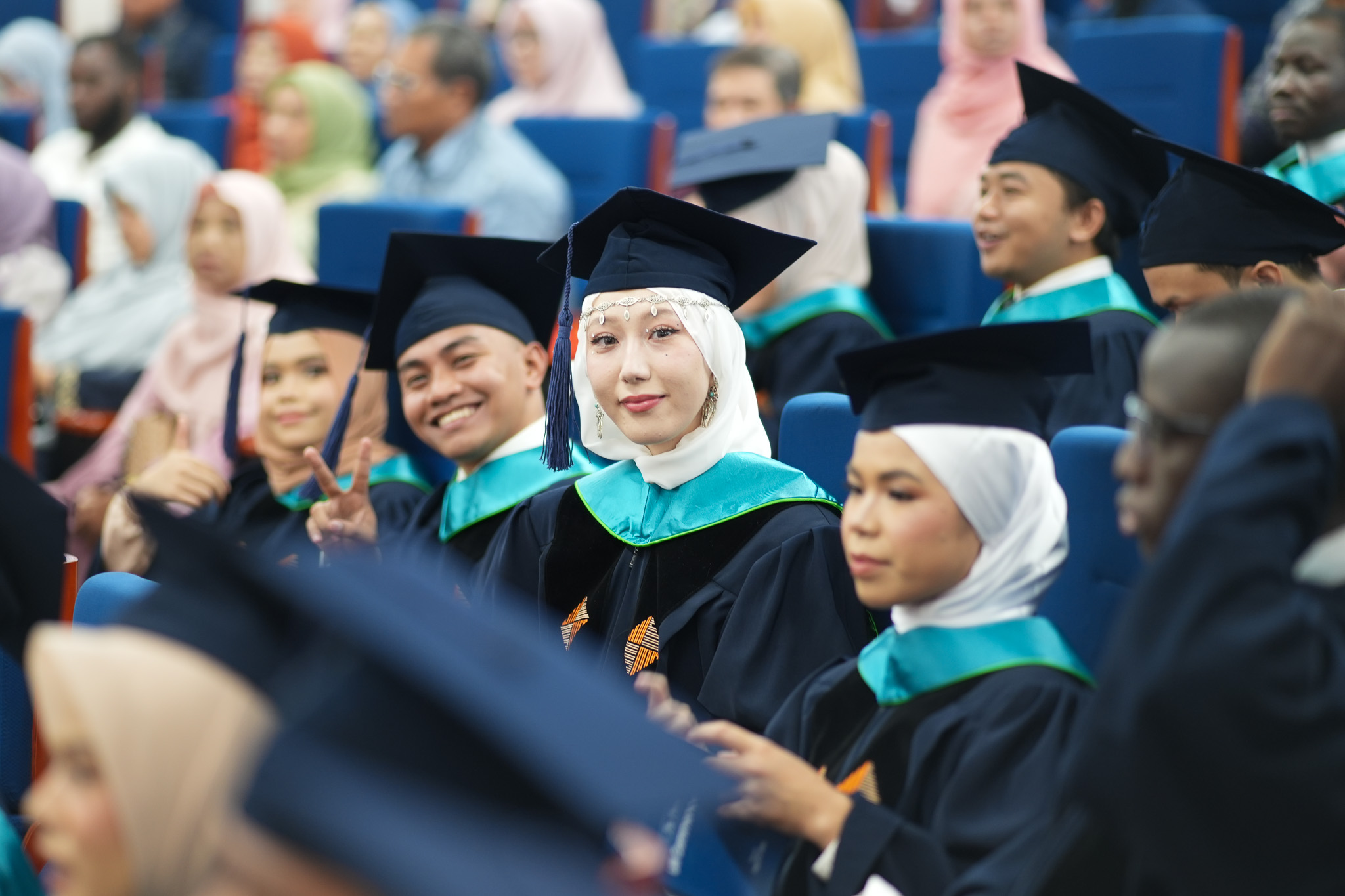
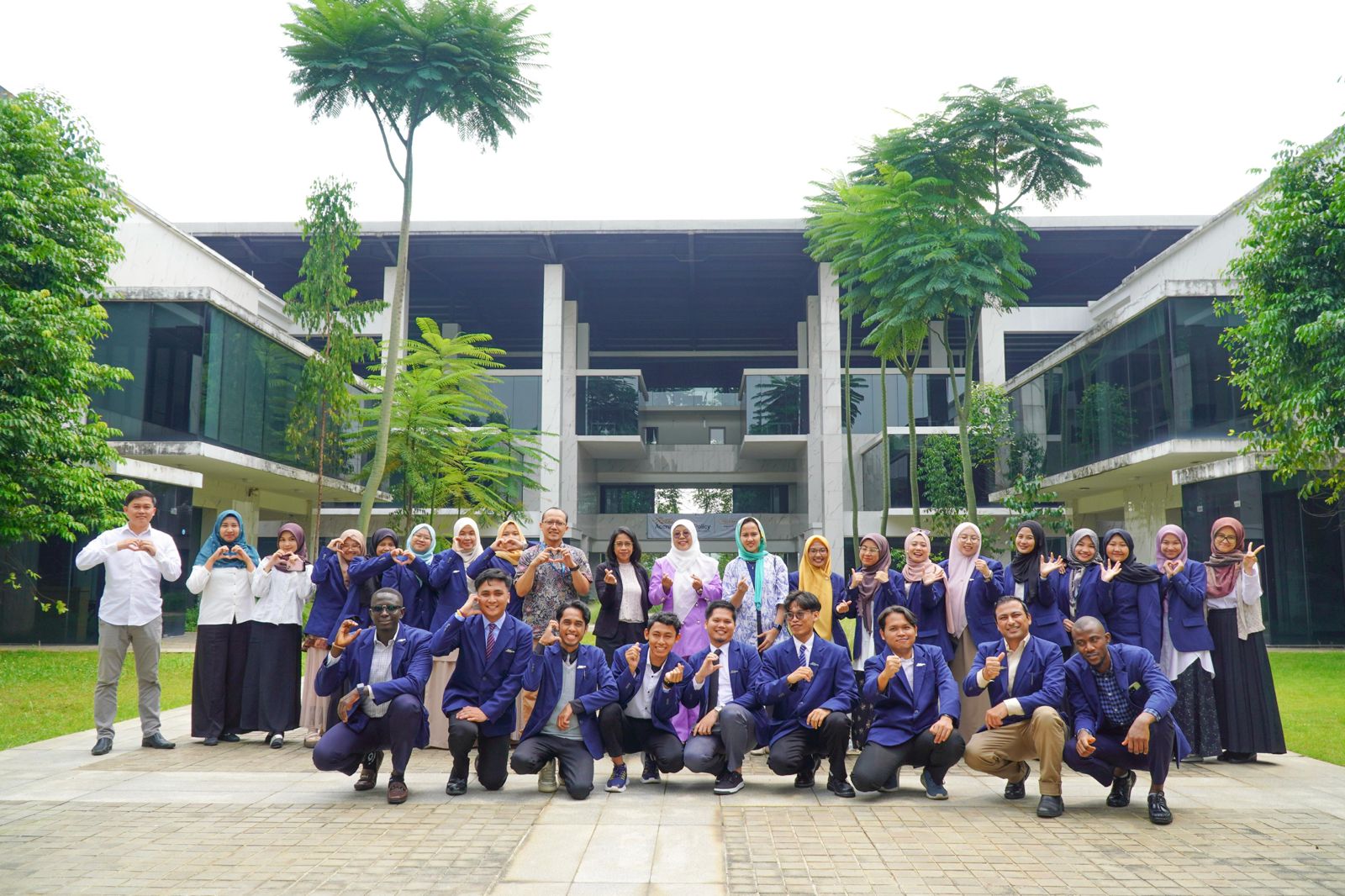
The Faculty of Education at Universitas Islam Internasional Indonesia (UIII) held its Judicium Ceremony on August 25, 2025, marking an important milestone for graduating students as they embark on the next chapter of their academic and professional journeys.
During the ceremony, two outstanding students were honored for their exceptional achievements. Muhamad Maulana was named Best Graduate with a perfect GPA of 4.00, reflecting his consistent dedication and academic excellence throughout his studies.

Meanwhile, Karamo Ceesay received the Best Thesis Award for his research titled “Exploring Parental Involvement in Student’s Academic Achievement: A Case Study of Public Primary Schools in Rural Gambia”, which earned an impressive score of 96.67.

Prof. Nina Nurmila, Dean of the Faculty of Education praised the graduates for their hard work and commitment. “This judicium is not just a celebration of academic success but also a testament to the resilience and passion of our students. We are confident that our graduates will continue to contribute meaningfully to education and society,” she stated.
The ceremony concluded with reflections on the Faculty’s vision to nurture globally competitive scholars and educators, reinforcing UIII’s commitment to advancing education rooted in academic rigor and social responsibility.
KUPI Approach to Qur’an and Hadith Re-interpretation
 Nurmila, N. (2025). KUPI Approach to Qur’an and Hadith Re-interpretation. African Journal of Gender and Religion, 31(1). https://doi.org/10.36615/vqcta754
Abstract
Critical theory argues that knowledge is not value free. It is influenced by the interest, context, and background of the knowledge producers. Many books of tafsir (Qur’anic exegesis) have been written, primarily by men based on their experiences. These tafsirs are not free from male interest. As Farid Esack argues, classical tafsirs, mostly written by men, tend to be male-biased and discriminatory against women. Since the late 1990s, with the growing influence of global Muslim feminism, there have been increasing number of books in Indonesia that criticize the male-biased interpretations of the Qur’an and produce alternative readings from an equal gender perspective, such as those written by Nasaruddin Umar, Zaitunah Subhan, Nurjannah Ismail, Husein Muhammad, and many others. Recent works have been produced by Badriyah Fayumi, Nur Rofiah and Faqihuddin Abdul Kodir, the leading founders and organizers of the Congress of Indonesian Women Ulama (KUPI). This article explores three new methodologies of tafsir developed in the current Indonesian context by three scholars: Badriyah Fayumi’s reading of maʿrūf (religiously, reasonably, and socially acceptable), Nur Rofiah’s concept of women’s haqiqi (real) justice, and Faqihuddin Abdul Kodir hermeneutical approach of qirā’ah mubādalah (reciprocal reading). These new approaches to understanding Islamic sources were launched during KUPI II in 2022 to be KUPI’s methodology.

It’s Now or Never: Overcoming Self-Doubt
 It’s Now or Never: Overcoming Self-Doubt
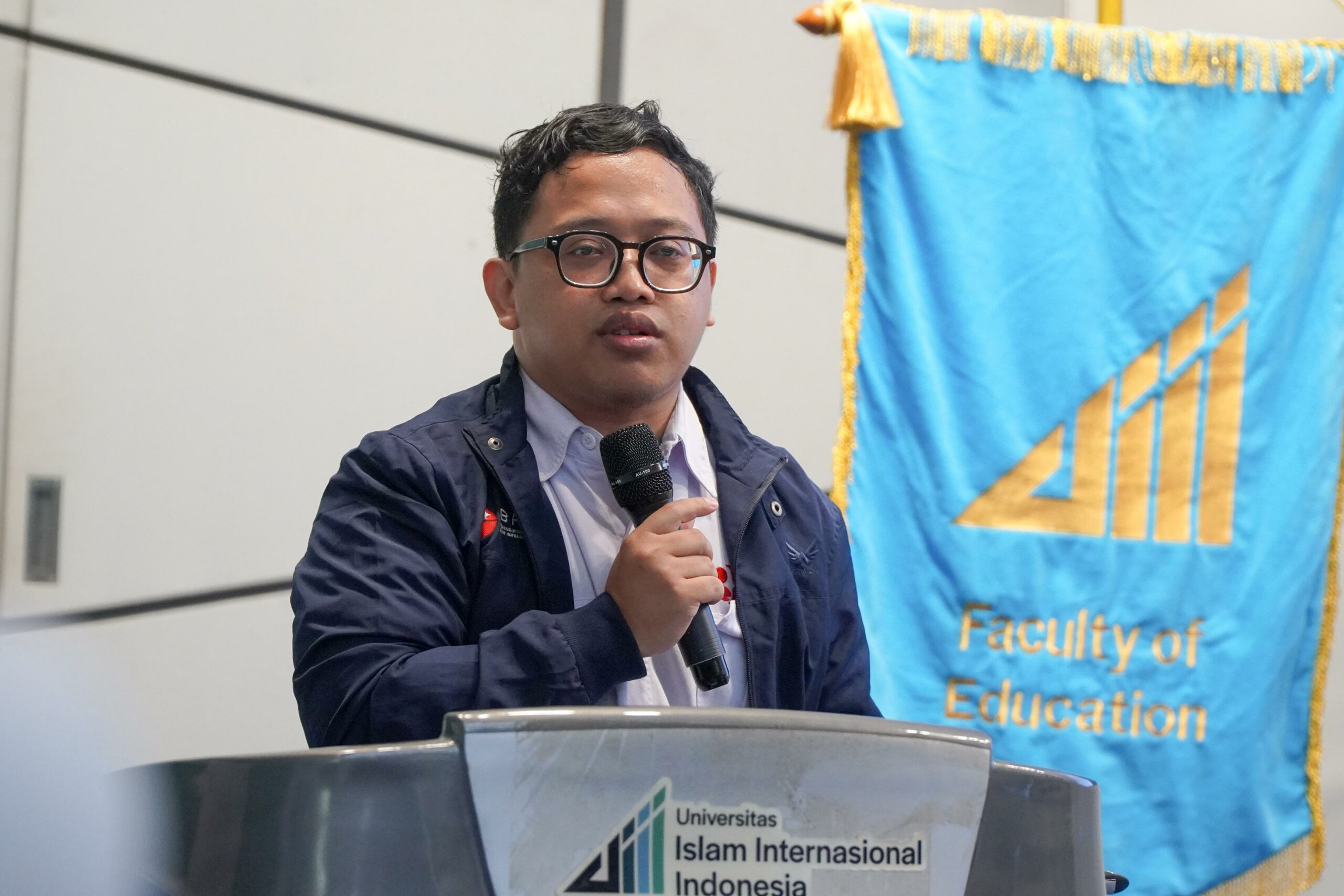
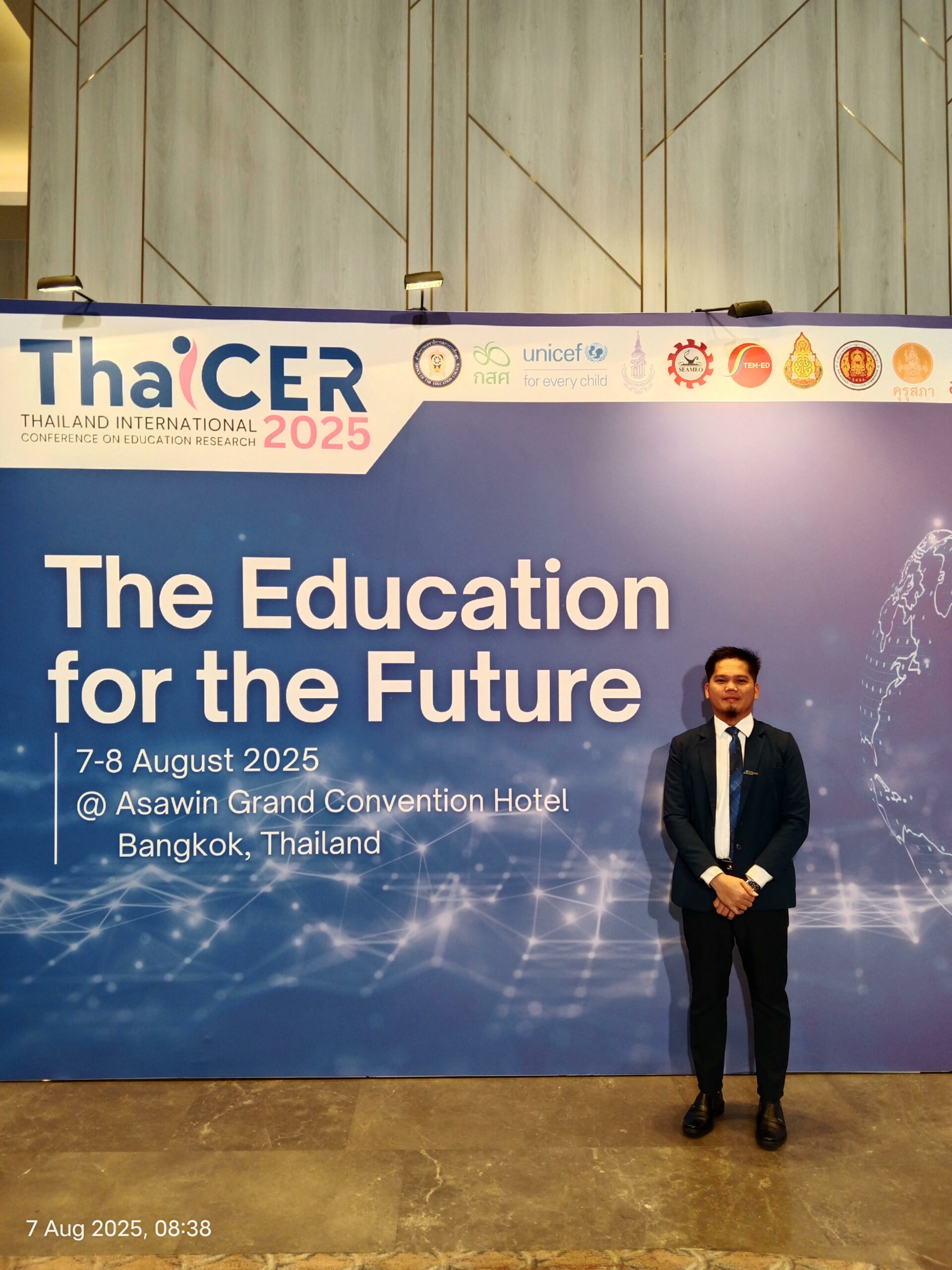
By Rakim Legawan Sammy
Critical Islamic educational leadership: investigating how Islamic pedagogic models shape leadership practices
 Supriyono, Sumintono, B., & Hakim, L. N. (2025). Critical Islamic educational leadership: investigating how Islamic pedagogic models shape leadership practices. British Journal of Religious Education, 1–18. https://doi.org/10.1080/01416200.2025.2542225
ABSTRACT
Despite the growing scholarly interest in Islamic educational leadership across diverse global contexts, studies in this area are noted to lack a critical approach. Guided by a critical transformative paradigm, this study seeks to address the gap by exploring the potential of adopting certain Islamic pedagogic models in shaping leadership practices. This qualitative case study delves into two Islamic boarding schools with different education models in East Java, Indonesia. This research utilises documents, focus group discussions, interviews, and observations for data collection, subjecting the data to thematic analysis. The findings demonstrate that adopting different pedagogical models indicatively yields distinct leadership practices. The school with a moral disciplining model (ta’dib) generates strong patriarchal tendency, fostering an authoritative leadership style with an exclusive school culture and autocratic decision-making. Conversely, the school with a critical pedagogic model (tarbiyah) creates a balanced power dynamic, facilitated by critical thinking and critical dialogue between leader and followers, further supporting the transformative leadership practices with an inclusive school culture and deliberative decision-making. The findings indicate a reciprocal connection between education model and leadership, signifying the need to reform the school’s education system – by employing a critical pedagogic model – to enhance the critical transformative leadership practices.
Effective Leadership for Turnaround Schools: An Indonesian Perspective
 Hariri, H., Sumintono, B., Mukhlis, H., Mutohar, A. (2025). Effective Leadership for Turnaround Schools: An Indonesian Perspective. In: Liu, P., Thien, L.M. (eds) Turnaround Leadership in Southeast Asian Countries. Springer, Singapore. https://doi.org/10.1007/978-981-96-7894-5_6
Abstract
Leadership is pivotal in the success of a school, particularly when it undergoes a transformation from a low-performing school to an effective one, referred to as a turnaround school. However, little is understood about the notion of turnaround school, especially in developing countries like Indonesia. This research aims to reveal the leadership strategies implemented in Indonesian primary schools that have successfully executed a turnaround from unfavourable conditions. Employing a qualitative interpretive approach to deeply explore the intricate dynamics of educational leadership in Indonesian schools, we conducted in-depth interviews with three principals recognised for bringing about significant change in their institutions as well as ten teachers who worked in those schools.
Standing Side by Side: Rediscovering Humanity through the Lens of Human Fraternity

Standing Side by Side: Rediscovering Humanity through the Lens of Human Fraternity
Uswatun Hasanah
PhD Student in Education batch 3
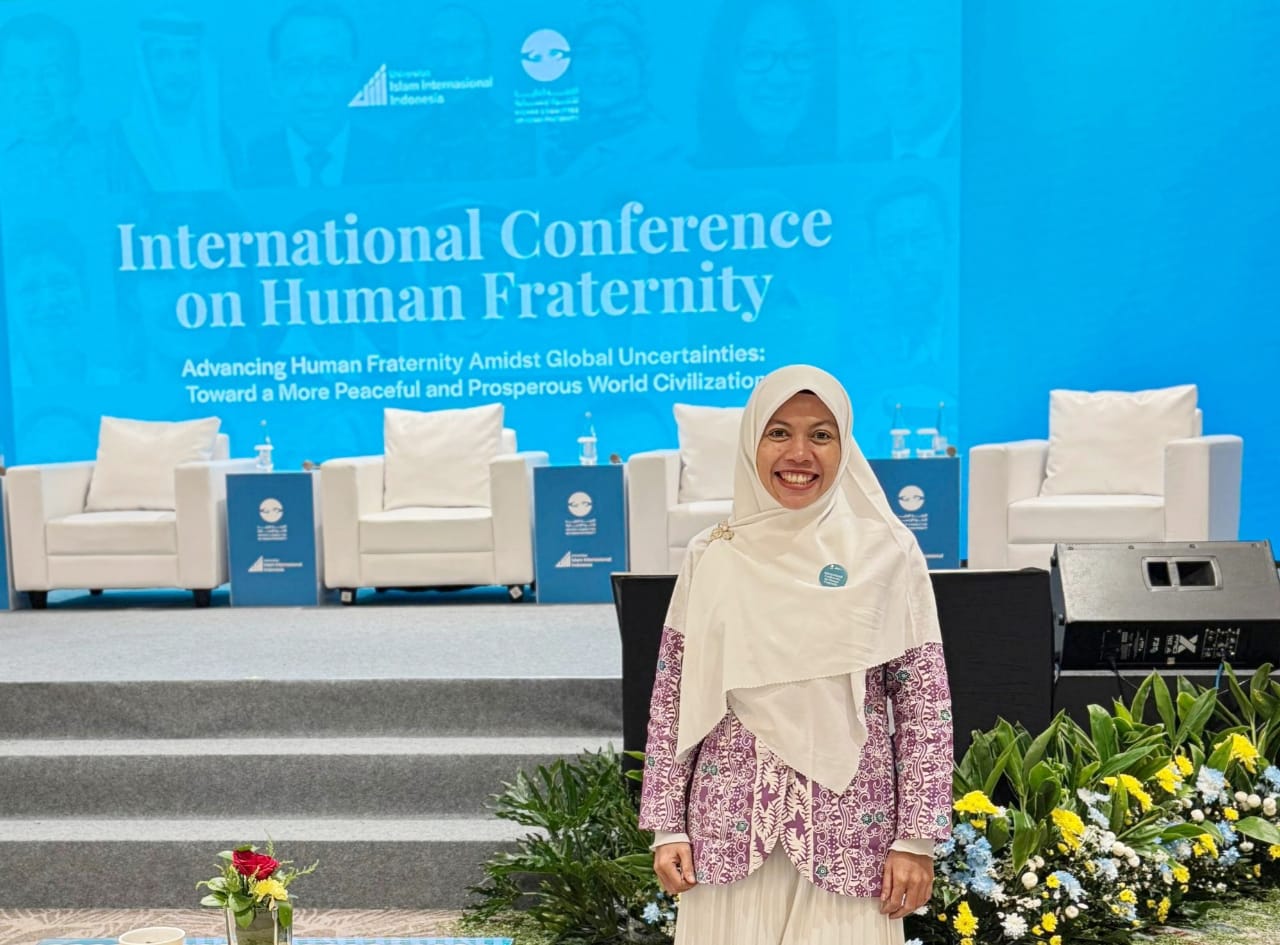
Tuesday, 29th July 2025, marked a historic moment for Indonesia, as it witnessed the official launch of the International Institute for Human Fraternity (IIHF) through a two-day international conference themed “Advancing Human Fraternity Amidst Global Uncertainties: Toward a More Peaceful and Prosperous World Civilization.” The event was initiated by the Higher Committee of Human Fraternity (HCHF), in collaboration with Universitas Islam Internasional Indonesia (UIII). This momentum represented a concrete follow-up to the Document on Human Fraternity, signed in Abu Dhabi in 2019 by Pope Francis and Grand Imam of Al-Azhar, Sheikh Ahmed el-Tayeb. The document laid the foundation for promoting peace, mutual understanding, and coexistence across global communities.
The opening ceremony was led by three prominent figures: Prof. Jamhari, Rector of UIII; Dr. Khalid Al-Ghaith, Secretary General of the Higher Committee of Human Fraternity; and Dr. Pratikno, Coordinating Minister for Human Development and Cultural Affairs of Indonesia. Their presence highlighted the importance of this initiative in advancing global peace, interfaith dialogue, and the values of human fraternity. The establishment of the IIHF signifies Indonesia’s growing leadership in fostering inclusive cooperation and ethical responsibility at the international level.
The event continued with a series of thoughtful and emotionally resonant sessions addressing urgent humanitarian issues across the globe. Participants from diverse backgrounds (professions, religions, communities, races, and countries) immersed themselves in the event with a shared goal and a united vision: to take meaningful action in supporting displaced individuals, stateless people, and marginalized communities, so they can live their lives with dignity, recognition, and purpose.
This sense of unity became especially clear during Session 1, titled “Building Fraternity Across Borders: Migration, Poverty Alleviation, and Refugee Solidarity,” when the discussion turned to the global refugee crisis. The session seemed to bring everyone together, as if we were all in the same boat, driven by a shared desire to contribute through our own roles and efforts as a real expression of human fraternity.
This idea was reinforced by one of the speakers, Dr. Valeria Martano, Consultor of the Pontifical Council for Interreligious Dialogue, who offered a powerful reflection on the language we use when engaging with difference. She challenged the use of the word tolerance, explaining that it can imply a sense of superiority, as if one group is in the position to 'tolerate' another. Instead, she proposed the terms coexistence and mutual respect, which suggest equality and shared dignity. Her insight reminded me that true human fraternity is not about enduring each other’s presence, but about walking alongside one another with humility and genuine respect. It’s not about who gives space to whom, but how we share that space.
 During this event, I had a conversation with Simon from the Eden community, whose existence I had not been aware of before. It made me realize that just because something is unseen doesn't mean it doesn't exist. And if it does exist, whether it's a voice, a struggle, or an identity, it deserves to be recognized with equal rights, equal opportunities, and shared responsibilities.
In the third session on the first day, during the discussion on The Media's Role in Bridging Divides, Combating Misinformation, and Promoting Human Fraternity, Simon shared that his community often faces discrimination and even persecution as a result of misleading information circulated on social media. I felt a deep sense of empathy when he shared that reality. It made me realize that while the Human Fraternity program addresses global issues on a broad scale, its values should be applied in our immediate surroundings. This experience reminded me that we don’t always have to look far to practice human fraternity; it starts with the smallest actions and the people closest to us.
The values of accepting diversity and living side by side with others have been deeply instilled at UIII. One of the courses offered at the Faculty of Education is Education in a Pluralistic Society, taught by the Dean, Prof. Nina Nurmila. In this course, she invited guest speakers from minority groups such as the Bahá’í, Shi’a, and Ahmadi communities. Being exposed to their stories and presence made me realize something deeply significant that they are human beings, just like me. When I shook their hands, I felt their skin touching mine , and it felt no different. When they shared joyful stories, their eyes lit up, and I smiled with them. But when they shared painful memories of being discriminated against and persecuted, it tore my heart. In those moments, I stopped seeing differences in labels and started seeing shared humanity.
At the heart of this entire experience, I came to understand a deeper dimension of solidarity. It is important to hold on to our identity, our faith, our culture, our background, but sometimes, the most profound act of fraternity is being willing to set it aside, to stand side by side with those who remain unrecognized by the systems around them. Setting aside our identity, in this sense, becomes an act of compassion and solidarity. It is not a loss, but a gift, an intentional step back to allow others to step forward. As the saying goes, "Nothing can be gained without losing; even heaven demands death." If letting go of our identity allows our brothers and sisters to reclaim theirs, then the gain is far greater. And that, to me, is what human fraternity truly means.