Empowering early childhood educators to foster spatial and numeracy reasoning through play-based learning

Winarti, D. W., Widjaja, W., Razi, F., Huzaimah, S., Prianggi, A., & Setyawan, I. A. (2025). Empowering early childhood educators to foster spatial and numeracy reasoning through play-based learning. Journal on Mathematics Education, 16(3), 871–888. https://doi.org/10.22342/jme.v16i3.pp871-888
Abstract
Despite the growing awareness of the importance of spatial reasoning in schooling years, there is a notable gap in research literature to promote spatial reasoning in early childhood education in Indonesia. This research aims to address this gap by building the capacity of Indonesian early childhood educators in designing play-based activities to support children’s spatial thinking and reasoning. Twenty early childhood education (ECE) educators coming from different area in Java, Indonesia participated in the study. The study employed design-based research methodology to examine the way in which research team and ECE educators work collaboratively to bring about innovative learning processes and changes in ECE’s practices. A key design principle of the study features play-based activities to promote children’s spatial reasoning skills in the early years were analyzed. This study finds that the professional learning program provides support for ECE educators in three areas, such as foster an understanding of key numeracy concept including one-to one correspondence and cardinality and how it is being implemented, offer insights about spatial ability and its constructs, and exposure to spatially rich play-based activities that could be adopted for ECE centers

Empowering early childhood educators to foster spatial and numeracy reasoning through play-based learning.
Winarti, D. W., Widjaja, W., Razi, F., Huzaimah, S., Prianggi, A., & Setyawan, I. A. (2025). Empowering early childhood educators to foster spatial and numeracy reasoning through play-based learning. Journal on Mathematics Education, 16(3), 871–888. https://doi.org/10.22342/jme.v16i3.pp871-888
Abstract
Despite the growing awareness of the importance of spatial reasoning in schooling years, there is a notable gap in research literature to promote spatial reasoning in early childhood education in Indonesia. This research aims to address this gap by building the capacity of Indonesian early childhood educators in designing play-based activities to support children’s spatial thinking and reasoning. Twenty early childhood education (ECE) educators coming from different area in Java, Indonesia participated in the study. The study employed design-based research methodology to examine the way in which research team and ECE educators work collaboratively to bring about innovative learning processes and changes in ECE’s practices. A key design principle of the study features play-based activities to promote children’s spatial reasoning skills in the early years were analyzed. This study finds that the professional learning program provides support for ECE educators in three areas, such as foster an understanding of key numeracy concept including one-to one correspondence and cardinality and how it is being implemented, offer insights about spatial ability and its constructs, and exposure to spatially rich play-based activities that could be adopted for ECE centers
UIII LunchTalk Explores Cross-Neurotype Interactions in English Classrooms with Dr. Afifah Muharikah
 UIII LunchTalk Explores Cross-Neurotype Interactions in English Classrooms with Dr. Afifah Muharikah
Contributor: Supriyono | Photo: Virda Lalitya Umam
Have you ever sat in a group where everyone laughed at a joke you didn’t understand? Or tried to explain something repeatedly, only to be met with blank stares until you finally said, “Forget it”? Most people, when caught in such moments, feel annoyed, embarrassed, or even left out. But what if this wasn’t an occasional slip in communication—what if this was your everyday reality? For many autistic individuals, it is.
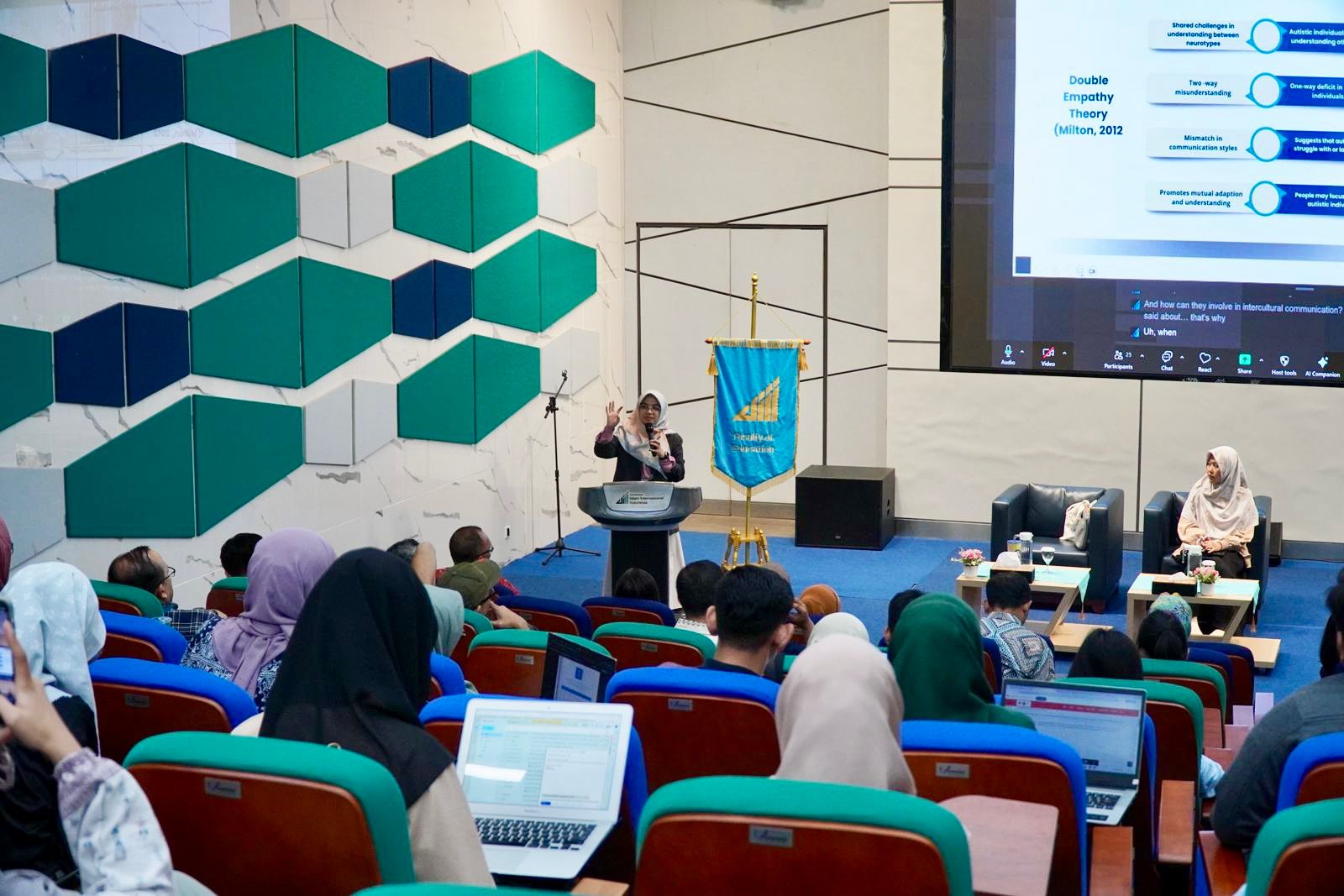
This was the entry point Afifah Muharikah, PhD, Lecturer at the Faculty of Education, Universitas Islam Internasional Indonesia (UIII), used to open LunchTalk #45 on September 23, 2025. Her presentation, titled “Cross-Neurotype Interactions in an English Classroom: Building Shared Understanding,” moved from that familiar sting of miscommunication to a much broader and deeper conversation about inclusion, empathy, and education.
At the heart of her talk was the story of “Beeni,” one of her former students at the Jakarta State Polytechnic. Beeni, an autistic learner, often faced the exhaustion of being misunderstood—even when he used the “right” words. Instead of retreating, however, he worked out strategies: clarifying, prompting, repeating, and offering concrete examples until the message got across.
Through Beeni’s experiences, Dr. Afifah introduced the concept of cross-neurotype communication—interactions between neurotypical (conventional mind) and neurodivergent individuals (autism, ADHD, dyslexia etc). Misunderstandings here are not about incompetence or lack of effort; they emerge from differences in processing, timing, and expectations.
“Imagine waiting not just two or three seconds for someone to respond,” she explained, “but 15 or even 20. For autistic students, that’s perfectly normal. For neurotypical peers, it often feels like a problem. But what if we shifted our expectations?”
Her argument was anchored in the double empathy theory, which counters the outdated notion that autistic people alone are responsible for failed communication. Instead, it frames communication breakdowns as a two-way street: both sides must adapt, negotiate, and build understanding together.
To ground the discussion, she also mapped the evolving history of inclusive education in Indonesia—from charity-based practices before independence, to the 1977 presidential instruction that formalized “special schools,” to today’s movement toward inclusive, rights-based models. The shift, she argued, is not yet complete, but it reflects a growing recognition that disability is not a deficit—it is a dimension of human diversity.
 Practical classroom strategies gave her talk a tangible impact. She suggested designing learning activities that tap into students’ passions, setting aside “quiet corners” to reduce sensory overload, and promoting explicit, clear communication. These measures, she stressed, don’t just support autistic learners—they create richer, more respectful classrooms for everyone.
By the end of the talk, the audience was left with a pressing question: whose norms define “good communication”? Is it those of native English speakers, second-language learners, neurotypical students, or neurodivergent ones? Dr. Afifah’s answer was neither simple nor one-sided. Instead, she invited the audience to see communication as a shared responsibility—an achievement that depends not on conformity, but on mutual patience and openness.
Her closing reminder was as practical as it was profound: building inclusive classrooms, and by extension more inclusive societies, requires more than technical competence. It requires empathy, flexibility, and the willingness to see differences not as barriers, but as bridges toward deeper understanding.
The Turning Tides of USA–China Dynamics: Prospects for the Global South’s Education Outlook
 The Turning Tides of USA–China Dynamics: Prospects for the Global South’s Education Outlook
Contributor & Photo by: Virda Lalitya Umam
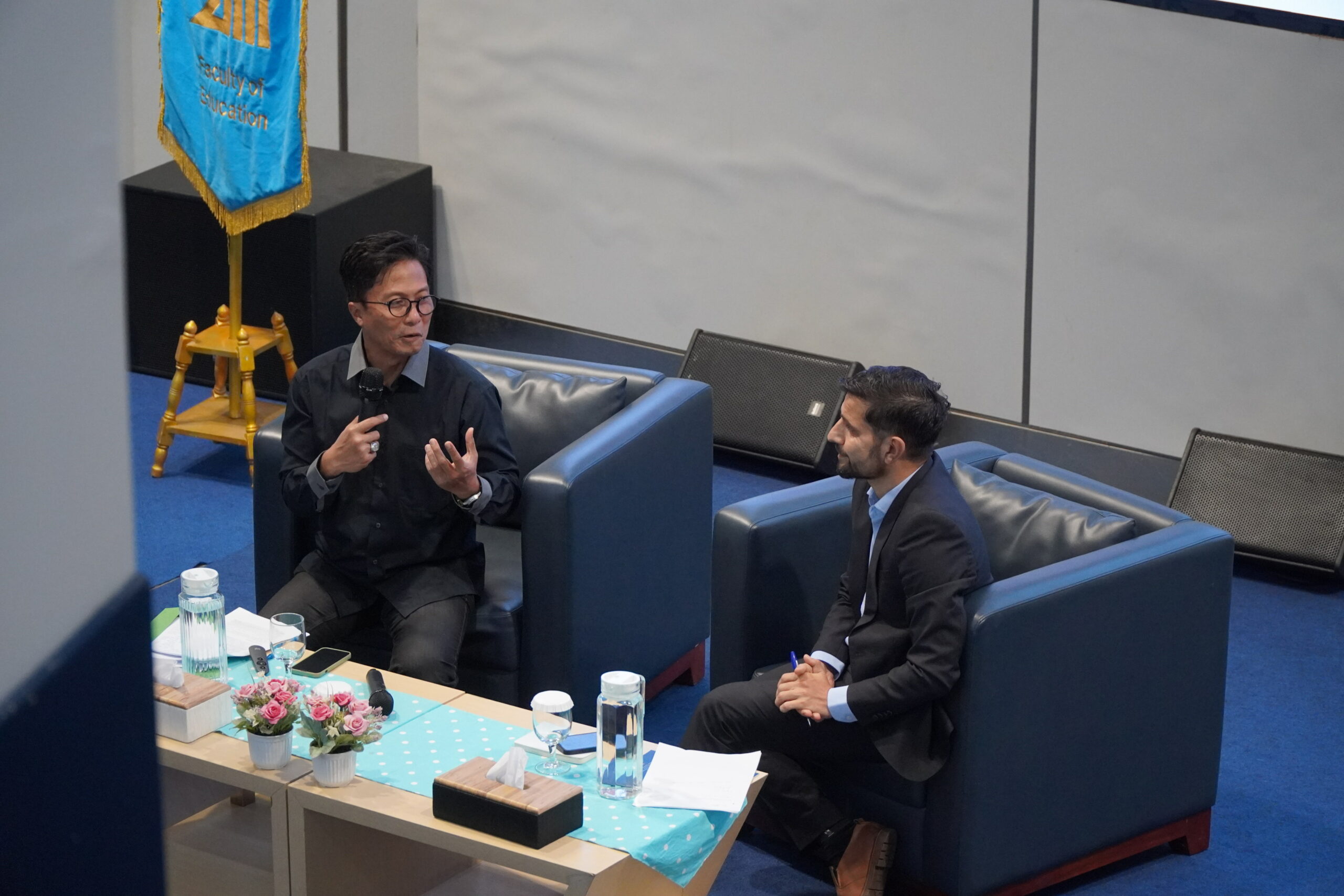
The UIII’s Faculty of Education hosted its 44th LunchTalk on August 19, 2025, featuring Dr. R. Alpha Amirrachman, a distinguished lecturer at the Faculty with a presentation titled “Is America’s Education Empire Crumbling in the Shadow of China’s Rise? An In-Depth Analysis for Global South Opportunities.” His talk explored how shifting USA–China dynamics shape the global education landscape, with particular implications for the Global South.
Dr. Amirrachman began by comparing the two economic giants. In 2025, the US remains the world’s largest economy with a GDP of $28.5 trillion, though its growth has slowed to 2.3% (down from 2.5% in 2024). China follows with $19 trillion, posting a stronger 4.8% growth, largely driven by industrial and export strategies. In terms of research and development (R&D), the US currently allocates 3.5% of GDP while China invests 2.4%—yet projections suggest China will surpass the US by 2030.
These foundations, he explained, directly influence education. The US still dominates global higher education, with 197 institutions listed in QS rankings and a longstanding reputation for creativity and innovation. By contrast, China produces scale: 77,000 STEM PhDs annually compared to the US’s 40,000, and it files more patents overall, although the US leads in “high-impact” patents and Nobel Prizes (over 150 since 2000). At the secondary level, however, China outperforms: 2025 projections show Chinese students leading in PISA scores (1605), far ahead of the US average (1454), which remains below OECD standards in math and science.
These economic foundations, Dr. Amirrachman explained, in turn, influence the respective nations’ educational approaches and metrics. The US still holds the lead in the global higher education scene, boasting 197 institutions in the QS rankings with many well-established names. For outputs, China produces approximately 77,000 STEM PhDs annually, compared to the US’s 40,000, and files more patents overall, though the US still leads in filing high-impact patents and has even amassed more than 150 Nobel Prizes since 2000.
On the contrary, secondary education metrics show otherwise. The 2025 projection for PISA scores shows that China leads with a score of 1605, reflecting a rigorous exam-based system, while the US falls behind with 1454, math and science components respectively below the OECD standards.
On the implications for aspiring global South students, Dr. Amirrachman reported that even in turmoil, opportunities in the US are still very much in demand. Unfortunately, current economic and political pressures have cut aid and DEI (Diversity, Equity, and Inclusion) policies that have long constituted America’s education sphere, notably marked by the recent dissolution of the United States Agency for International Development (USAID).
On the other hand, China’s BRI provides a significant opportunity for studies, more so in the absence of USAID, emphasizing agriculture, infrastructure, and medical studies. Nevertheless, its lack of transparency and dependency risks have been widely criticized.
 Additionally, Dr. Amirrachman advises that global South nations must be careful not to take sides, but rather take advantage of this competition for their own educational growth. He proposes five feasible steps for global South institutions to ride the wave of this rivalry, including diversifying partnerships through trilateral agreements with both powers, allocating budgets to local research, advocating non-alignment through expanded networks (e.g., ASEAN), boosting regional mobility to reduce dependency, and establishing a rivalry watch group.
Dr. Amirrachman’s presentation serves as a reality check that these two nations still possess immense power in global-scale strategic sectors. While US higher education leads in output quality amid uncertainty, China is currently surging in scale, leaving the global South with the question: how can we take the fullest advantage of this tug-of-war, whilst avoiding overreliance, as a catalyst to build resilient educational growth?
The answers, of course, are unique to each nation, and we are the ones to determine them. Through this LunchTalk, Dr. Amirrachman hopes to spark critical conversations on how Indonesia, including UIII, should position itself in the wake of these shifting superpowers.

A Comparative Lens on Higher Education Accrediting: Lessons from Australia and India
 A Comparative Lens on Higher Education Accrediting: Lessons from Australia and India
Contributor & Photo by: Virda Lalitya Umam
Two years post-enactment of the Minister of Education, Culture, Research, and Technology Regulation No. 53/2023 on Quality Assurance of Higher Education, whether to retain the hierarchical system entirely or to shift to a binary classification remains an ongoing discourse in Indonesia.
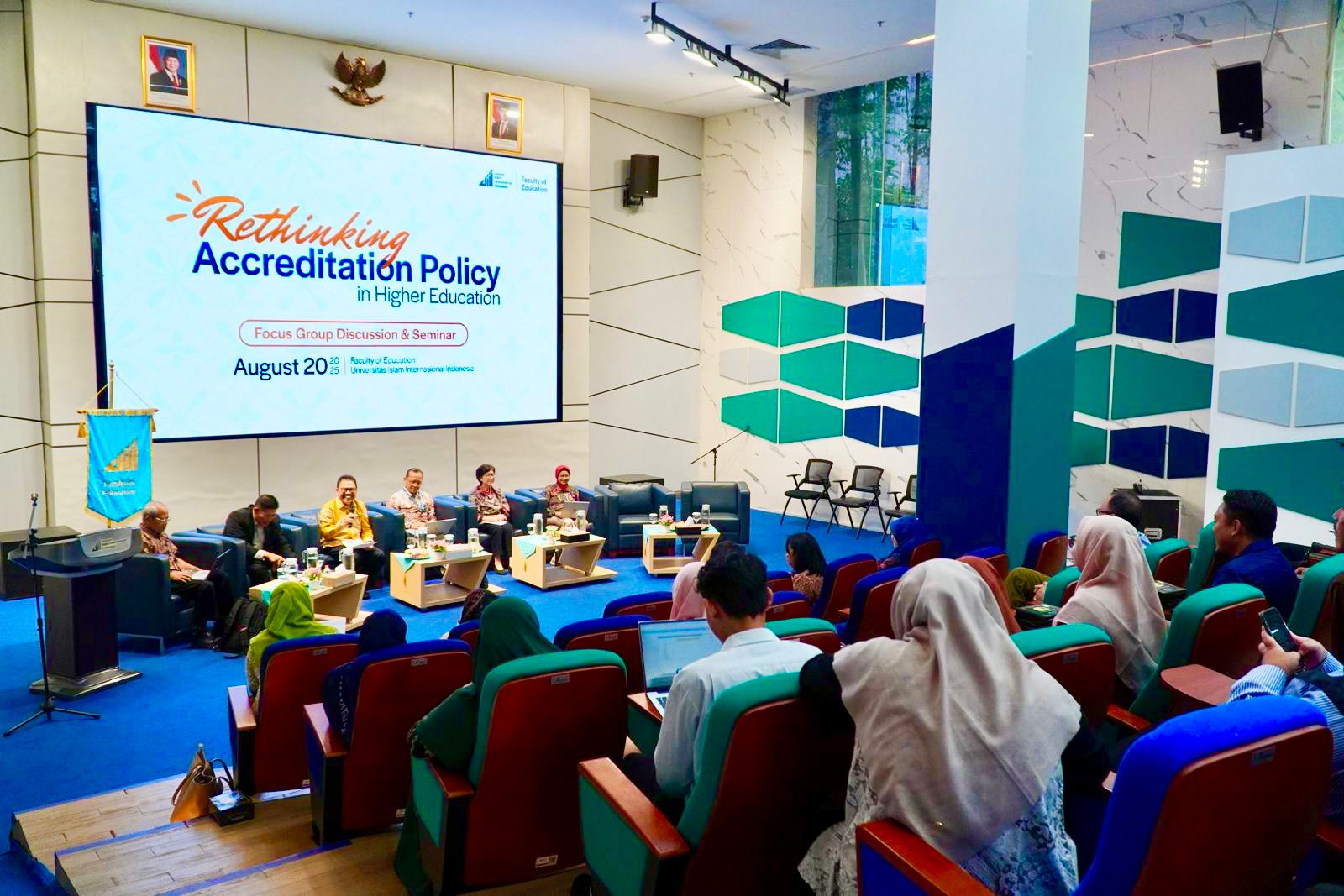
To shed some light on this topic, the Faculty of Education at Universitas Islam Internasional Indonesia (UIII) hosted a seminar titled Rethinking Accreditation Policy in Higher Education, moderated by R. Alpha Amirrachman, PhD, lecturer at the Faculty of Education. This seminar, part of a two-session event under the same title, aims to draw lessons and best practices in higher education accreditation from our neighboring nations.
The first speaker to present was Jen Bahen, Regulatory Operations Executive Director at the Tertiary Education Quality and Standards Agency (TEQSA) in Australia. Ms. Bahen, who joined this session via Zoom, explained that Australian higher education providers must be registered under TEQSA as the national regulator and have this registration renewed every seven years. While certain providers, mainly universities, can self-accredit their courses, others without such authority must have their courses accredited by TEQSA instead. That being said, Australia assigns a binary system for both provider registration and course accreditation.
 As stated by Ms. Bahen, the primary goal of Australia’s accreditation is more to ensure providers’ compliance than to drive improvement. Nonetheless, the criteria for their assessment are more student-centric—if students and graduates are satisfied and achieve good outcomes, then the provider would be considered successful in their education, despite not holding any hierarchical accreditation title. Ms. Bahen also detailed TEQSA’s stance as a risk-based regulator, utilizing risk to balance a rigorous accreditation process with the administrative burdens placed on providers. TEQSA emphasizes assessing a provider’s high-risk aspects compared to those with significantly lower risks.
The following speaker was Kamal Khurana, Acting Director of the Jawaharlal Nehru Indian Cultural Center (JNICC), part of the Embassy of India in Indonesia, who gave an overview of India’s higher education accreditation practices. In India, accreditation for higher education providers is primarily handled by the National Assessment and Accreditation Council (NAAC), an autonomous body under the University Grants Commission (UGC). They follow a three-step process of self-study, peer review, and grading, emphasizing criteria such as curriculum, teaching and learning, research, student support, governance, and institutional values. Recently, India has shifted to a binary accreditation system of Accredited and Not Accredited to increase transparency and simplify administrative processes.
Another aspect Mr. Khurana highlighted is how India accommodates the right to education as a whole. India has a broad selection of higher education providers, such as central and state public universities, deemed universities, institutions of national importance, autonomous colleges, and standalone institutions, to name a few. This diverse range ensures a wide array of options for students, catering to various interests and specializations. Additionally, since many students in India come from economically disadvantaged families, the government provides significant subsidies to support their education journey, among them for books, reading materials, and scholarships.
From the two speakers, we can reflect on a few things that their respective countries have implemented in higher education accrediting: putting more attention to areas that each institution struggles with, using assessment criteria that center more on the outcomes of students and graduates, and providing equitable financial support for teaching and learning activities. This seminar, alongside the prior Focus Group Discussion (FGD), affirms UIII’s support in formulating accreditation policies as not mere shows of force but tangible, data-driven efforts to reform Indonesia’s education system.
Accreditation in a New Light: Perspectives from Indonesian Higher Education Leaders
 Accreditation in a New Light: Perspectives from Indonesian Higher Education Leaders
Contributor & Photo by: Virda Lalitya Umam
In 2023, Indonesian government through the Ministry of Education, Culture, Research, and Technology issued a Regulation No. 53/2023 on Quality Assurance of Higher Education, introducing a binary accreditation system of higher education study programs to fall into either ‘Accredited’ or ‘Unaccredited.’
This new accreditation scheme is said to be more inclusive, contrasting the previous hierarchical system which categorized universities and study programs into ‘Unaccredited’, ‘Good’, ‘Very Good’, and ‘Excellent’. However, two years after the enactment, its implementation remained mainly unknown, causing confusion among higher education institutions (HEIs).
As a response, the UIII Faculty of Education hosted a Focus Group Discussion (FGD) on August 20, 2025, under the title ‘Rethinking Accreditation Policy in Higher Education’. Moderated by lecturer Dr. Lukman Nul Hakim, the FGD brought together government representatives and higher education leaders, public and private, within and beyond Java, to share experiences and perspectives to address the issue.
Prof. Dr. H. Muchlas Samani, Chair of the Accreditation Council for Education (LAMDIK) started by clarifying the 2023 regulation’s status quo: “The revision is still underway” he said, whilst also acknowledging that the now-retracted legislation carried several risks, such as social problems due to the termination of unaccredited programs, resistance from HEIs, and eroding international trust.
“These consequences do not fully reflect the vision of Accreditation Councils (LAM), since they also promote the improvement of education quality instead of only measuring it,” Prof Samani said.
 In response to the problem, Prof. H. Iwan Jazadi, Ph.D., from STKIP Paracendekia NW Sumbawa, West Nusa Tenggara, highlighted the plights of rural education institutions in underdeveloped areas—such as those located outside Java—which mostly lack essential government support. This vacuum, in turn, creates layers of burdens for basic academic activities, more so in accreditation.
Though also hailing from outside Java region, Prof. Dr. H. Mujiburrahman from Universitas Islam Negeri (UIN) Antasari Banjarmasin, South Kalimantan found the hierarchical system more appropriate, citing that accrediting is a multifaceted process. Nonetheless, he also stated that the current accreditation system still has many aspects to evaluate, particularly regarding data validity, administrative burdens, and over-generalized criteria.
Meanwhile, Representing HEIs from Java, Prof. Dr. drg. Lindawati S. Kusdhany, Sp.Pros, Subsp.PKIKG, Director of Academic Quality Assurance at Universitas Indonesia (UI) detailed UI’s experiences and challenges in the face of accreditation. Despite being a long-standing university with extensive networks and support, they, too, are now pushed to become increasingly independent.
 Similarly, Tatum Syarifah Adiningrum, Ph.D., Academic Development Senior Manager from Bina Nusantara (BINUS) University gave a behind-the-scenes of BINUS’s adaptation process to recent policy shifts as well as her own two cents on Indonesia’s accreditation scene, criticizing its constantly-changing standards.
During a moderated discussion session, Prof. Jazadi and Dr. Adiningrum argued that continuing the hierarchical system in current conditions would only deepen discrimination, the former stating desperate HEIs would even resort to cheating the system. Meanwhile, Dr. Adiningrum, came up with a harsher statement saying that Indonesians have a “fetish for inequality”, made apparent by the public penchant for rankings over substance, including accreditation.
On the other hand, Prof. Mujib and Prof. Kusdhany shared doubts that a binary system could truly take quality into consideration. Prof. Kusdhany expressed that hierarchical accreditation encourages continuous improvement, while Prof. Mujiburrahman viewed the discourse surrounding accreditation akin to the readiness for democracy—instead of waiting for everyone to be prepared enough, it is better to implement an ideal system from the get-go.
Despite being split on the ideal practices for today, all speakers agree that there is much to improve in the current accreditation system. The discussion also highlighted how accreditation, like many policies in Indonesia, is still unsustainable and overly leader-centric—regulations can be swayed, but the implications toward HEIs are drastic.
Recalibrating public perception is equally important to reduce discrimination towards institutions and programs without specific statuses. Through this FGD, UIII hopes to contribute meaningful groundwork in reforming Indonesia’s accreditation policies, to ensure students and institutions alike can pursue a version of excellence that best suits them.
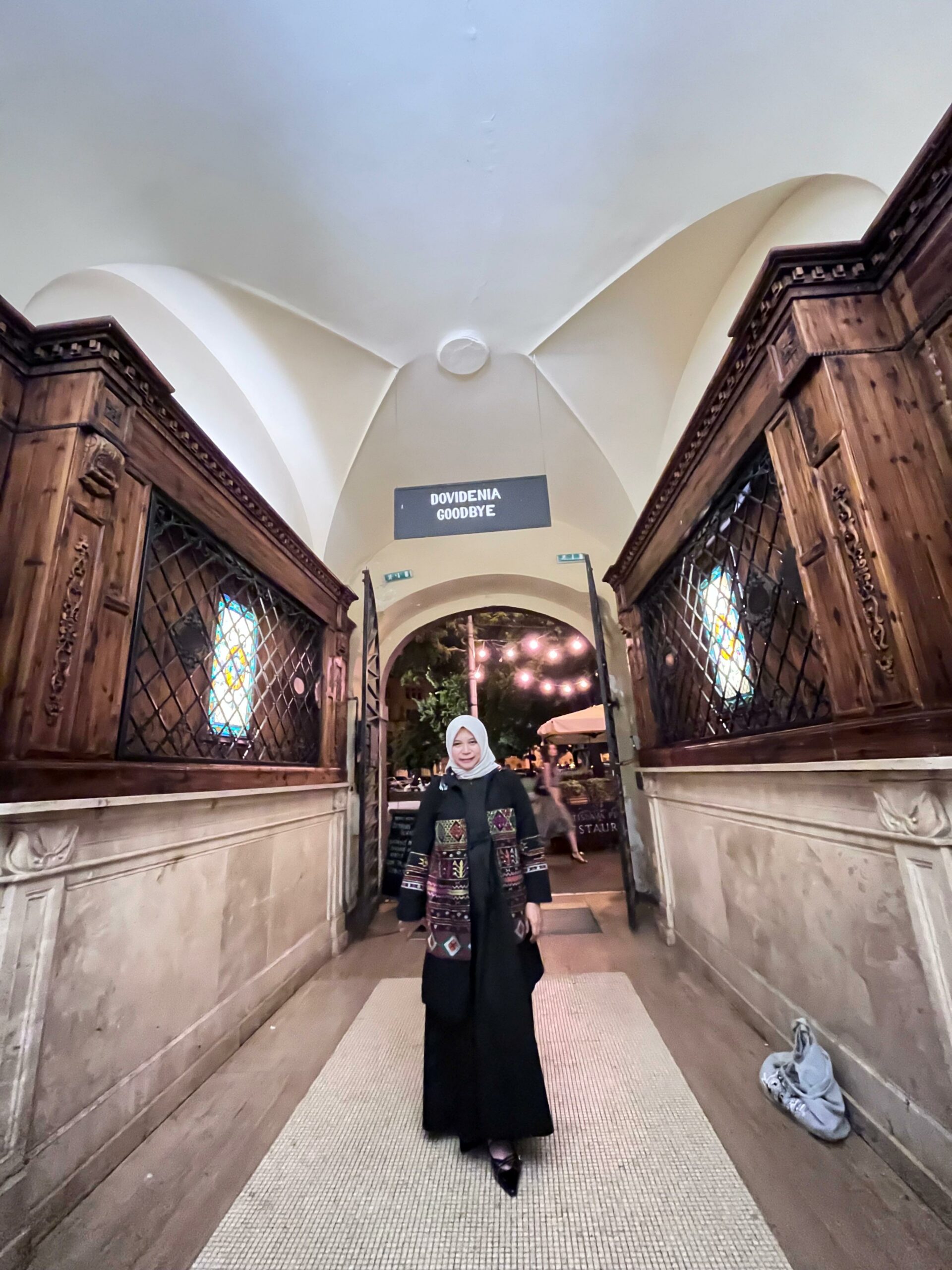
Where Empathy Meets Scholarship: Reflections from attending European Early Childhood Education Association (EECERA) conference
 Where Empathy Meets Scholarship: Reflections from attending European Early Childhood Education Association (EECERA) conference
By Syifa Mufiedatussalam
Attending the EECERA Conference in Bratislava, Slovakia, on 25-28 August 2025, was an unforgettable experience for me personally. I felt so proud to be part of a conference series that has been running for 43 years. The EECERA is widely recognized as one of the most reputable in the field of early childhood education in the world. And being held in Europe made it even more meaningful. The continent where early childhood education first took root, since Froebel to Montessori. So, it felt like returning to the source, learning directly from its origins.
I loved the atmosphere. At EECREA, the participants were not only brilliant scholars with remarkable contributions but also supportive, humble, and full of empathy. The vibes were incredibly positive. Everyone valued and respected each other, and I felt genuinely welcomed. From the very first sessions to the last conversations in the hallways, there was a sense of warmth, respect, and empathy. These were not just academics presenting data or theories. At EECERA, the participants were the people who genuinely cared about children’s futures.
Together with my supervisor, Assoc. Prof. Charyna Ayu Rizkyanti, PhD, I had the chance to discuss with the president of EECERA and the chief editor of the Early Childhood Education Research Journal (EECERJ). We chatted over coffee, shared stories, and learned more about how EECERA is expanding its reach across the globe. To our surprise, we were even invited to take on the role of EECERA Country Coordinators for Indonesia. It was an honor as well as a responsibility that we are eager to embrace.
I was also privileged to present two papers alongside my supervisor:
- Striking the Right Balance of Cognitive and Affective Empathy in Gen Z Early Childhood Teachers
- How Well Are You, Dear Early Childhood Teachers?

Sharing these papers in such a supportive environment was transformative. It was about bringing Indonesian voices to the international stage. We are also contributing to the ongoing global dialogue on early childhood education and teacher well-being. The feedback was thoughtful. At the same time, the discussions felt like genuine collaborations rather than critiques. We found a safe space to talk. All the ideas were not only tested but also nurtured. I left each session not with a sense of being judged. I felt appreciated. Because my study resonated with others who care deeply about the same issues.
Presenting my papers at EECERA was not only about sharing research findings. It was also about representing our country, Indonesia, at the international stage. I felt a deep sense of responsibility to bring the story of my country into the conversation. Indonesia is not just another context. It is a vast and complex nation. I reminded the audience that Indonesia is the world’s largest archipelago, with more than 17,000 islands located in Southeast Asia region. It is home to hundreds of ethnic groups, with over 800 living languages spoken across the country. This incredible diversity shapes not only daily life but also the way education is envisioned and practiced.
As I introduced my research, I shared how educational policies in Indonesia are designed to navigate this complexity. Many participants were surprised to learn about the scale of our nation, and about the challenges of implementing policies across such a geographically dispersed and culturally diverse population. For some of them, it was the first time they realized just how big Indonesia is, and how different our educational landscape looks compared to most countries in Europe. While many European countries deal with relatively more uniform systems, Indonesia must find ways to create unity while honoring diversity. This makes policymaking especially challenging, and fascinating.
This context provided the foundation for discussing the well-being of early childhood education (ECE) teachers in Indonesia. I explained that teacher well-being cannot be separated from the broader educational system and the cultural environment in which they work. When policies must address thousands of schools and communities spread across islands, the pressure on teachers often multiplies. Many teachers must balance not only professional expectations but also community roles and family responsibilities. By telling Indonesia’s story, I not only shared research data but also gave a human face to the challenges and aspirations of our teachers. In return, I received understanding, solidarity, and the reassurance that in EECERA, we are not alone.
In our discussions after the presentation, colleagues from different countries reflected on these challenges with empathy. We shared stories about how burnout has become a common issue among ECE teachers, regardless of country or system. Yet, the Indonesian context added another layer to this global issue. It made visible how systemic complexity can amplify stress for teachers. The recognition that burnout is not just an individual problem but a structural and cultural one sparked rich conversation with fellow scholars.
Together, we came to a shared understanding: improving teacher well-being is a collective responsibility. It is not something a single teacher, institution, or even a single country can tackle alone. Within EECERA, we all have a part to play in fostering empathy and care for the people who dedicate their lives to nurturing young children. Teacher well-being is not a luxury; it is a necessity if we want quality education for all.
What made EECERA truly unforgettable was the spirit of community. I found myself surrounded by scholars who were open in their hearts. These moments reminded me that conferences are as much about people as they are about papers. The friendships and networks formed here will stay with me, shaping not only my research trajectory but also my professional identity. This reminds me about empathy. The value we bring to this professional community. EECERA is a community where empathy meets scholarship. A community that truly cares about children, teachers, and the future of education. I am honored to have been a part of it. It was more than just a conference. It was a space to learn, to share, and to feel the warmth of a community.
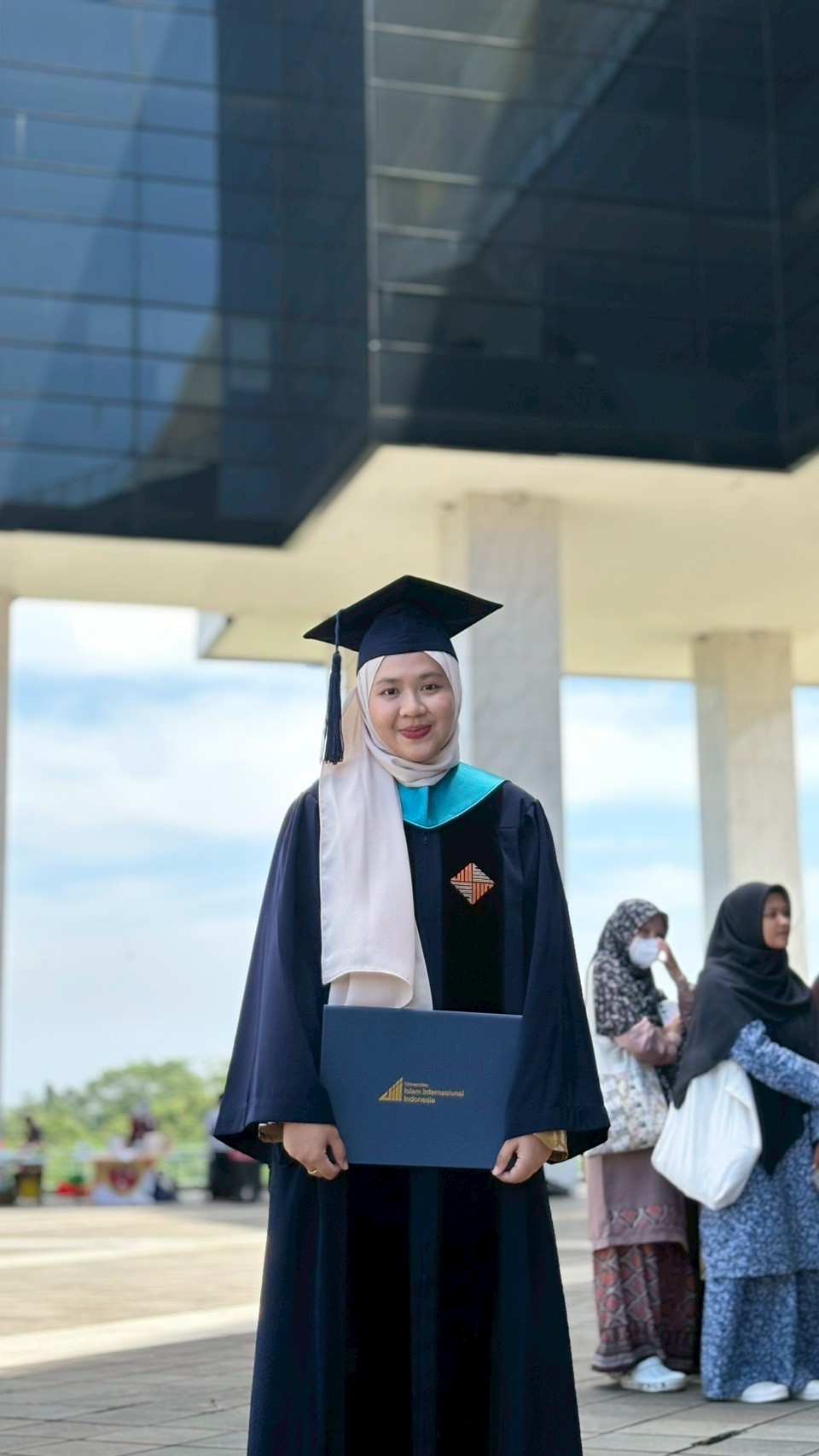
Beyond a Profession Education Lives as a Discipline of Knowledge and Social Change
 Beyond a Profession Education Lives as a Discipline of Knowledge and Social Change
Insof Waeji
As a student who studied in Indonesia for seven years, from bachelor's to master's level, I feel this is an extraordinary award. I am truly grateful to Allah SWT for being given the opportunity to gain knowledge in the land of the Republic of Indonesia, especially to be part of the Indonesian International Islamic University (UIII). This campus is relatively new, and I was fortunate to be part of the third batch at the Faculty of Education. Despite its young age, UIII offers progressive learning innovations as well as a rigorous and focused education system.
For me, continuing my studies in the field of education is a dream I have been dreaming of for a long time. Education here is not only understood as limited to printing teachers of subjects. More than that, I found that educational science covers various important aspects on a large scale from policy, literacy, well-being, assessment, evaluation, technology, leadership, equity, society, to educational philosophy. People often ask me, "Then what kind of teacher will you be after you graduated? English teacher, right?" That question sometimes makes me smile, because the answer is not that simple. The knowledge of education that I learned is not only about teaching in the classroom, but also about the contribution that can be made to the education sector in general, even touching the realm of political and economic policy. Explaining it is sometimes quite complicated, but that is exactly where the wealth of this discipline lies.
Education at UIII is also the main field for me to try to become a researcher, participating in conferences, and get involved in various projects that contribute to the field of education. Through this experience, I had the opportunity to interact and learn directly from academics, researchers, and inspiring lecturers, who are not only enriched my vision but also shaped my critical thinking and professionalism. In addition, the various tasks given by lecturers are varied, ranging from individual work to group projects, from academic essays to scientific articles. All of that has indirectly sharpened my writing skills and analytical skills. The process requires patience, creativity, and the ability to work together, so I feel that this academic journey shapes my character and way of thinking.
More than that, the experience of learning in class is enjoyable and challenging. Each subject is like a piece of a puzzle that slowly merges into a big picture of the world of education. Class discussions teach us to think critically, especially because the friends come from various countries with diverse experiences and educational contexts. As a student from Southern Thailand a region with a complex, unique political system that has direct implications for education, I learned a lot to compare best practices from other countries while reflecting on the challenges in my home country. Looking back on this seven-year journey, I realize that my time in RI and at UIII has been more than just obtaining knowledge, it has been process of growth, self-discovery, and building a vision for the kind of contribution I hope to make in the education field. As I move forward, I carry with me the invaluable experiences of collaboration, research, and intercultural engagement that have shaped me into the educator I aspire to become.
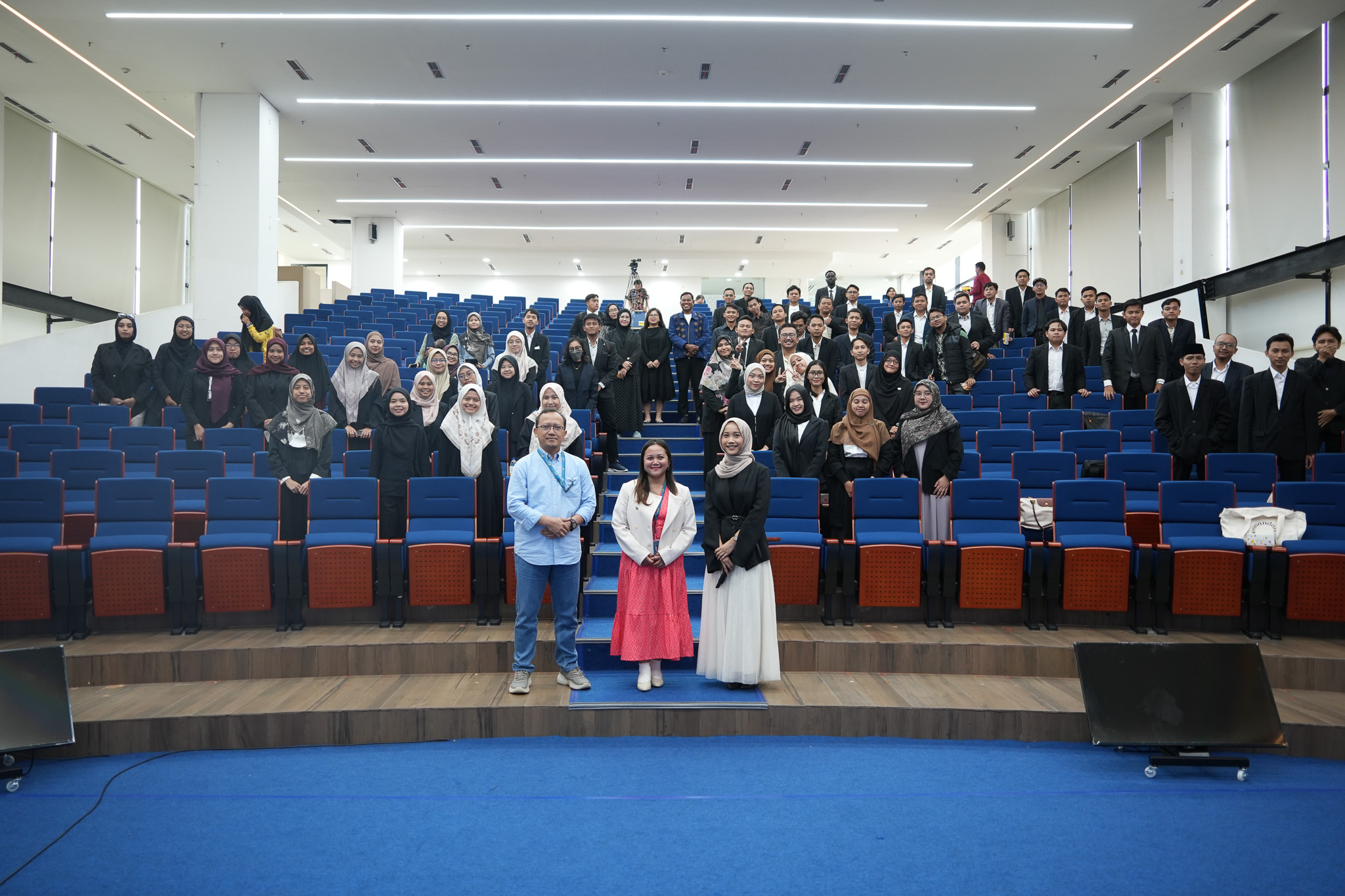
Meet the Guardians of Wellbeing at UIII: Introducing the Counseling and Mental Health Services (CMHS)

Contributor: Supriyono | Editor: Dadi Darmadi | Photo: Achmad Jatnika
The journey of postgraduate study is often spoken of in bright terms—academic achievements, inspiring intellectual discussions, and promising futures. Yet beneath that surface, the lived reality can be far tougher. Endless assignments, the pull of family responsibilities, financial pressures, and the loneliness of being away from home can leave students quietly overwhelmed.
However, here at Universitas Islam Internasional Indonesia (UIII), we care about you, your mental health, and your overall wellbeing. Closing this year’s Orientation Week (O-Week) on Friday, September 19, 2025, two faculty members from the Faculty of Education—Dr. Lukman Nul Hakim and Assoc. Prof. Charyna Ayu Rizkyanti—addressed new students on an often-unspoken yet critical issue: mental health and counseling.
The session specifically introduced UIII’s Counseling and Mental Health Services (CMHS), a division under the university that provides psychological services. This unit is designed as a safe and inclusive space that respects diversity in culture, gender, and individual backgrounds. The service is open to all members of the academic community—students, faculty, and staff.
“Our approach is promotive, preventive, curative, and rehabilitative,” said Dr. Lukman, the Chair of CMHS. “We run mental health campaigns, psychoeducation sessions, and screenings; provide individual and group counseling; and connect students to external services when needed.”
The counseling services are located at the Faculty of Education in the Faculty A compound (first and third floors). They are available during working hours, and students, staff, and faculty members can access them by booking an appointment through the CMHS application. “Seeking help is an act of courage, not a sign of weakness. So never hesitate to reach out to us—we are here to support you,” Dr. Lukman said.
Meanwhile, Assoc. Prof. Charyna emphasized what these services mean in the day-to-day reality of student life. “We know that postgraduate study is hard, but it is not meant to break you,” she said. “The pressure of assignments, the personal struggles, even the loneliness—they can feel overwhelming. But these challenges are also opportunities to discover your strength and resilience. What matters most is that you don’t go through them alone, because here at UIII, we care about your wellbeing.”
She added that that well-being is not about avoiding challenges, but about how we respond to them. “When you can maintain your well-being, all those challenges can be accepted and understood as part of your life. You may feel sad, but you don’t stay in sadness; you may feel despair, but you still keep moving forward. If you are in that state, it means you are flourishing. You don’t only survive, but you thrive—growing, enjoying the process, and living with meaning.”
At UIII, we believe that academic success and personal well-being go hand in hand. By providing accessible counseling services, supportive programs, and a community that truly listens, we strive to ensure that no student walks this journey alone. Because here, your mental health matters just as much as your academic achievement.

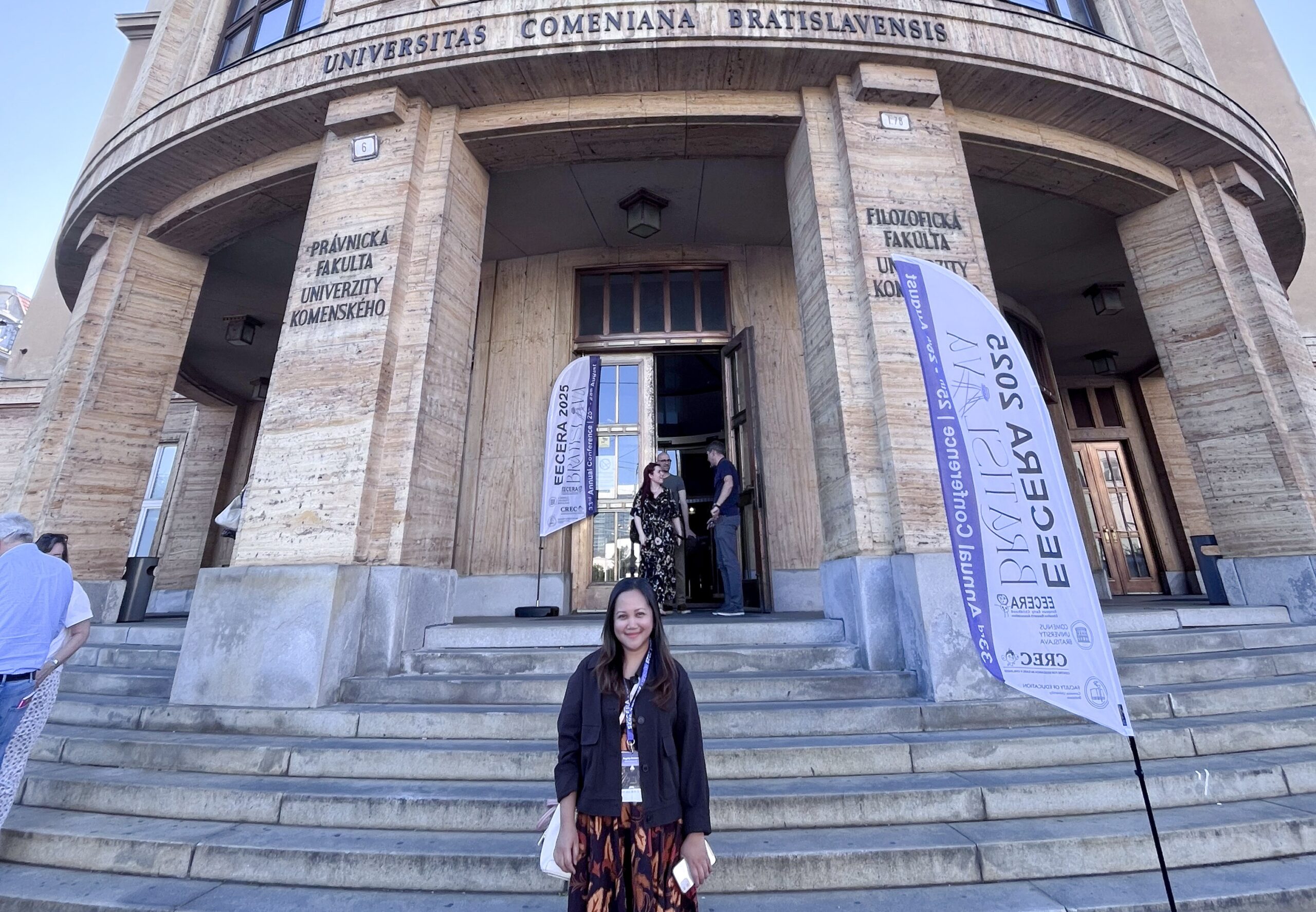
UIII Scholars Share Groundbreaking Research at the 33rd EECERA Annual Conference in Slovakia

Contributor: Supriyono | Editor: Dadi Darmadi | Photo: Charyna Ayu Rizkyanti
Bratislava, Slovakia — Two representatives from UIII brought fresh insights on empathy, wellbeing, and diversity in early childhood education (ECE) to the global stage at the 33rd Annual Conference of the European Early Childhood Education Research Association (EECERA), held from August 25–28, 2025, at the Faculty of Arts, Comenius University, Bratislava.
Assoc. Prof. Charyna Ayu Rizkyanti, lecturer at the Faculty of Education, and Syifa Mufiedatussalam, a PhD candidate at the Faculty of Education, joined hundreds of international scholars at this year’s event, themed “Early Education for All: Celebrating Diversity and Seeking Inclusion.”
Assoc. Prof. Charyna presented two of her recent studies across different symposium sessions, namely Symposium Set A themed ‘Children’s Behaviour and Teacher Empathy’. Held on August 26, 2025, she delivered a presentation titled “Striking the Right Balance: How Empathy Shapes Gen Z Early Childhood Teachers.”
 The next day on August 27, 2025, Assoc. Prof. Charyna presented at the Symposium Set E themed ‘Teacher Empathy, Emotions, and Expectations’. In this session, she delivered a compelling topic of “Valuing Diversity in ECE through Teacher Empathy: A Mixed-Method Study”, a collaborative project she conducted with Popi Rosepti, an UIII alumna from the first-batch MA student at the Faculty of Education.
Meanwhile, Syifa Mufiedatussalam presented her doctoral research under Symposium Set F themed ‘Teacher’s Wellbeing’ on August 27, 2025. Her presentation was titled “How well are you, dear early childhood teacher?” Her presentation highlighted the pressing importance of supporting teacher wellbeing as a foundation for inclusive and high-quality early childhood education.
Both presenters received strong appreciation from participants and opened doors for international collaboration, including book projects, joint research, and academic partnerships with institutions across Europe and beyond.
Beyond paper presentations, Assoc. Prof. Charyna and Syifa engaged in active networking with global experts. They had the opportunity to meet directly with Prof. Dr. Christine Pascal, OBE, President of EECERA, and Prof. Dr. Tony Bertram, Editor-in-Chief of the European Early Childhood Education Research Journal (EECRJ). Discussions also explored the possibility of Assoc. Prof. Charyna serving as an EECERA country coordinator for Indonesia and contributing as a reviewer for EECRJ, a leading SSCI-rated journal.
Reflecting on their participation, the UIII delegation expressed hope that their contributions will strengthen Indonesia’s voice in international academic conversations on early childhood education. “We believe our work can support broader efforts to advance inclusive, empathetic, and sustainable practices in ECE,” said Assoc. Prof. Charyna.
 The EECERA Annual Conference, recognized as one of the largest gatherings of early childhood education researchers worldwide, continues to serve as a vital arena for dialogue, critical inquiry, and collaboration. This year’s theme underscored the urgency of building educational systems that embrace diversity, support teacher wellbeing, and uphold the rights of every child.