AICIS+ 2025 Wasn’t a Conference, It Was a Statement! A Reflection on how AICIS+ 2025 redefined the future of Islamic Scholarship in Indonesia
 AICIS+ 2025 Wasn’t a Conference, It Was a Statement! A Reflection on how AICIS+ 2025 redefined the future of Islamic Scholarship in Indonesia
By Rahayu
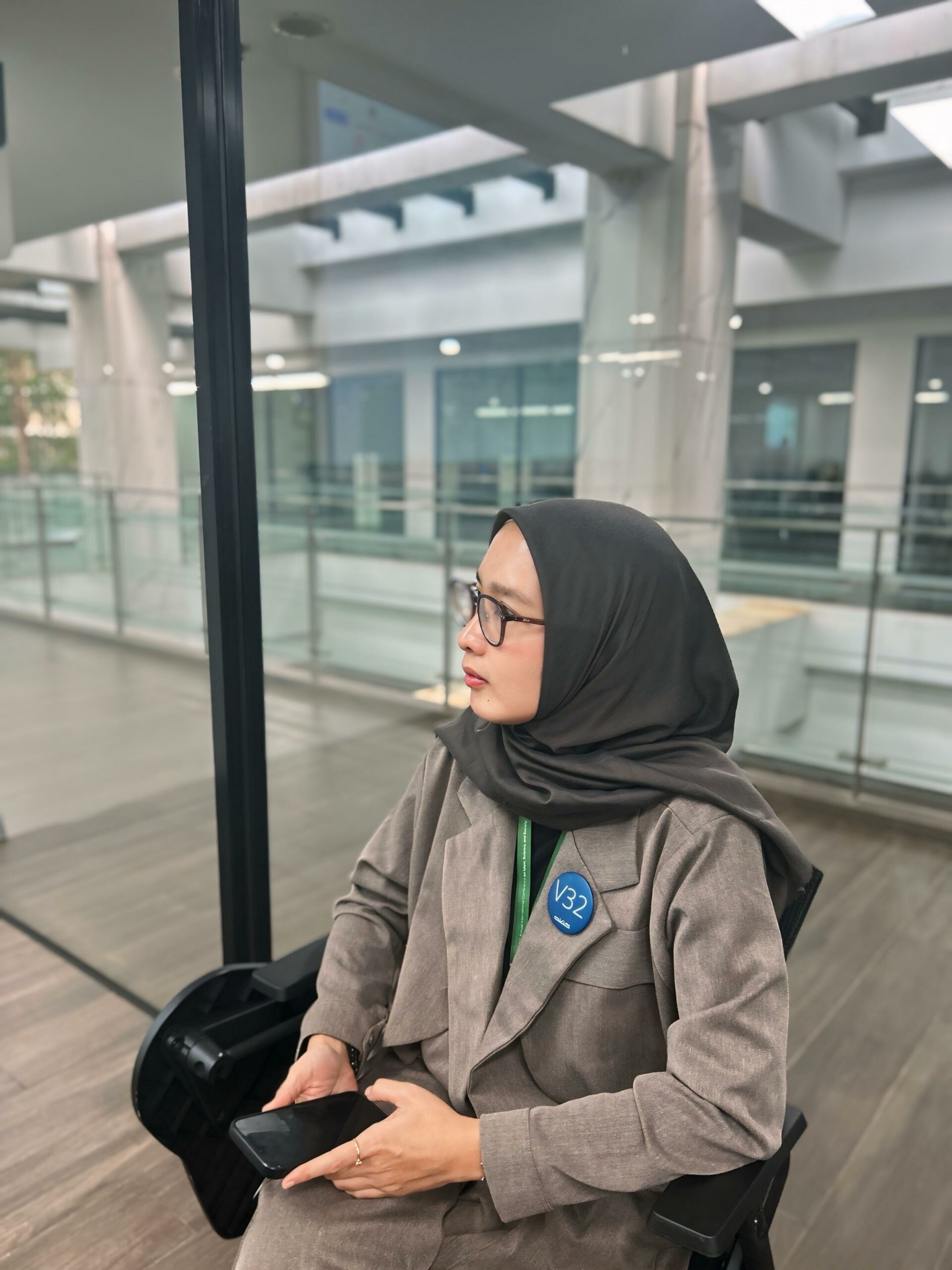
Stepping into AICIS+ 2025 as a PhD student at the Faculty of Education, I didn’t just come to observe theories. I came to challenge them, question them, and remix them through the lens of learning, culture, and innovation. Education is not merely a subject I study; it is the space where ideas meet reality, where curriculum shapes consciousness, and where the next generation learns to think, dream, and lead. And trust me, this year’s conference didn’t just match that energy, it amplified it!
Carrying the theme “Islam, Ecotheology, and Technological Transformation: Multidisciplinary Innovations for an Equitable and Sustainable Future”, AICIS+ 2025 brought together a remarkable convergence of Islamic scholarship, science, technology, and social inquiry. The Director General of Islamic Education, Amien Suyitno, emphasized with pride, that AICIS+ 2025 has become the most selective conference in its history because the committee received more than 2,400 abstracts from 31 countries, but only 230 abstracts/scholars were accepted. This really wasn’t simply an academic gathering with scholars; it was a living ecosystem of ideas where faith met futurism, tradition met innovation, and global challenges were tackled with intellect, empathy, and vision.
And thankfully, we’re done with the “separate buckets of knowledge” era; Islam, societal issues, and future-oriented thinking were finally sitting at the same table and talking. We’re indeed bridging disciplines now, welcoming global tech voices, and embracing bold. Instead of treating STEM as a side conversation, AICIS+ 2025 truly brought innovation to center stage, from AI ethics and digital knowledge ecosystems to scientific breakthroughs shaping Muslim communities and global society.
With interdisciplinary panels, forward-thinking researchers, and conversations that connect laboratories to lived realities, AICIS+ 2025 signals a new era: one where Islamic scholarship in Indonesia stands confidently alongside global scientific advancement, not as an observer, but as an active, visionary contributor.

A Moderator Saga: Navigating the Rasch Model Panel
I had the exciting opportunity to serve as the moderator for the Science and Technology panel sessions, which brought together lecturers and invited journal editors from diverse research backgrounds. Some speakers delved into highly specialized topics, including the Rasch model measurement, and presented its applications in educational assessment, psychometrics, and data analysis. Very interesting!
For me personally, the Rasch Model panel I moderated was a standout moment at AICIS+ 2025, it was the only panel dedicated entirely to the Rasch Model during the conference. Again, as a PhD student in the Faculty of Education, I couldn’t believe my luck—this semester, while diving into Educational Assessment and the Rasch Model with our own lecturer in the field, I also accidentally signed up for a moderator of conference that turned out to be pure gold and full of knowledge.
Lesson Learned from AICIS+ 2025
I still remember the very first day of AICIS+ 2025 when the Rector of UIII, Prof. Jamhari, highlighted that this conference was far more than an academic event—it was a center hub of collaboration, dialogue, and intellectual exchange. And this whole experience for me was a powerful reminder that learning doesn’t only happen within the four walls of a classroom, it is beyond that. Observing keynote speakers, participating in panel discussions, and engaging with international top scholars offered a rare chance to see theory and research in action, applied to real-world contexts and global perspectives. I realized that staying curious, being proactive, and learning from others is key because education isn’t just about textbooks and lectures, it’s also about conversations, connections, and the people you meet along the way.

The Journey Was Tough, but I Made It: Thousands of Santri to the National Top 5
 The Journey Was Tough, but I Made It: Thousands of Santri to the National Top 5
By Jihan Ariqatur Rafiah
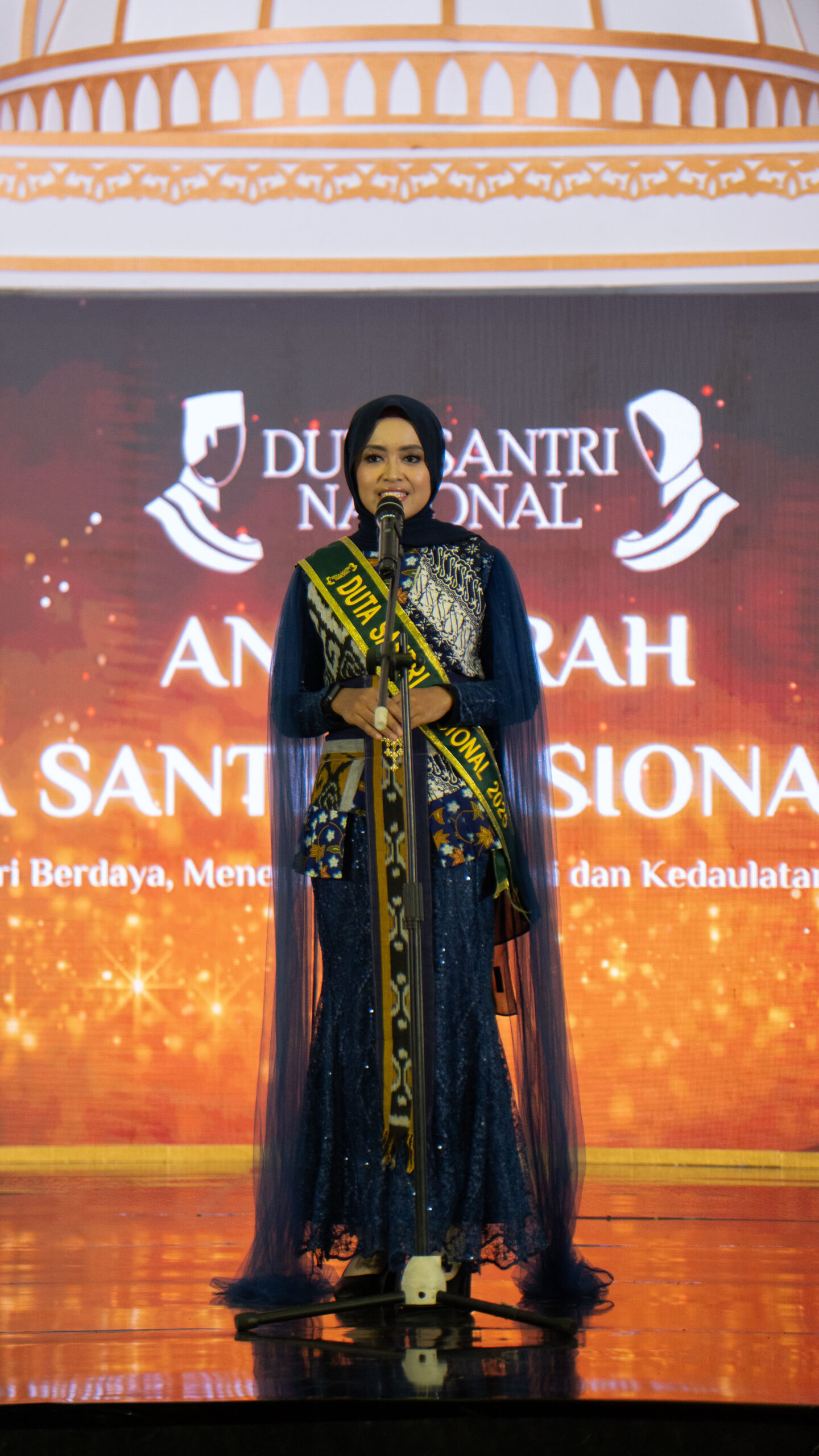
National Santri Ambassadors are a group of young individuals from various Islamic boarding schools and educational institutions across Indonesia who develop and promote pesantren values nationwide. They serve as representatives of santri to spread these values in areas such as religion and education, science and technology, social and community development, politics and law, health and sports, energy and environment, economy and entrepreneurship, culture and tourism, diaspora, and multimedia.
Participating in the National Santri Ambassador (NSA) Competition 2025 was an extraordinary and challenging journey. Honestly, I never imagined I could reach this stage. Out of 5,995 participants nationwide, I managed to enter the top 30 finalists and ultimately became top 5, an achievement that still feels like a dream. I chose to focus on Science and Technology, as I wanted to show that santri can excel not only in religious knowledge but also integrate modern science to benefit the community and the nation.
The long journey began with the document screening stage. At this stage, I had to prepare a complete portfolio, including academic achievements, social activities, pesantren experiences, and various works I had produced, such as scientific articles and science projects. Additionally, I submitted a motivational letter that needed to clearly and honestly explain why I deserved to be a National Santri Ambassador. This stage taught me the importance of presenting oneself sincerely and convincingly, as it reflects one’s ability to communicate potential and achievements.
After passing the document screening, I faced interviews and knowledge tests. The interviews covered topics ranging from religious understanding, national insights, social issues, to the latest developments in science and technology. The knowledge test did not only examine theory but also analytical and problem-solving skills. Another challenge was demonstrating the ability to read the Qur’an with proper tajwid and reading classical Arabic texts (kitab kuning/gundul). For many participants, this was a difficult task as it required focus, precision, and comprehension of classical Arabic. However, my previous pesantren experience became a solid foundation, enabling me to navigate this stage confidently.
 The The next stage was the online bootcamp. Despite being virtual, it was intensive and packed with material on leadership, effective communication, project management, and strategies to influence audiences. This bootcamp became a turning point, helping me realize that being an effective leader is not only about knowledge but also the ability to inspire, listen, and influence ethically. I learned pitching and presentation techniques, including how to craft a compelling story behind a science project to make it understandable to diverse audiences. This was when I started developing the technology project I would present in the finals.
After the bootcamp, I entered the project presentation and pitching stage, a key determinant for entering the top 30. I presented a project that combined modern scientific principles with Islamic values an environmentally friendly technological innovation that could be applied in pesantren or local communities. The biggest challenge was communicating scientific ideas clearly and effectively, so that judges from various backgrounds could understand its vision and impact. This experience taught me that scientific communication must be inclusive, not only for scientists but also for the general public.
Upon reaching the top 30 finalists, I attended a five-day in-person quarantine program. These five days were full of intensive activities that expanded my perspectives. The materials ranged from leadership, religious moderation, and pesantren life, teaching us the importance of personal appearance and visual communication as part of one’s self-presentation. In addition, sessions on public speaking and how to influence taught me how to speak confidently in public, build charisma, and positively influence audiences. These sessions became reflective moments, reminding me that being an ambassador is measured not only by academic ability but also by interpersonal skills and social awareness.
Another significant moment occurred when I reached top 5 finalists and had to answer direct questions from the judges. The question was about bullying in pesantren, a sensitive issue that required careful and empathetic responses. At this point, I was extremely grateful for my studies at the Faculty of Education UIII, especially in the Psychological Education, Human Development, and Well-Being in Education course, where I gained insights into developmental psychology, social dynamics, and strategies to address bullying. This knowledge helped me provide a comprehensive answer, emphasizing the importance of character education, empathy among santri, and a humane approach to creating a healthy and inclusive pesantren environment. It made me realize that classroom learning can be directly applied to real-life challenges.
This NSA experience has taught me many valuable lessons: the importance of thorough preparation, effective communication, leadership skills, cross-cultural collaboration, and how to integrate religious and scientific knowledge for social impact. Each stage, from document screening, interviews, knowledge tests, Qur’an and classical text reading (kitab kuning/gundul), online bootcamp, pitching, to quarantine, has been a profound learning process shaping my character. More than just a competition, it also fostered empathy, the ability to understand others’ conditions and needs, respect differences, and design innovations that truly benefit society. This empathy is not only crucial for santri but also for pesantren stakeholders and any educational institution, so that policies, methods, and learning approaches are better directed, relevant, and responsive to students’ real needs. I carry these lessons into every step of my life: that being a modern santri means competing at the national level, innovating in science, staying true to Islamic values, and caring sincerely for others, with empathy as the foundation of every action.

In the Light of Small Steps: A Journey of Learning, Sharing, and Becoming
 In the Light of Small Steps: A Journey of Learning, Sharing, and Becoming
By Luqyana Azmiya Putri
It is a great blessing for me to have the opportunity to be exposed to UIII community. How could it not be, when every moment I spend in the classroom and outside the classroom always leads me to continue sharing my knowledge. Just like my lecturers, who always strive and ensure that their knowledge reaches their students.
Fortunately, from August to September 2025, I had the opportunity to interact with one of the campuses in Jambi Province, specifically IAIN (State Islamic Institute) Kerinci. I had the opportunity to be a mentor for students at IAIN Kerinci to learn about the world of research together. I am very grateful for the meaningful opportunity at the Indonesian International Islamic University, where learning from my inspiring lecturers has made me want to follow in their footsteps. Long before the mentoring period, I intended to run an impactful university project in Kerinci. Aware of my limitations, I tried to realize this project with the support of the campus through the Community Engagement program.
The Community Engagement Program is a UIII initiative focused on providing support for implementing impactful programs. I tried to discuss this project and get guidance and direction from one of my lecturers who has extensive experience in this field. She is Prof. Suwarsih Madya, PhD. She is also the Team Leader of our project. We discussed the project execution plan, which focuses on providing a Research Clinic to each selected participant from IAIN Kerinci, followed by a Symposium as the culminating event.
 The Rector of IAIN Kerinci, Dr. Jafar Ahmad, M.Si, provided tremendous support and welcome for this program because it is in line with the campus's mission to improve student literacy skills, including in the fields of research and publication. For me, this support is not only a representation of institutional participation but also a form of inter-university collaboration. This activity seeks to show that the academic world is not a vertical line but a circle and network of ideas that reinforce each other. Through this collaboration, a space for collaboration has been created between UIII and IAIN Kerinci as learning partners who give, learn, and work together in building a culture of research.
The mentoring program at the Research Clinic was held from August 26, 2025, to September 11, 2025. This program opened opportunities for all members of IAIN Kerinci to participate in this activity. More than 30 people registered for this program between August 21 and 23, 2025. Meanwhile, 25 participants from various disciplines were selected to participate in the mentoring program, including undergraduate students from the Faculty of Tarbiyah, Faculty of Sharia, Faculty of Economics and Islamic Business, and Faculty of Ushuluddin, Adab, and Dakwah. In addition, postgraduate students were also selected to participate in this program.
Research clinic participants can choose the material they want to study and also adjust it to the development of the research draft that has been prepared. This clinic-based mentoring system has become a way to accelerate participants in completing their full papers. Each participant attends at least 6 meetings where, at each meeting, participants are guided with a one-on-one approach, thereby increasing the opportunity to better understand the material presented. This strategy is inspired by the personalized learning approach, which tends to tailor the educational process to the needs of each student.
The priority of this program is to help students overcome difficulties in writing papers. Some of the problems encountered are related to research logic, writing coherence, data interpretation, and understanding of both qualitative and quantitative research methods. Each problem raised by participants is discussed and then intensively guided by providing understanding and material sourced from primary and relevant references.
After the mentoring period, 24 participants successfully completed their full papers and were able to proceed to the submission stage at reputable scientific journals. All participants who completed their papers had the opportunity to become presenters at the highlight of the event, namely the Symposium held on September 13-14, 2025. A total of 15 presenters registered to present their research results at the open panel session.
This experience shaped my perception that the learning process does not stop in the classroom, but that knowledge becomes more meaningful when shared with others. The research clinic activity, followed by the symposium, gave me the valuable understanding that everyone has a unique way of learning. This led me to discover the art of learning, that teaching is inseparable from understanding people, so it is not just about understanding the material. This understanding reminded me of Carl Rogers' view of humanistic pedagogy, which is related to the student-centered approach in learning. He revealed how humans have different potentials, accompanied by diverse learning needs for everyone.
I believe that fostering a culture of research is one of the best ways to bring knowledge to life. This is because individuals involved in this culture will be exposed to a variety of reading experiences. Not only reading academic literature, but also reading nature, which means that individuals involved have the potential to interpret events and phenomena that occur in the midst of human life in order to gain understanding and knowledge. This can be seen from the various topics raised and discussed in each student's paper. Among the topics discussed were education, social issues, religion, family law, history, and local tradition studies.
 This program made me realize that building a culture of research is not just about writing skills, but also the willingness and courage to think critically. Bringing meaning and sharing benefits does not have to wait until we become great people. After all, haven't we heard the sacred saying, “convey even if it is only one verse”? When contextualized in the learning journey, conveying the knowledge that has been learned is a way to actualize it. Of course, with the caveat that when conveying this knowledge, it must be accountable.
Thus, a message emerges that academic and research activities are not merely targets for publication or numerical achievements. Rather, they are intellectual pursuits that reflect the small efforts made by every scholar to maintain the continuity of knowledge. I reflect on this activity as a space for mutual listening and mutual growth. This means that usefulness does not always arise and come from things that we often consider big, because it can also be born from a small space that moves on the basis of the awareness that knowledge is actually more meaningful when it is shared and brought to life.
UIII Lecturer Receives Prestigious U.S. Embassy’s RELO Scholarship Award at TEFLIN 2025


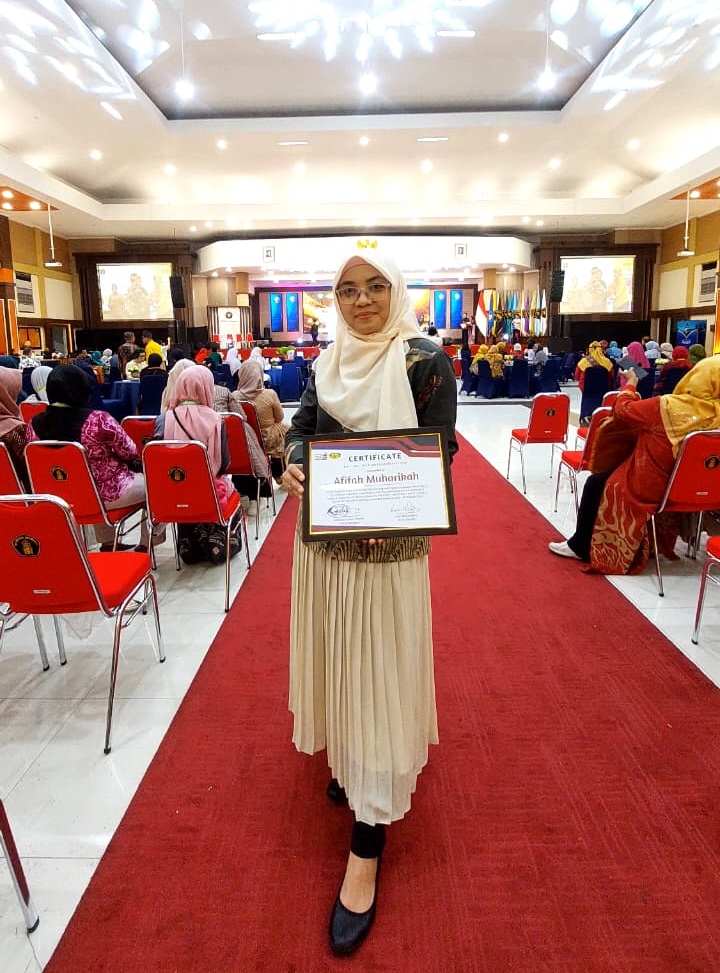
The RELO Scholarship Award 2025 marks a milestone in Dr. Afifah’s professional journey, following her involvement in previous TEFLIN and RELO-supported programs such as the TEFLIN Professional Development Program and the Developing and Teaching Academic Writing Course (DATAWC).
Dr. Afifah’s recognition not only enhances her personal capacity as an educator and researcher but also contributes to UIII’s broader mission of advancing ethical, inclusive, and globally informed scholarship. This award reflects UIII’s commitment to developing educators who are ethical, competent, and globally connected.
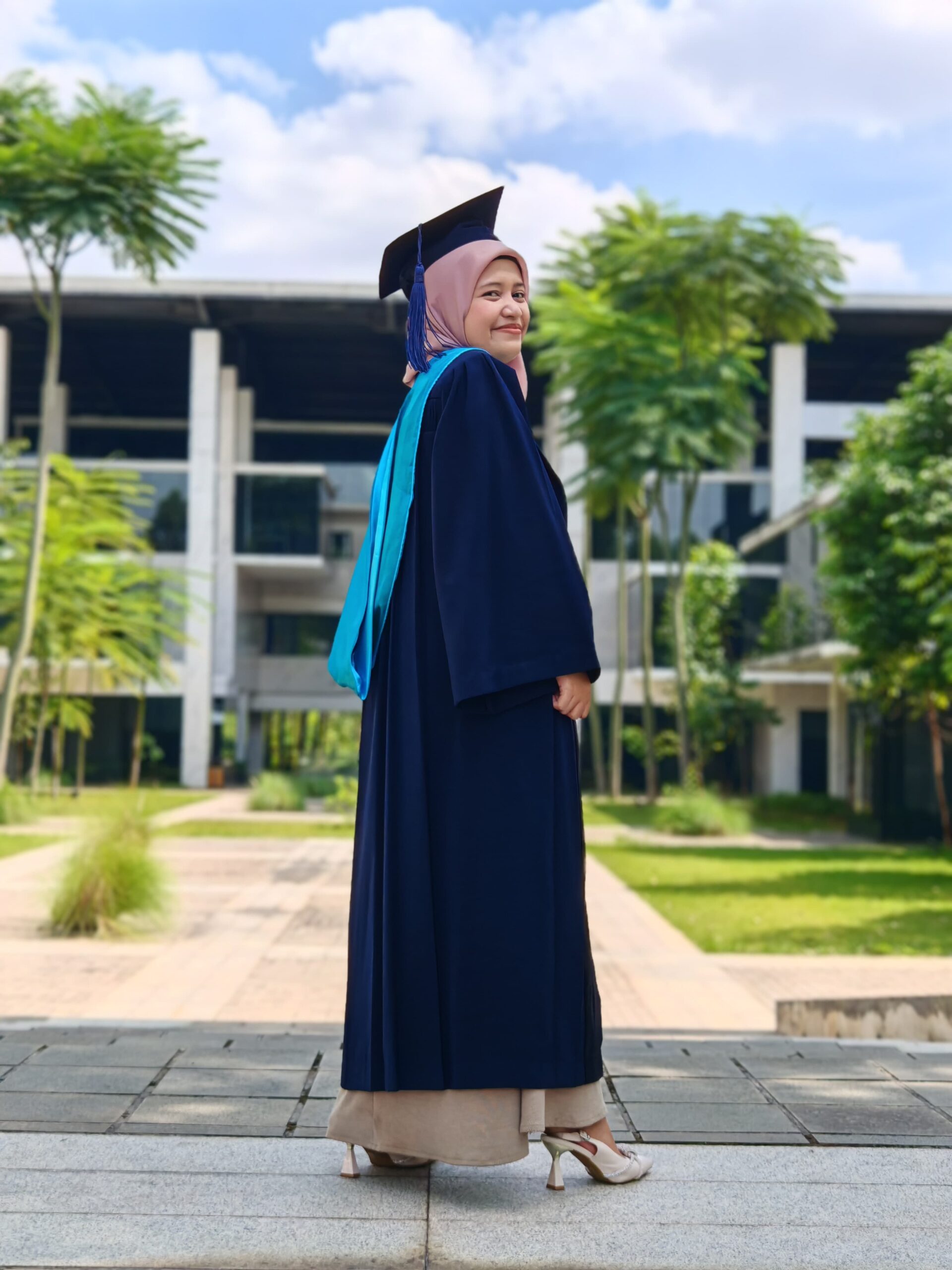
The Process Was Not Easy, but I Did It: A Thesis Writing Journey as an Outsider

The Process Was Not Easy, but I Did It: A Thesis Writing Journey as an Outsider
By Queen Salsabila
Writing a thesis is a final requirement for us, the last year students of Universitas Islam International Indonesia (UIII), to obtain our Master of Arts in Education degree. Writing it was not an easy task; we put our effort, spirit, and dedication into it. We all had our own struggles to finish it, and for me, doing it as an outsider made the journey even more challenging yet memorable. My thesis discusses the role of empathy as the mediator between the effect of collective teachers’ efficacy and school climate on the well-being of English teachers in the special region of Jakarta. As someone who was born, raised, and finished a bachelor’s degree in East Java, I had no personal connection with my field research site or its people when I began my research.
Some people may wonder why I did not make it easier by going to my hometown and doing the research there. However, after considering everything, particularly the uniqueness and diversity of culture in Jakarta, which will add special value for my research topic, I chose Jakarta as my research site. Thus, with that belief and support from my supervisors, I took the big risk of choosing Jakarta as my research site and put East Java as my second plan. This journey was full of self-doubt, fear, tears, and overthinking, but I kept going, believed that I would face it, and in the end, it was all worth it.
Along the way on this journey, despite all my doubts, I always believed that I could do it. At the first step, as an outsider, I had to build everything from scratch. In detail, because my research is quantitative, it requires a lot of participants. Thus, I began my journey by looking for any teacher who could help me become a research assistant. This process was not smooth, because my research participants are English teachers in Jakarta, I began by checking the Instagram account of the English Language Teachers Association (MGMP), but I could not find any active account. I continued my journey by asking some friends who became English teachers, through this way, I got one of the contacts of an English teacher, who is fortunately one of the treasures of MGMP in Pasar Minggu sub-district in South Jakarta. I went to her school to meet her and explain my research topic, and she agreed to be my research assistant.
Furthermore, to obtain legal permission, I went to the Jakarta Provincial Education Office to submit a research permit letter and request a research recommendation letter to conduct research in Jakarta. Eventough Jakarta is a province, buat actually it is a big metropolitan city, which also Indonesian capital. This process was going smoothly, and they were willing to help me in the process of data collection. Through this, my belief that I can complete this research has increased. However, this feeling did not last long. In the data collection process, it was hard for me to gain the data, even though I had already received help from my research assistant and the educational office to distribute my instrument. Realising that waiting would not help, I found another way. I am seeking help from a more impactful person in the field, who is the head of MGMP in DKI Jakarta, both in Junior and Senior High School. I met them to explain my research, my struggle, and to ask for help. During that meeting, I also got the contact number of the head of the School Principals’ work forum (MKKS), so I contacted and met him. Consequently, my data increased gradually.

Despite that, after weeks of waiting, I have not yet reached my target, while the submission deadline for finishing my research is approaching. A feeling of fear came over me, but I am not stopping here, I try another way. With the help of my best friend, Kak Nabila, I dedicated myself to taking a more direct approach. I visited several schools in person, and we went door to door around schools in Jakarta near Depok, waiting for hours to meet the teacher coordinator or principal. In this journey, I accepted both the warm welcome as well as some rejections. Continuing that, I did follow-ups every three days with the heads of the association, even joining their event to introduce myself, explain my research in the forum, and ask for their help to participate. I also contacted a hundred teachers. And finally, I meet my appropriate number of participants. This process taught me patience, humility, and empathy. I learned to respect every rejection and value the slow progress that builds my resilience.
More than that, the challenge is not stopping; the data analysis process is challenging, as is the data collection process. I made mistakes in my analysis, which led to repeating the analysis process. Here, I strive to continuously learn from my mistakes, which leads me to a deeper understanding about the research process and its analysis. From this journey, I believe that if there is a will, there will be a way. For someone who will follow my step, it will not be easy, but you should remember to be courageous, be persistent, never be tired of trying and learning, keep going even if it is a small step, and remember to believe that you can do it, while also having plan B. In the end, this journey not only shaped my research skills but also my character. It gave me valuable lessons that research could never teach. Lastly, thank you so much to everyone who helped me and supported me during this process, especially my supervisor, Assoc. Prof. Charyna Ayu Rizkyanti, PhD, who have always believed in me and guided me during this process. The Journey was not easy, but I made it.
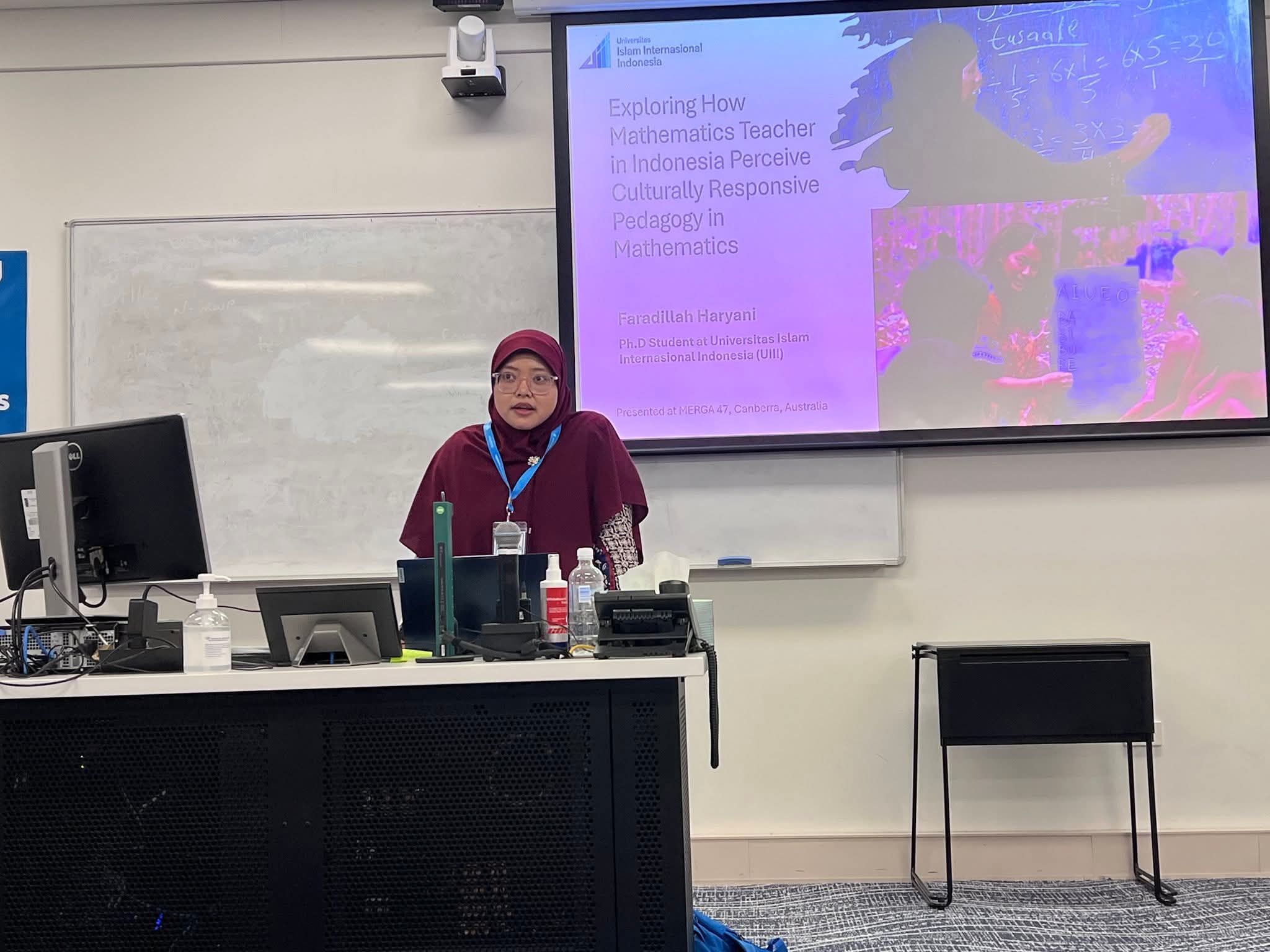
Two Years, Two Journeys, One Australia: Faradillah’s International Pursuit in Mathematics Education
 Two Years, Two Journeys, One Australia: Faradillah’s International Pursuit in Mathematics Education
For Faradillah Haryani, pursuing a PhD at UIII’s Faculty of Education been more than an academic journey—it has been a story of growth, perseverance, and global connection. In just two years of her doctoral studies, Faradillah has been blessed to travel to Australia twice, both times fully funded, presenting her research at two of the world’s most prestigious mathematics education conferences.
“I never imagined I would attend the largest conference in mathematics education, meet so many prominent figures, and gain such profound insights as an early researcher,” she recalled with gratitude.
Her first academic adventure took her to Sydney in 2024, where she joined more than 2,000 participants at the 15th International Congress on Mathematical Education (ICME)—the largest gathering of mathematics educators in the world. The experience, she said, was transformative.
“I began preparing my manuscript during my very first month as a PhD student at UIII. The process took almost a year—from drafting to securing funding. Alhamdulillah, both my applications for the ICME Solidarity Fund and the UIII Conference Grant were accepted,” she said.
Out of 2,065 speakers, only 197 were awarded the Solidarity Fund, and Faradillah was one of them. For her, the experience was not merely about presenting research—it was about discovering how global conversations in education can challenge, inspire, and reshape local perspectives.
“The conference made me reflect deeply on one question: Whose knowledge are we teaching, and is it relevant to every context? It reminded me of the need to value local wisdom and integrate it with global insights.”
At ICME, Faradillah also connected with renowned scholars, including professors from the University of Auckland, Arizona University, and the Algebra Project in the United States—who shared resources, ideas, and invitations to international research collaborations.
Her second journey came in 2025, when she returned to Australia for the 47th Mathematics Education Research Group of Australasia (MERGA) Conference in Canberra—this time, as an emerging scholar recognized by the international community.
Submitting to MERGA, she explained, was no small feat. Known for its rigorous double-round review process, MERGA’s standard is among the highest in the field. “I started with an early bird submission for early career researchers and received pages of detailed feedback—pointing me to readings I hadn’t considered and urging me to refine my arguments,” she said.
With the guidance of her supervisor, Dr. Destina Wahyu Winarti, Faradillah revised her paper multiple times until it was finally accepted—as a full research paper, MERGA’s most prestigious level of recognition.
 Her efforts did not go unnoticed. She was awarded the MERGA Student Bursary Award, one of only four recipients that year. When her name appeared on the screen during the opening ceremony with the message “Keep your eye on this emerging researcher,” Faradillah could hardly believe it. “It was one of the most humbling moments of my life,” she said.
Her paper was later selected as one of MERGA 2025 Quick Reads, a collection of the conference’s most highlighted papers, alongside works by plenary speakers and award winners. “It wasn’t just about recognition,” she reflected. “It was about belonging—feeling part of a community that values collaboration over competition.”
At MERGA, she also met distinguished scholars such as Prof. Kim Beswick, President of ICME 15, and Prof. Kay Owens, a leading figure in ethnomathematics and culturally responsive teaching—both of whom offered invaluable feedback for her dissertation on culturally responsive mathematics education.
“From ICME to MERGA, I learned that research is not a lonely path,” she said. “It’s a shared journey across countries and communities, united by the love for learning and teaching.”
Finding the Right Place for a Global Dream
Faradillah was a graduate of University of Birmingham, UK, where she pursued a Master of Science in Mathematic modelling. Her achievements are even more inspiring when you consider her personal circumstances. As a wife and a mother of a five-year-old, pursuing a PhD abroad full-time was not a simple option.
“I chose UIII because I was looking for an international university that feels local,” she said. “Going overseas isn’t always easy when you have a family. But at UIII, I found the same global exposure I had dreamed of—right here in Indonesia.”
She was particularly drawn to the university’s international faculty, global conferences, and research collaborations. “When I looked at UIII’s academic profile and the backgrounds of its lecturers, I knew this was where I wanted to grow. The international environment here truly prepares us to engage globally.”
Looking back, Faradillah offers a heartfelt message to fellow early-career researchers: “Don’t fear feedback. Don’t fear rejection. Keep writing, keep submitting, keep learning. You never know which door will open when you dare to knock.”
Her story is a testament to the transformative power of perseverance, mentorship, and faith. From Depok to Sydney to Canberra, Faradillah Haryani stands as a shining example of how UIII is nurturing scholars who bridge Indonesia to the world—one research paper at a time.
Interweaving Activism and Academics: Reflections on my Educational Journey with UIII
 Interweaving Activism and Academics: Reflections on my Educational Journey with UIII
By Ajeng Satiti Ayuningtyas
For me, education has always been more than just classrooms and textbooks. It is the breath of life, a path to justice, and a bridge that connects us with those who are often marginalized. From the beginning, I have been involved in various educational movements, not because I feel capable, but because small, consistent changes can foster great hope.
My journey of activism has taken me to various communities. In 2015, I built Sekoci Foundation (Yayasan Sekolah Cinta Anak Indonesia), formerly known as Sekolah Kolong Cikini, located in the Gondangdia RPTRA (under the train station) as an alternative learning space for marginalized children. I also noticed that the opportunity to receive a good education was only available to children who were already well-off, so what about marginalized children?
Sekoci was born out of my concern for marginalized children in Central Jakarta who struggled to access formal education. Together with my colleagues, we created an alternative learning space that was friendly, creative, and full of love. We call it "Sekoci"—a nod to the philosophy of a small ship shining a light in the darkness and navigating the ocean of knowledge. At Sekoci, there are four classes with different age ranges. These include A1, which is like preschool for ages 3-5; A2 for ages 5-7; B1 for elementary school; and B2 for junior high and high school. We currently have 80 students studying with us. Our programs include Mendarat (Storytelling and Relaxed Learning), Berlayar (Let's Learn and Go Together), and Dermaga (Sitting with Leaders and Parents).
 Through Sekoci which 10 years established, I learned that education isn't just about the curriculum but also about taking sides. The children we mentor not only learn to read and write but also importantly discover the meaning of togetherness, self-confidence, and dreams. From this experience, I have come to understand that every child has the right to dream big, regardless of their background. I remember writing a paper in my Education and Society class titled "Left Behind the System: Exploring the Role of Alternative Education for Central Jakarta's Marginalized Children," which I planned to present online at the Asian Conference on Education (ACE 2025). For me, it was essential not only to understand the theory but also to apply what I had learned in practice.
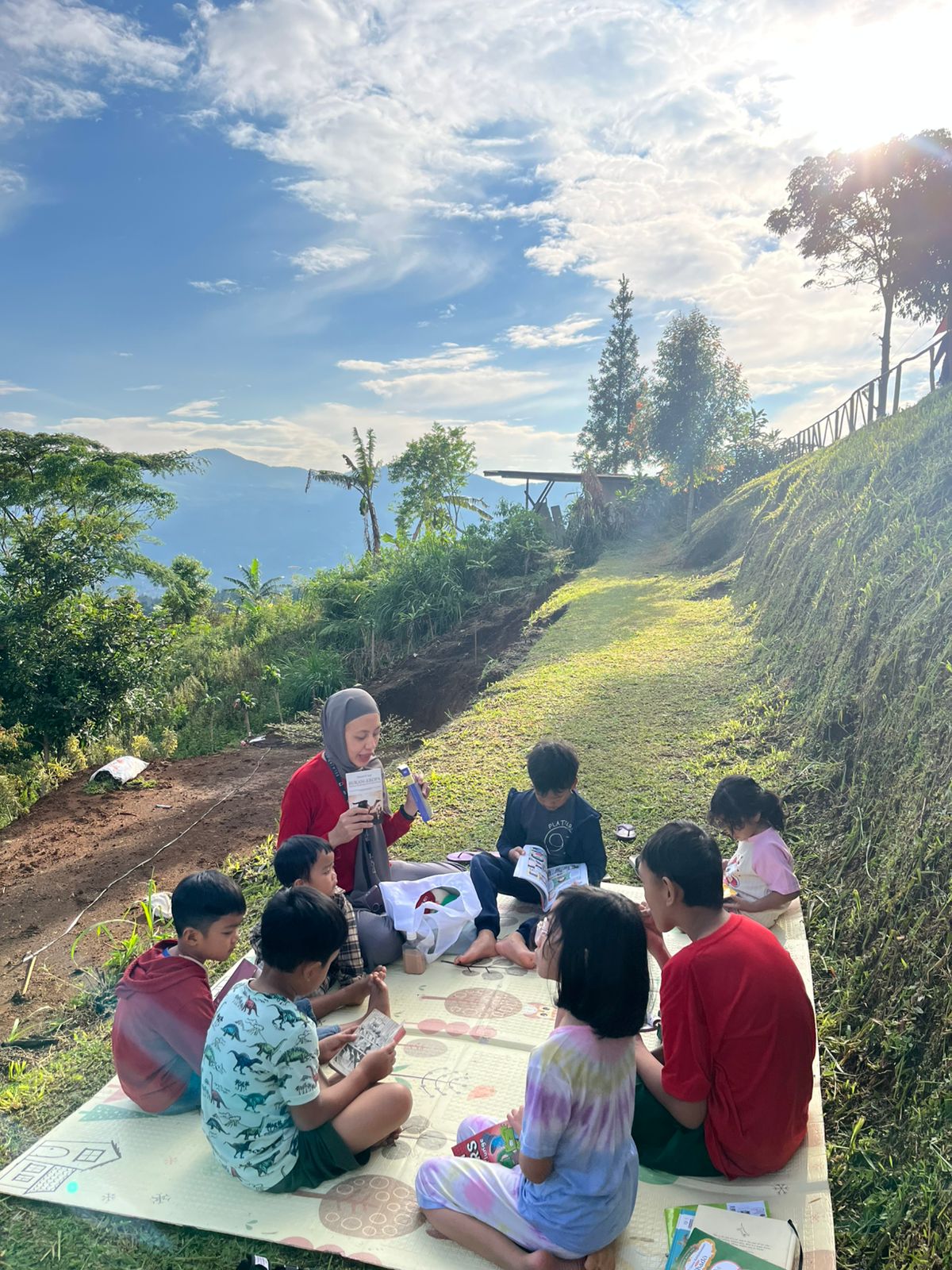
Another effort that I'm also actively involved in a read-aloud community, which may sound simple, but it has incredible power in fostering children's interest in reading. Through Barikade (Reading from Close Family), I've helped drive reading campaigns in public spaces, homes, and schools. From this activity, I've learned that literacy isn't just merely about reading skills but also about building emotional bonds between children, parents, and the community. Reading together is a way to foster closeness, curiosity, and critical awareness from an early age. Taking Literacy and Development Resources classes has further enriched my understanding of the world of literacy, which I can share with the community.
 As a student mom of two, I'm currently involved as a facilitator in Sadar Ibu (Mother Awareness Program). Sadar Ibu is a program that optimizes the role of women through group support and mental health education. We know that women, especially mothers, play multiple roles in their daily lives. This program opens new perspectives and serves as a comfortable space for mothers to share their stories and receive support through mental health education from professionals, clinical psychologist. The Psychology in Education, Human Development, and Well-being in Education courses have further sharpened my role in Sadar Ibu, empowering mothers to be open of the help and support. There are still many mothers who need help with their mental health. I wrote a paper on Educational Leadership Management to see explore female leader and her wellbeing titled Coping Strategies of a Female Principal in Maintaining Wellbeing for School Effectiveness: A Case Study at PKBM in Pamulang.
From Field Activist to Scholar-Activist
Upon joining the Faculty of Education at UIII in a master of arts program, I found a space that combined academic reflection with practical experience. Class discussions, theoretical readings, and cross-cultural interactions allowed me to re-examine my journey through a new lens.
In the Leading Educational Change course, I understood that educational movements, such as Sekoci, do not operate in isolation. Educational movements like Sekoci are part of a broader change effort that requires strategic implementation within a defined policy framework. Then, I was a principal of kindergarten school before and as a leader in the education movement, the educational leadership and management class also helped me gain a macro perspective. Leadership in education does not always emerge from structural positions but also from community initiatives.
Through Education and Society, I realized the close relationship between family, society, and the state in shaping the educational ecosystem. What I experienced at Barikade or Sadar Ibu (Mother's Awareness) turned out to be a concrete practice of critical educational theory.
UIII has been helping me reconcile my two identities: field activist and academic. I learned that experiences in the community need to be written, analyzed, and published to become shared knowledge. This way, they can inspire more people and even influence policy.
I no longer view activism and study as two separate paths but rather as one, mutually reinforcing one another. Activism gave me real-world experience; the speakers provided me with a framework for understanding and expanding its impact.
Studying at UIII gave me a new energy: that I am not just a volunteer, facilitator, or community founder, but also a scholar-activist ready to bring ideas from the field to the academic realm, while simultaneously returning theory to practice.
The education I champion can favours children, empowers families, strengthens women, and protects the earth. And it is at this intersection of activism education finds its true meaning. Because education is a collective work, so we have to hand in hand work together and collaborate in this long-term journey.

Social Capital in Action: Lesson from Gernas Tastaka and Gernas Tastaba

Social Capital in Action: Lesson from Gernas Tastaka and Gernas Tastaba
By Dona Kuswoyo
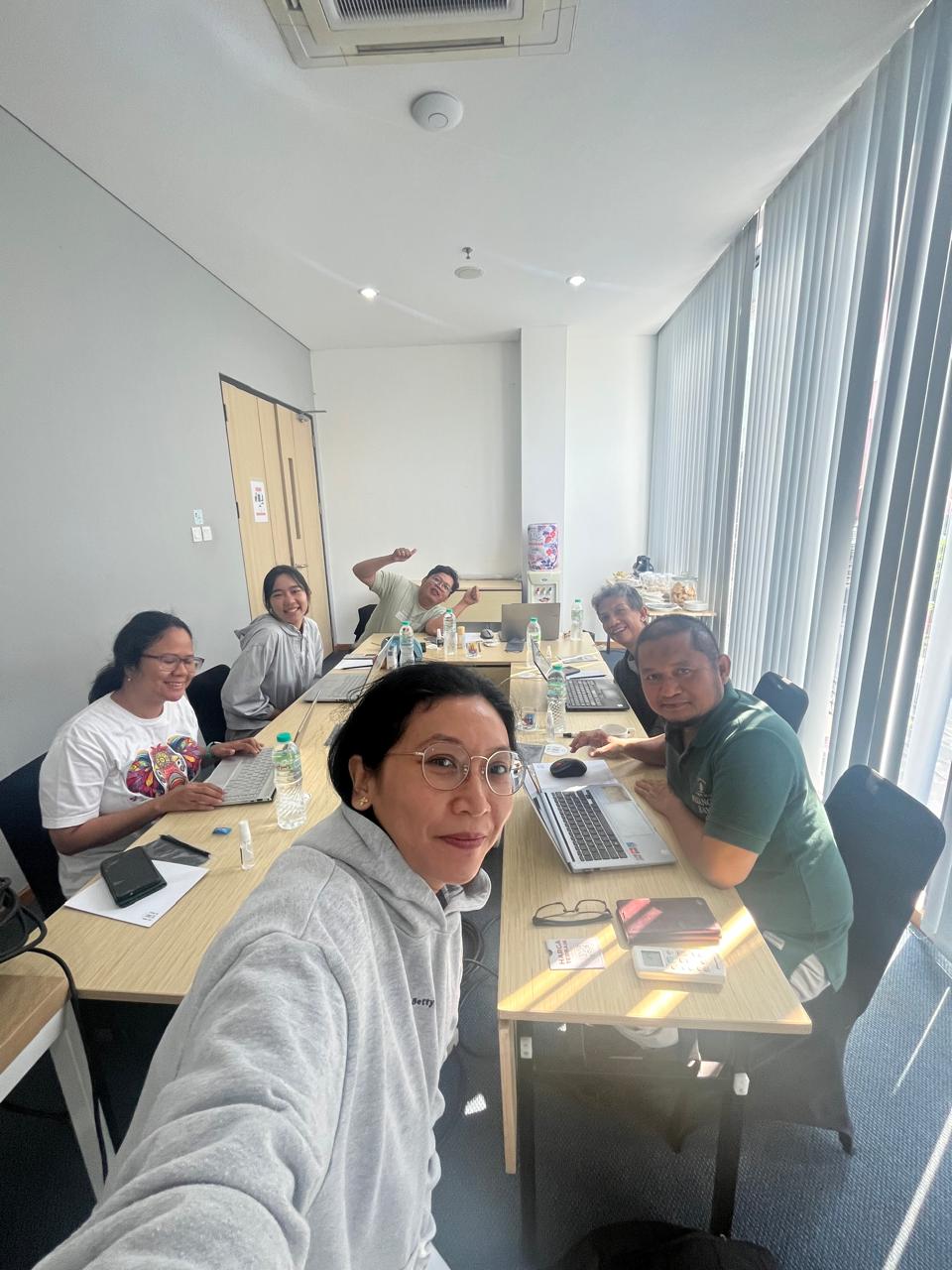
In a simple room, a group of education activists gathered for their monthly routine meeting. One by one, members (i.e. teachers) presented ideas, attentively listened to by the others, followed by discussions that sometimes led to heated debates. This atmosphere has persisted for more than seven years like a rhythm that confirms their nature as a community of practice: a group of people who regularly interact to deepen knowledge and practices in the fields they care about. I am part of one such community, namely Gernas, a national movement focused on improving the quality of basic education, particularly literacy and mathematics. Through Gernas Tastaka (National Movement for the Eradication of Mathematical Illiteracy) and Gernas Tastaba (National Movement for the Eradication of Reading Illiteracy), which I have been involved as a volunteer for the past four years.
My initial involvement to this movement began during the pandemic (2020), when a friend asked for help in developing the Gernas Tastaka program for parents. At that time, many parents were unprepared to assist their children with learning at home. From there, I gradually became "entangled" in a solid and purposeful volunteer network. What united us? A concern as well as a belief: that Indonesia's basic education needs more attention, and grassroots initiatives can make a tangible impact. Gernas is not just an ordinary volunteer gathering. Here, volunteers from diverse backgrounds. From teachers, lecturers, trainers, designers, writers, even former CEOs on private sector, joined Gernas to contribute according to their expertise. As for myself, which have background in teacher training, I teach literacy and mathematics based on modules developed by the team.

The dynamics of this community taught me a lot. I learned from the "provocateurs" who were not afraid to debate with strong arguments. As an observer who later became actively involved, I absorbed knowledge from these quality discussions. Uniquely, although its members are spread across various regions with a master trainer located in Jakarta and local trainers in the regions, this community remains solid without having to work together day by day. This flexibility also suits my health condition, which prevents me from working full-time.
Ultimately, Gernas is a kind of evidence that communities of practice can be a platform for learning, collaboration, and real action. With a spirit of volunteerism and a commitment to quality education, we continue to move, often without formal scrutiny, to make a direct impact on the ground.
What Gernas Have Done So Far
Since its founding on November 10, 2018, Gernas, under the Penggerak Indonesia Cerdas (Empowering an Enlightened Indonesia) Foundation, has not only focused on training elementary school teachers in mathematics and literacy but also developed various engaging supporting programs. For example, the “Bincang Gernas” or Gernas Talks are held online at the end of each month. This kind of talk show actually discuss basic concepts of elementary school mathematics and literacy, share good practices from teachers across Indonesia, and hear the opinions of practitioners and academics.
My experience visiting a district in Sumatra with Gernas opened my eyes to a bitter reality: the math skills of the majority of teachers there are still in the procedural stage. They likely memorize the steps to solve problems. There was no reasoning behind those procedures. Nevertheless, these teachers aware of their weakness and what was truly inspiring was their extraordinary enthusiasm for learning. Despite their limitations, these teachers displayed an enthusiasm I rarely see in big cities. They were willing to leave the training late, even though that mean they had to navigate dark, unlit streets after sunset, just to keep learning together in the training location. In fact, the Gernas team often had to end training sessions early for their safety, even though the teachers' enthusiasm was still burning.
Gernas also established the Penggerak Indonesia Cerdas Research Center (PRPIC), which collects various educational research. It was at PRPIC that I learned many new things, from research methodology, learning and education theories, to a bit of statistics that of course in the beginning gave me a headache! In 2024, shortly before I was accepted as a master student at UIII, I shared the results of our research on elementary school teachers' mathematics competencies in the UIII theatre room. So, it's possible that one or two lecturers from the UIII Faculty of Education already recognise me which made me even more nervous during the entrance exam interview.

Equally transformative was my involvement with BAJIK (short for Barisan Pengkajian Pendidikan), a dedicated forum for discussing contemporary educational issues. The scope of our dialogues was remarkably broad, mirroring the discussion on Education and Society course. Through BAJIK, I understood the complexity of Indonesian education. One conversation that remains vividly with me explored the world of alternative education. It is a concept entirely outside the conventional school system. This perspective was a profound revelation, gifted to us through the insights of Mbak Anyi, one of the Gernas member, and her extensive network. The experience has ignited a keen desire within me to share these discoveries about alternative learning pathways with my colleagues at UIII's Faculty of Education probably through Estudia.
After more than four years of engagement with Gernas, I realize that this movement has been an invaluable growth platform. As a community of practice, Gernas not only honed my technical competency in teacher training and research, but also shaped my critical thinking through substantive discussions within BAJIK. My direct experience in few districts in Sumatra, witnessing how teachers with limited resources possessed an inspiring passion for learning, further strengthened my belief: real change begins with the commitment of caring individuals.
Upon my reflection, Gernas demonstrates that its success lies in something intangible, usually called as a social capital. As James Coleman (1997) points out, social capital in the form of networks, trust, and collective norms within a community can be a more powerful driver of change than mere funds or facilities. Gernas to my knowledge proves this. Through the dedication of volunteers, the trust built with educators across regions, and a spirit of mutual collaboration, Gernas has managed to deliver training, research, and policy dialogue that reach even the most remote communities. It is the commitment of volunteers that is the backbone of this movement, demonstrating that when people come together around a shared vision, non-material resources can be a transformative force.
Now, as a member of the UIII academic community, I would like to invite lecturers and students to experience the organic learning experience of Gernas. Here, the educational theories we study in class can find practical application. For those interested in research, PRPIC offers a real-life laboratory for examining the challenges of primary education. For those who want to contribute directly, our teacher training program provides opportunities for real impact. We can make Gernas as a bridge between academics and practitioners, because truly, the greatest social capital for advancing Indonesian education already exists among us: collaboration.
Stories That Shape Values: UIII Workshop Train Parents to Become Storytellers

Contributor: Supriyono | Photo: Virda Lalitya Umam
Indonesia is often noted for its low reading interest. A 2023 survey by Lembaga Survei Indonesia (LSI) found that only about 22.5% of Indonesians read at least one book in a year. Meanwhile, a 2016 study by Central Connecticut State University ranked Indonesia 60th out of 61 countries in terms of interest in reading, highlighting very low levels of reading engagement.
The intriguing question is: ‘how to improve Indonesia’s reading culture?’ We here at Universitas Islam Internasional Indonesia (UIII) believe that one of the ways to solve the issue is by building reading habits from an early age—starting at home with parents.
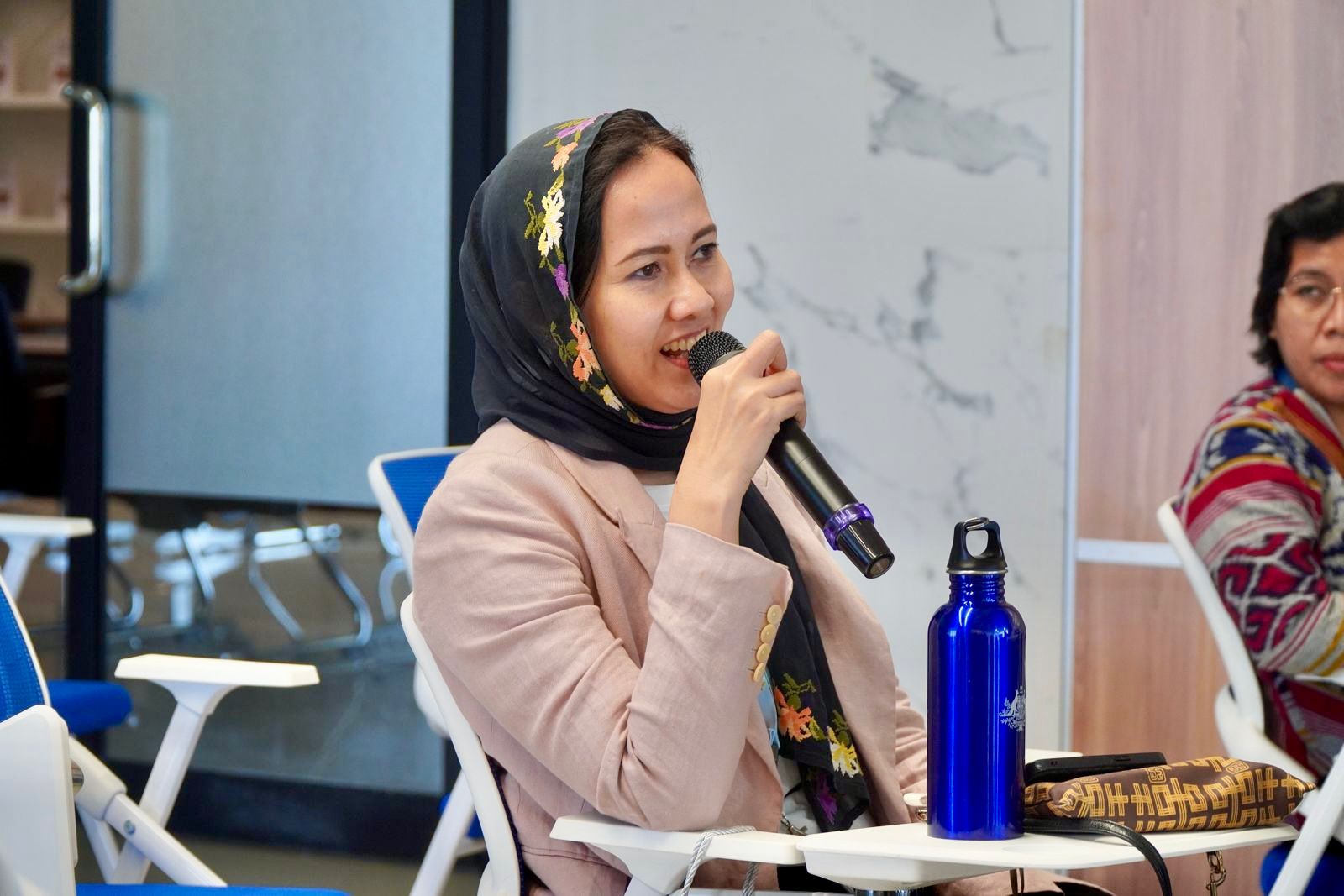
The UIII’s Faculty of Education has successfully held a community-based workshop titled “Narratives for Change: A Community Writing Initiative with Parents to Promote Tolerance, Diversity, and Moderate Values in Children’s Literature.” The program, conducted in collaboration with the Litara Foundation, was part of UIII’s Community Engagement Program supported by the UIII Community Engagement Grant.
From 72 applicants across Jakarta, Bogor, Depok, Tangerang, and Bekasi, ten parents were selected to participate. Over several sessions—on-site at the Jusuf Kalla Library (26–27 September and 18 October 2025) and online through virtual mentorship (3 and 10 October 2025)—participants received hands-on training in creative writing, illustration, and storytelling.
The workshop aimed to empower parents as storytellers and agents of social change by equipping them with the skills to create children’s literature that promotes tolerance, diversity, and Islamic moderation (wasatiyyah).
Program lead Assoc. Prof. Tati D. Wardi, lecturer at UIII Faculty of Education, guided the overall initiative. She was joined by Dr. Sofie Dewayani, co-founder of Litara Foundation, who facilitated writing and story development sessions; Dewi Tri K., a children’s book illustrator, who led the illustration workshop; and Iin Afriyanti, an UIII graduate and literacy practitioner, who introduced read-aloud techniques.
At the end of the program, each participant produced an original picture book manuscript complete with illustrations. Selected works are planned to be considered for future publication under UIII Press. More importantly, parents left the workshop with sustainable skills to support literacy development within their families and communities.
The program was also supported by Faculty of Education students who served as the organizing committee: Lakhaula Sahrotul Aulia, Ajeng Satiti Ayuningtyas Okta Ferdiana, and Agus Suprapto. Their involvement ensured the workshop ran smoothly while also providing them with valuable experience in community engagement.
By nurturing parents as storytellers, the Faculty of Education at UIII not only plants the seeds of a stronger reading culture but also fosters a generation that grows up with values of tolerance, diversity, and moderation. This initiative shows that improving Indonesia’s literacy is not merely about increasing statistics, but about transforming homes into spaces where stories become tools for shaping character and building a more inclusive future.
source: https://uiii.ac.id/stories-that-shape-values-uiii-workshop-train-parents-to-become-storytellers/