
LunchTalk #37 Explores Algorithmic Cultures in Education, Work, and Migration

LunchTalk #37 Explores Algorithmic Cultures in Education, Work, and Migration

January 09, 2025

Contributor: Supriyono | Editor: Dadi Darmadi | Photos: Virda Lalitya Umam

Depok, January 8, 2025 — UIII Faculty of Education hosted its 37th LunchTalk session, featuring Dr. Nardine Alnemr, Lecturer in Politics and Policy at the School of Humanities, Arts and Social Sciences (HASS) and Fellow at the Indo-Pacific Research Centre (IPRC), Murdoch University, Australia. The session explored the theme “Reflections on the Future: Algorithmic Cultures in Education, Work, and Migration.”

Dr. Alnemr's presentation examined the transformative role of algorithms in shaping societal structures and individual experiences, emphasizing their implications across critical domains such as education, workforce dynamics, and global migration patterns.

Drawing from recent scholarship, Dr. Alnemr explained how algorithms increasingly influence work dynamics, public policy, interpersonal relationships, and even electoral processes. This pervasive integration, she argued, fosters a co-evolutionary relationship between human agency and algorithmic political frameworks.

She built upon the concept of "algorithmic cultures," referencing Ted Striphas (2015, 2023), who highlighted the pre-internet presence of computational logics in shaping societal behaviors. She explored the intersections between governance systems and algorithmic decision-making, or "algocracy”.

In education, Dr. Alnemr discussed how algorithmic logic underpins educational technologies, shaping notions of "better" or "worse" outcomes. These technologies, she noted, strive to resolve uncertainties about the causal links between "inputs" and "outputs" in learning processes.

Highlighting key areas in education, Dr. Alnemr noted the growing reliance on digital tools has placed pressure on educators to keep pace with technological advancements. Yet, these tools may compromise deeper pedagogical and philosophical goals.

Dr. Alnemr shared findings from Ireland's National Youth Assembly on AI, which she conducted in 2022 where young participants deliberated on the ethical and practical implications of AI across society, governance, and education. Their concerns included disparities in AI access, insufficient teacher training, and a potential lack of engagement for students in AI-driven learning environments.

In her concluding remarks, Dr. Alnemr invited attendees to reflect on how algorithmic cultures might shape education, work, and migration in the decades ahead. She posed thought-provoking questions about inclusivity, ethical responsibilities, and epistemic diversity, encouraging the audience to consider the long-term impacts of today’s decisions on future generations.

LunchTalk #37 exemplified UIII's commitment to fostering critical discussions on contemporary global challenges. As algorithmic technologies continue to reshape societal norms, events like this provide a platform for thought leaders and audiences to collaboratively envision a more equitable and ethical future.

source: https://www.uiii.ac.id/news/read/57813/lunchtalk-37-explores-algorithmic-cultures-in-education-work-and-migration


The Return of Indonesia’s National Exam: A Step Backward or Forward?

The Return of Indonesia’s National Exam: A Step Backward or Forward?

January 07, 2025

Contributor: Dadi Darmadi | Photos: Pexels/Agung Pandit Wiguna, Achmad Jatnika

In 2021, Indonesia abolished its national exam (UN), a move once celebrated as a step toward a more holistic and less stressful education system. But now, with plans to reinstate it by the 2026 academic year, a renewed debate is unfolding across the nation.

Alpha Amirrachman, PhD, a prominent education expert at the Indonesian International Islamic University (UIII), weighs in on the challenges, implications, and potential path forward for one of the country's most controversial policies.

A Lost Benchmark?

“The abolition of the national exam, although appeared to be popular, has left a significant void,” Dr. Alpha began, emphasizing the role the exam once played in mapping educational quality and guiding students’ academic trajectories.

He pointed to the ripple effects on international education opportunities. “Universities in the Netherlands, for example, are hesitant to admit Indonesian students now because there’s no standardized assessment to gauge their academic readiness. Even domestic universities struggle because the current national assessment is sampling-based rather than individual-focused. What we need is an individual assessment system to ensure students are adequately prepared for higher education.”

Adding to the concern is Indonesia’s declining global competitiveness, Dr. Alpha cited the country’s slipping scores in the Program for International Student Assessment (PISA) as evidence of a broader systemic issue. “Since the abolition of the national exam, our PISA rankings have dropped, which is alarming for a nation aiming to build a Golden Generation by 2045.”

Hope for a Thoughtful Approach

Despite these concerns, Dr. Alpha acknowledged the government’s efforts to involve diverse stakeholders in rethinking the exam’s structure. “The Ministry of Primary and Secondary Education is taking a cautious, participatory approach by consulting teachers, school leaders, educational experts, and community-based organizations,” he noted, adding what he coined as “meaningful participation.”

Still, he urged the ministry to go beyond traditional academic metrics. “A redesigned national exam must address not only cognitive skills but also broader competencies, such as emotional intelligence and social adaptability. Furthermore, the 2025 academic year should serve as a transitional phase to refine the system before full implementation in 2026,” he recommended.

Building a Supportive Ecosystem

For Dr. Alpha, the success of any assessment system hinges on the educational ecosystem. He proposed establishing an independent national assessment body to design and administer exams with professionalism and impartiality.

“This body should operate independently from the ministry to ensure objectivity and credibility,” he argued.

Addressing the perennial issue of student stress, Dr. Alpha highlighted the ministry’s recent “Seven Habits of Great Indonesian Students” initiative, which encourages daily routines like early rising, praying, exercising, studying happily, eating healthy and nutritious food, socializing and going to bed early. “If consistently implemented with the support from teachers and parents, such simple but powerful habits could significantly enhance students’ physical and mental well-being, creating a more conducive learning environment,” he said.

A Crossroads for Education

The debate over the national exam reflects deeper questions about Indonesia’s educational future. Is the country prepared to strike a balance between maintaining rigorous standards and fostering a supportive, holistic learning environment?

Dr. Alpha concluded with a sobering yet optimistic perspective: “Policy decisions in education must not only address present challenges but also prepare our students for a rapidly evolving future. This is an opportunity to build a system that empowers, rather than burdens, the next generation.”

As Indonesia stands at a crossroads, the stakes are high. Whether the national exam becomes a symbol of progress or regression will depend on the choices made today—and the vision for tomorrow.

source: https://uiii.ac.id/perspectives/read/57810/the-return-of-indonesias-national-exam-a-step-backward-or-forward


Exploring AI and the Future of Educational Leadership

Exploring AI and the Future of Educational Leadership

December 31, 2024

Contributor: Supriyono | Editor: Dadi Darmadi 

The UIII Faculty of Education, in collaboration with the American Institute for Indonesian Studies (AIFIS), hosted an insightful and thought-provoking virtual LunchTalk #36 with Prof. Khalid Arar from the College of Education, Texas State University, USA. The session, titled “Human-Machine Symbiosis: AI and the Future of Educational Leadership,” explored the transformative potential of artificial intelligence (AI) in education, specifically in leadership and decision-making.

In his opening remarks, Prof. Arar, who is also the editor-in-chief of the ‘Leadership and Policy in Schools’ journal, emphasized the importance of bridging the gap between Western-centric academic publications and the vast population of Asia, including Indonesia. He called for more inclusive scholarship in the field of educational leadership and urged participants to consider submitting their work to the journal.

The crux of Prof. Arar's presentation revolved around the symbiotic relationship between humans and AI, proposing that the future of educational leadership could thrive through collaboration between human expertise and machine intelligence. He invited the audience, comprising educators and scholars, to reflect on key questions regarding AI's integration in education. These included ethical considerations, the role of AI in shaping educational values, and the desired outcomes of human-AI collaboration.

One central theme of the talk was the evolution of education, from its roots in the Industrial Revolution to the current age of AI and digital literacy. Prof. Arar discussed the paradigm shifts that have occurred in education, asking whether we should embrace or resist AI's integration in schools. He also highlighted how AI's capabilities, such as rapid data analysis, could revolutionize decision-making processes in educational institutions.

Prof. Arar shared several examples of AI applications in educational leadership, such as using AI for recruiting educational leaders, analyzing big data to improve institutional effectiveness, and enhancing the decision-making process through AI-generated scenarios. He stressed the importance of human-AI symbiosis, noting that both humans and AI make decisions by processing vast amounts of data—humans through their biological brains and AI through artificial neural networks.

The presentation also touched upon the ethical challenges surrounding AI use in academic work. Prof. Arar pointed out the importance of addressing bias, fairness, and ethical guidelines in AI applications. He urged the audience to co-create knowledge and adapt to the evolving educational landscape by reimagining educational leadership through AI.

In the latter part of the session, Prof. Arar shared insights from his recent research, including a bibliometric analysis on AI in educational leadership and a thematic study on AI's impact on the field. He discussed the alignment of AI research with the United Nations' Sustainable Development Goals, particularly in promoting quality education.

The event concluded with an interactive symposium, allowing participants to engage in discussions about the possibilities of AI in educational leadership. Prof. Arar emphasized the importance of collaboration and co-thinking, urging the academic community to continue exploring AI's potential to reshape education and leadership.

By hosting such an event, UIII continues to demonstrate its values of innovation, inclusivity, and forward-thinking leadership in higher education. The university provides a platform for educators, scholars, and thought leaders to explore the intersections of education and technology, preparing its community for the challenges and opportunities that lie ahead in an increasingly AI-driven world.

source: https://www.uiii.ac.id/events/read/57802/exploring-ai-and-the-future-of-educational-leadership


Enhancing Research Excellence through Participating in Conference

Enhancing Research Excellence through Participating in Conference

by Muhammat Sabar Prihatin

On Saturday, 26 October 2024, the student body of education faculty UIII, ESTUDIA (Education Student Association), conducted a gathering across batches. The event was so much fun and healthy, I believed. We did several dances such as Maumere, Pinguin, and everybody seemed to be happy and enjoying themselves at that time. One main agenda of this event was sharing academic and non-academic life as graduate students, particularly in the faculty of education, such as how to deal with various assignments as well as how to maintain mental and physical health. In my opinion, the event was very beneficial for all of us, especially new students so that they can navigate crucial things to do, anticipate unexpected events that may happen, exchange inspiring and aspiring stories, as well as most importantly to raise our sense of belonging to the community of UIII students especially from the faculty of education as a whole. This event also indicates the importance of gathering among the students for an exciting journey as both individuals and scholars. Thanks to ESTUDIA.

Two of the interesting questions that we discussed during the gathering in my group were, quoting the sentence from one of my MA friends who said, "It is confusing, between writing and publishing papers a lot during study or later when after graduate only?" Plus, "What field are we expert in actually?" Those questions are very relevant to me who currently study at the doctoral level. In my heart I said “Yaw, how is that?", until these concerns reverberated in my brain, making it difficult for me to sleep at night.

But then, before sleeping, I reflect on myself. As far as my undergraduate study experience up until now, I have written and presented papers several times at international conferences, both offline and online, at home country and abroad, including publishing the papers, mostly in proceedings. Despite this, I still don't feel like I'm an expert in the academic world at all. So what does it mean to write and publish through such conferences so far?

In my opinion, responding to my friend's concerns above, the most important thing as a student is of course being able to complete all assignments, which surely each of them is already in an academic or scientific nuance, such as writing or reviewing articles critically and academically. Aren't our course assignments already designed to guide us to work as scholars? Therefore, to become an expert in a particular scientific field, for me, can be done later after graduation, where one of the ways is by increasing scientific productivity through the publication of academic writings, for example, after having sufficient research proficiency skills according to our own capacity. But then, how can we measure whether our abilities are sufficient to pursue a particular scientific field to become an expert?

This is the role of involving ourselves in academic forums such as conferences, which in my opinion can really help us find various choices of fields of study along with ways to participate. By challenging ourselves to write and present and even publish papers through conferences while we still study in university, it will greatly increase our exposure to the experience of participating in scientific studies, which can also increase the horizon of our ideas regarding the scientific field we want to pursue. Additionally, this can also strengthen us to determine our desired expertise as well as to increase our self-confidence because our involvement in the field is in accordance with its latest developments. Not to mention that this can also help us decide the thesis/dissertation topic we need to write before we graduate. Thus, when we have really graduated, we are better prepared to be actively involved in dialogue on the scientific developments that we are pursuing. Isn't it how we can envision more clearly what scientific field we want to become the expert  later in the future?

Then, the next question is how can we participate in academic forums such as conferences- which I regard as stages for experts to show their expertises in the scientific field they are in through research-? In my opinion, one of the key factors in developing science to be engaged in academic forums such as conferences is mastery of various research methodologies. That is what, I am quite sure, led me to qualify for being accepted to participate in two fully funded international conferences with my papers that use different research methods, in the last two months. The first is the 3rd International Conference on Religious Moderation (ICROM) conducted by BIMAS Islam, the Ministry of Religious Affairs of Indonesia in Merlynn Park Hotel, Jakarta, November 5-7, 2024. In this conference my paper entitled Youth Engagement in Religious Moderation: Impacts of Peace Journey Board Game on Ethical Perspectives employs a mixed-methods approach, sequential explanatory design. The second is the International Conference on Research, Community Service, and Gender Studies (ICRCSGS) conducted by UIN (Islamic State University) Imam Bonjol Padang, 5-6 Desember 2024. Our deen, Prof. Nina Nurmila is one of the keynote speakers in this conference. My paper is titled Exploring the Impact of International Training Course on Gender Issues and Non-Formal Education (NFE) Methods for Youth in Europe and Asia: A Critical Text Analysis. It is clear that the study adopts a critical text analysis, also can be considered as content analysis. Those articles are still in the process of publication with several options such as proceedings or journals.

I do thank our faculty that provides us with a number of kinds of research methodology to learn from the very first semester until now the third semester. We have learned; research methodology in education, qualitative research methodology, quantitative research methodology, and also mixed-methods research design. These methodologies truly equip us with rich tools that really help enable us to conduct research with more varied approaches.

There are some important things that I can reflect on this matter. Learning various types of research methodology does not mean that I can do any kind of research greatly. Maybe there are people who can. But personally, to be honest, every time I learn about the material, I can't understand everything. Often get confused because there are many new things to learn. The good news is, worth remembering, when writing a paper, we are not to write the research methodology(ies) we employ, rather we justify why and how we adopt it/them in our paper. Afterall, don't let yourself end up dizzy. It's okay to be confused, but that confusion should actually lead us to find the most appropriate strategy for studying those various research methodologies. Is it by studying independently, analyzing other people's papers, or even by directly practicing writing, or perhaps combining some of them. In this way, being confused should lead us to become enlightened. My previous lecture once said, confusion is the first step to understanding science and I can make that sense truly this way.

And for me, “it doesn't matter if we can't understand all the research methodologies we learn”. However, as much as possible “we must be able to understand and even master the methodology we employ in our own research”. Of course, we can learn this in the classes, including when doing assignments. Again, if we strongly want to hone our research skills better, we can consider attending conferences by writing papers using methodology that we really want to learn further.

Another skill I learned as a result of practicing reading and writing for research is the ability to “Just say it” what I want to write. I mean, for example, from the various literature that we find, there are various statements arguing about a certain concept that might also make us confused about which theory we are going to say or to use.  So when that happens, we have to be brave enough to say it as what it is, that there are various definitions of a certain concept where A says a, B says b, and C says c. Then we convey which theory or concept that we want to borrow or which one is the most relevant to the context of our own study. This will make our writing remain based on reliable science, that is not just making up as we wish. So there is no need to be confused about the wealth of existing studies, just say what it is according to our findings, then select which theory or concept we want to adopt related to our own research topic.

Last but not least, to further learn about and enhance our research skill particularly on the research methodology is to read the writings of other people who have applied the methodology that we also want to apply. So from there we can apply the ATM (Amati, Tiru, Modifikasi) principle, namely observe, copy and modify. This can help us a lot principally  and technically, such as informing us of what important things to  write,  how to develop or construct the ideas, and how to present the flows of the ideas in the form of scientific writing. We don't have to have a lot of sample papers for ATM, just 2-3 could be enough but we should really be able to follow them. I am sure this way can  facilitate us to write scientific papers like experts who master the methodologies they used so that our writing seems to be most likely written by a professional researcher.

I believe, being an expert is not merely about when, rather it is about how we should make it happen. And from my limited subjective experience I reflect here, I can suggest that the more diverse research methodologies we learn, the more possible we can engage in various research, encouraging us to be eagerly involved in scientific talk and dialogue. And for sure, to become the expert one, we should do research a lot in our field, that is how seemingly we are about to know our expertise.


Innovation in Indonesian Literacy Education from Outsider’s Perspective

Innovation in Indonesian Literacy Education from Outsider’s Perspective

December 04, 2024

Contributor: Supriyono | Editor: Dadi Darmadi | Photo: Virda Lalitya Umam

Depok, November 28, 2024 – The UIII Faculty of Education hosted a thought-provoking public lecture on “Innovation in Indonesian Literacy Education” with Assoc. Prof. Adrian Rodgers from The Ohio State University, USA. Prof. Rodgers, who has visited Indonesia over 50 times, shared insights from his extensive research and experiences working with Indonesian students and educators. Aside from being an academic at The Ohio State University, he is also a key figure in the OSU-Indonesian Education Consortium (USINTEC), which fosters student and faculty exchanges between Indonesian and US universities.

In his lecture, Prof. Rodgers emphasized that the current state of literacy education in Indonesia requires a rethinking of traditional classroom practices. Through his research in 14 classrooms across five islands, he observed that writing activities in Indonesian classrooms are significantly limited. “In some cases, students wrote as little as eight words in two hours of instruction, highlighting the need for greater emphasis on writing as a foundational skill,” he said. He also noted that classrooms are often dominated by whole-class instruction, leaving little room for small group tasks, differentiated learning, or individual engagement, which are essential for fostering creativity and deeper understanding.

A key theme in Prof. Rodgers’ presentation was the gap in emergent literacy practices. Unlike in the United States, where children progress through stages of literacy from beginner to advanced, Indonesian students are expected to achieve full reading proficiency by the end of Grade 1. This abrupt shift, he argued, bypasses critical foundational stages that build confidence and competence in young learners. He suggested that a more expansive approach to literacy, which includes creative activities like drawing diagrams, making lists, and writing for authentic purposes, could better support early learners.

Prof. Rodgers also called attention to the role of classroom environments and materials in shaping literacy outcomes. He described the lack of engaging and diverse resources in many Indonesian schools, where textbooks are often uninspiring, and classroom libraries are poorly organized. He proposed simple yet transformative solutions, such as using leveled books to match students’ reading abilities and displaying materials in visually appealing ways to spark interest. Furthermore, he emphasized the importance of incorporating technology, even in low-connectivity areas, to encourage students to share their work and engage in collaborative learning.

Throughout his lecture, Prof. Rodgers encouraged educators to reflect on their practices and consider the broader implications of their teaching methods. Drawing on the theories of Vygotsky and Dewey, he ended the lecture with two critical questions as hypothesis of his preliminary findings: “is Indonesian Education holding kids back, keeping them ‘too low too long?’ and is the teacher working too hard while students are passive learners?”

The session concluded with an engaging discussion, as educators shared their experiences and explored practical ways to implement these innovative ideas. Prof. Rodgers applauded the audience for their commitment to improving education and reiterated that meaningful change often starts with small, consistent steps.

This lecture underscores UIII’s dedication to fostering critical dialogue and advancing education in Indonesia. By bringing global experts like Prof. Rodgers to its campus, UIII continues to inspire educators to rethink and refine their approaches to literacy education, paving the way for a brighter future for Indonesian students.

source: https://www.uiii.ac.id/events/read/57773/innovation-in-indonesian-literacy-education-from-outsiders-perspective


UIII Hosts Insightful Book Talk on ‘Ethics of Belonging’

UIII Hosts Insightful Book Talk on ‘Ethics of Belonging’

December 03, 2024

Contributor: Supriyono | Editor: Dadi Darmadi | Photo: Dzakiyyah Fauziyah Rif’at

On November 28, 2024, the Faculty of Islamic Studies at UIII organized a compelling Book Talk featuring Erica M. Larson, Ph.D, from the National University of Singapore. Dr. Larson, an expert in religion, education, and politics, presented her groundbreaking work, “Ethics of Belonging: Education, Religion, and Politics in Manado, Indonesia”, published by the University of Hawai'i Press in 2024. The event was enriched by R. Alpha Amirrachman, Ph.D., a lecturer at UIII's Faculty of Education, who served as the discussant. UIII’s research fellow Wietske Merison, MA from the University of California, Los Angeles (UCLA) acted as a moderator.

The event shed light on the pluralistic dynamics of Manado, a city in North Sulawesi recognized for its religious harmony and tolerance. With a diverse demographic comprising 61% Protestant, 33% Muslim, and 4% Catholic populations, Manado has been lauded as Indonesia’s “most tolerant city” by the Setara Institute in 2017.

In her talk, Dr. Larson explored how education acts as a medium for fostering discussions about religious and ethnic diversity. She illustrated this through case studies of three schools in Manado: a public high school (SMA Negeri), a private Catholic school (Lokon), and a public Islamic madrasah (MAN). These institutions, she argued, serve as “sites of deliberation” where ethical frameworks of coexistence are both channeled and contested.

“Why schools?” she asked. “It’s because schools as sites of deliberation about difference and belonging in the nation.” Education, she explained, is both disciplinary and deliberative, offering a unique space to navigate complex questions about belonging and identity.

Furthermore, Dr. Larson highlighted the local ethos of Torang Samua Basudara (We are all brothers), which underscores harmony as a cornerstone of the region's identity. She also pointed out the nuances in Manado's pluralism. While aspirational coexistence celebrates mutual recognition and religious freedom, majoritarian coexistence relies on the goodwill of the dominant Christian population. “Hence, coexistence is understood as threatened only by the outsiders,” she said.

She cited an example of the building of religious theme park in the city that was forced to stop because of ‘religious’ dispute involving local adat organizations, which tended to identify local Minahasan cultural identity more with Christian identity.

Education and equity expert Dr. Alpha Amirrachman applauded the book as a significant contribution to understanding the dynamic and tension in an ongoing political and cultural project of Indonesia. “Dr. Larson was successful in revealing ‘what is behind the curtain’ with her astonishing anthropological work in Manado,” he said, further saying that the book should be understood against the backdrop of adat or local tradition revival during reformasi era where democratization and ‘big-bang’ decentralization swept the country.

“This big-bang decentralization saw an increase of what seemed to be an exclusive identity politics at the local level. After the fall of Suharto, the country saw the revival of the authority of adat, often seen as an alternative to the corrupt practices of the New Order regime,” said Dr. Amirrachman.

He cited the work of Davidson and Henley who wrote specifically about the revival of local tradition in Indonesia. Also, he compared Dr. Larson’s work with his own previous work in Indonesia’s province of Maluku, which had been devastated by religious conflict.“

I also saw the revival of local tradition problematic since there are always groups of people whose tradition is not always the same as that of indigenous people. This will push for the emergence of local identity politics, and one may ask: who does belong to such a group and who is perceived as an outsider?” he said, adding that it is important to extract “shared values” of any tradition or wisdom as to ensure that every group of society voluntarily embrace them.

Dr. Amirrachman said it is also critical to see the economic, not only religious factor as various factors might have been intertwined. Dr. Larson responded that fact that the poverty rate was relatively low might have contributed to the immunity of Manado from religious conflict from neighboring regions.

The Book Talk event reflects UIII’s dedication to fostering academic discussions on critical issues at the intersection of religion, education, and society. Dr. Erica Larson’s insightful ethnographic work of Manado’s challenges in dealing with pluralism provided valuable perspectives on the possibilities of coexistence in Indonesia’s richly diverse context.

source: https://uiii.ac.id/events/read/57769/uiii-hosts-insightful-book-talk-on-ethics-of-belonging


Time for Decentering Islamic Education to Indonesia

Time for Decentering Islamic Education to Indonesia

December 04, 2024

Contributor: Supriyono | Editor: Dadi Darmadi | Photo: Virda Lalitya Umam

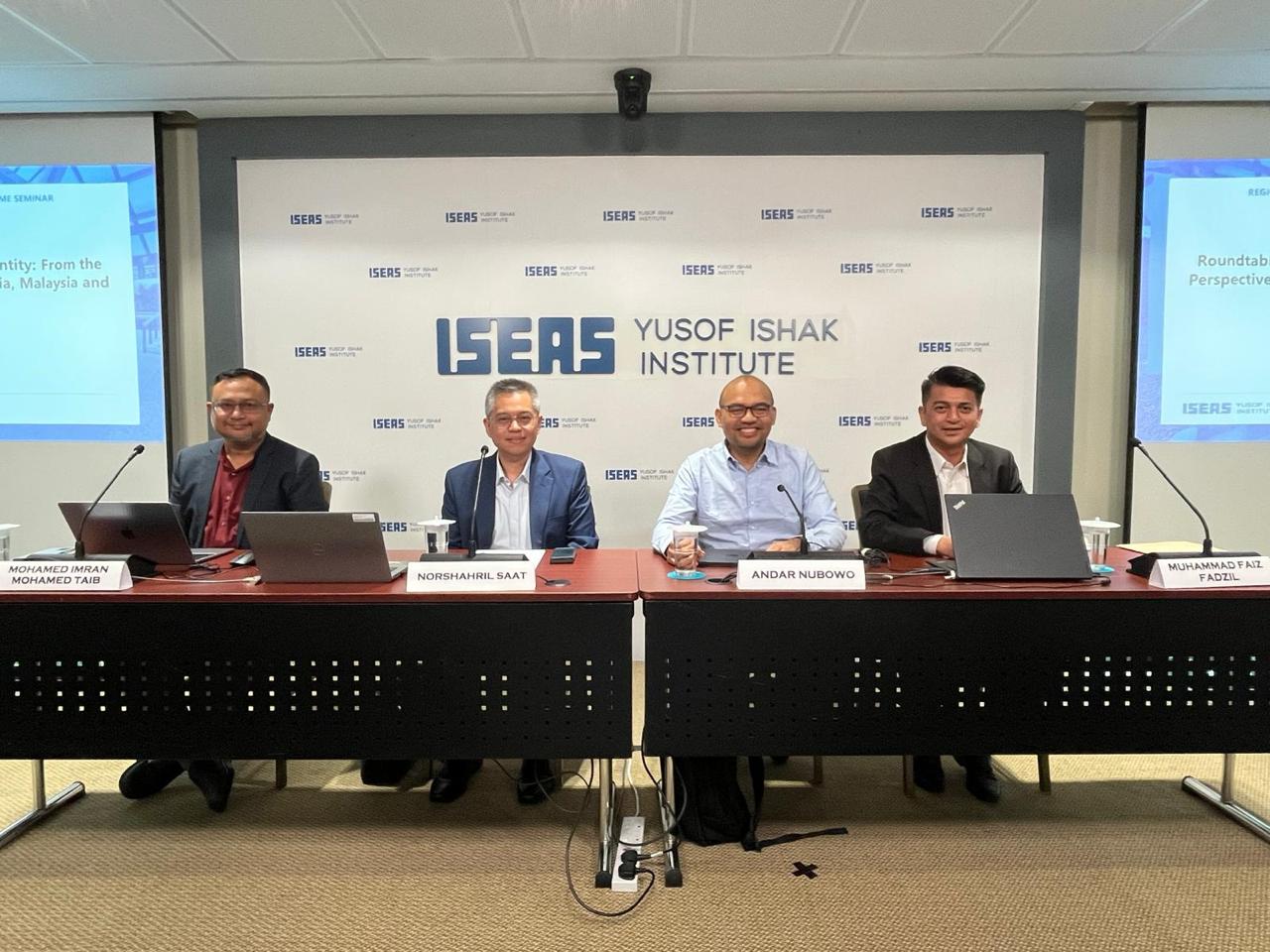
Depok, November 26, 2024 – The UIII Faculty of Education hosted a thought-provoking LunchTalk #35 series featuring Andar Nubowo, Ph.D, a distinguished lecturer at the faculty and executive director of Ma’arif Institute. His presentation, delved into the socio-historical dynamics of Islamic education and proposed a compelling vision for “decentering Islamic education” toward Indonesia.

Dr. Nubowo’s presentation began with the historical transmission of Islamic knowledge from the Middle East to Southeast Asia, particularly Indonesia. Historically, Mecca, Medina, and Cairo have served as the epicenters of Islamic learning since the 17th century, attracting Indonesian students (commonly referred to as Jawi Muslims) who later returned to Nusantara to disseminate their knowledge.

While this relationship enriched Indonesian Islamic education, it also led to a “center-periphery” dynamic, where the Middle East was perceived as the authoritative center, while Indonesia holds a peripheral role. This hierarchy often dismissed Indonesian contributions as heterodox or syncretic. “The intellectual legacy of Indonesian Muslims, despite its richness and diversity, has historically been overshadowed by an Arab-centric vision of Islam,” Dr. Nubowo noted.

Hence, he advocated for a shift in this narrative through what he termed the “decentering of Islamic education.” This approach recognizes Indonesia not merely as a recipient of Islamic knowledge but as a dynamic contributor to the global discourse. He highlighted how Indonesian scholars, institutions, and traditions can serve as a model for modern, pluralistic Islamic education. Initiatives such as establishing international Islamic universities and schools in Indonesia, which integrate both traditional Islamic studies and contemporary global perspectives, are key to this vision.

Indonesia, he said, has already begun this process through reformist movements and modern Islamic educational institutions. Dr. Nubowo discussed the early 20th-century rise of reformist organizations like Muhammadiyah and Nahdlatul Ulama, which blended classical Islamic teachings with modern sciences. These movements laid the groundwork for Indonesia to claim its place as a progressive hub for Islamic education.

“Since 2000s, the two guardians of Indonesian moderate Islam (Muhammadiyah and NU) have established networks of ambassadors of Indonesian Islam in Europe, Africa, Asia, America, and Australia,” he said, adding that the government’s initiative to establish UIII—arguably the first international Islamic university in Indonesia—also serves as the evidence for this development.

In conclusion, Dr. Andar called for a renewed awareness among Indonesian Muslim leaders, scholars, and policymakers to embrace the “decentering” project. “In that sense, we should consider this global initiative and consciousness in advancing knowledge, sciences, and technology, invaluable for the betterment of global society,” he said.

The lunch talk sparked engaging discussions among attendees, who reflected on how UIII and other institutions could champion this paradigm shift. By positioning itself as a leader in Islamic education, Indonesia has the potential to reshape the global Islamic intellectual landscape, moving beyond the confines of the traditional center-periphery model.This event underscores UIII’s commitment to fostering critical discussions and leading initiatives that redefine the future of Islamic education in Indonesia and beyond.

soource: https://www.uiii.ac.id/perspectives/read/57772/time-for-decentering-islamic-education-to-indonesia


Pedaling to Work, Dr. Lukman’s Message on ‘World Sustainable Transport Day’

Pedaling to Work, Dr. Lukman’s Message on ‘World Sustainable Transport Day’

November 26, 2024

Contributor: Supriyono | Editor: Dadi Darmadi | Photo: Fransiska Aprilya Lowarmodo

Like much of Greater Jakarta area, Depok—a city where UIII is located—is known for its traffic jams, especially during rush hours on weekday’s mornings. The sound of car horns and motorbike engines fills the air as people try to navigate the crowded streets to go to office. But while most are stuck in this daily chaos, Dr. Lukman Nul Hakim has chosen a different way to get to work—one that is quiet, healthy, and better for our planet.

Dr. Lukman, a psychologist and lecturer at UIII Faculty of Education, chooses to ride his bike to UIII campus. This, he said, is not just about avoiding traffic. Cycling, for him, has become a way of life. “Cycling makes me happy. It gives me energy, clears my mind, and helps me feel at peace,” he testified.

His love for cycling is not limited to his commute. One of his most special memories is a bike trip from Depok to Yogyakarta with his wife. Riding a tandem bike, they pedaled over 500 kilometers together in six days. “It was our romantic journey,” he said. “My wife and I wanted to create memories we’d never forget and celebrate our time together.” Dr. Lukman documented their sweet and inspiring journey on his YouTube Channel.

At home, Dr. Lukman is also part of a community which campaign for “Gowes Nuju Kantor” (Pedaling to Work). The story goes back to when he was working at the House of Representatives (DPR RI) in Central Jakarta. He started biking to go to office, and to his surprise, the others joined him. What began as a small group grew into a club called the ‘Parle Cycling Community’, with members from different departments, including parliamentarians. “Change starts with us,” he recalled. “When people see us cycling, they start to wonder if they can do it too. That’s how it all begins.”

Hence, as today (November 26) marks the ‘World Sustainable Transport Day’, Dr. Lukman wants to seize the moment to convey a simple message for all of us: “Try biking, walking, or taking public transport, even if it is just once a week,” he said. “It is a small change that makes a big difference. It is good for your health, your mood, and the planet we live in.”

In this very special moment, Dr. Lukman dreams of a day when people do not see cycling as something special or difficult, but as a normal way to get around. “You don’t need fancy gear or special jerseys. Just hop on your bike and go,” he concluded.

At UIII, sustainability is a part of everyday life. The university supports initiatives that promote green practices, such as encouraging students, lecturers and staff to use bicycles as a sustainable mode of transportation around campus. This aligns with UIII’s broader commitment to sustainability, which includes eco-friendly campus initiatives, green buildings, and efforts to reduce the carbon footprint.

Dr. Lukman’s message aligns closely with UIII’s values for a green campus and sustainability. As an academic institution, UIII encourages its community to take responsibility for the environment and adopt practices that contribute to a more sustainable future.

source: https://www.uiii.ac.id/editorials/read/57762/pedaling-to-work-dr-lukmans-message-on-world-sustainable-transport-day


Guest Lecture Calls for Revival of Pancasila Among Youth in Digital Era

Guest Lecture Calls for Revival of Pancasila Among Youth in Digital Era

November 23, 2024

Contributor: Supriyono | Editor: Dadi Darmadi | Photo: Virda Lalitya Umam

Depok, November 18, 2024 – Prof. M. Amin Abdullah delivered a powerful guest lecture at UIII Faculty of Education, emphasizing the urgent need to reconnect Indonesian youth with the principles of Pancasila. The lecture, titled “Indonesia’s Philosophy of Pancasila: The Challenges for the Youth Amidst Cultural Shift and Globalization,” was part of the ‘Education and Equity’ course taught by R. Alpha Amirrachman, Ph.D., and Prof. Nina Nurmila.

Prof. Dr. M. Amin Abdullah is a renowned Indonesian Muslim scholar, philosopher, scientist, and hermeneuticist. He served as the Rector of Sunan Kalijaga State Islamic University in Yogyakarta for two terms (2005–2010) and held prominent roles in the Muhammadiyah organization, including as Deputy Chairperson of its Central Leadership.

In his lecture, Prof. Amin expressed deep concern over the growing detachment of Indonesian youth from Pancasila, the philosophical foundation of the nation. He pointed to statistics, such as a survey by the Setara Institute that found over 83% of high school students believe Pancasila is not a permanent national ideology. “This reflects a generation that has become strangers to their own identity,” he lamented, attributing the phenomenon to decades of neglect in Pancasila education and the influence of the digital era.

The professor explained how the transition from the New Order to the Reformation era led to a decline in Pancasila’s prominence in educational curricula. Over two decades of insufficient emphasis on the philosophy have left many young people unfamiliar with its core principles, including ‘Bhinneka Tunggal Ika’ (Unity in Diversity). The result, he argued, is a growing susceptibility among youth to divisive ideologies, hate speech, and identity politics propagated through unregulated cyberspace.

To address this alarming trend, Prof. Amin called for a comprehensive revival of Pancasila education. He applauded recent initiatives by the National Board of Pancasila Ideology (BPIP) and the Ministry of Education and Culture to reintroduce Pancasila in schools and universities. These efforts include updated curricula that blend philosophical principles with practical applications. However, he emphasized that more needs to be done to make Pancasila resonate with the younger generation.

According to Prof. Amin, educators must go beyond traditional methods and leverage innovative approaches to teaching Pancasila. “It’s not enough to teach Pancasila as a set of abstract ideals,” he said. “We need to connect it to the lived experiences of young people, showing how its values can guide their decisions in navigating the challenges of globalization and digitalization.”

He also underscored the role of parents, community leaders, and digital influencers in reinforcing Pancasila’s principles outside the classroom, while calling on policymakers to prioritize social equity and inclusivity, ensuring that national development aligns with the ideals of justice and unity enshrined in Pancasila.

The lecture served as a wake-up call for the students and faculty in attendance, inspiring renewed commitment to revitalizing Pancasila education and making it a cornerstone of Indonesia’s identity. Through hosting lectures like these, UIII demonstrates its dedication to nurturing students’ critical engagement with issues of diversity, national identity, and social equity, making significant contributions to Indonesia’s educational landscape.

source: https://www.uiii.ac.id/perspectives/read/57759/guest-lecture-calls-for-revival-of-pancasila-among-youth-in-digital-era


Privacy Preference Center

Perlindungan Data Pribadi Dimulai dari Pengaturan Privasi dan Kebiasaan Berbagi Informasi secara Bertanggung JawabMahjong Scatter Menggabungkan Musik, Simbol, dan Efek Visual untuk Membentuk Ritme Interaksi yang KhasKecepatan, Keamanan, dan Pemahaman Pengguna Menentukan Daya Saing Platform Digital Masa DepanSistem Analitik Adaptif Menilai Efektivitas Strategi Operasional serta Perubahan Perilaku PenggunaInteraksi Pengguna dan Logika Sistem Sugar Rush 1000 Ditelaah melalui Probabilitas dan Struktur AlgoritmikFortune Tiger Memperlihatkan Peran Animasi Dinamis dalam Membentuk Pengalaman Game InteraktifPerubahan Susunan Simbol Perlu Dibaca sebagai Variasi Sistem, Bukan Pola Kemenangan yang Selalu KonsistenDesain Responsif Memudahkan Pengguna Membandingkan Informasi RTP, Besaran Taruhan, dan Risiko PermainanPemantauan Cerdas Berbasis Algoritma Memperkuat Kendali Proses pada Infrastruktur Digital ModernArsitektur Analitik Sweet Bonanza Menghubungkan Teknologi Pemrosesan Modern dengan Pengelolaan InformasiLiterasi Digital Remaja Memerlukan Perlindungan Privasi dan Etika Berbagi InformasiRekayasa Sistem PG Soft Menyoroti Tantangan Transparansi Algoritma pada Platform ModernModel Risiko Kuantitatif Membantu Menilai Pengelolaan Saldo pada Game DigitalKeputusan Rasional Menjaga Konsistensi Evaluasi Pengguna dalam Lingkungan InteraktifPusat Data Hemat Energi Mendukung Pemrosesan Digital Berskala BesarMahjong Scatter Menjadi Studi Kasus Persepsi Visual pada Antarmuka Bergerak CepatProgressive Web App Menawarkan Akses Cepat tanpa Instalasi Penuh pada PerangkatKetergantungan Industri iGaming pada Cloud Meningkatkan Tuntutan Skalabilitas dan KeamananAI Prediktif Mendeteksi Gejala Gangguan Sistem sebelum Dampaknya MeluasPembaruan Perangkat Lunak Menutup Kerentanan sebelum Dimanfaatkan dalam Serangan SiberEvaluasi Kuantitatif Mengukur Perubahan Kinerja Peralatan Produksi melalui Data Operasional yang KonsistenInfrastruktur Digital Menjaga Stabilitas Platform Pemantauan Mutu Kosmetik dari Produksi hingga DistribusiStrategi Adaptif Membantu Laboratorium Menyesuaikan Proses Pengujian terhadap Perubahan Karakter FormulaIntegrasi Kecerdasan Artifisial pada Pameran Teknologi 2026 Membuka Peluang Baru bagi Industri KosmetikKomputasi Spasial Mengubah Cara Konsumen Mencoba Warna dan Produk melalui Pengalaman Virtual InteraktifRegulasi Pajak Digital Memengaruhi Struktur Biaya Penjualan Produk Kosmetik DaringModernisasi Evaluasi Digital Mempercepat Penilaian Stabilitas Formula Kosmetik secara BerkalaUrutan Proses dan Frekuensi Pengadukan Menentukan Konsistensi Formula KosmetikAnalitik Data Membantu Memahami Mekanisme Dispersi Pigmen dalam Formula KosmetikAlgoritma Cerdas Membantu Industri Kosmetik Menjawab Perubahan Preferensi Konsumen ModernKlaim Produk Viral Perlu Diuji sebelum Dijadikan Dasar Keputusan KonsumenKajian Empiris Menilai Variasi Sensorik melalui Metode Pengujian yang TerarahDistribusi Probabilistik Membantu Mengukur Variasi Stabilitas Formula Kosmetik dalam Pengujian BerkelanjutanDistribusi Konten Google Discover Memengaruhi Penyebaran Literasi Keamanan dan Pencegahan Informasi Kosmetik MenyesatkanEvaluasi Sistemik Mengidentifikasi Faktor Kritis sebelum Keputusan Formulasi Produk Kosmetik DilanjutkanMatriks Formulasi Berbasis Data Membantu Mengoptimalkan Komposisi dan Konsistensi Produk KosmetikProteksi Akun Berlapis Melindungi Platform Kosmetik Digital dari Serangan Brute Force dan Pencurian DataKonsentrasi Maksimum Bahan Aktif Memengaruhi Variasi Stabilitas, Keamanan, dan Konsistensi Hasil FormulaPemetaan Algoritmik Membaca Frekuensi Preferensi Konsumen untuk Mendukung Interpretasi Tren Kosmetik Berbasis BuktiSkalabilitas Ukuran Batch Menjadi Kunci Mempertahankan Mutu saat Produksi Kosmetik DitingkatkanKlaim Peningkatan Pendapatan Rp78 Juta Diuji melalui Catatan Produksi, Biaya Operasional, dan Analisis StatistikKecerdasan Buatan Memetakan Kebiasaan Operasional dan Perubahan Permintaan dalam Waktu Lebih SingkatPotensi Pendapatan Bernilai Jutaan Perlu Dinilai melalui Analisis Biaya, Risiko, dan kelayakan usahaModel Statistik Menghubungkan Frekuensi Produksi dengan Kinerja Sistem agar Evaluasi Lebih ObjektifProyeksi Pendapatan Rp73 Juta Ditelaah melalui Pemodelan Adaptif tanpa Mengabaikan Fluktuasi PasarTeknologi AI Mempercepat Analisis Performa Mesin pada Platform Produksi AgroindustriKecerdasan Komputasional Meningkatkan Stabilitas Sistem melalui Deteksi Gangguan dan Pemeliharaan PrediktifIntegrasi AI dan Analitik Real-Time Membuat Pengawasan Proses Produksi Lebih ResponsifAnalisis Komputasional Mengungkap Faktor Penentu Performa pada Sistem Pengolahan AgroindustriEfektivitas Sistem Digital Diukur melalui Data Operasional dan Evaluasi Bertahap pada Setiap Proses ProduksiRiwayat Sensor dan Data Produksi Digunakan untuk Mengidentifikasi Perubahan Kinerja pada Setiap Tahap PengolahanPerbandingan Beberapa Siklus Produksi Menguji Konsistensi Mutu dan Stabilitas Kinerja SistemPerubahan Volume Bahan Baku Memengaruhi Waktu Proses, Efisiensi Energi, dan Kualitas Produk AkhirHubungan Suhu, Tekanan, dan Kecepatan Mesin Menentukan Ritme Operasional dalam Pengolahan Hasil PertanianFrekuensi Kemunculan Cacat Produk Menjadi Dasar Analisis Pola pada Sistem Kendali Mutu Berbasis DataSimulasi Matematis Menilai Potensi Produksi tanpa Menjanjikan Nilai Pendapatan TertentuSinkronisasi Ritme Mesin Membantu Menjaga Stabilitas Proses Pengolahan AgroindustriSistem Adaptif Memetakan Perubahan Kinerja Peralatan pada Kondisi Produksi DinamisEksperimen Numerik Menyusun Kerangka Evaluasi Proses Berdasarkan Data LapanganObservasi Kuantitatif Mengidentifikasi Waktu Operasional Efektif melalui Indikator TerukurAlgoritma Adaptif Mendeteksi Perubahan Kinerja Mesin pada Proses Produksi KosmetikStrategi Edukasi Digital Membantu Konsumen Menentukan Waktu dan Urutan Pemakaian Produk secara TepatPemodelan Cerdas Membuka Peluang Optimalisasi Produksi sekaligus Pengendalian Mutu FormulaHarapan Konsumen Perlu Dibedakan dari Hasil Rekomendasi Algoritmik pada Platform KecantikanKajian Probabilitas Membantu Menjelaskan Perbedaan Kinerja Teoretis Formula dan Hasil Pengujian AktualDesain Visual Kosmetik Modern Memasuki Tren Baru melalui Kemasan Interaktif dan Identitas Generasi TerkiniTransformasi UI dan UX Mempermudah Konsumen Mengakses Informasi Kandungan, Manfaat, dan Petunjuk PemakaianPengalaman Digital yang Nyaman Meningkatkan Keterlibatan Konsumen pada Platform Kecantikan OnlineKecepatan Pengambilan Keputusan Konsumen Perlu Diimbangi Literasi Bahan dan Pemahaman Risiko PenggunaanKolaborasi Perilaku Konsumen dan Inovasi Desain Mengubah Arah Pengembangan Produk Kosmetik ModernPengelolaan Data Statistik Memperkuat Perencanaan Produksi Formula Kosmetik secara AkuratLiterasi Media Membantu Konsumen Menilai Klaim Kosmetik yang Diperkuat AlgoritmaTelaah Probabilistik Mengukur Variasi Mutu pada Pengujian Formula KosmetikPipeline Data Menetapkan Tolok Ukur Baru dalam Evaluasi Performa Produk KosmetikInfrastruktur Metadata Memperkuat Ketertelusuran Bahan dan Dokumentasi Formula KosmetikPertumbuhan Minat Konsumen Mendorong Perubahan Tren Produk Kosmetik pada Platform Digital Tahun IniJejak Informasi Digital Menghubungkan Promosi, pengaruh visual, dan kecepatan keputusan konsumen kosmetikPemodelan Probabilistik Memetakan Stabilitas Formula berdasarkan Hasil Pengujian Laboratorium BertahapStatistik Komputasional dan Probabilitas Membantu Mengkaji Perubahan Pola Respons Formula secara TerukurKinerja Operasional Produksi Kosmetik Perlu Dievaluasi melalui Data Proses, Bukan Sekadar Dugaan OperatorBiaya Produksi yang Tampak Stabil Dapat Menutupi Kenaikan Akumulatif pada Bahan dan Proses FormulasiCloud-Native Analytics Mempercepat Pengembangan Sistem Informasi untuk Riset dan Produksi KosmetikKomunitas Digital Memperluas Pertukaran Pengetahuan serta Inovasi dalam Ekosistem Industri KosmetikDokumentasi Interaksi Konsumen Membantu Mengevaluasi Antarmuka Aplikasi Rekomendasi Produk KecantikanModel Layanan Berbayar Mengubah Strategi Monetisasi Platform Kosmetik tanpa Mengabaikan Kepercayaan KonsumenData Penggunaan Menilai Kinerja Produk tanpa Mengandalkan Klaim Hasil MaksimalPembelajaran Probabilitas Mendukung Interpretasi Variasi Hasil Uji Kosmetik HarianMesin Analitik Interaktif Mengolah Data Pengujian Produk Kosmetik secara Lebih KonsistenPanduan Simbol Label Membantu Konsumen Memahami Fungsi Bahan dan Cara PemakaianPengendalian Emosi Mendorong Konsumen Memilih Kosmetik Berdasarkan Kebutuhan dan BuktiInovasi Tata Letak Digital Mengubah Struktur Visual dan Pola Interaksi Konsumen pada Platform KosmetikNilai Volatilitas dan Tingkat Stabilitas Formula Membantu Menjelaskan Perubahan Mutu Produk selama PenyimpananVariasi Konsentrasi Bahan Aktif Memengaruhi Sensasi Penggunaan sekaligus Risiko Ketidakseimbangan FormulaAnalitik Prediktif Memetakan Sinkronisasi Antarvariabel Formula berdasarkan Hasil Observasi LaboratoriumTren Produk Kosmetik Harian Dipengaruhi Preferensi Konsumen, Distribusi Konten, dan Perubahan MusimanKomputasi Berperforma Tinggi Mempercepat Simulasi Rantai Pasok dan Pengolahan BahanRiwayat Operasional Membantu Menilai Perubahan Kinerja pada Sistem Produksi AgroindustriDurasi Proses Menjadi Variabel Penting dalam Evaluasi Mutu Produk PertanianDiagram Alir Produksi Membantu Operator Memahami Tahapan dan Titik Kendali ProsesPemodelan Statistik Menafsirkan Variasi Aktivitas Produksi Berdurasi SingkatPeninjauan Data Sensor Menggambarkan Frekuensi Gangguan pada Konfigurasi Mesin ModernInfrastruktur Digital Efisien Mendorong Otomasi Proses dan Ketertelusuran AgroindustriPemodelan Cerdas Membantu Menentukan Anggaran Produksi berdasarkan Risiko OperasionalAnalisis Data Lapangan Mengubah Informasi Mentah menjadi Keputusan Produksi TerukurSistem Real Time Memantau Perubahan Produksi tanpa Menunggu Rekap HarianLiterasi Siber Membantu Pelaku Agroindustri Mengenali Penipuan Digital yang Menargetkan Transaksi dan Rantai PasokSerangan Phishing pada Sektor Agroindustri Dapat Dicegah dengan Memeriksa Tautan, Domain, dan Identitas PengirimKata Sandi Saja Tidak Cukup untuk Melindungi Sistem Produksi dan Data Rantai Pasok DigitalAutentikasi Dua Faktor Menambah Perlindungan ketika Kredensial Platform Agroindustri Berhasil DicuriRekayasa Sosial Memanfaatkan Kepanikan untuk Mengelabui Operator dan Pengelola Sistem ProduksiKebocoran Data Agroindustri Dapat Dikurangi melalui Pengelolaan Hak Akses dan Kebiasaan Digital yang DisiplinMalware Semakin Sering Menargetkan Perangkat Sensor, Komputer Produksi, dan Infrastruktur Industri TerhubungKeamanan Siber Agroindustri Menjadi Tanggung Jawab Bersama dari Operator hingga Pengelola TeknologiSitus Palsu Mitra Usaha Dapat Dikenali melalui Alamat Domain dan Permintaan Informasi yang MencurigakanPembaruan Perangkat Lunak Menutup Celah Keamanan pada Sistem Otomasi dan Pemantauan ProduksiKomputasi Cerdas Mempercepat Pengembangan Solusi Digital pada Rantai ProduksiSistem Probabilistik Terukur Mendukung Pengembangan Model Produksi yang Lebih AndalAnalitik Sensor Membaca Perubahan Kinerja Mesin secara Real TimePengendalian Keputusan Membantu Pelaku Usaha Menghindari Pembelian Bahan BerlebihSistem Informasi Pertanian Mengubah Data Lapangan menjadi Dasar Perencanaan ProduksiData Waktu Nyata Mempercepat Respons Sistem pada Platform Permainan DigitalValidasi Berbasis Data Menjaga Stabilitas dan Keandalan Layanan Game DaringTransformasi Permainan Online Terlihat melalui Perubahan Arsitektur dan Pola InteraksiJejak Data Menghubungkan Perubahan Mikro dengan Tren Performa Sistem DigitalPemrosesan Modern Meningkatkan Ketelitian Analisis Aktivitas pada Platform InteraktifKedalaman Analitik Menjadi Fondasi Stabilitas Sistem Permainan Berbasis JaringanArsitektur Berlapis Memperkuat Keamanan Transaksi Saldo pada Ekosistem DigitalRekayasa Algoritmik Membantu Memetakan Timing Operasional secara Lebih PresisiMahjong Wins 3 Menjadi Studi Kasus Inovasi Visual dalam Industri GamePendekatan Empiris Mendukung Keputusan Sistem Berdasarkan Bukti Aktivitas PenggunaEdge Computing Mempercepat Respons Sistem dengan Memproses Data Lebih Dekat ke Perangkat PenggunaBig Data Membantu Platform Digital Membaca Perubahan Tren, Kebiasaan, dan Preferensi Pasar secara MenyeluruhKomputasi Adaptif Menyesuaikan Sumber Daya Sistem Berdasarkan Beban Kerja dan Kondisi PenggunaanOtomatisasi Pembayaran dan AI pada Platform Pragmatic Play Ditelaah dari Sisi Efisiensi serta Keamanan TransaksiImplementasi Protokol Anti-Money Laundering Dievaluasi untuk Memperkuat Deteksi Kejahatan Finansial DigitalLiterasi Digital Memengaruhi Kedewasaan Pengguna dalam Menyikapi Pertumbuhan Industri Hiburan Berbasis PlatformAnimasi Fleksibel dalam Desain Grafis Meningkatkan Keterlibatan tanpa Mengorbankan Kejelasan AntarmukaKasino Digital Berbasis AI Mengandalkan Keamanan Sistem dan Analitik Perilaku untuk Mengelola Risiko PlatformValidasi Matematis Membedakan Kemunculan Pola Berulang dari Hubungan Sebab-Akibat yang Belum TerbuktiTransformasi Sweet Bonanza dari Grafis Dua Dimensi Statis menuju Visual Interaktif Mengubah Pengalaman PenggunaMachine Learning Memperluas Monitoring RTP Live tanpa Mengubah Data menjadi Prediksi HasilSimulasi Adaptif Menjadi Fondasi Pengembangan Game Digital Berorientasi Teknologi Masa DepanMetodologi Berbasis Bukti Menguji Struktur Timing Operasional secara Lebih SistematisBig Data Mengiringi Transformasi Mahjong Ways dalam Ekosistem Game Digital ModernKlaim Pendapatan Besar Perlu Diverifikasi melalui Evaluasi Variabel dan Data TerbukaSosiologi Ekonomi Menelaah Normalisasi Hiburan Berisiko Tinggi dalam Komunitas Game OnlineArsitektur Berlapis Memperkuat Keamanan Transaksi pada Platform Hiburan DigitalPredictive Analytics Menilai Ribuan Putaran tanpa Menjamin Akurasi Hasil BerikutnyaKecerdasan Buatan Mendeteksi Aktivitas Tidak Wajar pada Sistem Kasino DigitalSkalabilitas Taruhan Perlu Dikaji Bersama Batas Risiko dan Durasi Aktivitas PenggunaModel Permintaan Berbasis AI Mengarahkan Perencanaan Produksi Kosmetik secara Lebih TepatSistem Rekomendasi Kosmetik Perlu Menjelaskan Dasar Pemilihan kepada KonsumenKompresi Citra Mempercepat Katalog Kecantikan tanpa Mengurangi Detail Warna ProdukAnalitik Perilaku Konsumen Menguji Efektivitas Antarmuka Toko Kosmetik DigitalAplikasi Tanpa Kode Memudahkan Usaha Kosmetik Membangun Layanan Konsultasi AwalAI Generatif Mendukung Eksplorasi Kemasan tanpa Menggantikan Evaluasi DesainerPerlindungan Data Menjadi Prioritas pada Aplikasi Analisis Kulit Berbasis GambarAnimasi Berlapis Menjelaskan Urutan Pemakaian Produk Perawatan Kulit secara VisualComputer Vision untuk Analisis Kulit Memerlukan Dataset Representatif dan Validasi KlinisSinkronisasi Cloud Menjaga Informasi Bahan Tetap Konsisten di Berbagai KanalKlaim Pendapatan Rp98 Juta Ditelaah melalui Durasi Aktivitas, Pengelolaan Biaya, dan Validasi Data KonsumenGolden Reward Advanced Menghadirkan Desain Kemasan Modern dan Antarmuka Produk yang Lebih MenarikTransparansi Nilai Manfaat dan Risiko Produk Perlu Dicantumkan agar Konsumen Tidak Menerima Informasi MenyesatkanKebutuhan Pengakuan Sosial Mendorong Remaja Melakukan Pembelian Produk Kecantikan secara ImpulsifModel Ekonometrik Memetakan Perubahan Ekosistem Kosmetik Digital dan Perkembangan Perilaku KonsumenIndeks Variabilitas Proses Menilai Konsistensi Operasi pada Sistem Agroindustri ModernSinyal Pasar Digital Mengarahkan Penentuan Volume Produksi AgroindustriDashboard Mobile Menyatukan Harga Komoditas Cuaca dan Kondisi Lahan bagi PetaniEtika Media Sosial Menjadi Kompetensi Penting bagi Generasi Muda PertanianData Historis Pabrik Mengungkap Titik Boros pada Alur PengolahanDigitalisasi Berbasis Kearifan Lokal Memperkuat Nilai Tambah Produk DesaRekayasa Sosial Menjadi Celah Utama dalam Keamanan Rantai Pasok DigitalFailover Cloud Mempertahankan Layanan Pertanian ketika Server Utama TerhentiVisi Komputer Mengidentifikasi Gejala Tanaman melalui Citra Lapangan Beresolusi TinggiPemetaan Variabel Lahan Mengoptimalkan Penggunaan Input pada Pertanian PresisiPemrosesan Paralel Mempercepat Analisis Data pada Sistem Produksi Agroindustri Berskala BesarInovasi Sistem Produksi Mengubah Wajah Teknologi Pengolahan Hasil Pertanian di IndonesiaAnalisis Ritme Operasional Mengidentifikasi Variasi Aktivitas Produksi pada Periode HarianReal-Time Intelligence Mempercepat Pemantauan Perubahan Kinerja Mesin dan Proses PengolahanPeluang Peningkatan Pendapatan Agroindustri Perlu Dinilai melalui Efisiensi Produksi dan Risiko PasarPredictive Analytics Memperkuat Deteksi Penipuan dan Personalisasi Layanan pada Platform Kasino DigitalInvestigasi Algoritma Mahjong Ways Membedakan Keacakan Statistik dari Klaim Pola yang Beredar di KomunitasKlaim Raihan Rp41 Juta yang Viral Belum Cukup Menjadi Dasar Kesimpulan tentang Performa Permainan DigitalImplementasi AI Memperluas Pengawasan Transaksi dan Perlindungan Akun pada Ekosistem Game OnlineData Historis Sulit Menentukan Hasil Berikutnya karena Sistem Acak Tidak Selalu Membentuk Pola BerkelanjutanPemrosesan Data Real-Time Membentuk Platform Game Online yang Lebih Responsif, Cerdas, dan EfisienInovasi Mahjong Wins 3 Menunjukkan Perubahan Desain dan Infrastruktur dalam Industri Hiburan Digital IndonesiaTeknologi Evaluasi Digital pada Mahjong Ways 2 Mendukung Infrastruktur Permainan yang Lebih StabilEnkripsi RSA 2048 Bit Memperkuat Perlindungan Data Transaksi pada Platform Permainan DigitalAnalisis Time Series Membantu Membaca Perubahan Ritme Aktivitas Pengguna dalam Periode BerulangKerangka Risk Budgeting Menilai Keputusan Investasi pada Ekosistem Game DigitalUji Monte Carlo Menelaah Ketidakpastian di Balik Klaim Pendapatan DigitalDeret Waktu Menggambarkan Aktivitas Starlight Princess tanpa Meramal Putaran BerikutnyaOptimasi Rendering Membentuk Evolusi Visual Pragmatic Play pada Perangkat BergerakData Lake Mahjong Ways Mendukung Analitik Skala Besar di Lingkungan CloudEvent Streaming Mempercepat Sinkronisasi Operasional tanpa Menunggu Rekap HarianMahjong Nusantara Menunjukkan Potensi Lokalisasi Tema dalam Desain Game ModernDistribusi Beban Otomatis Mengurangi Risiko Gangguan saat Permintaan Sistem MelonjakAudit Kepatuhan Memperjelas Pengelolaan Informasi Pengguna pada Industri iGamingAutentikasi Berlapis Memperkuat Integritas Transaksi pada Platform Hiburan DigitalKecerdasan Komputasional Mendukung Sistem Rekomendasi Produk yang Lebih Kontekstual dan Bertanggung JawabPengujian Adaptif Memantau Perubahan Performa Formula melalui Observasi Bertahap pada Berbagai KondisiAlgoritma Monitoring Membentuk Pola Keterlibatan Baru pada Komunitas Kecantikan dan Platform Kosmetik DigitalAnalisis Komputasional Menafsirkan Stabilitas Formula berdasarkan Pengamatan Kuantitatif yang KonsistenSimbol Visual Berwarna Gelap Membentuk Identitas Baru dalam Transformasi Desain Produk Kosmetik ModernPemodelan Matematis Membantu Menilai Variabel Formula dengan Presisi Lebih TinggiAdvanced Analytics Memperdalam Evaluasi Stabilitas Produk Kosmetik selama Masa SimpanAlgoritma Adaptif Membaca Perubahan Respons Konsumen terhadap Produk Kecantikan DigitalAliran Data Langsung Mendeteksi Pergeseran Mutu selama Produksi Kosmetik BerlangsungFormula Kosmetik Kompleks Memerlukan Validasi agar Klaim Kinerja Tetap ProporsionalInformasi Produk Transparan Membantu Konsumen Menghindari Keputusan Pembelian ImpulsifVariasi Hasil Uji Perlu Ditafsirkan melalui Metode Kuantitatif yang KonsistenInfrastruktur Komputasi Mempercepat Evaluasi Formula pada Beragam Kondisi PenyimpananPersentase Efektivitas Produk Tidak Selalu Memberikan Respons Seragam pada Setiap KulitDesain Visual Produk Membentuk Persepsi Konsumen tanpa Menggantikan Bukti PengujianRiset Probabilistik Menilai Variasi Viskositas dan Homogenitas Formula selama Tahap Pengujian KosmetikKecerdasan Buatan Memperkuat Keamanan Platform Kosmetik Digital melalui Deteksi Aktivitas Tidak WajarSistem Layanan Generasi Baru Menyesuaikan Rekomendasi Produk berdasarkan Perubahan Aktivitas KonsumenOptimalisasi Kombinasi Formula Menggunakan Kajian Statistik dan Probabilitas untuk Menekan Risiko KetidakstabilanNext-Generation Computing Memperkuat Infrastruktur Komunitas Kecantikan yang Semakin Terhubung secara DigitalAkurasi Waktu Pengambilan Keputusan Dipengaruhi Pemahaman terhadap Ritme Mesin dan Data OperasionalKampanye Edukasi Dibutuhkan untuk Mencegah Penyebaran Pseudosains dan Klaim Teknologi Produksi yang Tidak TerujiOptiCore Platform Mendukung Pemantauan Kinerja Sistem Produksi melalui Analitik yang TerintegrasiLiterasi Media Digital Membantu Pelaku Agroindustri Menilai Informasi Komersial dan Rekomendasi AlgoritmikPerbedaan Bobot dan Frekuensi Cacat Produk Membantu Sistem Visual Mengidentifikasi Ketidaksesuaian ProduksiSimulasi Numerik Menilai Potensi Nilai Tambah tanpa Menjanjikan Pendapatan TertentuOtomasi Berbasis AI Memperkuat Keamanan Transaksi dalam Rantai Pasok AgroindustriEvaluasi Komputasional Menguraikan Aktivitas Produksi Berdasarkan Bukti Operasional LapanganAlgoritma Dinamis Menjaga Stabilitas Pengolahan saat Kondisi Produksi BerubahModel Probabilistik Menafsirkan Variasi Hasil pada Tahapan Proses AgroindustriPengendalian Modal Adaptif Menjaga Ketahanan Usaha setelah Hasil Produksi MenurunPenelusuran Data Kuantitatif Memetakan Perubahan Kinerja Mesin secara ObjektifArsitektur Komputasi Menilai Stabilitas Platform Produksi secara Langsung dan EfisienSkalabilitas Kapasitas Menentukan Ketahanan Sistem saat Permintaan Produk MeningkatSensor Terintegrasi Membantu Menjaga Efisiensi dan Konsistensi Proses PengolahanAnalitik Adaptif Menjadi Fondasi Peningkatan Efektivitas Platform Pemantauan Produksi AgroindustriEkosistem Digital Membuka Peluang Baru bagi Kolaborasi, Distribusi, dan Pengembangan Produk AgroindustriPemodelan Probabilistik Mendukung Pengambilan Keputusan Berbasis Data pada Sistem Produksi yang DinamisEvolusi Mekanisme Pengolahan Membuat Hasil Produksi Lebih Fleksibel terhadap Perubahan Bahan BakuTransformasi Digital Mempercepat Inovasi Produk dan Strategi Pemasaran dalam Industri Hasil PertanianVisual Interaktif Mempercepat Pemahaman Pengguna terhadap Mekanisme dan Alur Sistem Permainan DigitalAdaptive Interface Membuat Platform Digital Lebih Fleksibel dalam Merespons Perubahan Perilaku PenggunaTransformasi Visual Digital Menghadirkan Pengalaman Bermain yang Lebih Imersif dan KontekstualInfrastruktur Data Sweet Bonanza Menghubungkan Komputasi Adaptif dengan Modernisasi Teknologi PermainanTiming Interaktif Digunakan sebagai Indikator untuk Mengamati Pergeseran Aktivitas dalam Sistem DigitalPengelolaan Aktivitas Digital yang Bijak Membantu Menjaga Keseimbangan Ritme Penggunaan secara BerkelanjutanArsitektur Mahjong Ways Mengintegrasikan Cloud Intelligence untuk Meningkatkan Efisiensi Pemrosesan SistemPerkembangan Teknologi Mengubah Posisi Mahjong dari Permainan Tradisional menjadi Hiburan Digital ModernKecepatan Pemrosesan dan Proteksi Informasi Menjadi Pilar Ketahanan Infrastruktur Digital TerintegrasiPengali Progresif Wild Coaster Ditelaah melalui Perhitungan Matematis dan Validasi Data PermainanPemahaman Sistem Permainan Modern Berkembang melalui Strategi Kreatif Berbasis Analisis DataKajian Psikologi Digital Menjelaskan Fluktuasi Perilaku Pengguna dalam Ekosistem HiburanPerubahan Perilaku Pengguna Mendorong Pengembangan Sistem Permainan yang Lebih ResponsifEkosistem Adaptif Menghubungkan Data Visual dan Performa pada Platform Game DaringKecerdasan Buatan Mengoptimalkan Pengalaman Pengguna dalam Permainan Digital ModernTransformasi Teknologi Menggeser Sistem Permainan Konvensional menuju Platform yang Lebih CerdasDesain Adaptif dan Analitik Data Menentukan Arah Masa Depan Permainan DaringInfrastruktur Cerdas Menyatukan AI Data dan Antarmuka pada Platform InteraktifLonjakan Akses saat Turnamen Regional Menguji Ketahanan Portal Informasi DigitalDeteksi Ancaman Berbasis AI Mempercepat Identifikasi Aktivitas Tidak Wajar pada SistemData Harian Menguji Konsistensi Pemantauan RTP sekaligus Membedakan Tren Sistem dari Fluktuasi SesaatIntegrasi AI dan Analitik Data Memetakan Pola Aktivitas Harian dalam Ekosistem Permainan DigitalPopularitas Platform Digital Ditinjau melalui Stabilitas Server, Performa RTP Live, dan Pengalaman PenggunaGates of Olympus Menjadi Studi Kasus untuk Memahami Struktur Probabilitas pada Permainan DigitalTeknologi Enkapsulasi Data Mengubah Cara Informasi Diproses dan Didistribusikan dalam Sistem InteraktifIntelflow Analytics Membantu Membaca Dinamika RTP PG Soft melalui Pengolahan Data MultiperiodikArtificial Intelligence Mengubah Arsitektur Game Online melalui Otomatisasi, Personalisasi, dan Analitik AdaptifSistem Rekomendasi Berbasis AI Menyeleksi Permainan Digital berdasarkan Preferensi dan Riwayat Interaksi PenggunaPerkembangan Visual Mahjong Wins Memperlihatkan Peran Pemrosesan Data dalam Pengalaman InteraktifTransformasi Mahjong Online Mengubah Pola Interaksi Pengguna pada Platform Hiburan DigitalAnalisis Statistik Membantu Menilai Volatilitas Data dalam Pengujian Formula KosmetikKecerdasan Buatan Mendorong Personalisasi Visual pada Platform Konsultasi KecantikanPredictive Analytics Memetakan Preferensi Konsumen tanpa Menjamin Respons ProdukSimulasi Komputasional Membandingkan Variasi Hasil Uji pada Formula KosmetikPerubahan Informasi Antarplatform Memengaruhi Cara Konsumen Menilai Produk KecantikanTeknologi Adaptif dan Analisis Perilaku Membentuk Layanan Kosmetik Digital BaruBig Data Menghubungkan Riwayat Pemakaian dengan Pola Respons Konsumen KosmetikKlaim Penjualan Tinggi Produk Kosmetik Perlu Diuji melalui Data TerverifikasiKonten Promosi Sensasional Dapat Mengaburkan Informasi Penting tentang Keamanan ProdukPredictive Analytics Membantu Perencanaan Stok tanpa Menjamin Tren Penjualan KosmetikStruktur Data Modern Mengubah Cara Algoritma Memproses Preferensi Konsumen pada Platform Kosmetik DigitalProduk Perawatan Evergreen Bertahan melalui Pengalaman Konsumen, Konsistensi Mutu, dan Kepercayaan PasarRetensi Pengguna Platform Kosmetik Dipengaruhi Strategi Personalisasi, Kejelasan Informasi, dan Kemudahan AksesAnalitik Berbasis AI Memperluas Evaluasi Stabilitas Formula dan Respons Konsumen terhadap Produk KosmetikKualitas Rendering Tiga Dimensi Menentukan Realisme Simulasi Produk pada Antarmuka Virtual BeautyTelemetri Waktu Nyata Mempercepat Respons terhadap Perubahan Proses ProduksiTeorema Bayes Membantu Memetakan Transisi Kondisi dalam Proses PengolahanDesain Responsif Memudahkan Pemantauan Produksi melalui Beragam Perangkat DigitalGamifikasi Mendukung Pelatihan Operator agar Prosedur Produksi Lebih Mudah DipahamiTeknologi AI Lokal Membuka Peluang Kerja Baru dalam Ekosistem AgroindustriSensor Pertanian Mengatur Pupuk Berdasarkan Kondisi Tanaman secara Lebih AkuratKebocoran Data Dapat Berawal dari Kebiasaan Kecil dalam Sistem OperasionalBig Data dan Komputasi Cerdas Memperluas Evaluasi Rantai Produksi PertanianAnalisis Data Lapangan Mengubah Informasi Mentah menjadi Keputusan Produksi TerukurKomputasi Awan Mendukung Penyimpanan Data Agroindustri secara Cepat dan FleksibelDari Data Menjadi Keputusan, Machine Learning Memperkuat Pengendalian Proses dalam Sistem AgroindustriKecerdasan Buatan Mempercepat Pemrosesan Informasi dan Meningkatkan Efisiensi Operasional AgroindustriAlgoritma Cerdas Mengidentifikasi Pola Interaksi dalam Rantai Produksi dan Distribusi Hasil PertanianMachine Learning Analytics Membentuk Sistem Produksi yang Lebih Adaptif terhadap Perubahan PermintaanBig Data dan AI Membuka Pendekatan Baru dalam Pengembangan Teknologi Pengolahan Hasil PertanianAktivitas Mahjongways Kasino Online Dianalisis melalui Perhitungan Jumlah Keputusan dalam Satu JamBias dan Manipulasi Algoritma Dihadapi melalui Penguatan Literasi Mahjong Ways 2Capaian Spektakuler Hingga Rp35 Juta Dikaji melalui Eksperimen Berbasis ProbabilitasDinamika Sistem Mahjongways Kasino Online Menjelaskan Ketidakteraturan Pembayaran sebagai Bagian dari Proses NormalEfisiensi dan Produktivitas Meningkat melalui Solusi Digital dengan Teknologi Komputasional TerintegrasiInovasi Sistem Modern di Berbagai Sektor Didorong oleh Transformasi Digital dan Inovasi TeknologiKecerdasan Komputasional Modern Membawa Peningkatan Kualitas Solusi Digital Starlight PrincessKemajuan Teknologi Digital Modern pada Pragmatic Play Dievaluasi melalui Kajian StatistikKemunculan Scatter dalam Game Online Dianalisis melalui Faktor-Faktor yang Mempengaruhi PergerakannyaKomputasi Cloud pada Algoritma PG Soft Mendorong Optimalisasi Efisiensi Industri TeknologiKonsep Probabilitas dalam Kajian RTP PG SOFT Dihubungkan dengan Proses Pengambilan Keputusan HolistikLandasan Analitik Pragmatic Play Menghasilkan Efisiensi Baru dalam Penguatan Infrastruktur DigitalPerubahan Minat Generasi Digital terhadap Mahjong Dipengaruhi oleh Evolusi Media DigitalPG SOFT Mengembangkan Sistem melalui Dukungan Infrastruktur Digital yang Lebih TerintegrasiProteksi Mahjong Ways 2 Dikaji melalui Perbandingan Metode Enkripsi Data untuk Mengurangi Risiko KebocoranSiklus Data Platform Mahjong Wins Dijelaskan melalui Model Probabilistik dengan Dukungan Bukti EmpirisSkalabilitas Operasional Berbasis Cloud Ditingkatkan melalui Rekonstruksi Teknologi Sweet BonanzaStudi Statistik terhadap Scatter Membawa Mahjong Ways Pendekatan Probabilitas Sistematis pada Mahjong Ways Mengungkap Perspektif Analitis ModernTelaah Statistik Menunjukkan Pola Adaptif terhadap Arah Pergerakan SistemValidasi Statistik Bertingkat Digunakan untuk Mengidentifikasi RTP Adaptif melalui Pemodelan EkonometrikEvolusi Mahjong Modern Didukung oleh Kehadiran Desain Visual Baru sebagai Tonggak PerubahanKepuasan Pengguna terhadap Fitur Baru Mahjong Wins Dievaluasi melalui Tingkat Pengalaman DigitalKolaborasi AI dan Keputusan Manusia Membentuk Sistem Gameplay Mahjong Wins 3 yang AdaptifKonvergensi Ekosistem Mahjong di Era Digital Dipercepat melalui Dukungan Komputasi CloudKreasi Fitur Mahjong Modern Berkembang melalui Dorongan Komunitas KreatifModel Evaluasi Cerdas Membantu Menemukan Perubahan Aktivitas Pengguna tanpa Memodifikasi Data MentahPengalaman Mahjong Online Menjadi Lebih Konsisten melalui Integrasi Layanan CloudPerangkat Digital Adaptif Membentuk Perspektif Baru Mahjong serta Mengubah Cara Memahami Sistem PermainanPerkembangan Arsitektur Platform Menjadi Dasar Utama dalam Membentuk Mahjong Modern Masa KiniPerubahan Zaman Membawa Adaptasi Mahjong Wins 3 sebagai Perspektif Baru dalam Dunia GamePopularitas Permainan Digital Membawa Dampak Ekonomi Mikro yang Perlu Dianalisis terhadap Potensi Risiko bagi MasyarakatRespons Sistem Platform Digital Pragmatic Play Diperkuat melalui Pendekatan Berbasis AIStabilitas dan Respons Sistem Menjadi Dasar Kajian terhadap Variabel Mikro Mahjong Wins 3Teknologi Pragmatic Play Dikembangkan Lebih Mendalam untuk Membuka Arah Baru Transformasi DigitalVerifikasi Buta Menjadi Metode Pengujian untuk Menekan Bias Hasil pada Sesi Mahjongways Kasino OnlineAdaptasi Algoritma PG Soft Mengalami Percepatan melalui Peran Machine Learning dalam Menghadapi Tantangan DigitalDigital Twin Dimanfaatkan sebagai Simulasi Prediktif untuk Mengukur Performa Mahjong Ways Berdasarkan Data HistorisFormulasi Probabilistik Berbasis Fakta Digunakan untuk Menganalisis Perilaku Digital PG SoftKeamanan Platform Mahjong Ways 2 Dianalisis melalui Sistem Informasi untuk Mengantisipasi Risiko Kebocoran DataKepatuhan terhadap Rencana Bermain Mahjongways Kasino Online Dapat Diukur melalui Analisis Frekuensi PelanggaranKetajaman Berpikir Komputasional Mempercepat Akselerasi Pengembangan Aplikasi Mahjong Wins 3Mahjong Modern Berkembang ke Arah Tren Global melalui Dukungan Sinkronisasi Antar PlatformPengembangan Teknologi Digital Inovatif Menjadikan Pragmatic Play Sebagai Salah Satu Referensi UtamaPercepatan Ekosistem Mahjong Modern Mengalami Perubahan melalui Penerapan Inovasi AIPerluasan Jaringan Global Membawa Mahjong Online Berkembang dengan Sistem yang Lebih Cepat dan EfisienPG Soft Menghadirkan Perubahan Pengembangan Platform melalui Integrasi Teknologi dan Inovasi VisualReformulasi Pola Interaksi Sosial Dianalisis melalui Perbandingan Hiburan Tradisional dan Permainan DigitalRevitalisasi Lingkungan Teknologi Mahjong Masa Kini Didukung oleh Arsitektur Cloud ModernStarlight Princess Mengalami Optimalisasi Render Grafis melalui Teknologi GPU Generasi TerbaruTransformasi Konsep Mahjong Ways dari Tradisional Menuju Digital Mengubah Arah Industri Hiburan ModernAlur Pemikiran Pengguna Saat Mengalami Kekalahan Dianalisis melalui Kajian Rasionalisasi dan Pembelaan DiriArah Baru Mahjong Ways Mengikuti Perubahan Lanskap Teknologi melalui Fenomena Transformasi DigitalAutomasi Canggih Mendukung Rekonstruksi Infrastruktur Modern untuk Membawa Mahjong Digital ke Era BaruEvaluasi Akurasi Produk Kosmetik Dilakukan melalui Simulasi Machine Learning Sebelum Tahap ProduksiFondasi Baru Mahjong Modern Terbentuk melalui Kajian Arsitektur Infrastruktur Masa KiniGame Mahjong Digital Mempercepat Pertumbuhan Ekosistem Teknologi Modern di IndonesiaIde Baru Bisnis Mahjong Ways 2 Mengandalkan Teknologi Informasi sebagai Dasar dalam Era Transformasi DigitalInovasi Gameplay Baru Hadir Bersamaan dengan Perubahan Digital pada Mahjong Wins 3Kecerdasan Buatan Membawa Mahjong Modern Mengalami Perubahan dalam Interaksi dan Strategi PemainKomponen Dasar Cerdas Mendukung Perkembangan Penghasil Saldo Dana melalui Inovasi TeknologiKonsistensi Analisis Digital PG Soft Diperkuat melalui Penerapan Model Probabilistik Berbasis DataLayanan Mahjong Wins Dikembangkan melalui Strategi Pengembang untuk Menciptakan Sistem yang Lebih StabilMahjong Wins 3 Menghadirkan Era Gameplay Baru melalui Dukungan Transformasi Digital dan Inovasi ModernObservasi Aktivitas Mahjongways Kasino Online Dapat Dilakukan melalui Perhitungan Jumlah Keputusan per JamPemetaan Insentif Berbasis Bukti Digunakan untuk Mengevaluasi Efektivitas Program EmitenPopularitas Mahjong Ways Kembali Meningkat melalui Dorongan Tren Hiburan ModernRasio Bonus terhadap Durasi Digunakan sebagai Parameter Evaluasi Mahjongways Kasino OnlineSimulasi Digital Modern Berkembang Menjadi Hiburan yang Banyak Diminati oleh Pemain AktifTransformasi Teknologi Platform Interaktif Mendapat Inspirasi dari Perkembangan PG SoftVolatilitas dan Mekanisme Permainan Menjadi Faktor Pendukung dalam Membaca Nilai RTP Mahjongways Kasino OnlineAnalisis Momentum PG SOFT Digunakan untuk Membantu Pengambilan Keputusan yang Lebih Terukur dan Menghindari Tindakan Kurang TepatAnalysis Produk dan Personalisasi Layanan Memperkuat Peran Kecerdasan Artifisial dalam Ekosistem Kosmetik DigitalEkosistem Mahjong Modern Menjadi Lebih Stabil melalui Peran Teknologi AI dan Cloud dalam Sistem DigitalKisah Penjual Balon dalam Mahjong Wins Menjadi Cerita Pencapaian Besar yang Menarik PerhatianMengalami Perkembangan Mahjong Wins 3 Sebagai Solusi Digital melalui Integrasi Kecerdasan Komputasional TerpaduPasar Global Mendapat Pengaruh dari Komunitas Digital yang Mendorong Inovasi Mahjong ModernPersepsi Konsumen terhadap Konten Kecantikan Media Sosial Diperkuat melalui Literasi AlgoritmaReformasi Digital Kontemporer Menempatkan Mahjong Wins 3 sebagai Bagian dari Perubahan Struktur TeknologiRiwayat Mahjong Ways Menuju Era Digital Mengalami Perubahan melalui Transformasi Filosofi PengembanganSentuhan Desain Klasik Menghadirkan Perubahan Baru pada Tampilan Kosmetik Modern Lintas GenerasiSinkronisasi Sistem Adaptif Mahjong Wins 3 Berkembang Seiring Munculnya Inovasi Digital BerkelanjutanStudi Popularitas Mahjong Ways di Era Modern Menghadirkan Perspektif Baru dalam Perkembangan DigitalTeknologi Visual Pragmatic Play Terus Berkembang melalui Penerapan Algoritma AdaptifTren RTP PG SOFT Dipahami melalui Dukungan Icon Data Intelligence dalam Analisis ModernVariasi Interaksi Digital Dikaji melalui Metode Modern dengan Evaluasi Probabilistik ObjektifAnalitik Data dan Mahjong Modern Membentuk Strategi Pengembangan yang Lebih Efisien serta TerukurArsitektur Cloud Canggih Membawa Mahjong Modern Menghadirkan Pengalaman yang Lebih StabilGambaran Strategi Pertarungan Modern Diperlihatkan melalui Kehadiran Rise of Samurai IIIKasino Online Mahjongways Dipahami melalui Analisis Cascading Panjang dengan Multiplier RendahMahjong Ways 2 dengan Modal Minimal Dikaji sebagai Panduan Awal bagi Pemula AbsolutPaparan Permainan Digital pada Remaja Dianalisis Berdasarkan Kajian Psikologi PerkembanganPendekatan Fenomenologi Interaktif Menggambarkan Pengalaman Digital Pengguna Mahjong WaysPenggunaan Metode Statistik Membandingkan Model Probabilitas pada Mekanisme Mahjong Ways Berbasis RTPPerjalanan Pemain Mahjong Ways 2 dari Kisah Parkir Liar Menuju Pencapaian Besar Menjadi Fenomena MenarikPerlindungan Data dan Keamanan Informasi Menjadi Fokus dalam Mengidentifikasi Celah Privasi Sistem RTP LivePG Soft Mengembangkan Solusi Digital Adaptif melalui Dukungan Kecerdasan Komputasional TerkiniRevolusi Infrastruktur Adaptif Mendorong Mahjong Menuju Inovasi Platform Masa DepanRisiko Kebocoran Privasi dan Informasi pada Platform Game Online Dianalisis melalui Arsitektur Keamanan DataRitme Permainan Dipahami Lebih Mendalam melalui Pendekatan Statistik Modern Berbasis AnalisisRTP Dipahami melalui Pemodelan Statistik untuk Melihat Perkembangan Hasil pada Platform Digital