

Three Keys to Win A Travel Grant to the USA Conference
Three Keys to Win A Travel Grant to the USA Conference
By Muhammat Sabar Prihatin (Phd student at the Faculty of Education UIII 2023)
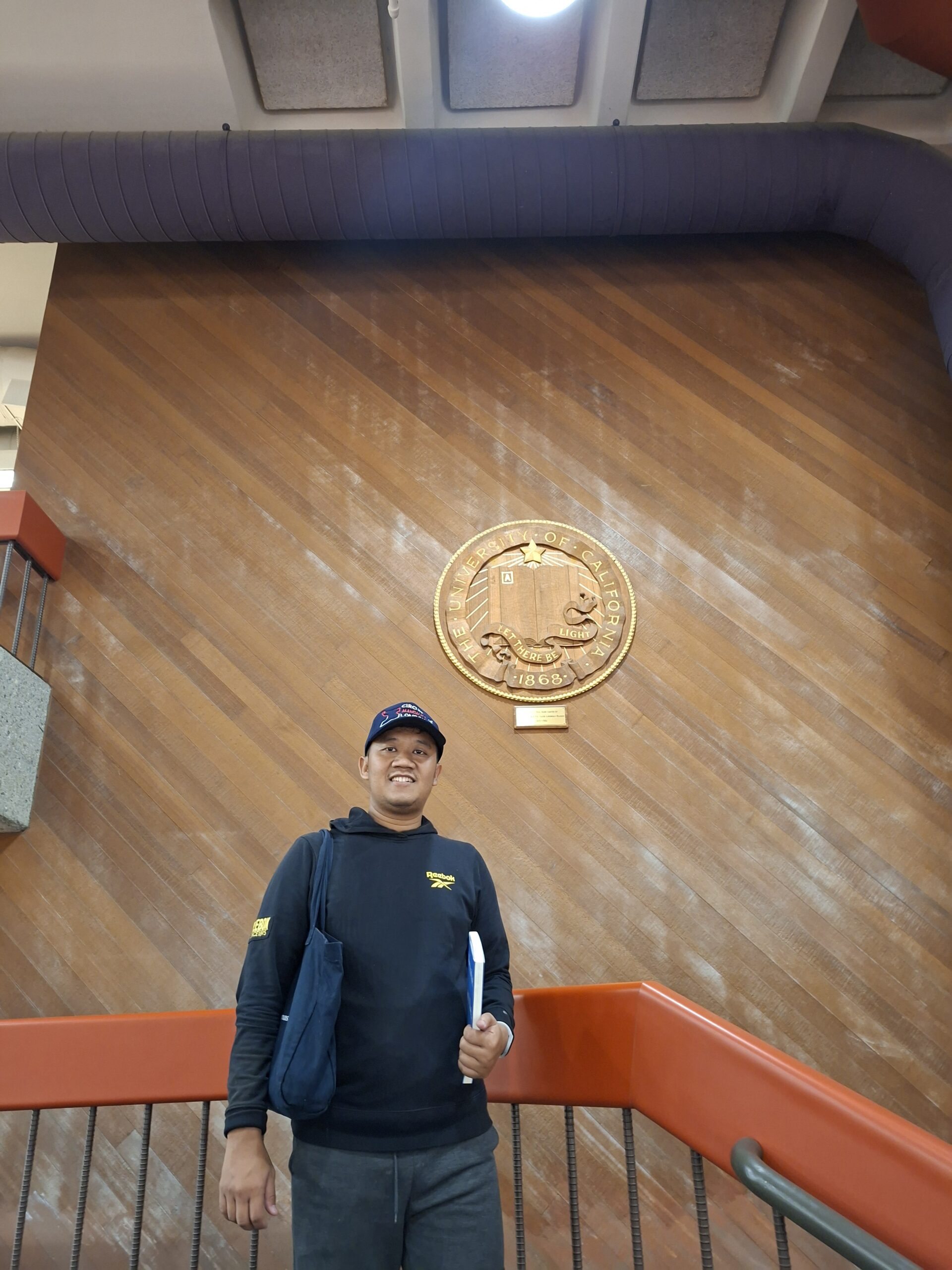
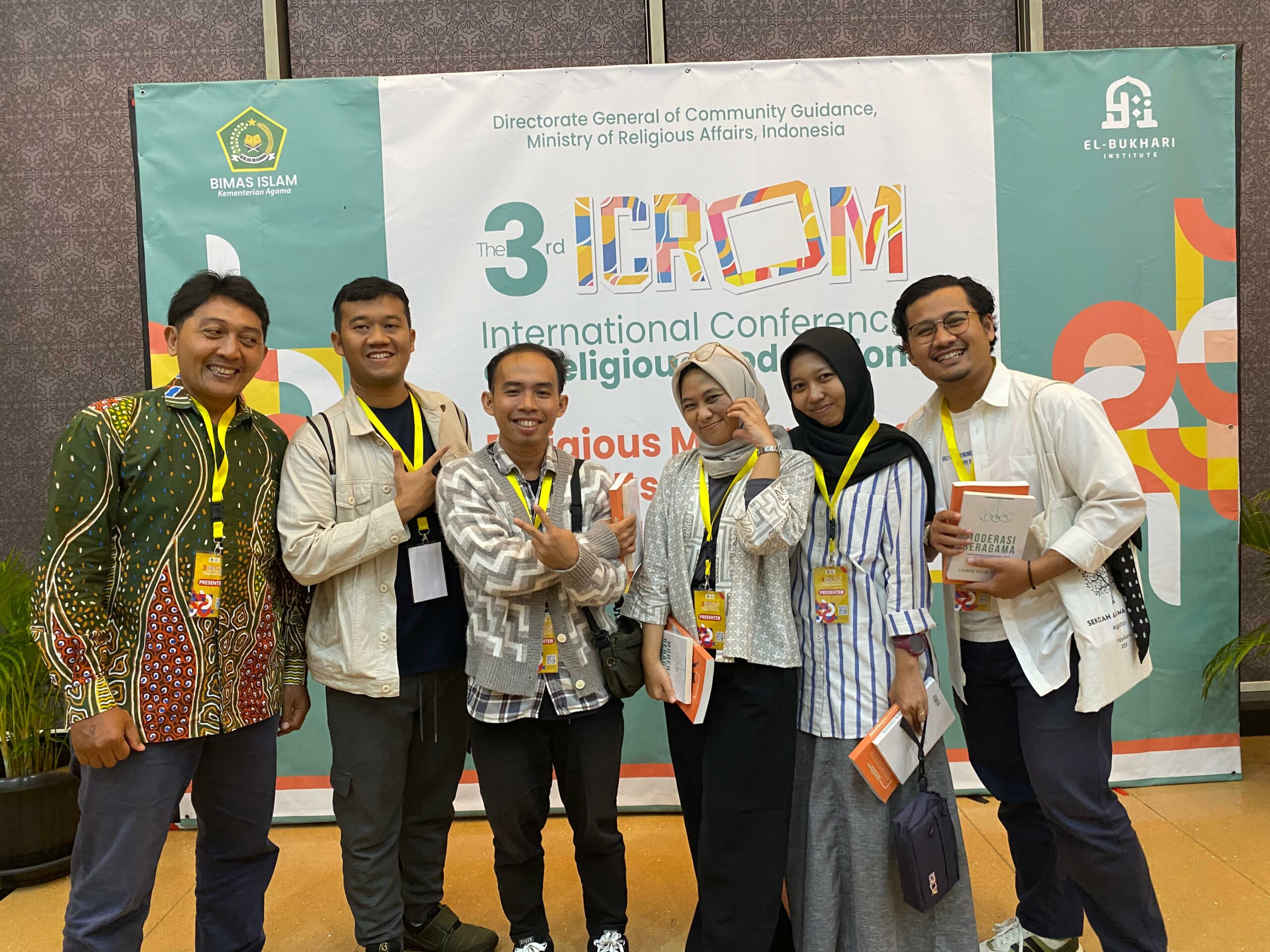
 Being accepted as a presenter in six different international conferences in Indonesia and abroad marks a significant ambition of my second-year study journey here in the faculty of education UIII. From November 2024 to June 2025, I already presented my papers in several conferences, such as the third International Conference on Religious Moderation (ICROM) held by the Ministry of Religious Affairs of Indonesia in Jakarta, 5-7 November 2024, where our lecturer Dr. Andar was one of the keynote speakers in this event. I also had a chance to present my paper online in the International Conference on Research, Community Service, and Gender Studies (ICRCSGS) conducted by UIN Imam Bonjol Padang, West Sumatera, 5-6 December 2024. Prof. Nina, our dean, was one of the keynote speakers. Not to mention, on 10-11 May 2025, I presented my paper in the third International Conference on Islamic Education and Science Development (ICONSIDE) held by UIN Mataram, Lombok, West Nusa Tenggara. The head of the PhD in Education program, Dr. Bambang, was one of the keynote speakers in this forum. Lately, I have flown all the way from Jakarta to Los Angeles to present my work in the Society for the Anthropology of Religion (SAR) Biennial Conference conducted by the American Anthropological Association, taking place in the University of California, Santa Barbara (UCSB), California, USA, 21-23 June 2025.
Those experiences reflect my endeavours to engage in national and global academic conversations as an emerging scholar. This story would have never happened unless because of various valuable lessons I learned, particularly from our beloved university. I figured out three keys that I believe had enabled me successfully to participate in such meaningful academic events I mentioned before, including winning a competitive travel grant for the U.S. conference. Let me share my reflection on this story in more detail, as follows.
Themed Religiosities, Ecologies, and Environmentalisms in the Age of the Anthropocene, the SAR conference was attended by hundreds of presenters, such as university students, lecturers, and professional researchers, coming from world top institutions and universities, such as Harvard, Stanford, Oxford, Michigan, Toronto, Cambridge, Edinburg, SOAS, Melbourne, Sydney, Beijing, Taiwan, and many more. In that conference, I was the one and only presenter coming from Indonesian university, which is our beloved UIII. I shared my comparative findings about the roles of two prominent Indonesian Islamic mass organizations, NU and Muhammadiyah, in their stewardship towards environmental obstacles in Indonesia based on Wasatiyah principles. Actually, there was another Indonesian presenter, my colleague who is currently a PhD student in the faculty of Humanities and Social Sciences at UCSB. He is the one who shared the information about this conference with me. Thanks to a friendship that turned into networking.
Thank God, in addition to being accepted as presenter, I also won a travel grant that is awarded to only five grantees in the SAR conference. I was so happy to be one of them. To apply for this grant, we are required to submit an accepted abstract, statement letter explaining why we fit the requirements, and latest CV. This grant was very beneficial to facilitate my U.S. Visa application as well as to financially support my departure to the USA.
The SAR conference, for me, is one of the most prestigious and essential academic forums I have ever joined. It presented expert scholars who shared their academic works that positively have direct impacts on wider society, including in the environment where the study was conducted. Additionally, their findings offer adaptable policies and recommend concrete actions that can be adopted by governments and the stakeholders, leveraging benefits of the research itself. Overall, their presentation really amazed me in the sense of the way they did their study, and this is what I mean by essential, that academic conferences become an inspiring platform to exchange knowledge and shape understanding through thoughtful and meaningful research for the goods of human beings as well as the environment.
Should I leave a message to encourage colleagues, as emerging scholars, to take part in such academic forums, I have three things to say. First I would say public events matter. Let us join in public lectures, such as seminars, conferences, book discussions, etc., that we think can enrich our knowledge and broaden perspectives even if the topic falls apart from the field of our study. Such programs often help unexpectedly connect our study field with other branches of disciplines. This combined-areas meeting can be crucial to discover distinct sights in conducting research as well as a key factor for collaborative study. The SAR conference topic is actually not really my study area since it is more on religion, society, and environment, while my major is education. However, I remember the fifth ClimateTalk on Muslims Environmentalism held by FOSS and a public lecture on Faith & Environment: Pragmaticism, Piety, and Ethics held by our university inspired me to write the paper.
Secondly I suggest that anything can be studied scientifically. Let us take benefits from classes, courses, or programs, such as writing clinics in our library, that offer us opportunities to learn research methodology, whether qualitative, quantitative, or mixed-methods. For me, research skills, such as collecting and analysing data, constructing conclusions or reflections, and knowing proper tools are keys that enable us to conduct a scientific study properly. Surely it is great if we can apply more than one method in doing research. But, truly mastering one approach only is already sufficient to study any human activities, events, or phenomena academically. So, instead of doing complex research such as field work for my paper in the SAR conference, I chose the most doable method for me by doing a comparative content-analysis study. I can do this because I have learned several research methodology courses previously.
Last but not least, thanks to the existing various communities in our university. I believe such Islamic Global Challenges (IGC) initiative under the faculty of Islamic Studies in our university is crucial for all civitas academia, including students and lecturers from any department. Such programs can serve as a platform for collaboration and contribution to increase our concerns toward global issues through research or real actions. Thus, our university should optimize their roles/functions so that the beneficiaries will also get more maximum. I strongly believe that the potential of IGC I mentioned in the SAR Travel Grant proposal form at that time became one of the most powerful reasons why I won the award.
Annual Conference
Annual Conference
Serving as a vital knowledge-sharing and networking platform for both students and the general public. It functions primarily to disseminate the latest research and trends within a specific field, featuring keynotes, workshops, and paper presentations by experts.
Nothing found.
The Basic Empathy Scale: Validation of Empathy Measurement of Pesantren Students in Indonesia
 Rizkyanti, C.A., Hermansyah, E., & Wijayanti, Z. B. (2025). The Basic Empathy Scale: Validation of Empathy Measurement of Pesantren Students in Indonesia. Psikologika: Jurnal Pemikiran dan Penelitian Psikologi, 30(1), 1-24. https://journal.uii.ac.id/Psikologika/article/view/35976
Abstract
This study aimed to validate the Basic Empathy Scale (BES) using Rasch model to establish the reliability and validity of the instrument in measuring empathy. Participants in validation consisted of 200 students from Islamic Boarding Schools (Pesantren) in Java, Indonesia. This analysis was conducted using a quantitative method with Rasch model analysis by incorporating a Wright map, item fit analysis, a unidimensionality test, and Different Item Functioning (DIF). The results showed that the BES was reliable for measuring cognitive and affective empathy, confirming unidimensionality and item fit among participants. These findings implied that the BES was suitable for application among Islamic Boarding School students. DIF analysis further showed that some items might require revision to elicit more accurate results even though the instrument was considered valid and reliable.
Enhancing Research Excellence through Participating in Conference
Enhancing Research Excellence through Participating in Conference
by Muhammat Sabar Prihatin

On Saturday, 26 October 2024, the student body of education faculty UIII, ESTUDIA (Education Student Association), conducted a gathering across batches. The event was so much fun and healthy, I believed. We did several dances such as Maumere, Pinguin, and everybody seemed to be happy and enjoying themselves at that time. One main agenda of this event was sharing academic and non-academic life as graduate students, particularly in the faculty of education, such as how to deal with various assignments as well as how to maintain mental and physical health. In my opinion, the event was very beneficial for all of us, especially new students so that they can navigate crucial things to do, anticipate unexpected events that may happen, exchange inspiring and aspiring stories, as well as most importantly to raise our sense of belonging to the community of UIII students especially from the faculty of education as a whole. This event also indicates the importance of gathering among the students for an exciting journey as both individuals and scholars. Thanks to ESTUDIA.
Two of the interesting questions that we discussed during the gathering in my group were, quoting the sentence from one of my MA friends who said, "It is confusing, between writing and publishing papers a lot during study or later when after graduate only?" Plus, "What field are we expert in actually?" Those questions are very relevant to me who currently study at the doctoral level. In my heart I said “Yaw, how is that?", until these concerns reverberated in my brain, making it difficult for me to sleep at night.
But then, before sleeping, I reflect on myself. As far as my undergraduate study experience up until now, I have written and presented papers several times at international conferences, both offline and online, at home country and abroad, including publishing the papers, mostly in proceedings. Despite this, I still don't feel like I'm an expert in the academic world at all. So what does it mean to write and publish through such conferences so far?
In my opinion, responding to my friend's concerns above, the most important thing as a student is of course being able to complete all assignments, which surely each of them is already in an academic or scientific nuance, such as writing or reviewing articles critically and academically. Aren't our course assignments already designed to guide us to work as scholars? Therefore, to become an expert in a particular scientific field, for me, can be done later after graduation, where one of the ways is by increasing scientific productivity through the publication of academic writings, for example, after having sufficient research proficiency skills according to our own capacity. But then, how can we measure whether our abilities are sufficient to pursue a particular scientific field to become an expert?
This is the role of involving ourselves in academic forums such as conferences, which in my opinion can really help us find various choices of fields of study along with ways to participate. By challenging ourselves to write and present and even publish papers through conferences while we still study in university, it will greatly increase our exposure to the experience of participating in scientific studies, which can also increase the horizon of our ideas regarding the scientific field we want to pursue. Additionally, this can also strengthen us to determine our desired expertise as well as to increase our self-confidence because our involvement in the field is in accordance with its latest developments. Not to mention that this can also help us decide the thesis/dissertation topic we need to write before we graduate. Thus, when we have really graduated, we are better prepared to be actively involved in dialogue on the scientific developments that we are pursuing. Isn't it how we can envision more clearly what scientific field we want to become the expert later in the future?
Then, the next question is how can we participate in academic forums such as conferences- which I regard as stages for experts to show their expertises in the scientific field they are in through research-? In my opinion, one of the key factors in developing science to be engaged in academic forums such as conferences is mastery of various research methodologies. That is what, I am quite sure, led me to qualify for being accepted to participate in two fully funded international conferences with my papers that use different research methods, in the last two months. The first is the 3rd International Conference on Religious Moderation (ICROM) conducted by BIMAS Islam, the Ministry of Religious Affairs of Indonesia in Merlynn Park Hotel, Jakarta, November 5-7, 2024. In this conference my paper entitled Youth Engagement in Religious Moderation: Impacts of Peace Journey Board Game on Ethical Perspectives employs a mixed-methods approach, sequential explanatory design. The second is the International Conference on Research, Community Service, and Gender Studies (ICRCSGS) conducted by UIN (Islamic State University) Imam Bonjol Padang, 5-6 Desember 2024. Our deen, Prof. Nina Nurmila is one of the keynote speakers in this conference. My paper is titled Exploring the Impact of International Training Course on Gender Issues and Non-Formal Education (NFE) Methods for Youth in Europe and Asia: A Critical Text Analysis. It is clear that the study adopts a critical text analysis, also can be considered as content analysis. Those articles are still in the process of publication with several options such as proceedings or journals.
I do thank our faculty that provides us with a number of kinds of research methodology to learn from the very first semester until now the third semester. We have learned; research methodology in education, qualitative research methodology, quantitative research methodology, and also mixed-methods research design. These methodologies truly equip us with rich tools that really help enable us to conduct research with more varied approaches.
There are some important things that I can reflect on this matter. Learning various types of research methodology does not mean that I can do any kind of research greatly. Maybe there are people who can. But personally, to be honest, every time I learn about the material, I can't understand everything. Often get confused because there are many new things to learn. The good news is, worth remembering, when writing a paper, we are not to write the research methodology(ies) we employ, rather we justify why and how we adopt it/them in our paper. Afterall, don't let yourself end up dizzy. It's okay to be confused, but that confusion should actually lead us to find the most appropriate strategy for studying those various research methodologies. Is it by studying independently, analyzing other people's papers, or even by directly practicing writing, or perhaps combining some of them. In this way, being confused should lead us to become enlightened. My previous lecture once said, confusion is the first step to understanding science and I can make that sense truly this way.
And for me, “it doesn't matter if we can't understand all the research methodologies we learn”. However, as much as possible “we must be able to understand and even master the methodology we employ in our own research”. Of course, we can learn this in the classes, including when doing assignments. Again, if we strongly want to hone our research skills better, we can consider attending conferences by writing papers using methodology that we really want to learn further.
Another skill I learned as a result of practicing reading and writing for research is the ability to “Just say it” what I want to write. I mean, for example, from the various literature that we find, there are various statements arguing about a certain concept that might also make us confused about which theory we are going to say or to use. So when that happens, we have to be brave enough to say it as what it is, that there are various definitions of a certain concept where A says a, B says b, and C says c. Then we convey which theory or concept that we want to borrow or which one is the most relevant to the context of our own study. This will make our writing remain based on reliable science, that is not just making up as we wish. So there is no need to be confused about the wealth of existing studies, just say what it is according to our findings, then select which theory or concept we want to adopt related to our own research topic.
Last but not least, to further learn about and enhance our research skill particularly on the research methodology is to read the writings of other people who have applied the methodology that we also want to apply. So from there we can apply the ATM (Amati, Tiru, Modifikasi) principle, namely observe, copy and modify. This can help us a lot principally and technically, such as informing us of what important things to write, how to develop or construct the ideas, and how to present the flows of the ideas in the form of scientific writing. We don't have to have a lot of sample papers for ATM, just 2-3 could be enough but we should really be able to follow them. I am sure this way can facilitate us to write scientific papers like experts who master the methodologies they used so that our writing seems to be most likely written by a professional researcher.
I believe, being an expert is not merely about when, rather it is about how we should make it happen. And from my limited subjective experience I reflect here, I can suggest that the more diverse research methodologies we learn, the more possible we can engage in various research, encouraging us to be eagerly involved in scientific talk and dialogue. And for sure, to become the expert one, we should do research a lot in our field, that is how seemingly we are about to know our expertise.
Unwinding and Uniting: A Memorable Study Excursion to Bandung
Unwinding and Uniting: A Memorable Study Excursion to Bandung
by Nabila Nindya Alifia Putri
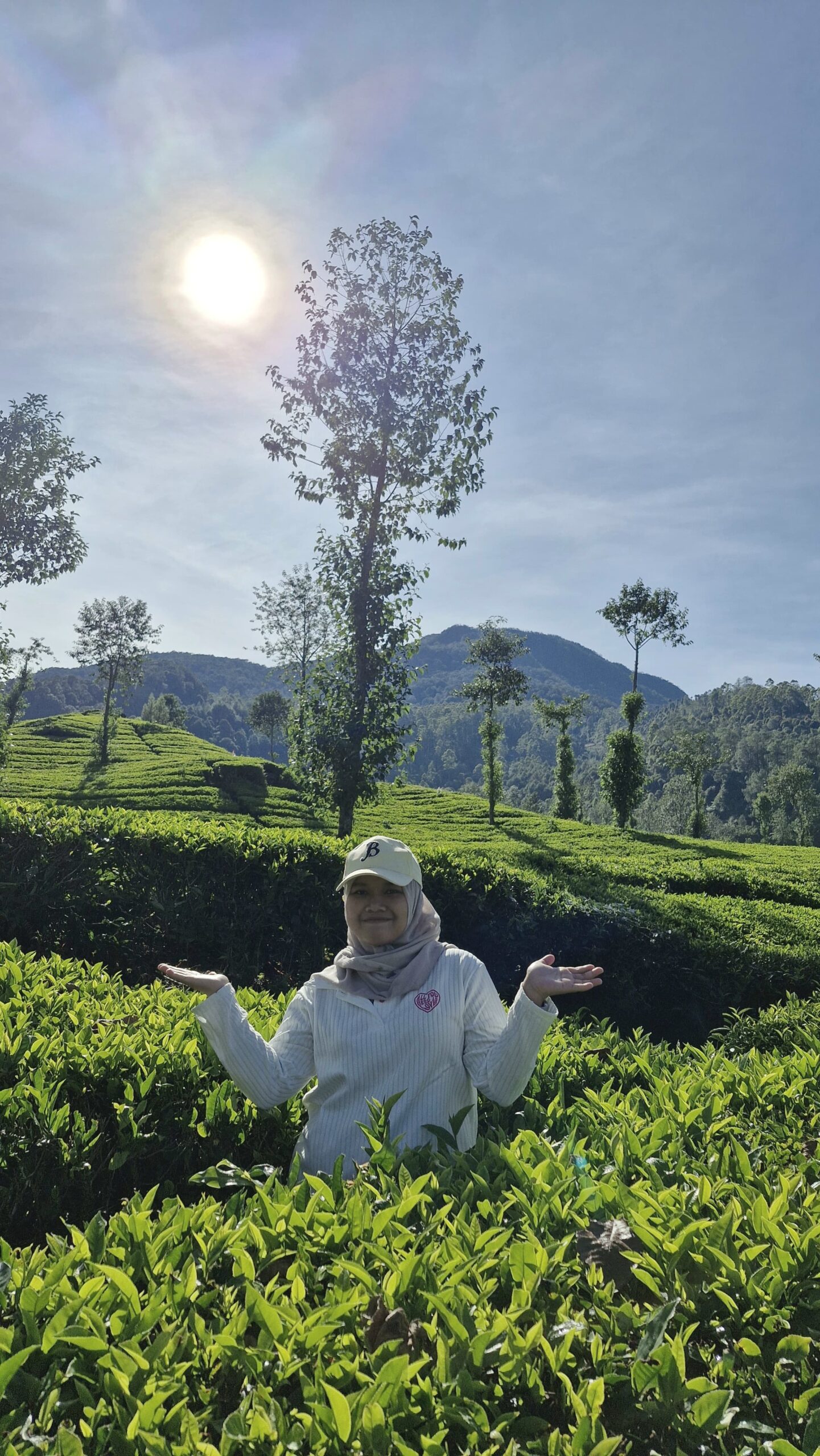
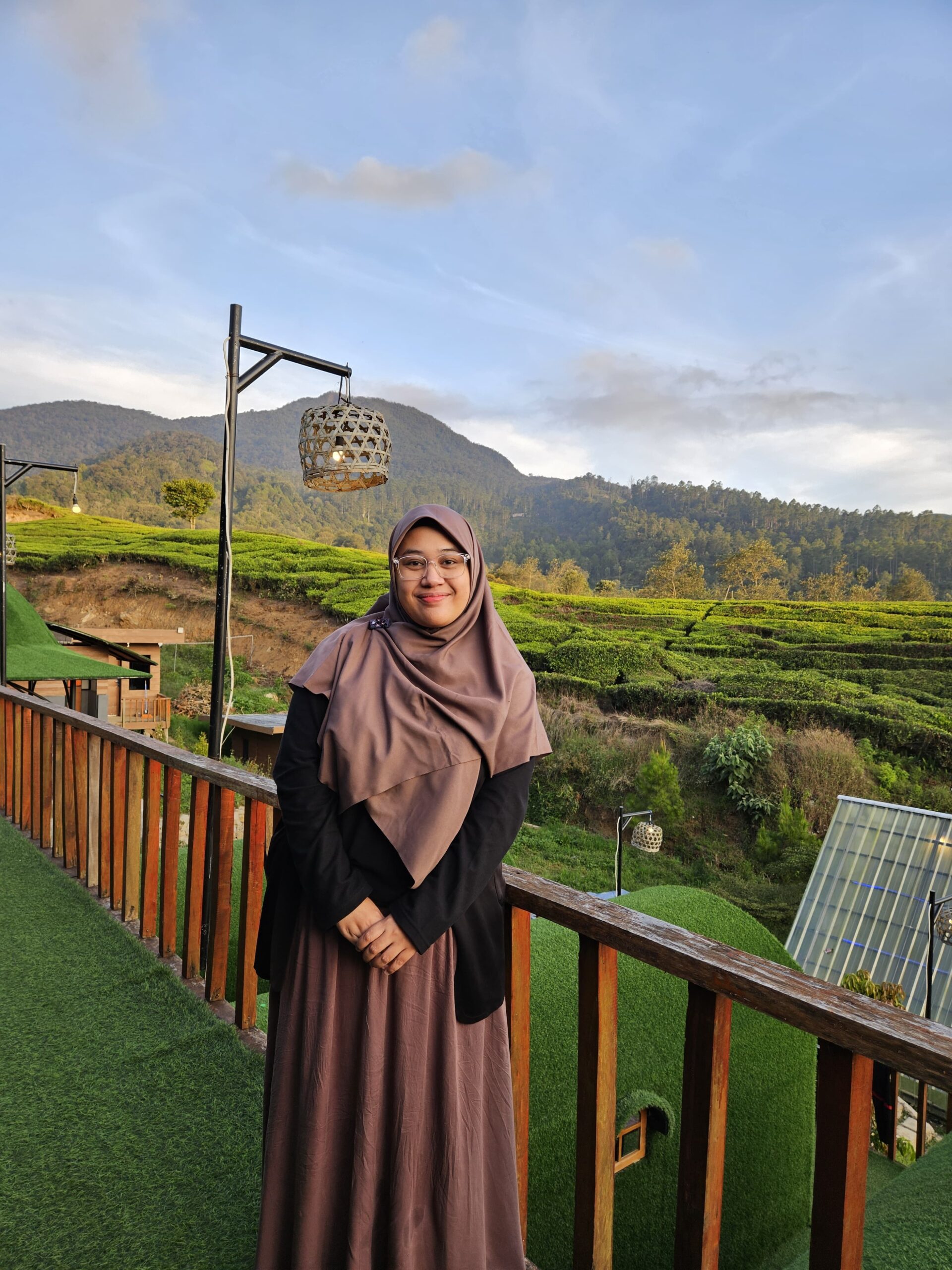
 Strengthens the bonding — that was the first impression I captured during my study excursion trip in Bandung, which was held on October 16-17, 2024.Starting from Depok, the travel time is about 3.5 hours by bus. The atmosphere on the bus was quite fun, where lecturers, academic staff, and students mingled in one bus, plus students who enlivened the whole bus through karaoke songs that were quite entertaining during the trip. The chantingand humming kept going all along the road, along a winding road to a plantation area in Ciwidey. During the trip, I could feel the warmth created from the interaction of students, lecturers, and academic staff. No matter what academic load or workload it is, it all seems to be focused on one goal: forget all our burdens, and enjoy our moments! Our minds seem to be invited to take a break because the scenery on the right and left sides was very magical: a green tea garden with cool nuances.
Moreover, behind the cold night in Ciwidey, there is one warmth that radiates from the participants of this excursion. The old, young, lecturers, staff, all mingled together to enjoy dinner while listening to music accompanied by a burning bonfire. Of course, this unique interaction is very memorable and imprinted on my memory. Through this excursion activity, I saw a lot of interactions and 'golden moments' that I usually had only seen formally; namely in an academic setting, but now everything looks different. This made me realize that all of us (lecturers, students, and staff) are also human beings with the same goal: to have fun while doing our job to serve the community, because that is the true purpose of this education department.
Apart from these moments of togetherness, when talking about community service activities initiated by the department's student association, namely ESTUDIA, there are many things that I can reflect on when I am one of the teams that document these community service activities. First, the thing that I appreciate is that, with this activity, we as students can hone our skills for how to design an event that is short, but can be memorable for the community around us. Because the academic environment of UIII has diverse backgrounds of culture, the community service activities carried out by FoE UIII focus on introducing cultures from various representative countries of students at FoE. Secondly, in this event, all students participated, regardless of what level of study they were at. This shows the synergy built through this activity, and also again: strengthening the bond with each other among students. This is in accordance with the principle of ukhuwah in Islam, namely ukhuwah insaniyah.
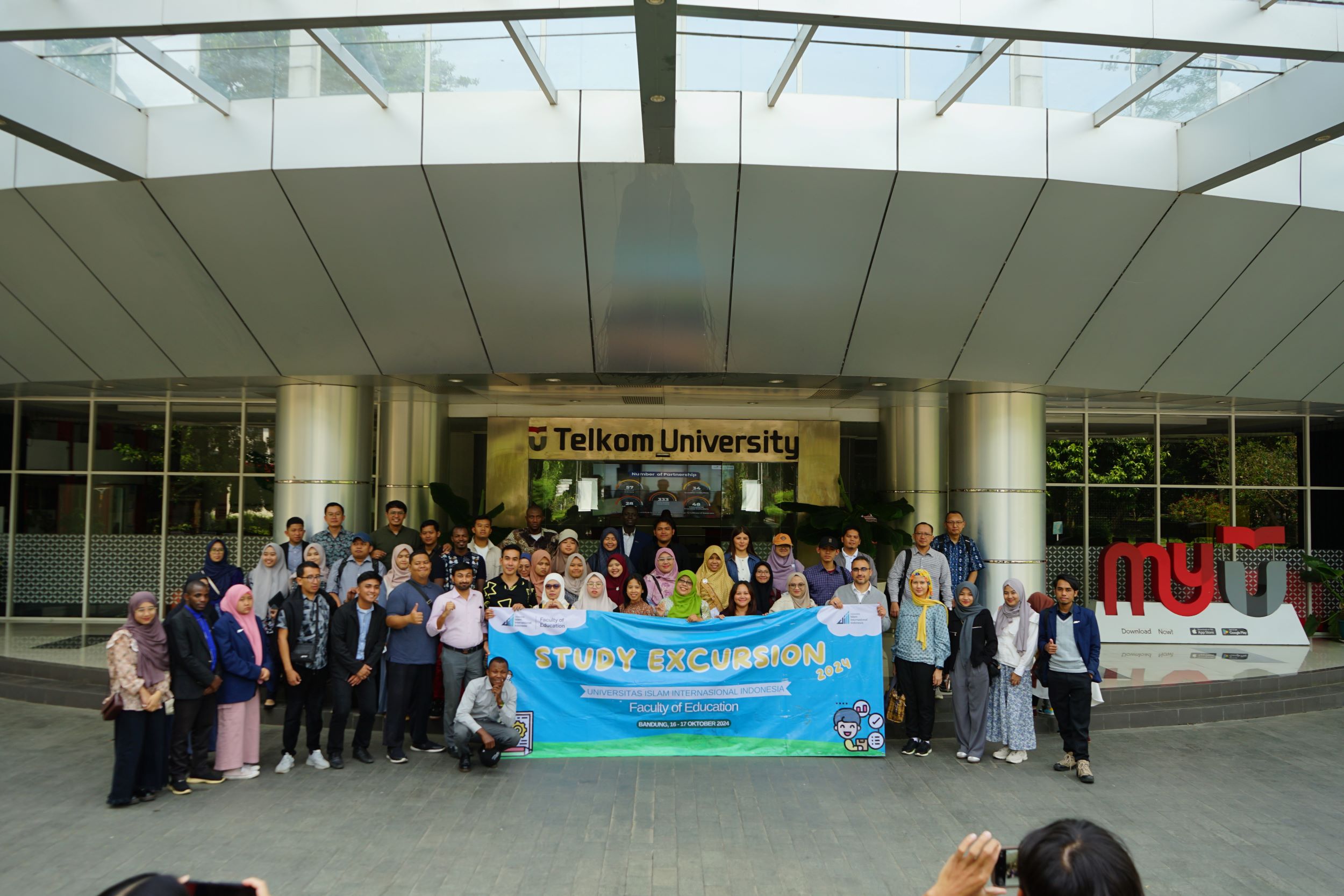
Moving on, the study excursion event was closed with a material presentation from Telkom University Bandung. All classes offered by Telkom university provide a lot of insight, especially for the world of education including digital and media, as well as big data class. During my time at Telkom University, I realized that visiting other educational institutions is no less important. We also need to benchmark to other educational institutions in order to continue to improve the quality and quality of our own educational institutions. By exchanging information like this, I think it will be useful in the future, especially the many new insights presented by Telkom University. The end of the campus visit session was closed with a photo with all study excursion participants, as well as lecturers at Telkom university. With the closing of the visit, the activities and trips of this study excursion are over. Overall, I feel happy and satisfied with this excursion activity because we can do 2 things at once at once: unwind and serve the community.
A Journey of Learning beyond Books
A Journey of Learning beyond Books
by Khizer Hayat
 My name is Khizer Hayat, and I come from Pakistan. For me, learning is not confined to books—it can be found in every experience and every moment we live. As Albert Einstein once said, “The only source of knowledge is experience.” From October 16-17, 2024, I had the privilege of participating in a study excursion organized by the Faculty of Education at UIII, Depok, which proved to be a truly transformative journey.
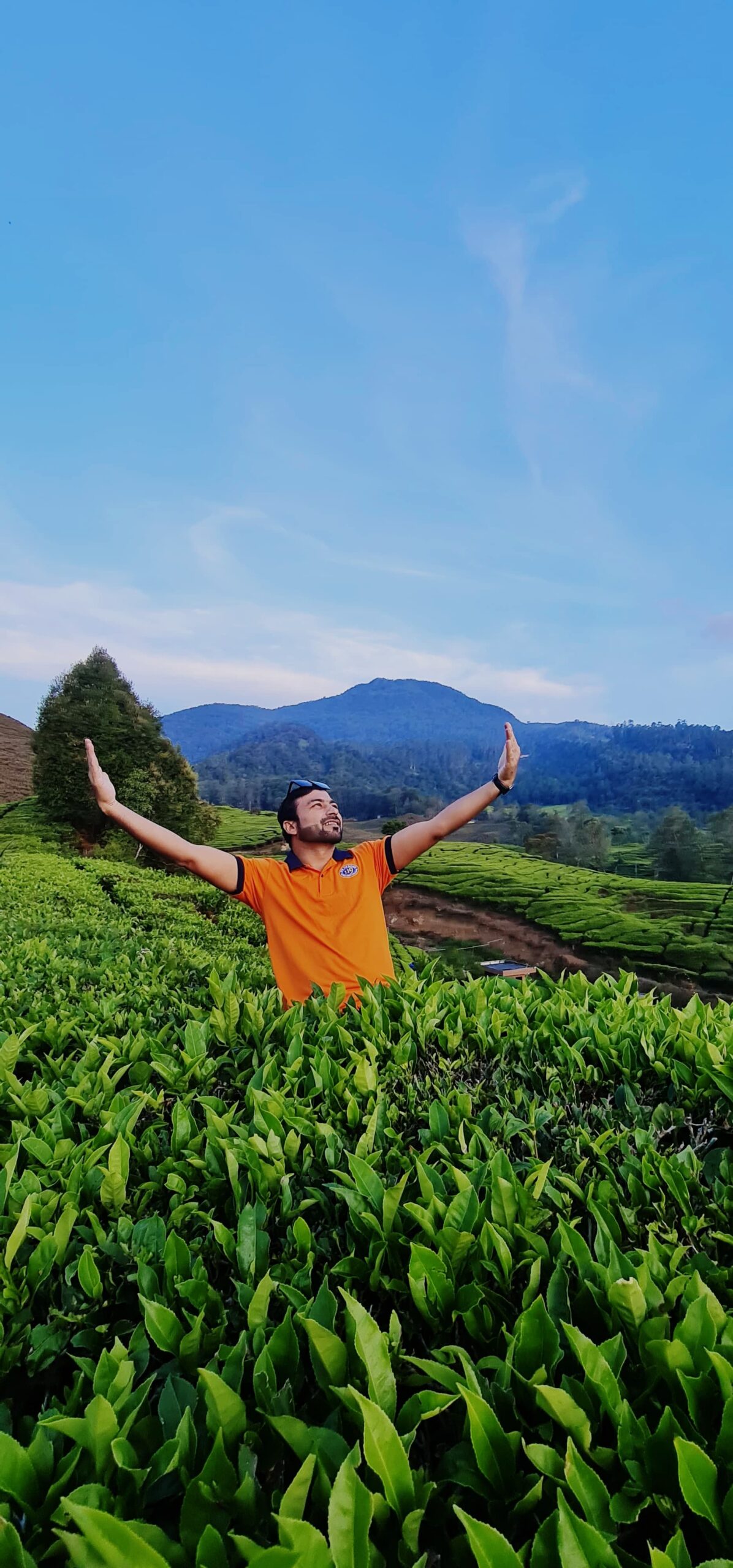
Our adventure began as we departed from the dorms, leaving behind the familiar streets of Depok and Jakarta, and heading toward the serene, nature-rich city of Bandung. As we traveled through the vibrant cities, I felt like I was entering a whole new world, full of excitement and possibilities. As Confucius once said, “Wherever you go, go with all your heart.” This quote perfectly captured my mindset as we embarked on this journey.
Our first day was packed with exhilarating activities, including rafting and off-road adventures that got our adrenaline rushing. Every moment was captured on camera, preserving the memories forever. It reminded me of the quote by Susan Sontag: “I haven’t been everywhere, but it’s on my list.”
The night at Eco Park Hotel was an experience to remember. The cabins were cozy and charming, but what made the evening truly special was the live performance by the music band “9 Outbound Ciwidey.” Their energy filled the air with music, adding magic to the chilly weather. We gathered around a roaring fire, wrapped in our jackets, enjoying a barbecue, and sharing laughs. The warmth of the fire was matched only by the warmth of the company, as students and faculty danced, sang, and bonded over the joy of the night. As Henry David Thoreau said, “Friends… they are the sunshine of life.” This quote beautifully sums up the warmth of the evening.
The following day took us to 13 Junior High School in Bandung, where we participated in a vibrant cultural exchange with students from diverse backgrounds—Pakistan, Bangladesh, Turkey, Afghanistan, Nigeria, Tanzania, the Philippines, Gambia, and Indonesia. The enthusiasm of the junior high students was infectious, and their warm welcome, combined with their traditional dances, was heartwarming. “The beauty of the world lies in the diversity of its people,” as Maya Angelou so eloquently said, and we truly experienced that beauty through this cultural exchange.
Throughout the journey, we were accompanied by the esteemed Dean, Nina Nurmila, PhD, along with professors and staff, who made every moment enjoyable. From the delightful snacks to the delicious meals at the hotel, everything was wonderfully planned. Even the bus rides were filled with non-stop singing, adding to the lively atmosphere. As Ralph Waldo Emerson said, “Life is a journey, not a destination,” and the joy in the journey was palpable.
The highlight of our trip was the visit to Telkom University. We were greeted with an atmosphere of innovation and inspiration. The student presentations were simply remarkable. These young minds were not just students—they were scientists in the making, innovators ready to shape the future. The university’s vision and mission were shared with us, filling us with admiration. As Steve Jobs once said, “Innovation distinguishes between a leader and a follower.” The spirit of innovation was alive at Telkom University.
A memorable moment was the insightful lecture on management by Professor Dr. Djadja of Telkom University. His words about leadership and innovation left a lasting impression on me, inspiring new ideas for my own academic journey. As he said, “True leadership is about managing not just systems, but the hearts and minds of people.” This idea resonated deeply, reminding me that education is not only about gaining knowledge but also about becoming a compassionate leader.
As we made our way back to Depok, the sense of fulfillment was profound. The two-day experience felt like it carried the weight of two months of study. The lessons learned, the memories made, and the friendships formed will remain with me forever.
This study excursion was more than just a trip—it was a journey of discovery, learning, and cultural exchange. It reminded me that education goes beyond textbooks, and sometimes, as Oscar Wilde said, “Experience is the hardest kind of teacher. It gives you the test first and the lesson afterward.” Indeed, the best lessons are the ones we learn outside the classroom.
Empowering Growth Through Study Excursions to Bridge Knowledge, Community, and Professional Development
Empowering Growth Through Study Excursions to Bridge Knowledge, Community, and Professional Development
by Novinta Nurulsari
 I am deeply grateful for the opportunity to participate in the study excursion organized by the Faculty of Education at UIII. This program was not only complimentary, but it was also incredibly beneficial for us as students. The agenda was thoughtfully designed to enhance our academic and professional growth, leaving me with lasting impressions and valuable insights.
Two key aspects of the study excursion stood out to me. First, the visit to Telkom University was an exceptional experience. I had the chance to attend a short one-meeting course titled Harnessing Big Data for Transformative Education, Administration, and Management, delivered by Dr. Djaja Achmad Sardjana, S.T., M.M. His lecture was insightful and highly relevant, especially regarding the practical application of Python, which piqued my interest. Previously, I had encountered a 2022 article on Design Thinking, a topic closely related to my dissertation, and the article presented fascinating data visualizations created using Python. I tried to explore this tool and ask for some support and guidance, but none of my colleagues had any experience with this tool. I felt so grateful when the Faculty of Education organized this study excursion. I can learn directly from the lecturer and gain a deeper understanding of Big Data and Data-Driven Decision Making, which are crucial in showcasing evidence in our analysis. I also learned about Power BI (Business Intelligence), a tool I had never used before. The entire learning experience was amazing and eye-opening! This exposure to advanced technologies is invaluable for those of us in the educational field. It empowers us to better integrate technology into our work, whether for research or professional development.
The second aspect that impressed me was the community service activity at SMPN 13 Bandung. This activity allowed all the students participating in the excursion to engage directly with the students and school members at that school. It provided us an experience to interact and communicate with the students so we could learn about the characteristics of the students. This interaction, especially with international students from FoE UIII, also benefited the school, where the students could learn new things from us. It also boosted their enthusiasm for continuing their study. The school’s warm reception further added to the significance of this experience, and it was a mutually enriching interaction for both the students and the school.
Moreover, this study excursion significantly strengthened the bonds between students and faculty members beyond the academic and community engagement aspects. This program allowed us to build stronger connections and communication within activites. We also developed our collaboration skills to do every program through teamwork. This make the overall experience even more rewarding.
In conclusion, the study excursion was an invaluable experience, filled with opportunities for academic learning, meaningful engagement with the community, and the deepening of interpersonal relationships. It provided me with the tools and motivation to further my professional and educational journey, and I am deeply appreciative.
Travel and Lessons
Travel and Lessons
by Muhammat Sabar Prihatin
The study excursion conducted by the faculty of education UIII for me is not merely a sightseeing activity but it is about a lesson-reflective story. This trip took place two days, starting from 16-17 October 2024, with the destination of the capital city of west Java, Bandung. Throughout the trip we witnessed the beautiful and natural scenery, particularly when we came to the accommodation area, Ciwiday.
Worship by exploring the earth
Ciwidey is famous for its beautiful places in Banding, which has many hills planted with tea trees. The lush green color on every hillside was successful to spoil the eyes anytime we looked at it. The winding and sometimes up and down roads just made the trip even more thrilling. Plus, the strains of music from the old up to present era, sung by different generations-Dean, lectures, and students added to the excitement of the journey. This made the long trip feel short and fast.
This stage reminded me of the Holy Quran saying that the earth was made flat so that we can explore it easily. So it is true that with our intention to witness this verse, our study tour is not only for a fun trip but also a moment of contemplation to admire the Almighty of Allah SWT over His beautiful creation of this universe.
Taaruf Session (Learning from one another)

Another valuable experience was when we students of UIII did community service. We visited SMPN 13 Bandung to do a cultural exchange activity with the students there. Traditional dances welcomed us warmly, which attracted fellow UIII students, especially foreign students. When a student came with a traditional dance, our friends immediately clapped their hands and recorded the dance.
After that, we UIII students and the students of SMPN 13 Bandung were divided into ten groups according to the number of student countries in the Faculty of Education at the event location, such as Turkey, Mexico, Pakistan, Tanzania, and the Philippines. In the international cultural exchange forum, the students were very enthusiastic about exploring various information from student representatives from the countries they visited. They chatted about the local language of the guest country, traditional songs and dances, and even their typical foods. The exciting discussion ended with the making of a short video with students saying, for example, "Sawadikap, we have a new friend from Thailand, Kap kun khap".
This cultural exchange activity reminded me of the concept of ta'aruf. It is mentioned in one of the verses of the holy Quran which means that Allah SWT created humans in different tribes, states, and languages for us to learn from one another. The cultural exchange experience provides real evidence to students that diversity is real. And the differences that exist between humans are created to get to know each other. If fellow humans know and understand each other well, then this can reduce bad prejudice and the assumption that a certain group is better and more important than others. And if this can be established in harmony, then this state of knowing and understanding each other can also encourage the
establishment of cooperative and compassionate relationships based on wisdom on the basis of humanity. So it is important that students in schools as the younger generation need to be equipped with an understanding and experience of diversity itself, that it does not exist to belittle certain groups and excel others, but as real evidence of sunnatullah - the Will of God Almighty. So of course it is another kind of worship if we can celebrate this diversity as a gift of life.
Public service for knowledge sharing

Last but not least, the community service activities carried out by the lecturers of UIII and Telkom University were another topic of reflection. For me, cooperation between educational institutions is an important factor in building student learning experiences. What I felt at that time was that I got the opportunity to learn to process data on a large scale by utilizing technology that I had never learned at UIII, but I learned a lot from Telkom Uni. It's like this, knowledge that I thought was difficult to learn, turned out to be easy for other people or other places because they have the facilities, there are the experts, and or because the campus specializes in that certain knowledge.
Thus, I realized that there are certain fields of knowledge that are actually relevant to us but it turns out that we can easily learn them at other campuses. The insight I received taught me the importance of learning from many parties. And I think it's the other way around, the lessons delivered by several lecturers of the UIII Faculty of Education at Telkom Uni provide new important and interesting things for students who follow their presentation, namely psychological-based leadership, literacy skills, and spatial thinking skills, which may not be available at Telkom Uni.
This kind of collaborative synergy is what I think is needed and must continue to be carried out by educational institutions in Indonesia to improve the quality of education in general, both from the lecturers, or teachers, and students. The visit and knowledge sharing between UIII and Telkom Uni that we did could be one of the real forms of academic friendship that echoes that knowledge is a blessing for the universe (Rahmatan lil ‘alamin), not belonging to a particular educational institution or field of study only.
Thank you, Faculty of Education UIII, for the valuable lessons during the two-day journey on this study excursion. I am sure that each of us feels the benefits both personally, intellectually, socially, and even spiritually.
Religion and Education: A Comparative Analysis of Indonesian and Tunisian Religious Moderation Policies
 Husna, A., & Zuhdi, M. (2024). Religion and Education: A Comparative Analysis of Indonesian and Tunisian Religious Moderation Policies. Dialog, 47(1), 1–12. https://doi.org/10.47655/dialog.v47i1.902