Events

Events

Discover our Events: Engage, Learn, and Connect!

Nothing found.


Announcement

Announcements

Get the Latest Updates and Announcements from Faculty of Education

Nothing found.


Op-Ed

Op - Ed

Embracing Diverse Perspectives: Thoughtful Opinions, Experience and Inspiring Insights Await!

Nothing found.


Ph.D in Education

Ph.D in Education

The IIIU’s Faculty of Education offers a degree of Doctor of Philosophy in Education. The doctoral program in the Faculty of Education is dedicated to studying the basics of comparative educational philosophy and its variations in Western and Muslim societies to learn traditionally defined areas such as the history of education and research methods in education, educational philosophy, sociology and academic anthropology.

The distinction of IIIU’s Doctor of Philosophy in Education is to advance educational studies’ excellence in societies and promote engagement with the development of education research worldwide. In this sense, doctoral graduates from the IIIU Faculty of Education will be offered an approach to studying education in diverse contexts where they help improve the quality of education while maintaining their cultural identities.

Bambang Sumintono Ph.D

Head of PhD in Education Study Program

Career Path

The graduates of the PhD in Education program of the Faculty of Education at the IIIU are intended to work and advance their careers as, but are not limited to, academics, research scientists, education leaders, educational policy consultants and advisors, consultants, and advisors for international agencies.

Program Learning Outcomes

PhD in Education graduates must have solid philosophical, theoretical and methodological foundations to become academics, research scientists, education leaders, and education policy consultants and advisors. This should be demonstrated by having the abilities to:

Attitude


Demonstrates of faith and piety to Allah SWT, and show observance of  responsibility, self-confidence, emotional maturity, ethics, independence, adaptability, and a lifelong learning growth mindset.

General Knowledge


Demonstrate ability to develop new knowledge, technology, and/or art in the field of education with a moderate Islamic perspective or professional practice through multi-, inter- or trans-disciplinary  research to produce creative, original, and validated

Specific Knowledge


Demonstrate ability to solve problems in science, technology, and/or art in the field of education with a moderate Islamic perspective through  multi-, inter- or trans-disciplinary research.

General Skills


Able to manage, lead, and develop multi- or inter-disciplinary research in the humanities and social sciences with a moderate Islamic perspective for the benefit of humanity, and gain national and international recognition.

Specific Skills


Demonstrate skills to manage, lead, and develop research and development to solve problems in the field of education with a moderate Islamic perspective that benefits humanity, and capable of gaining national and international recognition.

Curriculum Structure

The curriculum of the PhD in Education program at IIIU consists of: the foundation of major philosophies of education, research methodology, concentration core courses, elective courses, independent study, student colloquium, and dissertation that includes research writing and defense. The foundation and research methodology courses are required for all Doctor of Philosophy in Education students. Concentration core courses are subjects to be taken by Doctor of Philosophy in Education students in their respective concentrations. Students are free to choose from the elective courses to enrich and strengthen their knowledge and skills.

There in an open possibility for Faculty of Education students who wish to take elective courses in other faculties in UIII. All Doctor of Philosophy in Education students must meet the requirements to complete independent study, a student colloquium, and a dissertation— research, writing and defense. The overall credits that must be taken by PhD students are 65 credits, which consist of 33 credits for courses and 32 credits of dissertation writing related activities: Advanced Independent Study, Student Colloquium, Research Internship and Dissertation Research.

UIII’s academic calendar follows a semester system consisting of odd and even semesters for each academic year. All course sessions and dissertation writing are conducted in English.

Foundation Courses (9 credits)

All students in the PhD in Education program are required to take the following foundation courses:
1. Advanced Comparative Philosophy of Education
2.  Advanced Islamic Education
3. Wasathiyatul Islam in the Globalizing World

Research Methodology in Education (12 credits)

Concentration Courses (6 credits)

PhD in Education Study Program at IIIU offers four areas of concentration, the compulsory courses of each concentration are:
a. Curriculum, Teaching and Learning
1. Theories of Learning
2. Instructional Design and Technology

b. Educational Management and Policy
1. Graduate Seminar of Educational Management and Leadership
2. Graduate Seminar on Education Policy

c. Educational Evaluation and Assessment
1. Advanced Educational Assessment
2. Graduate Seminar on Large Scale Assessment

d. Education and Society
1. Education and Human Capital
2. Graduate Seminar on Education in a Pluralistic Society

Elective Courses (6 credits)

The Doctor of Philosophy in Education students are required to take elective courses of their choice outside concentration courses, and all PhD courses in other faculties in UIII are eligible to take. These are elective courses which each has 3 credits:
1. Advanced Literacy Development and Resources
2. Advanced Well-being in Education
3. Critical Discourse Analysis

Advanced Independent Study (6 credits), Research Internship (3 credits) & Student Colloquium
(3 credits)

Doctor of Philosophy in Education students must undertake independent studies according to their topics of interest, with dissertation research and writing as a final goal. Independent study is a separate learning process under the guidance of an academic supervisor to produce a literature review related to the chosen topic. While Research internship is an opportunity for student to work closely with a lecturer in UIII, to get guidance and involve in research activities.

Doctor of Philosophy in Education students also have to take a student colloquium, a formal forum for students to present their research papers and be evaluated by peers and professors in the second year of their studies.

Dissertation: Research, Writing, Defense (20 credits)

Students who have completed all required courses are set to conduct research and write a dissertation as a final requirement to obtain a Doctor of Philosophy in Education degree. The dissertation research and writing process will be guided by a team of dissertation committees appointed by the Faculty of Education.


MA in Education

MA in Education

The Master of Arts in Education program is academically unique. Students will be equipped with a comprehensive educational and scientific foundation, including philosophical, theoretical, sociological, religious and methodological foundations.

The Master of Arts in Education Study Program is designed to meet the needs of graduates from master’s level who have mastery and competence in the field of education holistically with comparative insight into the philosophy and the praxis of Western, Islamic and Indonesian education. This program is open to applicants from various nationalities and religious backgrounds.
The philosophical foundation is provided through a comparative educational philosophy that includes Western, Islamic and Indonesian philosophies. The theoretical foundation is provided through the concept of psychology in the context of education, curriculum development and pedagogy, learning assessment, educational evaluation, educational leadership and management, and policy analysis, including the concepts of child development, learning theory, and learning principles and strategies. The sociological foundation is provided through a conceptual and practical study of the relationship between education and society. The religious foundation is given through a conceptual and experimental study of the relationship between religion and education. Meanwhile, the methodological basis is provided through scientific research methodology in the field of education, both quantitative and qualitative approaches, and data analysis.

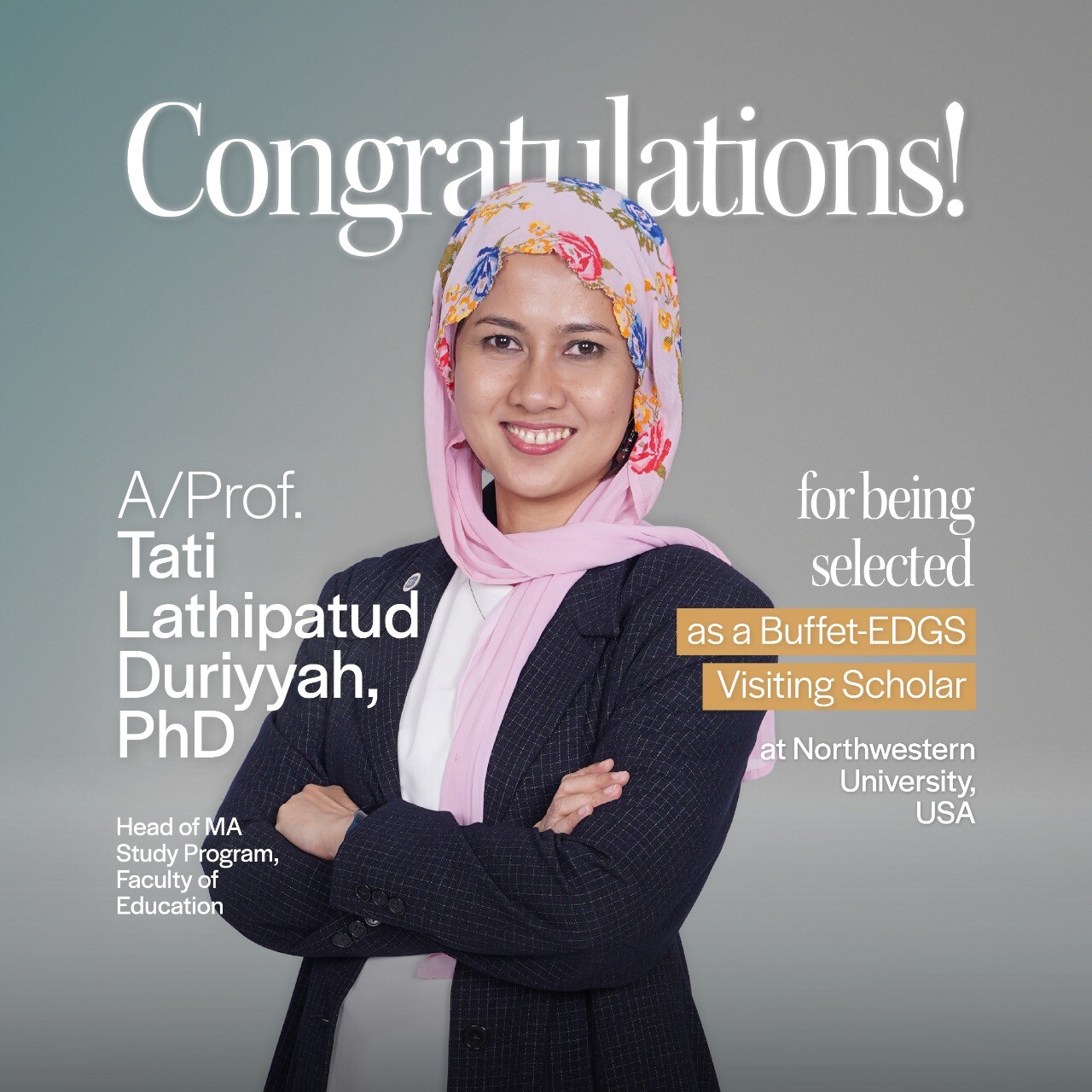
Tati D Wardi, PhD

Head of MA Study Program

Career Path

The graduates of the MA in Education program of the Faculty of Education at the IIIU are intended to work and advance their careers as, but not limited to, academics, education practitioners, education program and curriculum designers, education researchers, education government officials, education managers and supervisors, education assessment specialists, education program evaluators, education policy analysts, and education consultants at national and international institutions.

Program Learning Outcomes

Master of Arts in Education graduates must have solid philosophical, theoretical and methodological foundations to become researchers, thinkers, designers and education consultants. This should be demonstrated by having the abilities to:

Attitude


Demonstrates faith and piety to Allah SWT, as well as showing responsibility, self-confidence, emotional maturity, ethics, independence, adaptability, and lifelong learning awareness.

General Knowledge


Able to develop knowledge in the humanities and social sciences with a moderate Islamic perspective through research; Able to develop new knowledge, technology, and/or art in the field of education with a moderate Islamic perspective or professional practice through research, resulting in creative, original, and tested works.

Specific Knowledge


Able to solve knowledge problems in the humanities and social sciences with a moderate Islamic perspective through an interdisciplinary approach; Able to solve problems in science, technology, and/or art in the field of education with a moderate Islamic perspective through an interdisciplinary approach.

General Skills


Able to manage, lead, and develop research in the humanities and social sciences with a moderate Islamic perspective for the benefit of humanity, and gain national and international recognition.

Specific Skills


Able to manage and lead research with an interdisciplinary approach and a moderate Islamic perspective to find solutions and/or solve problems in the humanities and social sciences at national and international levels; Able to manage, lead, and develop research and development in the field of education with a moderate Islamic perspective that benefits humanity, and capable of gaining national and international recognition.

Curriculum Structure

The curriculum of the IIIU’s Master of Arts in Education program consists of foundation, concentration, and elective courses. Foundation courses are subjects that are required for all MA in Education students. Concentration core courses are subjects to be taken by MA in Education students in their respective concentrations. As well, students are free to choose from elective courses to enrich and strengthen their knowledge and skills. Students can take elective courses offered in the Faculty of Education. There is an open possibility for Faculty of Education students who wish to take elective courses in other faculties in IIIU.

The IIIU academic calendar follows a semester system consisting of odd and even semesters for each academic year. All course sessions and thesis writing are conducted in English. The MA in Education program is a two-year course (four semesters).

Concentration Courses
(9 credits)

IIIU’s Master of Arts in Education program offers four areas of concentration to choose from. Students must take at least two of the following compulsory concentration courses:

A. Curriculum, Teaching and Learning
1. Human Development
2. Learning Design and Technologies
3. Curriculum Development

B. Educational Assessment and Evaluation
1. Educational Evaluation
2. Educational Assessment
3. Instrument Development

C. Educational Policy, Management and Leadership
1. Educational Policy Analysis
2. Educational Management and Leadership
3. Leading Educational Change

D. Education and Society
1. Equity and Education
2. Education and Society
3. Education in a Pluralistic Society

Foundation Courses
(21 credits)

All students in the Master of Arts in Education program are required to take the following foundation courses:
1. Comparative Philosophy of Education
2. Psychology in Education
3. Education and Society
4. Educational Research Methodology
5. Statistical Analysis
6. Islamic Education
7. Islam Wasathiyah (mandatory course at university level)

Independent Study (3 credits)

&

Thesis Proposal (3 credits)

Master of Arts in Education students must take independent studies according to their topics of interest, with thesis research and writing as a final goal. Independent study is a separate learning process under the guidance of an academic supervisor to produce a literature review related to the chosen topic. The next stage after that is preparing thesis proposal which will follow with proposal defense at the third semester.

Elective Courses
(6 credits)

Master of Arts in Education students must take two elective courses of their choice.
Student can choose other course from different concentration; also there are two elective courses each has 3 credits:
1. Literacy Development and Resources
2. Well-being in Education

Thesis
(12 credits)

Students who have completed all required courses are set to conduct research and write a thesis on a topic based on their concentration as a final requirement to obtain a Master of Arts in Education degree. The research process and thesis writing will be guided by a thesis supervisor appointed by the Faculty of Education.

Curriculum Structure

The curriculum of the IIIU’s Master of Arts in Education program consists of foundation, concentration, and elective courses. Foundation courses are subjects that are required for all MA in Education students. Concentration core courses are subjects to be taken by MA in Education students in their respective concentrations. As well, students are free to choose from elective courses to enrich and strengthen their knowledge and skills. Students can take elective courses offered in the Faculty of Education. There is an open possibility for Faculty of Education students who wish to take elective courses in other faculties in IIIU.

The IIIU academic calendar follows a semester system consisting of odd and even semesters for each academic year. All course sessions and thesis writing are conducted in English. The MA in Education program is a two-year course (four semesters).

Course Detail

Nothing found.


Administration Staff

Administration Staff

Delve into the world of our talented non-academic staff, their efforts ensure smooth operations, supporting the overall educational environment and student experiences.

Nothing found.


Visiting Lecturer

Visiting Lecturers

Meet the visiting scholars and professionals sharing their valuable insights and expertise with our Faculty of Education at Universitas Islam Internasional Indonesia.
Nothing found.


Lecturer

Lecturers

Discover the passionate and dedicated lecturers of the Faculty of Education at Universitas Islam Internasional Indonesia, shaping the future of education in our nation.

Nothing found.


Privacy Preference Center

Dinamika Mahjong Ways 2 Berubah Setelah Scatter Wild Mengubah Ritme SpinStrategi Lambat di Mahjong Ways, Mengapa Bisa Membantu Hasil Lebih KonsistenTransisi Diam-Diam Simbol Mahjong Wins 3 Tawarkan Potensi Besar untuk PemainStrategi Santai Menghadapi Pola Tak Tertebak di Mahjong Ways 2Transformasi Irama Mahjong Ways 2 Dipicu Kemunculan Scatter Wild BaruBongkar Pola Mahjong Ways untuk Menghadapi Fluktuasi Lemah dengan Lebih CermatKejadian Biasa yang Membuat Mahjong Wins Kembali ViralCara Aman saat Pola Mahjong Ways Mulai MenghilangPerhitungan Ekonomi RTP dalam Membaca Peluang Kemenangan Game DigitalEra Pola Robotik dan Peran Mahjong Wins 3 dalam Industri GameEvolusi Mahjong Wins 3 menuju Sistem Cerdas dengan Pendekatan Pola Robotik yang Semakin AdaptifKonsistensi di Mahjong Ways melalui Pengaturan Ritme Bermain yang Lebih Tepat dan TerkontrolKemunculan Scatter di Mahjong Wins 3 yang Mengubah Karakter Putaran dan Pola PermainanStudi Dinamika Data dan Simulasi Probabilitas dalam Arsitektur Game Digital ModernMahjong Wins Kembali Trending dengan Pola Baru dan Pendekatan Bermain Fokus yang Banyak DibahasUpdate Framework Analisis Probabilitas Kondisional dalam Siklus Interaksi Mahjong Ways 2Era Baru Permainan Digital Interaktif sebagai Daya Tarik Utama bagi Pengguna ModernPerubahan Mikro pada Reel yang Dikaitkan dengan Sinyal Kemunculan Scatter HitamMahjong Memperkenalkan Tiga Rilis Bonus dengan Mekanisme Efisiensi yang Lebih TinggiPanduan Strategi Mahjong Ways 2 dengan Pembaruan Pola dan RTP Live yang Lebih Aktualdesain model prediktif untuk analisis peluang kemenangan secara objektifeksplorasi rtp untuk membaca pola tersembunyi demi meningkatkan peluang kemenanganformulasi sistem dinamis dalam mengurai struktur hasil dari kombinasi berlapishubungan waktu dan efektivitas dalam strategi permainan modernjurus sistematis gates of olympus dengan pengelolaan modal yang lebih terarahkesalahan fatal dalam permainan digital mengapa salah timing terus menjadi sumber kerugian utamamanfaat ai dan pgsoft dalam modernisasi algoritma permainan masa kinipengkajian terstruktur dalam pengelolaan risiko dan peluang pada game digitalprobabilitas dan strategi mengapa banker lebih diuntungkan secara statistiktawarkan pembaruan mahjong wins 3 mekanisme bonus yang lebih efisien
Penentuan Waktu Bermain melalui Observasi Variabilitas Hasil dalam Game Mahjong WaysModernisasi Ritme Algoritma Berbasis AI pada Gates of Olympus 1000 di Ekosistem Pragmatic PlayPendekatan Terstruktur dalam Poker Online untuk Menjaga Konsistensi Hasil di Berbagai Situasi KartuCara Pemain Berpengalaman Mengelola Putaran agar Ritme Hasil Tetap TerkontrolKemenangan yang Menipu dan Kekalahan yang Menguji Realita Permainan Mahjong Wins 3 Black ScatterPerkembangan Ekonomi Digital Game Global dalam Mengubah Pola Bermain dan Strategi Bisnis ModernMenggali Data Game Digital sebagai Fondasi Strategi Interaksi yang Lebih Relevan di Era ModernPerubahan Rutinitas Online yang Terbentuk seiring Kemunculan Mahjong Wilds di Timeline DigitalMemahami Perubahan RTP sebagai Dasar Strategi Bermain yang Lebih Terukur di Kasino OnlineAnalisis Momentum yang Lebih Tepat melalui Strategi Observasi Algoritmik dalam Game DigitalMengikuti Tren Game Penghasil Uang di Kalangan Pengguna Mobile dan Dampaknya pada Perilaku BermainDesain Grafis dan Animasi sebagai Faktor Utama Daya Tarik Game Modern yang Semakin InteraktifModel Strategis Berbasis Algoritma untuk Mengidentifikasi Momentum Analisis yang Lebih AkuratPutaran Otomatis sebagai Solusi untuk Meningkatkan Kenyamanan dan Kontrol bagi PemulaRahasia Scatter dan Wild yang Terungkap melalui Analisis Sistem Terbaru secara Lebih TransparanKetika RTP Berubah, Strategi Adaptif Pemain di Dunia Kasino Online Menjadi Semakin PentingMembaca Pergerakan RTP sebagai Faktor Penentu Strategi Bermain di Kasino Online ModernEksplorasi Cerdas Data Game Digital Untuk Membangun Strategi Interaksi Yang Lebih AdaptifPerbedaan Persepsi Pemain dalam Membaca Pola dan Peluang pada Permainan Slot OnlineWild Symbol dan Ilusi Peluang: Mengapa Simbol Spesial Sering Dibaca Terlalu OptimistisKoneksi Mahjong Online Kian Menarik Dikaji Lewat Sinkronisasi Server dan Variansi Permainan yang Terus BergerakPutaran Otomatis Kini Banyak Dilirik untuk Menjaga Ritme Bermain Tetap Konsisten Efektif dan Lebih TerkendaliTinjauan Singkat Mahjong Ways 2 Membuka Gambaran Pola Permainan dari Pengalaman Harian Para PemainPola Bermain Real Time Online Kini Lebih Mudah Diamati untuk Menyusun Strategi yang Konsisten dan TerarahSistem Modern Membuka Struktur Scatter dan Wild dengan Cara yang Lebih Jelas bagi Publik Industri DigitalPemula Kini Punya Langkah Lebih Tepat untuk Mengikuti Pola dengan Pendekatan yang Ringan dan KonsistenPendekatan Terstruktur dalam Membaca Strategi Dinamis Data Soft Membuka Pemahaman Baru bagi IndustriKomparasi Teknik Heuristik Menghadirkan Cara Baca Variansi yang Lebih Tajam pada Platform Permainan ModernLayer Keputusan dalam Poker Live Kini Banyak Disusun Berbasis Risiko untuk Membangun Strategi yang Lebih TahanPerilaku Algoritma Mahjong Ways Kian Menarik Dicermati Saat Merespons Teknik Bermain yang Lebih KonsistenKehadiran Scatter Wild Menambah Warna Baru dalam Mahjong Ways 2 yang Membuat Ritme Permainan Semakin DinamisEksplorasi Dampak Respons Digital Mahjong terhadap Stabilitas Sistem dan Variansi Permainan OnlineCara Mengoptimalkan Strategi Bermain Game melalui Analisis Modern yang Lebih Efektif dan TerarahTransformasi Pola Strategi Soft melalui Analisis Data Terstruktur untuk Mendukung Pengembangan IndustriPanduan Cerdas Membaca Gates of Gatot Kaca Super Scatter Online untuk Meningkatkan Kualitas PermainanAnalisis Teknis Respons Server Mahjong dan Evaluasi Aktivitas Variansi Game secara Lebih MendalamTeknik Evaluasi Algoritma untuk Menentukan Momentum yang Tepat dalam Proses Analisis PermainanTeknik Analitis yang Efektif untuk Menjaga Performa Konsisten dalam Mahjong Wins 3 Black ScatterCara Mengelola Mahjong Ways Online dengan Strategi Berbasis Data yang Lebih TerukurAnalisis Sederhana untuk Membaca Arah Permainan Harian di Mahjong Ways Digital
Panduan Lengkap Memaksimalkan Peluang Hasil Besar melalui Analisis Grafik yang Lebih Akurat dan TerukurMemahami Struktur Mahjong Ways untuk Meningkatkan Kualitas Permainan secara Lebih SignifikanSlot Online dengan Komposisi Strategi Proaktif untuk Membangun Performa yang Lebih EfektifAnalisis Faktor Pendukung yang Membuat Mahjong Wins Digemari oleh Berbagai Generasi PemainObservasi Simbol Premium Mahjong Ways dalam Perspektif Sebaran Simbol Tinggi dan Dinamika PermainanRTP sebagai Indikator Strategis dalam Mengarahkan Keputusan Bermain Game secara Lebih RasionalAnalisis Timing Putaran Reguler dalam Optimalisasi Peluang Hasil yang Lebih TerukurRumus Strategi RTP Adaptif untuk Membaca Pola dan Menjaga Konsistensi Hasil PermainanAnggapan Lama di Meja Live Blackjack yang Masih Dipercaya meski Tidak Selalu Terbukti5 Pendekatan Teruji untuk Membaca Pola Digital secara Lebih Akurat dan Mendalam Bulan IniKomunitas Pemain Mulai Aktif Mengamati Perubahan Sistem Live dalam Permainan Digital ModernEvaluasi RTP terkait Momentum Game Slot dan Durasi Bermain yang Lebih KonsistenStruktur Ritme Kasino Online melalui Dinamika Trafik, Karakter Permainan, dan Pola AktivasiRingkasan Temuan Privat tentang Kasino Online yang Memasuki Tahap Integratif dengan Analisis Lebih AkuratAnalisis Singkat Pola Mahjong Ways 2 berdasarkan Pengalaman Bermain Harian PemainGame Jadi Lebih Cerdas melalui Modernisasi Algoritma Berbasis AI di Ekosistem PG SoftInterpretasi Fase Akhir Mahjong Ways dari Perspektif Ritme Spin dan Dinamika PermainanSlot Online dengan Teknik Presisi dan Strategi Progresif untuk Performa Bermain yang Lebih BaikDampak Microgaming pada Platform Kasino Online Digital melalui Riset Perilaku GameMengapa Mahjong Ways Sering Dijadikan Tolok Ukur Keberhasilan Game Modern
Pendekatan Logis Berkelanjutan di Treasures Of Aztec Menunjukkan Arah Konsistensi yang Kian Menarik DicermatiSusunan Simbol Mahjong Wild dengan Tiga Scatter yang Tampak Biasa Ternyata Menyimpan Ritme Beruntun yang Menarik PerhatianJaringan Peluang Game Online Mulai Terbaca Lewat Strategi Ritme Digital yang Lebih Efektif dan TerarahMahjong Ways Digital Menunjukkan Perubahan Bertahap dalam Respons Sistem yang Kian Menarik untuk DipahamiSimulasi Data Membantu Membaca Evolusi Algoritma RTP dengan Pendekatan yang Lebih Rasional dan MendalamMahjong Wins Kian Menonjol sebagai Wajah Baru Hiburan Digital dalam Lanskap Industri yang Terus BerkembangPola Live Server Kini Banyak Dinilai Lewat Data Harian dan Ekspektasi Pemain Modern yang Kian AdaptifKetidakpastian Pola di Mahjong Ways Membuka Tantangan Baru dalam Memverifikasi Data yang Tampak MeyakinkanMahjong Wins 3 Kembali Menjadi Sorotan sebagai Standar Baru dalam Industri Hiburan Digital Masa KiniManajemen Ritme Saat Bermain Mahjong Kini Dipandang Lebih Berpengaruh daripada Sekadar Mengandalkan InstingMahjong Memperkenalkan Sistem Kerja Generasi Baru yang Membuat Mekanisme Bonus Terasa Lebih DinamisAnalisis Interpretasi Performa Pola Koneksi Mahjong Ways pada Platform Online ModernPendalaman Kelancaran Sistem Mahjong Ways Online dan Stabilitas Server dalam Pembacaan RTP LiveMengurai Proses Kerja Mahjong Ways Digital melalui Respons Bertahap yang Muncul dalam PermainanCara Mengatur Pola Ketukan untuk Membaca Ritme Permainan secara Lebih Stabil dan TerukurCara Mengelola Modal dengan Strategi yang Lebih Rapi, Aman, dan Terkendali dalam Permainan OnlineRelasi Gates of Olympus Super Scatter dan Korelasinya dalam Dinamika Permainan Online ModernKombinasi Simbol yang Kerap Dikaitkan dengan Kemunculan Scatter di Mahjong Wins 3Kehadiran Simbol Wild pada Mahjong Ways dan Pengaruhnya terhadap Pergerakan ScatterMengeksplorasi Efektivitas RTP untuk Membuka Sudut Pandang Baru dalam Evaluasi Return Game