A Journey of Learning beyond Books
A Journey of Learning beyond Books
by Khizer Hayat
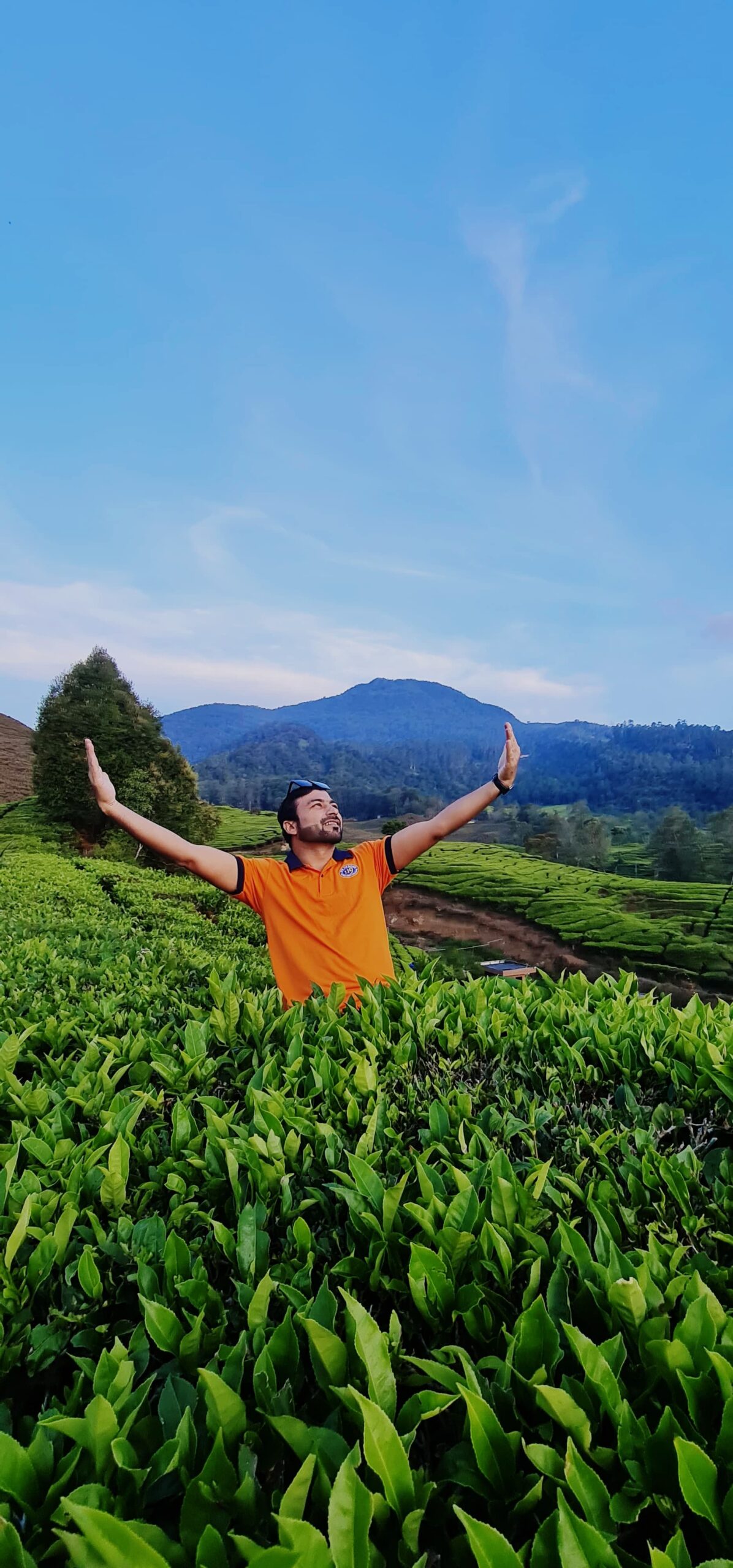
 My name is Khizer Hayat, and I come from Pakistan. For me, learning is not confined to books—it can be found in every experience and every moment we live. As Albert Einstein once said, “The only source of knowledge is experience.” From October 16-17, 2024, I had the privilege of participating in a study excursion organized by the Faculty of Education at UIII, Depok, which proved to be a truly transformative journey.
Our adventure began as we departed from the dorms, leaving behind the familiar streets of Depok and Jakarta, and heading toward the serene, nature-rich city of Bandung. As we traveled through the vibrant cities, I felt like I was entering a whole new world, full of excitement and possibilities. As Confucius once said, “Wherever you go, go with all your heart.” This quote perfectly captured my mindset as we embarked on this journey.
Our first day was packed with exhilarating activities, including rafting and off-road adventures that got our adrenaline rushing. Every moment was captured on camera, preserving the memories forever. It reminded me of the quote by Susan Sontag: “I haven’t been everywhere, but it’s on my list.”
The night at Eco Park Hotel was an experience to remember. The cabins were cozy and charming, but what made the evening truly special was the live performance by the music band “9 Outbound Ciwidey.” Their energy filled the air with music, adding magic to the chilly weather. We gathered around a roaring fire, wrapped in our jackets, enjoying a barbecue, and sharing laughs. The warmth of the fire was matched only by the warmth of the company, as students and faculty danced, sang, and bonded over the joy of the night. As Henry David Thoreau said, “Friends… they are the sunshine of life.” This quote beautifully sums up the warmth of the evening.
The following day took us to 13 Junior High School in Bandung, where we participated in a vibrant cultural exchange with students from diverse backgrounds—Pakistan, Bangladesh, Turkey, Afghanistan, Nigeria, Tanzania, the Philippines, Gambia, and Indonesia. The enthusiasm of the junior high students was infectious, and their warm welcome, combined with their traditional dances, was heartwarming. “The beauty of the world lies in the diversity of its people,” as Maya Angelou so eloquently said, and we truly experienced that beauty through this cultural exchange.
Throughout the journey, we were accompanied by the esteemed Dean, Nina Nurmila, PhD, along with professors and staff, who made every moment enjoyable. From the delightful snacks to the delicious meals at the hotel, everything was wonderfully planned. Even the bus rides were filled with non-stop singing, adding to the lively atmosphere. As Ralph Waldo Emerson said, “Life is a journey, not a destination,” and the joy in the journey was palpable.
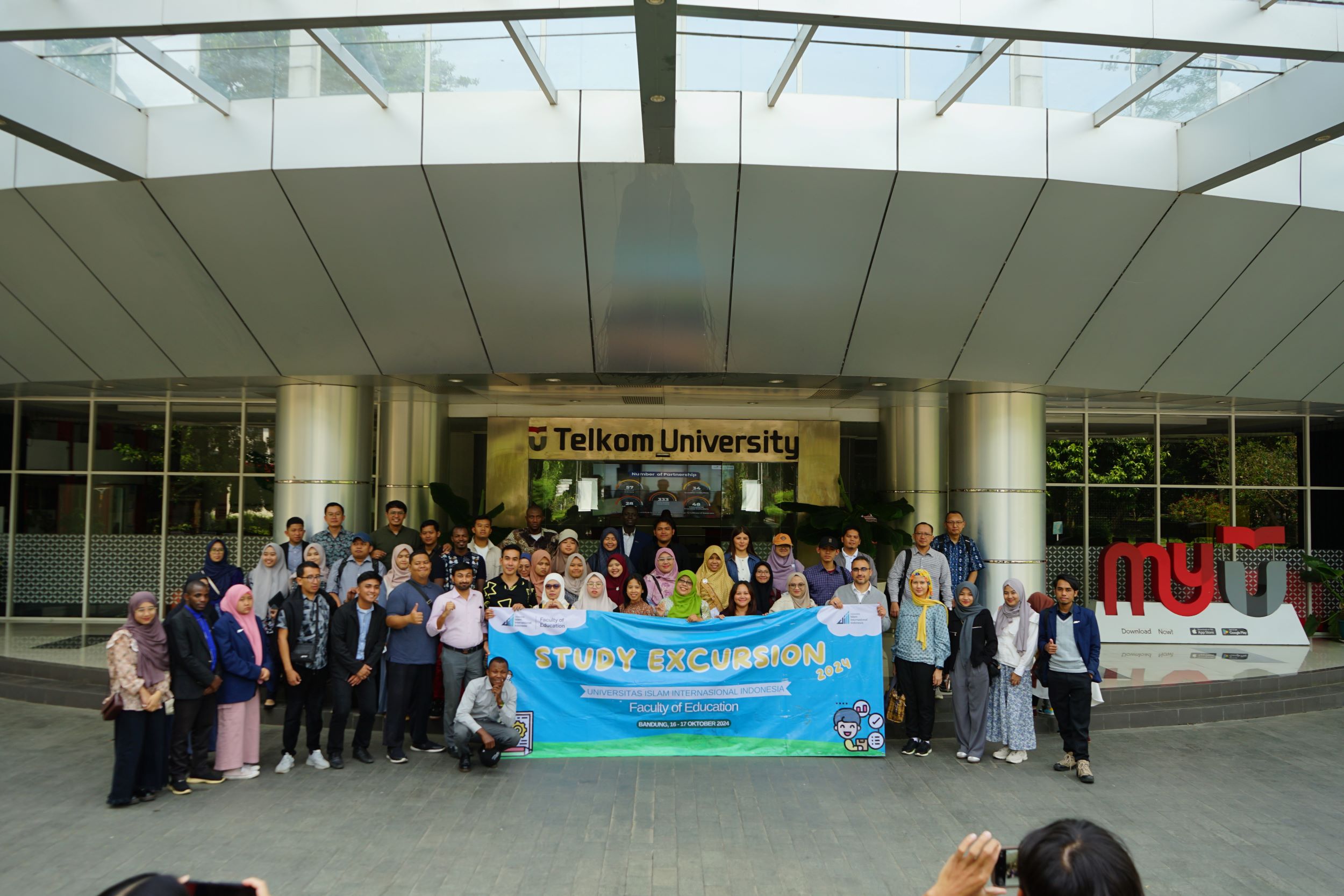
The highlight of our trip was the visit to Telkom University. We were greeted with an atmosphere of innovation and inspiration. The student presentations were simply remarkable. These young minds were not just students—they were scientists in the making, innovators ready to shape the future. The university’s vision and mission were shared with us, filling us with admiration. As Steve Jobs once said, “Innovation distinguishes between a leader and a follower.” The spirit of innovation was alive at Telkom University.
A memorable moment was the insightful lecture on management by Professor Dr. Djadja of Telkom University. His words about leadership and innovation left a lasting impression on me, inspiring new ideas for my own academic journey. As he said, “True leadership is about managing not just systems, but the hearts and minds of people.” This idea resonated deeply, reminding me that education is not only about gaining knowledge but also about becoming a compassionate leader.
As we made our way back to Depok, the sense of fulfillment was profound. The two-day experience felt like it carried the weight of two months of study. The lessons learned, the memories made, and the friendships formed will remain with me forever.
This study excursion was more than just a trip—it was a journey of discovery, learning, and cultural exchange. It reminded me that education goes beyond textbooks, and sometimes, as Oscar Wilde said, “Experience is the hardest kind of teacher. It gives you the test first and the lesson afterward.” Indeed, the best lessons are the ones we learn outside the classroom.

Empowering Growth Through Study Excursions to Bridge Knowledge, Community, and Professional Development
Empowering Growth Through Study Excursions to Bridge Knowledge, Community, and Professional Development
by Novinta Nurulsari
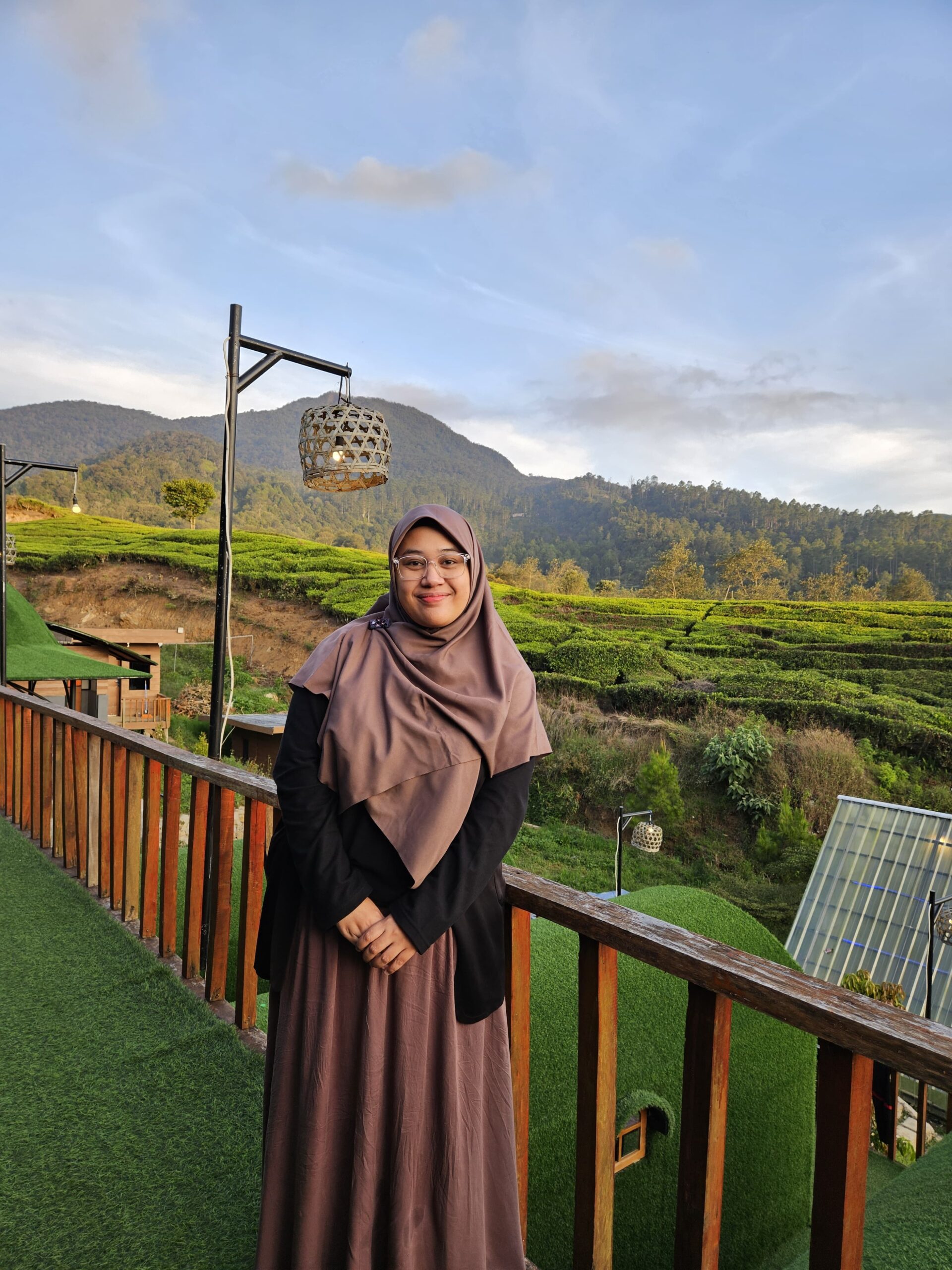
 I am deeply grateful for the opportunity to participate in the study excursion organized by the Faculty of Education at UIII. This program was not only complimentary, but it was also incredibly beneficial for us as students. The agenda was thoughtfully designed to enhance our academic and professional growth, leaving me with lasting impressions and valuable insights.
Two key aspects of the study excursion stood out to me. First, the visit to Telkom University was an exceptional experience. I had the chance to attend a short one-meeting course titled Harnessing Big Data for Transformative Education, Administration, and Management, delivered by Dr. Djaja Achmad Sardjana, S.T., M.M. His lecture was insightful and highly relevant, especially regarding the practical application of Python, which piqued my interest. Previously, I had encountered a 2022 article on Design Thinking, a topic closely related to my dissertation, and the article presented fascinating data visualizations created using Python. I tried to explore this tool and ask for some support and guidance, but none of my colleagues had any experience with this tool. I felt so grateful when the Faculty of Education organized this study excursion. I can learn directly from the lecturer and gain a deeper understanding of Big Data and Data-Driven Decision Making, which are crucial in showcasing evidence in our analysis. I also learned about Power BI (Business Intelligence), a tool I had never used before. The entire learning experience was amazing and eye-opening! This exposure to advanced technologies is invaluable for those of us in the educational field. It empowers us to better integrate technology into our work, whether for research or professional development.
The second aspect that impressed me was the community service activity at SMPN 13 Bandung. This activity allowed all the students participating in the excursion to engage directly with the students and school members at that school. It provided us an experience to interact and communicate with the students so we could learn about the characteristics of the students. This interaction, especially with international students from FoE UIII, also benefited the school, where the students could learn new things from us. It also boosted their enthusiasm for continuing their study. The school’s warm reception further added to the significance of this experience, and it was a mutually enriching interaction for both the students and the school.
Moreover, this study excursion significantly strengthened the bonds between students and faculty members beyond the academic and community engagement aspects. This program allowed us to build stronger connections and communication within activites. We also developed our collaboration skills to do every program through teamwork. This make the overall experience even more rewarding.
In conclusion, the study excursion was an invaluable experience, filled with opportunities for academic learning, meaningful engagement with the community, and the deepening of interpersonal relationships. It provided me with the tools and motivation to further my professional and educational journey, and I am deeply appreciative.
Travel and Lessons
Travel and Lessons
by Muhammat Sabar Prihatin
The study excursion conducted by the faculty of education UIII for me is not merely a sightseeing activity but it is about a lesson-reflective story. This trip took place two days, starting from 16-17 October 2024, with the destination of the capital city of west Java, Bandung. Throughout the trip we witnessed the beautiful and natural scenery, particularly when we came to the accommodation area, Ciwiday.
Worship by exploring the earth
Ciwidey is famous for its beautiful places in Banding, which has many hills planted with tea trees. The lush green color on every hillside was successful to spoil the eyes anytime we looked at it. The winding and sometimes up and down roads just made the trip even more thrilling. Plus, the strains of music from the old up to present era, sung by different generations-Dean, lectures, and students added to the excitement of the journey. This made the long trip feel short and fast.
This stage reminded me of the Holy Quran saying that the earth was made flat so that we can explore it easily. So it is true that with our intention to witness this verse, our study tour is not only for a fun trip but also a moment of contemplation to admire the Almighty of Allah SWT over His beautiful creation of this universe.
Taaruf Session (Learning from one another)

Another valuable experience was when we students of UIII did community service. We visited SMPN 13 Bandung to do a cultural exchange activity with the students there. Traditional dances welcomed us warmly, which attracted fellow UIII students, especially foreign students. When a student came with a traditional dance, our friends immediately clapped their hands and recorded the dance.
After that, we UIII students and the students of SMPN 13 Bandung were divided into ten groups according to the number of student countries in the Faculty of Education at the event location, such as Turkey, Mexico, Pakistan, Tanzania, and the Philippines. In the international cultural exchange forum, the students were very enthusiastic about exploring various information from student representatives from the countries they visited. They chatted about the local language of the guest country, traditional songs and dances, and even their typical foods. The exciting discussion ended with the making of a short video with students saying, for example, "Sawadikap, we have a new friend from Thailand, Kap kun khap".
This cultural exchange activity reminded me of the concept of ta'aruf. It is mentioned in one of the verses of the holy Quran which means that Allah SWT created humans in different tribes, states, and languages for us to learn from one another. The cultural exchange experience provides real evidence to students that diversity is real. And the differences that exist between humans are created to get to know each other. If fellow humans know and understand each other well, then this can reduce bad prejudice and the assumption that a certain group is better and more important than others. And if this can be established in harmony, then this state of knowing and understanding each other can also encourage the
establishment of cooperative and compassionate relationships based on wisdom on the basis of humanity. So it is important that students in schools as the younger generation need to be equipped with an understanding and experience of diversity itself, that it does not exist to belittle certain groups and excel others, but as real evidence of sunnatullah - the Will of God Almighty. So of course it is another kind of worship if we can celebrate this diversity as a gift of life.
Public service for knowledge sharing

Last but not least, the community service activities carried out by the lecturers of UIII and Telkom University were another topic of reflection. For me, cooperation between educational institutions is an important factor in building student learning experiences. What I felt at that time was that I got the opportunity to learn to process data on a large scale by utilizing technology that I had never learned at UIII, but I learned a lot from Telkom Uni. It's like this, knowledge that I thought was difficult to learn, turned out to be easy for other people or other places because they have the facilities, there are the experts, and or because the campus specializes in that certain knowledge.
Thus, I realized that there are certain fields of knowledge that are actually relevant to us but it turns out that we can easily learn them at other campuses. The insight I received taught me the importance of learning from many parties. And I think it's the other way around, the lessons delivered by several lecturers of the UIII Faculty of Education at Telkom Uni provide new important and interesting things for students who follow their presentation, namely psychological-based leadership, literacy skills, and spatial thinking skills, which may not be available at Telkom Uni.
This kind of collaborative synergy is what I think is needed and must continue to be carried out by educational institutions in Indonesia to improve the quality of education in general, both from the lecturers, or teachers, and students. The visit and knowledge sharing between UIII and Telkom Uni that we did could be one of the real forms of academic friendship that echoes that knowledge is a blessing for the universe (Rahmatan lil ‘alamin), not belonging to a particular educational institution or field of study only.
Thank you, Faculty of Education UIII, for the valuable lessons during the two-day journey on this study excursion. I am sure that each of us feels the benefits both personally, intellectually, socially, and even spiritually.
Religion and Education: A Comparative Analysis of Indonesian and Tunisian Religious Moderation Policies
 Husna, A., & Zuhdi, M. (2024). Religion and Education: A Comparative Analysis of Indonesian and Tunisian Religious Moderation Policies. Dialog, 47(1), 1–12. https://doi.org/10.47655/dialog.v47i1.902
Abstract
Promoting Pluralism Through Critical Thinking in Islamic Religious Education
 Rahmah, Fadlilah Novia. "Promoting Pluralism Through Critical Thinking in Islamic Religious Education." Proceeding International Conference on Islam and Education (ICONIE), 3(1), 1650-1678. https://proceeding.uingusdur.ac.id/index.php/iconie/article/view/1695
Abstract
Implementation of English as Foreign Language Teaching during Pre- and Post-COVID-19 Pandemic: A Narrative Review
 Mahmood Rahimi. (2024). Implementation of English as Foreign Language Teaching during Pre- and Post-COVID-19 Pandemic: A Narrative Review. Development in Language Studies, 4(1), 19-31. https://publisher.uthm.edu.my/periodicals/index.php/dils/article/view/16138
Abstract

Divorce Narratives and Class Inequalities in Indonesia
 Rinaldo, R., Nisa, E. F., & Nurmila, N. (2024). Divorce Narratives and Class Inequalities in Indonesia. Journal of Family Issues, 45(5), 1195-1216. https://doi.org/10.1177/0192513X231155657
Abstract
Quantitative Analysis and Advanced Statistics
This course aims to provide an overview of quantitative research methods and the advance statistics that often encounter within educational study. This course gives opportunity for students to understand and use more sophisticated statistical techniques to formulate and test research hypotheses, conduct rigorous data analysis up to interpret and disseminate the findings as well as evaluate the existing quantitative research.
Graduate Seminar in Educational Research
This course is designed as a foundation for postgraduate students to beginning their PhD in Education at UIII. The aim of this course is to provide students with the concepts and approaches in formulating educational research, including identifying research interests, research questions, and selecting appropriate research methods (quantitative and qualitative) through oral and written modes of communication. The course will also discuss various research issues in educational settings. Numerous careers are designed within this course, such as researcher, educator, and policy analyst.
Wasathiyatul Islam in the Globalized World
In this course, students learn various concepts and practices of wasatiyya as introduced by scholars and practiced within Indonesian societies. Students are trained to become familiar with wasatiyya conceptually from the Qur’an, Hadis and contemporary Islamic thinkers, as well as from experiences in Indonesia as exposed and managed by civil society exponents and the state. At the end of the lecture, students are expected to have in-depth knowledge of various concepts and practices of wasatiyya in contemporary Indonesia. The teaching method used includes lecture, presentations, discussions, and assignments (paper writing), all of which are summarized in class seminar activities.