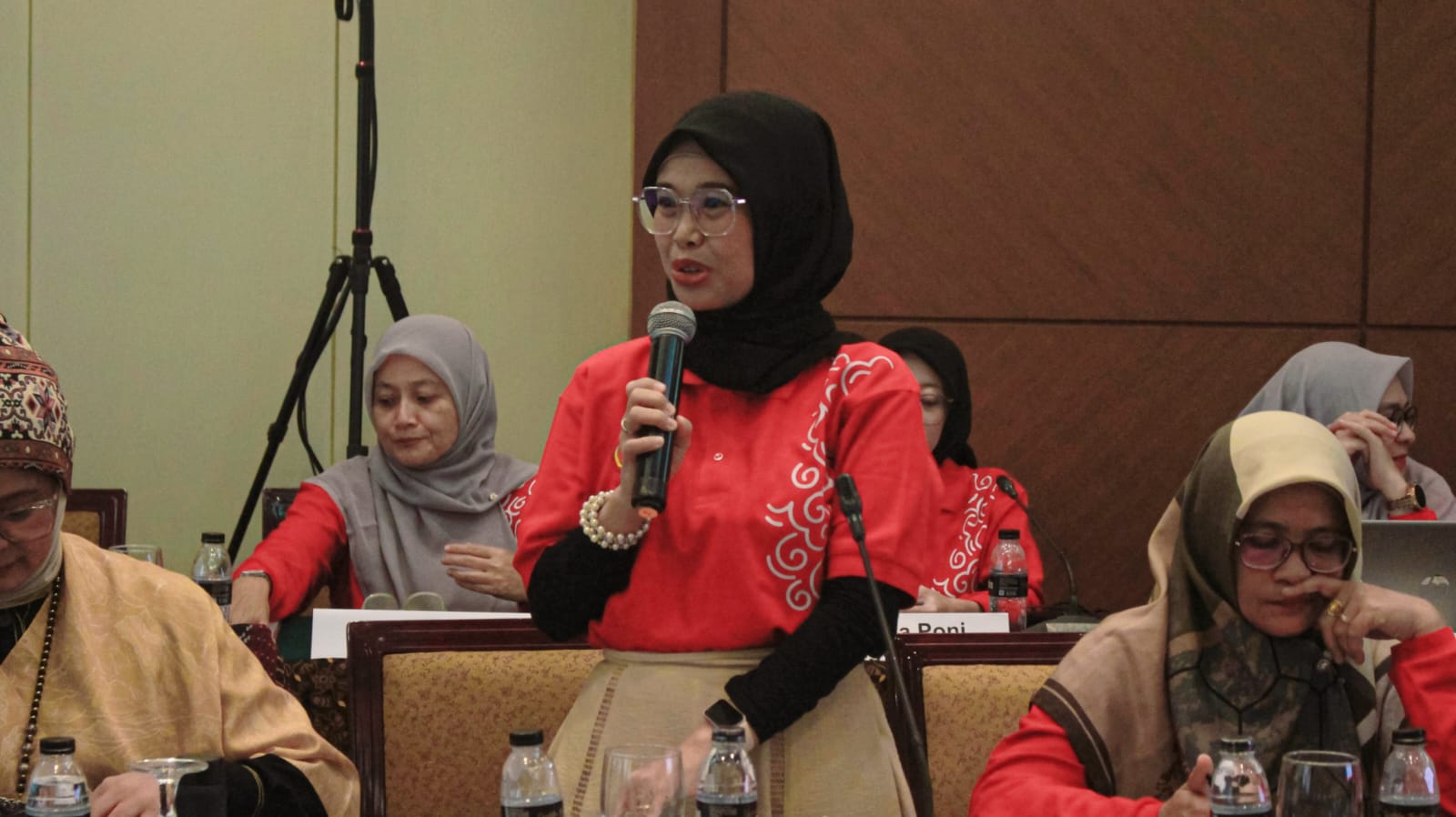
Ade Husna Aminudin, a PhD Student at the Faculty of Education, Receives the Prestigious Dana Darma Pancasila Research Grant
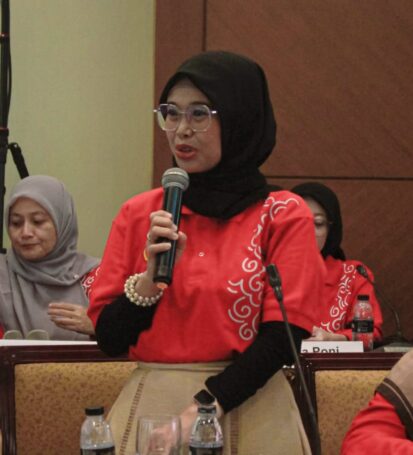 Ade Husna Aminudin, a PhD Student at the Faculty of Education, Receives the Prestigious Dana Darma Pancasila Research Grant
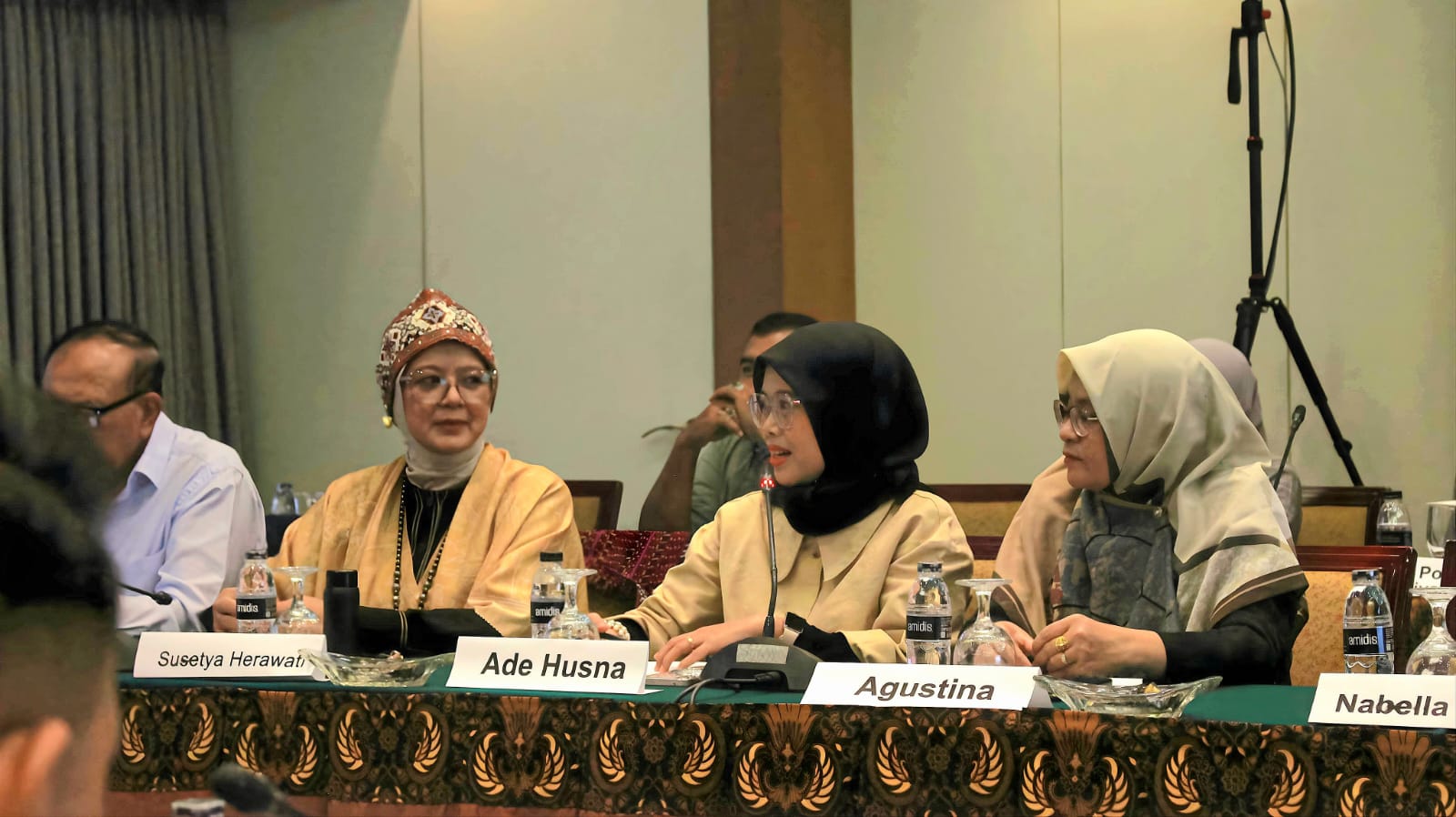
Jakarta, April 30, 2026 — A significant academic achievement was marked as Ade Husna Aminudin, a PhD student from the Faculty of Education, was officially awarded the highly competitive Dana Darma Pancasila research grant. The award ceremony took place at The Sultan Hotel, Jakarta, April 22, 2026, bringing together distinguished scholars, policymakers, and selected awardees from across the region.
The Dana Darma Pancasila grant is recognized as one of the most selective research funding programs, attracting applicants from master’s and doctoral levels throughout Indonesia and neighbouring countries. This year, 19 outstanding researchers were chosen after a rigorous and multi-layered selection process, highlighting the exclusivity and prestige of the award.
Ade Husna Aminudin’s selection reflects the academic strength and societal relevance of her research, which focuses on religious moderation and education in Indonesia. Her work aligns closely with the core values of Pancasila, particularly in fostering tolerance, inclusivity, and social harmony within diverse communities.
She feels honoured and grateful to be selected as one of the recipients of the Dana Darma Pancasila grant, especially considering how rigorous and competitive the selection process was. “This recognition strengthens my motivation to contribute meaningfully to academic discourse and to society,” she said.
 With this grant, she plan to further develop her research on religious moderation in education, particularly by strengthening the quality of my analysis and expanding the scope of relevant data and literature.
“I hope my research can provide practical insights for educators, policymakers, and communities in promoting tolerance, inclusivity, and peaceful coexistence. Ultimately, I aim for this work to contribute not only to academic publications but also to real educational practices that reflect the values of Pancasila,” she obtained.
The award ceremony was held in a formal setting, symbolizing the importance of advancing research that contributes to national development and intercultural understanding. In her remarks, Ade Husna expressed gratitude for the opportunity and emphasized her commitment to producing impactful research that supports educational transformation and strengthens pluralistic values.
This achievement not only marks a milestone in her academic journey but also reinforces the role of Indonesian scholars in addressing complex social issues through rigorous and meaningful research.
source: https://uiii.ac.id/ade-husna-aminudin-phd-student-at-the-faculty-of-education-receives-the-prestigious-dana-darma-pancasila-research-grant/

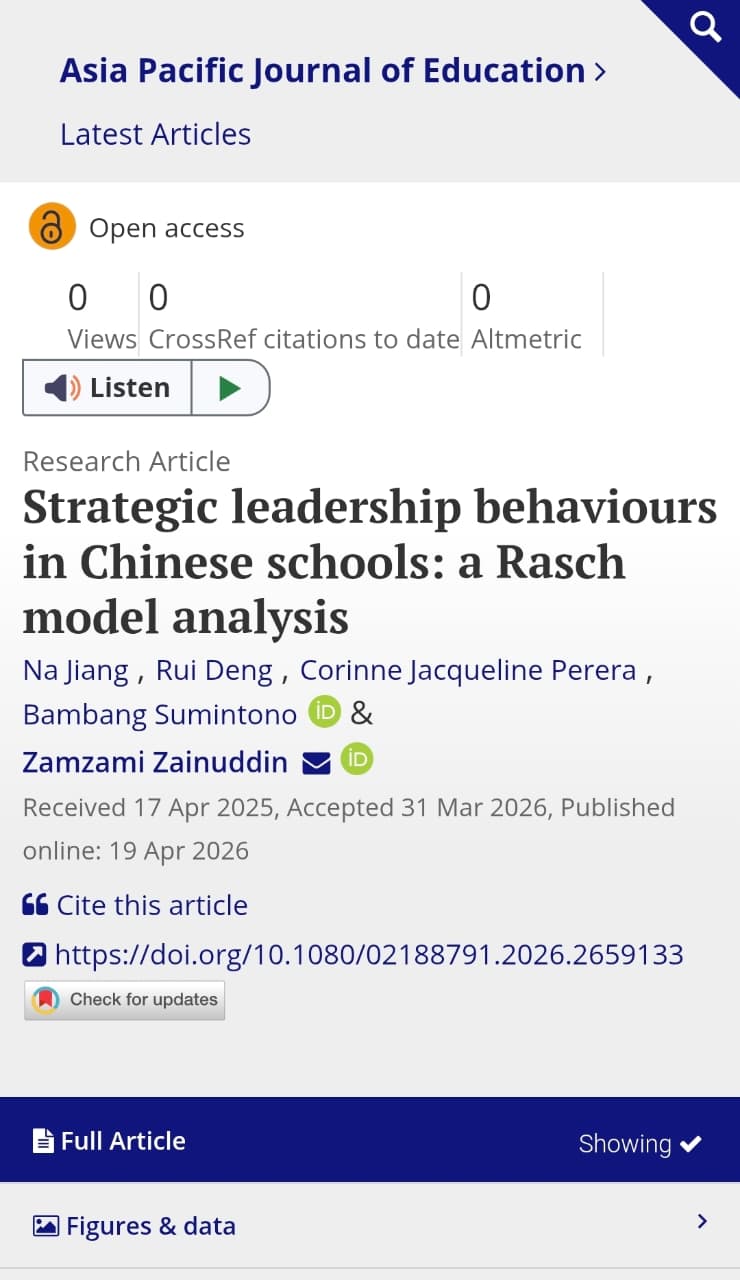
Strategic leadership behaviours in Chinese schools: a Rasch model analysis.
Jiang, N., Deng, R., Perera, C. J., Sumintono, B., & Zainuddin, Z. (2026). Strategic leadership behaviours in Chinese schools: a Rasch model analysis. Asia Pacific Journal of Education, 1–25. https://doi.org/10.1080/02188791.2026.2659133
ABSTRACT
This study examines the strategic leadership behaviours of secondary school principals in China, where centralized governance and cultural traditions shape leadership practices. Drawing on a cross-sectional survey of 895 principals, this research adopts Pisapia’s theory of strategic leadership, which delineates five core leadership influence actions, transforming, managing, bonding, bridging, and bartering, to investigate how school leaders navigate complex educational challenges. Using the Strategic Leadership Questionnaire (SLQ) and applying the Rasch Measurement Model, this study provides a rigorous psychometric evaluation of these leadership behaviours. Findings reveal that transforming, bonding, and bartering emerge as the most dominant behaviours, highlighting the importance of proactive change, relationship-building, and negotiation in school leadership. Conversely, managing and bridging behaviours were less frequently observed, suggesting a shift away from traditional hierarchical administration towards adaptive leadership strategies emphasizing operational stability and stakeholder engagement. This study advances existing scholarship by addressing geographical and methodological gaps. While prior research in China has predominantly focused on instructional leadership, this study systematically measures strategic leadership behaviours through Rasch-based psychometric validation. The findings offer new insights into culturally responsive leadership practices and provide evidence-based recommendations to improve leadership assessments, thereby strengthening the global discourse on effective school leadership in diverse educational contexts.
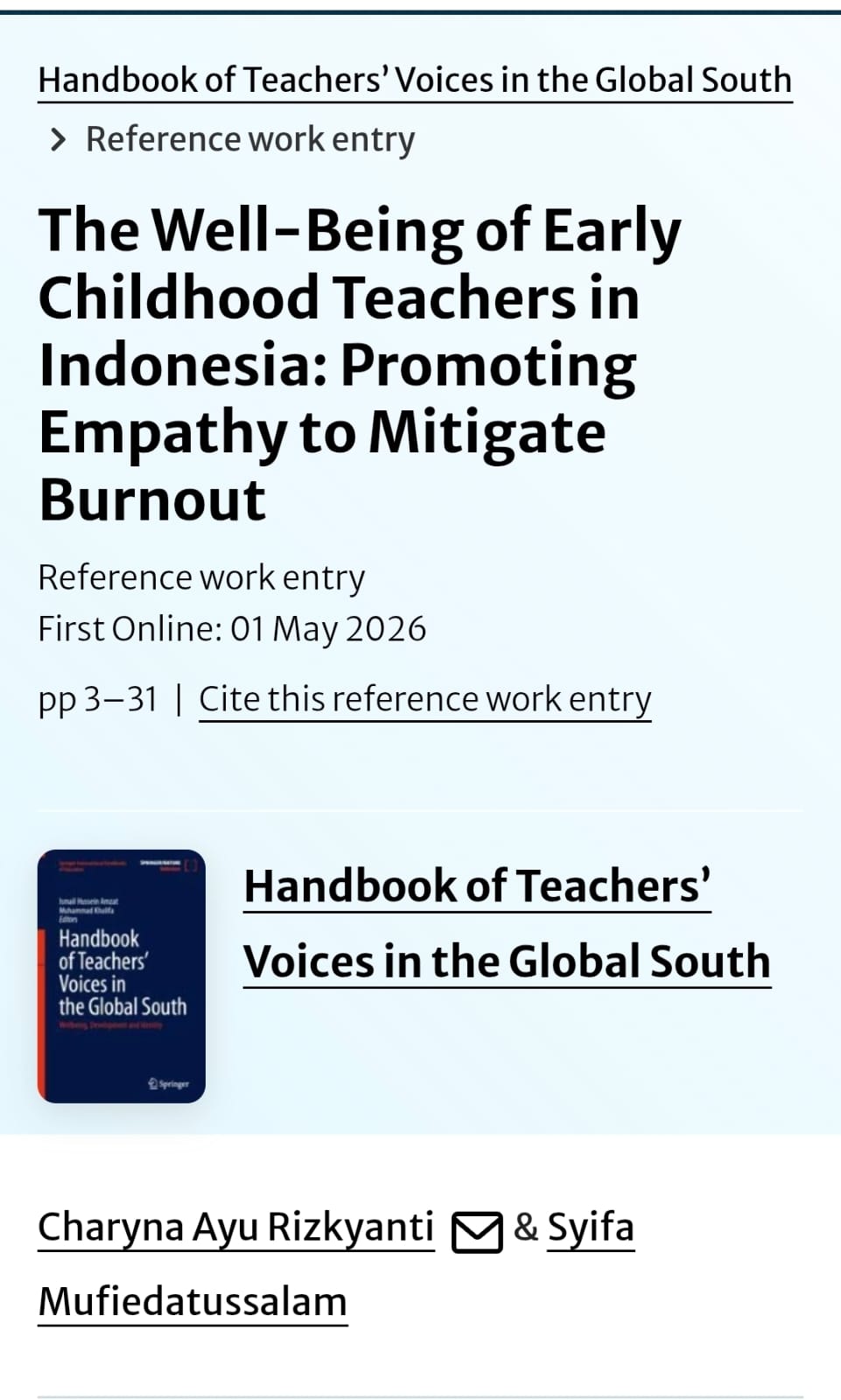
The Well-Being of Early Childhood Teachers in Indonesia: Promoting Empathy to Mitigate Burnout
Rizkyanti, C.A., Mufiedatussalam, S. (2026). The Well-Being of Early Childhood Teachers in Indonesia: Promoting Empathy to Mitigate Burnout. In: Amzat, I.H., Khalifa, M. (eds) Handbook of Teachers’ Voices in the Global South. Springer International Handbooks of Education. Springer, Singapore. https://doi.org/10.1007/978-981-95-2423-5_1
Abstract
The well-being of teachers in the early childhood education (ECE) is a critical determinant of a high-quality learning environment. Nevertheless, burnout has been identified as a significant challenge due to the emotional demands inherent in the teaching profession. While extensive research has examined teacher burnout, the mediating role of empathy in mitigating its impact on well-being remains underexplored, especially in the Indonesian context. Therefore, this study aims to examine empathy as the mediator to reduce burnout and enhance well-being among ECE teachers in Indonesia. A quantitative research approach was utilized, employing a cross-sectional survey distributed to 526 early childhood teachers from diverse age groups and educational backgrounds in Indonesia. Data were collected using standardized instruments to assess well-being, burnout, and empathy and were subsequently analyzed using descriptive statistics and linear regression analysis through the PROCESS mediation tool. The findings from the descriptive analysis indicated that early childhood teachers exhibited high levels of well-being and empathy, whereas burnout levels were relatively low. It also demonstrated that burnout significantly predicted well-being both directly and indirectly. However, the presence of empathy was found to enhance teacher well-being, suggesting its critical role in buffering the negative effects of burnout. This study underscores the importance of empathy in mitigating the adverse consequences of burnout among early childhood teachers in Indonesia. By incorporating empathy-building initiatives into teacher training programs and institutional support systems, policymakers and educational stakeholders can formulate more sustainable strategies to enhance teacher well-being and cultivate a healthier educational environment.
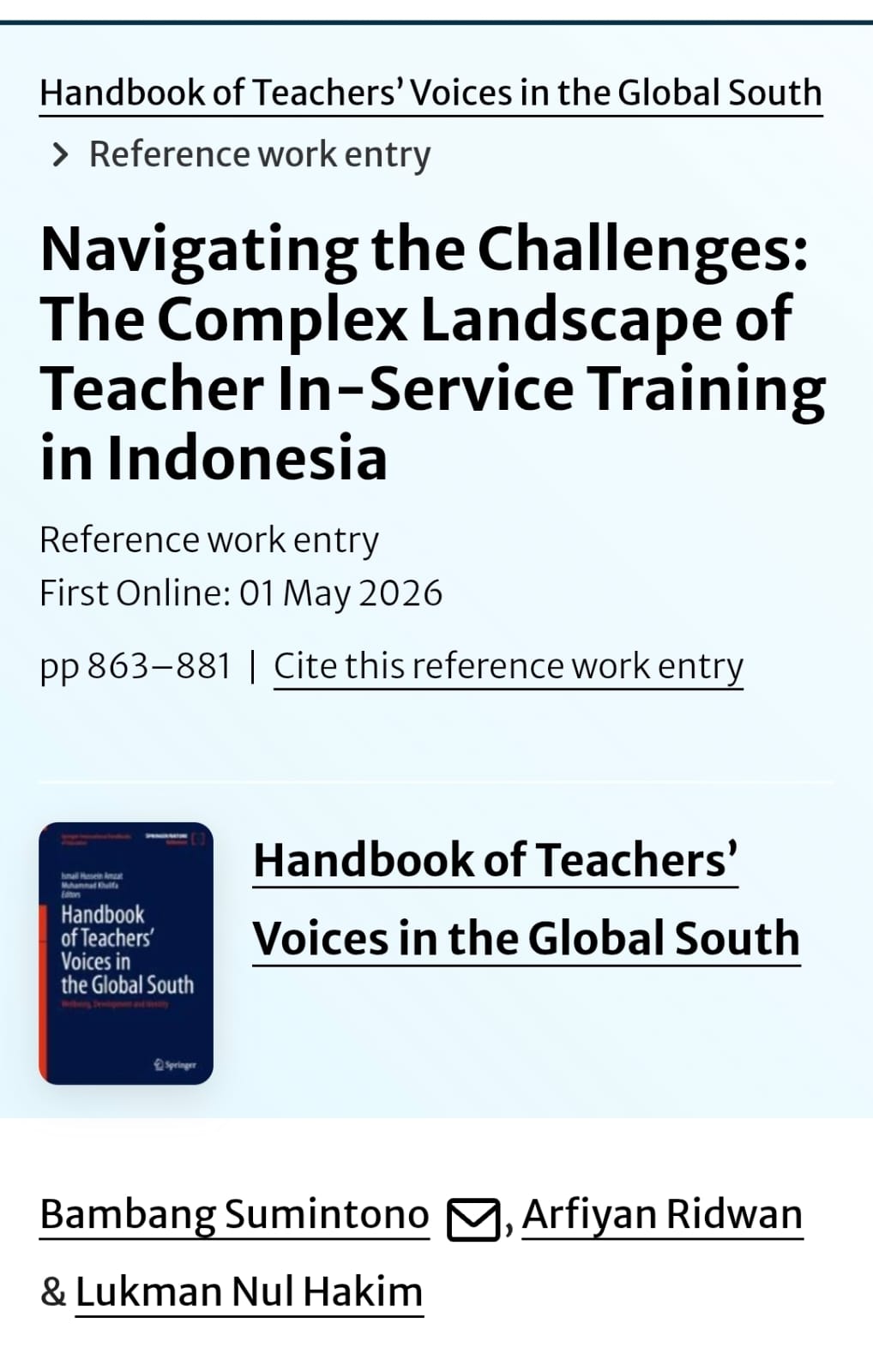
Navigating the Challenges: The Complex Landscape of Teacher In-Service Training in Indonesia.
Sumintono, B., Ridwan, A. and Hakim, L.N. (2026). Navigating the Challenges: The Complex Landscape of Teacher In-Service Training in Indonesia. In: Hamzat, I.H. and Khalifa, M. (eds). Handbook of Teachers’ Voices in the Global South: Wellbeing, Development and Identity. Springer. https://link.springer.com/rwe/10.1007/978-981-95-2423-5_33
Abstract
This chapter investigates the five-decade evolution of teacher in-service training in Indonesia. Based on literature review of key academic and policy-related sources, this chapter attempts to trace the historical development of the professional development initiatives. The analysis highlights two distinct periods, namely, the centralized New Order (1970s–1990s) and the decentralized Reform Era (2000s–present). Teacher in-service training during the New Order era was characterized by large-scale state initiatives such as PKG and SPKG assisted with international support. In contrast, the decentralized reform era was marked by numerous efforts such as CLCC project, MGMP groups, and the Guru Penggerak program. Although the programs in the New Order era had broad reach, they struggled with coordination and limited local engagement. Whereas in the Reform Era, decentralization was brought, shifting authority to local governments and resulting in varied, often fragmented training efforts. The introduction of teacher certification program in 2007 not only marked a significant policy shift but also revealed challenges and gaps in program quality and inclusivity. It has been very common across all eras with cascade training models and a consistent emphasis on student-centered learning. This chapter reveals that the impact of the training programs remains hindered due to persistent challenges such as Indonesia’s vast geography, bureaucratic inefficiencies, and inconsistent implementation of the in-service teacher training programs. Finally, this chapter argues that while in-service training remains vital, deeper systematic changes in terms of how teachers are prepared, supported, and evaluated are needed to truly uplift the quality of teachers.
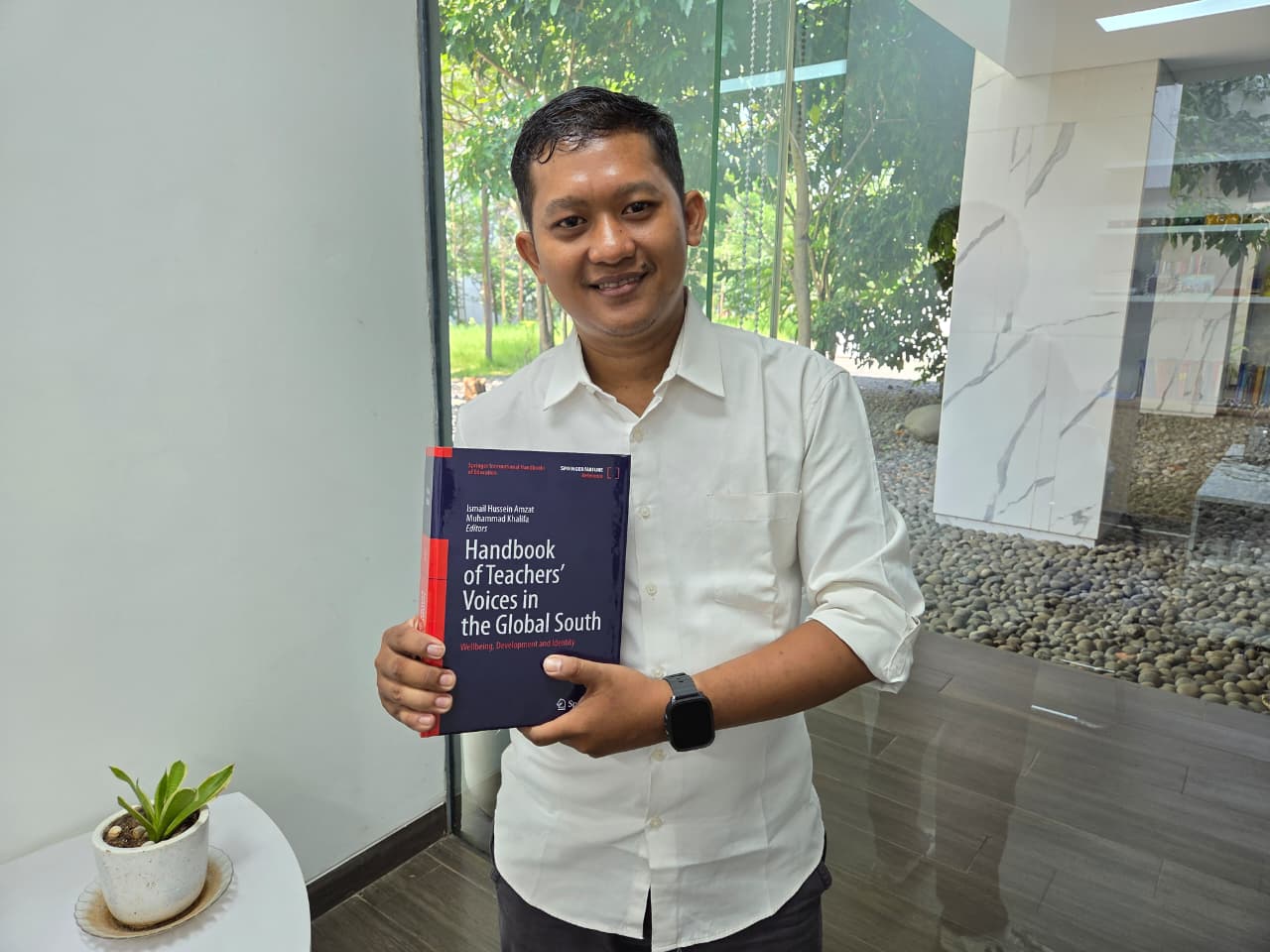
Revisiting Teacher Training in Indonesia: A Personal Reflection on My Scholarly Contribution
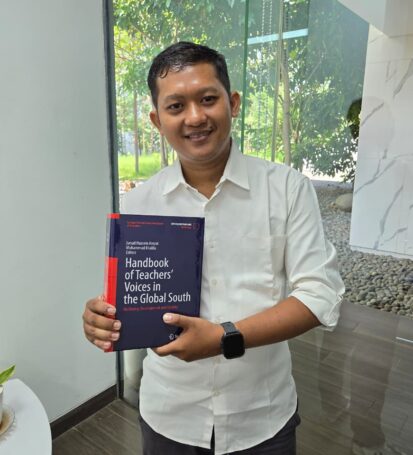 Revisiting Teacher Training in Indonesia: A Personal Reflection on My Scholarly Contribution
by Arfiyan Ridwan
In July 2024, I received an invitation from my lecturers, Dr. Bambang and Dr. Lukman, to co-author a book chapter in the Springer publication Handbook of Teachers' Voices in the Global South. The chapter, titled Navigating the Challenges: The Complex Landscape of Teacher In-Service Training in Indonesia (officially published on April 2026) marked an important moment in my academic journey, as it allowed me to engage in international scholarly writing on the historical development of teacher in-service training in Indonesia. The invitation aligned closely with my research area, which focuses on teacher education and professional development in the Indonesian context. At the time, I was starting to work on my dissertation whose literature review covers how Indonesian in-service teachers have been trained across the historical periods of the country.
My literature review for my dissertation explores the evolution of in-service teacher education in Indonesia, covering the periods of the Dutch colonialization and the Japanese occupation to the early independence, the Old Order, the New Order, and the reform period to nowadays. This literature review writing provides me a strong foundation in writing the chapter. The part in which I contributed to write is in the historical development of teacher in-service training in Indonesia in the period of the New Order with centralization of education before it shifted to decentralization in the next phase of governance in reform period. I see that this period became a significant phase of teacher training in Indonesia as the current programs of in-service teacher training was significantly initiated in this period.
The significant insight I have gained from assessing teacher training development in the particularly the New Order era to the present day is that there has been a long journey of how teachers have been trained with different schemes and needs. After the large-scale training programs for primary and secondary school teachers in 1975 to 1980, the key trainings during the period of the New Order comprise Pemantapan Kerja Guru (PKG) or Strengthening the Work of Teachers, the Sanggar Pemantapan Kerja Guru (SPKG), or Centers for Strengthening Teacher Work, Kelompok Kerja Guru (KKG), or Primary School Working Group KKG, and Musyawarah Guru Mata Pelajaran (MGMP), or Subject Teacher Working Group for secondary school teachers. At this time of year, I see that there has been a great foundation of how teachers are prepared in the level of primary and secondary level of education. The developed programs in the reform era to the present day can be said to be the results of those in the massive teacher development in the New Order period.
However, through examining their historical development, I realize that many recurring issues, including limited coordination, uneven implementation, and questions of effectiveness, have persisted across different programs and periods. This realization suggests that the core challenges are not simply the result of individual program design, but are rooted in broader structural conditions, such as bureaucratic complexity, resource distribution, and the vast geographical context of Indonesia. Despite claims that the in-service teacher trainings in the New Order succeeded to train teachers with significant numbers, the actual implementations might not be satisfying enough. What lesson I take away is that the goal of improving teacher professional development is not merely introducing a new program to replace the old ones. Instead, it requires systemic changes how training is designed based on the needs, carefully planned, and sustained to the next periods.
Another important insight from the book chapter writing is that the extent of the modern teacher professional education program called PPG (Pendidikan profesi Guru) be understood as a part of historical trajectory from the Old Order period, rather than a new program or initiative. Currently, I am researching PPG for my doctoral dissertation research, and this is very relevant to what I analyzed in the book chapter. On this standpoint, I can critically reconsider how far the program of PPG represents genuine reform and resolves the past challenges of teacher in-service training. Specifically, I am researching to what extent the current PPG can accommodate the proper training for English language teachers assigned to teach in elementary schools in which previously, English teachers did not have a tenure teaching position in elementary school. After the issuance of new policy that in 2027 English subject becomes a mandatory subject in elementary school, PPG has been provided to train in-service English teachers in elementary school. Historical perspective is needed to understand PPG for this context, and I am glad to analyze the historical evolution of PPG from the New Order to the present day. While PPG is often positioned as a comprehensive effort to enhance teacher professionalism, the chapter may also reflect a reconfiguration of earlier training models, carrying forward both their strengths and unresolved limitations.
Finally, I would say that this experience to write in the book chapter has reinforced my belief that improving teacher professional development in Indonesia requires not only new program initiatives, but also a deeper engagement with the historical and continuous improvement to create sustainable and context specific needs of the trained teachers.
UIII Community Engagement Initiative Empowers Students at Sekolah Indonesia Riyadh
 UIII Community Engagement Initiative Empowers Students at Sekolah Indonesia Riyadh
Universitas Islam Internasional Indonesia (UIII) continues to strengthen its international outreach through a community engagement initiative conducted by Uswatun Hasanah, a PhD student from the Faculty of Education, UIII, at Sekolah Indonesia Riyadh (SIR), Saudi Arabia. The two-day public speaking workshop aimed to equip Indonesian students abroad with essential communication skills while promoting UIII as Indonesia’s only public international university. Although conducted over two days, the program consisted of one day of institutional meeting and one day dedicated to the workshop.
The program began on the first day with an institutional meeting involving the Education Attaché of the Indonesian Embassy in Riyadh, the school principal, and the school management team. The meeting focused on discussing the objectives of the workshop, aligning expectations, and exploring opportunities for future collaboration between Sekolah Indonesia Riyadh and UIII, particularly in supporting students’ academic and personal development.
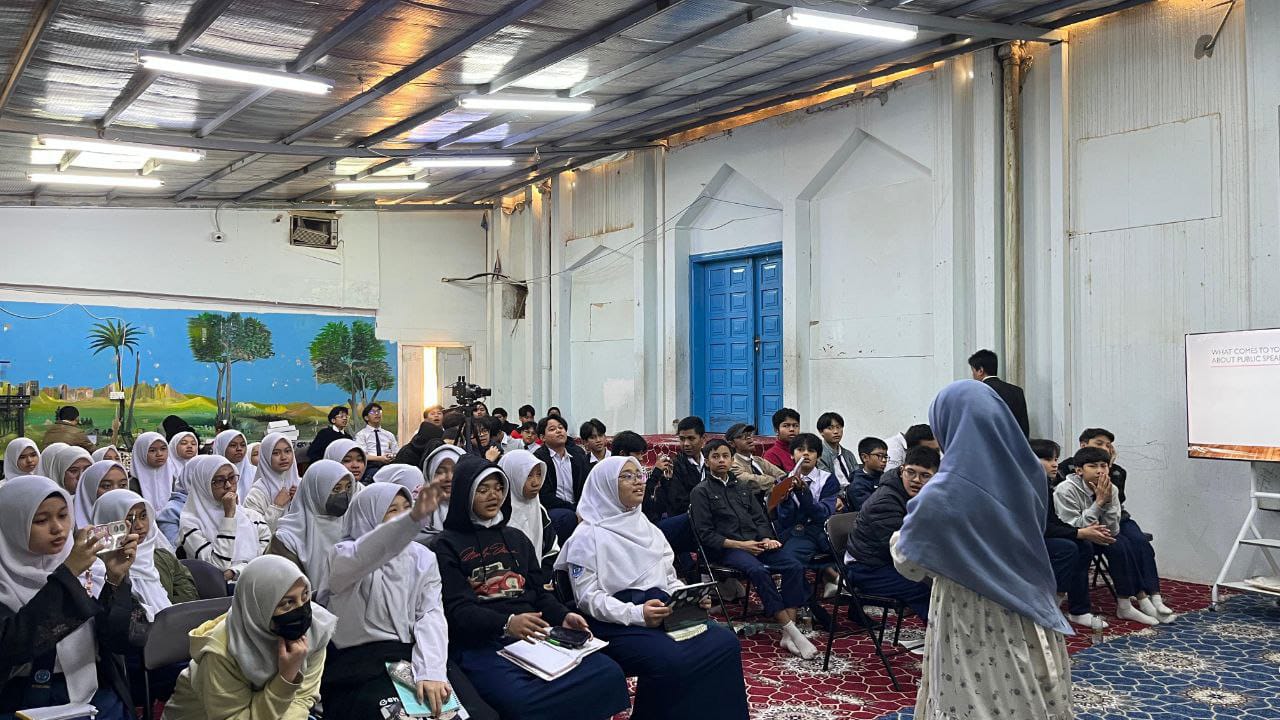
The public speaking workshop was held on the second day and attended by junior high school students. Approximately 80 students participated onsite, while 12 students joined online through the school’s Distance Learning Program (PJJ), reflecting the school’s inclusive hybrid learning system. The participants represented the diverse profile of Sekolah Indonesia Riyadh, with many students coming from Indonesian–international mixed families. The school requires all students to be able to speak Bahasa Indonesia, reinforcing cultural identity among Indonesian diaspora youth.
In his opening remarks, the Principal of Sekolah Indonesia Riyadh, Mr. Nono Purnomo, expressed his sincere gratitude to UIII for the collaboration and conveyed his strong hope for continued cooperation in the future. He highlighted the school’s notable student achievements, including the participation of three SIR students in a United Nations–style international forum in Thailand. This achievement, he emphasized, further underlines the importance of public speaking skills in enabling students to confidently express ideas and represent themselves in international forums. He encouraged students to fully engage in the workshop, describing it as a rare and valuable opportunity to learn directly from an expert speaker from Indonesia.
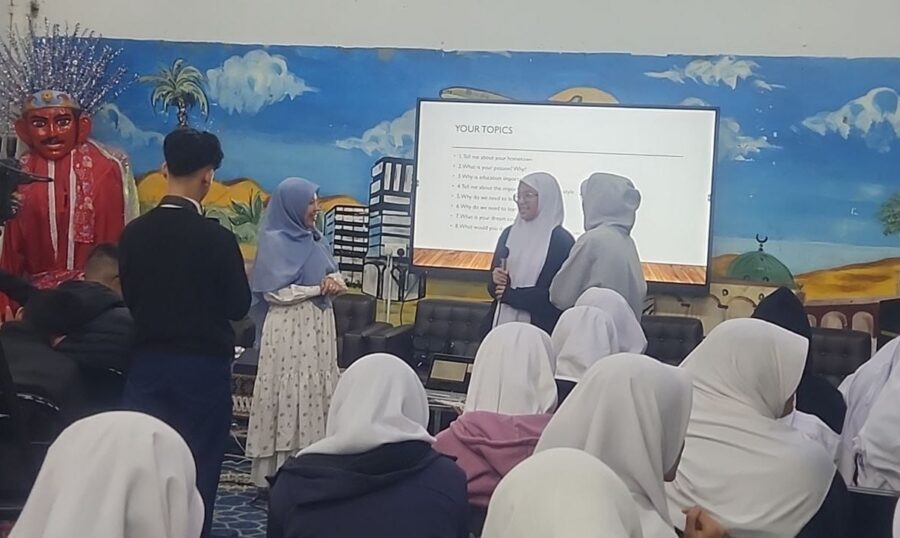 Throughout the session, students demonstrated high levels of enthusiasm and active participation. They listened attentively to the materials and confidently shared opinions and responses without hesitation. The most engaging moment occurred during the practice session, where students worked in pairs to select one of eight provided topics, develop a short draft, rehearse together, and voluntarily present their ideas in front of the audience. The response exceeded expectations, with many students, both female and male, eagerly volunteering to present. Due to limited time, some students even competed for presentation opportunities by doing “suit” (rock-paper-scissors), reflecting their strong motivation to speak and receive immediate feedback.
During the workshop, the speaker shared compelling insights into why public speaking skills play a crucial role in academic success and future opportunities. Drawing from her personal educational journey, she explained how public speaking competence supported her success in securing three prestigious scholarships: the Indonesian English Language Study Program (IELSP) at Virginia Tech in 2011, the Fulbright Foreign Language Teaching Assistant (FLTA) Program at Ohio University in 2021–2022, and the LPDP Scholarship for her PhD studies at Universitas Islam Internasional Indonesia in 2024. She emphasized that strong communication skills were essential in passing rigorous scholarship interviews, particularly at the final selection stages. Visual presentations of her academic experiences in the United States and UIII further inspired students and provided concrete evidence that public speaking skills can open doors to global educational opportunities.
The session also introduced Universitas Islam Internasional Indonesia (UIII) as Indonesia’s only public international university, offering a world-class academic environment with international faculty members, global research networks, interdisciplinary Islamic studies, and cross-cultural learning experiences. Students were encouraged to see UIII as a future study destination where they can pursue internationally oriented higher education without leaving Indonesia.
This program reflects UIII’s commitment to meaningful community engagement and knowledge sharing beyond national borders. The positive responses from students and school leadership demonstrate the impact of the initiative and reinforce the shared aspiration for sustained collaboration between Sekolah Indonesia Riyadh and Universitas Islam Internasional Indonesia in empowering Indonesian students to thrive academically and globally.
source: https://uiii.ac.id/uiii-community-engagement-initiative-empowers-students-at-sekolah-indonesia-riyadh/
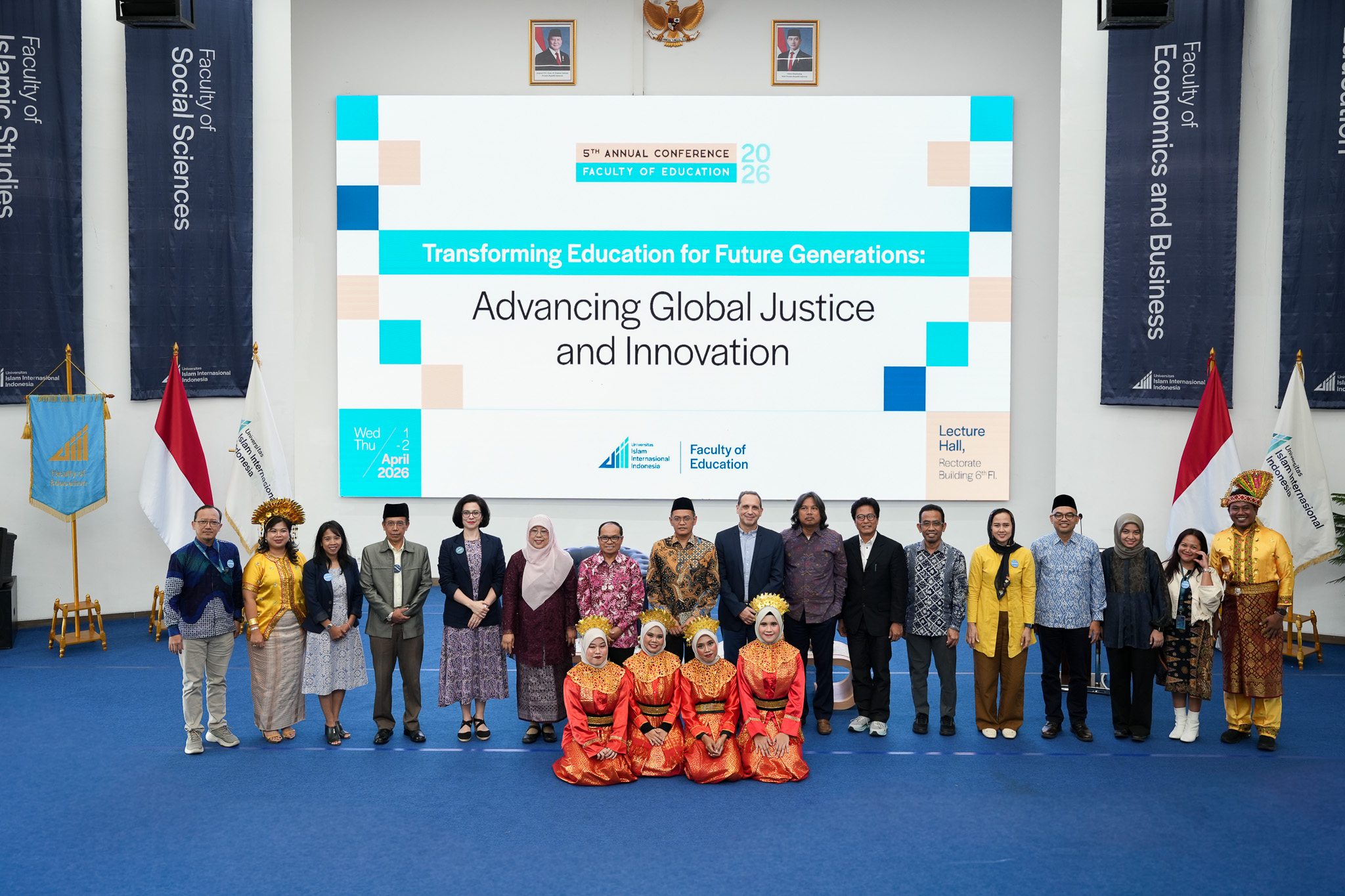
Advancing Future Education: Faculty of Education Hosts Global Experts for 5th Annual Conference
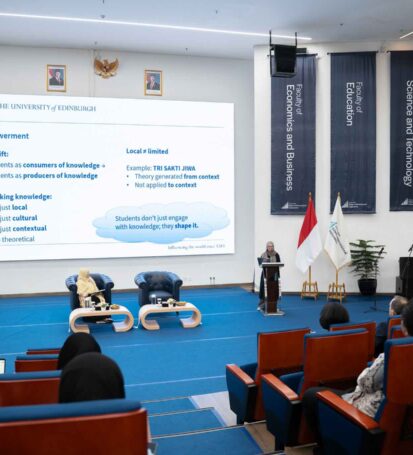
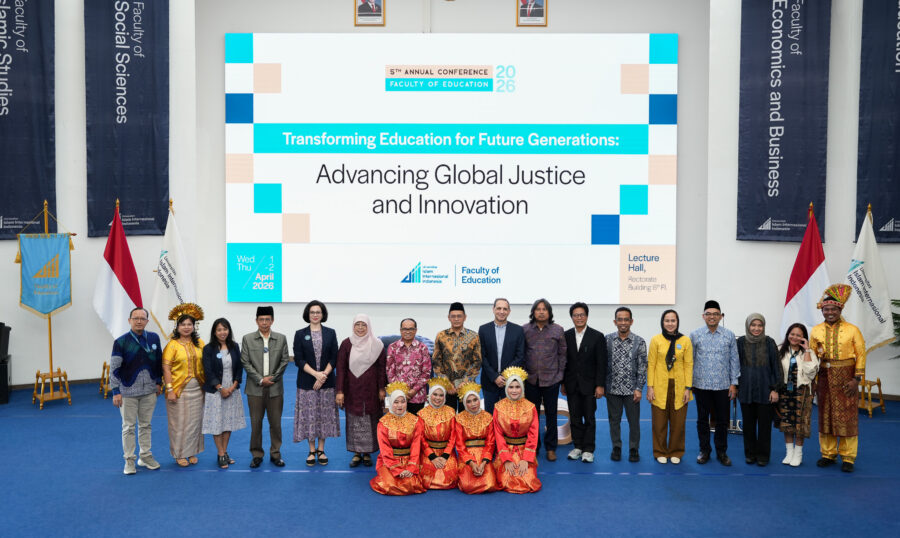 Prof. Nina Nurmila, the Dean of the Faculty of Education, highlighted that international support for UIII remains robust despite its status as a new institution. She noted that the university continues to strengthen its global standing through strategic partnerships and dual-degree programs with prestigious universities.
“This conference is a global platform for interdisciplinary dialogue and policy solutions to address challenges such as the digital divide and resources inequality,” stated UIII Rector, Prof. Jamhari. He noted that the theme is very important to the university’s mission of solving modern education challenges through international discussion.
The annual event helps UIII strengthen its role in global academic talks and fitter research. Through these efforts, the university continues to build its international networks and improve education for the next generation.