Many rejections are better than no submission: lessons learned from publishing in International Journal
 Many rejections are better than no submission: lessons learned from publishing in International Journal
By Hasnan Yasin
Many academics find it not easy to publish their papers in a reputable journal, including in internationally indexed journals. Some even consider publishing mostly in local-indexed journals since they think that it is easier to get accepted to some extent. This may be because of the dynamic behind publishing articles in a reputable journal. I had tried submitting my manuscripts to reputable journals many times before it was accepted by one. What I learned is that publishing is not just about writing quality papers, but also about finding a suitable journal to disseminate it. This brief writing is my reflection I noted from publishing in a reputable journal.
To begin with, I start with the writing quality. The writing must be of international standard. Even though specific guidelines are usually provided by each journal, common acceptable academic writing standards must be upheld. For example, the common structure used is IMRaD (short for Introduction, Method, Result, and Discussion), some journals also preferred it with literature review subject to the journal’s guideline; the stylistic convention and formatting needs to follow certain style such as APA (most common style I found), MLA, or other styles; ethical standards should be strictly considered and explicitly stated, especially for research involving human participations; the significance of the study must be presented; and the limitation of the study needs to be stated. This is just the starting point. The next one is related to selecting suitable journals to publish.
Beyond the writing itself, browsing and filtering journals can be very substantial and useful. I learned that choosing a journal is not just about looking at the name of the journal. It is beyond that. Paying attention to some points of a journal such as the scope, metrics, index, and even editors can be enlightening. The scope of the manuscript prepared must be in line with the journal scope. This can be seen from the stated aims and scopes and also from the published articles from previous volumes. Metrics is also important, especially if you are concerned much about the average time of the editorial process and the citation metrics. Indexing is another important point to notice in order to make sure that the journal is discoverable and credible. Lastly, getting to know the journal editors can be useful since they are in charge of overseeing the publication process. After carefully considering and finding a match to these points, submission is good to go.
Do not worry about the speed. Expect different length of editorial processes from different journals. Some journal editors have longer time to process your articles; others have shorter time. My first publication took me only three months from submission to its online publication. My second and the rest took a lot longer than that and are still in editorial process until this reflection is published. The average time of waiting is usually presented in the journal metrics. The metric usually portrays the fact based on previous year data. If the process takes a lot longer than what it says in the metrics, try emailing the editors or the editor assistance for clarification.
However, sometimes one try is not enough. That is why being tenacious is good in publishing an article. You have to expect that your first submission will not be great and rejection can be something you can find along the way. This does not necessarily mean that your article is not good enough, but it has not just found its place yet. I do not encourage you to submit one manuscript to many journals, instead, I encourage you to submit it again after one rejection. You also have to be reflective about what could possibly be improved after the rejection. Some editors sometimes include notes you can consider before submitting it again.
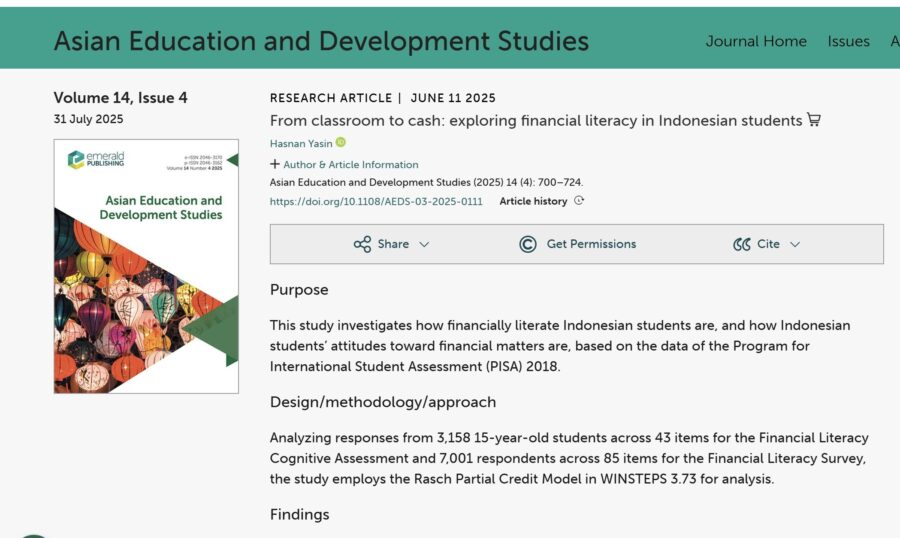
Be aware that the comments from reviewers and editors are not always nice but open spaces for learning and improvement. You can always take the comments from the reviewer and the editors as a learning opportunity for you. In my case, for example, since I wrote about financial literacy from large-scale educational assessment data, and my background is not economic, I learned some frameworks I used as lenses of my study. I learn about financial socialization and behavioral economics. Theories I have not heard before. This was initiated by the comments I received from the reviewers and editors. These comments are mostly constructive. The more comments you get the more opportunities you get for learning.
Finally, from publishing in international journals, I have learned that writing quality, journal selection, speed and timelines, tenacity and rejection, reviewer comments and growth are important points to consider in publishing and article. My final two cents is many rejections are better than no submissions. It may take time, but it is worth waiting.

Lunch Talk #49:
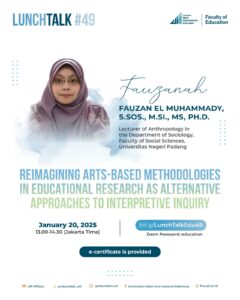
You are invited to join the Lunch Talk #49 at the Faculty of Education, UIII
Fauzanah Fauzan El Muhammady, S.Sos., M.Si., MS, Ph.D. (Lecturer of Anthropology in the Department of Sociology, Faculty of Social Sciences, Universitas Negeri Padang) will share about: "Reimagining Arts-Based Methodologies in Educational Research as Alternative Approaches to Interpretive Inquiry".
Arts-based methodologies offer an alternative approach in educational research, helping explore feelings, perspectives, and meanings that are difficult to express through words alone. They provide creative and inclusive ways to understand complex learning, teaching, and leadership experiences.
Day/Date: Tuesday/January 20, 2025
Time: 13.00-14.30 (Jakarta Time)
Place: Theater, Faculty A Building
Online participation:
https://bit.ly/LunchTalkEdu49
E-Certificate is provided
Thank you!
Multi-rater assessment in systematic reviews: A methodological innovation in forest higher education literature
 Larasatie, P., Sumintono, B., Rodríguez-Piñeros,S., Zamora-Cristales, R., Biju, A., & Chamlagain, K. (2026). Multi-rater assessment in systematic reviews: A methodological innovation in forest higher education literature. BioProducts Business, 11, 3 pp 35-46. https://biobus.swst.org/index.php/bpbj/issue/view/201
Abstract:
Systematic literature reviews (SLRs) are essential for synthesizing evidence in forest higher education, yet the reliability of article selection often hinges on subjective expert judgment. As forest education evolves to meet global challenges, such as climate change, digitalization, and market dynamics, educators must navigate an overwhelming volume of
literature to identify high-quality science that fosters critical thinking and holistic understanding. This study introduces the Many Facet Rasch Model (MFRM) as a methodological innovation for evaluating multi-rater assessments of the forest higher education literature, offering a transparent and replicable framework for evidence synthesis. Five experts, who served as raters, assessed ten articles using six calibrated criteria (originality, comprehensiveness of literature review, methodology, scientific value of findings, related issues with forest higher education, and quality of analysis). The results demonstrate that MFRM can identify psychometrically sound evaluations, rank article quality, and diagnose criteria, particularly in comprehensiveness of the literature review and difficulty, most notably in literature review comprehensiveness and methodological rigor. This research provides practical guidance for forest higher education practitioners seeking to select pedagogically valuable resources. By enhancing transparency and reproducibility in literature evaluation, MFRM strengthens forest higher education’s capacity to train future foresters with precision, integrity, and relevance
BRIN Said Yes While My PhD Struggle Continued
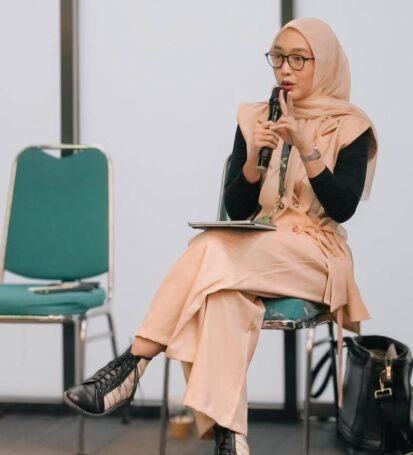 BRIN Said Yes While My PhD Struggle Continued
by Rahayu
Starting a PhD really humbled me in ways no academic warning ever could. One minute I thought, “Ayu, you got this,” and the next minute I was reading the same paragraph five times like it was written in ancient civilization code. Apparently, becoming a Year 1 PhD student at Faculty of Education, Universitas Islam Internasional Indonesia means developing three personalities at once: a researcher, a professional overthinker, and a full-time deadline survivor.
There were days when my laptop witnessed more emotional breakdowns than my actual productivity. The readings kept multiplying, the theories kept getting more complicated, and somehow everyone in academia casually uses words like epistemology as if that alone does not increase my blood pressure. PhD life truly feels like intellectual suffering with a tuition fee (thanks God I am funded by LPDP Scholarship).
But somewhere between the chaos, sleep deprivation, and dramatic internal monologues of “why did I choose this path,” one of my works was accepted into the 2026 BRIN Local Knowledge Acquisition Program. Honestly, the timing felt almost disrespectful because I was literally in survival mode when the news came in. BRIN said yes while my brain was still in 'PhD fatigue' era.
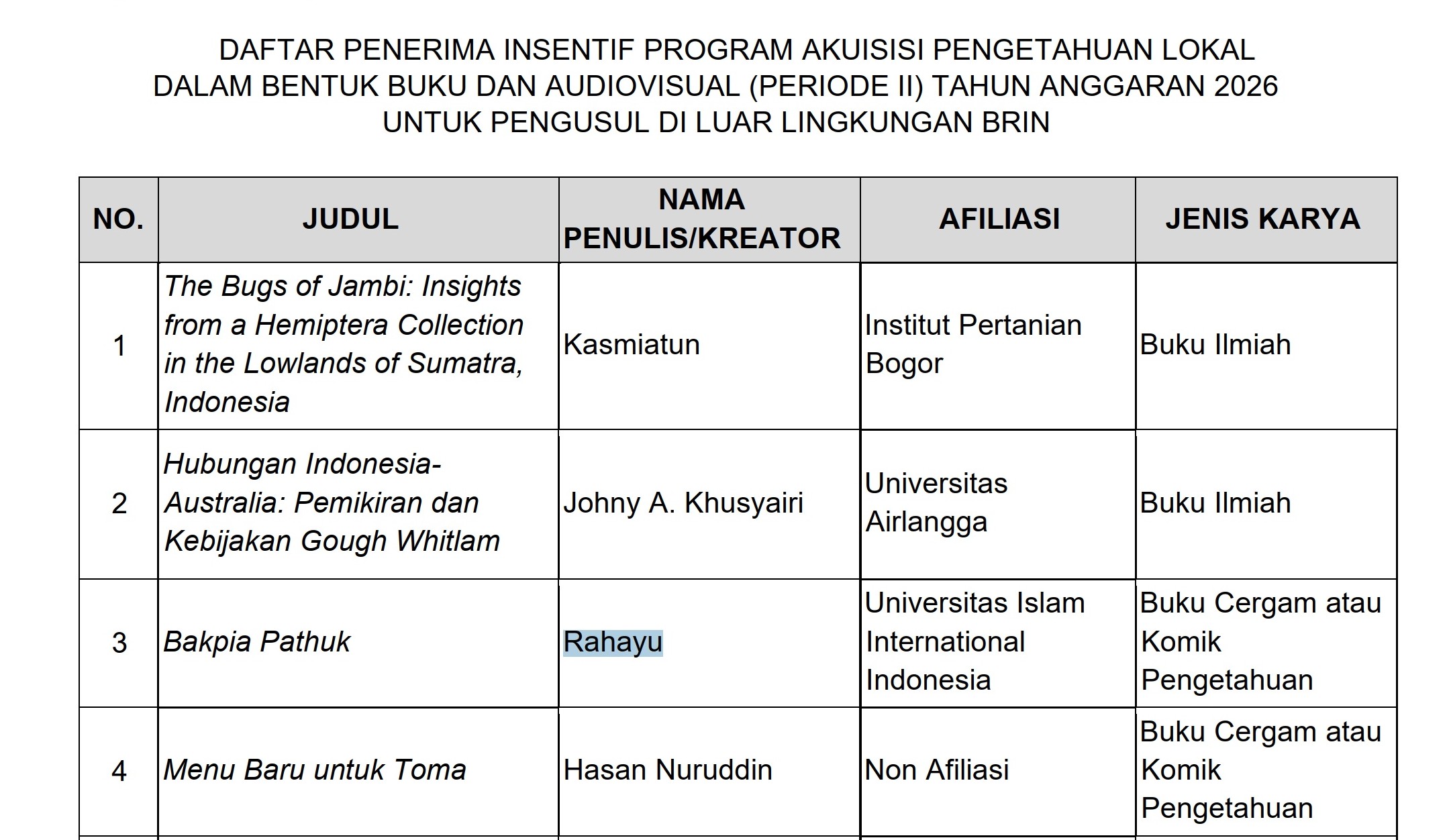
And maybe that is the funny part about this education journey. Sometimes growth does not look inspirational and cinematic. Sometimes it looks like crying over assignments at 2 AM, surviving on caffeine, doubting your entire existence, and still submitting the work anyway. At one point, the exhaustion got so real that i feel the urge to disappear from academia entirely and open a tiny aesthetic coffee shop in some urban neighborhood where my biggest problem would be whether the espresso are single origin. Academia really teaches you that confidence is optional, but deadlines are not.
This experience reminded me that progress can happen even when life feels messy. Apparently, suffering academically does not automatically cancel the achievement. Sometimes you are still moving forward even while internally buffering.
So yes, my PhD survival mode continues. The stress is real, the readings are really challenging, and the imposter syndrome still visits uninvited (many times). But for today, at least, I celebrate the small slay: surviving Year 1 and making it to BRIN at the same time.
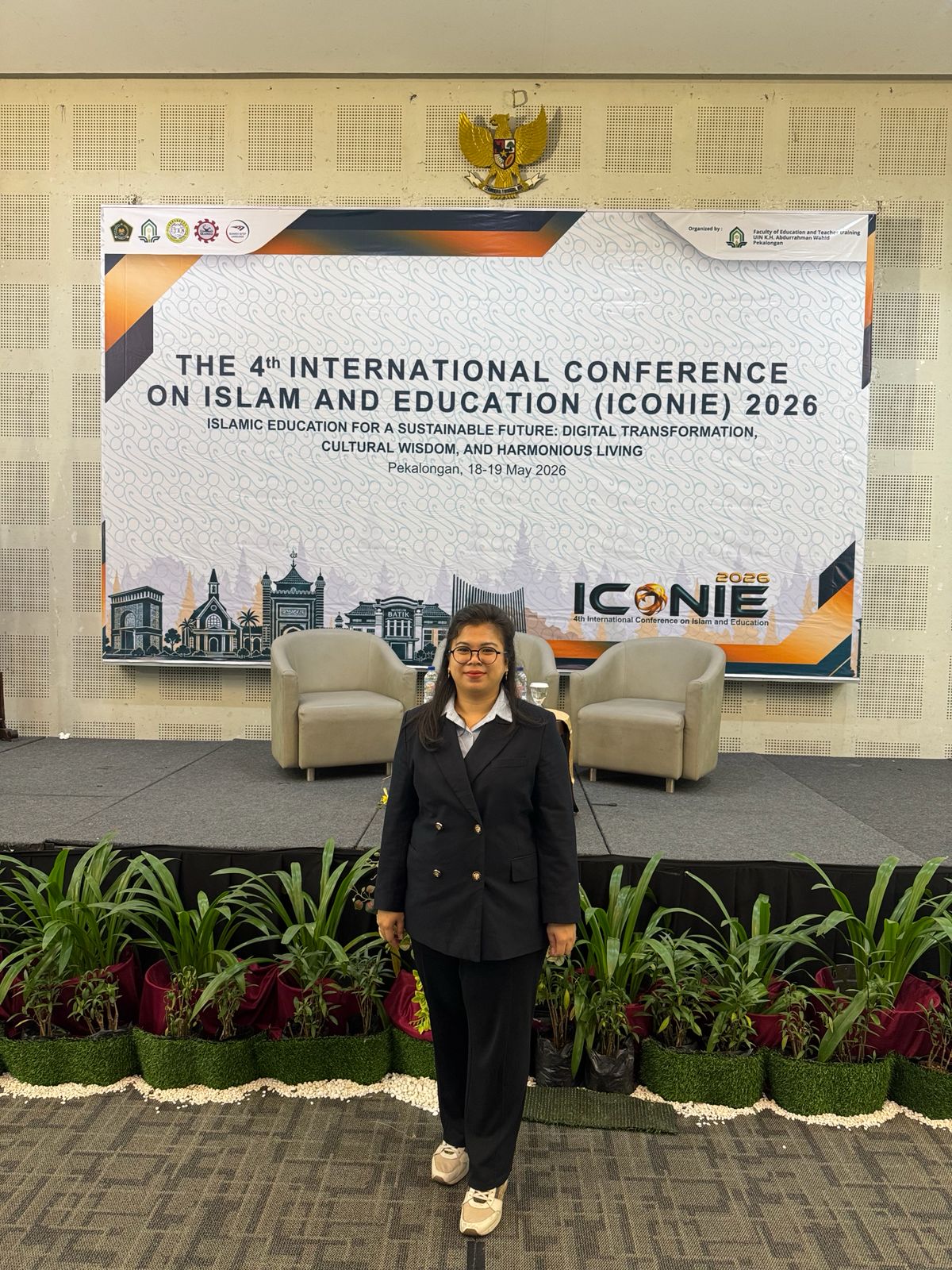
Insights Gained from the Wasathiya Course: Best Paper Award at a Scholarly Conference
Insights Gained from the Wasathiya Course: Best Paper Award at a Scholarly Conference
By Deshinta Puspa Ayu Dwi Argaswari
Learning about Wasathiya during my first semester was challenging for me. I remember telling my friends from the PhD in Education Batch 4 and Kelurahan LPDP-UIII several times that I need their help in understanding this course. Fortunately, the classroom discussions turned out to be far more open, warm, and thoughtful than I had imagined. Pak Andar, the lecturer once challenged me to reflect on Wasathiya from a Christian perspective as I am Christian studying Wasathiya. I began conducting a document analysis to explore how Christian schools informally implement values of moderation and tolerance.
I then decided to present the paper on International Conference on Islam and Education (ICONIE), organized by UIN K.H. Abdurrahman Wahid Pekalongan in collaboration with SEAMEO QITEP in Language. I saw it as an opportunity to share my paper and show that, deep within Christian education and curriculum, there are values aligned with Wasathiya and religious moderation. We are all working toward the same goal: nurturing harmony and diversity in this world.
At first, I was afraid. I was the only non-Muslim participant in the conference, and I worried that my topic might be considered sensitive. Yet the phrase, “If not now, then when? If not you, then who?” gave me courage. I felt that this was a responsibility to spread the essence of Wasathiya, especially to educators who would later pass these values on to their students. Hopefully, it would become knowledge that continues to benefit others.
Finally, I presented my paper. To my surprise, the audience warmly welcomed the perspective. Many participants found the paper and analysis interesting because it offered a new way of understanding Wasathiya/moderation. What began as an experience where I knew almost no one gradually turned into meaningful connections with many people. I was deeply inspired by the participants’ passion for learning, especially because many of them were no longer young, yet their enthusiasm remained extraordinary.
The conference itself was also enjoyable. I met Ajeng, an MA student from the Faculty of Education, and Babangida Muhammad, a student from Faculty of Islamic Studies. I had initially thought I was the only participant from UIII. I also met students and lecturers from Universitas Muhammadiyah Bekasi, who were incredibly kind and help me during the presentation.
Beyond presenting my own work, I gained valuable insights from the conference sessions. I met Ms. Van and Ms. Trang, speakers from Vietnam, who discussed art-based culture in language education. Their presentation reminded me of Fani’s (friend of mine in UIII) dissertation topic on culturally responsive pedagogy in Mathematics. Today, issues surrounding culture and humanity in education are becoming increasingly important. I was questioning ‘Why?”
I found part of the answer in Bu Itje Chodidjah’s lecture. She explained that although technology provides great power and convenience, the deeper meaning of education can gradually fade if humanity is neglected. Education is fundamentally about human relationships, emotions, and meaningful connections. Ethics help guide its direction. This is where humanity and culture play essential roles in supporting education today.
Of course, clashes and differences may arise throughout the process. Yet this is precisely where Wasathiya/moderation becomes important: bridging knowledge and humanity just as it bridges religions and diversity.
In the end, the conference became deeply meaningful for me. What I initially viewed as merely an opportunity to present my paper assignment turned into a transformative experience. I met people who were passionately fighting for education in their own ways. Their spirit illuminated the moments we shared, and our discussions broadened my understanding of education, culture, and humanity.
During the closing session, I was announced as the Best Presenter of the conference — not second or third place, but First Best Presenter among approximately 400 offline participants. Hearing my name and my paper title echo throughout the ballroom was unforgettable. At that moment, I was like ‘Thank God, I made the ‘Wasathiya’ being heard’. Even though this is not a topic that I fully mastered, I learned and grew through the challenges along the way.
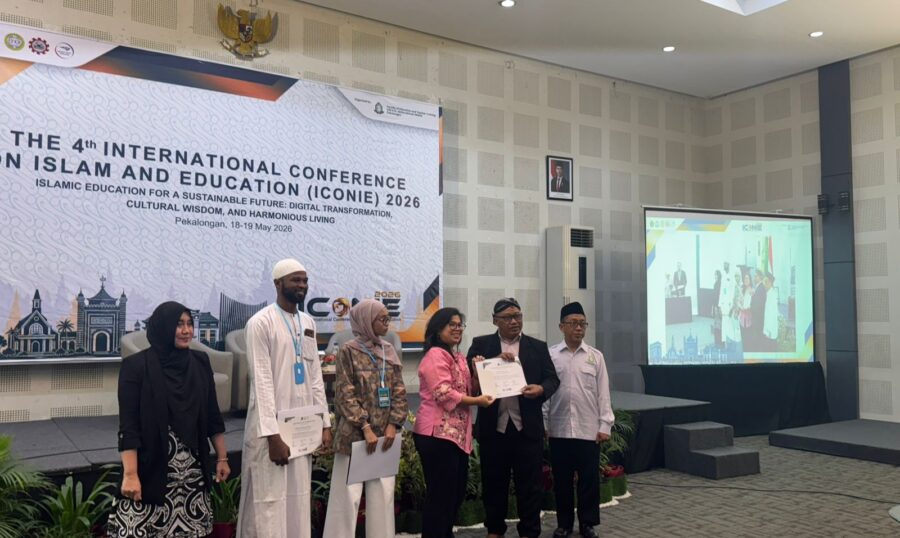
I am also deeply thankful to my home university, Sampoerna University for its continuous support. I am equally grateful to Faculty of Education, UIII for giving me the opportunity to learn so many things. The faculty has guided me to courageously step into new experiences and continue learning, even at moments when I was afraid. My lecturers have been incredibly supportive throughout this journey. Pak Bambang always encouraged me to write and keep moving forward. Pak Andar consistently challenged me to explore more deeply and to embrace uniqueness in my work. My supervisor, Bu Destina, encouraged me to go beyond and enrich my knowledge. This is what students truly need: opportunities to learn not only inside the classroom, but also beyond it.
Learning Beyond the Classroom: A Reflection on Research, Collaboration, and Academic Growth
Learning Beyond the Classroom: A Reflection on Research, Collaboration, and Academic Growth
By Nofi Maria K. and Munaya Nikma R.
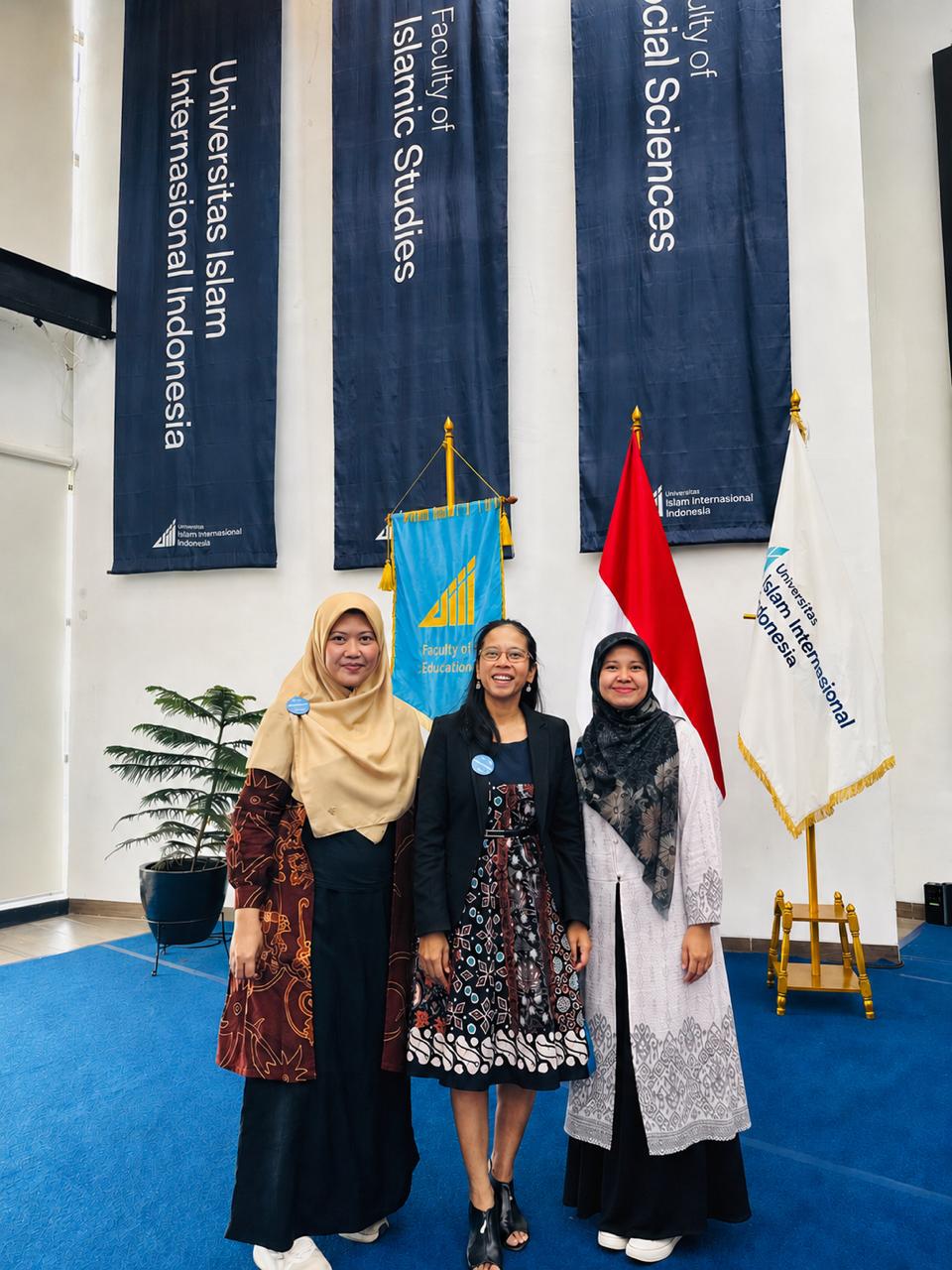
The publication of our article in a Scopus Q2 journal became one of the most meaningful experiences in our journey as PhD students at the Faculty of Education, Universitas Islam Internasional Indonesia. Looking back, this achievement was not merely about seeing our names published in an international journal. More importantly, it became part of a meaningful learning journey that allowed us to see more clearly how academic work is shaped through collaboration, responsibility, persistence, and continuous reflection. This journey began when our academic advisor, Dr. Destina Wahyu Winarti, invited us to participate as research assistants in a research project under RKI (Riset Kolaborasi Indonesia) scheme with UNNES (Universitas Negeri Semarang) and USK (Universitas Syiah Kuala). At the beginning, we imagined our role mainly as assisting with several technical aspects of the project. However, throughout the process, we were given opportunities to become involved in various stages of the research activities, including preparation meetings, collaborative discussions, workshop implementation, data management, as well as manuscript and project outcome development. Through these experiences, we realized that research is an interconnected process requiring communication, coordination, and sustained commitment over time.
As PhD students who were still learning to navigate academic writing and publication, these experiences became important spaces for learning. Many things that initially felt unfamiliar gradually became easier to understand because we were actively involved in the process rather than only learning about it theoretically. Being involved directly in these activities helped us realize that manuscript writing cannot be separated from the broader research journey itself. The discussions, collaborative activities, exchanges of ideas, and revisions throughout the project eventually became important foundations in shaping the manuscript and preparing it for publication. Through the activities, we learned to explore potential ideas and research design opportunities to write and publish within our research project topic, as reflected in the article we eventually published.
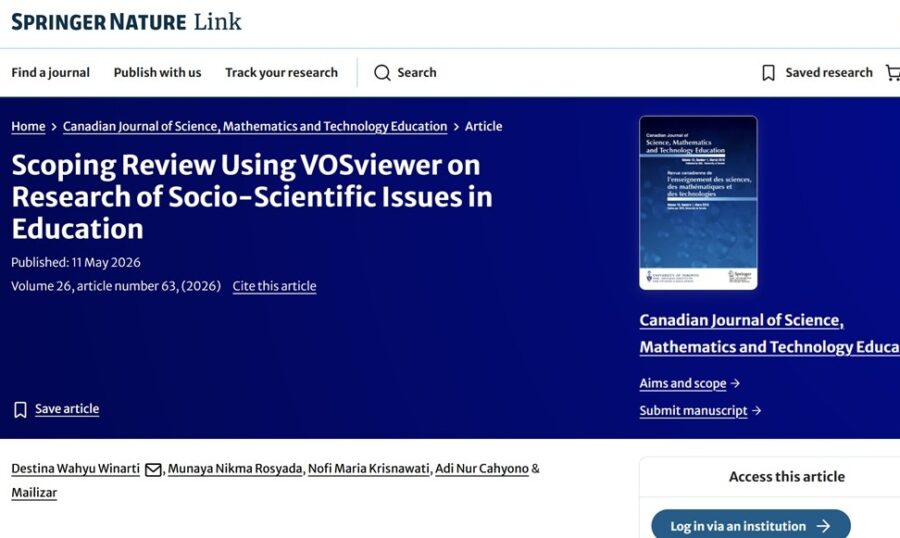
Our published article discusses the development of research related to socio-scientific issues in education, specifically within the science and STEM (Science, Technology, Engineering, and Mathematics) education. We identified several major themes related to socio-scientific issues, including sustainability, climate change, and social justice. Our findings then highlight the needs of interdisciplinary practices in education to promote socio-scientific context in the teaching and learning process, such as through STEM Education. Furthermore, we found that teacher training for socio-scientific contexts has become prevalent in recent years. These insights have informed one of the aims of our research project, which is to hold workshops for teachers to enhance their understanding of socio-scientific issues and integrate these concepts into classroom learning activities. By aligning our research outcomes with the goals of the RKI project, we hope that our work will extend beyond theoretical discourse and written publication to create meaningful impacts on teachers and students as key stakeholders in education.
Throughout the writing process, we gradually learned how collaborative academic writing is built through different roles and responsibilities. Under the guidance of our lecturer as the first author, we contributed to various stages of manuscript development, including conceptual discussions, exploring research gaps and building research novelty, deciding on the appropriate methodology, developing the literature review, data collection, analysis, and interpretation, drafting, editing, and revision processes. Although our roles differed, this collaboration taught us that meaningful academic work is always built collectively. Every contribution, regardless of its form, becomes an important part of interconnected contributions that support one another.
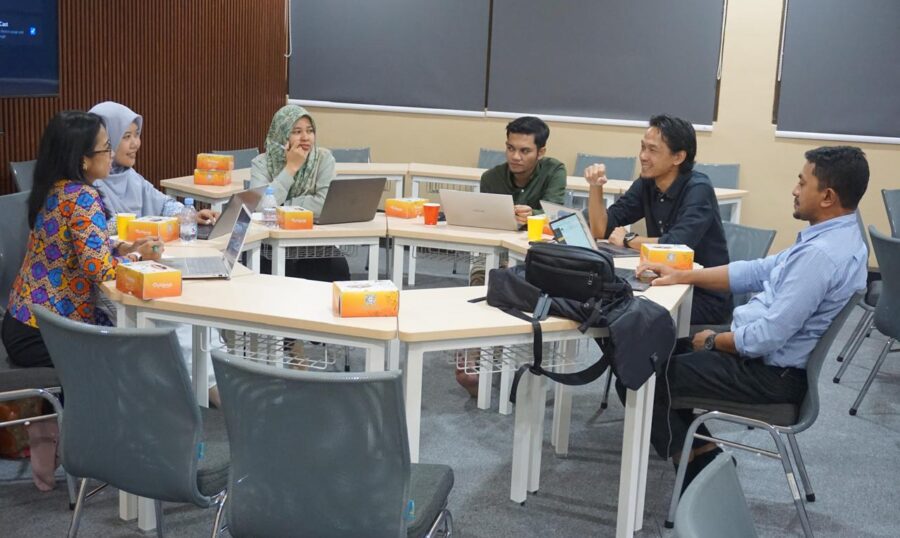
One of the most meaningful aspects of this journey was the trust and guidance given by Dr. Destina Wahyu Winarti throughout the entire process. For us, being trusted to participate directly in a collaborative international publication process became a valuable learning opportunity. Beyond research and writing techniques, we also gained valuable insights from observing how academic collaboration is managed, how ideas are negotiated through discussion, and how scholarly work requires both intellectual openness and consistency. Looking back, many of the things we understand today about academic writing were not learned instantly, but developed gradually through continuous practice, feedback, and shared learning experiences throughout the project. Through revising arguments and improving clarity, we realized that academic writing is not only about presenting knowledge, but also about communicating ideas responsibly and coherently.
The revision stage also became an important part of this learning experience. Feedback from the review process helped us recognize aspects of the manuscript that still required clarification and improvement. Through this process, we realized that even small revisions can strengthen the coherence and quality of academic writing. We realize that the review process also taught us to be accountable for the arguments we presented, particularly to address reviewers’ feedback carefully and comprehensively. More importantly, the experience reminded us that feedback should not always be viewed as criticism to be avoided, but as part of the academic conversation that helps sharpen arguments, improve clarity, and strengthen the overall quality of scholarly work. Beyond the review process itself, effective communication between authors and journal editors also plays an important role in achieving successful publication. As authors, we sometimes need to actively monitor the ongoing review and submission process to ensure timely correspondence.
More than the publication outcome itself, this journey gradually changed the way we view research and academic work as graduate students. Research no longer felt distant or intimidating, but instead became something that can be learned progressively through involvement, collaboration, and sustained practice. Some meaningful lessons emerged through ordinary moments throughout the process, including meetings, collaborative revisions, and responding to feedback. Finally, we would like to express our sincere gratitude to our supervisor, Dr. Destina Wahyu Winarti, and collaborators who guided us throughout this journey. Their trust and mentorship became valuable parts of our academic learning journey. This experience also reminded us that there is still much for us to continue learning throughout our academic journey. As science and research continue to evolve, we as students and researchers (regardless of the expertise area we worked on) should cultivate curiosity, maintain a lifelong learner mindset, and develop a consistent habit of reading to broaden our knowledge and perspectives. We hope this reflection can serve not only as a record of our experience, but also as a reminder that every academic journey develops gradually through persistence, collaboration, and continuous learning.
Scoping Review Using VOSviewer on Research of Socio-Scientific Issues in Education
Winarti, D.W., Rosyada, M.N., Krisnawati, N.M. et al. Scoping Review Using VOSviewer on Research of Socio-Scientific Issues in Education. Can. J. Sci. Math. Techn. Educ. 26, 63 (2026). https://doi.org/10.1007/s42330-026-00490-5
Abstract
Socio-scientific issues (SSI) are complex real-world problems that gain lots of attention not only from researchers and policy makers but also educators considering the global challenges. Along with this increasing attention, various literature studies have been conducted, including those employing bibliometric approaches using VOSviewer, which have provided valuable insights into publication trends and research productivity. However, these studies still offer limited insight into the educational dimensions of SSI. To address this gap, this article seeks to map existing research on SSI in the field of education by providing a more comprehensive overview of the scope and breadth of the literature, particularly through an education-focused interpretation that captures the thematic structure, cross-contextual integration, and evolving global dimensions of SSI. VOSviewer was used as a tool to analyse the metadata from articles in the Scopus database. Four hundred and twenty articles written in English were gathered from the search process by using the keyword of “socioscientific issues”. The analysis results show various emerging topics in relation with socio-scientific issues. The development of integration of SSI in education is mostly found in science education and science, technology, engineering, and mathematics (STEM) education as well as in teacher training, particularly for science teachers. In addition, we also observe from the data analysis that sustainability and sustainable development, climate change, and social justice are those evolving SSIs.
From Dissertation to Chapter: On Empathy, Burnout, and Meaningful Academic Supervision
From Dissertation to Chapter: On Empathy, Burnout, and Meaningful Academic Supervision
By: Syifa Mufiedatussalam
I never expected that writing an academic book chapter would teach me something so personal. But looking back now, I think that is exactly what happened.
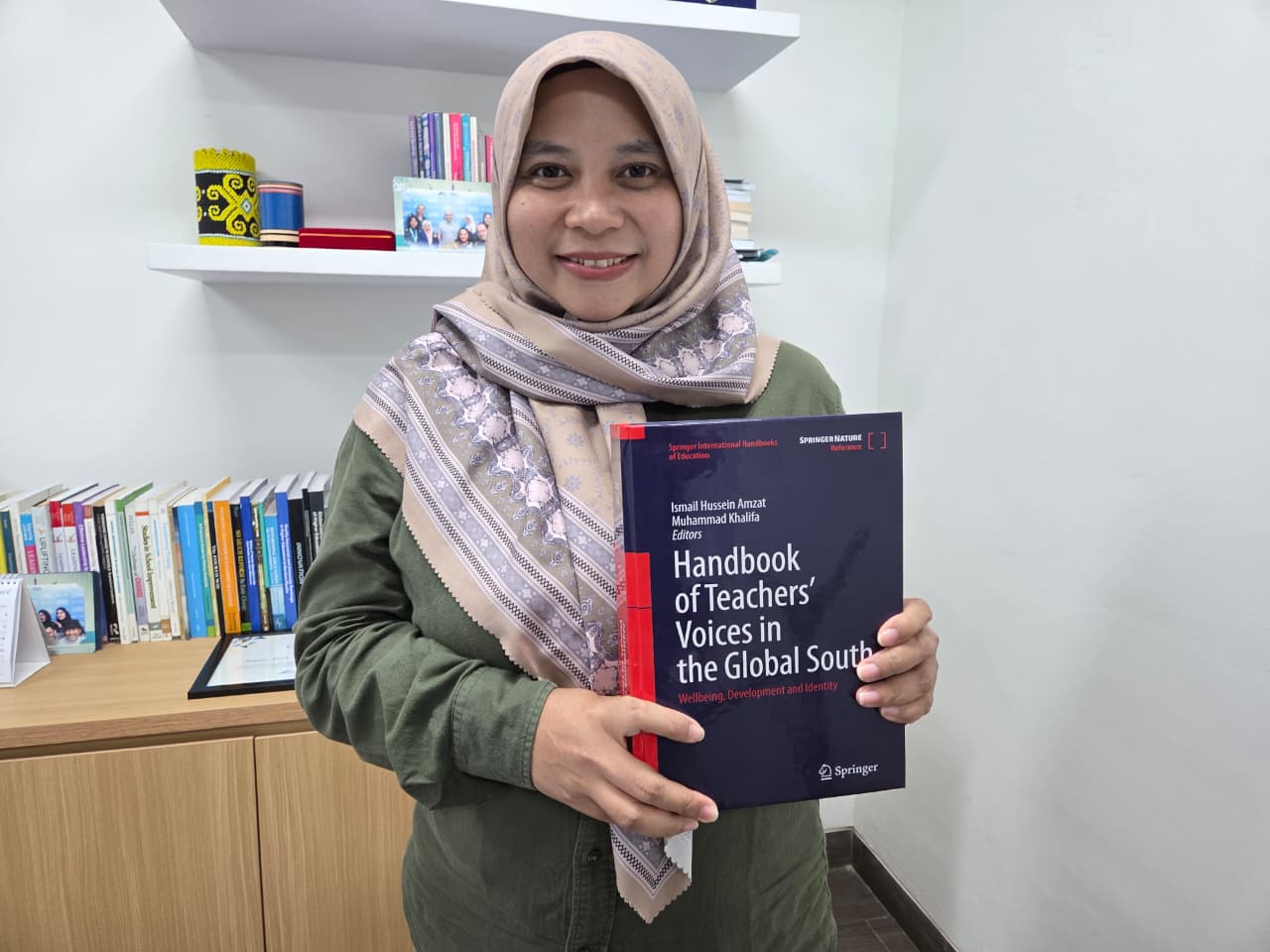
The chapter is titled “The Well-Being of Early Childhood Teachers in Indonesia: Promoting Empathy to Mitigate Burnout,” published in Springer’s Handbook of Teacher’s Voice in Global South. It began, like most academic work, with questions: how are early childhood teachers in Indonesia actually doing, and does empathy play a role in protecting them from burnout? These questions shaped the structure of the writing, the first calling for a clear picture of teachers’ realities, the second asking us to look at how empathy, burnout, and well-being relate to one another. Both required careful thinking. But the process of getting there required something else entirely.
It required someone like Assoc. Prof. Charyna Ayu Rizkyanti.
Working with her has been, and continues to be, one of the great privileges of my doctoral journey. She brought clarity when I was tangled in my own thinking, and steadiness when the process felt overwhelming. She consistently offered a genuine care for me. She asked how I was. She creates space for being heard. She can be a mom, supervisor, and also a friend. She is a mom who sense when my tiredness before I said so. She offered warmth without me having to ask for it. But she can be a strict supervisor, who pay attention to the details. She pushed me to be more precise, to think more critically. When she became a friend, she can be a safe place where I could say anything. And I know that these are not something every doctoral student gets to experience. I do not take it for granted.
What strikes me now is how much this mirrors what the chapter is arguing. The study found that burnout among early childhood teachers is real and significant. The emotional exhaustion, the feeling of becoming distant from the work, and the loss of personal accomplishment can quietly accumulate over time. Surprisingly, it also found that empathy acts as a buffer. When people feel genuinely understood, they are seen as whole human beings. Then, something protective happens. Their well-being holds.
I lived this while writing about it. The PhD is a long journey, and it is not always easy. There are stretches where the reading feels endless, where the writing refuses to come. I went through all of that. But I did not experience burnout. And this all because I am accompanied by Mom Charyna, who made practice empathy every day in life.
Alhamdulillah. I mean that with my whole heart.
The chapter also challenged us methodologically. The mediation model we constructed supported that empathy does not merely coexist with well-being. Empathy actively carries some of the weight that burnout would otherwise place on a teacher’s shoulders. Arriving at that argument cleanly took many conversations and many revisions that finally end up with publication.
For the early childhood teachers this chapter is about, I hope this work revealed the real conditions. I hope it reaches people who have the power to make their conditions better. And for other PhD students who may be reading this: the quality of the relationship you have with your supervisor matters. It shapes not just the research, but you. If you are fortunate enough to have someone who sees you as a person first, hold onto that. It is rarer than it should be.
Assoc. Prof. Charyna Ayu Rizkyanti — thank you for being all of it. The supervisor, the mother figure, the friend. Thank you for the late nights and the honest feedback and the space to be myself. This chapter has your fingerprints all over it, in the best possible way.
More Than Just 'Gibah Sedep': Our Learning Journey to Publishing a Paper in Ecopsychology Journal
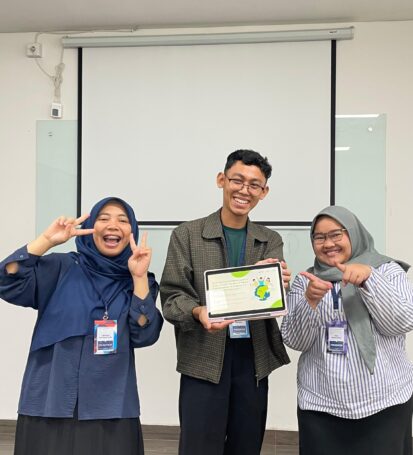
More Than Just 'Gibah Sedep': Our Learning Journey to Publishing a Paper in Ecopsychology Journal
By: Muhamad Maulana, Alya Chairunnisa, & Lakhaula Sahrotul Aulia
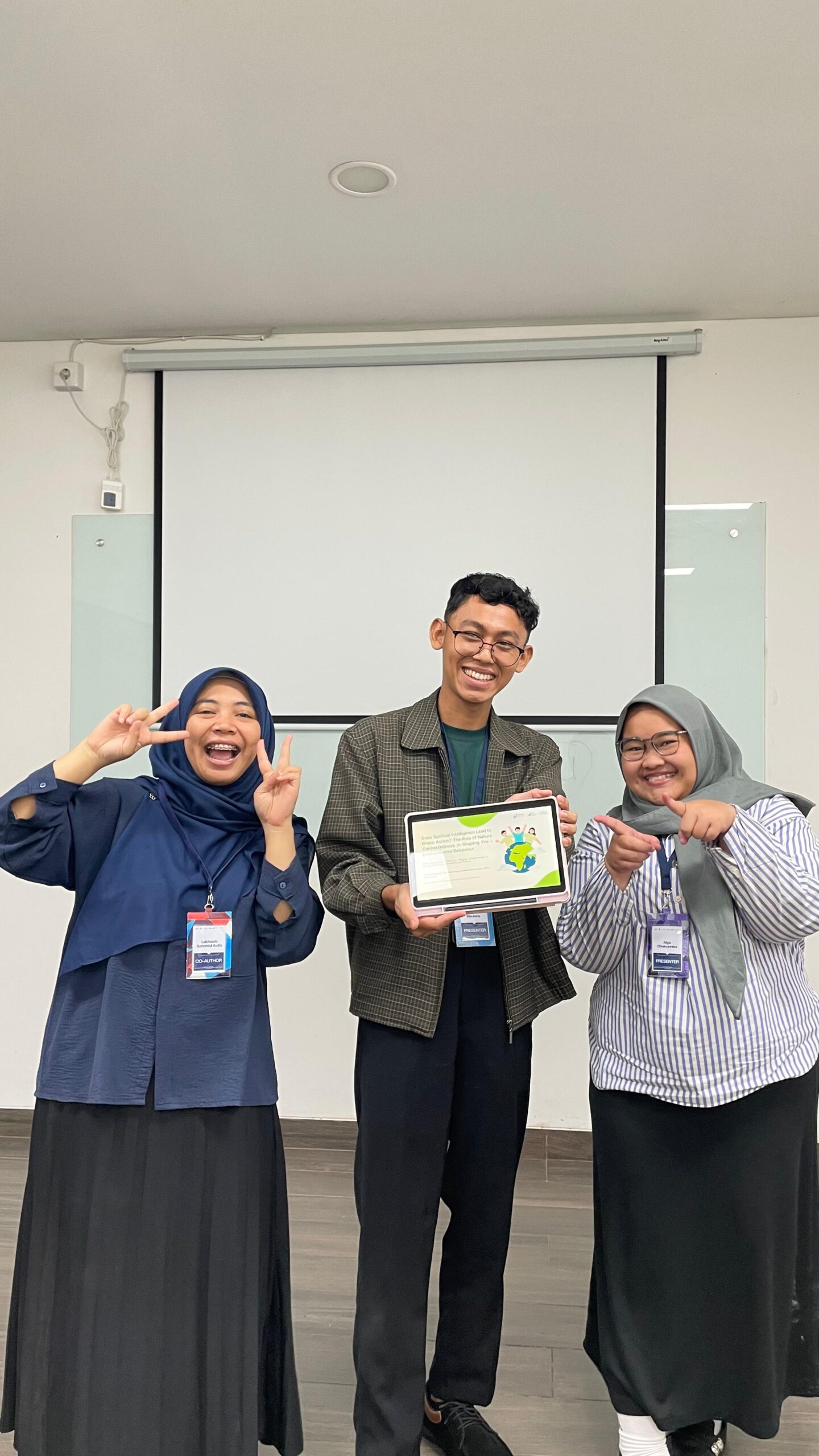
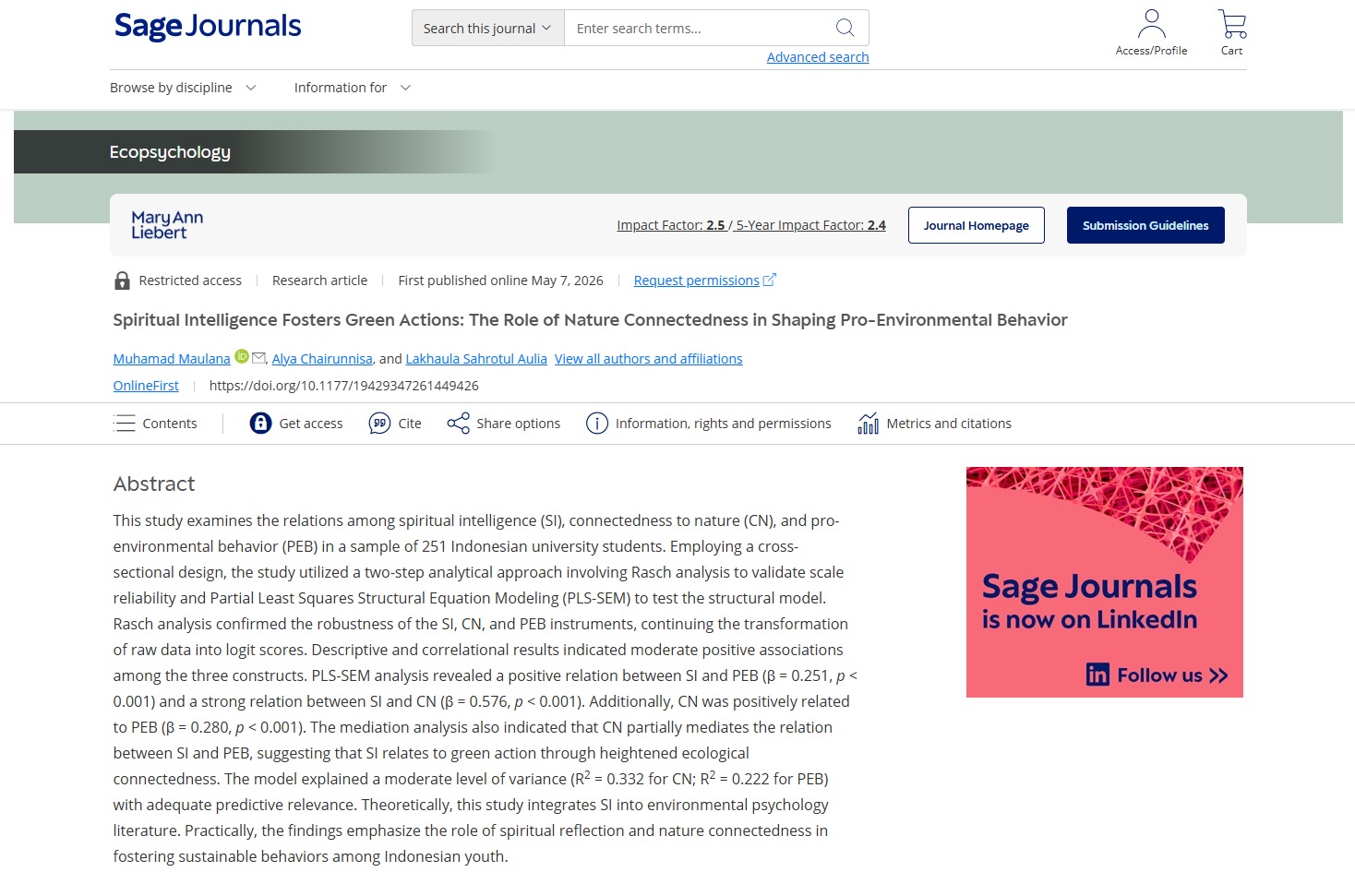
Who says research has to be stiff and boring? For the three of us, our biggest academic breakthrough actually started from a casual discussion group we nicknamed "Gibah Sedep" (Savory Gossip). While "gibah" is usually associated with idle chatter, we turned it into a productive "academic gibah" session. Little did we know that those savory discussions would eventually lead us to a publication in one of the leading top SAGE journals, Ecopsychology. You can read the full paper here: https://doi.org/10.1177/19429347261449426
The "No" That Led to a Global "Yes" (Alya’s Perspective)
Publishing this research is a milestone we cherish, but it wasn't an instant success. What is now an international publication originally started as a humble vision for a campus research grant. We had high hopes, but when we weren't on the list, we had a choice: let the idea fade or believe it still had value.
We chose the latter. We realized that a setback isn’t a dead end, it’s just a redirection. That initial "No" was a blessing in disguise; it forced us to think bigger and work harder. It led us to seek a worldwide platform and, more importantly, it brought the three of us together. To anyone who has ever felt discouraged by a closed door: I hope you hold onto your vision. Sometimes, the "other way" is the one that leads to the most beautiful destination.
The "Juggling" Time of my UIII Life (Maulana’s Perspective)
I remember the hectic days of juggling my Master’s thesis while simultaneously collecting data for this study. Since I was already exploring Spiritual Intelligence (SI), the ultimate intelligence that allows us to solve problems of meaning and value, for my master thesis. I wondered: Could this "individual inner compass" be the key to solving our global ecological crisis?
We "gassss" (went all out). I remember waiting at KRL stations, visiting a campus in Tangerang and Jakarta, and revisiting them to thank the lecturer who helped us reach nearly half of our research sample. When we presented at the REACT International Conference 2025 organized by PPIM UIN Syarif Hidayatullah Jakarta, we were outliers with our quantitative models in a sea of qualitative studies. But that leap of faith was necessary. The "Saturday-Sunday office hours" we spent revising were tough, but seeing the "Accepted" email made the mile traveled and every hour spent on it feel completely worth it. In the end, this experience was the ultimate test of my own "internal compass." It showed me that when we are driven by genuine curiosity and a supportive community, we can navigate the most hectic seasons of our lives and turn academic challenges into meaningful contributions.
Theory Meets Practice: The Learning Curve (Ula’s Perspective)
I was pleasantly surprised when Maulana and Alya asked me to lead the quantitative analysis. It was a leap into the unknown; I had only learned the basics of the Rasch Model in class and had never touched SEM-PLS.
This project was my first chance to put theory into actual practice. I learned that analysis is far more than just running software, it’s about understanding the meaning behind each result. Interestingly, the feedback from international reviewers was remarkably similar to the feedback our UIII lecturers gave us in class. It made me realize that the academic standards at FoE UIII truly reflect international expectations. Stepping into unfamiliar territory when we didn’t feel fully prepared was the best learning decision we’ve ever made. I believe this was also supported by the "sat-set"—highly responsive and fast-paced collaboration—that naturally developed among the three of us throughout the writing and revision process.
 Strength in Connection (Our Collective Reflection)
What started as a campus proposal grew into a deeper collaboration where our interests "cross-pollinated." SI became a core part of Alya’s thesis, while Ula’s work on climate change added a vital layer to our environmental framework.
Beyond the data, this was about the people. We shared random Google Meets on sunny weekends, constant mutual encouragement, and the shared stress of three rounds of revisions. As Maulana often says, "berproses itu perjalanan, satu-satu" (the process is a journey, one step at a time).
We are immensely grateful to the Faculty of Education at UIII for providing a world-class ecosystem that fosters such growth. This achievement doesn't just belong to us; it belongs to the community that supported us.