Dean of Faculty of Education Receives Grant for Women Scholars Empowerment in Global South
 Dean of Faculty of Education Receives Grant for Women Scholars Empowerment in Global South
July 18, 2024
Contributor: Achmad Jatnika | Editor: Supriyono
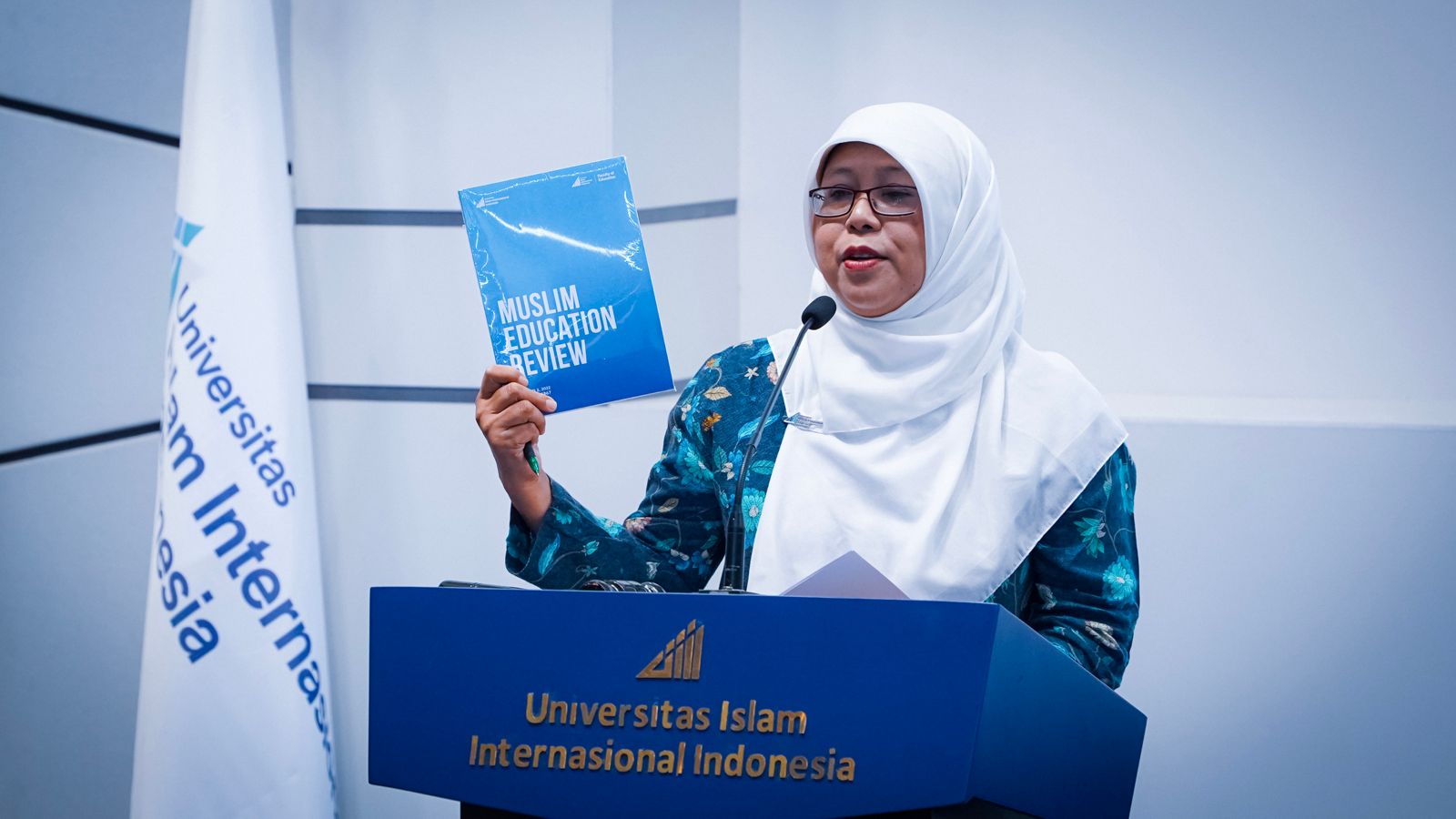
Professor Nina Nurmila, the Dean of the Faculty of Education at UIII, recently received a project grant of £25.4K from the British Academy (UK) to deliver training and mentorship to women scholars from the Global South, as part of an International Writing Workshops program.
The project, entitled “Decolonial Writing Workshops: Empowering Brazilian and Indonesian Women Scholars to Publish Global Academic Knowledge”, will be executed along with her colleagues, Dr. Leon Moosavi, Co-Director of the Liverpool Sociological Research Cluster, and Dr. Camila Prando from the University of Brasilia.
“Global North countries have always led the production of knowledge, thereby we follow their lead in this matter. Dr. Moosavi had an idea to break the barrier and decolonize the Global South's knowledge production. My attention is on gender, on women who still need much support in producing knowledge,” Professor Nurmila said.
Professor Nurmila elaborated that the project will target early-career women scholars in Indonesia and Brazil, aiming at honing their skills in producing research articles that can be published in well-reputed international journals. “We will provide what they need during the workshop, including day-care support for those with children,” she said.
The project will also facilitate South-South networking and collaboration between Brazilian and Indonesian scholars to produce new and valuable opportunities across the Global South.
UIII is always committed to promoting women’s participation and engagement in education by providing women-friendly facilities like daycare, and inclusive sports centers in the campus vicinity. We want women to feel safe on campus so that they can flourish during their learning journey.
Read more about the project here: Funding Success: £25.4k secured from the British Academy for decolonial writing workshops

Workshop on Rasch Model at Islamic University of Maldives 15-16 July 2024
 Workshop on Rasch Model at Islamic University of Maldives
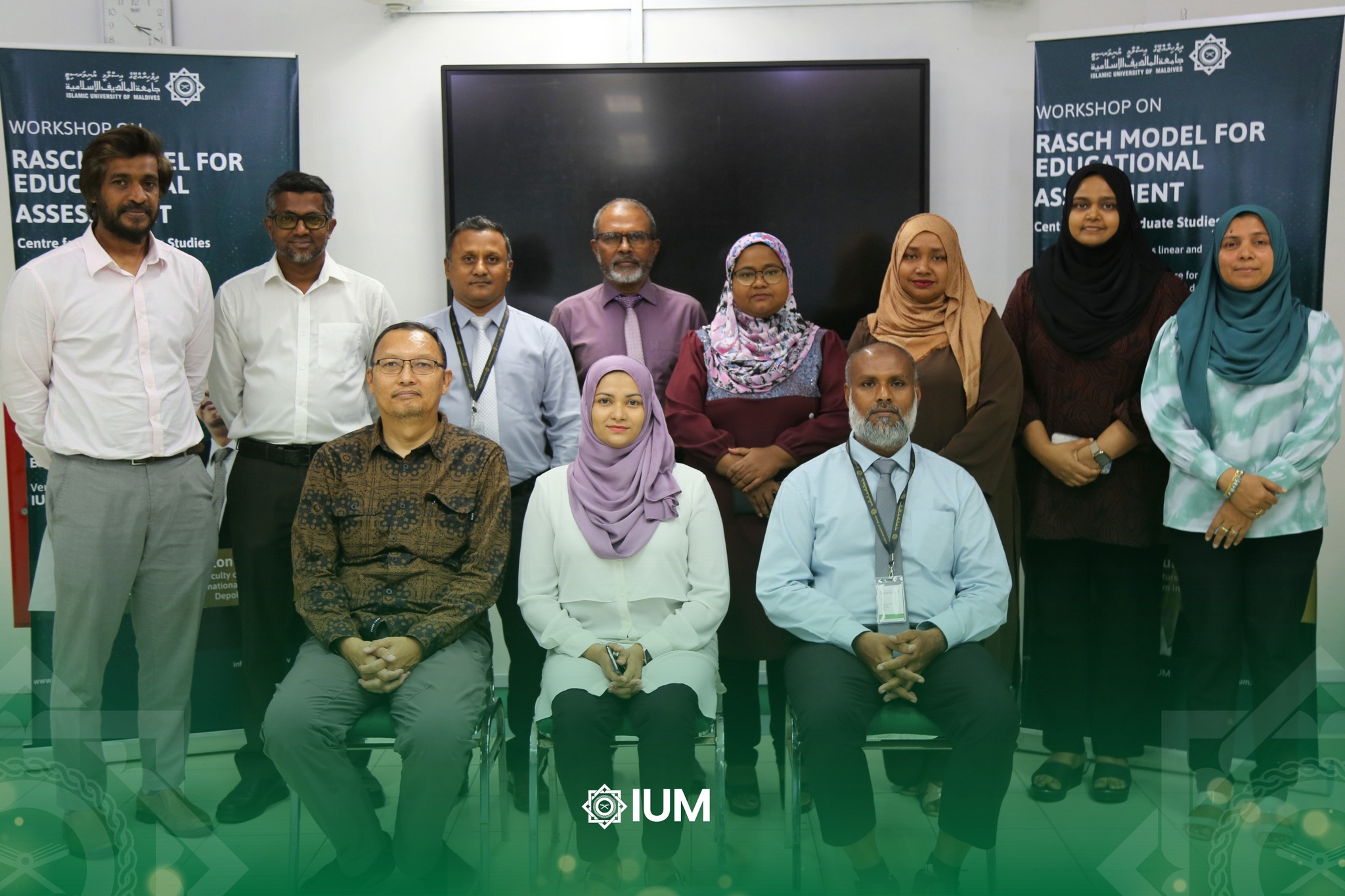
The Islamic University of Maldives (IUM) recently hosted an insightful workshop on the Rasch Model, a statistical technique widely used in educational assessment and psychometrics on 15-16 July 2024. The event attracted lecturers and researchers from Islamic University of Maldives, and officers from Ministry of Education of Maldives.
Dr. Bambang Sumintono, a lecturer from Faculty of Education, Universitas Islam Internasional Indonesia (UIII), who has expertise in educational measurement and Rasch model analysis, led the two days workshop. He introduced participants to the fundamentals of the Rasch Model, explaining its applications in analyzing test data and improving the validity and reliability of assessments using specific software, Ministep. The workshop featured interactive sessions, where attendees engaged in hands-on activities to better understand the construction and interpretation of Rasch models.
Previously, Dr Visal Moosa, deputy vice chancellor of research and innovation at Islamic University of Maldives, participated in Scholars in Residence program at Faculty of Education UIII, a kind of post-doctoral program. During his time in Universitas Islam Internasional Indonesia on September-November 2023, Dr Visal actively share his knowledge and expertise about systematic literature review, bibliometric analysis and educational management field. This time, a lecturer from UIII visited IUM in Male, Maldives, to share about Rasch model analysis.
Participants expressed enthusiasm for the practical knowledge gained, highlighting the Rasch model's potential to enhance the quality of educational assessments in the Maldives. The workshop is part of IUM's ongoing efforts to promote advanced research methodologies and support the professional development of lecturers and educators in the Maldives. Organizers hope to conduct more such events, fostering a community of practice around educational measurement and assessment in the region, and increase collaboration between two islamic universitis that come from Global South.


Reflection from visiting Deakin University, Australia
 Reflection from visiting Deakin University, Australia
By Eka Hermansyah
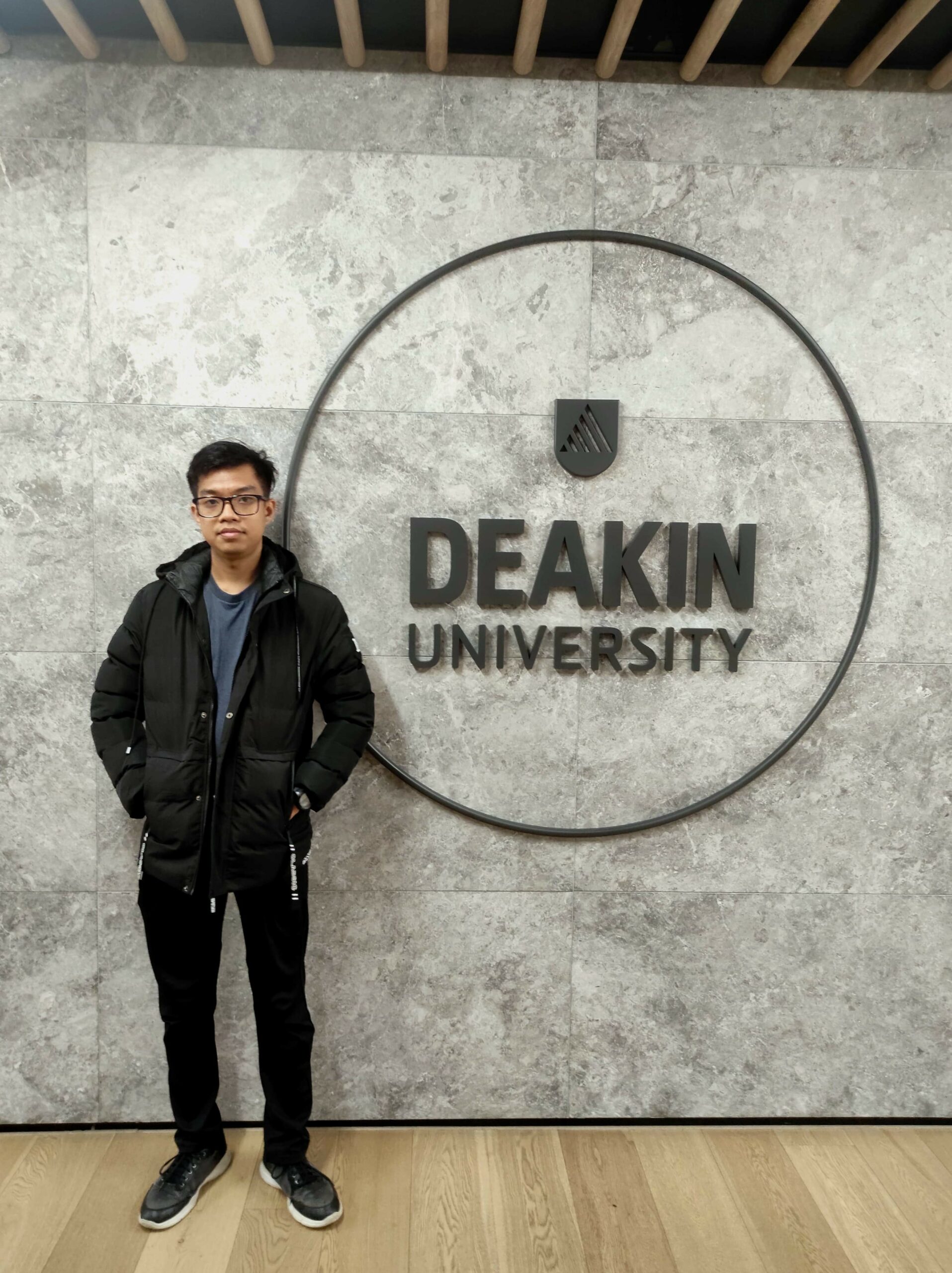
As John Dewey once described modern education, it must have an experiential foundation for students. This is precisely what I found during my visit to Deakin University from May 15 to 24, 2024. Education should facilitate student development rather than being a one-way process. I strive to deliver this reflection using my perspective as a student from Indonesia and to reflect on my experiences in both Australia and Indonesia, which of course, can be a matter of debate.
During my visit to Australia, I spent considerable time observing and consulting on research with experts at Deakin University. My observations covered the educational system, implementation of learning processes, staff-student interactions, and public facilities that support the educational system. I found that the system is not very different from Indonesia. However, when delved deeper at the management level, there are significant differences. One of them is the ethics of interacting with students, who are essentially children. The ease for students to approach the management for academic and well-being issues is a good example of how school management should be accessible and helpful to every component needing information related to education.
While in Victoria, we visited Deakin campuses in Burwood, Downtown, Waurn Ponds, and Geelong, as well as the State Library. Their facilities are notable in Indonesia, but in my humble opinion, Indonesia has issues with awareness and interest in using such facilities. Although it cannot be denied that in other parts of Indonesia, facilities are still lacking. Besides, on campus, we met with staff and lecturers and had the opportunity to discuss with international PhD students, including those from Indonesia. We discussed research, discipline focus in education, and opportunities for further studies in Australia. It is clear that postgraduate education abroad has different strategies and perspectives compared to education in Indonesia. Especially in terms of linearity, in Indonesia, linearity is often a requirement for having a career in the academic field, unlike in Australia (and perhaps in other global south countries), where multidisciplinarity is seen as a new opportunity because it opens more colorful discussions and provides new perspectives in academia.
We observed several classes at Deakin's Waurn Ponds campus, and what caught my attention the most was a class and discussion with Mr. Paul Garner. We attended the ECL210 class on literacy for primary teachers. The class was highly engaging and full of fruitful discussions. He successfully provided pre-service teachers with the experience of what it feels like to be primary school students, which is crucial for teachers to understand their role. His effort in teaching, even in the final week, demonstrated his passion for education. I was even more impressed when I learned that the challenges related to educational paperwork faced by teachers are similar to those in Indonesia. He was able to give his maximum effort despite having administrative tasks.
Furthermore, through discussions with lecturers, staff, and students, I found that the education systems in Indonesia and Australia are not vastly different. However, significant aspects that need improvement in Indonesia include collaboration between educators and academics. Additionally, pre-service teachers in Australia receive excellent facilities and support, resulting in high-quality outcomes. Not only do they see the essence of the educational world, but also the possibility of innovation and change in the educational world in the coming times is well considered. One example is the AR 360 room that can be used to create an artificial reality in the room so that students can learn using more real experiences. Continuing my PhD studies there would be very appealing given my experience at Deakin. It is important for me to consider Australia's culture and climate as an Indonesian before pursuing further education there, as undertaking a PhD is a commitment to becoming a full-time student and future academic.
UIII's Faculty of Education Students Go on International Study Trip to Australia

UIII's Faculty of Education Students Go on International Study Trip to Australia
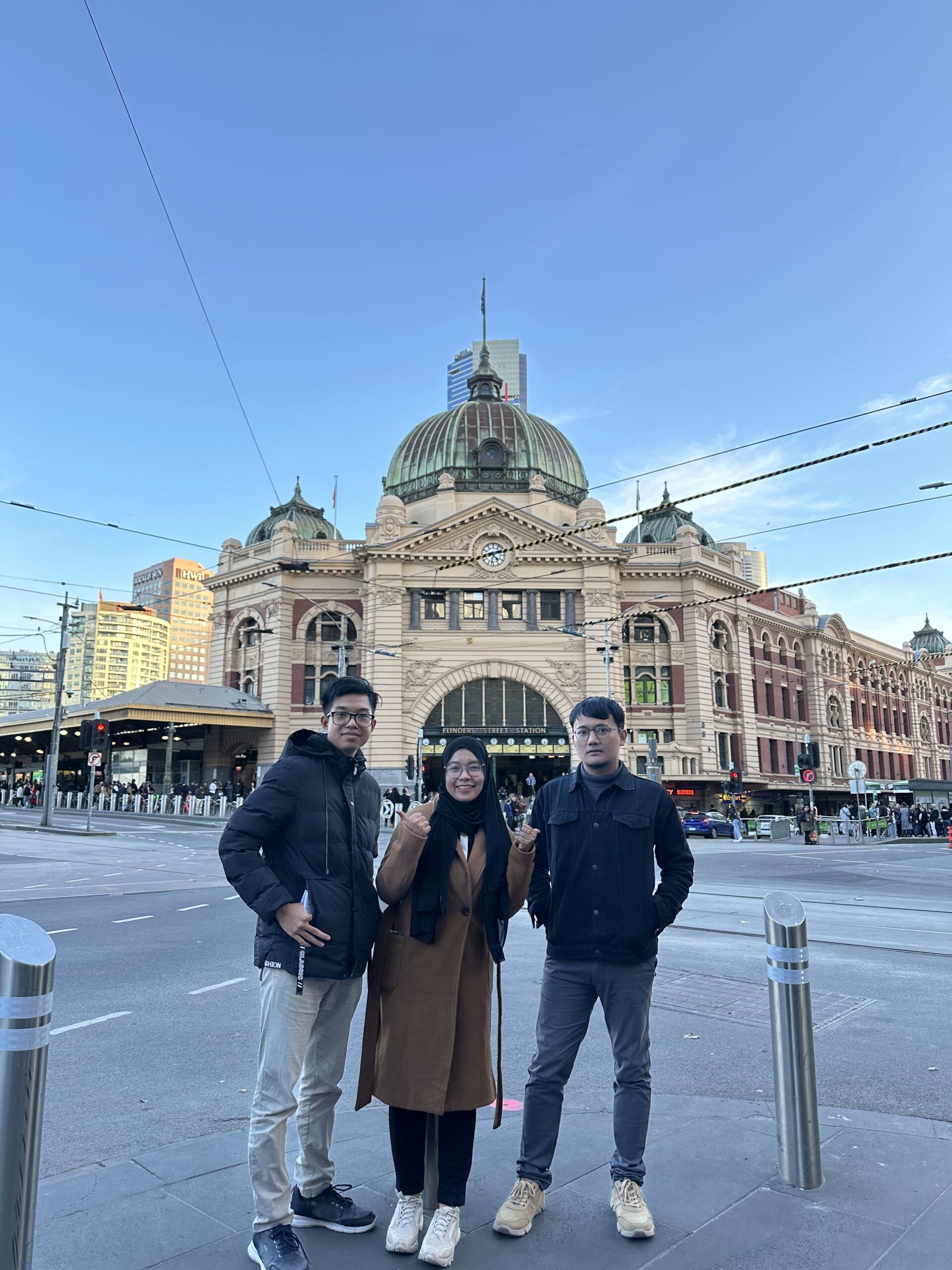
Generally, appreciation given by universities to outstanding students is awarded at the end of their study period. Uniquely, in the Master’s program at the Faculty of Education (FoE) at Universitas Islam Internasional Indonesia, academic recognition is given at the end of the third semester, particularly after the thesis proposal. These students were selected based on their outstanding academic performance and active involvement in various educational projects. Three top students have been given the opportunity to visit Deakin University, Australia. This visit took place from May 15 to May 24, 2024. The primary goal of this visit is to promote cross-cultural understanding in a new educational atmosphere. Additionally, this trip is part of their learning process in completing their theses, providing students with the chance to consult their theses with experts from another university. This valuable experience is expected to enhance their academic knowledge and broaden their international perspectives.
Regarding the cities of Melbourne and Burwood, they exceeded the expectations. Melbourne was thought to be like cities such as Singapore, Dubai, or other modern cities that are rather dull. But that was wrong. Melbourne is incredibly beautiful. Not only is the city well-organized and clean, but there are still many houses that give off an English vibe from the 80s-90s, reminiscent of sitcoms like Mr. Bean. Seeing the scarcity of tall buildings, especially in the area where the stay was in Burwood, where tall buildings are rare, adds to the memorable impression that will be boasted about to friends because of how beautiful and aesthetic the city is.
Nevertheless, the initial experience of visiting Deakin University campus in Burwood left several positive impressions that are still vivid. First, the university buildings looked new, tidy, and highly aesthetic. Never before had the feeling of visiting a university was akin to visiting a 5-star hotel. Perhaps because the person comes from a rural area in West Java, they are easily impressed by modern interior nuances. The campus is serene and calming for a campus located in the midst of the city, in Burwood. Secondly, the person was accompanied by Deb, one of the Deakin staff, who took them on a campus tour.
What impressed the most was when visiting the Visual Art class taught by a lecturer and (in the person's opinion, an artist), Dr. Fiona. She introduced how she teaches her students. Seeing how Dr. Fiona was so enthusiastic and passionate about her field, the person, who was previously indifferent to anything related to music, became enthusiastic as well. Perhaps, the person thought, this is the quality of teachers in developed countries like Australia, where they are not just teaching to make a living but genuinely want to share knowledge with passion and positive energy. Then the person reflected, why was she so enthusiastic and passionate? Perhaps because Australia is a developed country, economically stable, thus it has a good education system. If the economy and education are well intertwined, it will undoubtedly produce the best and most passionate individuals.
In addition to exploring Deakin University Melbourne Burwood campus, we also had the opportunity to visit Deakin University Geelong Waurn Ponds Campus. We were warmly greeted by PhD candidates, Anthony and Lei Bao. Our discussions ranged from conducting PhD-level research to exploring our thesis topics, sparking valuable insights and potential collaborations in academic research.
The highlight of our visit was attending a seminar on Language and Literacy led by Paul Garner. His innovative teaching approach captivated us all. Rather than starting with theory, Paul engaged students in hands-on writing activities, encouraging them to write narratives based on various scenarios. Paul's commitment to interactive learning was evident in his meticulous preparation of materials, which included diverse writing implements and interactive tools like markers and papers. This approach not only enhanced engagement but also provided a deeper understanding of writing narratives.
Overall, Paul Garner’s seminar exemplified effective teaching methods that prioritize student participation and foster a supportive learning environment. Since we are from the faculty of education, this was an enlightening experience that underscored the importance of innovative educational practices in preparing future educators.
According to Eka, educational experiences have given him exposure to various innovative teaching approaches and methods. "It was fascinating to see the 360-degree augmented reality room as part of future education and to discuss teacher-related issues with lecturers at Deakin University." Beyond the theoretical aspect, this visit provided him with the opportunity to experience the learning atmosphere and engage in direct discussions about educational issues in both countries. It allowed him to observe the challenges and opportunities in the world of education while reflecting on the current state of education. This highlights the importance of international collaboration in addressing global educational issues.
The Faculty of Education at Universitas Internasional Indonesia places a strong emphasis on the practical application and global relevance of educational theories. By facilitating such international visits, the faculty aims to bridge the gap between theoretical knowledge and real-world practice. The trip to Deakin University is not just an academic exercise but a strategic effort to prepare students for the global educational landscape. It underscores UIII's commitment to fostering and conducting pioneering research on Islam and Muslim communities and enhancing knowledge and social well-being. Additionally, it showcases Indonesian Islamic cultures as an integral part of global civilization.
Fueling My Passion as a Ph.D. Student for Research and Collaboration within The Global Academic Community
 Fueling My Passion as a Ph.D. Student for Research and Collaboration within The Global Academic Community
By Furqanul Hakim (PhD in Education student batch 2)
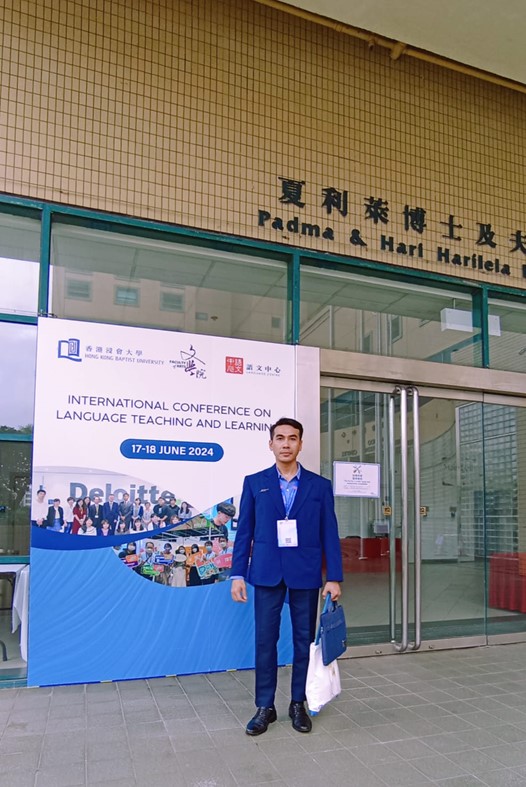
The first time I read the flyer for "The Engagement in the Digital Age: International Conference on Language Teaching and Learning," I was immediately drawn to its engaging theme. Engagement is a topic often discussed in the educational context, especially with the rapid development of Artificial Intelligence. Beyond the theme, the keynote speakers, who will address various challenges in education, particularly in language teaching and learning, made the conference even more enticing. Among them, Prof. Rod Ellis, a renowned expert in the field of language teaching and learning, captured my interest the most. This Curtin University professor from Perth, Australia, has published extensively in books and academic journals, particularly on Written Corrective Feedback.
To achieve my goal of attending and speaking at this annual event, I took several steps to secure both financial and moral support. My first action was to prepare and submit an abstract as part of the application for conference funding. I am very grateful that, after the review process, my article titled "The Implementation of Parliamentary Debate in Language Teaching: A Literature Review on the SINTA Accredited Journals" was accepted for presentation at the international conference hosted by Hong Kong Baptist University.
Following this success, I sought a recommendation from the Dean of the Faculty of Education at the International Islamic University of Indonesia. I am deeply thankful to Prof. Nina Nurmila, who, as the dean overseeing my doctoral program, provided a recommendation. With all the necessary documents in hand, I submitted my application through the Indonesian International Islamic University research institute to secure financial support from UIII's prestigious Conference Funding program. After a period of waiting, my application was approved.
Determined not to waste this opportunity, I thoroughly prepared to represent my alma mater at the conference on June 17-18, 2024. My preparations included reviewing my paper, developing engaging presentation materials, and handling travel arrangements. The support from lecturers and colleagues at the Faculty of Education, International Islamic University of Indonesia, was unwavering.
Reflecting on my participation, I encapsulate the experience with the phrase, "fueling my passion for research and collaboration within the global academic community." This motivational sentiment, often echoed by all our faculty lecturers, emphasizes the importance of expanding our network to become open-minded and well-rounded doctoral candidates. We are encouraged to enrich ourselves with diverse perspectives to deepen our analytical capabilities for future research.
Upon arriving in Hong Kong, I engaged in various activities, including attending keynote presentations and participating in discussions. On the first day, I was particularly impressed by Norbert Pachiler's (2024) insights on the importance of "Engagement" in education. He explored practical dimensions of learner engagement in foreign language learning, which resonated with me as both a teacher and researcher.
June 18 was my presentation day. Scheduled for 11:30, I had 1 hour and 30 minutes to present my paper and engage with the audience. The participants in my session were genuinely interested in my topic, providing valuable feedback, especially regarding the assessment process for measuring the effectiveness of parliamentary debates in language learning. This constructive input will be instrumental for my dissertation in the future. Therefore, the expertise of a doctoral student is best achieved inclusively, by broadening horizons through networking and enriching knowledge from diverse sources.
Norwegian Expert Warns of 'Dangerous Trends' in Academia at UIII FoE Graduate Forum
 Norwegian Expert Warns of 'Dangerous Trends' in Academia at UIII FoE Graduate Forum
July 08, 2024
Contributor: Supriyono | Editor: Dadi Darmadi | Photo: Achmad Jatnika
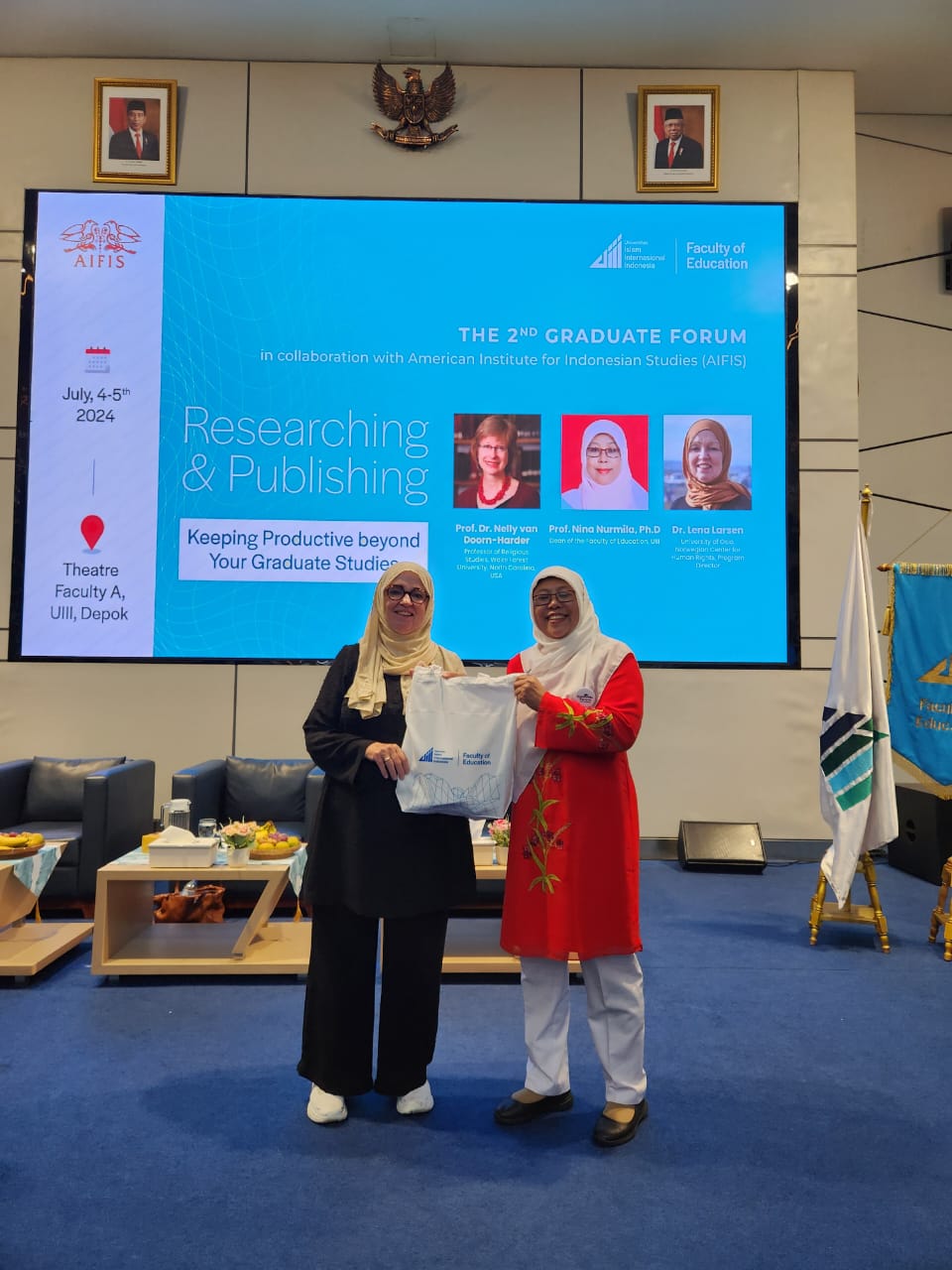
Dr. Lena Larsen, Program Director of the Norwegian Center for Human Rights, University of Oslo, Norway, warned early career researchers about the dangerous trends in academia during the 2nd Graduate Forum of the UIII Faculty of Education, held from July 4 to 5, 2024, in collaboration with the American Institute for Indonesian Studies (AIFIS).
“What we are seeing these days is a dangerous trend. There are two things that I consider as dangerous. First, the ‘mercantilization’ of academia itself,” Dr. Larsen said on the first day of the forum. “It means you are doing your study to obtain something from that degree. You are not focusing on the subject or the process. If you only want to have a diploma, that is not the objective itself,” she elaborated.
The second thing, she continued, is to focus on personal gain and self-interest, meaning that if the desire to promote yourself is bigger than the knowledge itself, then this is dangerous. “You see the biggest diamonds, the stars in the sky. It’s the same as in knowledge, they never promote themselves as good scholars. Instead, they build good personal qualities first,” she said.
Dr. Larsen emphasized that scholarly works is pretty much about doing the right thing. “If you do the right thing, you bring good personal qualities and ethics into it, that’s what will make you strive in academia. Unfortunately, it’s very much forgotten these days in the promotion of materialism of knowledge,” she said.
As a faith-based graduate educational institution, UIII aims to train scholars who not only excel in academia but also foster individuals to have a balance between the material world and spiritual orientation, science and religion, and faith and critical thinking, aided by the spirit of the wasatiyya (moderation) values.
Inspiration and Innovation: Reflections on an Academic Journey at Deakin University

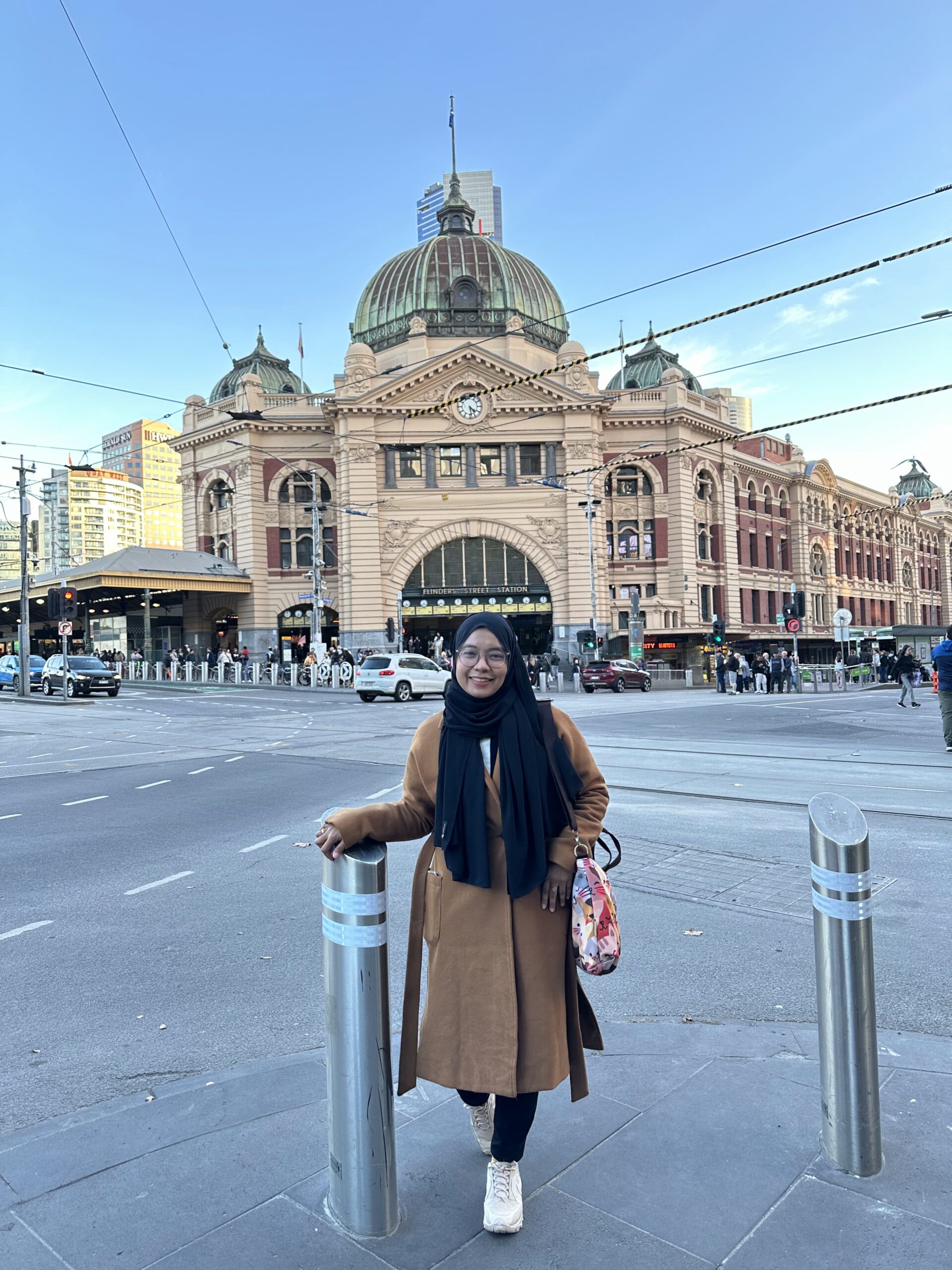
Inspiration and Innovation: Reflections on an Academic Journey at Deakin University
By Iin Afriyanti (MA in Education student batch 2)
During my visit to Deakin University, I had the privilege to experience the academic environment overseas. Upon arrival at the Deakin Burwood campus, my friends and I were greeted by Deb, an academic staff member. She gave us an engaging campus tour. I highlighted a moment when meeting Dr Fiona in her Digital Art room. I can see that she is very passionate about art and education. She showed one incredible picturebook entitled “Shordi Krik” written and illustrated by her students. I was amazed by that lovely picturebook since it showed how engaged the students were with the class as they could produce and create something. I ensured that Dr Fiona’s class would be exciting and meaningful. It is evident when we met Dr Fiona at Deakin Waurn Pounds, she taught us how to play the two songs “Boris the Bassman” and “Tatenda”. I found myself feeling released and getting more energy after having a chance to play and enjoy the instruments. I believe that the integration of art into the educational process is significant.
Besides experiencing the digital art class, my friends and I also had a chance to sit in Paul’s seminar at Deakin Waurn Ponds. I observed that the students bravely shared their perspectives. The class become the safest zone for students to express their ideas. I also could identify that students’ voices mattered and were heard respectfully by Paul. It gives me a new perspective on being a teacher. A good teacher needs to have the ability to listen to the students well, without further judgment. Paul also prepared the class very well. Every single material that will be delivered to the students has been ready and runs smoothly. It showed that he is very experienced in teaching. I observed the method that he used was experiential learning. His students were invited to experience writing a story with various prompts and using several tools. In my view, what Paul’s doing is very beneficial for his students, who are pre-service teachers. The students could directly experience and reflect that the writing process depends on the condition of students and their surroundings. Again, it was fantastic.
The consultation session with Maria also significantly enhanced my understanding of literacy research. We discussed literature and literacy studies, with Maria sharing her research experiences in Australia. Our conversation deepened as we explored Vygotsky's theories relevant to my research. Maria provided invaluable new perspectives that enriched my understanding and offered clearer direction for developing my thesis. In addition, the discussions with three Indonesian and two international PhD students at Deakin University were also enlightening. These conversations reinforced my decision to pursue further studies. The PhD students shared their experiences, covering topics such as approaching our possible research supervisors, securing scholarships, and their journey on their dissertations. One of the most significant aspects I highlighted in the discussions was the emphasis on ethical issues. It became evident to me how deeply Australia, particularly Deakin University, is committed to ethical considerations in research. While ethical issues are also addressed in Indonesia, the focus in Australia appears to be more comprehensive. The PhD students explained that ethical issues have a dedicated segment in their research process, underscoring the importance placed on this area. Despite the cold weather in Victoria, the kindness of the professors and PhD students made the atmosphere feel warm and welcoming.
*Iin Afriyanti is FoE MA program student batch 2, who visited Deakin University, Australia
Prof. Nelly van Doorn-Harder: We Should Not Let the Critics Discourage Us
 Prof. Nelly van Doorn-Harder: We Should Not Let the Critics Discourage Us
July 05, 2024
Contributor: Supriyono | Editor: Dadi Darmadi
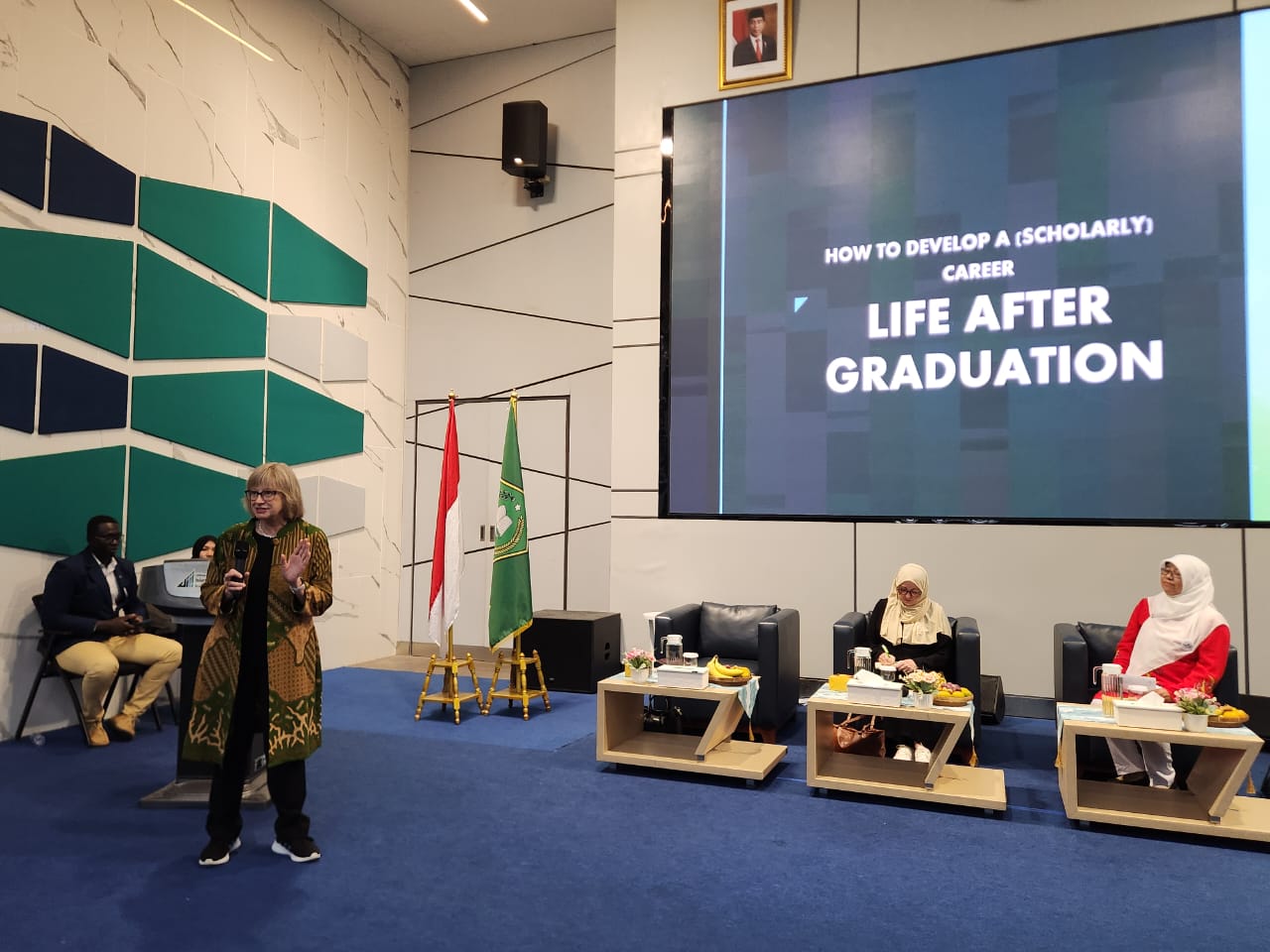
Professor Nelly van Doorn-Harder, an expert in religious studies from Wake Forest University, North Carolina, USA, delivered a keynote speech during the 2nd Graduate Forum at the UIII Faculty of Education (FoE) on July 4, 2024, during which she encouraged UIII students to not afraid of critique when writing scientific works.
“If you write, it’s not the critique that counts. It’s not the man who points out where the strong person stumbles or where the doers of deeds could have done it better. The credit belongs to the person who is actually there in the area,” Professor van Doorn-Harder explained.
She explained that academia is all about conversation and dialogue, thereby criticism is an inseparable part of it. “You participate and contribute one little piece, and if someone says your piece is wrong, that’s totally okay. You know that there are some scholars who spend their lifetime on things that are totally wrong.”
Professor van Doorn-Harder emphasized that the point of critics in academia is to give us room for improvement, and we should not let the critics discourage us but instead, motivate us to further flourish in our scholarly journey. “It’s not about winning, not about losing. But it is about showing up and being seen,” she noted.
As UIII focuses on international graduate education, one of its main objectives is to prepare its students to be competent scholars in their respective fields. We currently offer master’s and PhD programs in a range of fields namely Islamic Studies, Political Science and public policy, economics and sustainable finance, and education. UIII has the mission to provide an inclusive international education aimed at empowering communities and fostering global outreach.
Faculty of Education Holds 2nd Graduate Forum on Researching and Publishing
 Faculty of Education Holds 2nd Graduate Forum on Researching and Publishing
July 04, 2024
Contributor: Supriyono | Editor: Dadi Darmadi
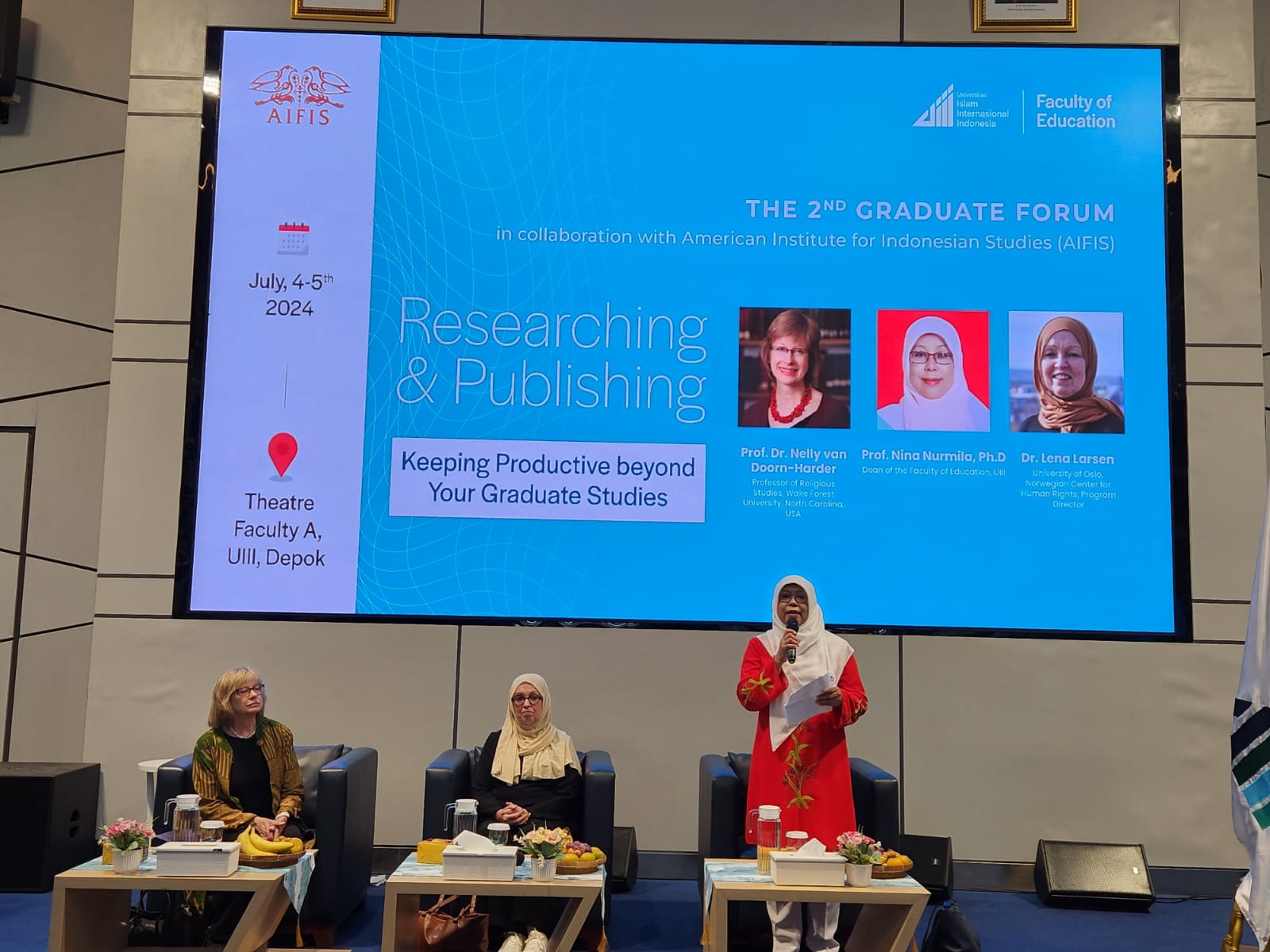
In collaboration with the American Institute for Indonesian Studies (AIFIS), the UIII Faculty of Education (FoE) organized the 2nd Graduate Forum with the topic “Researching and Publishing: Keeping Productive Beyond Your Graduate Studies.” The two-day event, held from July 4 to 5, 2024, aimed to encourage early career researchers to participate in scholarly activities, whether through scientific presentations or publications.
“This program is organized by ESTUDIA, our student organization, and I am glad that all students participated to present their research. We also have two distinguished guests from different continents to deliver keynote speeches, to share tips for researching and publishing,” remarked Dr. Bambang Sumintono, Head of the PhD in Education program, in his opening speech.
This year’s Graduate Forum featured two keynote speeches from Professor Nelly van Doorn-Harder, an expert in religious studies from Wake Forest University, North Carolina, USA, and Dr. Lena Larsen, Program Director of the Norwegian Center for Human Rights, University of Oslo. Moderated by Professor Nina Nurmila, Dean of the UIII Faculty of Education, the lectures guided the audience on conducting research ethically and publishing their scientific work in reputable journals.
This is the second time the UIII Faculty of Education has organized the Graduate Forum. In 2023, the faculty held the 1st Graduate Forum with the topic “Education for All. All for Education,” featuring Assoc. Prof. Bonnie Yim, the Associate Dean of the Faculty of Arts and Education at Deakin University, Australia. As a graduate university, UIII is committed to training novice researchers with all the necessary skills required to become competent scholars in the future.
source: https://uiii.ac.id/events/read/57576/foe-holds-2nd-graduate-forum-on-researching-and-publishing