
UIII Trains Lecturers to Use the Rasch Model for Stronger Educational Assessment

Year: 2024 | Faculty: FIP
Activity date status: Exact activity date not available in the accessible spreadsheet/public sources
Verification note: Only year 2024 is available in the spreadsheet.
Source metadata: PKM: Strengthening Lecturers’ Assessment Competence in Education: The Utilization of Rasch Model | Tim: Bambang Sumintono, Fitri Amalia, Nabila Nindya Alifia Putri
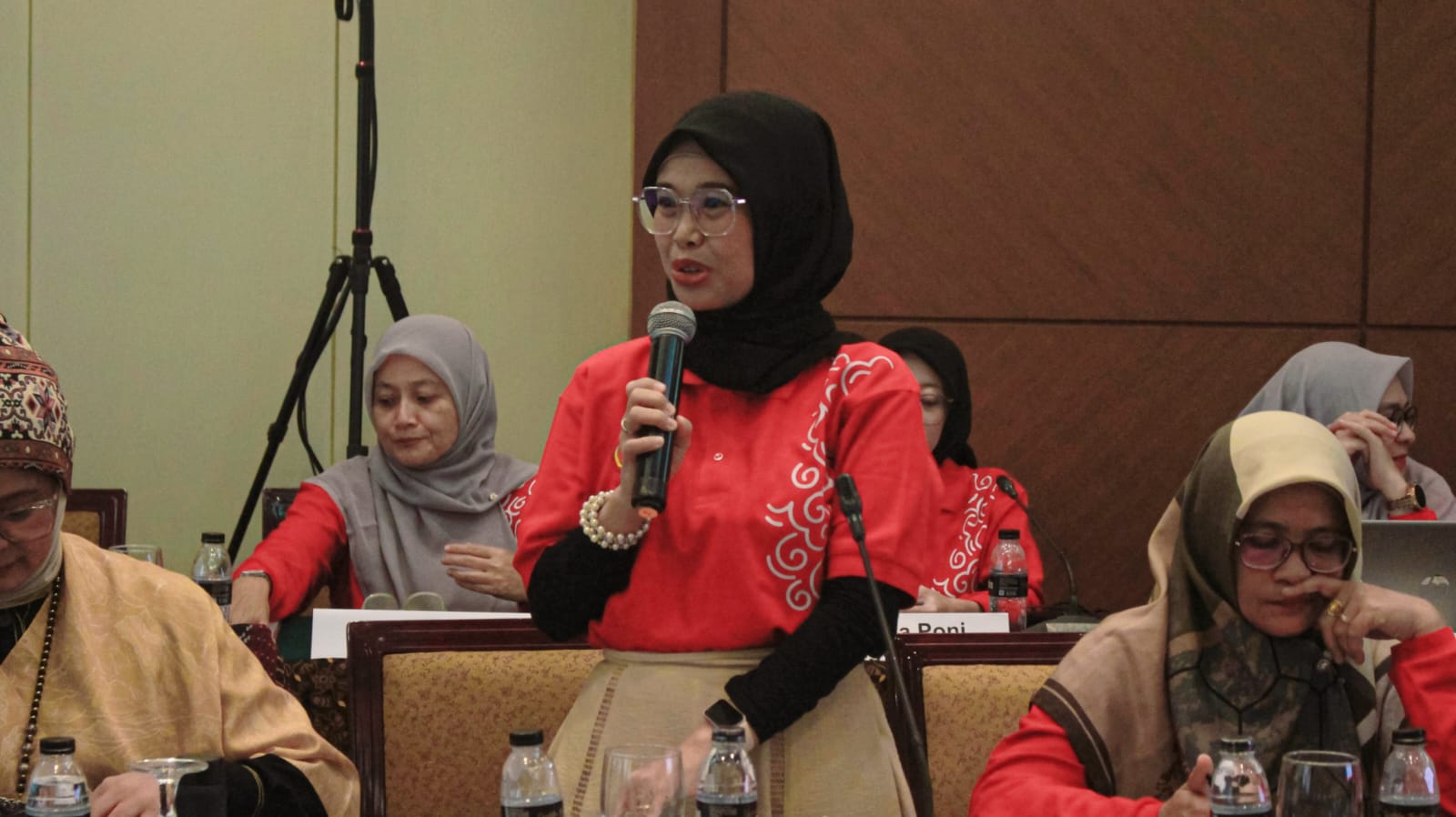
Assessment is one of the most decisive parts of education. A test does not merely produce scores; it shapes how students understand their progress and how lecturers evaluate learning. UIII’s community engagement project on the utilization of the Rasch Model responded to this challenge by strengthening lecturers’ competence in evidence-based educational assessment.
The Faculty of Education team introduced the Rasch Model as a powerful approach in educational measurement. The model helps lecturers examine the relationship between student ability and item difficulty, making it possible to evaluate whether an instrument is functioning as intended. This is important because assessment quality affects fairness, accuracy, and the credibility of academic decisions.
The activity was not only about statistics. It encouraged lecturers to reflect on how assessment instruments are designed, interpreted, and improved. When educators understand the strengths and weaknesses of their instruments, they can revise learning evaluation in ways that better serve students and academic standards.
For UIII, the project shows how technical expertise can support educational justice. A more accurate assessment system helps ensure that students are judged by valid evidence rather than by poorly designed tests or unclear criteria. This is directly relevant to the wider agenda of quality assurance in higher education.
A feature story can make the topic accessible by explaining that better measurement leads to better learning decisions. It should include the training venue, participants, software or analytical tools used, and comments from lecturers about what they learned. The strongest angle is that educational quality is built not only in classrooms and curricula, but also in the instruments used to understand what students have truly learned.

UIII Strengthens Peer Counselors to Help Young People Explore Future Career Paths
Year: 2025
Activity date status: Exact activity date not available in the accessible spreadsheet/public sources
Verification note: Only year 2025 is available in the spreadsheet.
Source metadata: PKM: Narratives for Change: A Community Writing Initiative with Parents to Promote Tolerance, Diversity, and Moderate Values in Children’s Literature | Tim: Tati Lathipatud Durriyah, Lakhaula Sahrotul Aulia, Ajeng Satiti Ayuningtyas Okta Ferdiana, Agus Suprapto
Children learn values not only from formal lessons, but also from stories told at home, in classrooms, and in community spaces. UIII’s Narratives for Change project invited parents to take part in a community writing initiative that promotes tolerance, diversity, and moderate values through children’s literature.
The Faculty of Education team recognized parents as important cultural educators. When parents write or share stories, they help shape how children understand difference, kindness, justice, and coexistence. Children’s literature can make complex values accessible through characters, plots, images, and everyday conflicts that young readers can understand.
The project is significant because values such as tolerance and moderation must be introduced early and gently. Moral education is more effective when children can imagine it through stories rather than receive it only as instruction. A story about friendship across difference, for example, can open a child’s imagination more effectively than a lecture on diversity.
For UIII, the activity combines literacy, family engagement, and peace education. It also shows how community service can empower parents as knowledge producers. They are not merely receiving content from experts; they are creating narratives that reflect their own hopes for children.
A feature article can foreground parents sitting together, writing, revising, and discovering that their experiences can become meaningful stories. Final publication should include examples of story themes, participant reflections, and whether the writings will be compiled or published. The central message is that children’s books can become small but powerful tools for building a more tolerant society.
