

Beyond Tools: Thinking about AI, Education, and our Humanity

Beyond Tools: Thinking about AI, Education, and our Humanity
By Nabila Nindya Alifia Putri
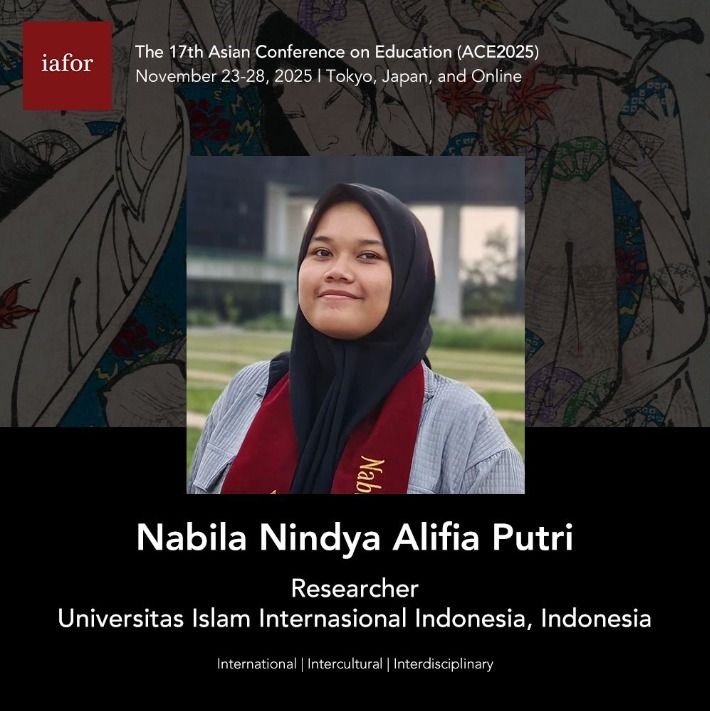
2025 is just around the corner to close its chapter, and on the fourth week of November was truly an unforgottable moment that I will always cherish in my life, at least after I graduated. On the 28th of November, 2025, I got a fruitful opportunity as a panelist at the ACE Online Conference. Academically and personally speaking, the session, “Human–AI Partnership in Teacher Education: Rethinking the Hybrid Teacher of the Future,” challenged me to articulate my research in a broader, global conversation about the future of teaching. The issues explored in the session resonated strongly with the findings of my master’s thesis, which I incorporated into the discussion.
During the panel session, I got asked a question. It was about the ways in which cultural, societal, and contextual aspects influence the way students respond to AI, which led me to reconsider my own research results in a new perspective. My research has demonstrated that there is great cultural focus on academic integrity within the Indonesian schools whereby teachers are expected to adhere to moral standards during the learning process. It also emphasizes the excessive dependence of teachers on community-based and informal learning instead of institutional training and the contextual fact that AI systems do not frequently support local curricula, language standards, and daily learning processes. It taught me that the problems I noticed during my fieldwork are not just technical or practical issues, as there were issues about academic integrity or a lack of infrastructure. Instead they are indicative of deeper questions of what we are as a society, the way we value relationships in the learning process, and how we negotiate change.
As I reflect further upon writing this reflection, these insights feel even more relevant in light of recent ecological disasters across Indonesia, particularly in Sumatra and parts of Java—events that are, in many ways, are consequences of human actions. The process of this happening brought back to me that education is never solely about mastering content or learning to use technology, but it is also about molding conscience, responsibility, and care. This lowkey gave me a silent hope that someday AI would not only be incorporated into the process of learning due to ease or effectiveness. I wish to believe that with the development of AI, we will be able to use AI to teach what really matters as well as our connection with the environment. Perhaps, we can have such simulations one day with the help of AI, or a virtual reality (VR) experience that lets students observe the life cycle of trees, the sensitivity of ecosystems, or the effects of environmental destruction. It is only a hope, which is a possibility in the future, but I was left convinced by this panel that it is a part of our job as educators to make ourselves believe that such possibilities exist.
Speaking in front of a global audience was not only challenging but also empowering. I needed to express myself, answer on the spot, and present the Indonesian context in a positive manner. At one point, the discussion was flowing smoothly that I encountered a sense of connectedness, not just to the panelists, but to the whole audience who cared about the future of education. It made me remember again on why I decided to pursue this field. In general, this experience taught me that insights from local contexts bear a great, yet universal importance. Personally, I also became developed. I learned that:
- I am able to address myself confidently, especially in global contexts,
- my research bears depth and relevance beyond local context.
What I take from this experience is a renewed sense of purpose. It further intensified my desire to investigate the problem of AI literacy, teacher identity, and educational ethics, yet also helped me to remember the larger mission of education itself. The panel session gave me a reality to be more grateful, solid, and hopeful person who has much to do in a world where technology and humanity develop in mutual communion, not only in order to be efficient, but in order to be caring, thoughtful and understanding of our world. And in most respects, this vision is also consistent with what I have studied during my masters study in the Faculty of Education at UIII: a place which has helped me to consistently think of education as a transformative power based on ethics, justice, responsibility to the society, and the environment.
Lastly, let’s take a moment to give our thoughts and prayers of our brothers and sisters affected by disasters in Sumatra, Java, and other places affected by disasters in Indonesia. May we always be given strength and fortitude to get through everything.
With Gratitude, FOE UIII Bids Farewell to Dr. Budi Waluyo and Dr. Taufik Ikhsan Slamet
 With Gratitude, FOE UIII Bids Farewell to
Dr. Budi Waluyo and Dr. Taufik Ikhsan Slamet
Contributor & Photo by Achmad Ulyani
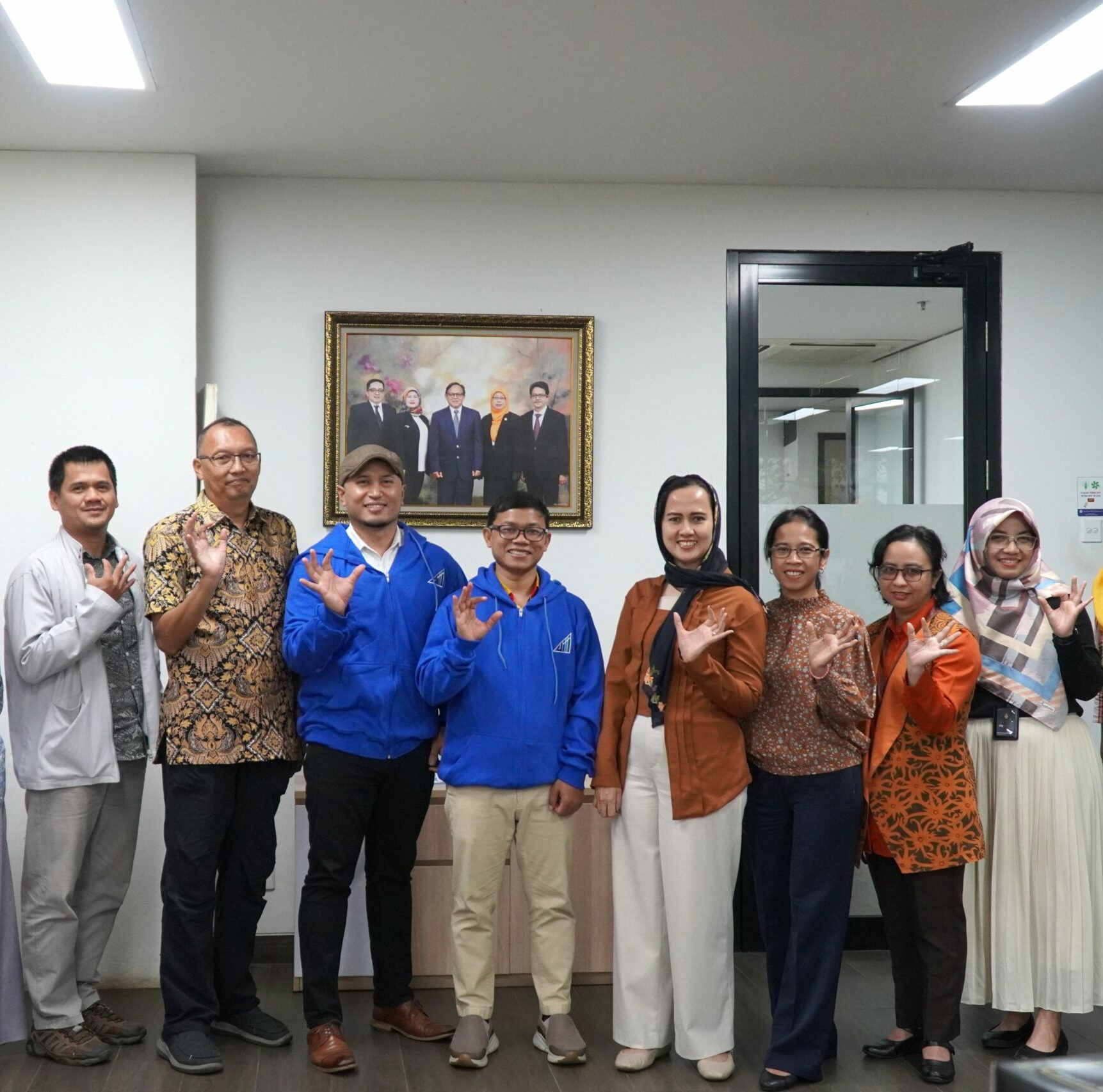
The Faculty of Education (FOE), Universitas Islam Internasional Indonesia (UIII), held a warm and intimate farewell lunch on Thursday 27 November 2025 to conclude the Scholar-in-Residence period of Dr. Budi Waluyo and Dr. Taufik Ikhsan Slamet, which took place from 1 September to 30 November 2025.
Throughout their stay, both scholars enriched the academic environment of FOE. Dr. Taufik Ikhsan Slamet delivered a well-attended public lecture on 21 October 2025, titled “Learning Through Playing: Games as Pathways to collaboration and social change” he specializes in education technology, learning, and games. While Dr. Budi Waluyo also delivered a well-attended public lecture on 25 November 2025, titled “Financing Education in Indonesia: His, Politics, and The Making of Controversy” he expertise lies on public management it specializes on governance of public service organizations. Their presence at FOE has enriched academic discussions, offered insightful guest lectures, encouraged many collaborative dialogues, and delivered meaningful learning experiences for UIII students, researchers, and faculty members.


In hosting the farewell lunch at the Smart Meeting in Faculty A, FOE UIII expressed its deepest appreciation for the scholars’ remarkable contributions. Their active involvement, intellectual generosity, and commitment to dialogue have left a meaningful and lasting impact on the faculty’s academic atmosphere.
FOE UIII extends its heartfelt gratitude to Dr. Budi Waluyo and Dr. Taufik Ikhsan Slamet, and looks forward to future opportunities for collaboration, shared learning, and continued academic partnership.


Mapping Discourse Visually: Why DNA Deserves a Place in Every Emerging Researcher’s Toolkit

Mapping Discourse Visually:
Why DNA Deserves a Place in Every Emerging Researcher’s Toolkit
By Nurul Izzah Febilia
A question commonly aksed by novice researchers is this: which tool is actually more worth using, DNA, Nvivo, or Quirkos? and why?
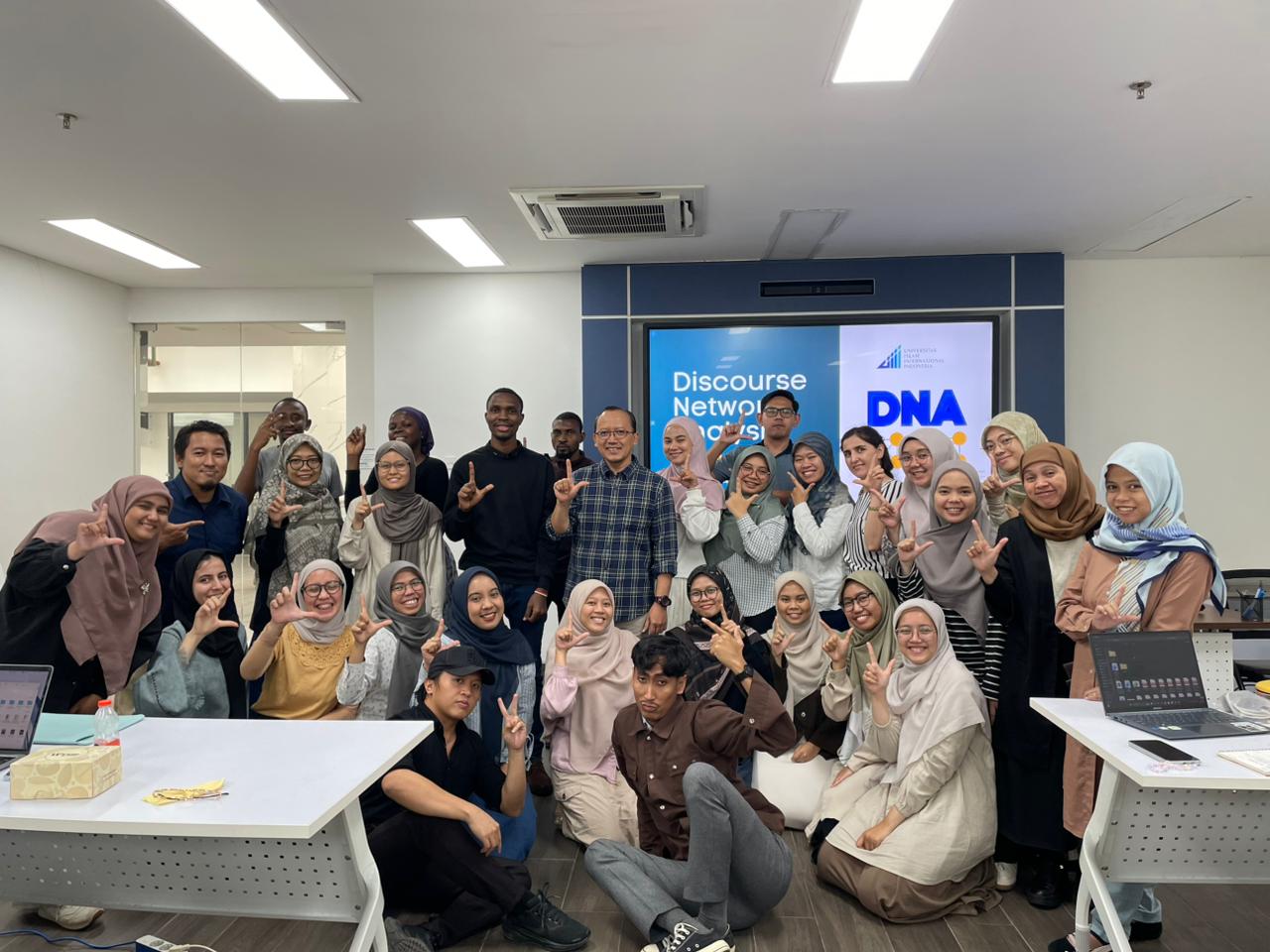
Last Monday, November 24, Estudia held a workshop on Discourse Network Analysis (DNA) for qualitative data analysis by Dr. Lukman Nul Hakim. Participating in the workshop to operate DNA and Visone is a complement to the experience that students really need. In the previous year, students also received a workshop on how to operate Quirkos and Nvivo on other occasions. Initially, I understood that this workshop was an introduction to qualitative data analysis applications. But as the session progressed, it became increasingly apparent that the DNA approach could open up new perspectives on how discourse is analyzed in depth and visualized in a more informative way. Thus, this activity is not only technical training, but also the entrance to a more creative and systematic approach to research.
Before the workshop started, the question I brought up when participating in this workshop was which one would be more worth it and will be used later: Quirkos, Nvivo, or DNA? Discussions about the advantages of each application often arise in the academic environment, considering that each one has its own characteristics and strengths. However, this DNA workshop offers a fresher perspective. In addition to providing an understanding of how a discourse can be mapped, analyzed, and visualized through a network approach, the workshop also affirmed a significant advantage: both DNA and Visone can be used for free. Dr. Lukman clearly said that if you want to use Nvivo or Quirkos optimally, then the investment is to subscribe to the paid version. This comparison is an important point for students who are looking for an effective and affordable tool.
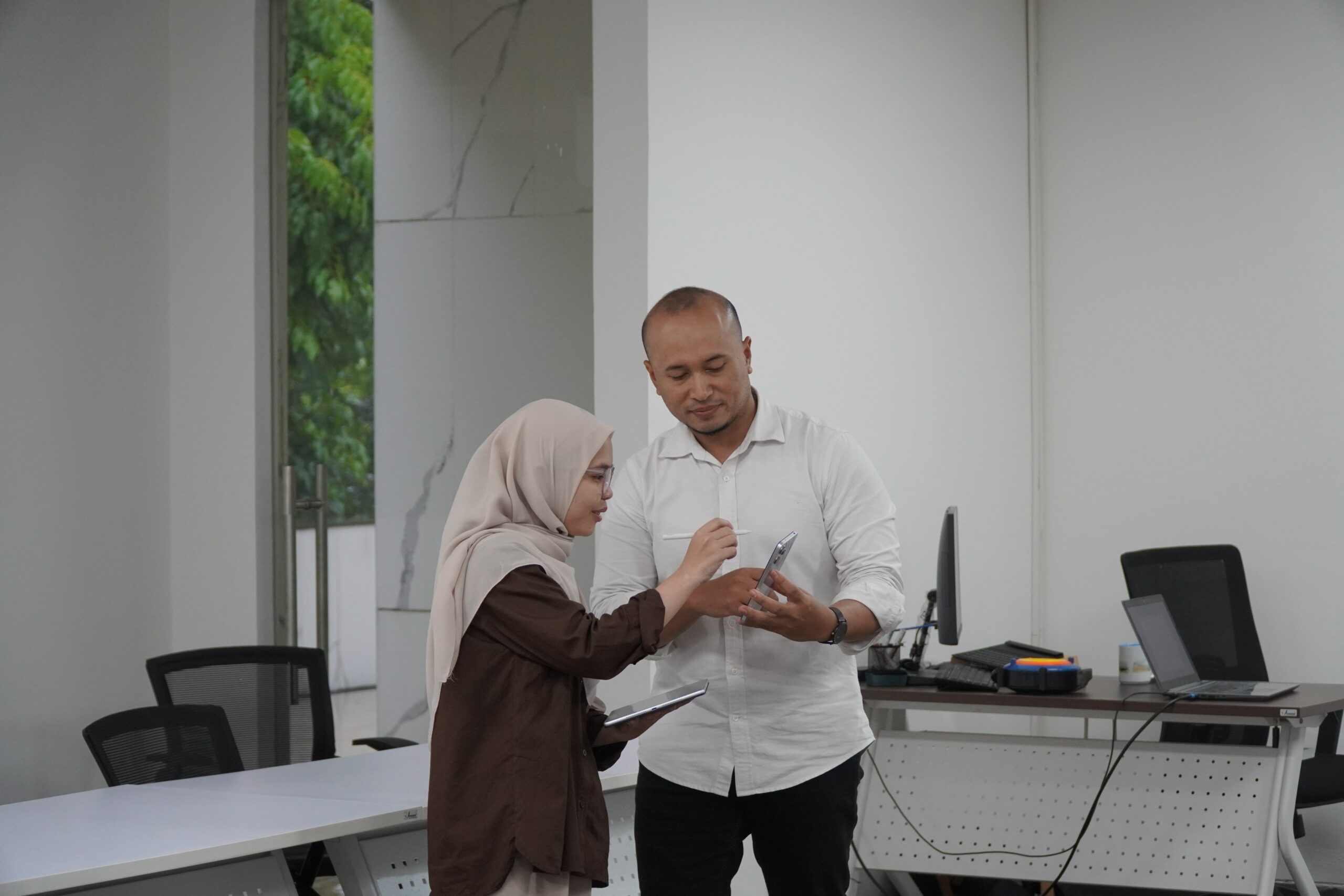
The practice session using DNA software was then continued with Visone, and this part was one of the most interesting. Both software are relatively easy to operate, especially with Dr. Lukman's direction which is smooth and easy to follow. Participants not only learn how to read the network, but also how to construct it and interpret the relationships between nodes. This process is much more challenging and at the same time more satisfying than just reading theories. Even so, there was a slight technical problem for some participants in the form of a truncated software display so that the navigation buttons at the bottom were not visible. This appears on some laptops, possibly due to screen resolution or inappropriate display settings. The temporary solution used is to disable the laptop's taskbar so that the cursor can reach the button. This obstacle is an important note so that participants can anticipate similar situations in the future, especially when working with visual software.
 At the end of the activity, I asked several participants about their impressions after taking part in the workshop. Almost all of them state that this software is relatively easy to operate, especially for new users compared to other qualitative analysis applications. Of course, it has the advantage of not requiring license fees. The biggest challenge remains the coding process, which takes time and practice to get done quickly and accurately. Interestingly, a number of participants who had previously used other software such as Nvivo stated that after participating in this workshop they tended to use DNA for their next research. This collective reflection shows that the workshop is a very valuable scientific complement, as if it is a complement that wraps the learning in the Educational Research Methodology and Statistical Analysis courses with network-based qualitative analysis practices.
In the end, I realized that the opportunity to participate in this workshop for free was a great privilege. This opportunity complements the learning experience because both the campus and the faculty are very supportive of students by continuing to provide learning spaces, support, and facilities that make me feel valued as part of an academic community that is serious about building the capacity of its students. I feel very fortunate to have been part of an environment that encourages students to develop without limits. In this case, gratitude must also be given to Estudia, the faculty, and the entire team who have facilitated activities that are very supportive of students.
Furthermore, as a student at the faculty of education, I see additional benefits of this workshop from a different perspective. It not only provides a technical insights into qualitative analysis, but also demonstrates how complex material can be taught effectively. The way Dr. Lukman teaches is indeed impressive. However, his ability to teach an application in a light, clear, and systematic way became a note-taking for me in increasing the capacity of learning methods as a teacher. I can affirm that one of the reasons why this tool feels so convincing is the way the instructor presents the material. The structured approach, complete with technical guidance such as "if you want results like this, click on these sections", makes the learning process feel logical and easy to follow. A strong pedagogical approach made me not only learn tools, but also learn the learning methods themselves.
Overall, this DNA and Visone workshop provided new understanding, new skills, and greater confidence to face qualitative research, especially in the context of writing a thesis later. This experience is felt not only as technical training, but as an intellectual investment that enriches academic perspectives and research practices within the Faculty of Education, and I look forward to similar activities in the final year of my studies.
Exploring Game-Based Learning Methods: FOE UIII workshop integrating creativity and education
 Exploring Game-Based Learning Methods: FOE UIII workshop integrating creativity and education
Contributor & Photo by Achmad Ulyani
In today's educational landscape, educators are required to provide creative and innovative methods to increase student interest and enhance interactive participation. One approach that educators need is game-based learning, a method that combines game elements with the learning process, making it more engaging and easier to understand. Based on this need, the Faculty of Education at the Universitas Islam Internasional Indonesia held a workshop focused on the use of Scratch in learning, which took place on November 17-18, 2025. Led by Dr. Taufik Ikhsan Slamet, the workshop introduced Scratch's visual programming language and provided practical lessons on creating simple games.
Scratch is a visual programming platform developed by the MIT Media Lab to help novice users, especially teenagers and educators, learn basic coding concepts. The programming language in Scratch is presented through animated and colorful blocks that are easy for users to assemble and manipulate. Each block represents a specific command or function, allowing users to easily understand coding logic without having to deal with syntax. The Scratch platform not only simplifies the process of learning to code but also encourages creativity and computer-based thinking through projects that can be freely explored.
Dr. Taufik Ikhsan Slamet commenced the workshop by providing a comprehensive overview of the functions associated with various categories of blocks in Scratch. The Events block serves as the mechanism for initiating a sequence of commands based on specific triggers, such as the activation of a button or the interaction with a sprite (an object or character within Scratch). The Motion block is responsible for managing the movement of a sprite, enabling it to shift its position, slide to designated coordinates, or rotate in a specified direction.
The Looks block allows participants to enhance the visual aspects of a sprite, including the addition of text, costume changes, and size adjustments. The Sound block facilitates the integration of music and sound effects into projects. Finally, the Control block offers critical functionality, including loops (which execute repetitive commands), if-then commands (which enact specific actions contingent upon certain conditions), and sensing capabilities that enable the sprite to respond to user input or movement.
Participants were also taught about operators and variables. Operators are a collection of blocks used to perform mathematical operations such as score calculations, logic (for example, if a sprite touches something and the user presses a button, the next command will be executed), and text manipulation, which allows a program in Scratch to process words or sentences. Variables, on the other hand, serve as storage for information that the program needs, such as scores, lives, and other relevant data.

After learning the various functions of programming blocks in Scratch, workshop participants were then trained to create a simple game. At this stage, participants began to design the game flow, define characters or sprites, and manage interactions using blocks such as events, motion, and controls. Through trial and error, participants learned how each programming element is interconnected and affects the player experience. This exercise not only strengthened their technical understanding but also fostered creativity and systematic thinking skills in designing educational games.
By learning Scratch and practicing the creation of simple games, FOE UIII students not only gained technical skills in visual programming but also gained an understanding of how technology can be used to design more creative and interactive learning experiences. Through this workshop, participants are expected to be able to transform the knowledge they gain into more innovative learning methods, thereby increasing student motivation and engagement in the classroom. This workshop also serves as a first step for FOE UIII students to utilize game-based learning as part of educational practices that are relevant and adaptive to current needs.
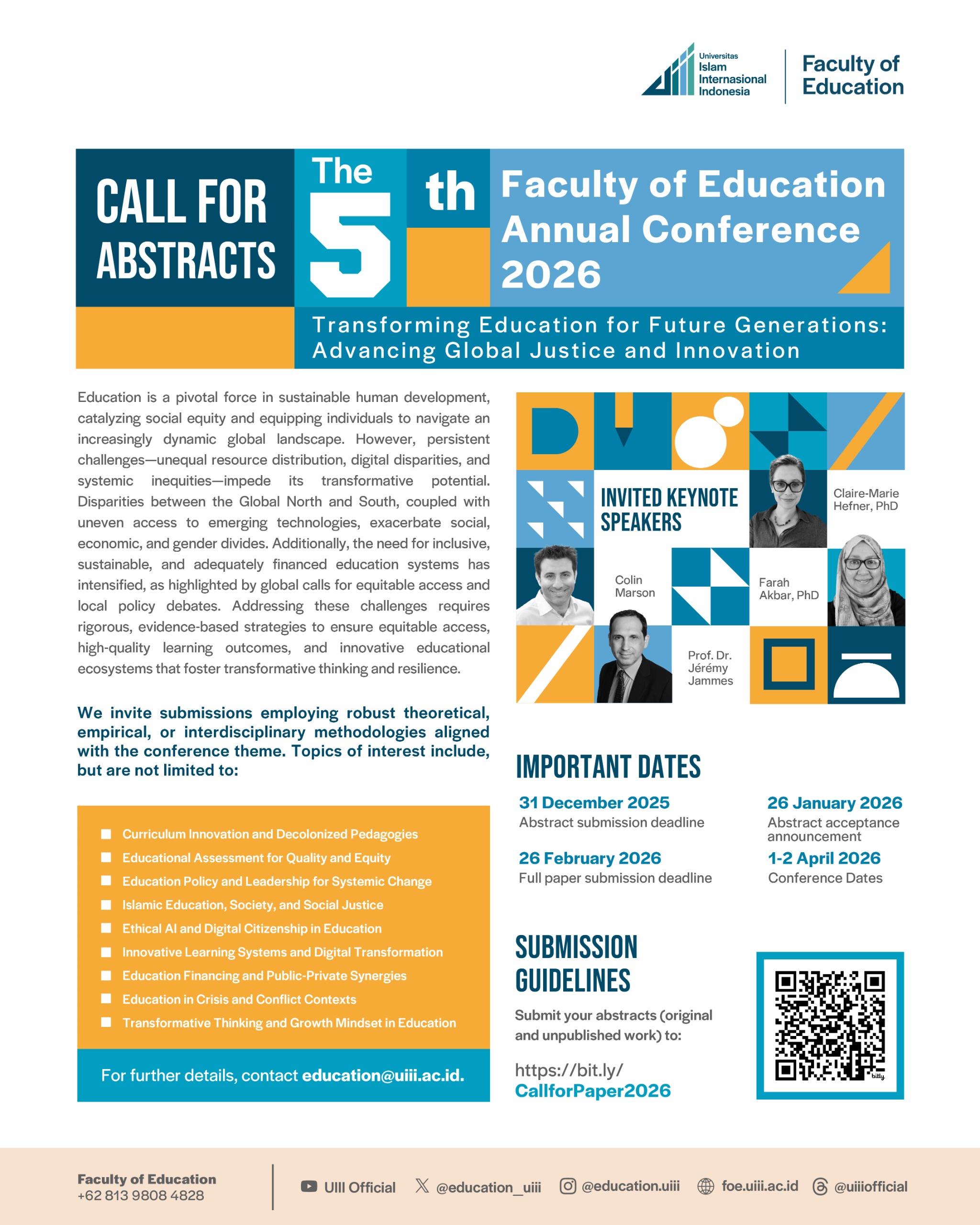
Call for Abstracts: The 5th Faculty of Education Annual Conference 2026 Transforming Education for Future Generations: Advancing Global Justice and Innovation

Call for Abstracts: The 5th Faculty of Education Annual Conference 2026
Transforming Education for Future Generations: Advancing Global Justice and Innovation
Education is a pivotal force in sustainable human development, catalyzing social equity and equipping individuals to navigate an increasingly dynamic global landscape. However, persistent challenges—unequal resource distribution, digital disparities, and systemic inequities—impede its transformative potential. Disparities between the Global North and South, coupled with uneven access to emerging technologies, exacerbate social, economic, and gender divides. Additionally, the need for inclusive, sustainable, and adequately financed education systems has intensified, as highlighted by global calls for equitable access and local policy debates. Addressing these challenges requires rigorous, evidence-based strategies to ensure equitable access, high-quality learning outcomes, and innovative educational ecosystems that foster transformative thinking and resilience.
The Faculty of Education at Universitas Islam Internasional Indonesia (UIII) invites scholars, policymakers, educators, and researchers to submit abstracts and papers for the 5th Annual Conference, to be held in 2026, under the theme "Transforming Education for Future Generations: Advancing Global Justice and Innovation." This two-day hybrid conference will serve as a global platform for interdisciplinary dialogue, empirical research, and policy-relevant solutions, drawing on UIII’s Faculty of Education concentrations: Curriculum, Teaching, and Learning; Educational Assessment and Evaluation; Education Policy, Management, and Leadership; and Education and Society. The conference aims to address pressing challenges in global education, from ethical AI integration to fostering growth mindsets and equitable financing.
We invite submissions employing robust theoretical, empirical, or interdisciplinary methodologies aligned with the conference theme. Topics of interest include, but are not limited to:
* Curriculum Innovation and Decolonized Pedagogies: Designing inclusive curricula and teaching practices that integrate diverse cultural, historical, and Islamic perspectives to foster equitable, innovative and deep learning environments,
* Educational Assessment for Quality and Equity: Advancing evidence-based assessment and evaluation methodologies to ensure high-quality, inclusive learning outcomes, particularly for diverse and marginalized groups.
* Education Policy and Leadership for Systemic Change: Formulating policies and leadership strategies to promote global partnerships, sustainable financing, and resilient education systems, linked to the Education Policy, Management, and Leadership concentration.
* Islamic Education, Society, and Social Justice: Investigating education’s role in promoting social cohesion, civic engagement, and equitable access for girls, boys, and disadvantaged groups, especially in conflict-affected regions.
* Ethical AI and Digital Citizenship in Education: Leveraging artificial intelligence and digital technologies to enhance learning while addressing ethical challenges, algorithmic biases, and access disparities.
* Innovative Learning Systems and Digital Transformation: Developing hybrid, lifelong, and technology-enabled learning ecosystems to shift paradigms from traditional schooling to flexible, inclusive learning.
* Education Financing and Public-Private Synergies: Creating sustainable funding models through public-private partnerships to support free education mandates and strengthen school ecosystems, particularly in underserved areas.
* Education in Crisis and Conflict Contexts: Ensuring children’s right to education in times of conflict and displacement through resilient school ecosystems and global partnerships.
* Transformative Thinking and Growth Mindset in Education: Fostering resilience, adaptability, and innovative thinking in learners and educators through evidence-based pedagogical and policy interventions to promote lifelong learning and equitable educational outcomes.
Submission Guidelines
Submissions should be original and unpublished
Please submit contributions to: https://bit.ly/CallforPaper2026
Important Dates:
- Abstract submission deadline: 31 December 2025
- Abstract acceptance announcement: 26 January 2026
- Full paper submission deadline: 26 Februari 2026
- Conference dates: 1-2 April 2026
Best Paper Awards:
Selected paper(s) will be awarded up to IDR 7,500,000.
This conference is free of charge . However, participants are expected to cover their own travel and accommodation expenses.
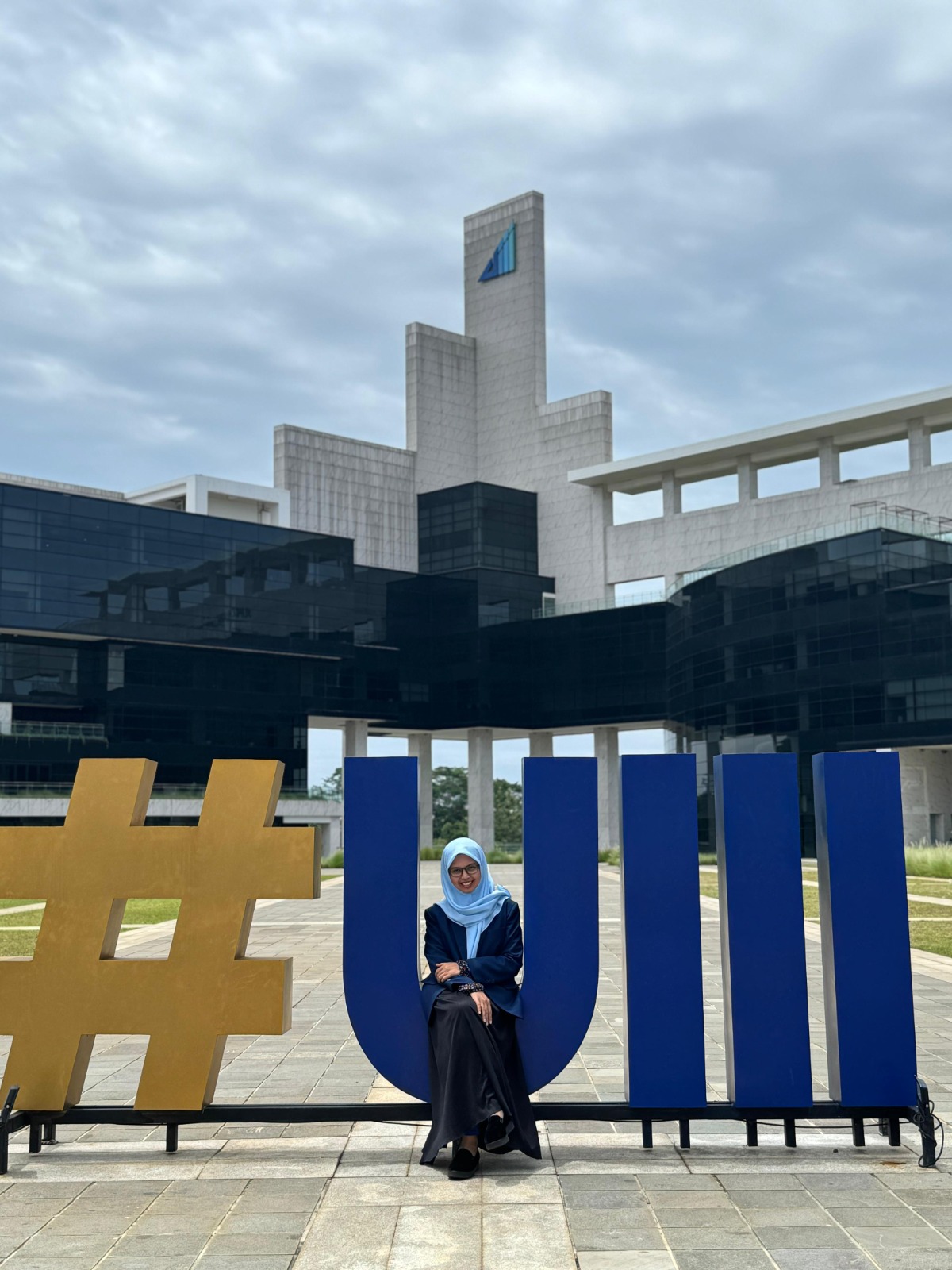
Growing through Imperfection and Purpose: Reflections on AICIS+ 2025
 Growing through Imperfection and Purpose: Reflections on AICIS+ 2025
By Nanik Yuliyanti
This year, on its 24-year journey, The Annual International Conference on Islamic Studies (AICIS) that initially focused on traditional religious studies, evolved into AICIS+: the Annual International Conference on Islam, Science, and Society. This shift marked a bold new direction toward larger and deeper impact.
For me, it has been an honor to be part of AICIS+ 2025, an experience that was as humbling as it was inspiring. From the moment the conference opened at Universitas Islam Internasional Indonesia (UIII), I felt the weight of its ambition: to bridge Islamic scholarship with science, society, and sustainability (bridging tradition and innovation to shape a better future). This year’s theme, Islam, Ecotheology, and Technological Transformation: Multidisciplinary Innovations for an Equitable and Sustainable Future, resonated deeply with me, not only as a PhD student at faculty of education UIII that juggling with courses and researches, but also as someone who strives to live a meaningful and impactful life.
This was actually my second year engaging with AICIS. Last year, hosted by UIN Walisongo Semarang, I participated as a presenter from UIII. I shared my paper in a panel session and received sharp and intellectually nourishing feedback from two Indonesian professors who served as discussants. This year, I returned in a different role: as an event volunteer and moderator for three panels: Ecotheology and Environmental Sustainability, Decolonizing Islamic Studies, and Peacebuilding and Humanitarian Crisis. Each panel offered rich perspectives, but also revealed the logistical challenges of organizing a conference of this scale. For example, many assigned discussants were absent, and speakers openly expressed their disappointment, having hoped for expert feedback to refine their works.
AICIS+ 2025 was a first for UIII in many ways. It tested the limits of our infrastructure, our coordination, and our capacity to host hundreds and even thousands of scholars and participants from across Indonesia and abroad. And yet, it also revealed our potential. The Rectorate Building, mosque, library, and faculty halls buzzed with energy and authenticity, drawing admiration from participants and guests alike. The sessions were intellectually vibrant, and the side events, from the Edu Expo to the Halal Festival, added layers of engagement beyond the academic. However, since there were many different activities and events held at the same time, the participants as well as the volunteers and organizers were quite hectic and exhausted. At times, the main venue felt unexpectedly quiet, with only a few participants scattered across the space, perhaps a result of simultaneous sessions spread across multiple venues and buildings.

Still, there were valuable moments that prompted reflection. During the panel of Ecotheology and Environmental Sustainability, as also mentioned by Dedi Mulyadi (Governor of West Java) during his last visit to UIII, this university is proudly branded as a green campus, yet many of its buildings are dominated by glass walls with no operable windows. This architectural choice, while visually striking, raises questions about sustainability and comfort. As someone moderating a panel on ecotheology, I couldn’t help but notice the irony. To this extent, I was struck by another reminder that even in our pursuit of innovation, we must remain critical and grounded. In fact, this was not just a critique, but an invitation: come visit UIII, and witness not only its architectural beauty, but also its ongoing efforts to grow toward meaningful innovation and sustainability.
Another valuable lesson I took from this experience is about the importance of empathy. As an event volunteer and moderator, I had to navigate different personalities, expectations, and frustrations. I saw how participants reacted to difficulty in finding the venues, confusing information and instructions, delays, missing discussants, and logistical hiccups. Some were gracious, others were less so. Had I been a participant and presenter, I might have felt the same. But knowing how tirelessly the organizing team worked behind the scenes, I also understood the complexity and constraints we all faced. Moreover, I believe that behind every complaint, there was a desire to be heard, to be valued. And behind every effort from the organizing team, was a commitment to make this conference meaningful and impactful. And speaking from my own experiences, sometimes, I feel like criticism helps us grow faster and stronger than praise or encouragement. It sharpens our awareness and pushes us to transform and improve. So, though it’s not always easy, I believe we should embrace criticism and move forward with it.
Furthermore, I also learned that growth often comes from knowing our limits, and then gently pushing past them. This year, we saw how far UIII could stretch to accommodate a global conference. We saw what worked, and what didn’t. But more importantly, we saw that there is no fixed limit, only opportunities to learn, reflect, and grow.
Last but not least, AICIS+ also made me reflect on Indonesia’s place in the global imagination and perception. Ask someone abroad about Indonesia, and they might say Bali, Borobudur, Monas, or many tropical beaches and islands. Rarely do they mention Islam, despite Indonesia being the largest Muslim-majority country in the world. UIII was built to change that narrative. It aims to become a center of Islamic scholarship that is globally engaged and locally rooted. Through AICIS+, we take one step closer to that vision. It’s a long journey, but not an impossible one.
This year’s conference was not perfect, but it was purposeful. It reminded me that imperfection is not failure, it is feedback and raw material for growth. And when we approach it with humility and hope, it becomes a blessing. To everyone who made AICIS+ 2025 possible, thank you. Thank you for the memories, the lessons, and the teamwork. May our efforts bring new opportunities, deeper understanding, and meaningful impact.

UIII at the Crossroads: FoE Leads Strategic Discussion on University’s Future

Contributor: Supriyono | Photo: Atia Adjani
The UIII Faculty of Education (FoE) hosted a thought-provoking roundtable discussion titled “UIII at the Crossroads: Political Support, Financial Sustainability, and Survival Strategies.” The event brought together UIII’s university leaders, faculty members across disciplines, and education staff to engage in a candid reflection on UIII’s current position and future direction as a world-class university with Islamic identity.
The discussion, held at the Rectorate Building, was facilitated by the Faculty of Education as part of its ongoing commitment to fostering intellectual dialogue around institutional development and higher education reform.
In her opening remarks, Prof. Nina Nurmila, PhD, Dean of the Faculty of Education, described the session as a moment of self-reflection and shared vision. She emphasized that UIII’s strength lies in its ability to view itself critically and collectively.
“Today we are not only talking about UIII’s administrative structure or funding model,” Prof. Nina said. “We are talking about ‘us’. To become a world-class university, we must be visionary, but also grounded in our shared values and identity.”

The roundtable featured Dr. Budi Waluyo, Scholar-in-Residence at the Faculty of Education and Associate Professor at the Department of State Financial Management, PKN STAN, as the discussion chair. Drawing from his research on Islamic higher education reform and public management, Dr. Waluyo explored the “existential questions” confronting UIII: existence, identity, and purpose.
He posed a central question that resonated with participants: “Are we fading away, or are we becoming more visible and leading?” Through this question, Dr. Waluyo invited attendees to examine the university’s standing amid evolving political support, increasing financial demands, and the push for autonomy within Indonesia’s Islamic higher education landscape.
Dr. Waluyo’s presentation outlined the critical balance UIII must maintain between state dependency and institutional independence. He highlighted the importance of building sustainable income streams through research collaborations, consultancy, and asset optimization.
“When I first came to UIII, I was mesmerized by the mosque. It embodies the Quranic description of heaven — a dwelling beneath which rivers flow. This truly reflects the spirit of UIII, envisioned as a place where such beauty and serenity can flourish,” Dr. Waluyo said.
“Perhaps it was designed to evoke that very feeling — that upon entering this campus, one feels as though entering paradise. As the architect once envisioned, the mosque should have rivers flowing around it to symbolize heaven itself. Now, it is up to us to bring that vision to life,” Dr. Waluyo added.
Moderated by Dr. R. Alpha Amirrachman, Lecturer at the Faculty of Education, the discussion evolved into a dynamic exchange among participants representing UIII’s various faculties. Conversations centered on political advocacy, talent management, governance reform, and the preservation of Islamic academic identity within global education frameworks.
Through this roundtable, the Faculty of Education reaffirmed its role not only as an academic hub but also as a catalyst for institutional reflection, inviting the broader UIII community to engage in the ongoing question: Where are we heading, and who do we want to be?
source: https://uiii.ac.id/uiii-at-the-crossroads-foe-leads-strategic-discussion-on-universitys-future/
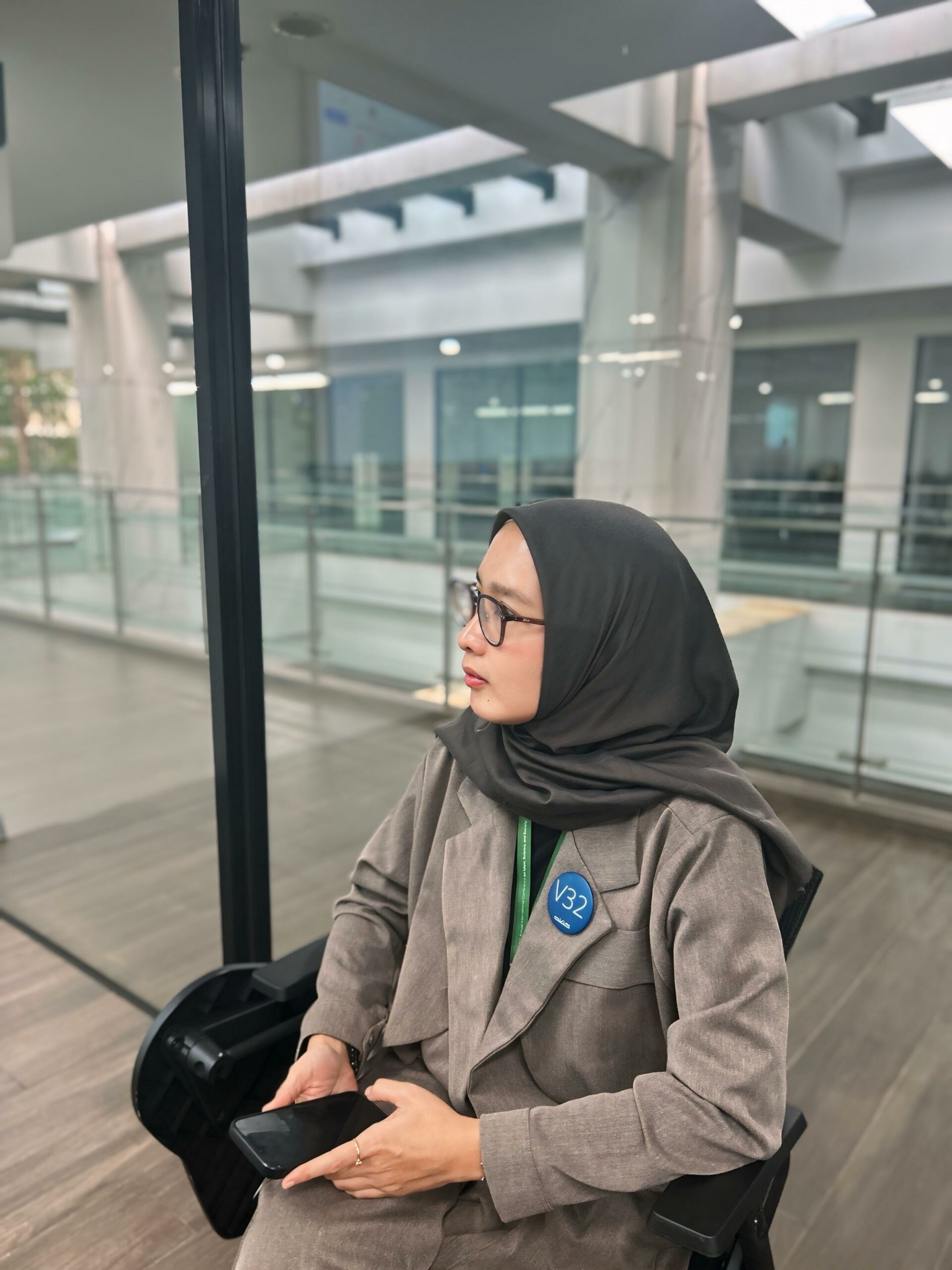
AICIS+ 2025 Wasn’t a Conference, It Was a Statement! A Reflection on how AICIS+ 2025 redefined the future of Islamic Scholarship in Indonesia
 AICIS+ 2025 Wasn’t a Conference, It Was a Statement! A Reflection on how AICIS+ 2025 redefined the future of Islamic Scholarship in Indonesia
By Rahayu
Stepping into AICIS+ 2025 as a PhD student at the Faculty of Education, I didn’t just come to observe theories. I came to challenge them, question them, and remix them through the lens of learning, culture, and innovation. Education is not merely a subject I study; it is the space where ideas meet reality, where curriculum shapes consciousness, and where the next generation learns to think, dream, and lead. And trust me, this year’s conference didn’t just match that energy, it amplified it!
Carrying the theme “Islam, Ecotheology, and Technological Transformation: Multidisciplinary Innovations for an Equitable and Sustainable Future”, AICIS+ 2025 brought together a remarkable convergence of Islamic scholarship, science, technology, and social inquiry. The Director General of Islamic Education, Amien Suyitno, emphasized with pride, that AICIS+ 2025 has become the most selective conference in its history because the committee received more than 2,400 abstracts from 31 countries, but only 230 abstracts/scholars were accepted. This really wasn’t simply an academic gathering with scholars; it was a living ecosystem of ideas where faith met futurism, tradition met innovation, and global challenges were tackled with intellect, empathy, and vision.
And thankfully, we’re done with the “separate buckets of knowledge” era; Islam, societal issues, and future-oriented thinking were finally sitting at the same table and talking. We’re indeed bridging disciplines now, welcoming global tech voices, and embracing bold. Instead of treating STEM as a side conversation, AICIS+ 2025 truly brought innovation to center stage, from AI ethics and digital knowledge ecosystems to scientific breakthroughs shaping Muslim communities and global society.
With interdisciplinary panels, forward-thinking researchers, and conversations that connect laboratories to lived realities, AICIS+ 2025 signals a new era: one where Islamic scholarship in Indonesia stands confidently alongside global scientific advancement, not as an observer, but as an active, visionary contributor.

A Moderator Saga: Navigating the Rasch Model Panel
I had the exciting opportunity to serve as the moderator for the Science and Technology panel sessions, which brought together lecturers and invited journal editors from diverse research backgrounds. Some speakers delved into highly specialized topics, including the Rasch model measurement, and presented its applications in educational assessment, psychometrics, and data analysis. Very interesting!
For me personally, the Rasch Model panel I moderated was a standout moment at AICIS+ 2025, it was the only panel dedicated entirely to the Rasch Model during the conference. Again, as a PhD student in the Faculty of Education, I couldn’t believe my luck—this semester, while diving into Educational Assessment and the Rasch Model with our own lecturer in the field, I also accidentally signed up for a moderator of conference that turned out to be pure gold and full of knowledge.
Lesson Learned from AICIS+ 2025
I still remember the very first day of AICIS+ 2025 when the Rector of UIII, Prof. Jamhari, highlighted that this conference was far more than an academic event—it was a center hub of collaboration, dialogue, and intellectual exchange. And this whole experience for me was a powerful reminder that learning doesn’t only happen within the four walls of a classroom, it is beyond that. Observing keynote speakers, participating in panel discussions, and engaging with international top scholars offered a rare chance to see theory and research in action, applied to real-world contexts and global perspectives. I realized that staying curious, being proactive, and learning from others is key because education isn’t just about textbooks and lectures, it’s also about conversations, connections, and the people you meet along the way.