MA in Education
MA in Education
The Master of Arts in Education program is academically unique. Students will be equipped with a comprehensive educational and scientific foundation, including philosophical, theoretical, sociological, religious and methodological foundations.
The Master of Arts in Education Study Program is designed to meet the needs of graduates from master’s level who have mastery and competence in the field of education holistically with comparative insight into the philosophy and the praxis of Western, Islamic and Indonesian education. This program is open to applicants from various nationalities and religious backgrounds.
The philosophical foundation is provided through a comparative educational philosophy that includes Western, Islamic and Indonesian philosophies. The theoretical foundation is provided through the concept of psychology in the context of education, curriculum development and pedagogy, learning assessment, educational evaluation, educational leadership and management, and policy analysis, including the concepts of child development, learning theory, and learning principles and strategies. The sociological foundation is provided through a conceptual and practical study of the relationship between education and society. The religious foundation is given through a conceptual and experimental study of the relationship between religion and education. Meanwhile, the methodological basis is provided through scientific research methodology in the field of education, both quantitative and qualitative approaches, and data analysis.
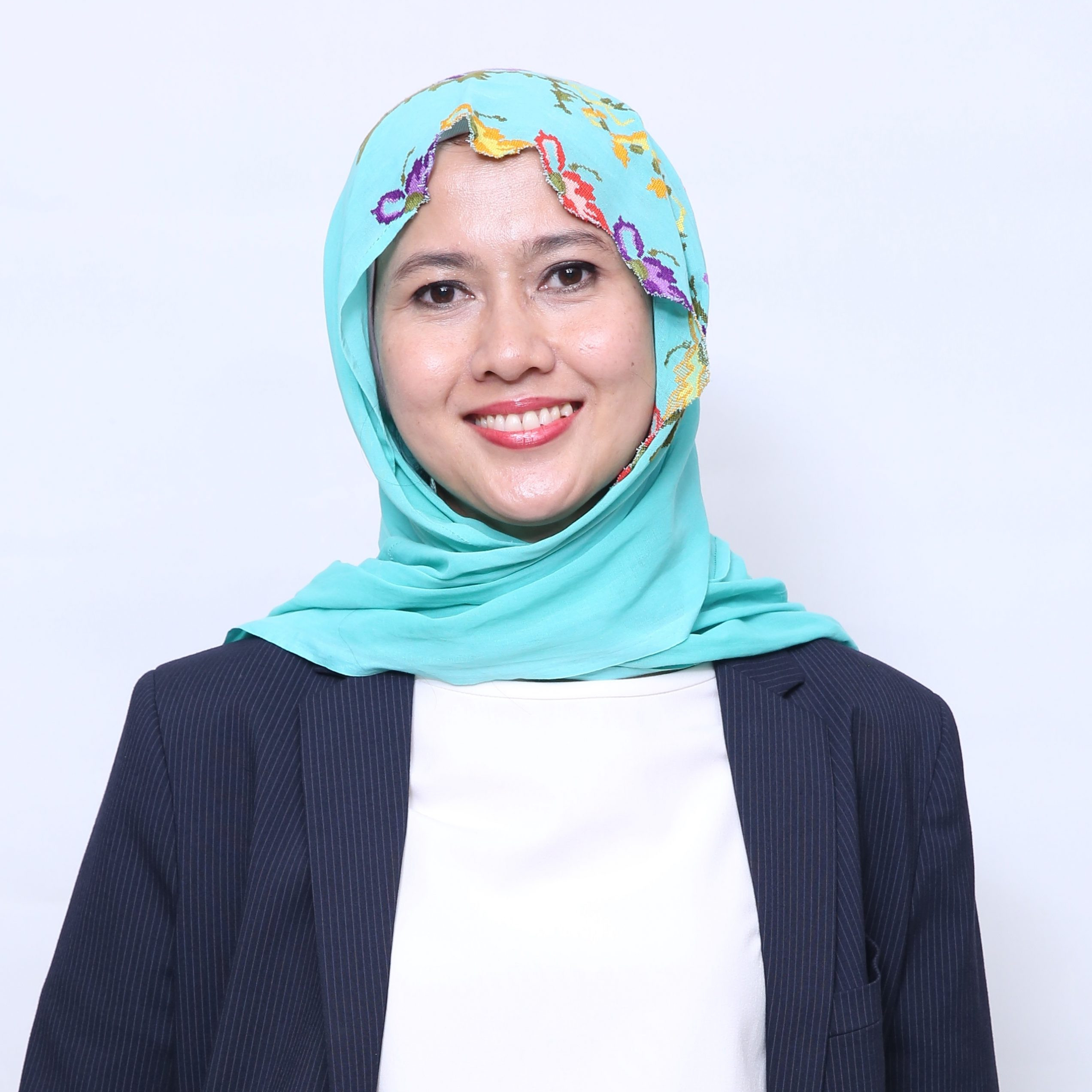
Tati D Wardi, PhD
Head of MA Study Program

Career Path
The graduates of the MA in Education program of the Faculty of Education at the IIIU are intended to work and advance their careers as, but not limited to, academics, education practitioners, education program and curriculum designers, education researchers, education government officials, education managers and supervisors, education assessment specialists, education program evaluators, education policy analysts, and education consultants at national and international institutions.
Program Learning Outcomes
Master of Arts in Education graduates must have solid philosophical, theoretical and methodological foundations to become researchers, thinkers, designers and education consultants. This should be demonstrated by having the abilities to:
Attitude
Demonstrates faith and piety to Allah SWT, as well as showing responsibility, self-confidence, emotional maturity, ethics, independence, adaptability, and lifelong learning awareness.
General Knowledge
Able to develop knowledge in the humanities and social sciences with a moderate Islamic perspective through research; Able to develop new knowledge, technology, and/or art in the field of education with a moderate Islamic perspective or professional practice through research, resulting in creative, original, and tested works.
Specific Knowledge
Able to solve knowledge problems in the humanities and social sciences with a moderate Islamic perspective through an interdisciplinary approach; Able to solve problems in science, technology, and/or art in the field of education with a moderate Islamic perspective through an interdisciplinary approach.
General Skills
Able to manage, lead, and develop research in the humanities and social sciences with a moderate Islamic perspective for the benefit of humanity, and gain national and international recognition.
Specific Skills
Able to manage and lead research with an interdisciplinary approach and a moderate Islamic perspective to find solutions and/or solve problems in the humanities and social sciences at national and international levels; Able to manage, lead, and develop research and development in the field of education with a moderate Islamic perspective that benefits humanity, and capable of gaining national and international recognition.
Curriculum Structure
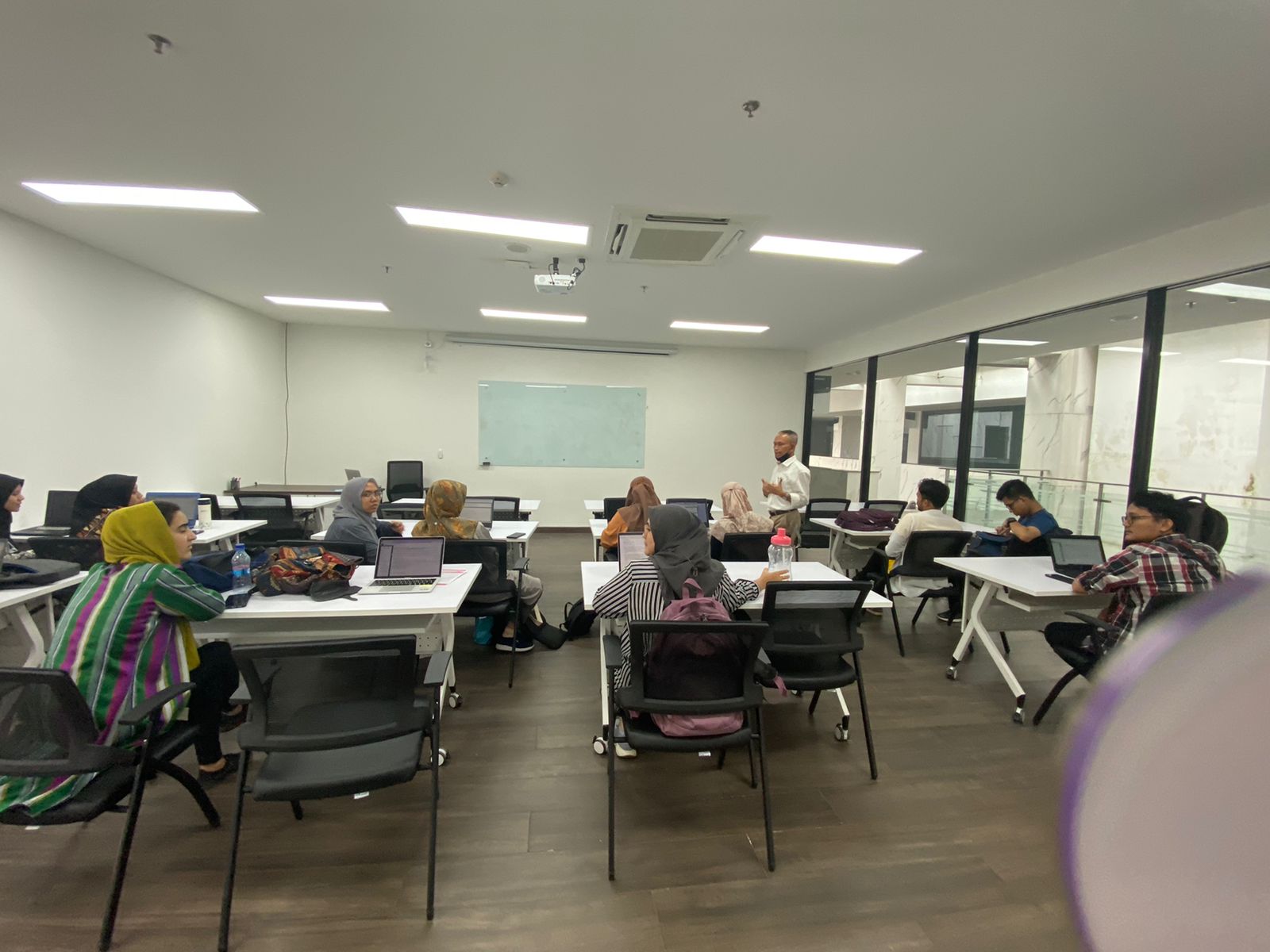
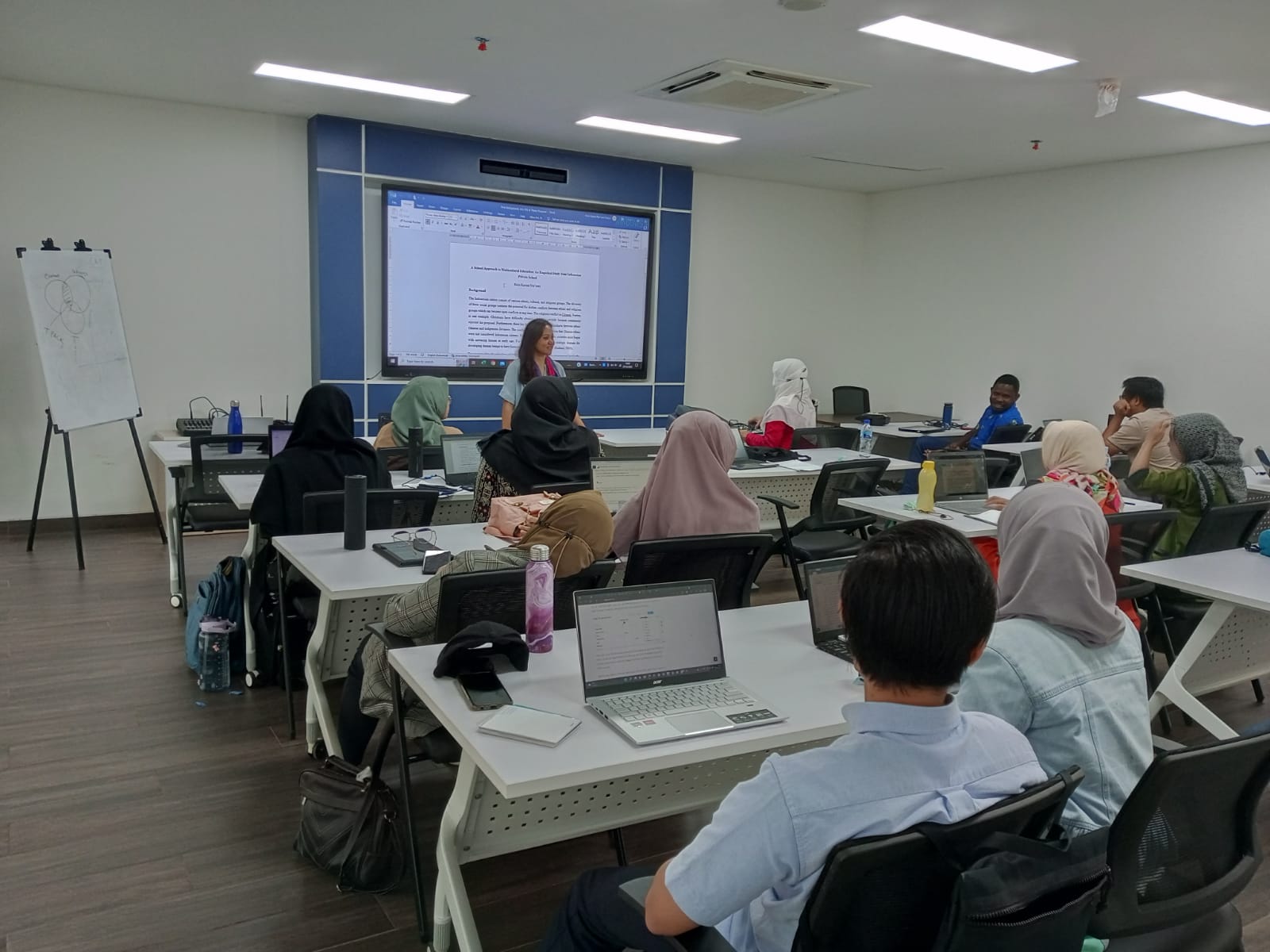
The curriculum of the IIIU’s Master of Arts in Education program consists of foundation, concentration, and elective courses. Foundation courses are subjects that are required for all MA in Education students. Concentration core courses are subjects to be taken by MA in Education students in their respective concentrations. As well, students are free to choose from elective courses to enrich and strengthen their knowledge and skills. Students can take elective courses offered in the Faculty of Education. There is an open possibility for Faculty of Education students who wish to take elective courses in other faculties in IIIU.
The IIIU academic calendar follows a semester system consisting of odd and even semesters for each academic year. All course sessions and thesis writing are conducted in English. The MA in Education program is a two-year course (four semesters).
Concentration Courses
(9 credits)
IIIU’s Master of Arts in Education program offers four areas of concentration to choose from. Students must take at least two of the following compulsory concentration courses:
A. Curriculum, Teaching and Learning
1. Human Development
2. Learning Design and Technologies
3. Curriculum Development
B. Educational Assessment and Evaluation
1. Educational Evaluation
2. Educational Assessment
3. Instrument Development
C. Educational Policy, Management and Leadership
1. Educational Policy Analysis
2. Educational Management and Leadership
3. Leading Educational Change
D. Education and Society
1. Equity and Education
2. Education and Society
3. Education in a Pluralistic Society
Foundation Courses
(21 credits)
All students in the Master of Arts in Education program are required to take the following foundation courses:
1. Comparative Philosophy of Education
2. Psychology in Education
3. Education and Society
4. Educational Research Methodology
5. Statistical Analysis
6. Islamic Education
7. Islam Wasathiyah (mandatory course at university level)
Independent Study (3 credits)&
Thesis Proposal (3 credits)
Master of Arts in Education students must take independent studies according to their topics of interest, with thesis research and writing as a final goal. Independent study is a separate learning process under the guidance of an academic supervisor to produce a literature review related to the chosen topic. The next stage after that is preparing thesis proposal which will follow with proposal defense at the third semester.
Elective Courses
(6 credits)
Master of Arts in Education students must take two elective courses of their choice.
Student can choose other course from different concentration; also there are two elective courses each has 3 credits:
1. Literacy Development and Resources
2. Well-being in Education
Thesis
(12 credits)
Students who have completed all required courses are set to conduct research and write a thesis on a topic based on their concentration as a final requirement to obtain a Master of Arts in Education degree. The research process and thesis writing will be guided by a thesis supervisor appointed by the Faculty of Education.
Curriculum Structure
The curriculum of the IIIU’s Master of Arts in Education program consists of foundation, concentration, and elective courses. Foundation courses are subjects that are required for all MA in Education students. Concentration core courses are subjects to be taken by MA in Education students in their respective concentrations. As well, students are free to choose from elective courses to enrich and strengthen their knowledge and skills. Students can take elective courses offered in the Faculty of Education. There is an open possibility for Faculty of Education students who wish to take elective courses in other faculties in IIIU.
The IIIU academic calendar follows a semester system consisting of odd and even semesters for each academic year. All course sessions and thesis writing are conducted in English. The MA in Education program is a two-year course (four semesters).
Course Detail
Nothing found.

Administration Staff
Administration Staff
Delve into the world of our talented non-academic staff, their efforts ensure smooth operations, supporting the overall educational environment and student experiences.
Nothing found.
Visiting Lecturer
Visiting Lecturers
Meet the visiting scholars and professionals sharing their valuable insights and expertise with our Faculty of Education at Universitas Islam Internasional Indonesia.
Nothing found.
Lecturer
Lecturers
Discover the passionate and dedicated lecturers of the Faculty of Education at Universitas Islam Internasional Indonesia, shaping the future of education in our nation.
Nothing found.
About
About Faculty of Education
The Faculty of Education has master and doctoral study programs, which offer four concentrations
Curriculum, Teaching and Learning;
Educational Assessment and Evaluation
Educational Policy, Management and Leadership
Education and Society.
The four concentrations were developed with the concept that, as an interdisciplinary and multi-layered discipline, educational studies must be examined from various perspectives, ranging from micro, meso to macro level.
Multilayer education begins at the micro-level in the classroom, from where the learning process moves to the meso level in the school as a community. The entire education process is involved with its governance and leadership system. At the macro level, we focus on how government institutions develop educational policies and the relationship between education and the community in political, economic, and social anthropological aspects.
The four concentrations are designed to represent the ecological system, namely those that focus on the micro context represented by the concentration of Curriculum, Teaching and Learning; the meso context represented by the concentration of Educational Assessment and Evaluation; and the concentration of Education Policy, Management and Leadership; while the concentration of Education and Society represents the context of a larger meso layer, linking it with the macro lenses of economics, politics, anthropology, and sociology of education.
Vision & Mission
At the Faculty of Education, Universitas Islam Internasional Indonesia, we are more than just an educational institution. We are a vibrant community of learners and educators, driven by a profound purpose and a set of values that define who we are, how we teach, and the impact we aspire to make on society.
Our guiding principles, embodied in our vision and mission statements, are the bedrock of our academic culture. They guide our decisions, inspire our teaching methods, and shape the experiences of our students. We invite you to explore our vision and mission, and discover how we’re committed to fostering an enriching and inclusive educational environment that empowers our students, furthers knowledge, and contributes positively to the world around us. Through our vision and mission, we’re not just educating the minds of our students, but also nurturing their hearts, encouraging a lifelong passion for learning and a deep commitment to the betterment of society.
Vision
Contributing to the realization of excellent
human resources in the Islamic world through
teaching, research and development of
educational science.
Mission
1. Providing high-quality education and teaching based on research.
2. Conducting research and publications in the concentrations of 1) Curriculum, Teaching, and Learning; 2) Educational Assessment and Evaluation, 3) Educational Management and Leadership, and 4) Education and society.
3. Contributing to the development of human resources.
4. Promoting moderate Islam.
5. Increasing the mobility of lecturers and students through national and international cooperation.
6. Creating a campus climate that is inclusive and supports the well-being.

The Faculty of Education received a visit from Madania School
 Tuesday, 13 June 2023, the Faculty of Education received a visit from the Madania School. The activity began with a tour of the campus library and mosque. After that, it was continued with the socialization of the opening of registration for master's and doctoral students at UIII and the signing of the collaboration between the Faculty of Education and the Madania School.