

Socialization of the Faculty of Education International Islamic University of Indonesia to the Education and Teacher Training Faculty of UIN Jakarta

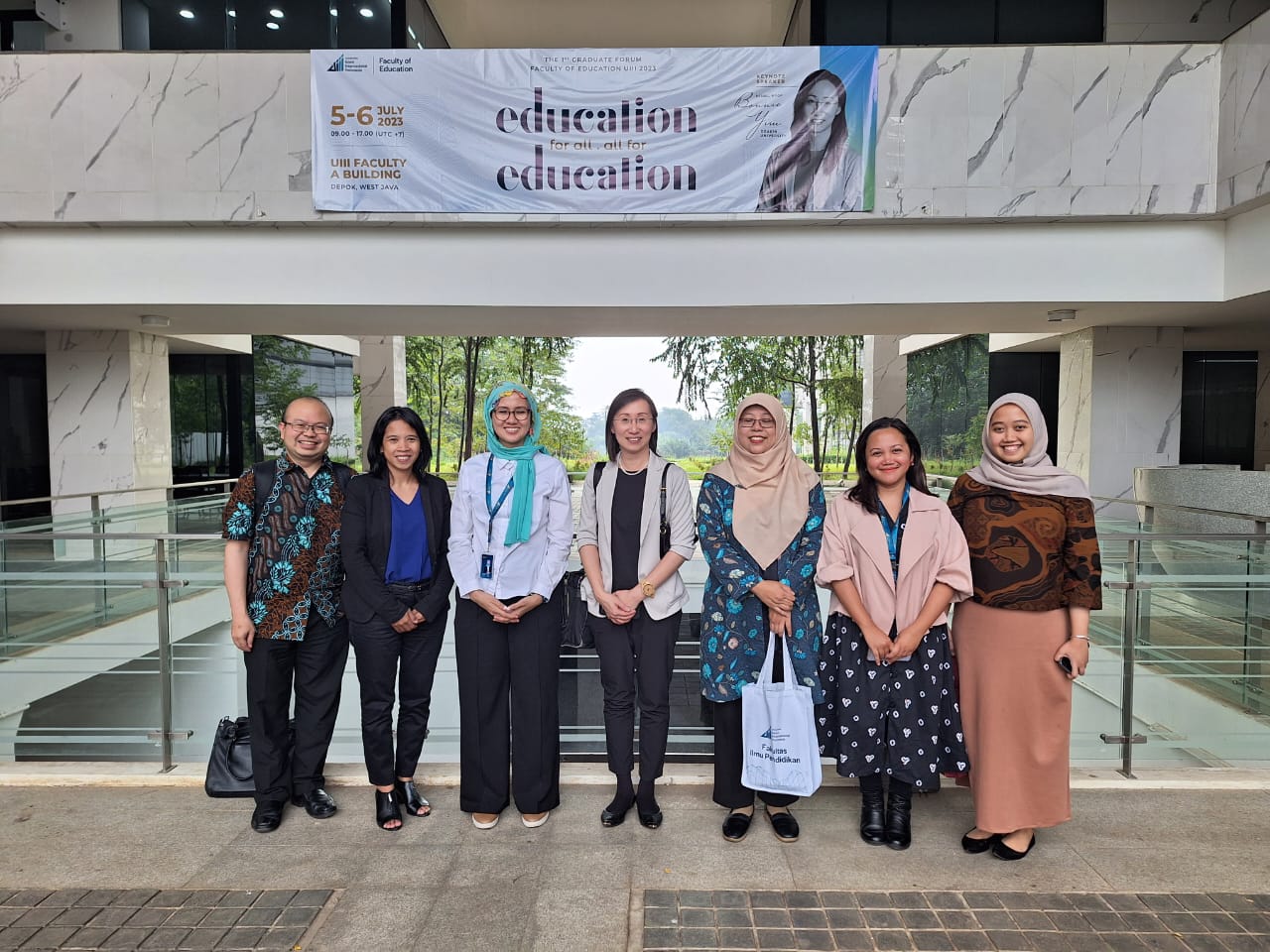
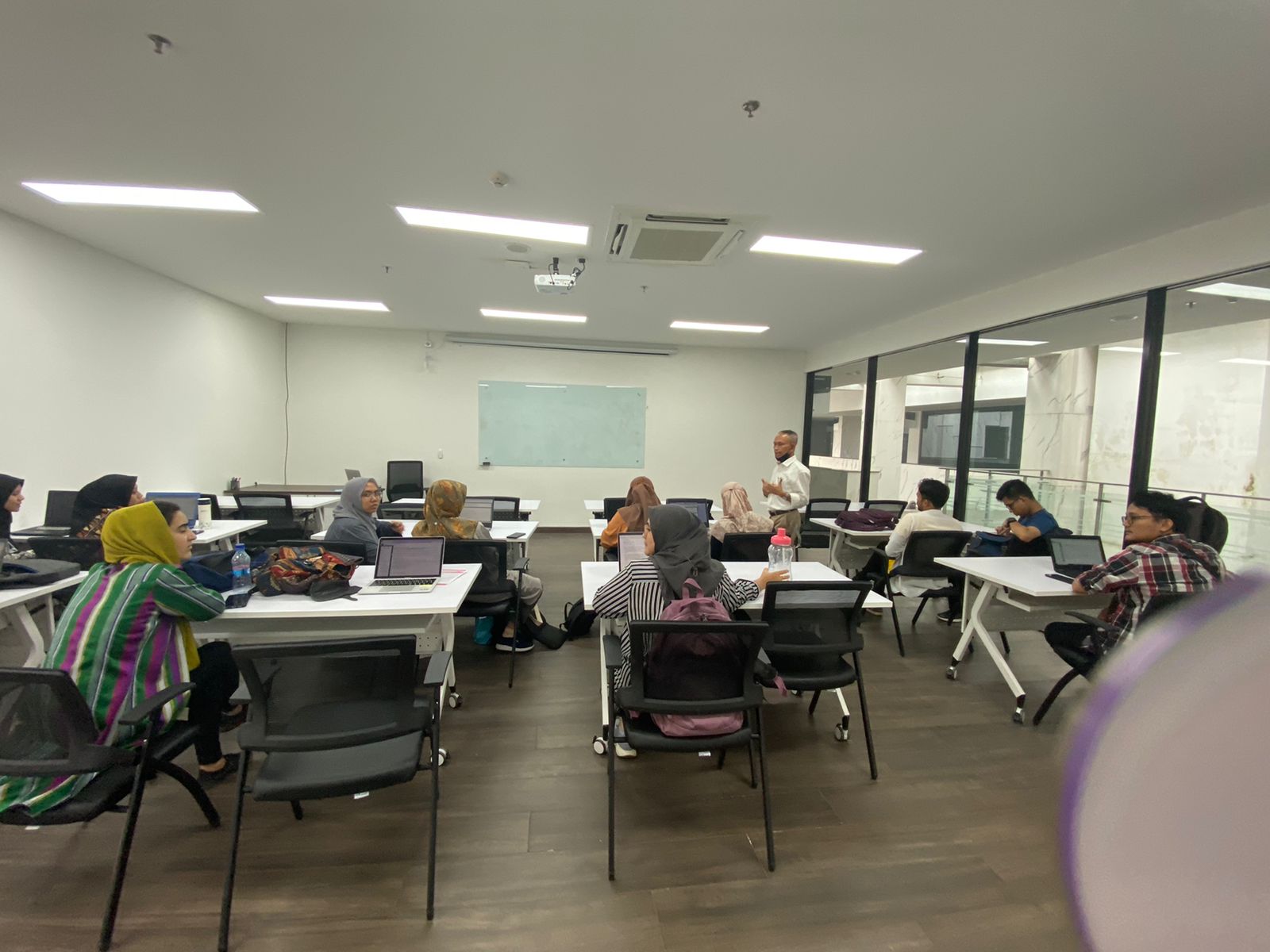
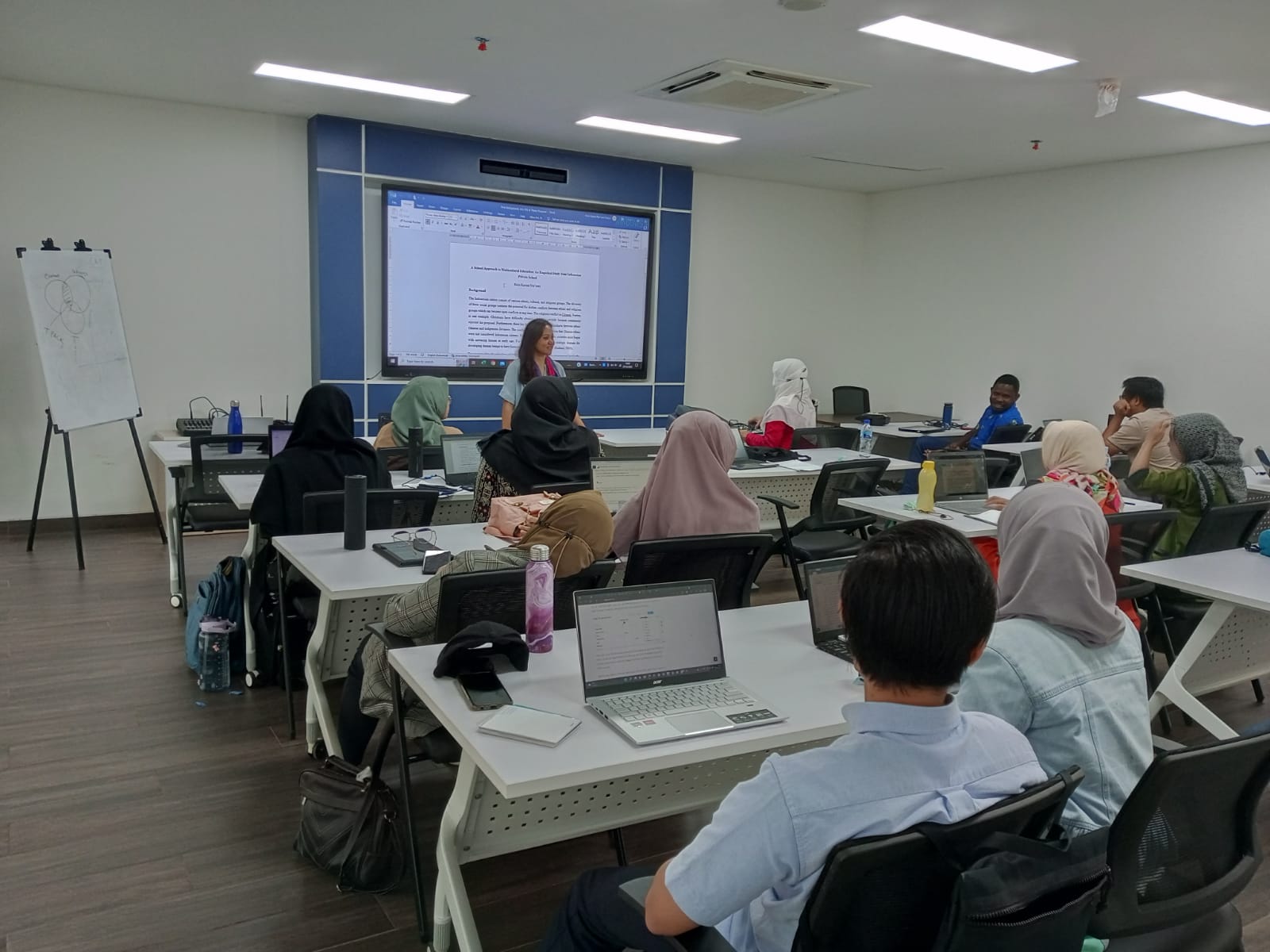
This activity was attended by the Dean of FITK, lecturers, as well as several heads of study programs, and representatives of undergraduate and graduate students. The socialization began with introducing the profile of the UIII Faculty of Education, followed by the presentation of the Masters Program and then continued with the presentation of the Doctoral Program at the UIII Faculty of Education. The socialization activities also introduced activities on campus and academic and non-academic support facilities at UIII. It is then followed by an explanation of the 2023-2024 Admission and the various benefits of scholarships at UIII. The last session of this socialization was question and answer and discussion about the possibility of cooperation, then giving souvenirs from each university and taking a group photo. After the socialization activities were closed, Public Relations from UIN Jakarta asked for time to conduct interviews about UIII.

Home
News
&
Publications
Keep informed of the most recent academic activities, milestones, and significant notices from the Faculty of Education at Universitas Islam Internasional Indonesia.
Nothing found.
Learning Support & services
Discover the range of support and services we offer, aimed at fostering an inclusive, collaborative, and conducive learning environment within the Faculty of Education at Universitas Islam Internasional Indonesia.
Activities
At UIII's Faculty of Education, we blend stimulating activities like the 'Lunch Talk' series and Annual Conference with academic support including writing courses and scholarly platforms. Our commitment to student success is embodied in financial aids and awards, fostering a vibrant, supportive educational community.
Facilities
At UIII's Faculty of Education, our facilities, from a well-stocked library and individual workspaces to a daycare and sports center, are complemented by academic workshops and seminar participation opportunities, fostering a comprehensive and enriched learning experience.
Latest Events
Browse our calendar of academic events, workshops, and seminars hosted by the Faculty of Education at Universitas Islam Internasional Indonesia. Engage in enriching discussions and broaden your educational horizons.
Nothing found.
Announcement
Announcements
Get the Latest Updates and Announcements from Faculty of Education
Nothing found.
Op-Ed
Op - Ed
Embracing Diverse Perspectives: Thoughtful Opinions, Experience and Inspiring Insights Await!
Nothing found.
News
News
Stay Connected and Informed: Discover Captivating Stories and Insights from Our Campus Community!
Nothing found.
Ph.D in Education
Ph.D in Education
The IIIU’s Faculty of Education offers a degree of Doctor of Philosophy in Education. The doctoral program in the Faculty of Education is dedicated to studying the basics of comparative educational philosophy and its variations in Western and Muslim societies to learn traditionally defined areas such as the history of education and research methods in education, educational philosophy, sociology and academic anthropology.
The distinction of IIIU’s Doctor of Philosophy in Education is to advance educational studies’ excellence in societies and promote engagement with the development of education research worldwide. In this sense, doctoral graduates from the IIIU Faculty of Education will be offered an approach to studying education in diverse contexts where they help improve the quality of education while maintaining their cultural identities.

Career Path
The graduates of the PhD in Education program of the Faculty of Education at the IIIU are intended to work and advance their careers as, but are not limited to, academics, research scientists, education leaders, educational policy consultants and advisors, consultants, and advisors for international agencies.
Program Learning Outcomes
PhD in Education graduates must have solid philosophical, theoretical and methodological foundations to become academics, research scientists, education leaders, and education policy consultants and advisors. This should be demonstrated by having the abilities to:
Attitude
Demonstrates of faith and piety to Allah SWT, and show observance of responsibility, self-confidence, emotional maturity, ethics, independence, adaptability, and a lifelong learning growth mindset.
General Knowledge
Demonstrate ability to develop new knowledge, technology, and/or art in the field of education with a moderate Islamic perspective or professional practice through multi-, inter- or trans-disciplinary research to produce creative, original, and validated
Specific Knowledge
Demonstrate ability to solve problems in science, technology, and/or art in the field of education with a moderate Islamic perspective through multi-, inter- or trans-disciplinary research.
General Skills
Able to manage, lead, and develop multi- or inter-disciplinary research in the humanities and social sciences with a moderate Islamic perspective for the benefit of humanity, and gain national and international recognition.
Specific Skills
Demonstrate skills to manage, lead, and develop research and development to solve problems in the field of education with a moderate Islamic perspective that benefits humanity, and capable of gaining national and international recognition.
Curriculum Structure
The curriculum of the PhD in Education program at IIIU consists of: the foundation of major philosophies of education, research methodology, concentration core courses, elective courses, independent study, student colloquium, and dissertation that includes research writing and defense. The foundation and research methodology courses are required for all Doctor of Philosophy in Education students. Concentration core courses are subjects to be taken by Doctor of Philosophy in Education students in their respective concentrations. Students are free to choose from the elective courses to enrich and strengthen their knowledge and skills.
There in an open possibility for Faculty of Education students who wish to take elective courses in other faculties in UIII. All Doctor of Philosophy in Education students must meet the requirements to complete independent study, a student colloquium, and a dissertation— research, writing and defense. The overall credits that must be taken by PhD students are 65 credits, which consist of 33 credits for courses and 32 credits of dissertation writing related activities: Advanced Independent Study, Student Colloquium, Research Internship and Dissertation Research.
UIII’s academic calendar follows a semester system consisting of odd and even semesters for each academic year. All course sessions and dissertation writing are conducted in English.
Foundation Courses (9 credits)
All students in the PhD in Education program are required to take the following foundation courses:
1. Advanced Comparative Philosophy of Education
2. Advanced Islamic Education
3. Wasathiyatul Islam in the Globalizing World
Research Methodology in Education (12 credits)
All PhD students in Education Study Program are required to take the following research methodology courses:
1. Graduate Seminar in Educational Research (Quantitative, Qualitative, Mixed-Method)
2. Quantitative Approach, Analysis and Advanced Statistics
3. Qualitative Approach, Design and Analysis
4. Mixed Methods Research
Concentration Courses (6 credits)
PhD in Education Study Program at IIIU offers four areas of concentration, the compulsory courses of each concentration are:
a. Curriculum, Teaching and Learning
1. Theories of Learning
2. Instructional Design and Technology
b. Educational Management and Policy
1. Graduate Seminar of Educational Management and Leadership
2. Graduate Seminar on Education Policy
c. Educational Evaluation and Assessment
1. Advanced Educational Assessment
2. Graduate Seminar on Large Scale Assessment
d. Education and Society
1. Education and Human Capital
2. Graduate Seminar on Education in a Pluralistic Society
Elective Courses (6 credits)
The Doctor of Philosophy in Education students are required to take elective courses of their choice outside concentration courses, and all PhD courses in other faculties in UIII are eligible to take. These are elective courses which each has 3 credits:
1. Advanced Literacy Development and Resources
2. Advanced Well-being in Education
3. Critical Discourse Analysis
Advanced Independent Study (6 credits), Research Internship (3 credits) & Student Colloquium
(3 credits)
Doctor of Philosophy in Education students must undertake independent studies according to their topics of interest, with dissertation research and writing as a final goal. Independent study is a separate learning process under the guidance of an academic supervisor to produce a literature review related to the chosen topic. While Research internship is an opportunity for student to work closely with a lecturer in UIII, to get guidance and involve in research activities.
Doctor of Philosophy in Education students also have to take a student colloquium, a formal forum for students to present their research papers and be evaluated by peers and professors in the second year of their studies.
Dissertation: Research, Writing, Defense (20 credits)
Students who have completed all required courses are set to conduct research and write a dissertation as a final requirement to obtain a Doctor of Philosophy in Education degree. The dissertation research and writing process will be guided by a team of dissertation committees appointed by the Faculty of Education.
MA in Education
MA in Education
The Master of Arts in Education program is academically unique. Students will be equipped with a comprehensive educational and scientific foundation, including philosophical, theoretical, sociological, religious and methodological foundations.
The Master of Arts in Education Study Program is designed to meet the needs of graduates from master’s level who have mastery and competence in the field of education holistically with comparative insight into the philosophy and the praxis of Western, Islamic and Indonesian education. This program is open to applicants from various nationalities and religious backgrounds.
The philosophical foundation is provided through a comparative educational philosophy that includes Western, Islamic and Indonesian philosophies. The theoretical foundation is provided through the concept of psychology in the context of education, curriculum development and pedagogy, learning assessment, educational evaluation, educational leadership and management, and policy analysis, including the concepts of child development, learning theory, and learning principles and strategies. The sociological foundation is provided through a conceptual and practical study of the relationship between education and society. The religious foundation is given through a conceptual and experimental study of the relationship between religion and education. Meanwhile, the methodological basis is provided through scientific research methodology in the field of education, both quantitative and qualitative approaches, and data analysis.
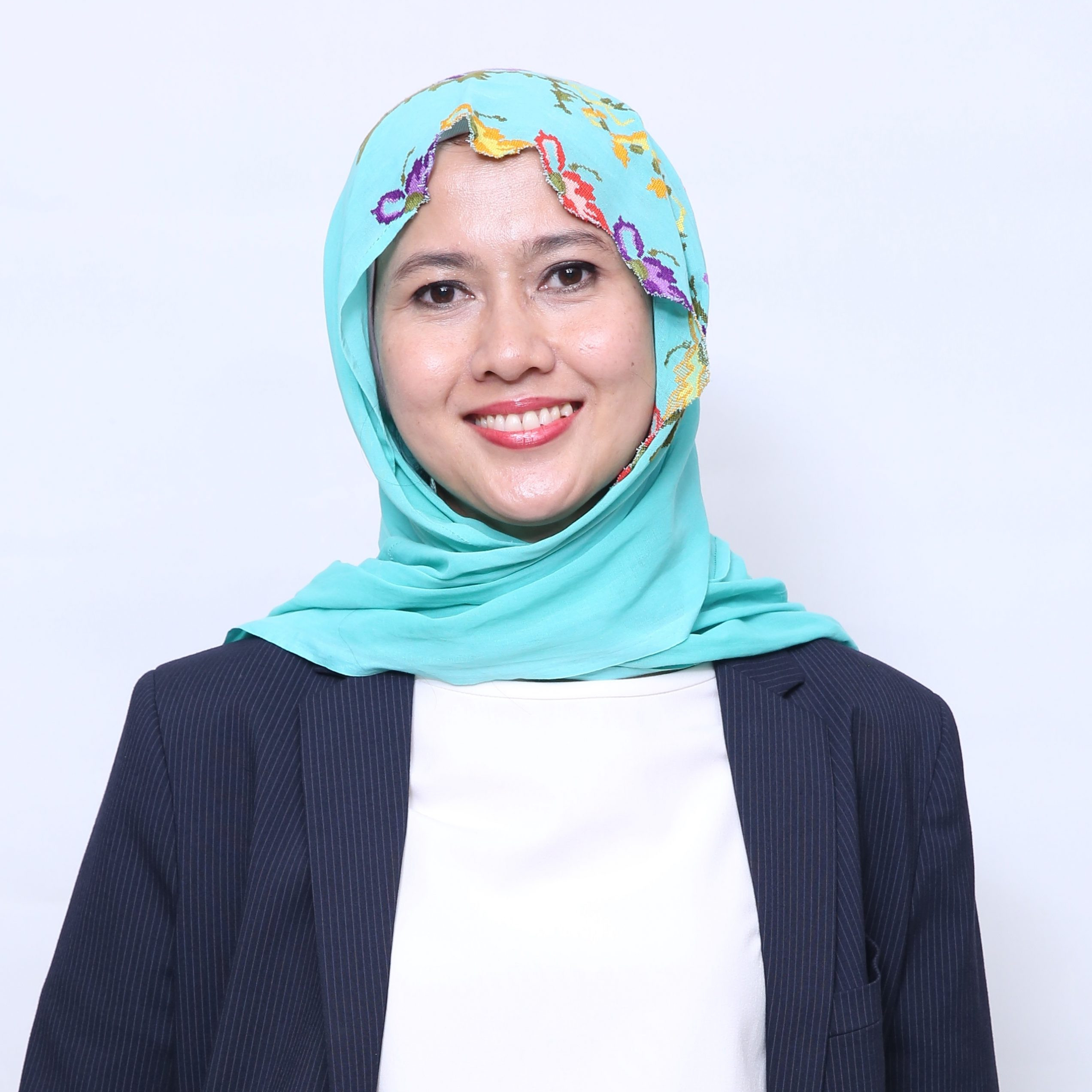
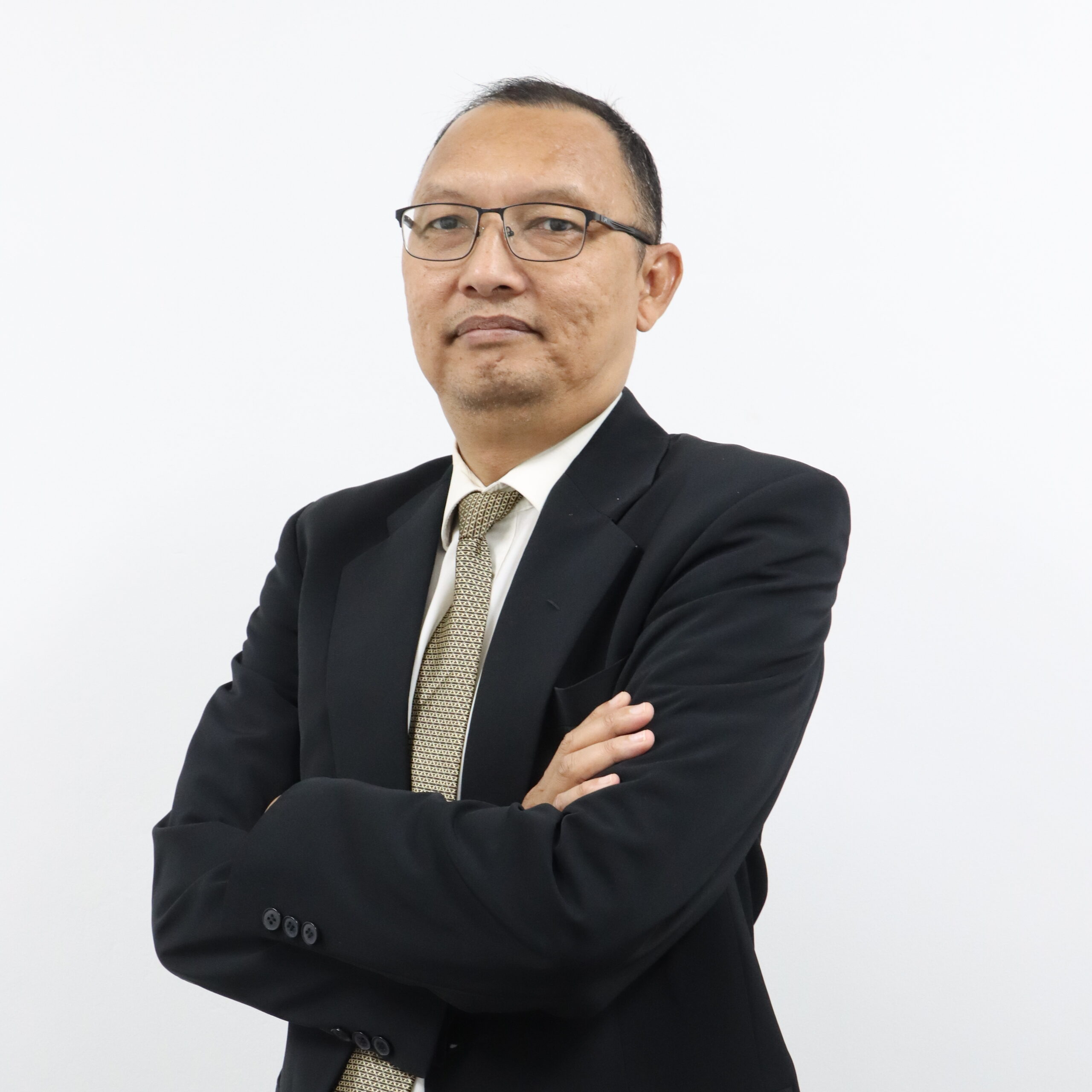
Tati D Wardi, PhD
Head of MA Study Program

Career Path
The graduates of the MA in Education program of the Faculty of Education at the IIIU are intended to work and advance their careers as, but not limited to, academics, education practitioners, education program and curriculum designers, education researchers, education government officials, education managers and supervisors, education assessment specialists, education program evaluators, education policy analysts, and education consultants at national and international institutions.
Program Learning Outcomes
Master of Arts in Education graduates must have solid philosophical, theoretical and methodological foundations to become researchers, thinkers, designers and education consultants. This should be demonstrated by having the abilities to:
Attitude
Demonstrates faith and piety to Allah SWT, as well as showing responsibility, self-confidence, emotional maturity, ethics, independence, adaptability, and lifelong learning awareness.
General Knowledge
Able to develop knowledge in the humanities and social sciences with a moderate Islamic perspective through research; Able to develop new knowledge, technology, and/or art in the field of education with a moderate Islamic perspective or professional practice through research, resulting in creative, original, and tested works.
Specific Knowledge
Able to solve knowledge problems in the humanities and social sciences with a moderate Islamic perspective through an interdisciplinary approach; Able to solve problems in science, technology, and/or art in the field of education with a moderate Islamic perspective through an interdisciplinary approach.
General Skills
Able to manage, lead, and develop research in the humanities and social sciences with a moderate Islamic perspective for the benefit of humanity, and gain national and international recognition.
Specific Skills
Able to manage and lead research with an interdisciplinary approach and a moderate Islamic perspective to find solutions and/or solve problems in the humanities and social sciences at national and international levels; Able to manage, lead, and develop research and development in the field of education with a moderate Islamic perspective that benefits humanity, and capable of gaining national and international recognition.
Curriculum Structure
The curriculum of the IIIU’s Master of Arts in Education program consists of foundation, concentration, and elective courses. Foundation courses are subjects that are required for all MA in Education students. Concentration core courses are subjects to be taken by MA in Education students in their respective concentrations. As well, students are free to choose from elective courses to enrich and strengthen their knowledge and skills. Students can take elective courses offered in the Faculty of Education. There is an open possibility for Faculty of Education students who wish to take elective courses in other faculties in IIIU.
The IIIU academic calendar follows a semester system consisting of odd and even semesters for each academic year. All course sessions and thesis writing are conducted in English. The MA in Education program is a two-year course (four semesters).
Concentration Courses
(9 credits)
IIIU’s Master of Arts in Education program offers four areas of concentration to choose from. Students must take at least two of the following compulsory concentration courses:
A. Curriculum, Teaching and Learning
1. Human Development
2. Learning Design and Technologies
3. Curriculum Development
B. Educational Assessment and Evaluation
1. Educational Evaluation
2. Educational Assessment
3. Instrument Development
C. Educational Policy, Management and Leadership
1. Educational Policy Analysis
2. Educational Management and Leadership
3. Leading Educational Change
D. Education and Society
1. Equity and Education
2. Education and Society
3. Education in a Pluralistic Society
Foundation Courses
(21 credits)
All students in the Master of Arts in Education program are required to take the following foundation courses:
1. Comparative Philosophy of Education
2. Psychology in Education
3. Education and Society
4. Educational Research Methodology
5. Statistical Analysis
6. Islamic Education
7. Islam Wasathiyah (mandatory course at university level)
Independent Study (3 credits)&
Thesis Proposal (3 credits)
Master of Arts in Education students must take independent studies according to their topics of interest, with thesis research and writing as a final goal. Independent study is a separate learning process under the guidance of an academic supervisor to produce a literature review related to the chosen topic. The next stage after that is preparing thesis proposal which will follow with proposal defense at the third semester.
Elective Courses
(6 credits)
Master of Arts in Education students must take two elective courses of their choice.
Student can choose other course from different concentration; also there are two elective courses each has 3 credits:
1. Literacy Development and Resources
2. Well-being in Education
Thesis
(12 credits)
Students who have completed all required courses are set to conduct research and write a thesis on a topic based on their concentration as a final requirement to obtain a Master of Arts in Education degree. The research process and thesis writing will be guided by a thesis supervisor appointed by the Faculty of Education.
Curriculum Structure
The curriculum of the IIIU’s Master of Arts in Education program consists of foundation, concentration, and elective courses. Foundation courses are subjects that are required for all MA in Education students. Concentration core courses are subjects to be taken by MA in Education students in their respective concentrations. As well, students are free to choose from elective courses to enrich and strengthen their knowledge and skills. Students can take elective courses offered in the Faculty of Education. There is an open possibility for Faculty of Education students who wish to take elective courses in other faculties in IIIU.
The IIIU academic calendar follows a semester system consisting of odd and even semesters for each academic year. All course sessions and thesis writing are conducted in English. The MA in Education program is a two-year course (four semesters).
Course Detail
Nothing found.