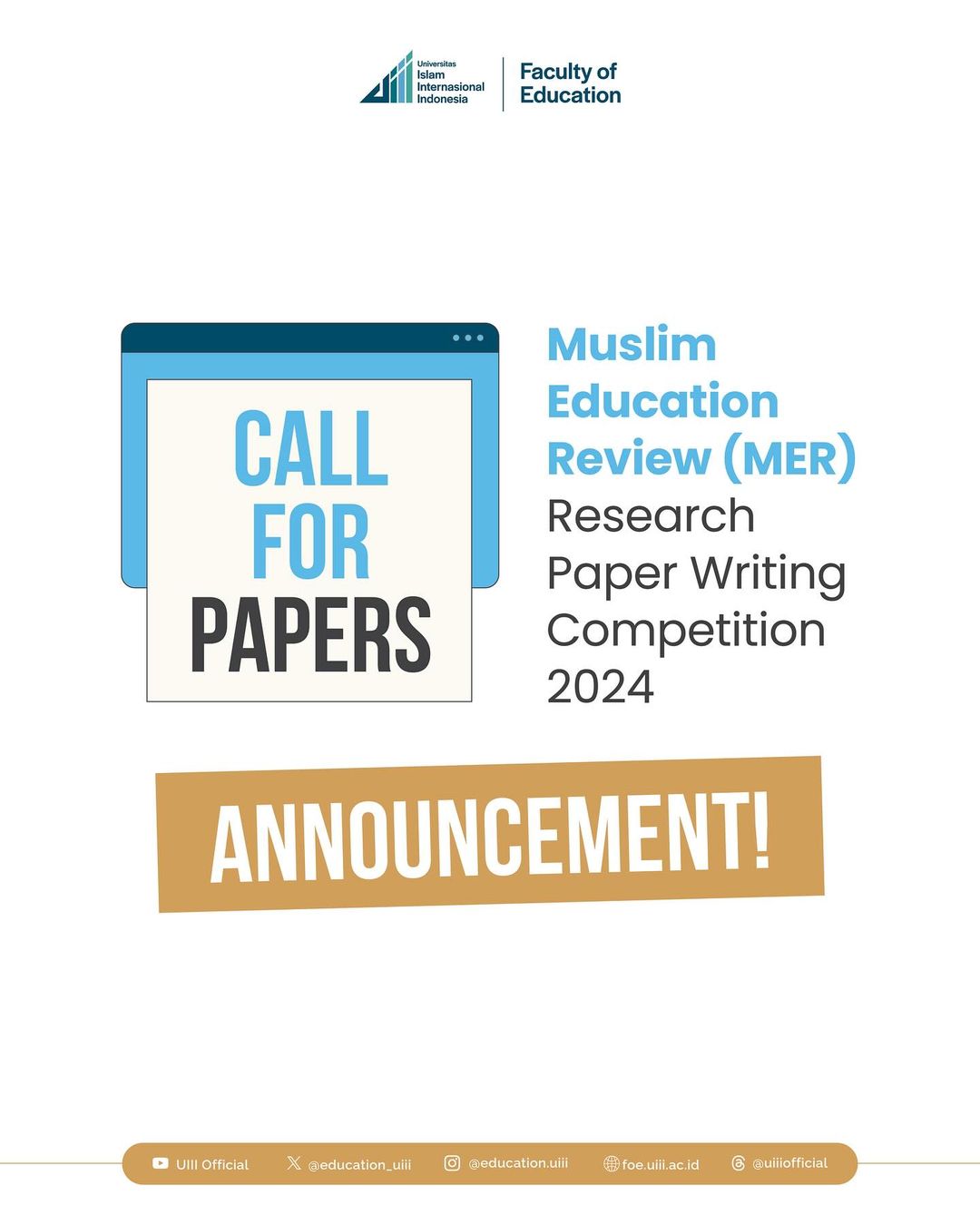
Writing Competition 20204: Winner Announcement
 We are thrilled to announce the winner of our highly anticipated Faculty of Education UIII Writing Competition 2024! This year we got 74 manuscript from Indonesia as well as overseas. After careful consideration and deliberation, we are pleased to award several winners with the prestigious title. Their submission captivated our judges with its creativity, originality, and literary prowess. We extend our heartfelt congratulations to all the winners for their outstanding achievement. We also want to express our gratitude to all participants for their remarkable contributions. Your talent and dedication have truly made this competition a success.
| 2nd Winner | IDR 7.000.000 | Managing Obsessive-Compulsive Disorder among Students through Utilizing Islamic Antidote | Ali Samaila Musa A. Maikamba Md. Mahdi Hasan Ahmad Muhammad Jungudo |
Universitas Islam Internasional Indonesia, Indonesia Gombe State University, Nigeria Universitas Islam Internasional Indonesia, Indonesia Gombe State University, Nigeria |
| 3rd Winner | IDR 5.000.000 | Representation of Sexual Harassment Victims in English-based Indonesian Online News: A Critical Discourse Analysis | Muhammad Firnas Hibatulloh Fathor Rasyid |
State Islamic Institute (IAIN) of Kediri, Indonesia |
| 3rd Winner | IDR 5.000.000 | Examining the Interplay between Safe Learning Environments and Literacy Skills in Majority Muslim Southeast Asian Countries through PISA 2022 | Risa Haridza | SMP Negeri 3 Kota Pontianak, Indonesia |
| Selected paper | IDR 2.000.000 | Implementing Multilingual Education in Islamic Primary Schools: A Case Study of Sociolinguistics | Iin Rachmawati | STKIP PGRI Bangkalan, Indonesia |
| Selected paper | IDR 2.000.000 | Assessing the PISA Ranking Through the Lens of Sampling | Priarti Megawanti Ristyana Suryanti Erna Megawati |
Universitas Indraprasta PGRI, Indonesia |
| Selected paper | IDR 2.000.000 | Islamic Society Faces: How Islamic Educational Contest Are Shaping Indonesian Muslim Profile? | Khairul Amin | Universitas Gadjah Mada, Indonesia |
| Selected paper | IDR 2.000.000 | The Teaching English for Refugees (A Case Study on UNHCR’s Refugee Learning Center in Jakarta Greater Area 2021/2022) |
Lilis Sulistyowati Ratna Sari Dewi Alek |
UIN Syarif Hidayatullah Jakarta, Indonesia |
| Selected paper | IDR 2.000.000 | From Traditionality to Modernity: How the Ma’had Aly Contributes to Muslim Society in Indonesia | Firmanda Taufiq | Graduate School of UIN Sunan Kalijaga, Indonesia |
| Selected paper | IDR 2.000.000 | Balancing Academic and Parental Responsibilities: Exploring the Role of University Day-Care Programs for Student Parents | Iin Afriyanti Umar Irkham Zamzuri Muhammad Fayyaz Mumtaz |
Universitas Islam Internasional Indonesia, Indonesia |
| Selected paper | IDR 2.000.000 | Exploring the Meaning of the 'Secret Book of Bainal Haq' as a Literature Learning: A Study of Ludwig Wittgenstein's Philosophy of Language | Hasanuddin Chaer Abdul Rasyad Januari Rizki Pratama R. Irma Setiawan Rahmad Hidayat Marlinda Ramdhani |
Universitas Mataram, Indonesia Universitas Hamzanwadi, Indonesia |
| Selected paper | IDR 2.000.000 | Exploring the Perspective of Muslim Students towards Generative Artificial Intelligence | Ghalieb Mutig Idroes Teuku Rizky Noviandy Irsan Hardi |
Interdisciplinary Innovation Research Unit Graha Primera Saintifika, Indonesia |
| Selected paper | IDR 2.000.000 | Implementing Religious Moderation Values at Madrasah Aliyah | Siti Zulfa Maya Defianty Yatni Fatwa Mulyati |
UIN Syarif Hidayatullah Jakarta, Indonesia |

Mahurni, an FoE UIII's Student Successfully Leads Mandalika National English Olympiad in Mataram
 Mahurni, an FoE UIII's Student Successfully Leads Mandalika National English Olympiad in Mataram
March 25, 2024
Contributor: Irkham Zamzuri | Editor: Supriyono
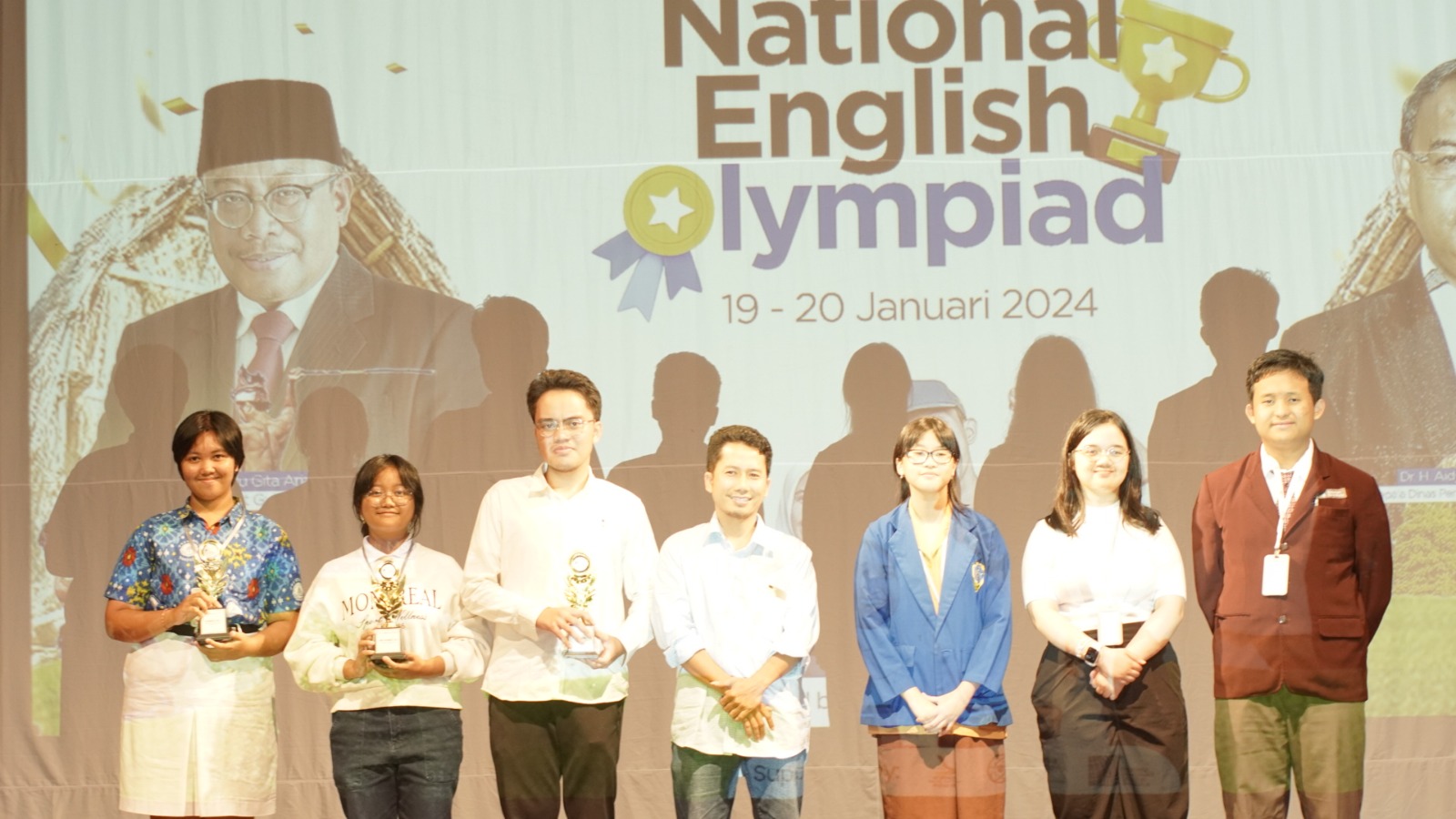
UIII, Depok - Universitas Islam Internasional Indonesia (UIII) proudly celebrates the achievement of one of its MA students in Education, Mahurni, who demonstrated exceptional leadership and organizational skills by successfully conducting the Mandalika National English Olympiad. Held on January 19-20, 2024, in Mataram, this event marked a significant milestone in promoting English proficiency among senior high school students across Indonesia.
Mahurni, besides his current status as an MA student at UIII, serves as the head of the language and training center at LPPNTB (Educational Development Institution of West Nusa Tenggara Province). He has an impressive academic background with a master’s degree in TESOL from Monash University, Australia, obtained in 2017. His dual role as a student and an educational leader exemplifies the commitment and versatility that UIII encourages in its students.
The Olympiad, held at the theater building of Taman Budaya Nusa Tenggara Barat, attracted a remarkable turnout with 367 participants registering for the event. The competition was fierce, and only 103 talented students advanced to the semi-final and grand-final stages. The primary objective of this Olympiad was to stimulate schools across the nation to enhance their students' English abilities, preparing them for higher education both domestically and internationally.
Mahurni elaborated that the main objective of this event was to encourage students to improve their English literacy and reading skills. There were three stages of this event. Stage 1 is for English literacy ability (according to SMA/SMK/MA Syllabus). Stage 2 is for Design Quiz Rank 1 (Reading Literacy 25% and English 75%). Stage 3 is critical review & presentation.
“The finalists are given 30 minutes to review an English article and then 10 minutes to present their analysis. Indirectly, finalists learn to carry out critical review of articles. They must analyze and provide criticism and ideas related to the issue. Plus, it's in English. So, we can immediately assess [their] English skills from the presentation. You can also assess whether participants understand the idea of the article from its flow and argumentation,” Mahurni explained.
This event highlights the importance of English proficiency in today’s globalized world and serves as a platform for students to showcase their linguistic talents. It also reflects UIII's ethos of encouraging its students to engage in initiatives that have a broader impact on the educational landscape in Indonesia. Mahurni has not only contributed to the advancement of English language proficiency among young Indonesians but has also set a shining example for other UIII students.

FoE Prepares Students for Research Competition, Conference on Educational Well-Being

FoE Prepares Students for Research Competition, Conference on Educational Well-Being
March 22, 2024
Contributor: Irkham Zamzuri | Editor: Supriyono
UIII, DEPOK - The Faculty of Education (FoE) at Universitas Islam Internasional Indonesia (UIII) proudly witnessed the culmination of rigorous academic work by its students in the Child and Student Well-Being Course, led by the esteemed Dr. Charyna Ayu Rizkyanti and Dr. Lukman Nul Hakim, both renowned for their expertise in educational psychology.
In this course, each student had the opportunity to present their research paper, which serves as the final assignment for the course. These presentations, given for 10 minutes followed by a 5-minute Q&A session, showcased the depth of research and the analytical skills of the students. The topics covered in these papers were diverse yet unified in their focus on integrating well-being into educational settings.
The significance of these research papers extends beyond the classroom. They are prepared to be part of the prestigious Muslim Education Review (MER) Research Paper Writing Competition 2024, organized by the faculty.
This competition is not just a platform for academic recognition but also aligns with the 3rd Annual Conference of the Faculty of Education to be held at the end of May 2024. The conference, themed "Curriculum, Teaching, and Learning: A New Way of Teaching and Learning – Integrating Well-being in Educational Settings," mirrors the focus of the students' research, emphasizing the importance of well-being in education.
Ghufronakallah, one of the students, was excited about the course’s final assignment as it gave her the chance to start early in participating in the competition. “The intention of preparing the final paper on the Child and Student Well-Being to participate in MER is a smart move. It will increase the students’ paper quality, and it boosts their self-confidence as well to submit the paper on the writing competition and annual conference because it is previously well-prepared under the guidance of excellent lecturers,” she expressed.
Dr. Charyna Ayu Rizkyanti and Dr. Lukman Nul Hakim, the course instructors, have played a pivotal role in guiding the students through their research journey. Their expertise and support have been instrumental in helping the students explore and articulate complex ideas related to child and student well-being.
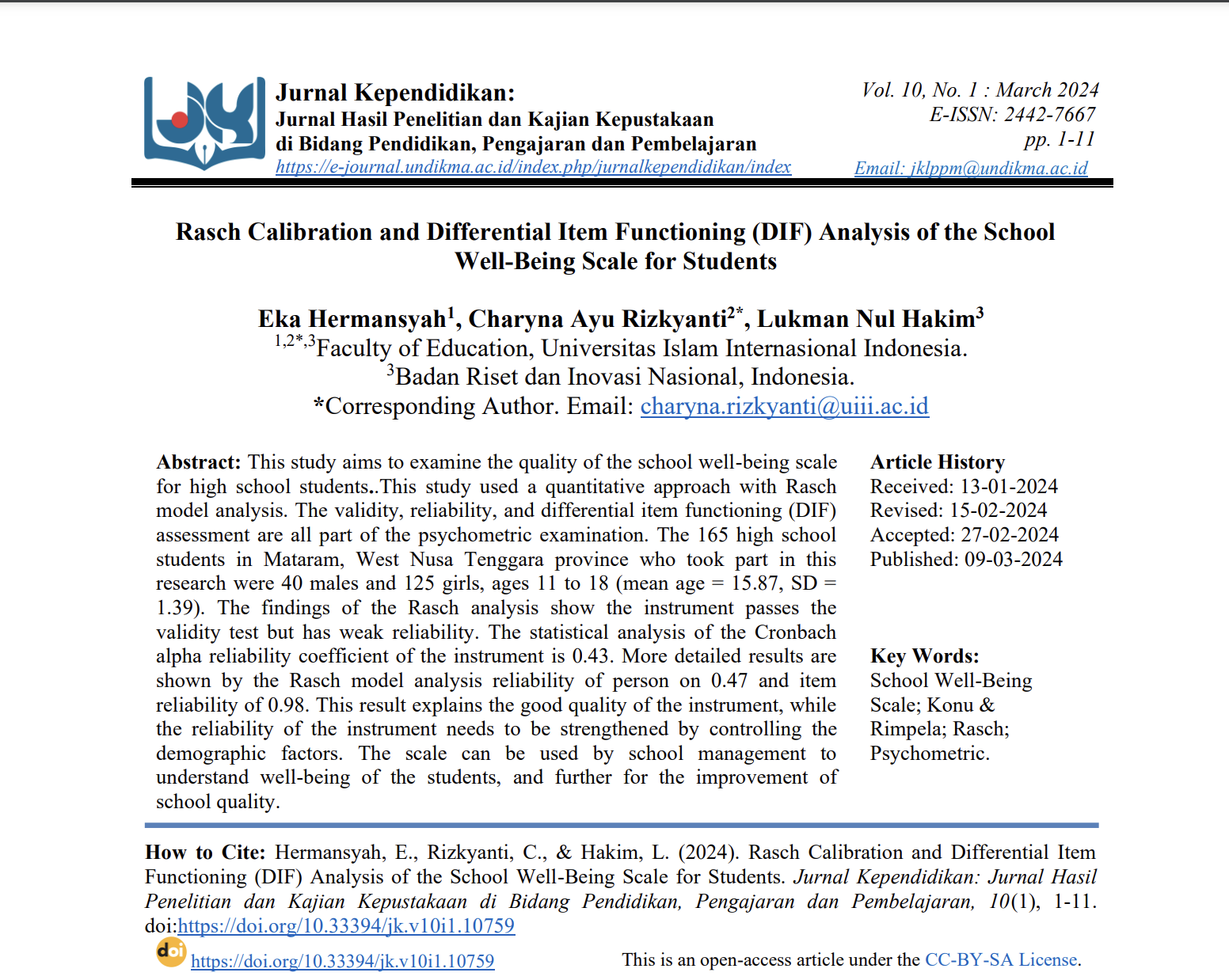
Rasch Calibration and Differential Item Functioning (DIF) Analysis of the School Well-Being Scale for Students
 Eka Hermansyah, Charyna Ayu Rizkyanti, Lukman Nul Hakim. Vol 10, No 1 (2024) Rasch Calibration and Differential Item Functioning (DIF) Analysis of the School Well-Being Scale for Students. DOI: https://doi.org/10.33394/jk.v10i1.10759
Abstract
This study aims to examine the quality of the school well-being scale for high school students..This study used a quantitative approach with Rasch model analysis. The validity, reliability, and differential item functioning (DIF) assessment are all part of the psychometric examination. The 165 high school students in Mataram, West Nusa Tenggara province who took part in this research were 40 males and 125 girls, ages 11 to 18 (mean age = 15.87, SD = 1.39). The findings of the Rasch analysis show the instrument passes the validity test but has weak reliability. The statistical analysis of the Cronbach alpha reliability coefficient of the instrument is 0.43. More detailed results are shown by the Rasch model analysis reliability of person on 0.47 and item reliability of 0.98. This result explains the good quality of the instrument, while the reliability of the instrument needs to be strengthened by controlling the demographic factors. The scale can be used by school management to understand well-being of the students, and further for the improvement of school quality
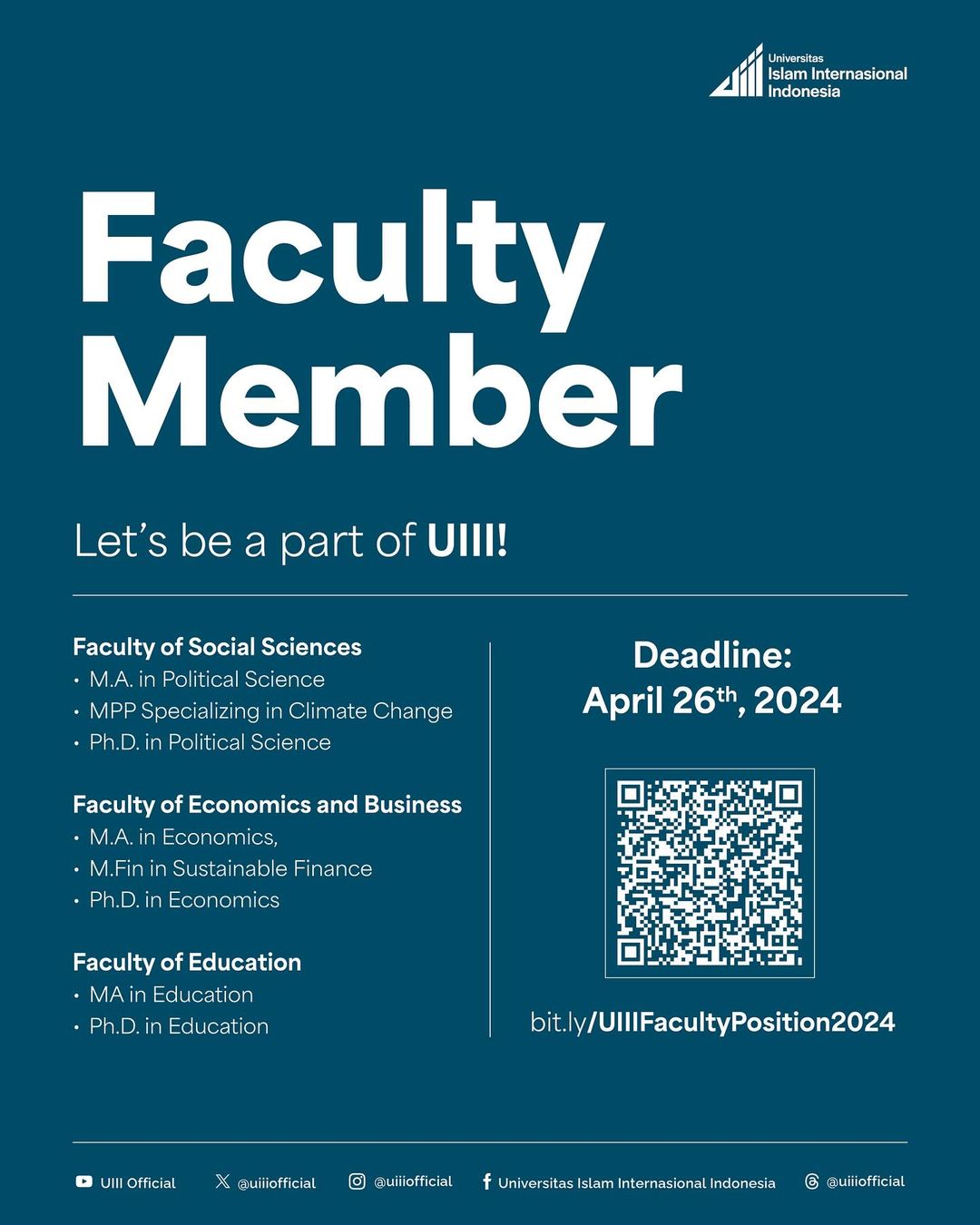
Faculty Positions at UIII

Introduction
UIII (Universitas Islam Internasional Indonesia) invites applicants as we are launching faculty recruitment for tenure-track positions at the Faculty of Social Sciences, the Faculty of Economics and Business, and the Faculty of Education.
UIII is a public university established in 2016 with a mandate from the President of the Republic of Indonesia aiming to promote international standard graduate education in the country. Our faculties will offer lifetime learning, ground-breaking research, and global outreach driven by curiosity, integrity, and passion.
UIII has a strong institutional commitment to recruiting and building an academically and culturally diverse community of faculty members. Minorities, women, individuals with special needs, and other underrepresented groups are encouraged to apply.
Benefits
In addition to a career filled with purpose and opportunity, UIII offers a comprehensive benefits package that includes a competitive salary, health insurance, and access to research funding.
Main Tasks
A Full-time Faculty Member with main tasks as follows:
- Teaching Master’s and Doctoral Students*
- Conducting research in their respective and interdisciplinary fields
- Supervising Master thesis and Doctoral dissertation
- Publishing international scientific articles
*Please note that English is the main language of instruction in UIII and is the language used in general communication. Besides English, Arabic is used as a medium of instruction, specifically in the Islamic Classical Sciences Study Program within the Faculty of Islamic Studies.
Required Qualification
Applicants should have a Ph.D. or Doctorate degree from a reputable university in the fields of:
- Social Sciences, in public policy, climate policy, decision science, quantitative method, political science, international relations, comparative politics, or related fields of social sciences, preferably with research and teaching interest in strategic studies, contentious politics, gender politics, international organizations, and environmental/climate change-related studies.
- Economics and Business, preferably with a background in econometrics, macroeconomics, mathematical economics, monetary economics, energy, environmental, and resource economics, public economics, developmental economics, public finance and policy, finance, accounting, and business.
- Education, preferably with a background in educational psychology and a professional license from Himpunan Psikologi Indonesia (HIMPSI), psychology in education, psychometrics, curriculum and instruction, science education, educational management, leadership and policy, politics of education, economics of education, sociology of education, philosophy of education, psychological assessment, educational assessment, and program evaluation.
Application Documents
Applicants should provide:
-
- A cover letter
-
- A curriculum vitae
-
- Bachelor’s, Master’s, and Doctoral Degree Certificates
-
- A two-page statement of research interests
-
- PDF copies of their TWO most significant publications, and
-
- At least TWO letters of recommendation
- Applications should be submitted online at:
Application Deadline
Applications will be reviewed on a rolling basis, and application materials must be received by April 26, 2024. Please forward questions and inquiries via e-mail to academic@uiii.ac.id.
Equity and Education Course at UIII Highlights Inclusive Practices

Equity and Education Course at UIII Highlights Inclusive Practices
March 19, 2024
Contributor: Irkham Zamzuri | Editor: Supriyono
UIII, Depok – The UIII Faculty of Education’s Equity and Education course, convened by R. Alpha Amirrachman, M.Phil., PhD, attended by the dedicated students from the second batch of the faculty, focusing on exploring the depths of educational equity through diverse perspectives.
One of the central discussions in the final class centered around a chapter from the book "Education for Democratic Intercultural Citizenship," edited by Wiel Veugelers and published by Brill in 2019. The chapter entitled "Social and Educational Inclusion in Schools and Their Communities" by Ghazala Bhatti delves into the nuances of social and educational inclusion with a specific focus on the EDIC+ project in the UK context.
The chapter covers a range of topics, including the theoretical background of inclusion, challenges about democracy and human rights, inclusion and disability studies, intersectionality, and fundamental British values. It also discusses a module on social and educational inclusion at Bath Spa University designed to help postgraduate students critically engage with concepts of inclusion in their professional and personal experiences.
In an engaging turn, one of the students in the course connected the academic discussion to real-world applications by sharing his experiences working at Titian Foundation, an NGO in Klaten Regency, Central Java. This organization dedicates itself to providing full scholarships to underprivileged senior and vocational high school students, supporting them not only financially but also through nurturing essential soft skills.
The foundation's comprehensive approach includes covering school fees, textbooks, and uniforms for three years, along with a mentorship program. Mentors play a crucial role in tracking students' progress, liaising with teachers, engaging with parents, and fostering a supportive community among the scholarship recipients.
This student's reflection on the foundation's work highlighted how education opportunities extend beyond academic achievements. The foundation emphasizes creating equal opportunities for students who wish to continue their education but face financial barriers. Their approach aligns with the concept of social justice in education, focusing on equality of opportunities and capabilities as well as outcomes.
After listening to the discussion, Eka Hermansyah, one of the students, responded by emphasizing the follow-up program that must be designed by schools. “For now, every student in each level of schooling years has received financial aid from the government through several schemes, but it seems that those funds are not allocated well. Schools need to prepare affirmative programs to provide additional assistance or personalize mentoring toward students’ different needs,” he highlighted.
Another student, Mayola Andika, was impressed with the equity and education class. It broadened her understanding of inclusiveness. Inclusive education is not only related to students with disabilities but also involves students who come from poor families.
“Inclusiveness is interpreted as "education for all", anyone has the right to get access to education regardless of their background, whether they are from different races and ethnicities, gender, religion, social status, and others. This includes children from low-income families,” she highlighted.
Mayola concluded that financial support alone is not enough to form children's motivation to achieve their dreams. This must be balanced with motivation from teachers and mentors so that this child can design his future map for life and have a great desire to achieve it.
The Equity and Education course at UIII, through its diverse curriculum and insightful student contributions, underscores the importance of exploring and understanding different facets of educational equity. This course not only provides a theoretical foundation but also encourages students to reflect on practical applications in real-world settings. The Faculty of Education at UIII remains committed to addressing educational challenges and promoting inclusive practices. The insights and experiences shared in this course are invaluable contributions to the broader conversation on equity in education.
source: https://www.uiii.ac.id/news/57509/equity-and-education-course-at-uiii-highlights-inclusive-practices
Celebrating Academic Milestones: FoE Holds Thesis Proposal Seminar for MA Students
 Celebrating Academic Milestones: FoE Holds Thesis Proposal Seminar for MA Students
February 17, 2024
Contributor: Irkham Zamzuri | Editor: Supriyono
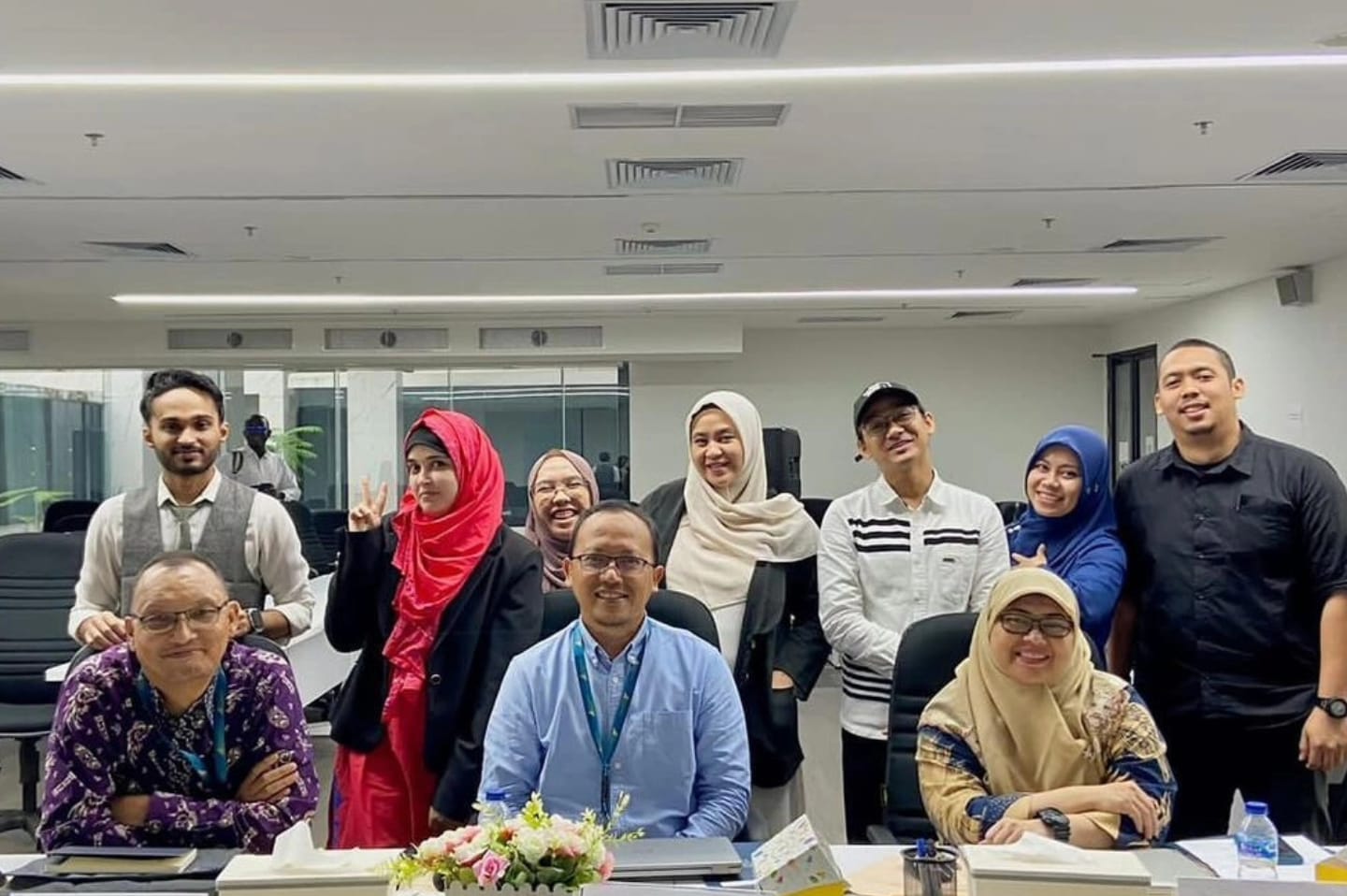
UIII, DEPOK - The UIII Faculty of Education (FoE) marked a significant milestone on January 10, 2024, as 17 MA students at the faculty successfully defended their thesis proposals in a seminar that signifies a major step in their academic journey. The event, conducted to rigorously examine each student's thesis proposal, showcased a diverse range of topics reflective of current educational challenges and innovations.
The students' proposals covered a broad spectrum of subjects, including educational leadership, student literacy, the interplay of education and politics, child and student well-being, education and equity, the integration of artificial intelligence (AI) in education, and climate change education. This diversity not only underlines the comprehensive nature of the program but also highlights the faculty's commitment to addressing contemporary issues in education.
Dr. Tati D. Wardi, the Head of MA in Education Program, in her opening remarks, stressed the importance of the thesis proposal in a student's academic journey. "The thesis proposal is one of the crucial milestones in a student's academic journey. Therefore, it's worth celebrating," she emphasized. Her words underscored the importance of this phase in graduate education, where students transition from learners to contributors to their field.
The success of these 17 students is not just a personal achievement but a testament to the quality of education and mentorship provided by the Faculty of Education at UIII. It also serves as an inspiration to their peers and a beacon of the high standards the university upholds.
As these students now move forward to the next phase of their academic journey - conducting fieldwork and writing their MA thesis - they do so with the confidence and skills honed through rigorous academic training and the support of their mentors and peers. Their future contributions are eagerly anticipated, with the expectation that they will bring forth innovative solutions and insights to the ever-evolving realm of education.
Mayola Andika who wrote about women empowerment through education by nurturing entrepreneurship in a female pesantren (Islamic boarding school) stressed the benefit of the thesis proposal seminar. “Thesis proposal defense is very useful. Because our writing is corrected in detail and then given feedback and suggestions to make our writing better. This also helps us practice public speaking, we also learn to answer examiner questions with a more scientific frame of mind,” she said.
Meanwhile, Tazkia Aulia Rahmah expressed her nerve-wracking experiences after presenting her paper. “In my opinion, even though the aim of the seminar thesis is essentially to convince the lecturer about the title we have chosen, in reality, it is more than just that. We get the opportunity to do more than just present the title, but also provide lecturer input which will later be useful for perfecting our research plans. It still feels scary for students but it also turns out to provide more benefits than what we feared,” she expressed.
The Faculty of Education at UIII continues to be a hub for scholarly excellence and innovation, nurturing future educators, leaders, and researchers who are equipped to tackle the multifaceted challenges in the field of education. This thesis proposal seminar is not just a celebration of academic milestones but also a reflection of the university's commitment to fostering an environment that values academic rigor, diversity of thought, and real-world impact.
Dr. Lia M. Boediman’s Lecture at FoE UIII: Enriching the Discourse on Child Mental Health

Dr. Lia M. Boediman’s Lecture at FoE UIII: Enriching the Discourse on Child Mental Health
February 15, 2024
Contributor: Irkham Zamzuri | Editor: Supriyono
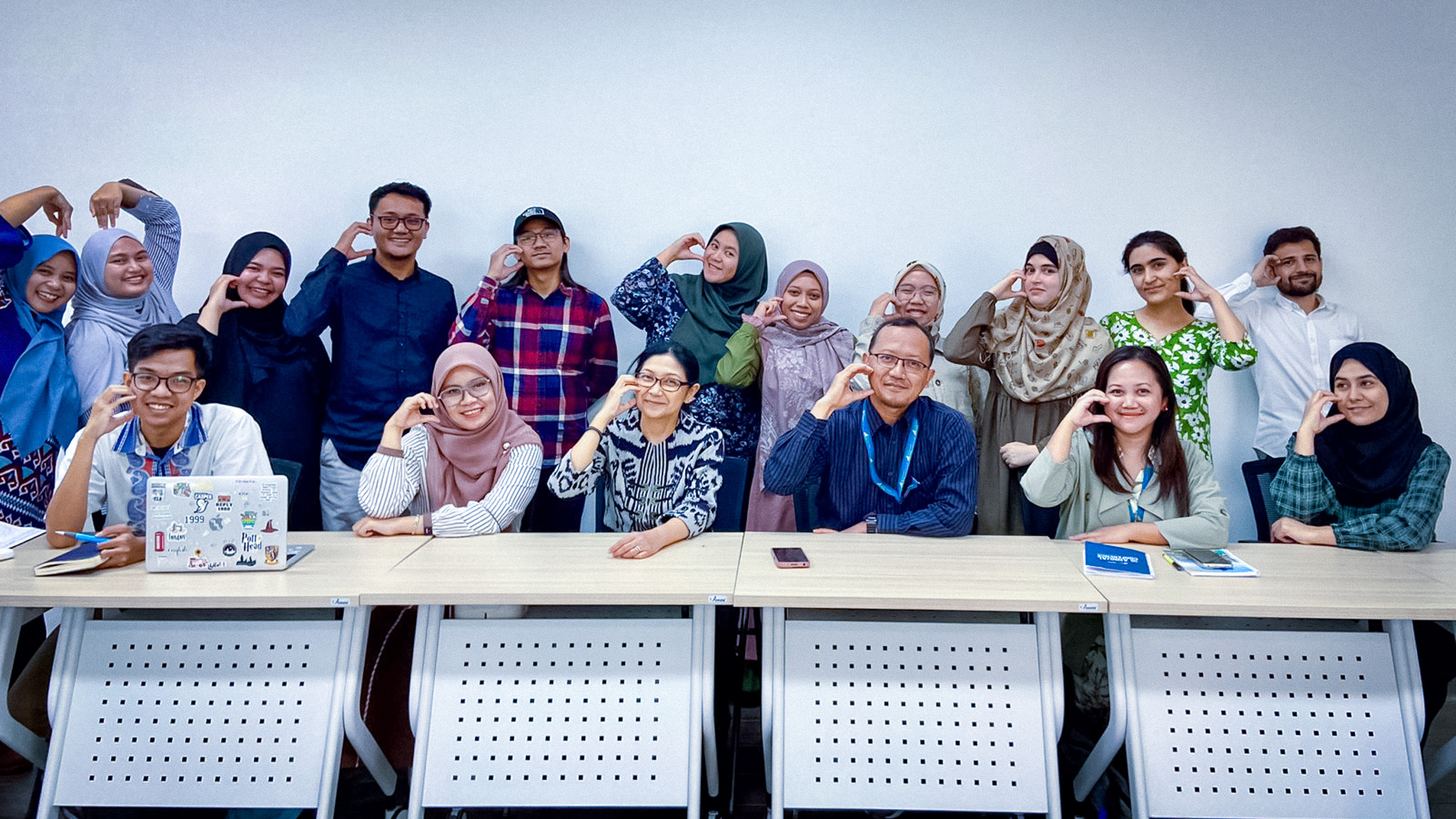
UIII, Depok - The UIII Faculty of Education had the privilege of hosting Dr. Lia M. Boediman, a distinguished lecturer from the Faculty of Psychology at Universitas Indonesia, for a guest lecture on Child Mental Health. This lecture was an integral part of the Child and Student Well-being course, led by esteemed Charyna Ayu Rizkyanti PhD, and Dr. Lukman Nul Hakim, and was attended by students of MA and PhD levels.
Dr. Boediman, a graduate of the doctoral program in Clinical Psychology from Argosy University Hawaii, brought a wealth of knowledge and experience to the lecture. Her presentation, titled "Children's Mental Health in School," delved into three core challenges faced by children in school environments: Social Pressures, Academic Stress, and Familial Issues. These areas are critical to understanding and supporting the mental well-being of students in educational settings.
The lecture emphasized the importance of addressing mental health in school settings, focusing on the need for early intervention, fostering academic excellence, and ensuring long-term health. “Mental health is not merely the absence of mental illness but also involves promoting wellness, social, emotional, and behavioral health, and the ability to cope with life's challenges. Good mental health is critical to children’s success in school and life,” Dr. Boediman explained.
A key highlight of the lecture was the reference to the World Health Organization's (WHO) 2007 recommendation, advocating for schools to function as primary mental health support systems. This involves implementing comprehensive services focused on promotion, prevention, intervention, and rehabilitation to support student mental health.
Dr. Boediman poignantly stated, "Every child has the right to go to school and learn, free from fear," a sentiment that resonates deeply with the values of UIII. The lecture provided valuable insights into the significance of nurturing mental health in educational settings, equipping educators and future researchers with the understanding necessary to support the mental well-being of students.
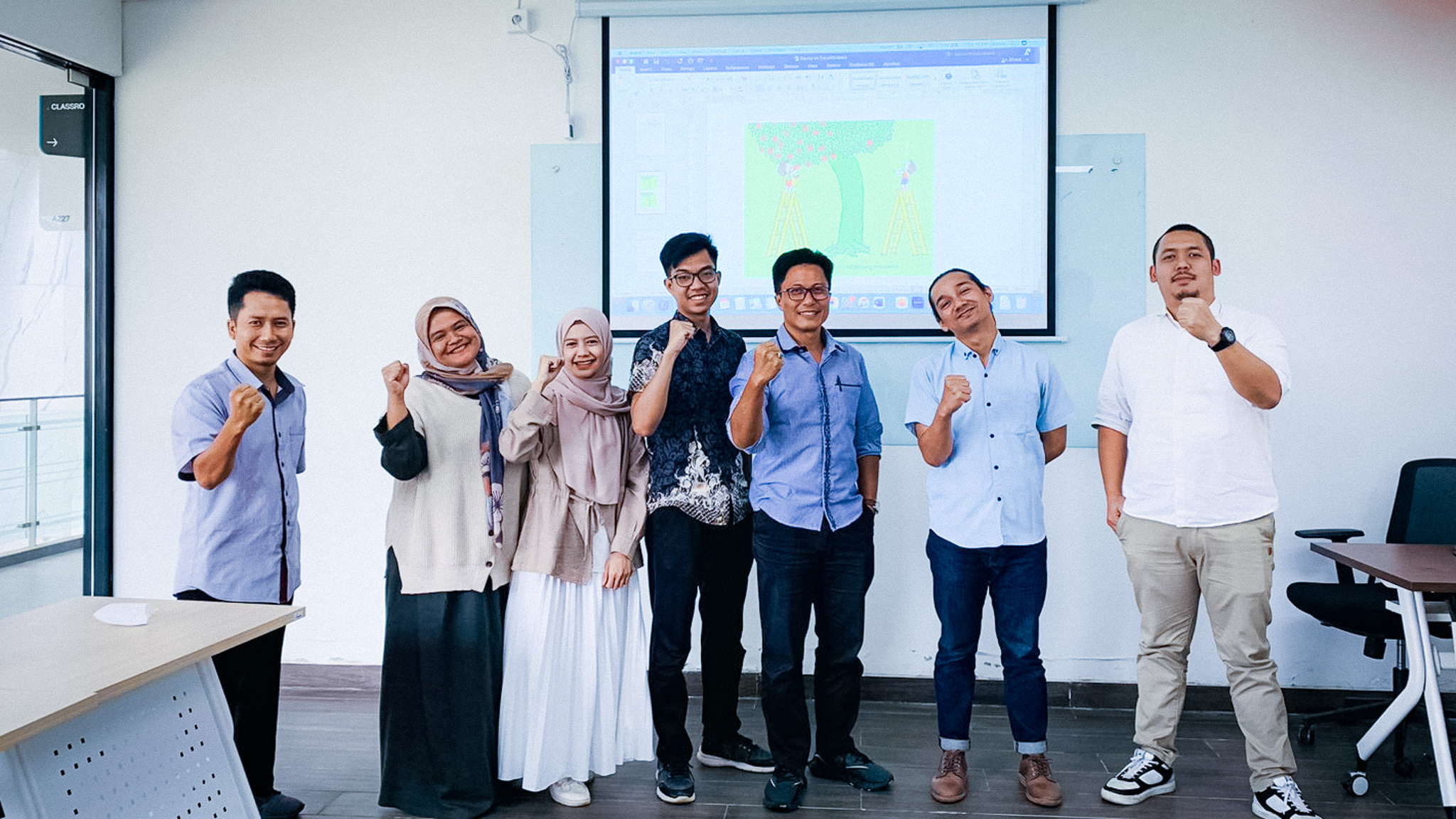
Equity and Education Course at FoE UIII Highlights Inclusive Practices

Equity and Education Course at UIII Highlights Inclusive Practices
February 16, 2024
Contributor: Irkham Zamzuri | Editor: Supriyono
UIII, Depok – The UIII Faculty of Education’s Equity and Education course, convened by R. Alpha Amirrachman, M.Phil., PhD, concluded its last session on January 11, 2024, attended by the dedicated students from the second batch of the faculty, focusing on exploring the depths of educational equity through diverse perspectives.
One of the central discussions in the final class centered around a chapter from the book "Education for Democratic Intercultural Citizenship," edited by Wiel Veugelers and published by Brill in 2019. The chapter entitled "Social and Educational Inclusion in Schools and Their Communities" by Ghazala Bhatti delves into the nuances of social and educational inclusion with a specific focus on the EDIC+ project in the UK context.
The chapter covers a range of topics, including the theoretical background of inclusion, challenges about democracy and human rights, inclusion and disability studies, intersectionality, and fundamental British values. It also discusses a module on social and educational inclusion at Bath Spa University designed to help postgraduate students critically engage with concepts of inclusion in their professional and personal experiences.
In an engaging turn, one of the students in the course connected the academic discussion to real-world applications by sharing his experiences working at Titian Foundation, an NGO in Klaten Regency, Central Java. This organization dedicates itself to providing full scholarships to underprivileged senior and vocational high school students, supporting them not only financially but also through nurturing essential soft skills.
The foundation's comprehensive approach includes covering school fees, textbooks, and uniforms for three years, along with a mentorship program. Mentors play a crucial role in tracking students' progress, liaising with teachers, engaging with parents, and fostering a supportive community among the scholarship recipients.
This student's reflection on the foundation's work highlighted how education opportunities extend beyond academic achievements. The foundation emphasizes creating equal opportunities for students who wish to continue their education but face financial barriers. Their approach aligns with the concept of social justice in education, focusing on equality of opportunities and capabilities as well as outcomes.
After listening to the discussion, Eka Hermansyah, one of the students, responded by emphasizing the follow-up program that must be designed by schools. “For now, every student in each level of schooling years has received financial aid from the government through several schemes, but it seems that those funds are not allocated well. Schools need to prepare affirmative programs to provide additional assistance or personalize mentoring toward students’ different needs,” he highlighted.
Another student, Mayola Andika, was impressed with the equity and education class. It broadened her understanding of inclusiveness. Inclusive education is not only related to students with disabilities but also involves students who come from poor families.
“Inclusiveness is interpreted as "education for all", anyone has the right to get access to education regardless of their background, whether they are from different races and ethnicities, gender, religion, social status, and others. This includes children from low-income families,” she highlighted.
Mayola concluded that financial support alone is not enough to form children's motivation to achieve their dreams. This must be balanced with motivation from teachers and mentors so that this child can design his future map for life and have a great desire to achieve it.
The Equity and Education course at UIII, through its diverse curriculum and insightful student contributions, underscores the importance of exploring and understanding different facets of educational equity. This course not only provides a theoretical foundation but also encourages students to reflect on practical applications in real-world settings. The Faculty of Education at UIII remains committed to addressing educational challenges and promoting inclusive practices. The insights and experiences shared in this course are invaluable contributions to the broader conversation on equity in education.
source: https://www.uiii.ac.id/news/57499/equity-and-education-course-at-uiii-highlights-inclusive-practices