
The 6th Faculty of Education Annual Conference (FEAC) 2027
Leadership for Learning: Wisdom from the East
3–5 May 2027 · UIII Campus, Depok, Greater Jakarta, Indonesia
Workshops on 3 May · Keynotes and paper sessions on 4–5 May · Abstracts due 5 December 2026
About the conference
FEAC 2027 asks a question that matters to anyone who leads, teaches or researches in Asia and the Global South: do the leadership models we inherited describe the schools and universities we actually work in?
For decades, most theories of educational leadership have come from Western contexts. They have helped many schools improve. But they say little about the traditions of wisdom, moral stewardship, social harmony and collective responsibility that shape how leading and learning happen across Eastern societies.
At the same time, artificial intelligence, demographic change and growing demands for equity are changing what leaders are expected to do. FEAC 2027 brings these two conversations together.
Who should attend
- Researchers and lecturers in education, psychology, Islamic studies and the social sciences
- School and madrasah principals, teachers and supervisors who want research that speaks to their practice
- University leaders shaping curricula, research agendas and partnerships
- Policymakers and government officials working on education reform
- Postgraduate students and early-career researchers looking for feedback, a publication route and a network
- NGO and foundation staff working on access, quality and inclusion
Why join
- Hear from a Vice Minister, the head of Indonesia’s national research agency, and leading scholars from Hong Kong and the United States
- Present your work to around 300 delegates from Indonesia and abroad
- Build practical research skills in one of six methodology workshops
- Compete for Best Paper and Best Poster awards worth up to Rp 5,000,000
- Have your paper considered for Muslim Education Review (Sinta 3) or an edited volume with UIII Press
FEAC is now in its sixth year. It is hosted by the Faculty of Education at Universitas Islam Internasional Indonesia (UIII), a graduate university founded by the Government of Indonesia with students and faculty from many countries. The conference language is English.
Important dates
| Date | Milestone |
| 5 December 2026 | Abstract submission deadline |
| 5 January 2027 | Notification of acceptance |
| 5 March 2027 | Full paper submission |
| 3 May 2027 | Pre-conference workshops |
| 4–5 May 2027 | Conference, UIII Campus, Depok |
Venue
FEAC 2027 takes place on the campus of Universitas Islam Internasional Indonesia (UIII) on Jalan Raya Bogor, Depok, West Java, within the Greater Jakarta area.
International participants can fly into Soekarno–Hatta International Airport in Jakarta.
Four plenary keynotes, two on each conference day. Each runs about 70 minutes: a 45-minute address followed by open discussion with the audience.
Prof. Dr. Stella Christie
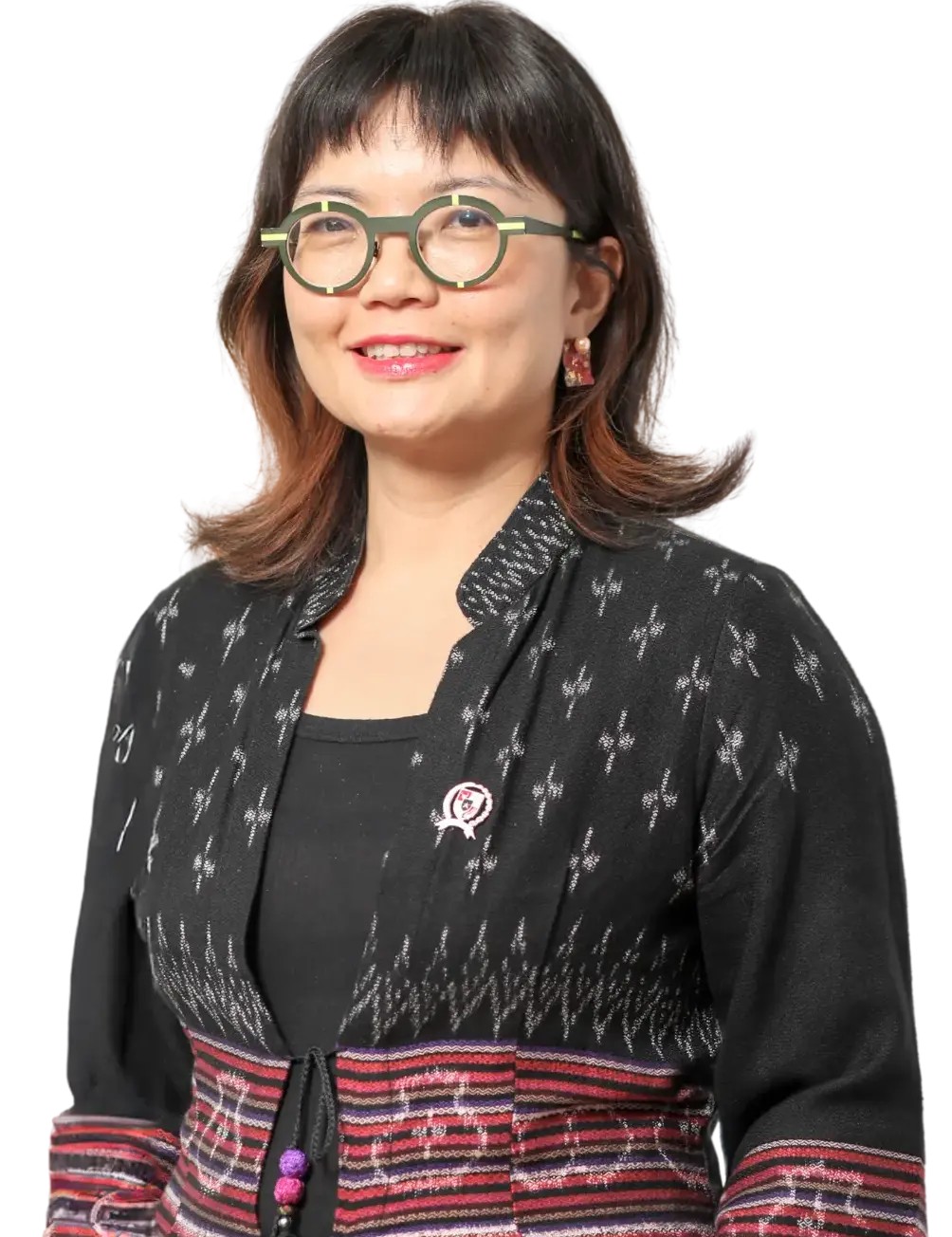
Vice Minister of Higher Education, Science and Technology, Republic of Indonesia · Tuesday 4 May
Prof. Christie will speak on national priorities for higher education: talent development, scientific advancement and the responsible use of artificial intelligence in education. Her role places her at the centre of Indonesia’s effort to strengthen its people and its innovation ecosystem.
Prof. Dr. Sedat Gümüş
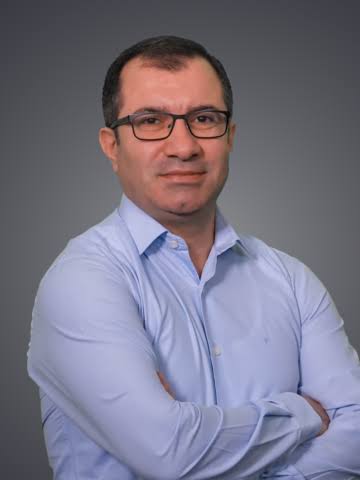
The Education University of Hong Kong · Tuesday 4 May
Prof. Gümüş is a leading scholar of school leadership, school effectiveness and educational improvement. His research examines how leadership practices shape learning outcomes and organisational performance, and how schools become learning communities that sustain improvement over time.
Dr. Ir. Hetifah Sjaifudian, M.P.P.
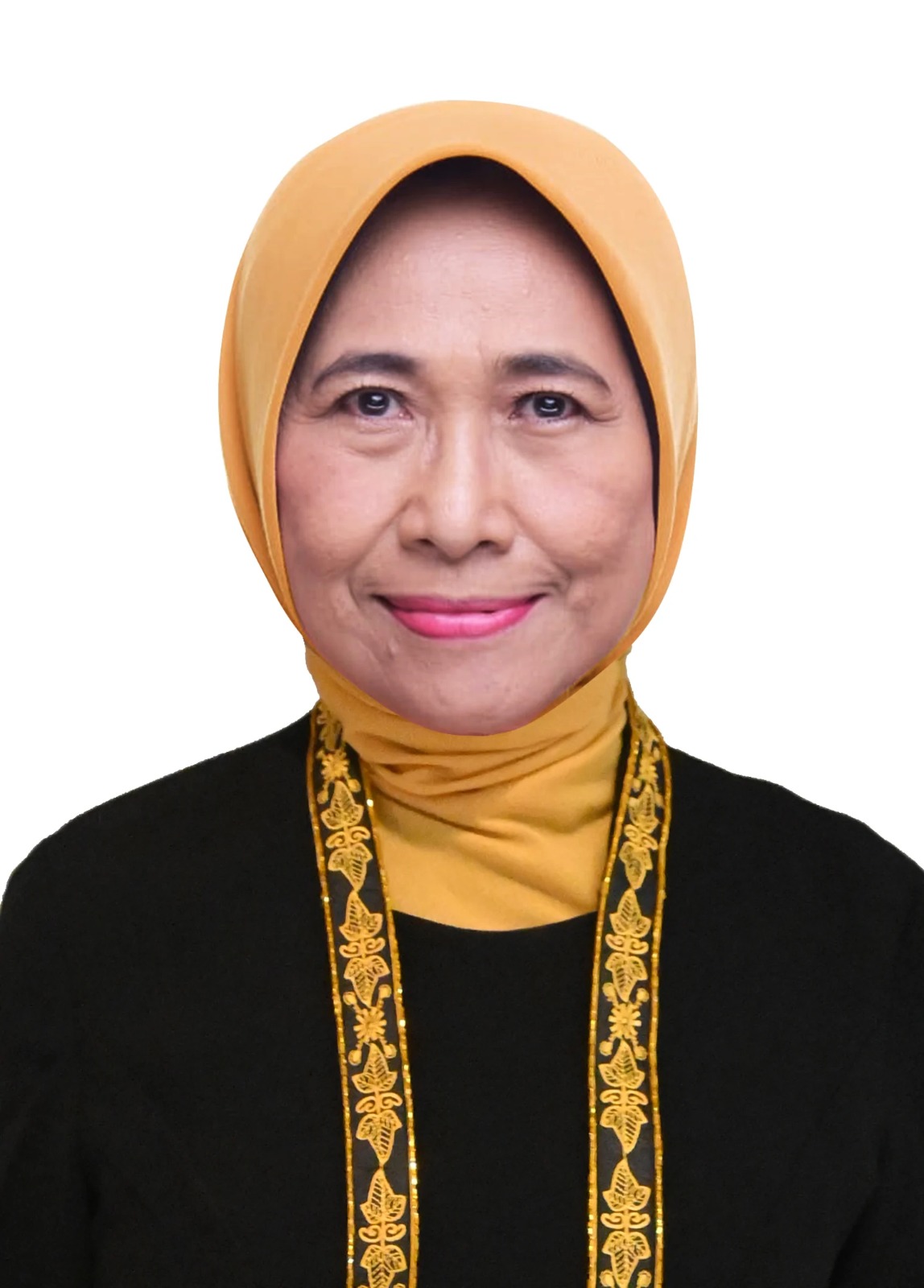
Member, House of Representatives of the Republic of Indonesia (DPR RI) · Tuesday 4 May
Dr. Hetifah has served in Indonesia’s House of Representatives since 2009. After chairing Commission X on education until 2026, she now sits on Commission VIII, which works with the Ministry of Religious Affairs. A public policy scholar, she brings the legislative view of education policy.
Prof. Dr. Arif Satria
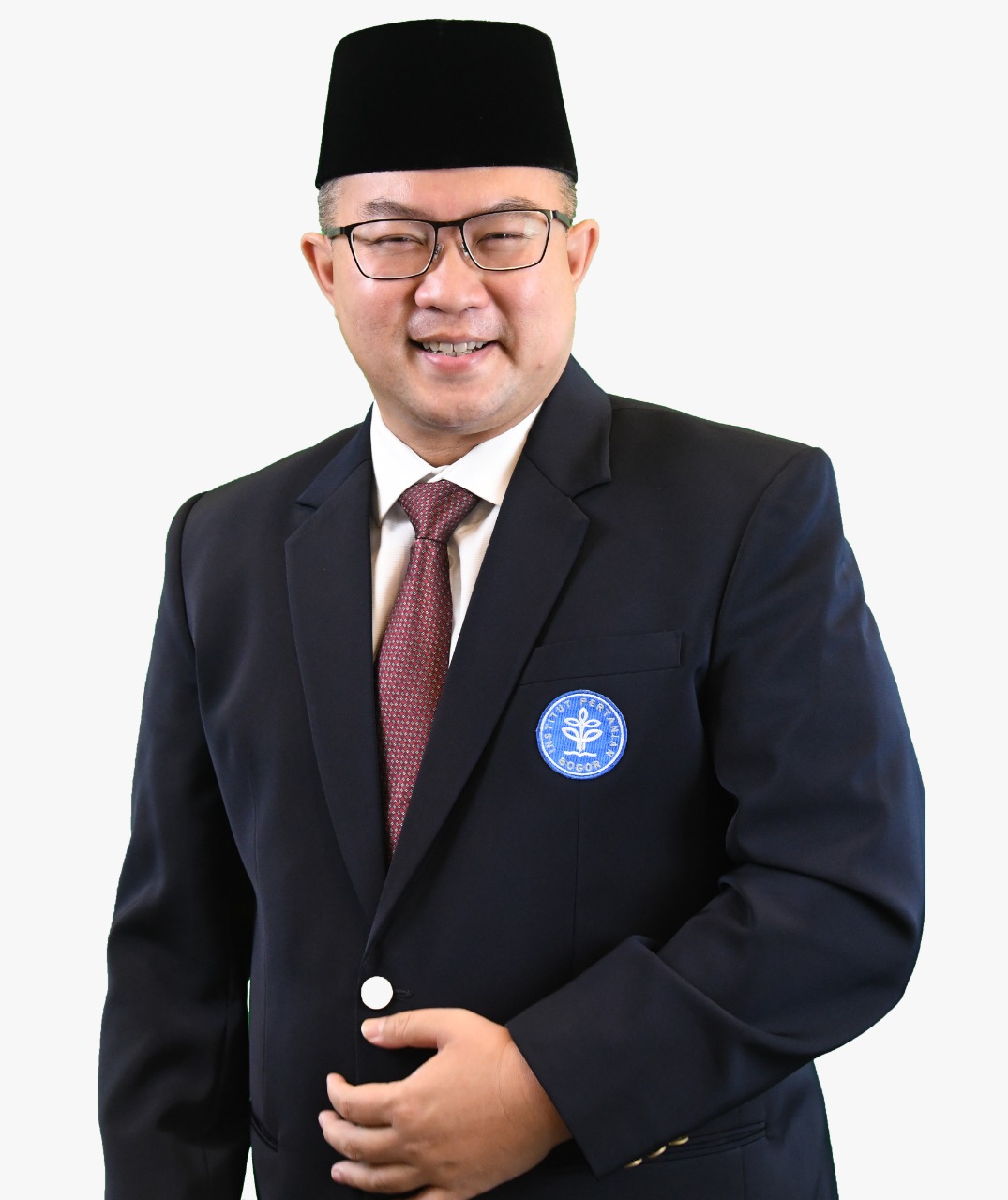
Head, National Research and Innovation Agency (BRIN) · Wednesday 5 May
Prof. Satria will address the role of research, innovation and evidence-based policy in shaping the future of education. His perspective connects educational institutions with national development agendas and research-driven solutions.
Assoc. Prof. Dr. Miriam Ezzani
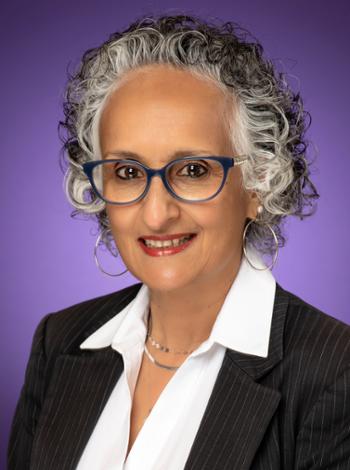
Texas Christian University, United States · Wednesday 5 May
Dr. Ezzani’s scholarship centres on culturally responsive leadership, educational equity and inclusive schooling, including Islamic school leadership. Her work shows how leaders can build schools where students of different cultural, racial and religious backgrounds thrive.
Assoc. Prof. Dr. Khalaf Marhoon Khalaf Al’Abri
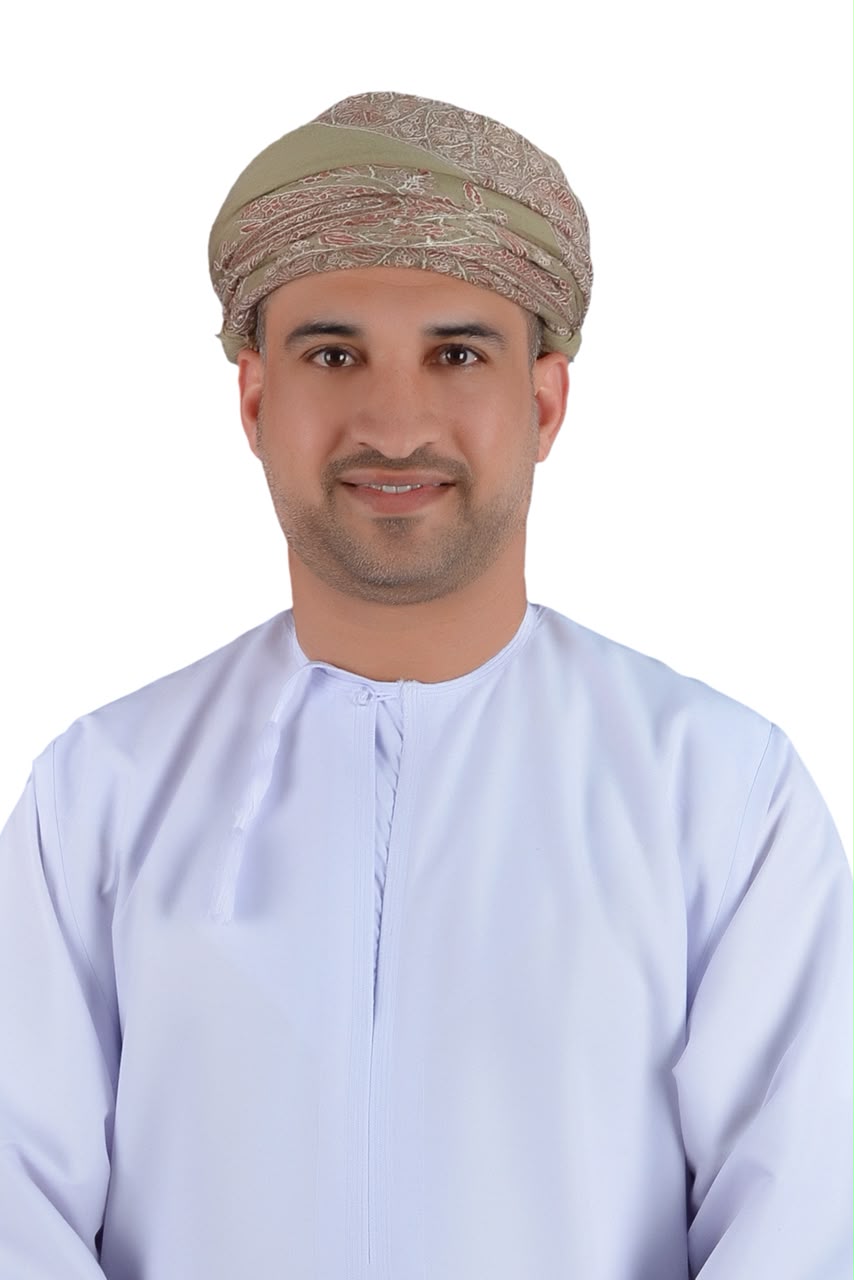
Sultan Qaboos University, Sultanate of Oman · Wednesday 5 May
Dr. Al’Abri heads the Department of Foundations and Educational Administration at Sultan Qaboos University, Oman, and is President of the Gulf Comparative Education Society. His work on education systems, higher education governance and quality assurance offers a comparative view from the Arab Gulf.
Submissions are welcome under six themes. The example topics are a guide, not a limit: empirical studies, conceptual papers, policy analyses and well-documented practice are all welcome.
1. Culturally Responsive and Islamic School Leadership
Leadership in pesantren, madrasah and Islamic schools; values-based and prophetic leadership; leading for diverse student communities; adab, akhlak and character in school culture.
2. Leadership in the Era of AI and Cognitive Science
AI in teaching, assessment and administration; ethics and governance of educational technology; what learning science means for school decisions; digital literacy for leaders and teachers.
3. Indigenous Wisdom and Holistic Meaning-Making
Local knowledge and community traditions in schooling; Eastern philosophies of learning; spirituality, meaning and wellbeing in education; holistic models of human development.
4. Educational Policy, Innovation and National Development
Curriculum reform; evidence-based policy; access and quality across regions; higher education transformation; the link between education and national development goals.
5. Teacher Engagement, Well-being and Inclusive Practices
Teacher motivation, workload and wellbeing; professional learning communities; inclusive and special education; counselling and student support in schools.
6. Organizational Development and School Improvement
School effectiveness; distributed and instructional leadership; change management; quality assurance and accreditation; partnerships between schools, families and communities.
| Option | What it involves | Who it suits |
| Present a paper | A 250-word abstract, then a full paper of 6,000–8,000 words, presented in a parallel session | Researchers, lecturers and students with a completed or near-completed study |
| Present a poster | A visual presentation in the poster session on 5 May, built for conversation and direct feedback | Work in progress, practitioner projects, first-time presenters |
| Attend as a participant | Both conference days, all keynotes and parallel sessions, lunch included | Anyone who wants to learn and network without presenting |
| Join a methods workshop | One of six hands-on workshops on 3 May, alongside the conference | Anyone building research skills |
| Attend a workshop only | The workshop alone, without the conference, at the same price | Those who can come on 3 May only |
Presenters of papers and posters receive a certificate and inclusion in the book of abstracts.
FEAC 2027 welcomes two presentation formats. Both are peer-reviewed at abstract stage, carry the same presenter certificate, and are eligible for an award.
| Oral presentation | Poster presentation | |
| Session | Parallel sessions, 4–5 May | Poster session, Wednesday 5 May, 15.00–16.00 |
| Format | Slide presentation to a session audience, followed by questions | Printed poster, discussed one-to-one with visitors |
| Time | 15 minutes presenting + 5 minutes Q&A | Presenter stays at the poster for the whole session |
| Before the conference | Full paper of 6,000–8,000 words by 5 March 2027 | Poster ready to print; full paper optional |
| Award | Best Paper, up to Rp 5,000,000 | Best Poster, up to Rp 1,500,000 |
| Best suited to | Completed studies with findings to report | Work in progress, pilot studies, practice-based projects |
Oral presenters
- Prepare slides in English, in 16:9 format.
- Send your slides to the session chair or upload them before your session begins. A laptop and projector are provided in every room.
- Keep to 15 minutes. The chair will signal at 12 minutes and stop the talk at 15.
- At least one author must be present on-site to present.
Poster requirements
- Size and orientation: A0 (84.1 × 118.9 cm), portrait.
- Language:
- Header: title, all authors’ names and affiliations, and the conference theme it addresses.
- Content: background, aim, method, key findings, conclusion and main references. Use figures, tables and diagrams rather than long blocks of text.
- Readability: text should be legible from 1.5 metres; a body font of at least 24 pt is recommended.
- Logos: your institution’s logo is welcome; the FEAC 2027 logo is optional.
- Printing: presenters print and bring their own poster. The committee does not print posters.
- Mounting: put your poster up on 5 May by 12.00 at the board assigned to you, and take it down after the closing ceremony. Boards and fixing materials are provided.
- During the session: stand by your poster for the full hour (15.00–16.00) to discuss your work with delegates and judges.
- Optional: a QR code linking to your abstract, full paper or contact details.
How posters are judged
Best Poster judges look at the clarity of the research question, the soundness of the method, the significance of the findings, the visual design of the poster, and how well the presenter explains the work in conversation.
Publication
Selected papers only. Presenting at the conference does not guarantee publication.
- Muslim Education Review. The Faculty’s journal, nationally accredited at Sinta 3. Selected full papers go forward to peer review. There is no article processing charge.
- Book Chapter published by UIII Press. Selected papers are developed into book chapters for an edited volume built around the conference theme.
Awards
Prizes for the best papers and posters are presented at the closing ceremony on 5 May.
| Place | Best Paper | Best Poster |
| 1st | Rp 5,000,000 | Rp 1,500,000 |
| 2nd | Rp 3,000,000 | Rp 1,000,000 |
| 3rd | Rp 2,000,000 | Rp 750,000 |
Every presenter receives a certificate.
Every fee includes lunch on each day you attend. The same rates apply to Indonesian and international participants. No one pays more than Rp 500,000.
| Category | Conference only | + one 3-hour workshop (DNA or Literacy) | + one 6-hour workshop (Rasch, Mixed Methods, Empathy or Computational) |
| Participant (non-student) | Rp 250,000 | Rp 350,000 | Rp 500,000 |
| Presenter (non-student), oral or poster | Rp 350,000 | Rp 450,000 | Rp 500,000 |
| Student, participant or presenter | Rp 150,000 | Rp 250,000 | Rp 400,000 |
| Workshop only | — | Rp 350,000 | Rp 500,000 |
| Returning participant from a previous FEAC | Rp 200,000 (participant) · Rp 250,000 (presenter) | — | — |
A valid student card is required for the student rate. UIII students and staff attend or present at no charge.
Group and institutional rates
Coming with colleagues? Register three or more together and save.
| Category | Minimum delegates | Group rate |
| Participant | 3 | Rp 600,000 |
| Presenter | 3 | Rp 900,000 |
| Student, participant or presenter | 3 | Rp 300,000 |
Group rates cover the conference fee only. A group member who also takes a workshop pays the workshop-only price above, with no group reduction.
Payment
Pay by bank transfer to the Faculty account, then send proof of transfer with your registration form.
| Bank | Bank Syariah Indonesia |
| Branch | KCP Depok Cimanggis |
| Account name | UIII CQ FAK ILMU PENDIDIKAN |
| Account number | 7369504856 |
| Currency | IDR |
| SWIFT code | BSMDIDJA |
International participants can pay using the SWIFT code above. Please make sure the full fee arrives after transfer charges.
Pre-conference workshops · Monday 3 May 2027
Six hands-on methodology workshops run on the day before the conference. Four run for six hours and two for three hours. Bring a laptop.
| Workshop | Facilitator | Duration | Time |
| Rasch Model Analysis | Assoc. Prof. Bambang Sumintono, Ph.D. | 6 hours | 09.00–15.30 |
| Mixed Methods Research Design | Dr. Destina Wahyu Winarti | 6 hours | 09.00–15.30 |
| Empathy as Reflective Research Practice | Assoc. Prof. Charyna Ayu Rizkyanti, Ph.D. | 6 hours | 09.00–15.30 |
| Computational Methods in Education Research | Aziz Awaludin, Ph.D. | 6 hours | 09.00–15.30 |
| Whose Story Does the Machine Tell? GenAI and Bilingual Picturebooks | Assoc. Prof. Tati Lathipatud Durriyah, Ph.D. | 3 hours | 09.00–12.00 |
| Discourse Network Analyzer (DNA) | Dr. Lukman Nul Hakim | 3 hours | 13.00–16.00 |
The two three-hour workshops do not overlap. Take Whose Story in the morning and DNA in the afternoon, and you pay the six-hour rate.
What each workshop covers
Rasch Model Analysis. How to build and check measurement instruments, such as tests, questionnaires and rating scales, so that scores mean what you claim they mean. For anyone who develops or validates instruments.
Mixed Methods Research Design. How to combine quantitative and qualitative data in one coherent study, from choosing a design to integrating the findings. For researchers planning a thesis, dissertation or funded project.
Empathy as Reflective Research Practice. How researchers can use empathy and reflexivity to work more ethically and more insightfully with participants, especially in sensitive or cross-cultural settings.
Computational Methods in Education Research. How computational tools can help education researchers analyse large or complex data. For researchers who want to go beyond conventional statistics.
Whose Story Does the Machine Tell? GenAI and Bilingual Picturebooks. A critical, practical look at using generative AI to create bilingual children’s picturebooks, and at whose language, culture and voice the machine reproduces. For teachers, literacy educators and researchers.
Discourse Network Analyzer (DNA). How to map who says what in public debate, for example on education policy, using the Discourse Network Analyzer software. For researchers in policy, media and political communication.
Programme rundown, 3–5 May 2027
Day 1 · Monday 3 May 2027 · Pre-conference workshops
| Time | Activity |
| 08.30–09.00 | Workshop registration |
| 09.00–15.30 | Rasch Model Analysis (6 hours) — Assoc. Prof. Bambang Sumintono, Ph.D. |
| 09.00–15.30 | Mixed Methods Research Design (6 hours) — Dr. Destina Wahyu Winarti |
| 09.00–15.30 | Empathy as Reflective Research Practice (6 hours) — Assoc. Prof. Charyna Ayu Rizkyanti, Ph.D. |
| 09.00–15.30 | Computational Methods in Education Research (6 hours) — Aziz Awaludin, Ph.D. |
| 09.00–12.00 | Whose Story Does the Machine Tell? GenAI and Bilingual Picturebooks (3 hours) — Assoc. Prof. Tati Lathipatud Durriyah, Ph.D. |
| 12.00–13.00 | Lunch and prayer break |
| 13.00–16.00 | Discourse Network Analyzer (DNA) (3 hours) — Dr. Lukman Nul Hakim |
Day 2 · Tuesday 4 May 2027 · Opening, keynotes, parallel sessions
| Time | Activity |
| 08.00–08.30 | Registration |
| 08.30–09.15 | Opening ceremony |
| 09.15–10.25 | Keynote 1: Prof. Dr. Sedat Gümüş |
| 10.25–11.35 | Keynote 2: Prof. Dr. Stella Christie |
| 11.35–12.45 | Keynote 3: Dr. Ir. Hetifah Sjaifudian, M.P.P. |
| 12.45–13.45 | Lunch and prayer break |
| 13.45–15.15 | Parallel session 1 |
| 15.15–15.45 | Asr prayer and refreshments |
| 15.45–17.15 | Parallel session 2 |
| 17.15–17.30 | Close of day |
Day 3 · Wednesday 5 May 2027 · Keynotes, panel, posters, closing
| Time | Activity |
| 08.30–09.40 | Keynote 4: Prof. Dr. Arif Satria |
| 09.40–10.50 | Keynote 5: Assoc. Prof. Dr. Miriam Ezzani |
| 10.50–12.00 | Keynote 6: Assoc. Prof. Dr. Khalaf Marhoon Khalaf Al’Abri |
| 12.00–13.00 | Lunch and prayer break |
| 13.00–14.10 | Panel discussion |
| 14.10–15.30 | Parallel session 3 |
| 15.30–16.30 | Poster session, Asr prayer and refreshments |
| 16.30–17.00 | Closing ceremony and awards |
The detailed programme, with room numbers and the parallel-session schedule, will be published after abstracts are accepted.
Abstracts for oral and poster presentations close on 5 December 2026. Submit at s.uiii.id/CallforAbstract2027.
Abstract guidelines
- Length: up to 250 words, in English
- Original and not previously published
- State which of the six conference themes it fits
- State your preferred format: oral (paper) or poster
- Cover the purpose, method, main findings and significance of the study
After acceptance
- Notification of acceptance by 5 January 2027
- Register and pay the presenter or student fee
- Paper presenters submit the full paper by 5 March 2027: 6,000–8,000 words, using the Muslim Education Review template
- Present at FEAC on 4 or 5 May 2027
Conference Secretariat, FEAC 2027 Faculty of Education, Universitas Islam Internasional Indonesia Jalan Raya Bogor, Depok, West Java, Indonesia
- Email: [email protected]
- Abstract submission: s.uiii.id/CallforAbstract2027
- Conference information: s.uiii.id/FoE_The6AnnualConference
- Instagram, YouTube, Threads and X: @uiiiofficial · @education.uiii
English. Abstracts, full papers and presentations are all in English.
Yes. Register as a participant for Rp 250,000, or Rp 150,000 with a valid student card.
Yes. The workshop-only fee is Rp 350,000 for a three-hour workshop and Rp 500,000 for a six-hour workshop.
Only the two three-hour workshops can be combined: Whose Story Does the Machine Tell? in the morning and DNA in the afternoon. Together they cost the same as one six-hour workshop.
No. The same rates apply to everyone.
The student rate, Rp 150,000 for the conference. A valid student card is required.
Presenting does not guarantee publication. Selected full papers go to peer review in Muslim Education Review (Sinta 3) or are developed into chapters for an edited volume with UIII Press.
Yes. Returning participants pay Rp 200,000, and returning presenters pay Rp 250,000.
Yes, for groups of three or more who register together. See Group and institutional rates above.