 Seeking Knowledge as Far as China: Reflections from the Shaanxi Normal University Summer Camp
By Afifah Muharikah
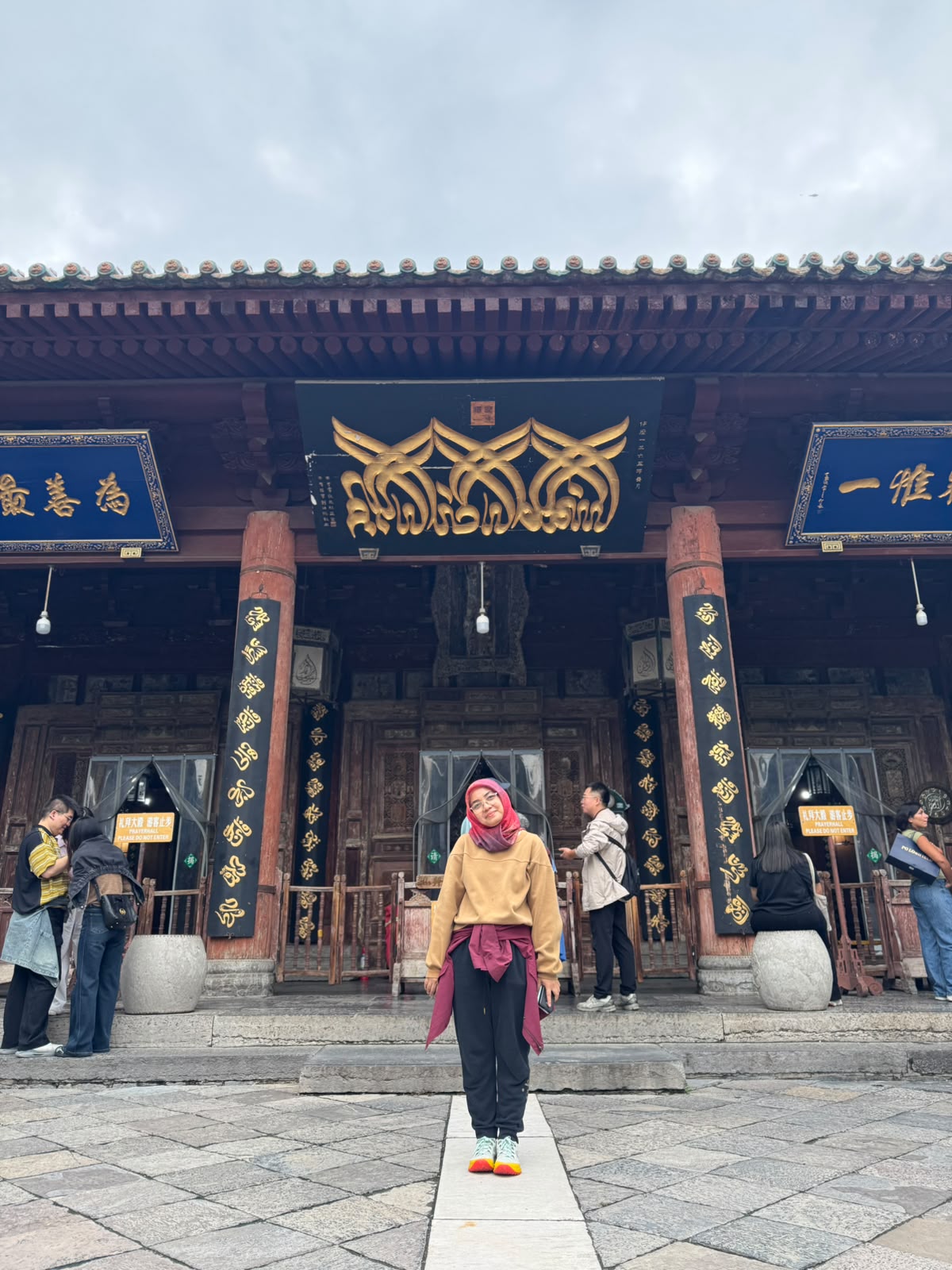
The popular saying , “Seek knowledge even as far as China,” now truly hits home. I learned so much as a visiting scholar at the Shaanxi Normal University Summer Camp, Xi’an Province in China, 14–30 September. This programme is designed for early-career researchers in educational technology. I was lucky to work under Professor PI Zhongling, whose record in educational technology and neuroscience is very impressive.
I brought home three things from this visit: the shared responsibility of raining the next generation, the importance of sustained mentoring in building strong research groups, and the role of willingness in cross-cultural communication.
1. “It takes a village to raise a child”
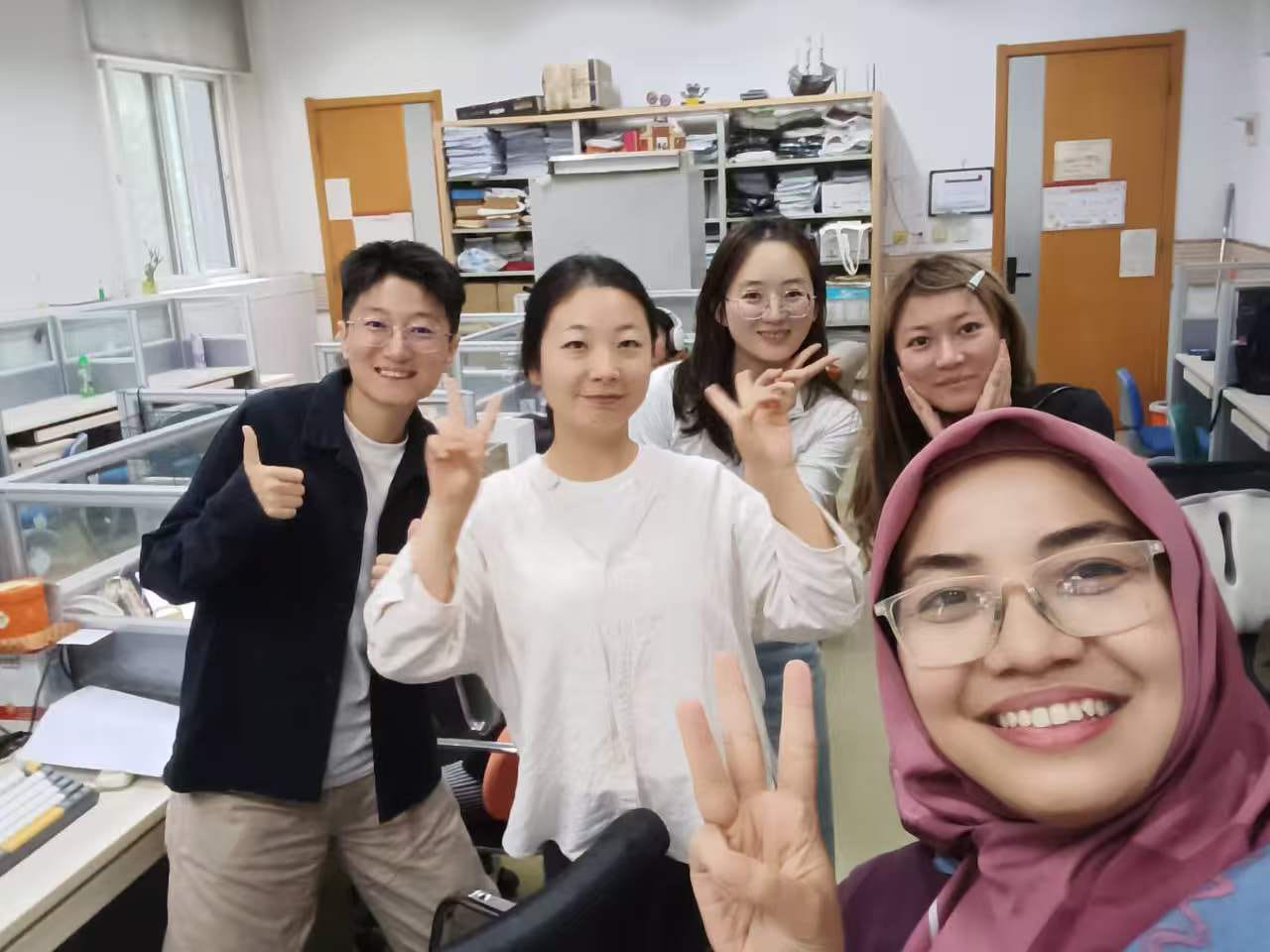
Professor PI brought me into contact with master’s and PhD students working on topics related to my research in inclusive education and neurodivergence through her research laboratory. Beyond her research expertise, I was curious about how she managed a productive research group while raising her primary school-aged daughter.
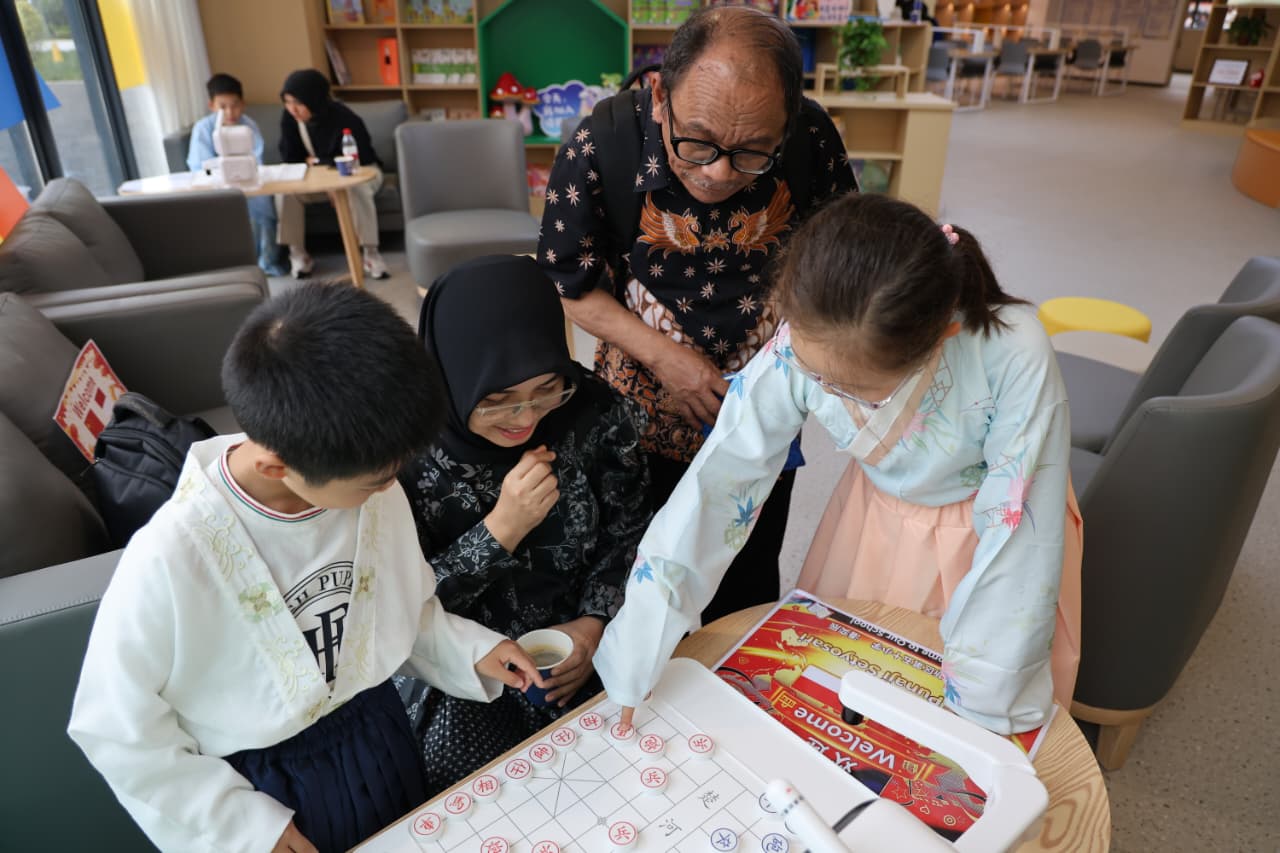
My visit to a Chinese primary school helped me reflect on this question. The school day ran approximately from 8 a.m. to 5.30 p.m. They had a physical exercise session, moral education, academic lessons, shared meals, afternoon naps, and reading activities. I was in awe of how AI and robots were integrated into schools without replacing the human relationships between students and teachers.
I might not fully understand the entire Chinese education system, but the visit made me reflect on the importance of institutional support in children’s development. Later, Professor PI and I discussed her daughter’s routines outside school, including homework, family dinners, and preparing for the following school day. This light discussion has reminded me of the saying, “It takes a village to raise a child.” I can see the government in China, through schools, provides the children structured learning during the whole day. At home, families continue nurturing these children. This shared responsibility made me see the role of academic institutions in supporting parents differently, especially the working ones.
2. “If you want to go fast, go alone; if you want to go far, go together.”
The second lesson came from observing Professor PI’s laboratory. She runs a weekly meeting for all her master’s and PhD students. Students present their work or a good experimental paper, and she encourages them to critically examine the paper and consider replicating the study with strong methodology. Experimental research is deeply instilled in her lab, yet she often uses mixed methods herself, believing qualitative approaches can complement experimental findings. Her lab has produced many studies published in high-quality journals, and many of her master’s and PhD students have published their own work. To me, this shows how successfully she has built a strong research environment, a living example of the saying “If you want to go fast, go alone; if you want to go far, go together.”
Moreover, I was impressed by the way she built connections among students. During my visit, two new PhD students from Pakistan joined the group. Professor PI invited them, her current PhD students, and me to her office to introduce ourselves and share our research interests. This simple introduction created opportunities for students to connect with each other outside formal lab meetings (such as communicating via WeChat just to ask about where to find Qīngzhēn (halal) food to potential research collaborations).
The experience in Prof PI’s lab has inspired me to practice the same things. I am thinking about establishing regular meetings with my students under my academic guidance and help them connect with each other. By doing so, I hope I could help my students to develop their research skills and build a stronger sense of academic community.
3. “It takes two to tango”
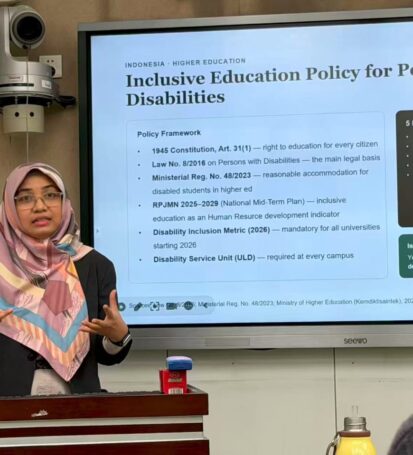
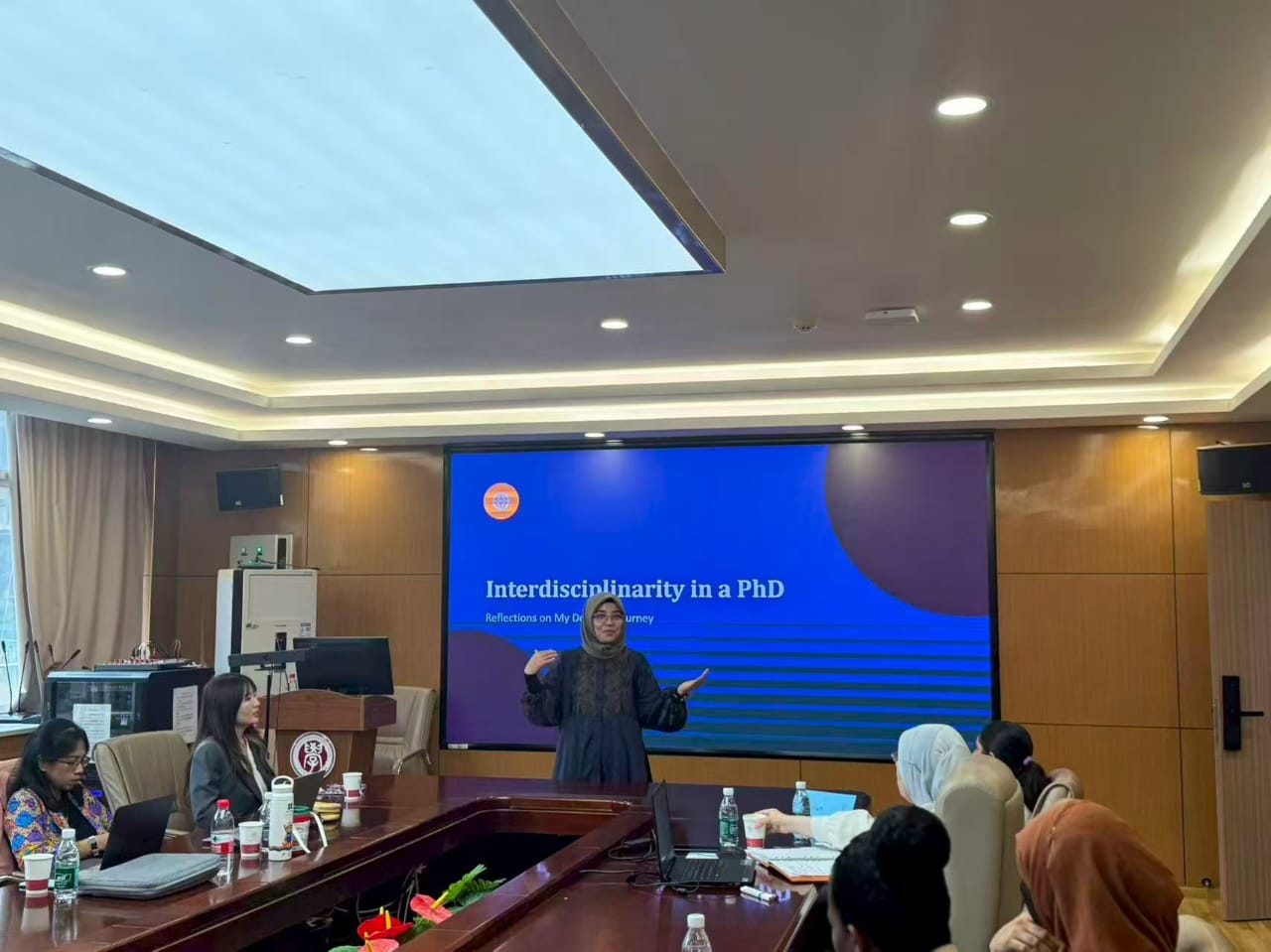
My third lesson came from my everyday interactions with local people there. I had a chance to present my dissertation about cross-neurotype interactions in Prof. PI’s weekly lab, which was attended by almost 30 students, mostly locals. My presence and the two Pakistani students turned the usual Chinese into English. The local students looked very attentive, yet only the Pakistani students and Prof. PI joined the discussion. I honestly worried whether my English was accessible enough. After class, however, two local master’s students told me my lecture was very clear and they learned new things about autistic communication. Their feedback reminds me of my own finding in my dissertation: that silence does not always indicate disengagement. People may engage with us without necessarily expressing themselves through spoken discussion.
Outside campus, I experienced inter-language interactions in unique ways. As I do not speak Mandarin and English is not widely spoken there, communication breakdowns are not something unusual. Some people readily helped by interpreting, while others used translation apps. On a few occasions, people declined to help. In responding to the breakdown, the people there and I would use available communication resources such as gestures, limited Chinese or English words, and technology. I often asked them to repeat their expressions when the app I used could not detect what they said and I could see they patiently repeated their words over and over.
“ It takes two to tango” is a fitting expression when we talk about interactions. It reminds us that both successful and unsuccessful interactions are shaped by the parties involved. Whether the “dance” goes smoothly or becomes challenging, the interaction can still be worked through as long as both parties are willing to stay on the dance floor. If one party gives up, however, the dance comes to an end. In my experience, sometimes I manage to complete the dance successfully and effortlessly; sometimes it takes more effort, and sometimes I fail to finish it. And that, to me, is the art of intercultural communication.
Bringing the Lessons Home
My visit to China gave me something greater than academic development. I learned about shared responsibility in raising children, sustained mentoring in research, and the patience required for cross-cultural communication. But more than that, I came home with friends who searched for halal food with me, a few words of Mandarin, a deeper meaning of the saying I grew up with: seek knowledge, even as far as China.