 Beyond the Conference: Finding My Academic Home at HERDSA 2026
By Muhammad Maulana
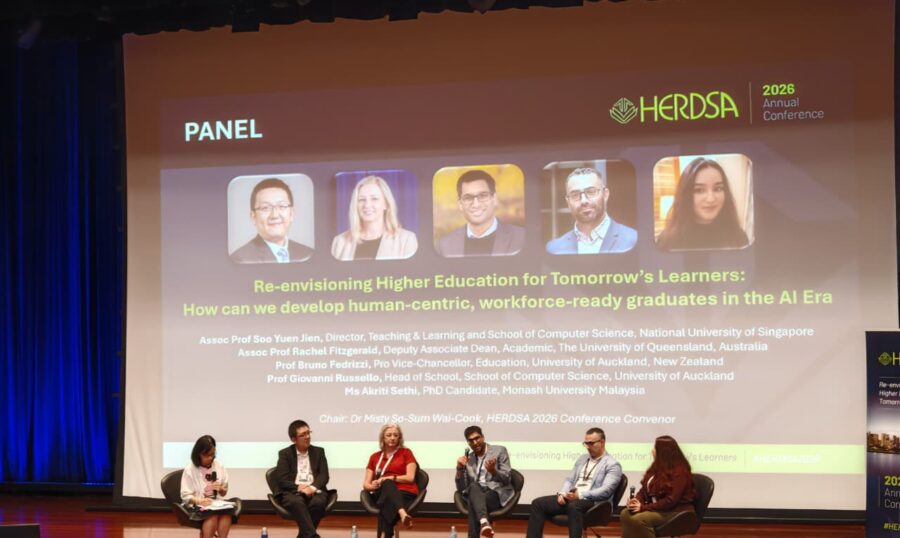
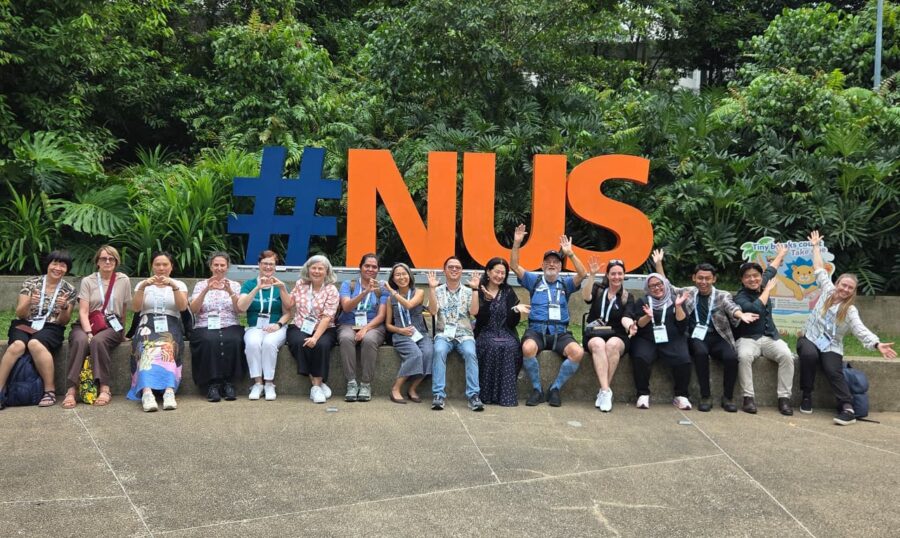
Attending the Higher Education Research and Development Society of Australasia (HERDSA) Annual Conference 2026 at the National University of Singapore (NUS), together with the TATAL (Talking About Teaching and Learning) Pre-Conference Workshop, has been one of the most transformative experiences of my academic journey.
With nearly 1,000 participants from across the world, it was the largest international conference I have ever attended. Yet, what made the experience unforgettable was not its scale, but the people. I found myself surrounded by educators, researchers, academic developers, and leaders who shared a genuine commitment to improving higher education. They were not competing for recognition; they were learning from one another. Conversations were filled with curiosity, generosity, and a shared belief that better universities are built through collaboration rather than competition.
As someone who had only recently completed a master’s degree, I initially wondered whether I truly belonged in such a community. Surrounded by professors, experienced scholars, and educational leaders, I felt like the least experienced person in many rooms. However, those feelings quickly disappeared. What I encountered instead was extraordinary humility. People listened, encouraged, and generously shared their ideas regardless of academic titles or career stages. It reminded me that academic excellence is measured not only by what we know, but also by our willingness to help others grow.
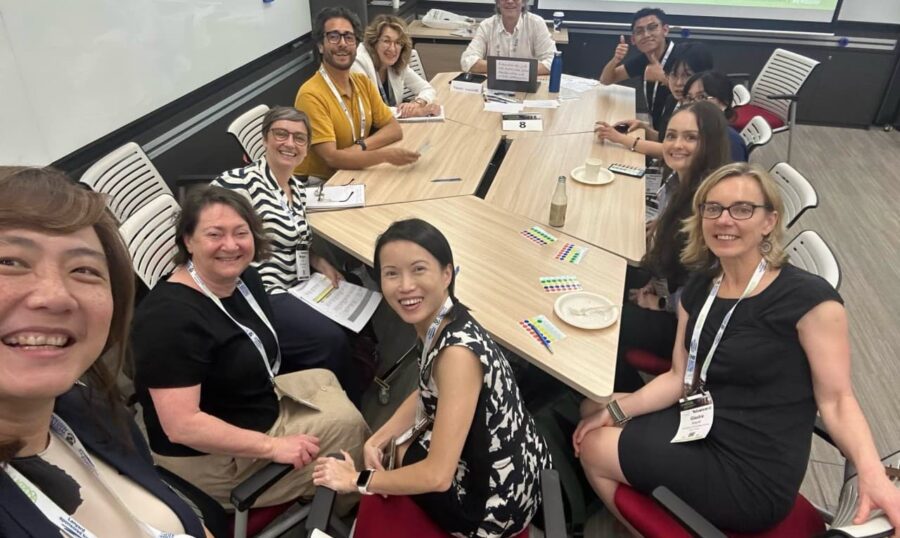
One of the most meaningful parts of the conference was participating in the TATAL Pre-Conference Workshop. Throughout the workshop, we were invited to reflect on a simple but profound question: What is the fundamental purpose of teaching? That question stayed with me long after the workshop ended.
As I reflected, I realized that I see educators as mountain guides. A mountain guide cannot climb the mountain for others. Instead, they prepare, support, encourage, and guide people through difficult paths. The journey remains challenging because growth cannot be outsourced. Learning requires effort, perseverance, and resilience. Yet, when students finally reach their own summits, they discover something much more valuable than success itself. They gain perspective, humility, and a deeper understanding of themselves. Standing at the top of a mountain reminds us not of how great we are, but of how much there is still to learn. Perhaps that is what meaningful education should ultimately cultivate.
The conference also gave me the opportunity to present my master’s thesis through a Roundtable Discussion, a presentation format that was entirely new to me. Unlike traditional conference presentations, the roundtable transformed research into a conversation. Instead of presenting answers, I found myself exploring questions together with participants who openly challenged my assumptions, shared their own experiences, and enriched my thinking.
My presentation, Why Higher Education Often Separates Spiritual Identity and 21st Century Skills? emerged from a concern that many universities are becoming increasingly successful at developing graduates’ competencies while paying less attention to the people those graduates are becoming. We often ask what skills students need for the future. Yet perhaps an equally important question is: Who are our students becoming?
In my research, I argue that higher education should not only equip students with critical thinking, communication, collaboration, and creativity, but should also create spaces where they can develop their spiritual intelligence, the capacity to draw upon meaning, values, morality, and existential reflection in navigating life. While this idea remains a proposition requiring further empirical investigation, I believe it offers one possible response to Isaac Asimov’s timeless observation:
“The saddest aspect of life right now is that science gathers knowledge faster than society gathers wisdom.”
The discussions that followed my presentation reminded me that knowledge grows richer when it is shared. Every comment, question, and perspective helped me see my own research differently.
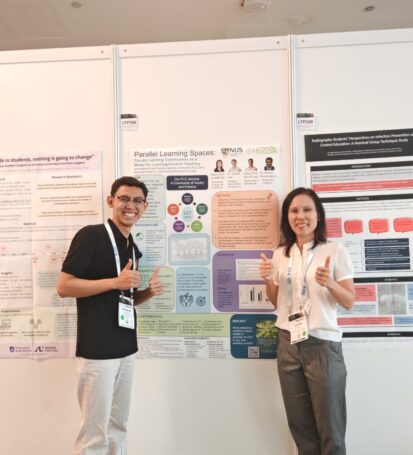
Beyond the formal sessions, many conversations left lasting impressions. One particularly memorable discussion was with a presenter from the National University of Singapore, who explained how lecturers are intentionally organized into cross-disciplinary learning communities where they regularly reflect on teaching, exchange practices, and continuously improve together. Even more inspiring was learning that these collective experiences have been developed into a forthcoming Routledge book, Making Learning-Centered Teaching Work in Asia and Beyond.
What touched me most, however, was not the book itself but the generosity behind their work. When I expressed my interest, they immediately offered to visit our institution, share their experiences, and even seek funding from their own university so that financial limitations would not become barriers to collaboration. That moment quietly changed the way I think about academic communities. Excellent universities do not simply produce excellent research. They cultivate generosity.
As I reflected on these experiences, I could not help comparing them with some of the realities I encounter in Indonesia through my work as an academic developer. Across conversations with colleagues from different universities, we often share similar concerns: sustaining genuine commitment to teaching enhancement remains challenging, and professional conversations about teaching are sometimes overshadowed by administrative responsibilities.
This experience strengthened my belief that Indonesia needs more academic communities like HERDSA, spaces where educators regularly learn from one another, exchange ideas across institutions, and collectively improve higher education. Such communities cannot eliminate every challenge, but they can nurture the culture necessary for meaningful and sustainable change.
Perhaps one of the most unexpected moments of this journey came even before the conference began. Receiving the HERDSA Student Conference Grant was something I never truly expected. Having recently graduated with a master’s degree, I assumed the grant would naturally be awarded to outstanding PhD students with much stronger academic portfolios. I submitted my application with hope, but very little expectation. When I received the notification that I had been selected, my first feeling was not pride, it was gratitude.
Looking back, I realize that if I had convinced myself that I was “not qualified enough” and never applied, I would have missed one of the most transformative experiences of my academic life. Sometimes, opportunities arrive not because we feel ready, but because we choose to take the first step despite our doubts.
None of this would have been possible without God’s grace. I am deeply grateful for every opportunity He has opened for me. I am equally thankful to my mentors at UIII, especially Dr. Destina, my thesis supervisor, and Dr. Bambang, whose continuous encouragement, and countless last-minute recommendation letters, made this journey possible.
As I left Singapore, I realized that I was bringing home much more than conference memories. I was bringing home a renewed vision of what higher education can become. A place where teaching is deeply human. Where research is built through dialogue. Where generosity matters as much as expertise. And where communities grow stronger because people choose to help one another succeed. More than anything else, HERDSA gave me something I had not expected to find. It gave me a sense of belonging.
I sincerely hope that my journey with HERDSA does not end with this conference. Instead, I hope it marks the beginning of a lifelong commitment to this remarkable community, one where I can continue learning, contributing, and perhaps one day, following the inspiring footsteps of many senior colleagues, become a HERDSA Fellow myself.
As one keynote speaker reminded us through John C. Maxwell’s words:
“The pessimist complains about the wind. The optimist expects it to change. The leader adjusts the sails.”
After this week, I no longer want to wait for higher education to change. I simply want to become one of those who help adjust the sails.