BIPA: Bridges of Language, Gardens of Heart
by Ramli
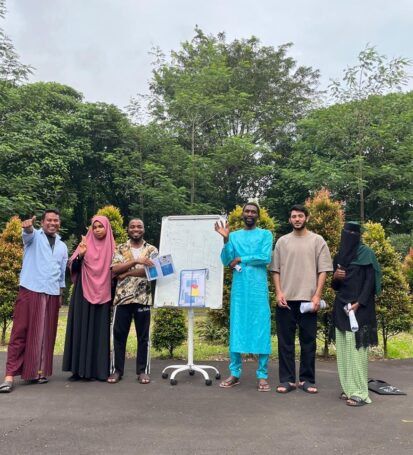
Learning foreign language always a challenge for everybody, not easy and full of surprise. In addition, teaching foreign language even more challenging. Usually, I began with a book of rules and a promise to teach sounds, tenses, and neat sentences. Soon the room refused to be a textbook. It folded itself into a shelter where voices found courage and small triumphs sprouted like green shoots after rain. Teaching Indonesian was supposed to be a craft; instead, it became a quiet liturgy of belonging. We learned through touch and taste. In roleplays, the clatter of imagined markets turned into music; bargaining for a mango felt like learning a heartbeat. The language slipped into palms and plates when we cooked together, each spice a new word, each recipe a story carried across oceans. Walking the neighborhood, directions became poems of streets and storefronts, and the city itself read lessons aloud. These practices made the language a living thing not an abstract code but a breath shared between people.
They brought their worlds with them: lullabies, proverbs, bows, handshakes, meals wrapped in leaves, and jokes that landed with a warmth I could feel. When a student taught us a greeting from his village, the syllables hung in the air like offerings; when another shared a proverb with no Indonesian twin, we leaned closer to listen. Those moments braided our differences into a single tapestry. Mistakes were no longer failures but invitations faint footsteps toward each other.
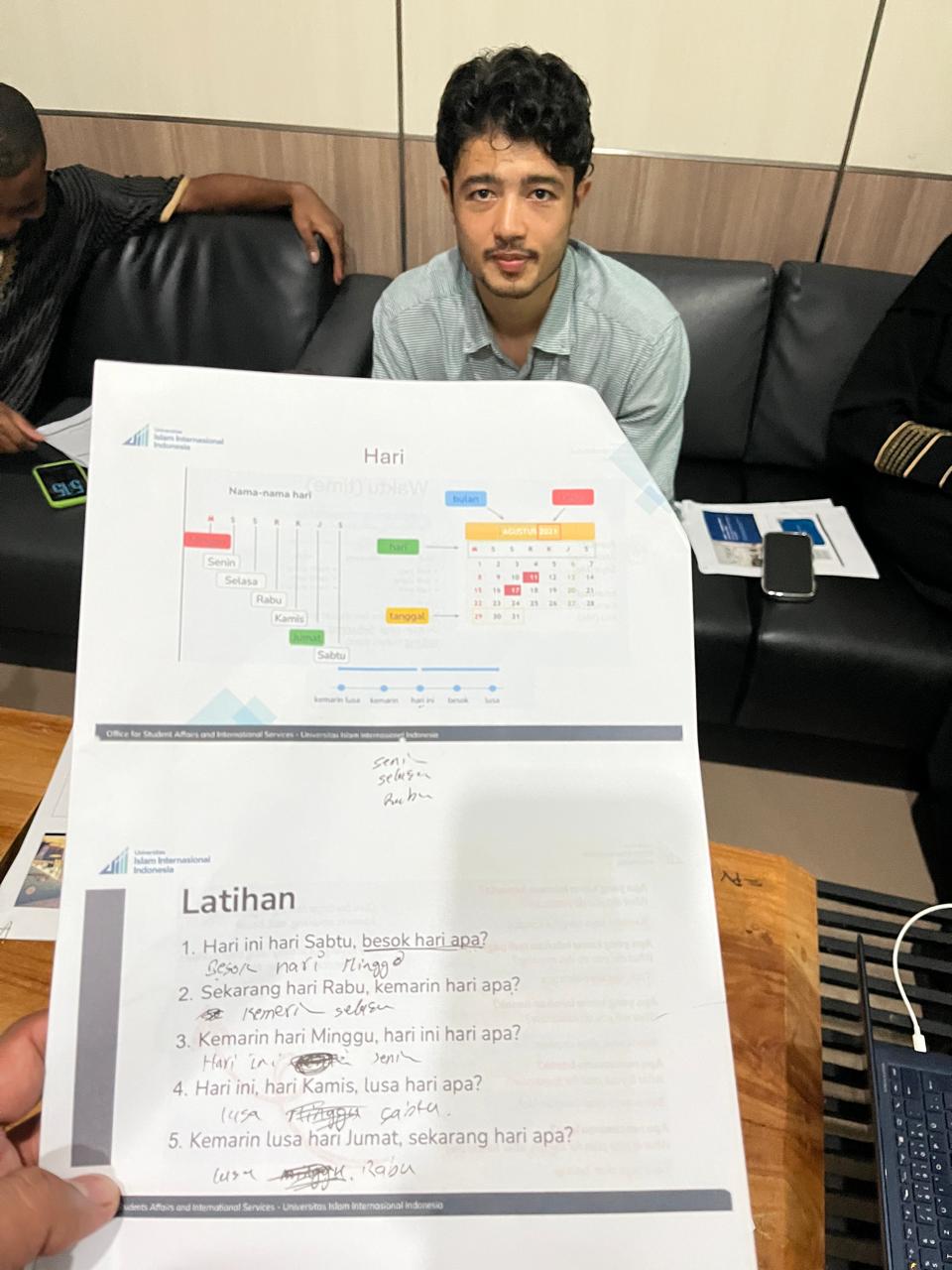
There were days when silence lived in our circle. Homesickness sat like a weight at the back of a chair; anxiety hovered in hesitant responses. We learned to name those shadows gently. A short check-in, a shared cup of tea, a hand on a shoulder small ritual that said, I see you, you are seen. The classroom’s warmth was not accidental; it was built of countless tiny mercies. Inclusion became a poem of actions: subtitles and storyboards, paired voices that balanced one another, tasks that let the quietest hands speak through images. Sometimes they taught me. They corrected my pronunciation with laughter that felt more like love than correction. They fed me food whose flavors mapped to childhoods, and they offered words from tongues I could not yet speak. Those gifts unstitched the old teacher-student seam and rewove it into companionship. I brought grammar and structure; they returned maps of resilience and new ways to look at the world. Their stories of leaving, of longing, of stubborn hope shaped the classroom’s true curriculum.
I discovered that teaching is not merely giving knowledge but tending tender things. It asks patience like sunlight asks the morning. It asks presence: staying after class to listen, asking a hesitant student to tell one more sentence, celebrating mispronunciations as proof of trying. These actions, simple and human, taught the students and taught me how to be a better keeper of those fragile beginnings. When they began to speak with ease, it felt less like perfunctory success and more like watching a chorus learn a new song. Their laughter, their corrected mistakes, their shared festivities these were the harvest. They left with vocabulary, yes, but also with new roots planted in a place that once felt foreign. I left with a heart fuller and softer, heavy with gratitude for being allowed in their journeys.
BIPA became a doorway and a hearth. Language built the threshold; compassion kept the light inside. In teaching Indonesian, I discovered that education is at its most human when it is a shared passage home.